2 chamberlain square birmingham
2 Chamberlain Square: Birmingham's Premier Commercial Hub. Beyond the Façade
In the heart of the West Midlands, 2 chamberlain square birmingham stands as a testament to modern architectural engineering and commercial prestige. As an engineer who has spent decades working in plant rooms across this region, I see this Grade A office development as more than striking glass and steel. It is a living ecosystem in which structural design meets intense operational demands. For facility managers and commercial landlords, maintaining a landmark of this scale means looking beyond surface aesthetics and focusing on the physical realities of daily operation.
Managing a premier asset like 2 Chamberlain Square Birmingham requires a shift from reactive repairs to predictive, SFG20-aligned maintenance. Because high-density commercial spaces demand continuous climate control, power reliability, and water safety, a dedicated engineering partner is the most reliable route to protect asset lifecycles, maintain compliance, and reduce avoidable downtime.
The Landmark Building: An Overview
This striking building offers approximately 175,000 square feet of high-specification office space, designed to meet the demands of modern corporate occupiers. The structure pairs clean, classical proportions on the exterior with sophisticated mechanical systems behind the walls. Every floor plate relies on a continuous supply of conditioned air, stable electrical distribution, and reliable drainage to keep hundreds of people working productively each day.
Location, Location, Location: The Paradise Context
Positioned within the Paradise redevelopment, the property sits in the civic centre of the city. This high-profile setting means the building faces constant public scrutiny and must meet strong environmental expectations. The surrounding urban density also creates logistical challenges for facilities management, particularly when planning major plant maintenance, crane lifts, or emergency engineering interventions in a busy pedestrianised zone.
What Makes 2 Chamberlain Square Stand Out?
The building has large, flexible floorplates designed to maximise natural light while minimising solar heat gain. Its occupiers include leading professional services firms that expect business continuity. With high-occupancy meeting spaces, sensitive IT areas, and open-plan work zones running at the same time, the mechanical infrastructure must adjust to shifting thermal loads through the working day.
The Unseen Backbone: M&E Systems Powering 2 Chamberlain Square's Operational Performance
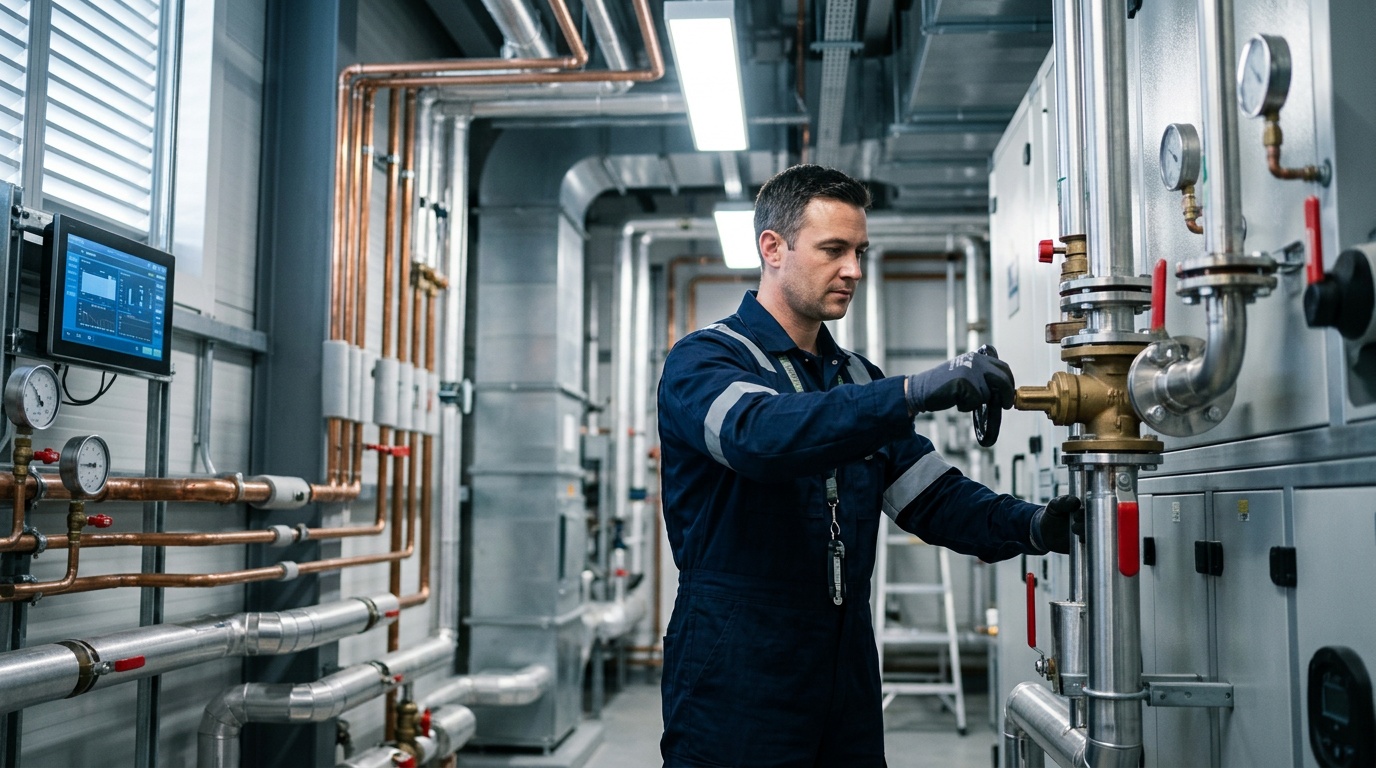
The true performance of 2 chamberlain square birmingham is set by its plant rooms, ductwork, and electrical risers. When these systems run correctly, tenants stay comfortable and rarely think about the engineering behind the scenes. When a single component fails, the commercial impact can be immediate, with overheated IT rooms, closed office areas, and lost revenue.
Understanding the Building Services: HVAC, Electrical, and Plumbing Essentials
The heating, ventilation, and air conditioning set-up typically relies on high-efficiency chillers and modular boilers to maintain tight temperature control. Electrical distribution must handle balanced three-phase loads, supported by uninterruptible power supplies where required to protect critical digital operations. At the same time, booster pumps and commercial water heaters support consistent hot and cold water services across the multi-storey structure.
The Importance of a Building Management System (BMS) That Performs
A sophisticated Building Management System can act as the control centre for the property, monitoring large volumes of data in real time. Used properly, it helps teams track fan speeds, valve positions, alarms, and energy consumption by zone. By analysing trends, engineers can spot performance drift, diagnose faults earlier, and adjust schedules to better match occupancy and demand.
Compliance in Practice: Navigating Building Regulations and Standards
Compliance is the baseline for professional estate management. For a premium asset, maintenance regimes should align with SFG20, the recognised standard for building maintenance specifications. This approach supports consistent task frequencies and a clearer audit trail, helping ensure that assets such as fire dampers, emergency lighting, and critical plant receive inspections at appropriate intervals.
Statutory Compliance Checkpoints
- F-Gas Regulations: Leak detection and record-keeping for air conditioning and refrigeration systems where applicable.
- ACOP L8: Legionella risk management, including temperature monitoring and defined control measures.
- Fixed Wire Testing: Electrical installation condition reporting at suitable intervals based on risk and use.
- Gas Safety: Commercial gas safety inspections and certification by qualified engineers.
Beyond the Boiler Room: Proactive Maintenance for Asset Longevity and Tenant Satisfaction
From what I have seen on site, waiting for a component to fail before acting is a quick way to inflate operating costs. A proactive approach to systems in 2 chamberlain square birmingham protects capital investment and supports tenant satisfaction. Proper maintenance is lifecycle management: spotting wear early, planning interventions, and reducing the chance of unexpected capital spend.
Planned Preventative Maintenance (PPM): The Cost-Effective Strategy
Planned Preventative Maintenance is not paperwork; it is cost control. Regular filter changes, belt replacements, lubrication, and functional checks stop minor wear becoming major failure. A structured plan also extends the service life of expensive plant, helps keep energy use steadier, and makes budgeting more predictable across the year.
Minimising Disruption: How Expert M&E Keeps Businesses Moving
In a Grade A office environment, maintenance should be planned around occupier needs. Experienced engineers schedule intrusive works and higher-risk tests outside peak hours, and coordinate isolations with building management. The aim is simple: when tenants arrive at the start of the working week, systems are safe, stable, and comfortable, with minimal sign of the work completed.
The Facility Manager's Checklist: What to Demand from Your M&E Partner
To keep a premium commercial property running smoothly, facility managers need a partner that provides transparency and technical depth. Use this checklist to set expectations from the outset:
- Digital Asset Tracking: Plant tagged and recorded in a digital system.
- Timely Reporting: Service sheets and compliance certificates issued promptly after job completion.
- Direct Engineer Communication: Access to the engineers completing the work, not only an admin layer.
- Clear SLA Tracking: Metrics for response times on reactive call-outs and planned visits.
Sustainability in Practice: Integrating Advanced Technologies at 2 Chamberlain Square
Modern commercial tenants expect buildings that support lower energy use and stronger environmental performance. At 2 chamberlain square birmingham, sustainable operation depends on how well the building services are maintained and tuned over time. The technology alone does not deliver better outcomes; consistent inspection, correct setpoints, and evidence-led adjustments are what keep performance on track.
The Role of Energy-Efficient HVAC and Low-Carbon Options
Heating and cooling are usually the biggest energy loads in a commercial office. Variable speed drives on pumps and fans help match output to demand rather than running flat out. Keeping heat recovery components clean and correctly commissioned can reduce wasted energy, and routine checks of sensors and valves help prevent systems fighting each other during seasonal changeovers.
Smart Lighting and Energy Monitoring: Reducing the Environmental Footprint
Low-energy LED lighting, combined with presence detection, helps cut waste in intermittently used spaces. Sub-metering provides clearer visibility of consumption by floor or tenant area, making unusual spikes easier to investigate. When teams can see the data, they can act faster: correcting schedules, resolving faults, and producing more accurate usage reporting for occupiers.
Achieving BREEAM Standards: M&E's Contribution to Green Credentials
Maintaining ratings such as BREEAM depends on consistent system performance. Dirty filters, poorly set controls, and neglected water systems can steadily erode design intent. Detailed maintenance, sensible optimisation, and measured verification help keep controls aligned with how the building is actually used, supporting long-term performance and protecting asset value.
The MEMS Difference: A Trusted Partner for Birmingham's Commercial Estates
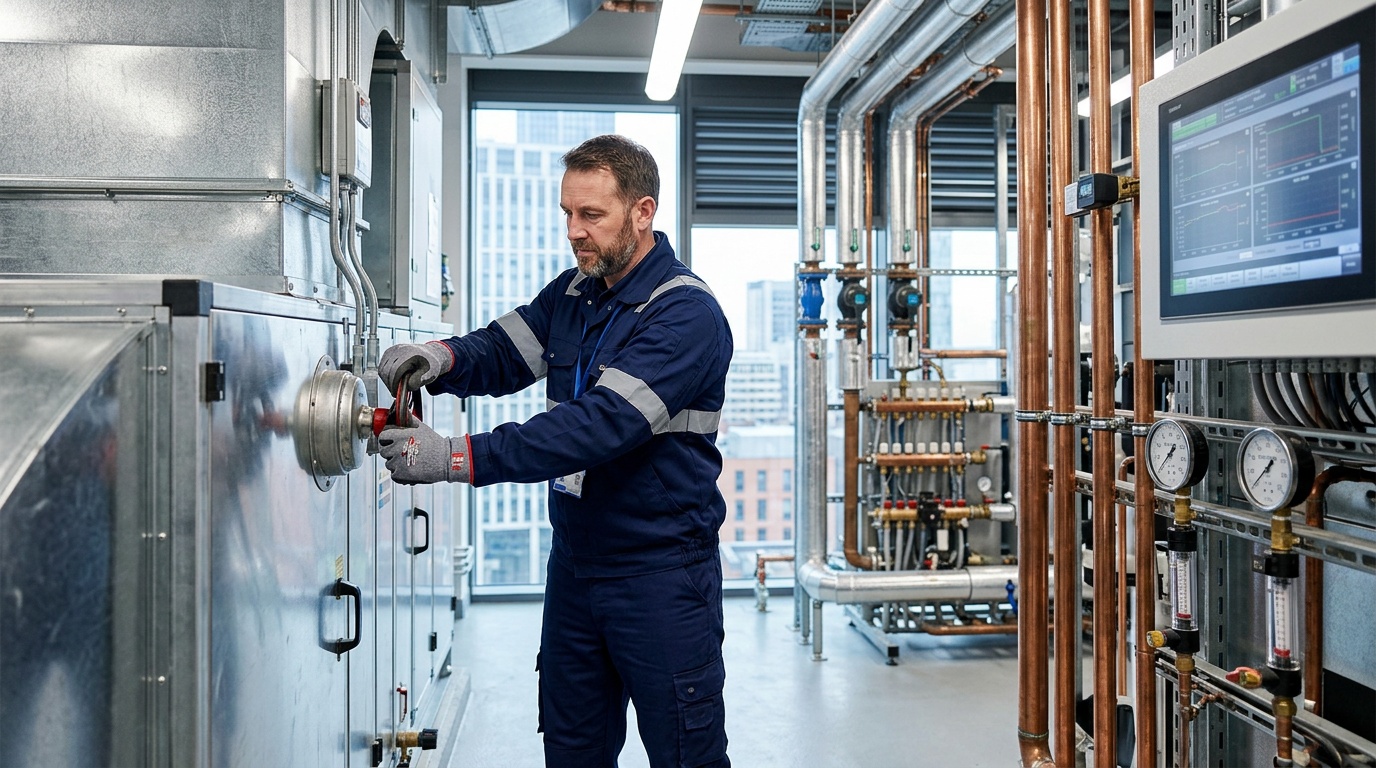
At MEMS Facilities Maintenance, we understand that managing a building like 2 chamberlain square birmingham calls for careful planning, clear communication, and engineering standards that stand up to scrutiny. I back that personally. We combine practical engineering experience with owner-led accountability, so clients get straight answers and a service that focuses on keeping commercial sites safe, compliant, and operational.
Why Choose a 'Customer First' Approach for Your Building's Health?
Our approach is built on open communication and technical honesty. When we inspect a plant room, we explain what needs attention now, what can be planned, and what the risks look like if work is deferred. That removes guesswork and supports better decisions, whether the priority is comfort, reliability, compliance, or long-term cost control.
Our 'Open Door' Innovation: Vetted Technologies for Practical Outcomes
We do not adopt tools because they are fashionable. We trial, verify, and then deploy technology that helps teams manage assets and documentation more effectively. That can include thermal imaging to identify electrical hot spots early, or digital reporting platforms that keep compliance records organised and accessible.
24/7/365 Availability: Because Breakdowns Do Not Keep Office Hours
Critical plant failures rarely arrive at a convenient time. That is why our helpdesk and mobile engineering teams operate 24/7/365. Whether it is a leak late at night or heating trouble on a bank holiday, our qualified engineers respond quickly and work to limit disturbance while restoring safe operation.
Ready to Improve Your Building's Performance?
If you want to move away from reactive maintenance and work with an engineering team that takes pride in every plant room, we are ready to help. Contact MEMS Facilities Maintenance to discuss a tailored PPM plan for your commercial property.
Frequently Asked Questions
What is 2 Chamberlain Square Birmingham?
2 Chamberlain Square Birmingham is a Grade A office development, recognized as a premier commercial hub in the West Midlands. It's a modern architectural structure designed to meet the high demands of corporate occupiers. From an engineer's perspective, it's a complex system where design meets daily operational needs.
Where is 2 Chamberlain Square located in Birmingham?
2 Chamberlain Square is positioned within the Paradise redevelopment, placing it right in Birmingham's civic centre. This high-profile location means the building is under constant public view and must meet strong environmental expectations. Its central urban setting also presents unique logistical challenges for facilities management.
What kind of office space does 2 Chamberlain Square offer?
This striking building provides approximately 175,000 square feet of high-specification office space. It features large, flexible floorplates designed to maximize natural light and minimize solar heat gain. Occupiers include leading professional services firms who expect continuous business operations.
Why are the M&E systems so important for 2 Chamberlain Square's performance?
The true operational performance of 2 Chamberlain Square Birmingham relies on its mechanical and electrical (M&E) systems, including plant rooms, ductwork, and electrical risers. These systems ensure continuous climate control, power reliability, and water safety, keeping hundreds of people working productively. If a component fails, the commercial impact can be immediate, leading to lost revenue.
How does 2 Chamberlain Square ensure operational compliance?
Ensuring compliance at 2 Chamberlain Square means aligning maintenance regimes with SFG20, the recognized standard for building maintenance specifications. This approach supports consistent task frequencies and a clear audit trail for critical assets like fire dampers and emergency lighting. It's about meeting statutory requirements like F-Gas Regulations and ACOP L8.
What is the approach to maintenance at 2 Chamberlain Square?
The approach to maintenance at 2 Chamberlain Square shifts from reactive repairs to predictive, Planned Preventative Maintenance (PPM). This proactive strategy protects capital investment and supports tenant satisfaction by spotting wear early and planning interventions. It prevents minor wear from becoming major failures, extending asset life and making budgeting more predictable.
What specific compliance requirements apply to 2 Chamberlain Square?
For a premium asset like 2 Chamberlain Square, specific compliance checkpoints include F-Gas Regulations for air conditioning, ACOP L8 for Legionella risk management, and Fixed Wire Testing for electrical installations. Gas safety inspections by qualified engineers are also essential. These measures ensure the building meets professional estate management standards.