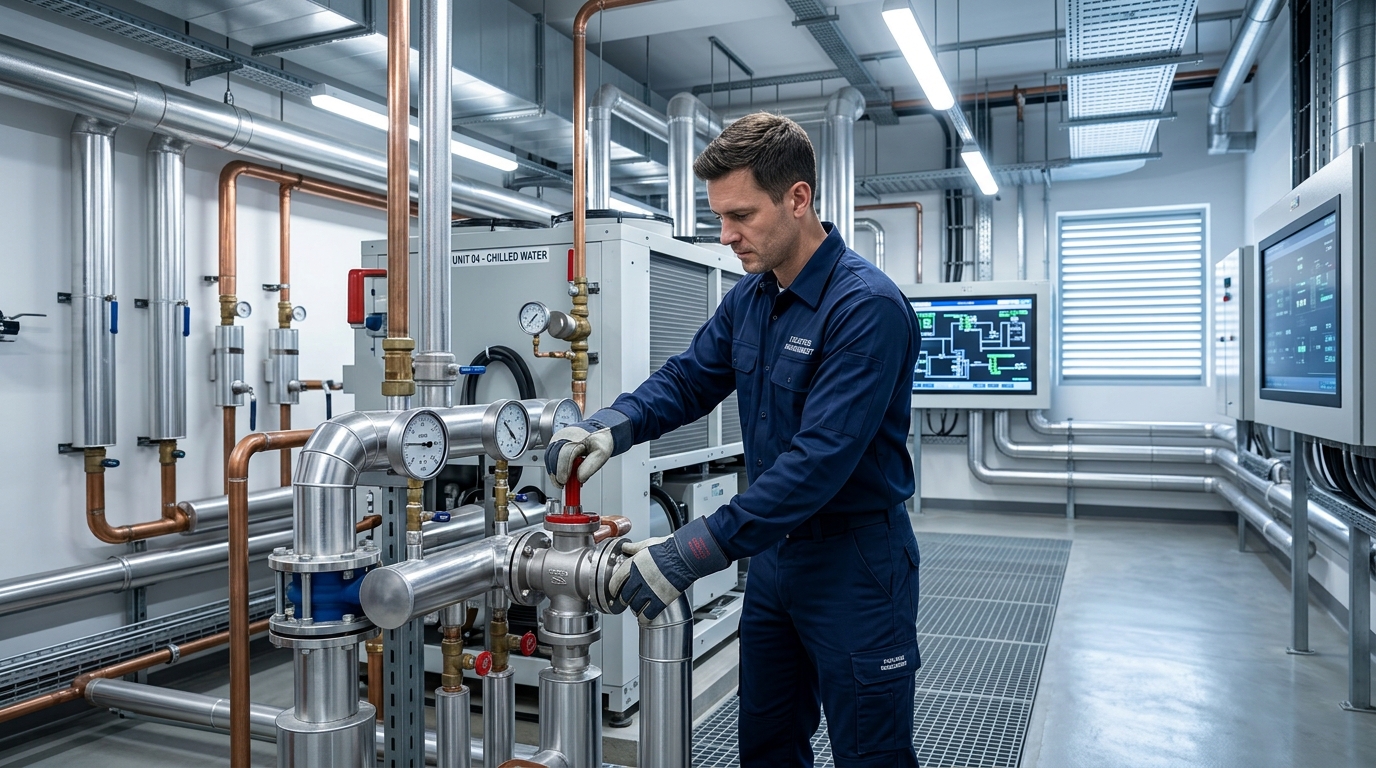
Best for reducing failures in office heating systems?
The Commercial Cost of a Cold Office: Why Heating System Failures Hit Your Bottom Line
A comprehensive Planned Preventative Maintenance (PPM) programme combined with smart monitoring technology is your strongest defense against office heating failures. This proactive approach prevents most common breakdowns whilst cutting energy costs.
Key Takeaways
- Set up a Planned Preventative Maintenance (PPM) program to stop heating system breakdowns before they happen.
- Install smart monitoring technology to continuously track heating system performance and spot problems early.
- Pairing PPM with smart tech prevents most common heating failures and reduces your energy expenses.
Beyond the Chill: Direct Financial Impacts of Downtime
When your office heating fails in January, you're not just dealing with uncomfortable staff. You face immediate revenue loss. Retail spaces lose customers who won't browse in the cold. Office workers become less productive. Studies show performance drops when temperatures fall below 18°C. Emergency call-out fees often start from around £200 per hour, and replacement parts cost more during urgent repairs.
The Ripple Effect: Productivity, Morale, and Reputation
A single heating failure can damage your reputation with tenants and customers. Staff morale drops when people are working in coats. Your building becomes known as "the cold one", affecting future lettings and property values. Modern businesses expect reliable environmental controls. Repeated failures signal poor management.
Legal and Compliance Risks: More Than Just a Nuisance
Workplace temperature regulations set minimum standards. Failure to maintain adequate heating can lead to HSE scrutiny and, in serious cases, enforcement action. Insurers may question claims if you haven't followed appropriate maintenance schedules, such as SFG20 where relevant. Gas Safe compliance is also essential, particularly when urgent repairs require additional resource.
The True Cost of a Heating Breakdown
A typical office heating failure creates costs across repairs, lost productivity, and temporary arrangements for displaced staff. In many organisations, the combined total exceeds the annual cost of a proper preventative maintenance plan.
Decoding the Breakdown: Common Culprits Behind Office Heating System Failures
The Unseen Enemy: Ignored Preventative Maintenance
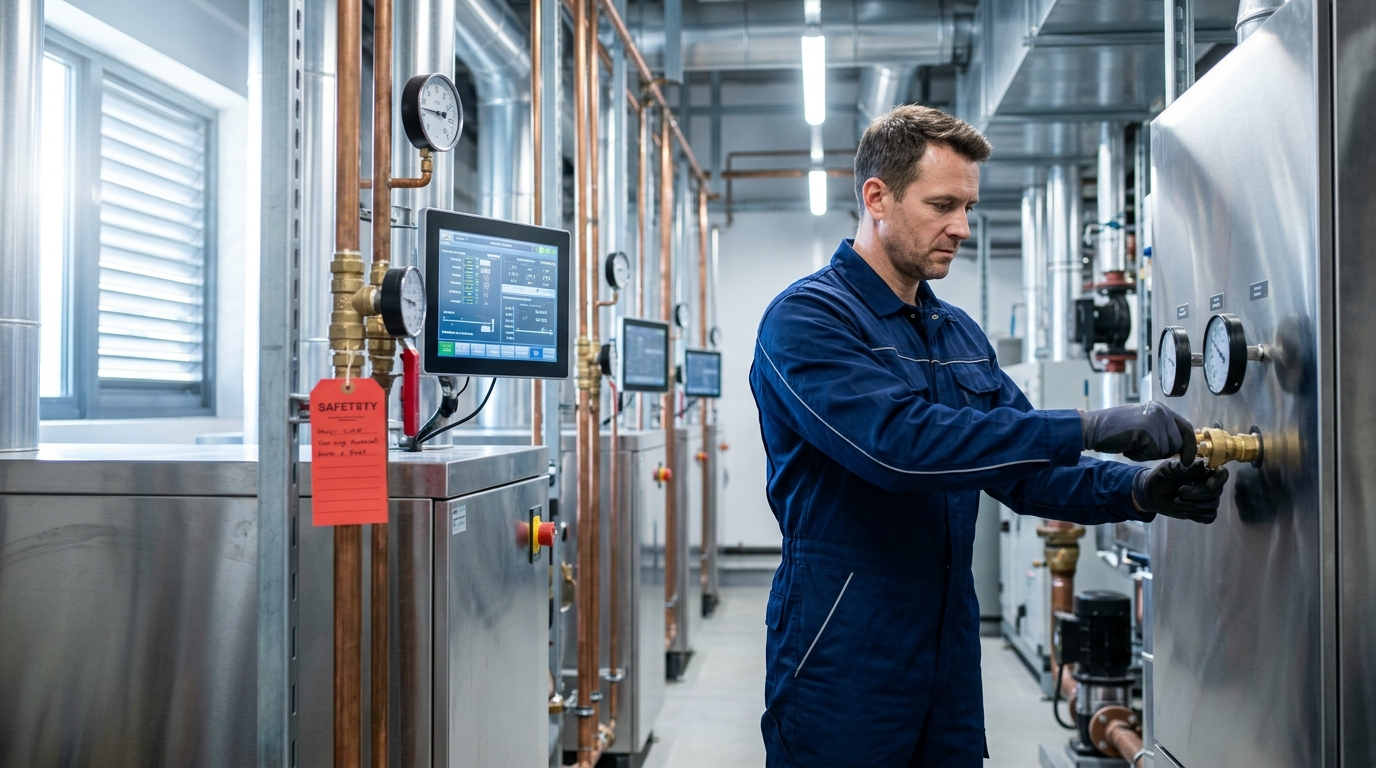
Skipping quarterly PPM visits creates a cascade of problems. Filters clog, reducing airflow and forcing systems to work harder. Boiler efficiency declines without proper servicing. Scale build-up in heat exchangers reduces capacity whilst increasing energy consumption. What starts as a modest service visit turns into a major repair or early replacement.
Component Weaknesses: Identifying Failure-Prone Parts
Circulation pumps cause most emergency calls in commercial heating systems. Thermostats drift out of calibration, causing inefficient cycling. Zone valves seize when they're not exercised regularly. Expansion vessels lose pressure gradually, leading to system lock-outs. Our Commercial HVAC Installation and Heating Service addresses these vulnerabilities through targeted inspection protocols.
The Energy Drain: How Inefficiency Breeds Failure
Inefficient systems work harder and fail sooner. Poorly balanced heating circuits create hot and cold zones, forcing boilers to run more aggressively. Inadequate insulation increases system load beyond design parameters. Older controls lack modulation, triggering frequent start-stop cycles that stress components.
Environmental Factors: Building Fabric and External Influences
Poor building insulation pushes heating systems beyond their design capacity. Single-glazed windows create cold spots that trigger zone overcompensation. Inadequate ventilation raises humidity, contributing to corrosion in pipework and heat exchangers. External factors like blocked air intakes and poorly positioned outdoor units compound these issues.
Prevention Beats Replacement Every Time
A properly maintained commercial heating system lasts significantly longer than a neglected one. The difference comes down to consistent PPM schedules, quality installation, and fixing minor issues before they escalate.
The M&E Difference: Our "Open Door" Approach to Proven Heating Reliability
Beyond the Spec Sheet: How We Trial New Technologies
We don't rely on manufacturer brochures. Our team tests new heating technologies in real commercial environments before recommending them to clients. Smart thermostats get trialled in partner buildings where we monitor heat recovery performance against measured results rather than assumptions. This helps you avoid unproven kit that might struggle during peak demand.
From Testing to the Plant Room: Our Vetting Process
Every component used within our Commercial HVAC Installation and Heating Service gets assessed in live conditions. We track reliability and maintenance requirements across multiple installations. We evaluate controls during seasonal extremes. Only equipment that demonstrates steady performance in typical UK conditions makes it into our standard specification.
Integrating Sustainability: How Modern Systems Reduce Failure Points
Modern condensing boilers with modulating controls reduce thermal stress through smoother operating cycles. Variable-speed pumps reduce shock loading that damages fixed-speed units. Smarter zoning reduces overheating and pressure swings that shorten component life. These upgrades cut waste and reduce breakdown risk when they're correctly designed and commissioned.
The Long-Term Partner: Why Our Relationship Model Helps Prevent Breakdowns
We keep detailed service histories for each system we maintain. This data highlights patterns early, allowing planned intervention before failure. Our 24-hour emergency heating repair support addresses issues quickly, reducing the chance of a small fault turning into a wider outage. Consistency matters: when the same team knows your site, developing issues get spotted sooner.
Smart Investment Strategy
A well-scoped PPM plan costs far less than the combined impact of emergency repairs, lost productivity, and reputational damage. Proactive maintenance is usually the most cost-effective route when reliability is the goal.
Your Proactive Blueprint: Actionable Steps for a Failure-Proof Office Heating System
The SFG20 Standard: Your Compliance Checklist
SFG20 provides a recognised maintenance schedule for commercial building services. Monthly visual checks catch leaks and unusual noises. Quarterly filter changes support airflow and efficiency. Annual boiler services include combustion analysis and safety device testing. System balancing at appropriate intervals delivers even heat distribution. A well-managed schedule reduces unexpected failures and supports compliance.
Beyond the Filter: Essential Maintenance Tasks
Effective maintenance extends beyond changing filters. Pump bearings require inspection and servicing, depending on the equipment type and duty cycle. Expansion vessels need periodic pressure checks. Control valve actuators should be exercised to reduce sticking. Heat exchangers may need cleaning to address scale and fouling. These tasks must be completed by properly qualified professionals with appropriate certification and insurance.
Smart Zoning & Thermostat Management
Good zoning reduces overwork and lowers failure rates. Programmable thermostats target around 18-21°C during occupied hours, with a setback temperature overnight where suitable. Time schedules prevent unnecessary weekend operation. Occupancy-based control reduces run hours in lightly used areas. Lower run hours and smoother control both reduce wear.
Asking the Right Questions: Auditing Your Current FM Provider
Assess your maintenance provider using clear metrics:
- Ask for breakdown frequency data from the last two years
- Review response times for emergencies and confirm engineer qualifications
- Check the completeness of compliance documentation and service reporting
- Verify they maintain accessible records and produce clear job sheets after each visit
Future-Proofing Your Estate: Innovation for Uninterrupted Comfort
The "Right Way" Rule: Why Quality Installation and Repair Matter Most
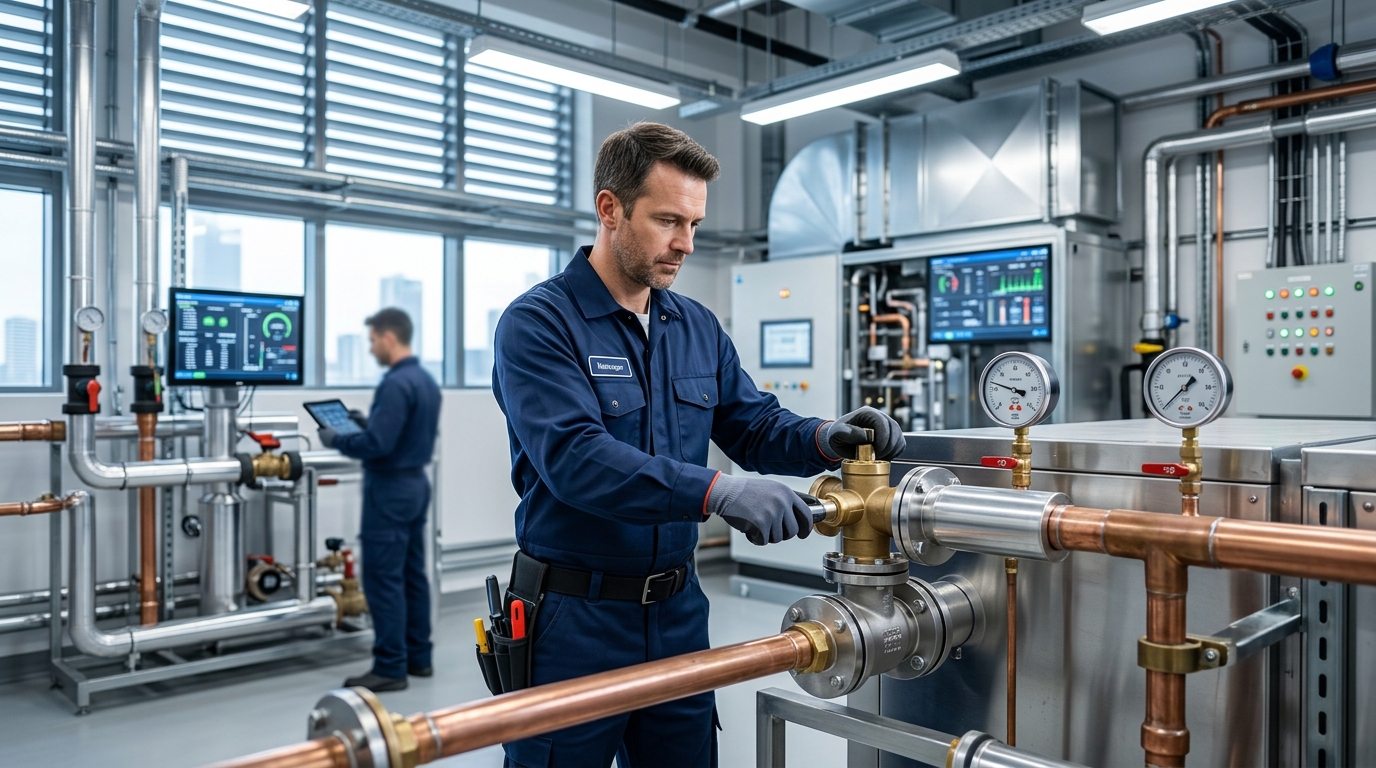
Installation quality influences lifespan as much as equipment choice. Correctly sized pipework reduces pressure drops and pump strain. Proper commissioning supports performance from day one. Suitable materials resist corrosion and mechanical failure. Shortcuts during installation create recurring failure points over the system's operating life. We don't compromise on standards because reliability starts with solid fundamentals.
Beyond Boiler Replacements: Advanced Heating Solutions
Newer heating options can improve reliability when they suit the building. Heat pumps provide steady output with fewer combustion-related components. Combined heat and power supports larger estates when the load profile fits. In some settings, district heating reduces the amount of on-site plant requiring maintenance. Each option should be assessed against building constraints, budget, and operational requirements.
The 24/7/365 Advantage
Fast support protects business continuity when heating fails. Our trained specialists respond at any time. We aim to restore operation quickly while keeping disruption to a minimum. Where a permanent repair requires parts or additional works, interim measures keep the site functioning until completion.
Reducing failures in office heating systems requires proactive maintenance combined with quality installation and dependable emergency support. This joined-up approach prevents many breakdowns and shortens downtime when faults occur, protecting operations and budgets.
Frequently Asked Questions
What is the $5000 rule for HVAC?
While there isn't a specific "$5000 rule" we follow, the principle often refers to considering replacement when repair costs approach a significant percentage of a new system. Our experience shows that the combined cost of repairs, lost productivity, and temporary arrangements from a heating failure can often exceed the annual cost of a proper preventative maintenance plan. Investing in Planned Preventative Maintenance (PPM) helps avoid these costly breakdowns and extends the life of your commercial heating system.
What is the most efficient way to heat a commercial building?
The most efficient way to heat a commercial building involves a combination of Planned Preventative Maintenance (PPM) and smart monitoring technology. Modern systems, like condensing boilers with modulating controls and variable-speed pumps, significantly reduce thermal stress and energy consumption. Proper zoning and good building insulation also play a big part in maintaining efficiency and reducing strain on your heating system.
How to reduce heat in office?
Reducing unwanted heat in an office often points to issues with system balance or controls. Smarter zoning can prevent overheating in certain areas, ensuring comfort without overworking the system. Good building insulation and addressing factors like single-glazed windows also help manage internal temperatures effectively, reducing the load on your cooling or ventilation systems.
What is the 20 degree rule for HVAC?
While there isn't a universal "20-degree rule" in HVAC, maintaining optimal indoor temperatures is key for comfort and efficiency. Workplace temperature regulations set minimum standards, and studies show productivity drops when temperatures fall below 18°C. Our goal is to ensure your commercial heating systems maintain stable, comfortable conditions, which also helps your equipment run efficiently and last longer.
Why is preventative maintenance so important for office heating systems?
Preventative maintenance is absolutely essential because it stops small issues from becoming major, costly breakdowns. Regular servicing, like quarterly PPM visits, addresses common problems such as clogged filters, declining boiler efficiency, and scale build-up before they lead to system failures, emergency call-outs, and significant downtime. It's about being proactive, not reactive.
What are common reasons commercial heating systems fail?
Many commercial heating system failures stem from ignored preventative maintenance, leading to issues like clogged filters or scale build-up. Component weaknesses, such as failing circulation pumps, uncalibrated thermostats, or seized zone valves, are also frequent culprits. Additionally, inefficient systems due to poor balancing or inadequate insulation work harder and tend to fail sooner.
How does M&E ensure reliable heating systems for commercial clients?
At M&E, we ensure reliability by combining comprehensive Planned Preventative Maintenance with smart monitoring and a rigorous vetting process for all components. We test new technologies in real commercial environments before recommending them and track reliability across multiple installations. This approach, coupled with detailed service histories, allows us to fix minor issues before they escalate, providing consistent performance for our clients throughout the UK.