cairngorm funicular update
The Cairngorm Funicular: An Engineering Wake-Up Call
The Cairngorm funicular remains closed indefinitely while CairnGorm Mountain undergoes safety assessments and infrastructure repairs. No confirmed reopening date exists, with engineering challenges proving more complex than anticipated.
After 24 years diagnosing failing systems across Birmingham and the West Midlands, I recognise the symptoms. The Cairngorm funicular's prolonged closure isn't just about a broken railway. It's a textbook example of what happens when maintenance becomes reactive rather than proactive.
From £15 Million Investment to Indefinite Closure
Opened in 2001, the funicular was designed to transport visitors 457 metres up Cairn Gorm mountain, replacing the ageing chairlift system. The £15 million investment promised year-round access to Scotland's premier ski resort.
Engineering reality had different plans. Structural issues emerged within years. Track alignment problems, mechanical failures, and safety concerns mounted. By 2018, a derailment incident exposed fundamental design flaws that forced closure.
The Real Culprits: Foundation Settlement and System Failure
The technical problems weren't superficial. Foundation settlement affected track geometry. Drainage systems failed, causing erosion beneath the infrastructure. Weather exposure degraded mechanical components faster than maintenance schedules anticipated.
Engineering Reality Check
Mountain infrastructure faces extreme temperature cycles, wind loading, and moisture ingress. Without strong preventative maintenance protocols, even well-designed systems deteriorate rapidly.
What appeared to be isolated mechanical failures were symptoms of broader infrastructure degradation. A pattern I've witnessed in commercial building maintenance across our region.
Complete System Reconstruction on the Table
CairnGorm Mountain continues evaluating repair feasibility versus replacement costs. Current assessments suggest complete system reconstruction may prove more economical than piecemeal repairs.
This mirrors decisions facility managers face: when does continued maintenance become economically unviable? The answer lies in honest engineering assessment, not wishful thinking.
What This Mountain Railway Teaches About Building Maintenance
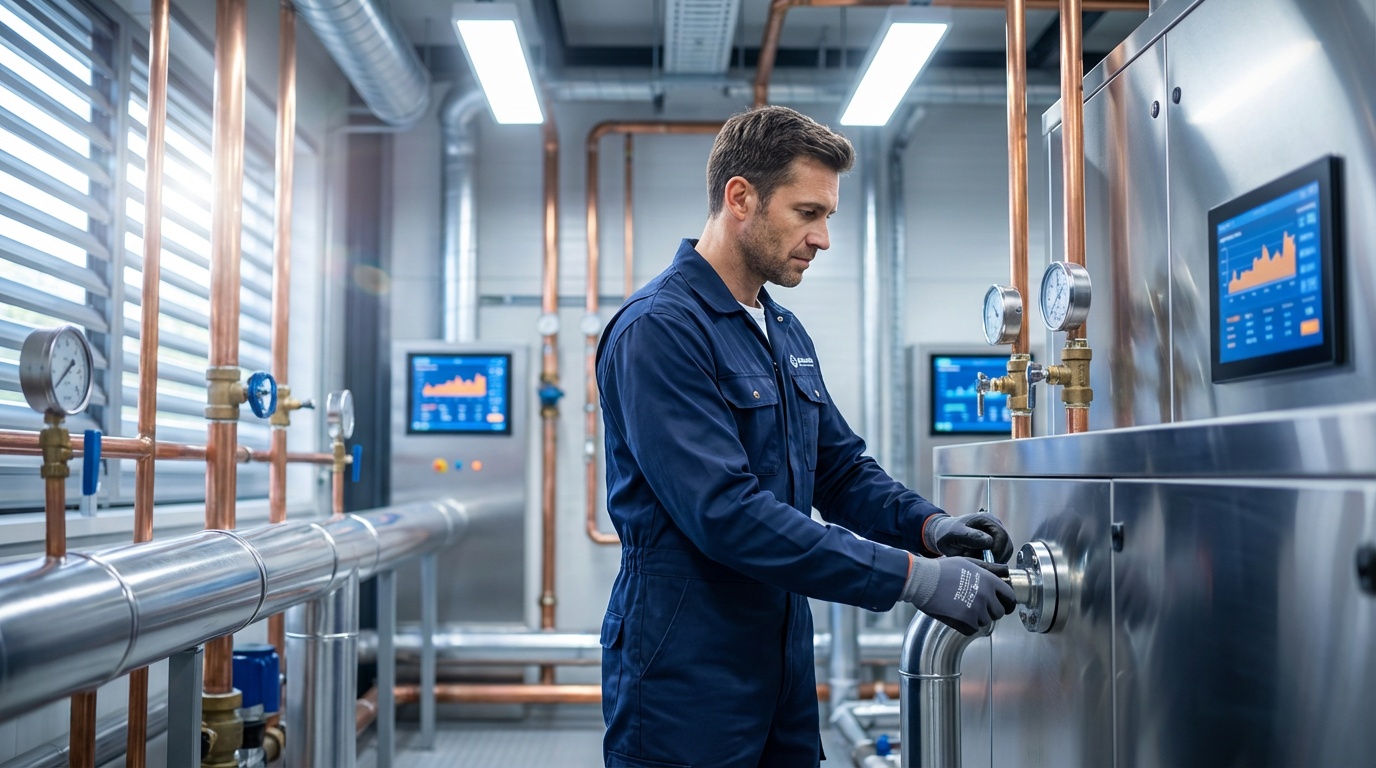
The Cairngorm situation mirrors every facility manager's worst nightmare: a major system failure that could have been prevented. I've seen countless commercial buildings face similar crises.
When Essential Infrastructure Fails During Peak Demand
Every facility manager knows that sinking feeling when a system fails during peak demand. The Cairngorm funicular's closure during prime skiing seasons hits this exactly. Visitors arrive expecting reliable mountain access, only to find essential infrastructure unavailable.
This pattern repeats across commercial properties: heating systems failing during winter peaks, cooling systems breaking during summer heatwaves. Deferred maintenance creates cascading disappointments that damage reputation and revenue streams.
Why 'Good Enough' Engineering Standards Always Fail
Mountain environments demand absolute precision in engineering standards. The funicular's track alignment issues and foundation settlement problems reveal what happens when initial specifications prove inadequate for operational reality.
The MEMS Standard
We don't accept "good enough" solutions. Every system we maintain receives the same rigorous attention whether it's a boiler in Birmingham or HVAC equipment across the West Midlands. When engineering standards slip, reliability follows.
Commercial building systems face similar stresses: thermal cycling, moisture ingress, and mechanical wear. Without maintenance protocols aligned with SFG20 standards, even premium equipment deteriorates rapidly.
Prevention Costs Less Than Cure
While CairnGorm Mountain evaluates complete system reconstruction, we help clients avoid such drastic measures through planned preventative maintenance.
Our asset lifecycle management approach identifies potential failures before they occur. Digital compliance tracking, regular system diagnostics, and adherence to manufacturer specifications prevent the gradual degradation that ultimately claimed the funicular.
When Infrastructure Fails: The Human Cost
Behind every engineering failure lies human disappointment. The funicular's closure tells a story familiar to anyone managing commercial facilities: when infrastructure fails, people suffer the consequences.
Lost Revenue and Damaged Reputation
Skiers and snowboarders planning Cairngorm visits face uncertainty with each seasonal opening. Without funicular access, the mountain's appeal diminishes significantly. Families booking accommodation find themselves with limited mountain access options, affecting local tourism revenue.
This mirrors commercial property challenges: when building systems fail, tenants question lease renewals. Reliability becomes the foundation of long-term relationships, whether with mountain visitors or office occupants.
Backup Systems Matter
CairnGorm Mountain offers alternative access routes, but none match the funicular's convenience. Walking paths require fitness levels many visitors lack. Weather conditions often make alternative routes dangerous or impossible.
Redundancy Prevents Single Points of Failure
Just as mountain access needs redundancy, commercial buildings require backup heating, cooling, and power systems. Single points of failure create operational vulnerability that smart facility managers eliminate through strategic planning.
Managing Stakeholder Expectations During Extended Downtime
CairnGorm Mountain's communication strategy offers lessons for facility managers dealing with system outages. Regular updates, realistic timelines, and transparent acknowledgement of problems help maintain stakeholder confidence during difficult periods.
Honest assessment beats optimistic projections. When we diagnose building system failures, clients appreciate direct explanations over sugar-coated reassurances.
Lessons for Your Building Portfolio
The Cairngorm situation offers facility managers a case study in infrastructure decision-making. Having guided clients through similar crossroads, I see valuable lessons emerging from this mountain railway's challenges.
Reconstruction vs. Repair: Making the Hard Decision
Current assessments suggest complete system reconstruction rather than piecemeal repairs. This decision mirrors choices facility managers face when ageing building systems reach end-of-life status. Sometimes replacement proves more economical than continued maintenance.
Engineering reality demands honest evaluation. Methodical assessment, whilst frustrating for stakeholders, ensures proper solutions rather than quick fixes.
Extreme Environments Test Equipment Beyond Normal Parameters
Mountain environments accelerate equipment degradation through extreme temperatures, moisture exposure, and wind loading. These conditions mirror challenges commercial buildings face, albeit in concentrated form.
Smart investment in strong systems and maintenance protocols prevents the degradation cycle that claimed the funicular. Whether managing a ski resort or an office complex, the physics of material science remain constant.
Your Asset Lifecycle Management Checklist
The Cairngorm experience reinforces our asset lifecycle management philosophy. Regular condition assessments, adherence to manufacturer specifications, and proactive component replacement prevent catastrophic system failures.
Document everything. Maintain compliance certificates. Follow SFG20 standards consistently. Deferred maintenance compounds into major reconstruction projects.
Proactive Maintenance Benefits
- Predictable operational costs
- Extended equipment lifespan
- Maintained compliance status
- Reduced emergency call-outs
Reactive Maintenance Risks
- Unpredictable major expenses
- System downtime during peak periods
- Potential safety compliance issues
- Reputational damage from unreliability
MEMS provides the engineering expertise and commercial understanding that helps prevent infrastructure crises. Our 24/7 maintenance approach keeps building systems running while others face unexpected shutdowns.
Frequently Asked Questions
Is the Cairngorm funicular railway open?
No, the Cairngorm funicular remains closed indefinitely. The latest cairngorm funicular update confirms there is no confirmed reopening date due to ongoing comprehensive safety assessments and complex infrastructure repairs. This situation highlights the critical need for consistent, proactive maintenance to keep systems operational.
Why is the Cairngorm funicular closed?
The funicular is closed due to significant structural issues and fundamental design flaws that emerged years after its opening in 2001. These problems, including track alignment issues and mechanical failures, led to a derailment incident in 2018, exposing deeper systemic degradation. It's a classic case of reactive maintenance catching up.
What are the main engineering challenges facing the Cairngorm funicular?
The funicular faces complex engineering challenges, including foundation settlement affecting track geometry and failed drainage systems causing erosion beneath the infrastructure. Extreme weather exposure also degraded mechanical components faster than anticipated, revealing systemic issues beyond isolated failures. This is a common problem when preventative maintenance isn't a priority.
When is the Cairngorm funicular expected to reopen?
The latest cairngorm funicular update indicates no confirmed reopening date. Engineering challenges have proven more complex than initially anticipated, and CairnGorm Mountain is still evaluating the feasibility of repairs versus the cost of a complete system reconstruction. It's a tough decision, similar to those faced by facility managers with aging commercial assets.
What is the current outlook for the Cairngorm funicular's future?
Current assessments suggest that complete system reconstruction may be more economical than attempting piecemeal repairs. This reflects a common dilemma in asset management: knowing when continued maintenance becomes economically unviable and a bigger investment is necessary. An honest engineering assessment is key here.
How does the funicular's closure affect visitors to Cairngorm Mountain?
The funicular's closure causes significant disappointment and disruption for visitors, particularly skiers and snowboarders who expect reliable mountain access. Its unavailability diminishes the mountain's appeal, affecting local tourism revenue and mirroring the impact of system failures in commercial properties on tenants and revenue streams. Reliability builds long-term relationships.
What lessons can be learned from the Cairngorm funicular saga for facility managers?
The Cairngorm funicular saga is a prime example of what happens when maintenance becomes reactive instead of proactive. It teaches us that deferred maintenance creates cascading disappointments, damages reputation, and ultimately costs far more than prevention. For commercial buildings, consistent planned preventative maintenance is the antidote to such disruptions.