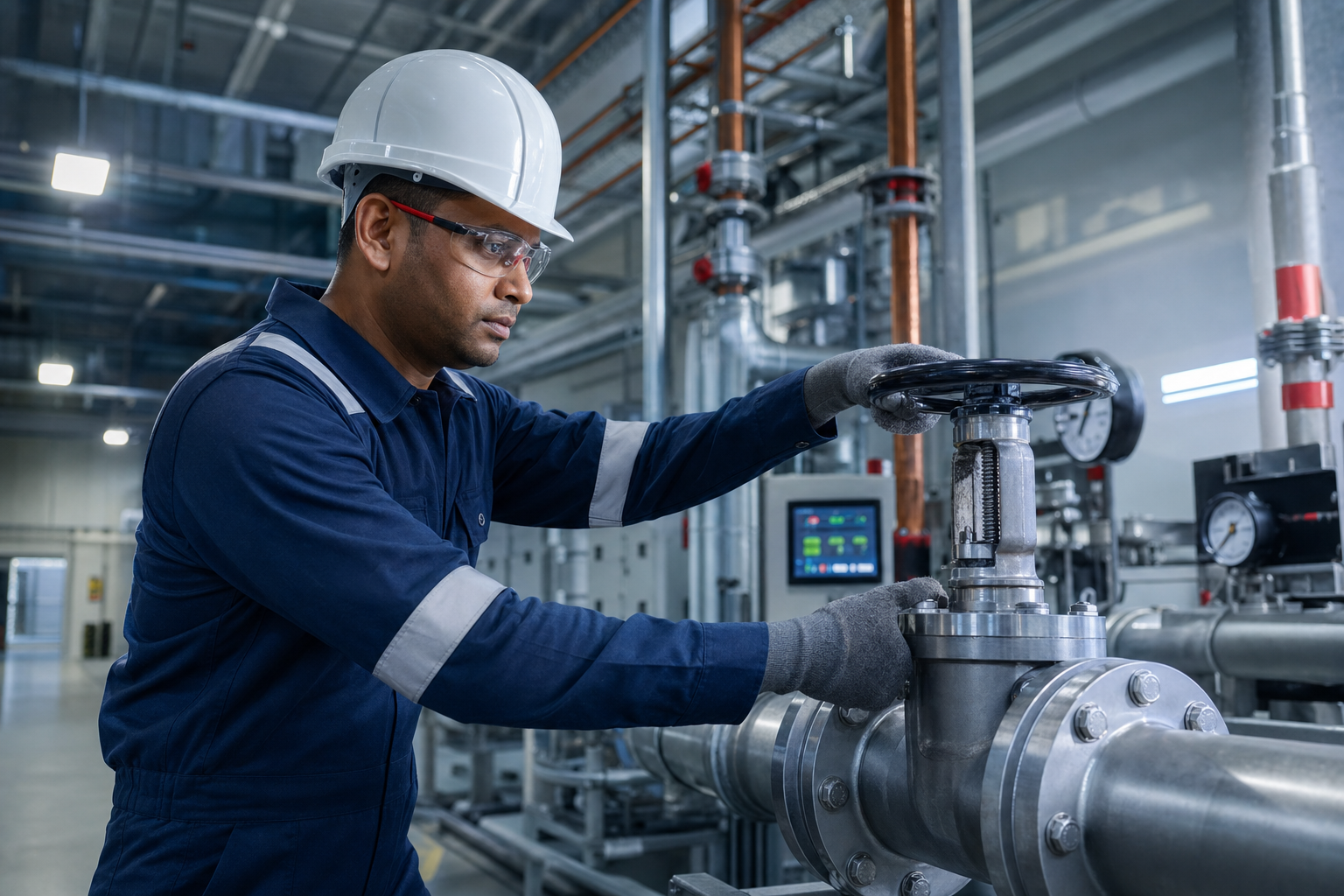
Cost of emergency ventilation repairs?
The True Cost of a Failed Ventilation System: Beyond the Invoice
When Air Stops Moving: The Reality Check
Picture this: It's 2 pm on a Tuesday, and your office ventilation system just died. Within thirty minutes, the air becomes stifling. Staff productivity drops. Customers start leaving. By 4 pm, you're facing potential health and safety violations.
The cost of emergency ventilation repairs isn't just the engineer's bill. It's the cascade that follows. In my 24 years moving from apprentice combustion engineer to running MEMS, I've watched facility managers see the £800 emergency call-out fee and completely miss the £3,000 in lost trade, compliance breaches, and staff complaints.
Why Emergency Work Costs More (It's Not Greed)
When your system fails, you're not shopping for the best price anymore. You're paying for immediate availability. Engineers charge premium rates for out-of-hours calls. Parts must be sourced urgently. Often at 200-300% of standard cost. Diagnostic time increases because there's no maintenance history to reference.
Engineering reality: Emergency repairs typically cost four to six times more than identical work completed during planned maintenance. This isn't profiteering. It reflects the cost of mobilising skilled technicians, sourcing parts immediately, and working under time pressure.
The Business Impact Nobody Talks About
Poor air quality triggers problems across your operation. Staff concentration drops measurably within two hours of a ventilation failure. Customer dwell time in retail spaces decreases. Meeting rooms become unusable. In food service, you risk closure under environmental health regulations.
You're not just paying to fix machinery. You're paying to restore business continuity, protect your reputation, and avoid regulatory penalties that can reach thousands of pounds.
Breaking Down Emergency Ventilation Repair Costs
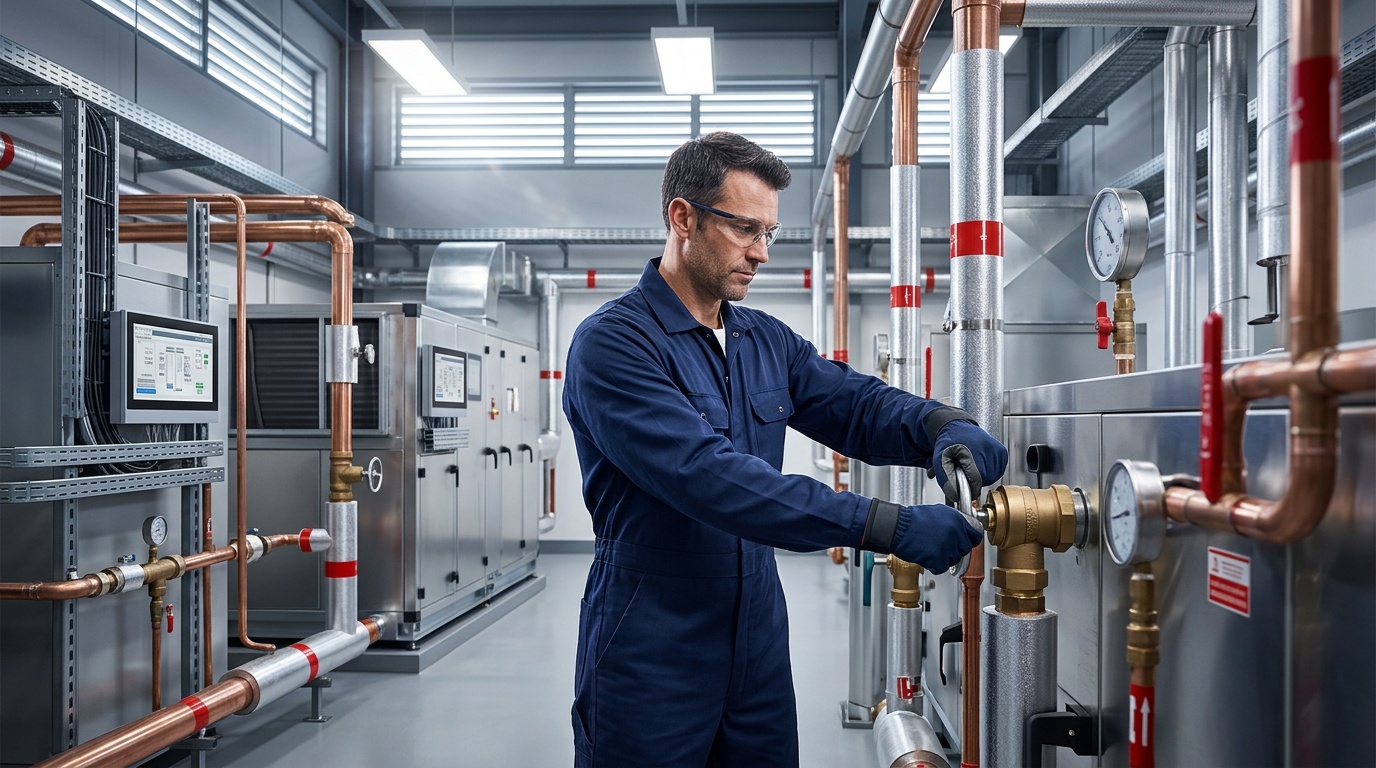
Call-Out Fees: What You're Actually Paying For
Emergency call-out fees range from £150-£400 depending on timing and location. Weekend rates carry 50-100% premiums. Bank holiday emergencies can hit £500 before any work begins.
This covers mobilisation costs, transport of diagnostic equipment, and a committed response. You're not paying for the journey. You're paying for guaranteed availability when everyone else is closed.
Labour Rates: Skills That Command Premium Pricing
Emergency labour rates range from £85-£150 per hour, compared with £45-£75 for planned work. You're paying for engineers who can diagnose complex system failures quickly in challenging environments. These technicians hold Gas Safe, F-Gas, and electrical certifications. Skills that command premium rates during emergencies.
Parts Procurement: The Supply Chain Reality
Emergency parts procurement adds significant cost. A standard extract fan costing £200 during planned maintenance can reach £600 when sourced urgently. Control panels, damper actuators, and specialist filters face similar mark-ups. Suppliers charge premiums for same-day delivery and out-of-hours availability.
When your system fails, standard procurement timelines collapse from weeks to hours. That speed costs money.
How Planned Maintenance Prevents Emergency Costs
The MEMS Standard: Prevention as Profit Protection
Our Building Fabric Repairs & Maintenance approach centres on preventing failures before they occur. Quarterly inspections cost £200-£400 but help avoid emergency repairs that average £2,000-£5,000. This isn't theoretical. It's documented across commercial properties in the West Midlands.
SFG20 Compliance: Your Insurance Against Failure
SFG20 standards define maintenance frequencies based on system criticality and usage patterns. Following these guidelines reduces emergency failures significantly. Our technicians maintain digital compliance records, giving you documented evidence of proper maintenance for insurance and regulatory purposes.
Spotting Problems Before They Become Emergencies
Unusual noises, reduced airflow, increased energy consumption, and inconsistent temperature control signal impending failure. Staff complaints about stuffiness or draughts often precede major breakdowns by weeks.
Our M&E HVAC Compliance Health Check service identifies warning signs before they escalate into costly emergencies.
Audit Your Current FM Provider
Are They Really 24/7, or Just 'Available'?
Many FM providers claim round-the-clock service but run answering services that route calls to on-call engineers. True 24/7 service has a continuously staffed help desk and prompt engineer dispatch. Ask for average response times backed by documented evidence.
At MEMS, our help desk runs continuously with direct engineer contact. No third-party call centres. When your ventilation fails at midnight on Sunday, you reach an engineer who can mobilise immediately.
What's Their Emergency Pricing Policy?
Transparent pricing prevents bill shock during stressful emergencies. Your provider should quote call-out fees, hourly rates, and parts mark-ups upfront. They should explain why emergency work costs more and provide written estimates before proceeding with expensive repairs.
How Do They Handle SFG20 Compliance?
SFG20 compliance is the industry standard for maintenance quality and frequency. Your provider should show how emergency repairs integrate with ongoing maintenance schedules. Proper documentation supports your legal position and protects insurance cover.
Do They Think Beyond the Immediate Fix?
Transactional thinking treats each breakdown as an isolated incident. Asset management identifies patterns, recommends upgrades, and plans replacement schedules. Strong providers use emergency call-outs to analyse failure causes and adjust maintenance frequencies.
The MEMS 'Open Door' Advantage: Tested Solutions Mean Fewer Emergencies
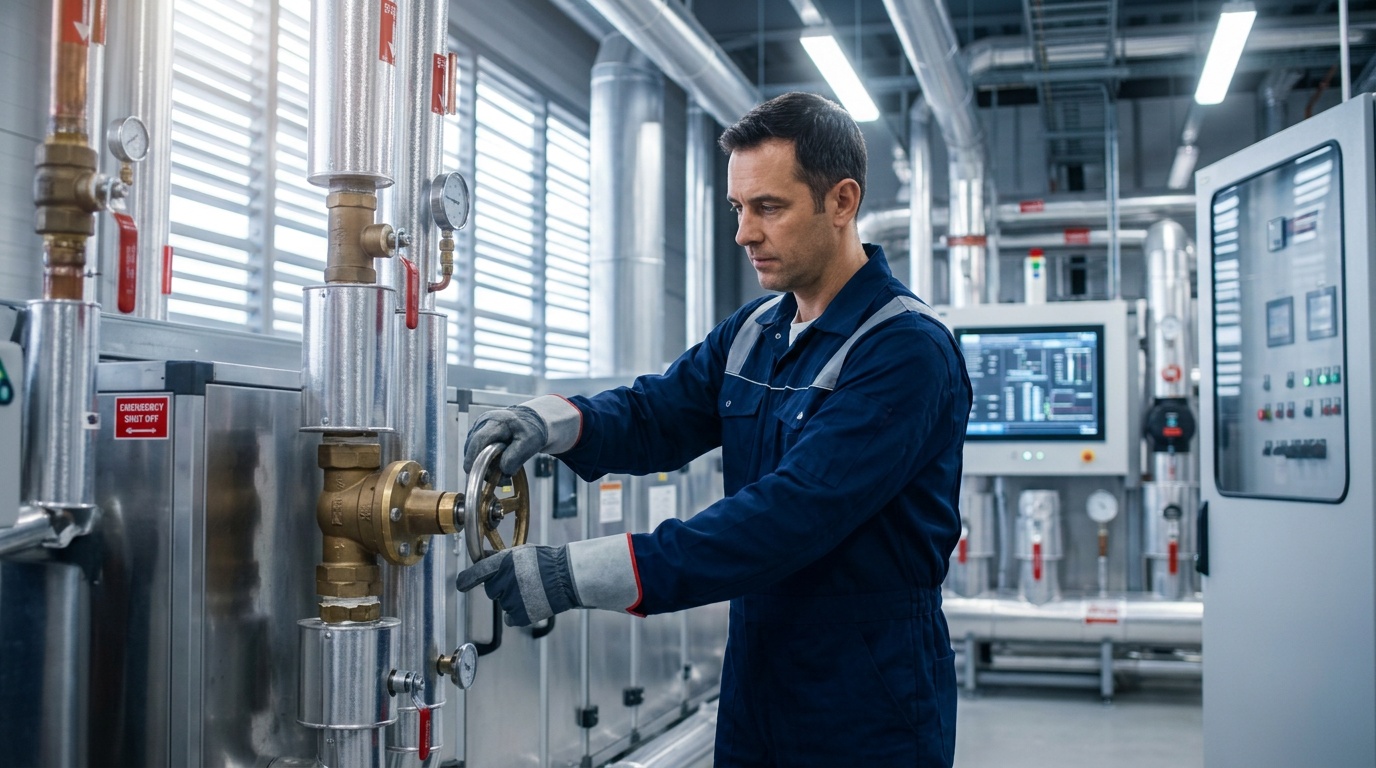
We Test Everything Before Installing It
We maintain an open door policy for new technologies, but every solution undergoes internal testing before client deployment. This means components installed during urgent work have a track record. We don't experiment on your systems during a crisis.
Our vetting process assesses durability, compatibility, and long-term performance. When we recommend a replacement fan or control system, you get equipment designed to run reliably for years, not months.
Why 'Quick Fix' Solutions Create Bigger Problems
Untested emergency solutions can create bigger problems later. A cheap replacement part might restore function quickly but fail prematurely, causing another emergency. Poor-quality components can damage other elements, multiplying repair costs.
How Modern Technology Cuts Long-Term Failure Rates
Modern variable speed drives, smart controls, and high-efficiency motors reduce breakdown frequency. These technologies flag early warning signs, adjust automatically to changing conditions, and run with less mechanical stress.
Partnership approach: We treat urgent repairs as a chance to improve performance, not just restore basic function. This reduces future emergency costs by addressing root causes rather than symptoms.
The Maths: Emergency vs Planned Maintenance Costs
Ventilation maintenance maths is blunt: emergency work costs 400-600% more than identical work completed during scheduled visits. A £300 planned filter replacement becomes an £1,800 emergency job when a system fails during peak hours.
This multiplier comes from premium labour rates, urgent parts supply, and operational downtime costs. In many sites, lost productivity during a ventilation outage exceeds the repair bill.
Financial reality: A comprehensive annual maintenance contract costing £2,400 prevents emergency repairs that often total £8,000-£15,000. Prevention beats crisis management every time.
The Hidden Costs Nobody Budgets For
Beyond direct repair costs, ventilation failures trigger losses that rarely appear in emergency budgets. Productivity drops once air quality worsens. Retail footfall falls as customers avoid uncomfortable environments. Meeting rooms become unusable, forcing paid venue changes or cancelled appointments.
Compliance carries financial risk too. Environmental health action can lead to closure notices and large fines. Insurance claims can be challenged when maintenance records don't demonstrate SFG20-aligned servicing.
Smart Technology That Prevents Emergencies
Early Warning Systems That Actually Work
Modern building management systems monitor fan performance, filter condition, and airflow rates continuously. These tools identify developing problems before failure occurs. Alerts support proactive intervention during normal working hours at standard rates.
Variable speed drives adjust to changing conditions, reducing mechanical stress and extending component life. Smart controls optimise energy use while maintaining air quality. These upgrades pay back through fewer emergency call-outs and lower energy bills.
Predictive Maintenance: Fixing Things Before They Break
Vibration analysis, thermal imaging, and electrical testing identify deterioration before failure. Our technicians use these tools during routine visits, so replacements can be planned during agreed downtime rather than under emergency conditions.
This turns maintenance from reactive firefighting into asset management. Components get replaced based on condition rather than time alone.
Staying Compliant During Emergencies
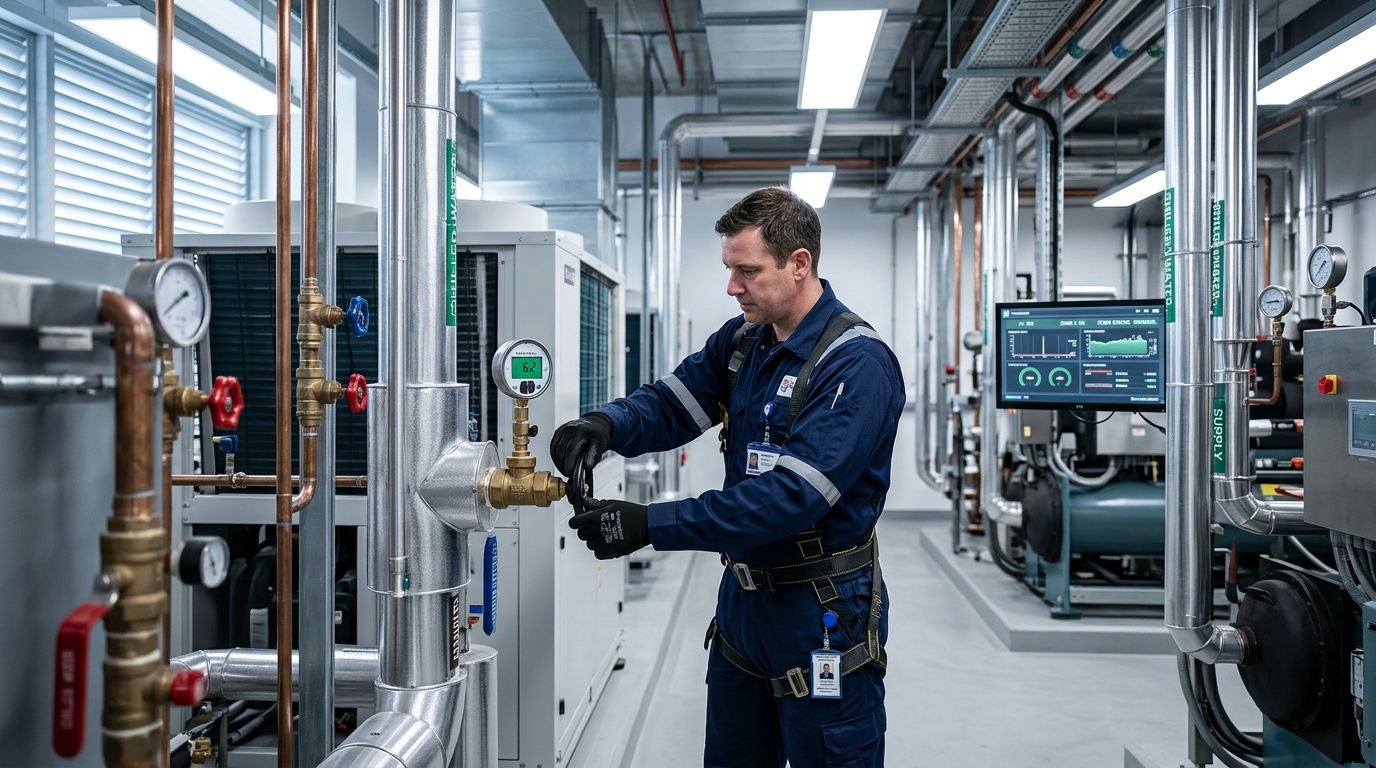
Standards Don't Change Because It's an Emergency
Emergency repairs must still comply with Gas Safe, F-Gas, and electrical regulations. Rushed work can lead to compliance failures, legal exposure, and added cost. Certification, testing, and documentation remain required regardless of time pressure.
Our emergency response procedures maintain compliance standards while reducing downtime. All work comes with required certification promptly, protecting your legal position and supporting insurance requirements.
Documentation That Protects You
Emergency work needs clear documentation for insurance, regulatory, and warranty purposes. Digital records should link emergency repairs to your planned schedule, highlight repeat faults, and inform future service frequency.
Poor documentation complicates insurance claims and warranties. Professional providers keep records consistently, regardless of circumstances.
Building Long-Term Ventilation Resilience
Why Partnership Beats Procurement
Effective ventilation management depends on partnership between facility managers and maintenance providers. That relationship should cover rapid response, planned servicing, system optimisation, and performance monitoring.
Strong partnerships combine immediate problem-solving with long-term asset planning. When emergencies occur, established relationships support faster responses, clearer communication, and solutions matched to the building's needs.
Planning Upgrades Before Crisis Hits
Climate change, tightening regulations, and shifting occupancy patterns increase demands on ventilation systems. Planning now helps avoid costly emergency upgrades later. Energy efficiency requirements are tightening, increasing the value of optimisation and sensible replacement planning.
Investing in modern equipment during planned replacements avoids the premium costs of urgent procurement. Strategic planning turns necessary spend into improved reliability and lower operating costs.
Emergency ventilation repair costs will rise as skilled engineers become scarcer and compliance expectations increase. Resilience comes from proactive maintenance, sensible technology upgrades, and clear partnerships that keep your building performing as required.
Frequently Asked Questions
What is the true cost of an emergency ventilation repair for a commercial building?
The true cost extends far beyond the engineer's invoice. While an emergency call-out might be £800, you could face £3,000 in lost trade, compliance breach notices, and significant staff complaints. It is the cascade of business disruption, lost productivity, and potential regulatory penalties that truly adds up for your commercial operation.
Why do emergency ventilation repairs cost more than planned maintenance?
Emergency work operates under different economics. You are paying for immediate availability, which means premium rates for out-of-hours calls and urgently sourced parts, often at 200-300% of standard cost. Diagnostic time also increases without a maintenance history. Engineering reality shows emergency repairs can cost four to six times more than planned work.
How much should I expect to pay for an emergency call-out for my commercial ventilation system?
Emergency call-out fees typically range from £150-£400, depending on the time and location. Weekend rates can carry 50-100% premiums, with bank holiday emergencies potentially reaching £500 before any repair work even begins. This fee covers the mobilisation of skilled technicians and diagnostic equipment for an immediate response.
What are the business impacts of a failed ventilation system?
Poor air quality from a failed system triggers a domino effect across your commercial operation. Staff concentration drops, customer dwell time decreases, and meeting rooms can become unusable. In some sectors, like food service, you risk closure under environmental health regulations, impacting reputation and incurring penalties.
How can planned preventative maintenance help avoid costly ventilation emergencies?
Proactive maintenance is an investment that prevents failures before they occur. Regular quarterly inspections, costing around £200-£400, can help you avoid emergency repairs that typically average £2,000-£5,000. Following SFG20 standards and addressing early warning signs during planned checks significantly reduces the risk of expensive breakdowns.
What are the warning signs of an impending ventilation system failure?
Keep an eye out for unusual noises, reduced airflow, increased energy consumption, or inconsistent temperature control. Staff complaints about stuffiness or draughts are also common indicators that often precede major breakdowns by weeks. Addressing these signs early during routine maintenance can prevent a costly emergency.