hvac contractors
Beyond the Boiler Room: Why Choosing the Right Commercial HVAC Contractor is a Business Imperative
Selecting commercial HVAC contractors is a key business decision that directly affects operational uptime, energy spend, and regulatory compliance. Choosing a partner based only on the lowest quote often leads to severe system failures, accelerated asset depreciation, and legal exposure. Professional commercial maintenance protects your bottom line by converting reactive emergency costs into predictable, planned investment.
The Hidden Cost of Downtime: More Than Just a Cold Office
When a commercial heating or cooling system fails, the financial impact extends far beyond the immediate repair bill. For businesses across Birmingham and the West Midlands, a system shutdown can halt production lines, spoil temperature-sensitive stock, and render workspaces unusable. The HVAC system supports indoor temperature, air quality, workforce productivity, and protection of company equipment.
A single day of lost trade or reduced staff productivity can easily outweigh the annual cost of a structured maintenance agreement. Working with professional Commercial HVAC Installation and Maintenance partners helps keep infrastructure operational and protects revenue and physical assets.
The Facility Manager's Dilemma: Navigating a Complex Market
Facility managers face relentless pressure to reduce operational budgets while maintaining dependable building performance. The market is saturated with providers making grand promises, which makes it difficult to separate qualified engineers from unqualified operators. Making sense of the market means focusing on technical credentials, response times, and clear reporting, rather than choosing the cheapest bid.
Why "Good Enough" HVAC Maintenance is a False Economy
Postponing routine servicing to save short-term budget is a high-risk strategy that nearly always costs more over time. Minor issues such as blocked filters, small refrigerant leaks, or worn electrical contactors can escalate into major compressor failures or heat exchanger cracks. By partnering with competent HVAC contractors, commercial landlords and business owners can move from expensive reactive repairs to efficient, planned asset management.
The "MEMS Standard": What to Demand from Your Commercial HVAC Partner
Licensing and Insurance: The Absolute Minimum, Not the Full Picture
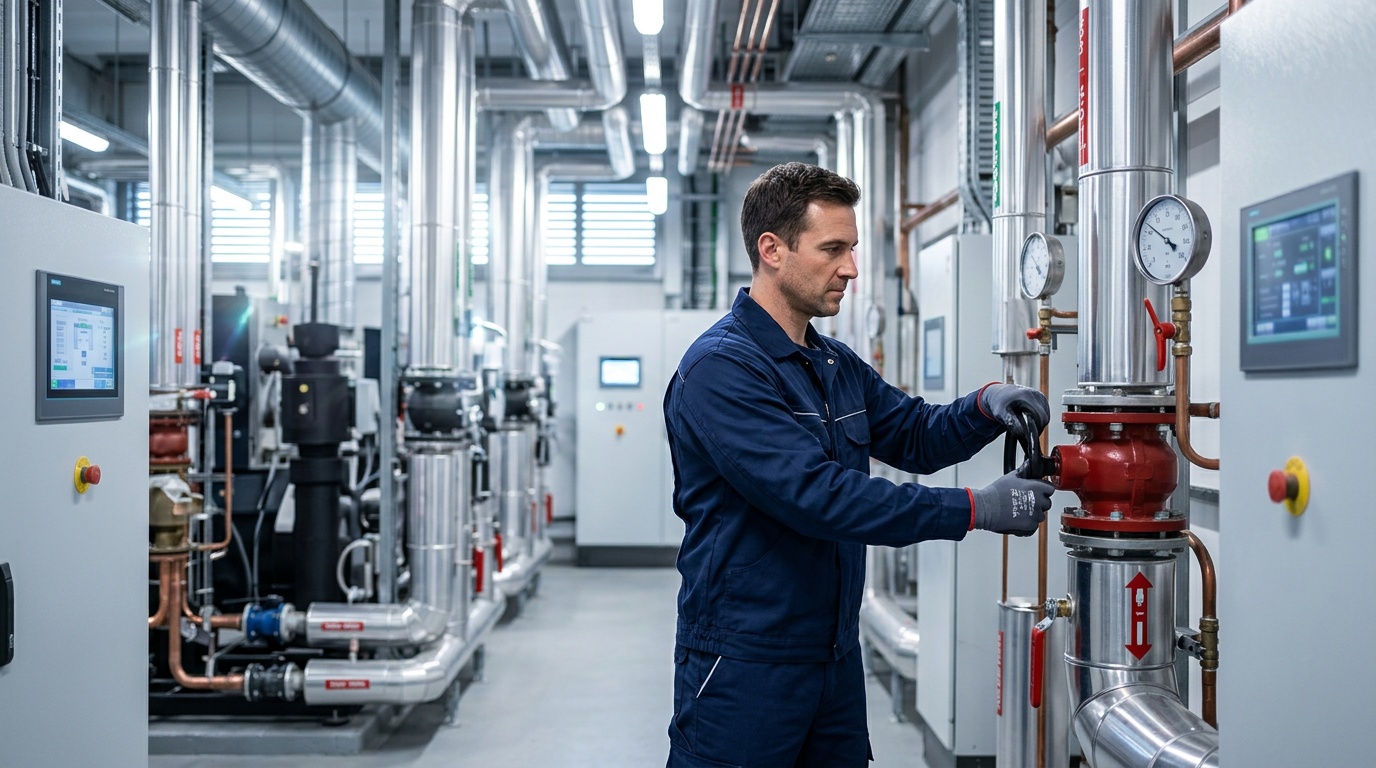
Every contractor entering your plant room must hold appropriate legal credentials, including Gas Safe registration and REFCOM F-Gas certification. Yet these basic qualifications are only the legal baseline for entry. A premium maintenance partner invests in ongoing technical training, strong public liability insurance, and rigorous health and safety accreditations to protect your property and personnel.
Beyond Reactive Repairs: The Power of Planned Preventative Maintenance (PPM)
True asset management relies on proactive care. A structured PPM schedule identifies component wear before it causes system failure, keeping your heating, ventilation, and cooling systems running efficiently. This approach extends the working life of expensive plant, delays capital replacement, and supports predictable utility spend.
The SFG20 Benchmark: Why Compliance Is Not Optional
SFG20 is the industry standard for building maintenance specifications. It sets out the maintenance tasks required for building assets to support legal compliance and operational performance. Reputable HVAC contractors use these guidelines to shape maintenance schedules, helping you meet statutory obligations and reduce legal risk.
Transparency in Action: Understanding Estimates and Service Agreements
Vague estimates lead to unexpected costs and budget overruns. Professional providers supply detailed breakdowns of labour, parts, and travel costs before work begins. This clarity reduces surprises, helps facility managers budget accurately, and sets expectations on both sides.
| Service Attribute | Standard Reactive Contractor | MEMS PPM Partner Standard |
|---|---|---|
| Maintenance Strategy | Fixes issues only after failure occurs | Scheduled inspections to reduce failures |
| Compliance Tracking | Manual, inconsistent record keeping | Digital records aligned to SFG20 tasks |
| Energy Efficiency | Declines due to neglected components | Improved through regular system tuning |
| Response Times | Unpredictable, subject to availability | Rapid emergency response is prioritised |
Unpacking the "Contractor Conundrum": Navigating Inconsistent Advice
The "Commission Conundrum": How Sales Incentives Skew Advice
Some large facilities management firms incentivise technicians to recommend full system replacements instead of carrying out viable repairs. This sales-led approach can drive unnecessary capital spend. A proper engineering partner focuses on technical viability, recommending replacement only when plant is genuinely obsolete or when repair costs are no longer commercially sensible.
Residential vs. Commercial Expertise: Why One Size Does Not Fit All
Commercial buildings include interconnected mechanical systems that differ sharply from domestic setups. While residential HVAC contractors often work on simpler split systems, commercial environments demand experience with heavy plant, chillers, air handling units, and ductwork networks. M&E Maintenance Solutions Limited offers 24-hour heating and air conditioning service to commercial clients in Birmingham and surrounding areas, so complex systems are managed by engineers used to commercial risk, compliance, and access requirements.
Decoding Inconsistent Quotes: What Is Really Driving the Price?
When comparing quotes from HVAC contractors, the lowest price can hide omissions. Cheaper quotes may exclude essential compliance checks, specify generic parts that are not appropriate for the application, or leave out travel and disposal costs. A detailed proposal may look higher at first, but it reduces surprises and supports safe, correct completion.
The "Open Door" Difference: Vetting Innovation Before Installation
A forward-looking partner should not use your building as a testing ground for unproven technologies. New equipment and control strategies should be evaluated and tested internally before being recommended. This disciplined approach improves reliability, supports performance, and ensures engineers understand what they are installing and maintaining.
Evaluating Commercial HVAC Partners
Pros of Dedicated Commercial Partners
- Deep expertise in complex, large-scale plant systems
- Familiarity with commercial compliance requirements and SFG20 tasks
- 24/7 emergency response capability
- Long-term cost control through tailored PPM plans
Cons of Cheap Reactive Services
- Higher risk of unexpected and costly system downtime
- Greater exposure if compliance records are incomplete
- Shortened equipment life due to missed maintenance
- Unpredictable emergency repair spending
Future-Proofing Your Estate: Integrating Sustainable Technologies
The Myth of Expensive Heat Pumps: Real UK Commercial Applications
Many business owners hesitate to adopt decarbonisation technologies, assuming systems such as commercial heat pumps are financially unworkable. In practice, modern heat pump installations can deliver strong seasonal efficiency and lower operating costs when designed correctly. When integrated into a comprehensive Commercial HVAC Installation and Maintenance approach, these systems can help future-proof your estate against changing energy prices and tightening carbon reporting requirements.
Beyond Compliance: How Smart HVAC Supports Sustainability and Savings
Modern commercial buildings need more than basic heating and cooling. Smart controls, variable speed drives, and energy recovery ventilation help systems respond to occupancy and demand. That reduces wasted energy, supports lower carbon output, and maintains steady internal conditions for staff and visitors.
The M&E Approach: Internal Trials for Proven Performance
At MEMS, we focus on practical engineering rather than marketing claims. We evaluate and test new energy-saving equipment and control strategies internally before we recommend them to clients. This hands-on process means that when we propose an efficiency upgrade, we can evidence expected performance, durability, and payback based on real operating conditions.
Our team supports HVAC repairs, maintenance, and compliance checks. Our commercial HVAC service offering also covers electrical, plumbing, air conditioning, heating, and ventilation, giving you a single point of contact for coordinated building services.
Long-Term Relationships: A Partner in Building Efficiency
An effective maintenance partnership is built on trust, consistency, and clear communication. We do not treat clients as contract numbers. We work as an extension of facilities teams, keeping systems safe, compliant, and efficient.
We provide emergency HVAC repair with rapid response at any time of day. Our engineers carry out repairs with care and sound technical judgement, aiming for a clean diagnosis and a reliable fix. For support with commercial systems, contact our team on 0121 380 5630 or email [email protected].
The Technical Reality of West Midlands Commercial Plant Rooms
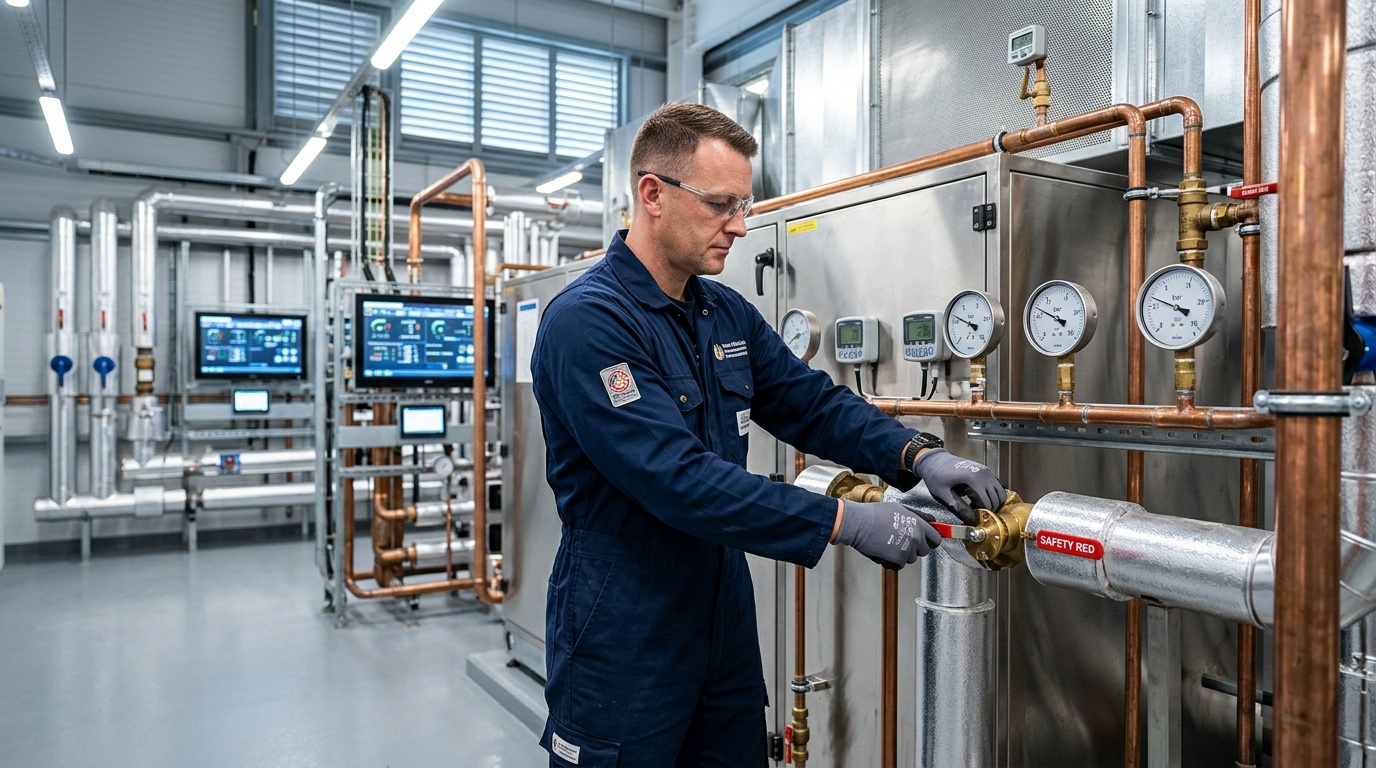
Running a commercial property in Birmingham or the wider West Midlands requires a clear-eyed view of mechanical wear and tear. The region’s industrial heritage and urban density mean local ventilation and heating plant can face higher particulate loads and a wide mix of building designs. When a climate system fails, the knock-on disruption can affect business continuity, tenant satisfaction, and revenue.
Many property owners treat plant as an afterthought until a major component fails. By partnering with competent HVAC contractors, businesses can shift away from stressful emergency call-outs towards structured asset management. That oversight helps keep air handling units, commercial boilers, and chillers maintained to a high technical standard.
Local Compliance and Engineering Standards for Midlands Businesses
UK compliance demands strict attention to statutory maintenance duties. For commercial landlords, keeping systems aligned with the Health and Safety at Work Act and F-Gas regulations is a legal requirement. If you cannot produce clean, accessible service records during an audit, you may face penalties and risk complications with insurance.
A professional service partner does more than change filters. They can carry out system audits, verify safety devices, and align servicing to SFG20 schedules. This approach protects staff, tenants, and your legal position.
Executing Effective Planned Preventative Maintenance Strategies
A successful maintenance strategy relies on precision, consistency, and engineering judgement. Rather than waiting for a breakdown during a winter freeze or summer heatwave, planned preventative maintenance schedules targeted work across the year. This approach helps engineers spot early warning signs, such as worn drive belts or minor electrical imbalance, before faults turn into major failures.
A tailored PPM schedule starts with an assessment of building use, plant age, and occupancy patterns. For complex sites, working with Commercial HVAC Installation and Maintenance specialists helps ensure assets receive systematic care. Over time, that supports lower utility spend, better internal air quality, and longer equipment life.
Optimising Energy Efficiency in Large Estates
Energy use in commercial properties is strongly influenced by heating, ventilation, and air conditioning plant. When heat exchangers foul or fan motors drift out of calibration, systems work harder to hit setpoints, pushing up costs. Regular calibration, sensor checks, and coil cleaning keep equipment closer to design efficiency and can reduce avoidable consumption.
| Maintenance Aspect | Reactive Run-to-Failure | Proactive PPM Model |
|---|---|---|
| Asset Lifespan | Reduced due to compounding wear | Extended through timely intervention |
| Budget Predictability | Volatile emergency spend | Planned operational expenditure |
| Energy Costs | Higher due to inefficiency | Lower through scheduled checks and calibration |
Selecting Qualified Engineering Partners for Your Building
Choosing between HVAC contractors means looking beyond the initial estimate. Facility managers should assess engineering depth, experience with commercial controls, and safety culture. The right partner works like an extension of your team, with clear communication and straightforward reporting.
Across the West Midlands, genuine commercial capability matters. Domestic providers may lack the tools, training, and experience needed for multi-storey air handling networks or central boiler plant. Using commercial specialists helps ensure repairs and installations are completed safely, legally, and to a professional standard.
Vetting Contractor Credentials and Safety Culture
Before access is granted to your plant room, confirm that the contractor holds active, verifiable certifications. This includes Gas Safe registration, F-Gas compliance certification, and adequate public liability insurance. A professional maintenance company should also supply risk assessments and method statements for higher-risk work, which supports safe delivery and reduces operational liability.
Frequently Asked Questions
What is the $5000 rule for HVAC systems?
While not a strict industry rule, the "$5000 rule" often suggests replacing an HVAC system if repairs cost more than $5,000 or 50% of a new unit, especially for older systems. For commercial assets, we look at the technical viability of repairs versus the long-term cost of replacement. This helps ensure you avoid unnecessary capital spend and focus on smart asset management.
What exactly is a commercial HVAC contractor?
A commercial HVAC contractor specializes in the installation, maintenance, and repair of heating, ventilation, and air conditioning systems specifically for business premises. They are crucial for ensuring operational uptime, managing energy costs, and maintaining regulatory compliance. Unlike residential contractors, commercial experts handle complex systems like chillers and air handling units, understanding the unique demands of a business environment.
Which AC brand typically lasts the longest?
The longevity of an AC system depends less on a specific brand and more on professional installation and consistent planned preventative maintenance. Even the best equipment will fail prematurely if neglected, leading to accelerated asset depreciation. A structured maintenance schedule, aligned with standards like SFG20, is what truly extends the working life of your expensive plant.
Can commercial HVAC systems help improve allergies in a building?
Yes, a well-maintained commercial HVAC system can significantly improve indoor air quality, which in turn can reduce allergens and improve comfort for occupants. Regular filter changes and proper ventilation are key to removing airborne particles that contribute to allergy symptoms. This contributes to a healthier workspace and supports workforce productivity.
What is the 2-foot rule for commercial HVAC units?
The "2-foot rule" for HVAC typically refers to maintaining at least two feet of clear space around outdoor condenser units to ensure proper airflow. Restricted airflow due to obstructions can significantly increase energy consumption and put strain on the system. Ensuring adequate clearance is a simple yet effective way to maintain system efficiency and prevent unexpected downtime.