Best electrical services for facility managers in Birmingham.
Birmingham's Electrical Demands: What Facility Managers Really Need
Managing commercial property in the West Midlands means keeping operations running without interruption. Finding the Best electrical services for facility managers in Birmingham. is about securing a partner who understands that a power outage is not just a technical fault; it is a business stoppage. In our manufacturing plants, logistics hubs, and city-centre offices, electrical reliability directly dictates daily productivity.
The Best electrical services for facility managers in Birmingham. focus on compliance, rapid local response, and planned preventative maintenance. To prevent operational downtime, look for contractors who combine NICEIC accreditation, SFG20 maintenance standards, and 24/7 rapid response across the West Midlands.
The Core Electrical Services Every Birmingham Facility Manager Requires
Your facility needs more than basic wiring repairs to operate safely. A comprehensive commercial electrical programme must integrate testing, thermal imaging, and preventative maintenance. These services form the backbone of operational defence, keeping distribution boards, lighting systems, and emergency power supplies within safe parameters.
- Scheduled switchgear maintenance to prevent catastrophic power failures.
- Emergency lighting testing to maintain legal compliance.
- Thermal imaging surveys to identify hot spots before they cause fires.
- Integration with HVAC systems, including prompt Commercial Ventilation Repair Services to protect indoor air quality.
Beyond the Basics: Specialised Needs for Diverse Birmingham Properties
Birmingham features a diverse mix of commercial spaces, from modern offices in Colmore Row to industrial heritage assets in the Jewellery Quarter. Each building type presents specific electrical challenges. Modern commercial offices require clean, uninterrupted power for server rooms, while manufacturing facilities demand heavy-duty three-phase distribution systems that can handle large inductive loads without tripping breakers.
Understanding the “Hidden” Electrical Risks in Older Birmingham Buildings
Older commercial properties across the West Midlands often contain legacy electrical systems. Decades of modifications, outdated wiring insulation, and overloaded distribution boards create significant fire hazards. Identifying these hidden risks requires thorough inspections by engineers who understand how historical building structures affect modern electrical demands.
Many older buildings still use outdated distribution boards that lack modern surge protection. This exposes sensitive IT infrastructure to damage during power fluctuations, making regular system audits necessary.
Compliance is Non-Negotiable: Navigating Electrical Regulations in the UK

Staying compliant with UK electrical safety regulations is a legal duty that protects staff and the business. For those responsible for building safety, securing the Best electrical services for facility managers in Birmingham. helps ensure the property meets statutory obligations under the Electricity at Work Regulations 1989.
The Role of Electrical Installation Condition Reports (EICRs)
An Electrical Installation Condition Report is a key part of the building’s safety file. For commercial premises, this detailed inspection should take place at least every five years. The assessment identifies overloaded circuits, potential shock hazards, and inadequate earthing, providing a clear path for any remedial works.
Beyond EICRs: Other Essential Compliance Checks
Compliance extends beyond main distribution boards. Emergency lighting systems should undergo monthly functional tests and annual full-duration discharge tests to meet BS 5266-1. Fire alarm systems require weekly testing and biannual servicing to support dependable operation during an emergency.
SFG20 Standards: The Benchmark for Planned Preventative Maintenance
SFG20 is the industry standard for building maintenance specifications. Following these guidelines helps ensure electrical assets receive the right maintenance at the right intervals. This structured approach avoids unnecessary work while ensuring key safety checks are not missed.
Consequences of Non-Compliance: What Happens When It Goes Wrong
Ignoring compliance checks can lead to serious consequences. Beyond the immediate danger of electrical fires or injuries, non-compliance can invalidate commercial property insurance. If an incident occurs, facility managers can face prosecution, substantial fines, and custodial sentences under UK safety legislation.
The Proactive Approach: How Planned Maintenance Saves Money and Hassle
Waiting for electrical systems to fail before calling an engineer is expensive. Planned preventative maintenance protects operational budgets and extends the lifespan of physical assets, while supporting safer, more predictable operations.
Planned Preventative Maintenance (PPM) vs. Reactive Repairs: The True Cost
Reactive repairs tend to carry premium costs, including emergency call-out fees, expedited parts delivery, and lost revenue from disrupted operations. Planned maintenance allows inspections to be scheduled during agreed shutdowns, reducing disruption and keeping costs more predictable.
| Maintenance Type | Cost Predictability | Operational Downtime | Asset Lifespan |
|---|---|---|---|
| Planned Preventative (PPM) | High and controlled | Minimal (scheduled) | Extended |
| Reactive Repairs | Unpredictable and high | Significant (unplanned) | Reduced |
Energy Efficiency Gains: Optimising Electrical Systems
Inefficient electrical systems waste energy and increase utility bills. Regular maintenance, such as tightening loose connections and balancing phases, reduces resistive losses. Upgrading to modern LED lighting and installing smart building controls can also reduce energy use and operating costs.
How M&E’s “Tested & Proven” Innovation Policy Benefits Your Building
At MEMS, we do not adopt technology simply because it is new. We test systems, diagnostic tools, and repair methods before they are rolled out, so they deliver value on site rather than on paper. This approach supports dependable, cost-effective engineering decisions.
The MEMS Standard: Getting It Right the First Time
Our commitment to quality means corners do not get cut. Repairs, installations, and inspections are completed to professional standards, helping systems stay safe and dependable after the job is done.
Choosing Your Electrical Partner: Questions Facility Managers Must Ask
Selecting the right service provider matters for day-to-day performance and peace of mind. To secure the Best electrical services for facility managers in Birmingham., look beyond the initial price and assess technical capability, documentation, and reliability.
Beyond the Quote: Evaluating Expertise and Experience
Low quotes can lead to poor workmanship, missed compliance deadlines, and unexpected charges. Ensure the contractor holds NICEIC commercial accreditation and employs fully qualified, JIB-registered Gold Card electricians who understand complex commercial environments.
Understanding Service Level Agreements (SLAs) and Response Times
A service level agreement should set out clear response times for urgent faults. It should also define communications, escalation routes, reporting, and what constitutes an emergency, so there is no ambiguity when a call is logged.
What “24/7/365 Availability” Really Means in Practice
Round-the-clock availability means being able to speak with an experienced coordinator at any hour, not only an automated answering service. Providers should have qualified engineers on standby and appropriately stocked vehicles, with the aim of resolving issues on the first visit where practical.
The “Open Door” Difference: Why Partnering with Innovators Matters
Working with an innovative partner can give access to modern maintenance strategies, including integrated support where electrical care aligns with HVAC systems. Coordinating electrical inspections with Commercial Ventilation Repair Services can help keep infrastructure operating efficiently, while supporting occupant comfort and budget control.
Evaluating Technical Competence in Commercial Electrical Engineering
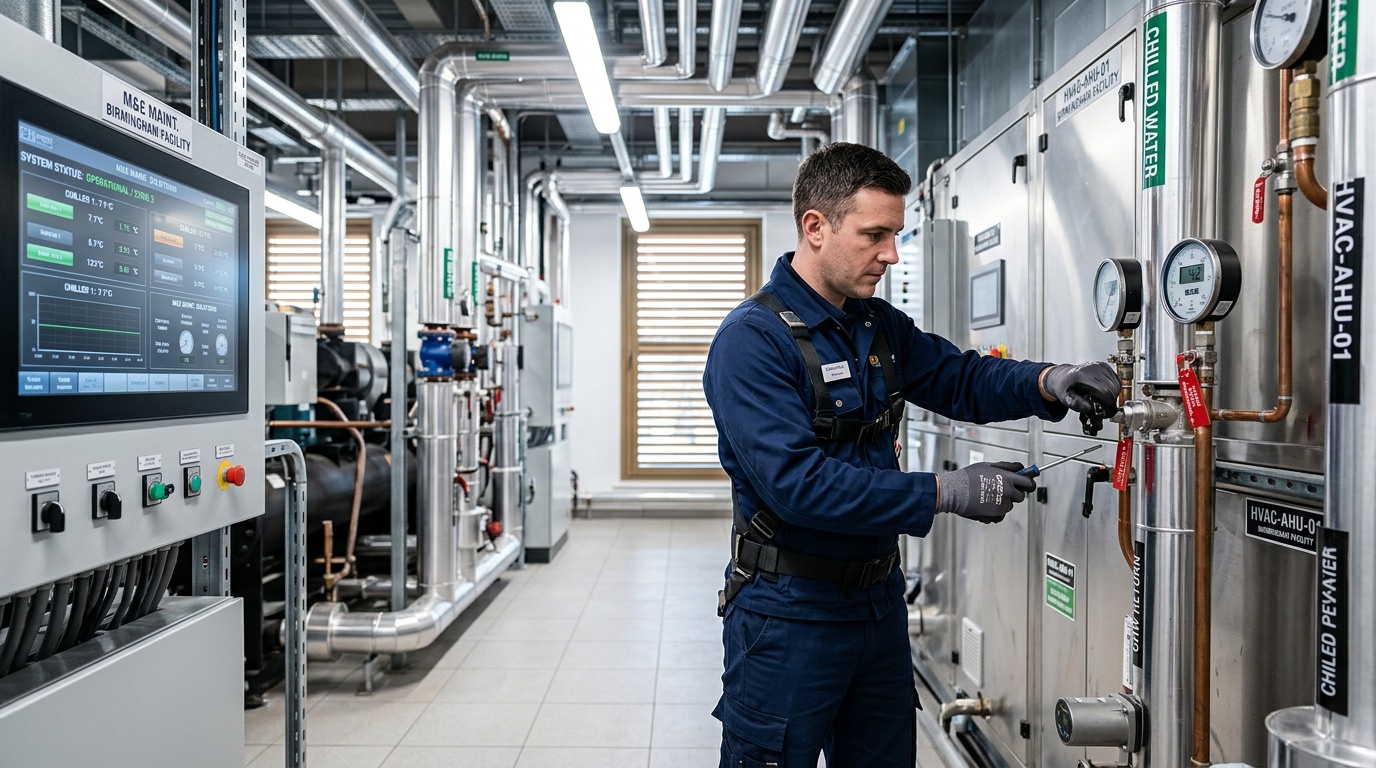
Selecting the Best electrical services for facility managers in Birmingham. requires a deeper look at technical credentials rather than generic promises. In high-pressure commercial environments, relying on contractors without commercial and industrial experience is a risk. A service partner should demonstrate an understanding of three-phase power distribution, motor control circuits, and modern energy management systems.
The foundation of technical competence rests on verified credentials. Ensure every engineer attending site holds a valid Joint Industry Board (JIB) Gold Card, which confirms fully qualified electrician status. The contracting firm should also maintain NICEIC Approved Contractor status, which indicates regular independent assessment of work quality, safety procedures, and technical compliance. These qualifications are not just badges; they reduce the likelihood of sub-standard installations and dangerous failures.
Beyond standard electrical works, the partner should be able to coordinate building services. Electrical distribution boards power heating, ventilation, and air conditioning infrastructure, and a failure in ventilation can disrupt operations as quickly as a blown fuse. When electrical issues affect climate control systems, access to integrated Commercial Ventilation Repair Services can speed up diagnosis, because the teams involved understand how power and airflow systems connect.
Implementing Effective Electrical Planned Preventative Maintenance
A proactive maintenance strategy needs structured planning rather than emergency firefighting. Implementing a planned preventative maintenance programme involves mapping every electrical asset within a facility, from the main incoming switch panel down to individual distribution boards and emergency lighting luminaires. An asset register supports a schedule that helps ensure key components are not overlooked.
To help structure electrical maintenance priorities, use this operational checklist for commercial facilities across the West Midlands:
The Facility Manager’s Electrical Maintenance Checklist:
- Weekly: Carry out fire alarm panel checks and confirm recorded faults are reviewed and closed out.
- Monthly: Complete emergency lighting functional tests and perform visual inspections of distribution boards for signs of heat damage or moisture ingress.
- Biannually: Schedule professional inspections of main switchgear and carry out load-balancing checks across phases.
- Annually: Complete full-duration emergency lighting discharge testing and conduct thermal imaging surveys.
- Five-yearly: Arrange statutory Electrical Installation Condition Reports (EICRs) across the property portfolio.
Thermal imaging is one of the most cost-effective diagnostic tools available to facility managers. By scanning distribution boards and control panels under normal operating loads, engineers can detect abnormal heat patterns caused by loose connections, overloaded circuits, or unbalanced phases. Finding issues early allows minor repairs to be scheduled during planned downtime, reducing the likelihood of sudden outages that halt production or force office closures.
Maximising Operational Efficiency and Safety Standards
Securing the Best electrical services for facility managers in Birmingham. is not only about preventing downtime; it is also about reducing operational costs and meeting environmental targets. Inefficient electrical systems draw more current, generate excess heat, and increase utility bills. Optimising power factor correction and upgrading to energy-efficient LED lighting with smart occupancy controls can reduce energy consumption and expenditure.
Safety remains the top priority for building managers. Electrical work should follow the Electricity at Work Regulations 1989 and BS 7671 IET Wiring Regulations. A contractor should provide clear digital documentation for each visit, including test results, asset condition notes, and compliance certificates. This record-keeping supports audit readiness and helps reduce liability.
Integrated building maintenance means taking a whole-system view. When electrical faults affect critical plant, a multi-disciplined response is often required. Maintaining extraction and ventilation systems needs electrical expertise and mechanical knowledge, and coordinating electrical safety checks with Commercial Ventilation Repair Services can help keep environmental systems compliant, energy-efficient, and safe for occupants.
Future-Proofing Commercial Electrical Infrastructure

The transition towards smart buildings and net-zero operations is changing how commercial properties manage power. Selecting the Best electrical services for facility managers in Birmingham. is not only about maintaining current systems; it is also about preparing buildings for future demand. Many organisations are upgrading distribution networks to accommodate electric vehicle charging, solar photovoltaic (PV) arrays, and battery storage.
These technologies can introduce non-linear loads on older distribution systems, increasing the chance of harmonic distortion and early equipment failure. To reduce risk, a maintenance partner should carry out power quality analysis. This assessment identifies voltage sags, swells, and harmonic currents, enabling engineers to specify filtering and power factor correction before problems damage sensitive infrastructure.
Internet of Things (IoT) sensors within switchgear can also support predictive maintenance. Instead of relying only on fixed inspection intervals, sensors can monitor temperature and current draw in near real time. Data and alarms can flag early signs of deterioration, supporting targeted interventions before faults escalate.
Commercial Ventilation and Electrical Coordination
A building’s mechanical systems are closely linked to its electrical infrastructure. Air handling units, extraction fans, and heat recovery systems can account for a significant portion of electrical load. When these systems are poorly maintained, they can run inefficiently, drawing excess current and placing added strain on distribution boards and control panels.
Coordinating electrical maintenance with specialist mechanical support is an effective way to optimise building performance. Regular servicing of climate control systems through Commercial Ventilation Repair Services helps keep motors, belts, and controls operating with reduced mechanical resistance. This can lower electrical demand on switchgear and reduce exposure to inductive load spikes.
Modern ventilation systems also depend on control panels, variable speed drives, and sensor networks. An electrical fault in a control circuit can stop airflow quickly, creating safety and comfort issues for occupants. A technically competent partner that understands both the electrical supply and the mechanical operation can speed up diagnosis and restore service sooner, while aiming to limit disruption.
Securing the Right Partnership: Final Checks Before You Appoint
In Birmingham and across the West Midlands, downtime is a cost few sites can absorb. Managing electrical infrastructure needs a disciplined, proactive approach that prioritises legal compliance, occupant safety, and energy efficiency. The Best electrical services for facility managers in Birmingham. deliver more than reactive repairs; they support long-term asset management with planned work, clear documentation, and dependable response.
When selecting an engineering partner, look for a team that combines technical credentials with a practical, boots-on-the-ground approach. Confirm NICEIC accreditation, alignment with SFG20 maintenance standards, and direct communication routes with qualified engineers. This accountability helps protect the property, maintain compliance, and keep operations efficient.
Evaluating Electrical Maintenance Strategies
Pros of Proactive PPM
- Predictable maintenance budgeting with fewer emergency fees
- Longer operational life for key electrical assets
- Stronger compliance position with clearer audit trails
- Lower energy use through better system efficiency
Cons of Reactive Run-to-Fail
- High, unpredictable call-out and repair costs
- Unplanned downtime and potential operational stoppage
- Higher risk of non-compliance and legal exposure
- Faster wear and earlier replacement of expensive infrastructure
Maintenance works best when the building is treated as an integrated system. By combining electrical safety inspections with mechanical support, including Commercial Ventilation Repair Services, the wider infrastructure is better protected. This joined-up approach supports operational continuity, controlled running costs, and safer working environments.
References
Frequently Asked Questions
How does planned electrical maintenance impact costs for Birmingham facility managers compared to reactive repairs?
Planned preventative maintenance, or PPM, offers predictable costs and minimal operational disruption because work is scheduled during agreed shutdowns. Reactive repairs, on the other hand, carry premium costs, including emergency call-out fees and lost revenue from unplanned business stoppages. Investing proactively protects your operational budget and extends asset lifespan.
What core electrical services should Birmingham facility managers prioritize for their properties?
A comprehensive electrical program extends beyond basic repairs. Facility managers should prioritize services like regular testing, thermal imaging surveys to spot hot spots, and scheduled preventative maintenance for switchgear and distribution boards. Emergency lighting testing and integration with HVAC systems are also essential for safety and compliance.
Why is electrical compliance so important for facility managers in Birmingham?
Staying compliant with UK electrical safety regulations, such as the Electricity at Work Regulations 1989, is a legal duty that protects both staff and the business. Non-compliance can lead to serious consequences, including invalid commercial property insurance, substantial fines, and even prosecution if an incident occurs. Regular Electrical Installation Condition Reports, or EICRs, are a key part of maintaining this safety file.
What "hidden" electrical risks should facility managers be aware of in older Birmingham buildings?
Older commercial properties often harbor legacy electrical systems with outdated wiring insulation and overloaded distribution boards, which are significant fire hazards. Many also lack modern surge protection, leaving sensitive IT infrastructure vulnerable to power fluctuations. Thorough inspections by experienced engineers are necessary to identify these risks.
What should facility managers look for when choosing electrical services in Birmingham?
When selecting an electrical service partner, facility managers should seek out providers with NICEIC accreditation, adherence to SFG20 maintenance standards, and a 24/7 rapid local response capability across the West Midlands. It is about finding a partner who understands that electrical reliability directly dictates daily productivity.
Can electrical services help improve energy efficiency in commercial buildings?
Absolutely. Regular electrical maintenance, like tightening loose connections and balancing phases, reduces resistive losses and saves energy. Upgrading to modern LED lighting and installing smart building controls can also significantly reduce energy consumption and lower utility bills, contributing to a more sustainable operation.