Cost of building fabric repair services for estates.
When you manage commercial estates, understanding the true financial implications of building fabric maintenance isn't just about keeping things tidy; it's about safeguarding your most significant assets and ensuring operational continuity. The exterior and structure of your buildings. The walls, roofs, windows, and foundations. Are the first line of defence against the elements and the primary indicator of your property's long-term value. Neglecting these elements can lead to a cascade of issues, from minor aesthetic problems to catastrophic failures that halt business operations and incur astronomical repair bills. As the Founder and Managing Director of MEMS Facilities Maintenance, I've seen firsthand how a proactive approach to building fabric repair can save businesses significant sums and avoid the dreaded surprise of a major, unexpected expenditure.
Key Takeaways
- Proactive building fabric maintenance protects commercial property value and prevents costly operational disruptions.
- Structural elements like walls, roofs, and foundations serve as the primary defence against environmental damage and signal long-term asset worth.
- Ignoring building upkeep creates compounding problems that escalate from minor cosmetic flaws into major system failures.
- Planned maintenance strategies help estates managers avoid sudden repair bills that derail annual budgets.
- Treating building fabric care as a core investment rather than a cosmetic afterthought keeps commercial estates profitable and operational.
The cost of building fabric repair services for estates is a complex equation, influenced by numerous factors beyond the simple square footage of a repair. It's about understanding the underlying issues, the materials involved, site accessibility, and importantly, the long-term strategy for your property portfolio. This guide will break down what contributes to these costs and how you can approach budgeting and maintenance with clarity and foresight, moving away from the costly cycle of reactive fixes.
What Does Building Fabric Repair Actually Cost on Commercial Estates?
Understanding the financial commitment for building fabric repair services for estates requires a clear definition of what constitutes "building fabric." In essence, it refers to the permanent structural elements of a building. The parts that give it form and function, keeping it weatherproof and secure. This includes everything from the external walls, roof coverings, and drainage systems to window frames, doors, and even internal partition walls and finishes. For commercial estates, which often comprise multiple buildings of varying ages and types, the scope is significantly larger and more complex than for a single property.
Building Fabric Defined
Building fabric encompasses all permanent structural elements of a commercial property, including:
- External Walls: Masonry, brickwork, cladding, render.
- Roof: Structure, coverings (tiles, membranes), gutters, downpipes.
- Windows & Doors: Frames, glazing, seals, hardware.
- Foundations & Floors: Concrete slabs, sub-floors.
- Internal Structure: Load-bearing walls, partition walls, ceilings.
- Associated Elements: Chimneys, balconies, external staircases.
Pinpointing a precise baseline cost for such varied services across the UK is challenging, as each repair is unique. But, industry estimates suggest that basic fabric repair work can range from £2 per square foot upwards for simple tasks, while more complex structural repairs or steel replacement on larger fabric structures might reach up to £7 per square foot, according to sources like Calhoun Super Structure. For commercial building maintenance overall, costs per square foot can vary significantly by industry, typically falling between £4-£12 per square foot, as noted by eFinancialModels. These figures serve as a rough guide, but the true cost on an estate is always scenario-dependent.
Pricing for estate-level repairs differs substantially from single-building quotes due to several compounding factors. Firstly, the sheer scale of a multi-building portfolio means that even minor, recurring issues across several structures can add up quickly, requiring more extensive labour and material management. Secondly, logistical challenges in accessing different parts of an estate, coordinating work schedules across various buildings, and managing waste or site disruption inherently increase overheads. Also, estate managers must often balance budgets across multiple properties, prioritising repairs where the need is greatest, which can lead to more complex project management and potentially higher overall project costs compared to a focused, single-site repair.
Key Takeaway
The cost of building fabric repair on commercial estates is a multifaceted financial consideration. It requires a broad understanding of structural components, realistic UK cost benchmarks, and a keen awareness of the unique logistical and financial complexities involved in managing multiple properties within a single estate.
7 Factors That Drive Building Fabric Repair Costs on Your Estate
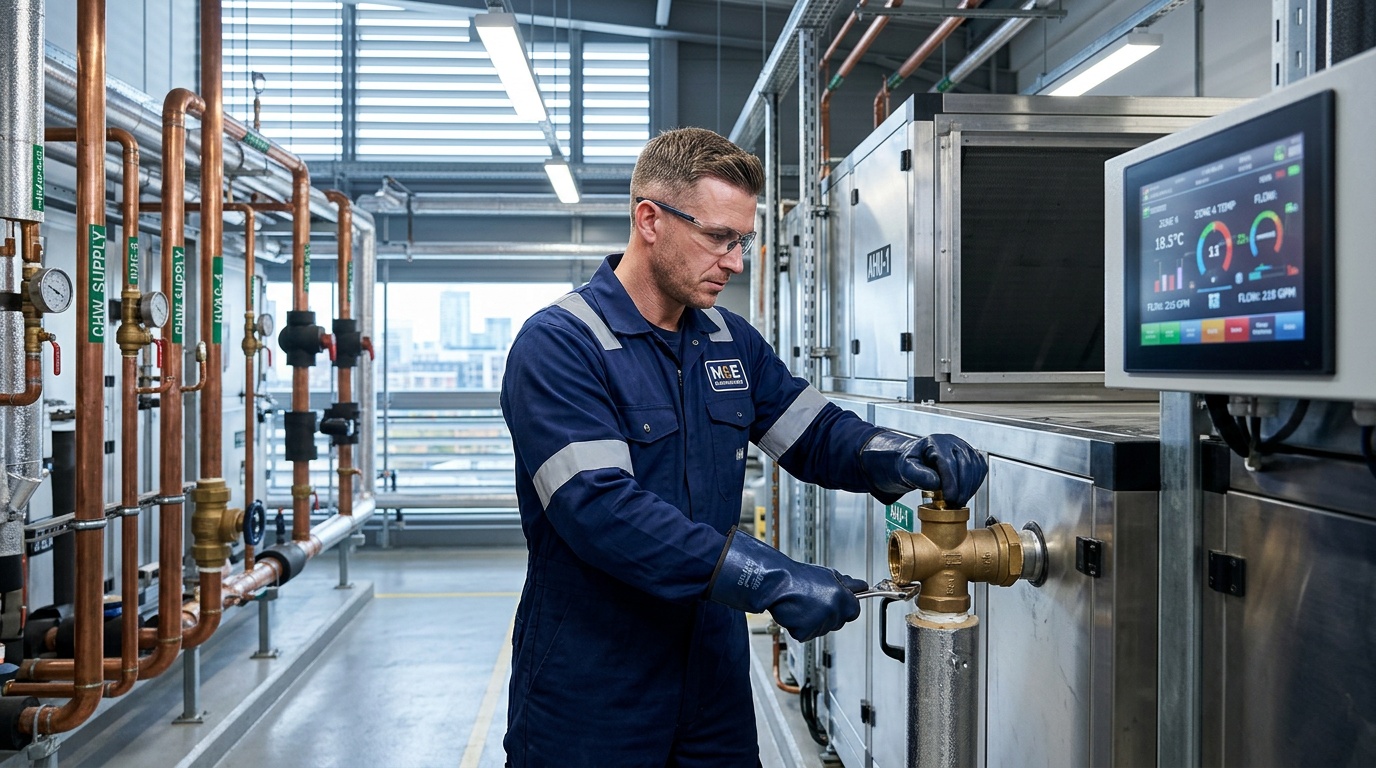
As Stuart Butcher, I’ve learned that predicting and managing the cost of building fabric repair services for estates hinges on understanding the variables at play. It’s not just about the hammer and nails; it's about the entire ecosystem of your property portfolio. By dissecting these key drivers, estate managers can move towards more accurate budgeting and strategic maintenance planning, avoiding the financial shocks that can arise from unexpected issues.
Factors Influencing Estate Building Fabric Repair Costs
| Factor | Explanation | Impact on Cost |
|---|---|---|
| Estate Scale & Number of Buildings | The overall size of the estate and the quantity of individual buildings requiring attention. | Larger estates with more buildings naturally incur higher total costs due to increased labour, materials, and project management overhead. |
| Material Types & Availability | The specific materials used in construction or for repair (e.g., standard brick vs. specialist cladding, common tiles vs. heritage roofing). | Specialist, rare, or high-performance materials can be significantly more expensive and may have longer lead times, impacting both material cost and project duration. |
| Access Requirements & Working at Height | The ease or difficulty of accessing damaged areas, particularly roofs, upper floors, or confined spaces. | The need for scaffolding, cherry pickers, or specialised access equipment substantially increases labour time and rental costs, especially for older buildings or those with complex architecture. |
| Urgency: Emergency vs. Planned Work | Whether a repair is a scheduled preventative task or an immediate, emergency response to a failure. | Emergency call-outs typically carry a premium of 30-50% higher than scheduled repairs due to the need for immediate dispatch and often out-of-hours work, as highlighted by industry estimates. |
| Extent of Damage & Hidden Defects | The severity of the issue and the discovery of underlying, previously unknown problems during the repair process. | Minor surface damage is less costly than structural compromise. Hidden defects, such as water ingress damaging insulation or rot in timber frames, can escalate repair costs unexpectedly. |
| Location & Site Logistics | Geographical positioning of the estate and on-site logistical challenges. | Remote locations may incur higher travel and transport costs for labour and materials. Urban sites might face challenges with parking, traffic management, and restricted working hours. |
| Compliance & Building Regulations | Adherence to current safety standards, environmental regulations, and planning permissions for repairs. | Meeting stringent UK building regulations (e.g., for fire safety, insulation) may require using specific, certified materials or methods, potentially increasing costs but ensuring long-term compliance and safety. |
For estate managers, proactive engagement is key. Understanding these drivers allows for more accurate forecasting of the cost of building fabric repair services for estates. A building with extensive use of specialist architectural metal cladding will naturally have different repair costs than one constructed primarily of standard brickwork. Similarly, a building requiring repairs to a flat roof accessible only by a narrow staircase will incur higher labour charges than one with a pitched roof and clear external access. This detailed understanding helps in setting realistic budgets and selecting the right maintenance partners who can offer transparent pricing based on these variables.
Proactive Planning
Regular inspections and a strong Planned Preventative Maintenance (PPM) schedule, like the Building Fabric Repairs & Maintenance service offered by MEMS, can significantly mitigate the impact of many of these cost drivers. Identifying issues early, before they escalate into emergencies or require expensive specialist materials, is always the most financially sound approach.
Checklist: Assessing Potential Repair Costs
- Scope of Work: Clearly define the specific elements of building fabric needing repair.
- Material Specification: Identify original or required replacement materials and their availability.
- Access Feasibility: Evaluate the ease of access for tradespeople and equipment.
- Urgency Assessment: Determine if the repair is immediate or can be scheduled.
- Damage Assessment: Conduct thorough inspections to uncover all related defects.
- Site Logistics: Consider on-site access, traffic, and potential disruptions.
- Regulatory Requirements: Check for any specific compliance standards that must be met.
The True Cost of Neglect: Reactive Repairs vs Planned Maintenance
In my 24 years working across the engineering and facilities management sectors, I’ve seen a dangerous, yet common, misconception take root: the idea that if a building’s fabric isn’t actively failing, it doesn’t need attention. This "wait and see" approach might seem like a short-term cost-saving measure, but it’s a strategy that invariably leads to far greater expenses down the line. For commercial estates, where multiple assets are at stake, deferring essential building fabric maintenance isn't just neglecting a physical structure; it's actively eroding your bottom line and increasing your risk profile. My core belief, forged in the reality of the boiler room and the boardroom, is simple: reactive is expensive; proactive is profitable. Understanding the cost of building fabric repair services for estates means looking beyond immediate fixes and embracing a strategic, preventative mindset.
Reactive vs. Planned Maintenance: A Cost Comparison
| Aspect | Reactive Maintenance (Wait & See) | Planned Preventative Maintenance (PPM) |
|---|---|---|
| Cost Structure | Unpredictable, often high emergency repair bills, potential for secondary damage costs. | Predictable, scheduled costs for inspections and routine servicing. |
| Cost Impact | Significantly higher total expenditure over the asset lifecycle due to escalating failures and emergency premiums. | Lower overall costs by preventing major failures, reducing repair frequency, and optimising asset lifespan. Industry estimates suggest regular PPM can reduce overall repair costs by 20-30%. |
| Downtime | Frequent, unexpected business interruptions leading to lost revenue and productivity. | Minimal disruption, with maintenance scheduled during off-peak hours to maintain operational continuity. |
| Compliance & Safety | Increased risk of non-compliance due to unaddressed defects, potentially leading to fines or safety hazards. | Ensures ongoing adherence to safety regulations and building codes, protecting occupants and assets. |
| Asset Lifespan | Shortened lifespan of building components and systems due to wear and tear, and lack of timely intervention. | Extended asset lifespan through regular servicing and early identification of wear. |
| Budgeting | Erratic and difficult to budget for, with frequent budget overruns. | Stable, manageable budget allocation, allowing for better financial planning. |
The financial chasm between these two approaches is stark. While a reactive strategy might appear budget-friendly in the short term by deferring expenditure, the reality is that it inflates the overall cost of building fabric repair services for estates. Emergency call-outs, for example, can carry premiums of 30-50% higher than scheduled repairs, as highlighted by industry data, due to the immediate need for parts, labour, and often out-of-hours service. This is compounded by the fact that when a building fabric element fails unexpectedly, it often triggers a cascade of secondary issues, dramatically increasing the scope and expense of the eventual repair.
Real-World Example: How a £450 Inspection Could Have Prevented a £28,000 Repair
To illustrate this point, consider a scenario I’ve witnessed firsthand. A client managing a commercial property portfolio noticed minor water staining on an internal ceiling. Instead of commissioning a full building fabric inspection, they opted for a minimal, reactive repair, patching the visible damage. This seemingly small saving was short-lived. A few months later, a significant section of the ceiling collapsed, revealing extensive water ingress that had been silently degrading the structural integrity of the roof and insulation above for a considerable period. The initial water staining was a symptom of a compromised roof membrane, an issue that a comprehensive inspection costing around £450 would have readily identified.
The subsequent repair involved not just replacing the collapsed ceiling but also extensive roof repairs, including membrane replacement, insulation remediation, and structural reinforcement. The final bill climbed to a staggering £28,000. This real-world example, drawn from an M&E case study, vividly demonstrates the financial folly of neglecting building fabric. The £450 inspection fee would have been an investment, identifying the problem early, allowing for a targeted repair during a planned maintenance visit, and saving the client a colossal sum. This stark contrast underscores why our Building Fabric Repairs & Maintenance service prioritises proactive assessment over costly reactive fixes. It’s about understanding that a small investment in inspection and preventative work can avert massive expenditure and business disruption.
Secondary Damage: What Neglected Building Fabric Actually Costs You
The true financial burden of neglected building fabric extends far beyond the initial point of failure. When a roof leaks, it’s not just about fixing the roof tiles or membrane. The water ingress can saturate insulation, leading to thermal bridging and drastically reduced energy efficiency, which in turn increases heating bills. It can compromise structural timbers, leading to rot and weakening the building’s integrity. Dampness can spread to internal walls, causing plaster to crumble, paint to peel, and creating conditions ripe for mould growth, which poses health risks to occupants and necessitates costly remediation, including specialist cleaning and redecoration.
Similarly, cracked masonry or failing window seals can allow moisture and drafts to penetrate the building. This not only drives up energy consumption as heating systems work harder to compensate but can also lead to internal damage, mould, and even structural issues if left unaddressed. For commercial estates, these secondary costs can accumulate rapidly, impacting tenant satisfaction, increasing insurance premiums, and significantly devaluing the property. The total cost of building fabric repair services for estates is so a complex sum that includes not just the direct repair of the initial fault but also the remediation of all consequential damage, lost revenue from downtime, and the long-term impact on energy performance and asset value. Proactive maintenance is the only defence against this compounding financial drain.
How to Budget for Building Fabric Repairs Across Multiple Buildings
Managing a portfolio of commercial properties presents unique budgeting challenges, particularly for the cost of building fabric repair services for estates. Unlike a single building, an estate often means multiple structures, each with its own age, construction type, and maintenance history. Prioritising repairs and allocating funds effectively across these diverse assets requires a strategic, tiered approach. It’s about moving from reactive spending to proactive investment, ensuring that your budget serves to protect asset value and operational continuity rather than just patching up problems as they arise. As someone who has spent over two decades ensuring building systems run smoothly, I know that a well-structured budget is the bedrock of effective facilities management.
Building a Tiered Repair Budget for Multi-Building Portfolios
For commercial estates, a one-size-fits-all budget simply won't do. You need a system that categorises repair needs based on urgency and impact. I recommend a tiered approach, starting with essential, immediate repairs and moving down to more routine or aesthetic improvements. Tier 1 would cover critical structural issues and safety compliance failures. Think major roof leaks, compromised load-bearing walls, or urgent window replacements posing a security risk. These require immediate attention and dedicated funding, often necessitating emergency reserves. Tier 2 would encompass significant but less immediately critical fabric repairs, such as extensive masonry repointing, substantial cladding repairs, or failing drainage systems that, while not causing immediate collapse, will lead to secondary damage if ignored. These should be scheduled within a defined timeframe, perhaps 6-12 months.
Tier 3 would include preventative maintenance and minor repairs, such as routine gutter clearing, seal replacements, minor render repairs, or repainting. These are essential for long-term asset preservation and can often be managed through an annual maintenance budget. Finally, Tier 4 could cover planned refurbishments or upgrades that improve building fabric but are not strictly repairs, like re-cladding for improved insulation or upgrading window systems for better energy performance. By segmenting your budget in this way, estate managers can clearly see where funds are allocated, justify expenditure, and ensure that critical issues are always addressed before they escalate. This structured method provides a far clearer picture of the true cost of building fabric repair services for estates across the entire portfolio.
Tiered Budget Framework for Estate Building Fabric Repairs
| Tier | Priority Level | Examples | Action & Funding |
|---|---|---|---|
| Tier 1 | Critical / Emergency | Structural failure, major leaks, safety hazards (e.g., falling masonry), urgent compliance breaches. | Immediate action required. Dedicated emergency fund or high-priority allocation. |
| Tier 2 | High Priority / Scheduled | Significant wear & tear, potential for secondary damage (e.g., extensive repointing, failing roof membranes, compromised cladding). | Planned repairs within 6-12 months. Specific budget allocation. |
| Tier 3 | Routine / Preventative | Regular maintenance, minor fixes (e.g., gutter cleaning, seal replacement, minor render touch-ups, annual inspections). | Annual maintenance budget. Focus on preventing escalation. |
| Tier 4 | Enhancement / Refurbishment | Upgrades for performance or aesthetics (e.g., improved insulation, modern window systems, aesthetic cladding upgrades). | Capital expenditure budget, planned long-term projects. |
Getting Accurate Quotes: What to Ask Your Contractor
Securing accurate quotes is paramount when assessing the cost of building fabric repair services for estates. A vague quote can hide underlying costs and lead to significant budget overruns. I always advise estate managers to treat quotes as an opportunity to gauge a contractor's professionalism and transparency. Start by asking for a detailed breakdown of costs, including labour, materials, waste disposal, and any specialist equipment hire. Understand the proposed methodology for the repair and the specific materials they intend to use. Ask about their experience with similar estates or multi-building projects; this indicates their logistical capability.
Crucially, inquire about their approach to unforeseen issues. What is their protocol if they discover hidden defects during the work? How are additional costs communicated and approved? For compliance-related repairs, ask for evidence of their certifications and adherence to relevant standards, such as SFG20. Don't hesitate to ask about their warranty or guarantee on the repair work itself. A reputable contractor will be happy to provide this information and will likely ask you detailed questions about the scope and history of the issues to provide the most accurate estimate. This collaborative approach ensures you’re not just getting a price, but a comprehensive understanding of the proposed solution and its associated expenditure.
Key Questions for Building Fabric Repair Contractors
- Can you provide a detailed breakdown of labour, materials, and equipment costs?
- What specific repair methods and materials will be used, and why?
- What is your experience with multi-building estates of similar scale?
- What is your process for handling unexpected discoveries or hidden defects?
- How is client approval obtained for any additional costs beyond the initial quote?
- What are your site safety protocols and compliance certifications (e.g., SafeContractor, Gas Safe)?
- Do you offer a warranty or guarantee on the completed repair work?
- Can you provide references from similar commercial estate projects?
Contractor Evaluation Checklist for Estate Managers
When selecting a partner for your estate's building fabric maintenance, a thorough evaluation is essential. Beyond the quote itself, consider the contractor's overall capability, reliability, and alignment with your long-term maintenance strategy. This checklist can help you assess potential providers, ensuring they offer more than just a repair service. They offer peace of mind and long-term value. Look for a company that demonstrates a proactive mindset, a commitment to compliance, and a clear understanding of the unique demands of managing multiple properties. Services like our Building Fabric Repairs & Maintenance are designed to meet these comprehensive needs, offering the expertise and accountability that estate managers require.
Evaluating Building Fabric Repair Contractors
- Professionalism & Communication: Responsive, clear communication, professional conduct on-site.
- Technical Expertise: Demonstrated knowledge of various building materials and repair techniques.
- Track Record: Proven experience with commercial estates and complex projects; positive references.
- Compliance & Certification: Holds relevant industry accreditations and safety certifications.
- Transparency: Provides detailed quotes and clear explanations of work scope and costs.
- Proactive Approach: Offers advice on preventative measures and long-term solutions, not just immediate fixes.
- Availability: Capability for planned maintenance and emergency call-outs if required.
- Budget Adherence: History of delivering projects within agreed budgets, with clear processes for variations.
References
Frequently Asked Questions About Building Fabric Repair Costs

What is the average cost of building fabric repair for commercial estates?
Pinpointing a single average cost for building fabric repair services for estates is challenging due to the vast differences in estate size, building types, and the nature of repairs required. But, general industry estimates suggest that basic fabric repair work can start from around £2 per square foot. More complex structural work or repairs involving specialist materials on larger fabric structures could range up to £7 per square foot, as indicated by sources like Calhoun Super Structure. For overall commercial building maintenance, costs can vary between £4-£12 per square foot, depending on the industry and specific services needed, according to eFinancialModels. The true cost for any given estate will depend on a detailed assessment of its specific needs.
How much does it cost to repair a leaking roof, cracked wall, or faulty window on an estate?
The cost to repair specific building fabric elements on an estate varies greatly. A minor roof leak might cost a few hundred pounds to patch, but if it indicates a compromised membrane or underlying structural damage, the repair could run into thousands. Similarly, a small crack in a wall might be a simple render repair, costing under £100, whereas a crack indicating structural movement could require extensive masonry work, potentially costing £1,000 or more depending on the severity and access. Repairing a faulty window can range from replacing a pane of glass (£100-£300) to replacing the entire frame and unit (£500-£1,500+), with costs escalating for specialist glazing or large/complex windows. For estates, the cost is amplified by the number of units requiring attention and the logistics of accessing them.
Is it cheaper to repair or replace building fabric elements?
Generally, repairing building fabric elements is cheaper than replacing them, provided the damage is not extensive and the underlying structure is sound. For example, repairing a section of damaged brickwork or repointing a wall is typically less costly than a full rebuild. Similarly, replacing a faulty seal or a cracked pane in a window frame is more economical than installing a completely new unit. But, if an element is severely degraded, obsolete, or the cost of repeated repairs becomes prohibitive, replacement might be the more cost-effective long-term solution. For example, a severely deteriorated roof membrane might be more economical to replace entirely rather than undertaking continuous patch repairs that offer little long-term security. Strategic assessment by experienced professionals is key to making this decision.
How often should estate managers schedule building fabric inspections?
For commercial estates, it is advisable to schedule comprehensive building fabric inspections at least annually. But, more frequent visual checks, perhaps quarterly, by on-site personnel or a facilities management team can help identify minor issues early. Certain elements, like roofs and drainage systems, may benefit from inspections more frequently, especially after severe weather events. A proactive Planned Preventative Maintenance (PPM) schedule, which often includes detailed fabric inspections as part of the service, is the most effective way to ensure all elements are regularly assessed. This helps in identifying potential problems before they become costly repairs and ensures ongoing compliance and asset longevity.
Frequently Asked Questions
What is building fabric repair on commercial estates?
Building fabric repair on commercial estates refers to maintaining the permanent structural elements that keep a property weatherproof and secure. This includes external walls, roofs, drainage systems, windows, doors, and internal structural walls.
What factors influence the cost of building fabric repairs for estates?
The cost is influenced by the estate's scale and number of buildings, the specific materials required, and the complexity of accessing damaged areas, especially at height. Urgency, whether work is planned or an emergency, also plays a significant role in pricing.
How much does building fabric repair cost per square foot in the UK?
In the UK, basic fabric repair work can start from around £2 per square foot. More complex structural repairs or steel replacement might reach up to £7 per square foot, but overall commercial building maintenance costs typically range between £4-£12 per square foot.
Why are repair costs higher for multi-building estates compared to single properties?
Repair costs are higher for estates due to the sheer scale, meaning minor issues across multiple structures add up, requiring more extensive labour and material management. Logistical challenges in accessing different buildings and coordinating schedules also increase overheads and project management complexity.
What is considered the most expensive building fabric repair on a commercial property?
Generally, major structural repairs, such as significant foundation work or extensive roof replacement involving complex materials, tend to be the most expensive fabric repairs. These often require specialised labour, materials, and substantial project planning.
How can estate managers budget for building fabric repairs?
Estate managers should budget by understanding the variables that drive repair costs, moving away from reactive fixes towards strategic maintenance planning. Regular inspections and a proactive approach help predict expenditure and avoid unexpected, large bills for critical structural work.