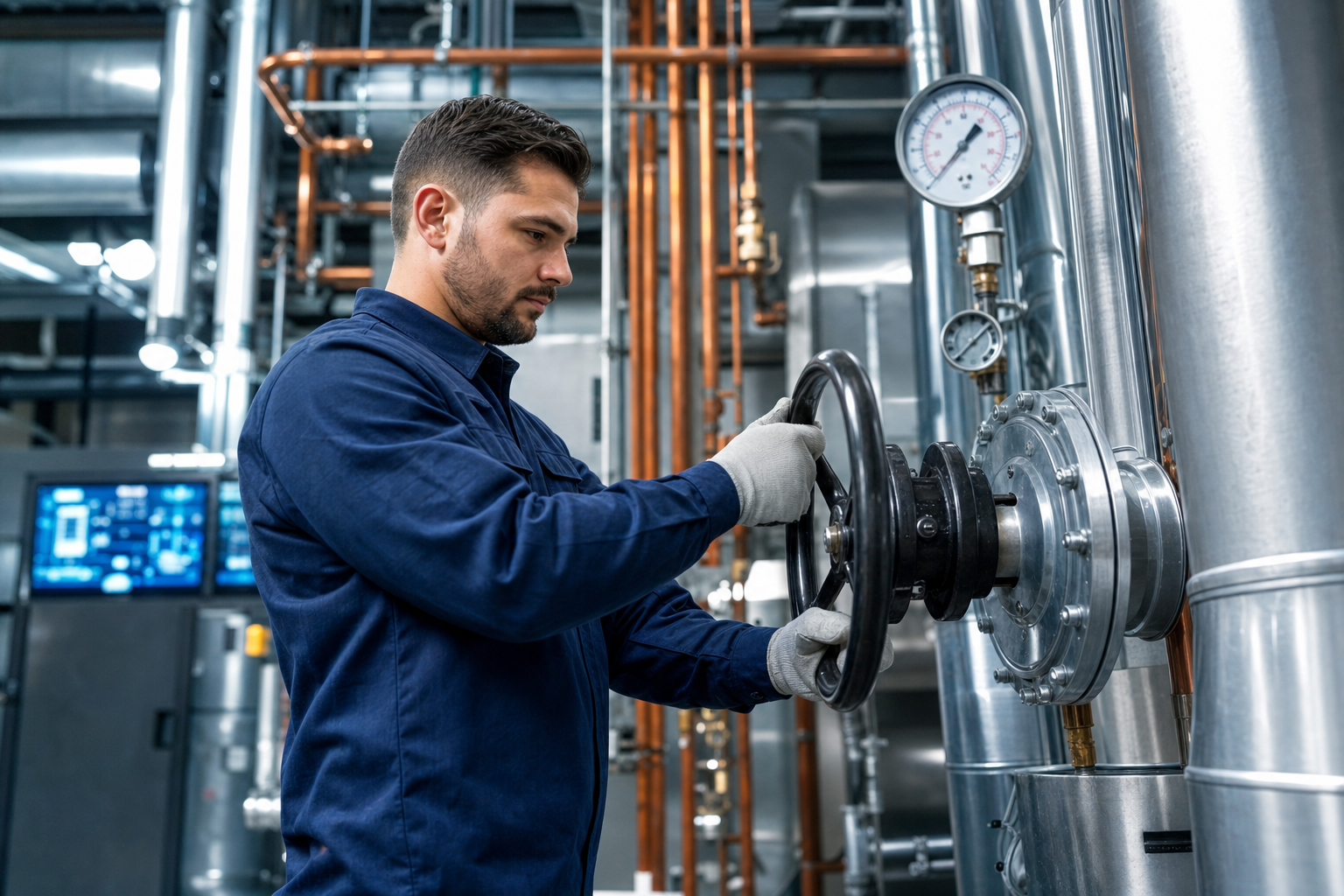
How much does plumbing repair cost for homes in Birmingham?
A burst pipe at 7am, a failed hot-water cylinder before guests arrive or a blocked drain backing up into the kitchen can turn a minor fault into expensive damage. If you are asking, How much does plumbing repair cost for homes in Birmingham?, the honest answer depends on the fault, access, materials, urgency and time needed to diagnose it properly.
Key Takeaways
- Plumbing repair prices in Birmingham vary significantly because the fault type, access to pipework, materials and urgency all shape the final bill.
- Small faults like dripping taps or slow drains should be fixed early, since waiting often turns a cheap repair into costly water damage.
- Emergency callouts, evening and weekend work usually carry premium rates, so ask about pricing structures before you book an engineer.
- A reputable plumber will charge for proper diagnosis rather than guessing at the problem, and that upfront time saves money on repeated visits.
- Requesting itemised quotes that separate labour, parts and VAT makes comparing engineers across Birmingham much more straightforward.
After more than 24 years working with mechanical systems, I’ve seen the same pattern repeatedly: a small leak rarely improves by itself. Acting early can protect flooring, plasterwork, fixtures and household contents, while a sound repair reduces the risk of paying for the same fault twice.
How much does plumbing repair cost for homes in Birmingham?
How much does plumbing repair cost for homes in Birmingham? There is no single fixed price. Replacing a washer or repairing an accessible tap is usually less involved than tracing a concealed leak, replacing a toilet mechanism, clearing a stubborn drain or repairing a hot-water system. The final charge may include labour, diagnosis, parts, travel, parking, access equipment and an emergency attendance fee.
Access often determines the amount of work involved. A visible leak beneath a sink may be isolated and repaired quickly. A leak beneath flooring, behind tiles or inside a boxed-in service void needs careful fault tracing and removal of finishes. Older Birmingham properties can add further complications, including ageing copperwork, galvanised pipework, restricted stopcocks and undocumented alterations.
Before work starts, ask the plumber to identify the immediate fault, explain whether a temporary repair is suitable and confirm how labour and parts will be charged. Keep the invoice and job notes. They can support an insurance claim, future maintenance and a clear record of what has been repaired.
What are the benefits of professional plumbing repair?
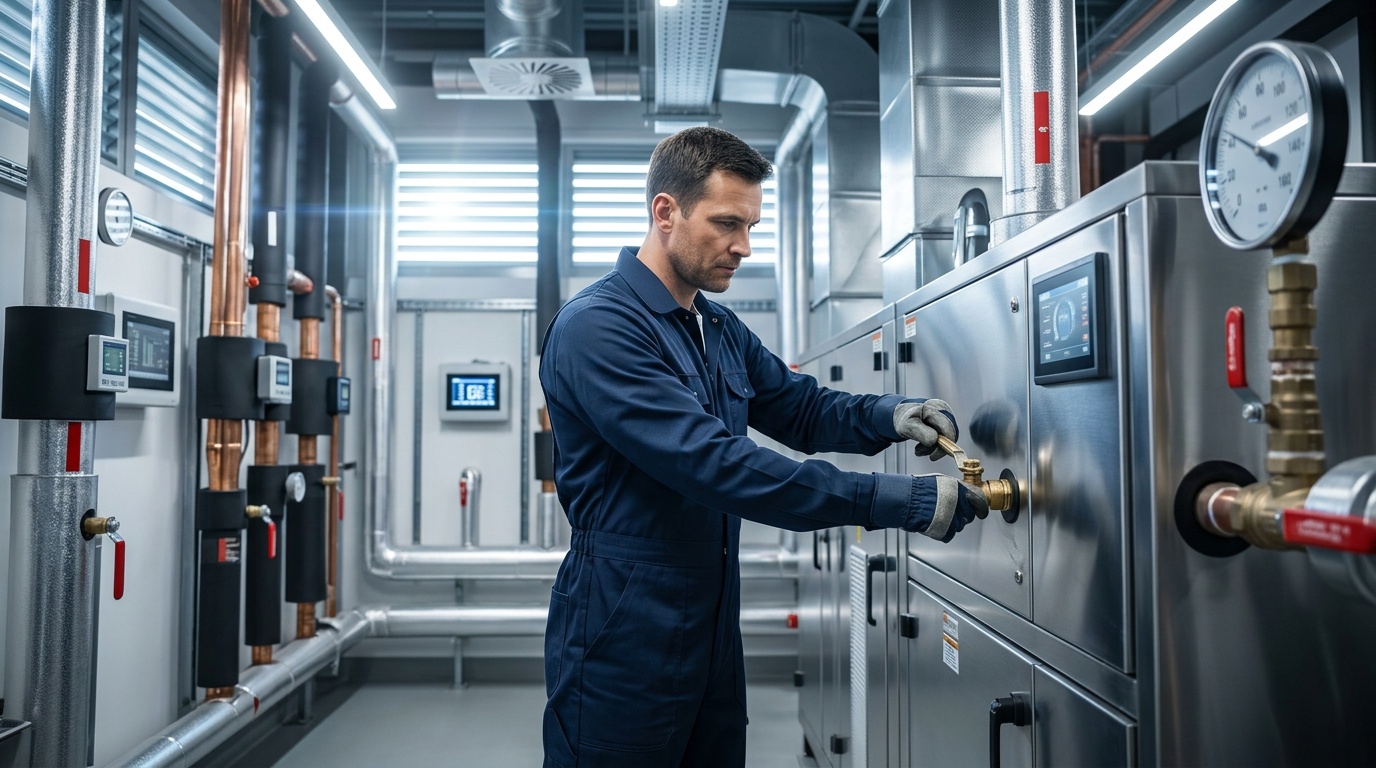
A correctly assessed repair protects more than the fitting itself. Water ingress can damage joists, skirting boards, insulation, electrics, flooring and decoration. Slow pressure loss may indicate a hidden leak, while poor drainage can point to a blocked branch line, damaged trap or defective underground connection. Finding the cause early usually limits both damage and disruption.
Technical competence also matters around hot water, heating and gas appliances. Gas appliances and flues must be handled by an appropriately registered engineer. Cylinders, pumps, thermostatic valves and pressurised systems need suitable knowledge and testing. A rushed alteration can create scalding risk, water hammer, cross-connection problems or another call-out within weeks.
A properly completed repair should provide:
- Less water loss: sound valves, joints and pipework reduce waste and damp-related damage.
- More reliable operation: correctly matched components reduce recurring leaks, blockages and pressure faults.
- Clearer costs: a written diagnosis separates urgent repairs from optional improvements.
- Less disruption: planned work can reduce the time without water or hot water.
- A useful maintenance record: invoices and service notes make future troubleshooting easier.
The cheapest quotation is not always the cheapest outcome. If a replacement part is incompatible with the existing pipework or the underlying cause is missed, the initial saving can disappear through repeat labour, damaged finishes and further call-outs.
How should you choose a home plumbing repair service in Birmingham?
Choose the engineer on the quality of the diagnosis, not the advertised call-out price alone. Request a written explanation of the fault and ask what the quoted price includes. A sound quotation should separate investigation, labour, parts, disposal, travel and any work needed to restore damaged surfaces.
Match the engineer’s experience to the problem. A dripping tap, leaking radiator valve or damaged toilet inlet valve may need a straightforward component replacement. A concealed leak, recurring drain blockage, low mains pressure or cylinder fault demands more careful fault-finding. Ask whether the work will require pressure testing, moisture detection, access through flooring or isolation of a heating circuit.
Questions to ask before approving work
Confirm the attendance window, labour basis, minimum charge, payment terms and likely parts requirement. During an urgent visit, ask whether the engineer will make the installation safe first and return for permanent reinstatement if a part or access material is unavailable. Photographs, the date the fault began and details of damp, staining, odours or pressure loss can shorten diagnosis.
Practical check: Do not approve concealed work without agreeing how additional costs will be authorised. A clear quotation or written estimate should state the scope, exclusions, parts allowance, making-good responsibility and expected completion point.
Credentials become particularly important where plumbing connects with gas, heating or stored hot water. Gas appliance work requires an appropriately registered engineer. Unvented cylinders and other pressurised systems require suitable competence and documentation. After the repair, the engineer should test the installation, leave isolation valves accessible and explain any temporary measure still in place.
Property age and construction should influence the proposed solution. Older homes may contain narrow pipework, lead supply sections, corroded fittings, damaged stopcocks or previous alterations. Modern bathrooms can hide services behind tiled boards, while extensions may have poorly documented pipe routes. Replacement materials must be compatible with the existing copper, plastic, brass or galvanised sections and suitable for the system’s temperature and pressure.
Keep the completed job as part of the property’s maintenance history. Retain the invoice, photographs, parts information, test results and engineer’s notes. If the same joint, valve or appliance fails again, ask for a cause review rather than authorising another temporary repair. That is how you control disruption and make better decisions about future plumbing costs.
Frequently Asked Questions
Is emergency plumbing more expensive?
Usually, urgent attendance costs more than a planned appointment because the service may involve out-of-hours labour, immediate travel and limited access to replacement parts. The sensible priority during a burst pipe or serious leak is to isolate the water supply, protect electrical equipment and limit damage. Ask whether the quoted attendance charge includes diagnosis, labour, materials and any follow-up visit. A written breakdown helps you decide whether temporary isolation is enough overnight or whether permanent repair should proceed immediately.
What information should I give the plumber?
Provide the property postcode, the affected room, the type of fitting and the symptoms you have seen. Mention dripping, pressure loss, unusual noise, discoloured water, damp patches, sewage odour or water appearing beneath flooring. Tell the engineer whether the stopcock operates and whether the fault affects cold water, hot water, central heating or drainage. Photographs and a short video can help with initial triage, particularly where the leak is intermittent.
Can home insurance cover plumbing repairs?
Policies differ. Some cover sudden escape of water and associated damage to floors, walls or contents, while excluding gradual deterioration, poor workmanship and neglected maintenance. Contact your insurer before authorising extensive work, unless immediate action is needed to prevent further damage. Keep photographs, invoices, written diagnoses and details of damaged materials. An engineer’s report can help distinguish a failed fitting from long-term seepage.
When is replacement better than repair?
Replacement may be more sensible when a component is obsolete, heavily corroded, repeatedly failing or incompatible with the surrounding installation. A qualified engineer should assess access, remaining service life, water pressure, energy use and the likelihood of further defects. Do not approve a larger upgrade solely because a small part has failed. The recommendation should explain the immediate repair, the longer-term option and the cost difference between them.
For property managers who also oversee ventilation, Commercial Ventilation Repair Services provides a separate route for diagnosing fans, extract systems, ductwork and air-handling faults. Commercial Ventilation Repair Services can be considered when plumbing issues form part of wider building maintenance planning.