Cheapest emergency callout for plumbing in Birmingham commercial?
A burst pipe in a Birmingham warehouse, retail unit or office block does not wait for a budget meeting. The question is rarely just, “What is the Cheapest emergency callout for plumbing in Birmingham commercial?” Ask what attendance includes, how quickly water can be controlled, and whether the repair will satisfy insurance and compliance checks.
The lowest advertised figure often covers arrival and a short diagnostic visit only. Labour, materials, access equipment, traffic delays, isolation work and out-of-hours attendance may follow. The framework below helps facilities managers assess quotations before authorisation.
Commercial emergency plumbing in Birmingham typically starts at around £80 to £150 for the initial hour during standard hours, based on the Birmingham pricing range reported by HaMuch. Out-of-hours commercial diagnostic attendance can reach £200 or more, before parts, extended labour, specialist equipment or remedial work. A responsible quotation should state the callout fee, included time, hourly rate, travel treatment, VAT position and likely material charges.
The Real Cost of Emergency Commercial Plumbing in Birmingham: Rate Breakdown
Timing, site conditions and the engineer’s first task shape the rate. A commercial premises may require building access control, plant room isolation, tenant coordination, water damage protection and a written service report. Ask whether the first hour includes diagnosis and making the system safe, or whether the clock starts when the engineer leaves the depot.
Standard hours callout fees and first-hour charges
During normal operating periods, the first-hour charge commonly sits within the £80 to £150 range identified by HaMuch for Birmingham emergency callouts. Treat that figure as a benchmark, not a guaranteed commercial tariff. A blocked toilet in a single-unit office differs from a pressurised leak above a shop floor. Confirm whether the engineer will isolate the supply, identify the failed component, make a temporary repair and document follow-on work.
Out-of-hours and weekend premiums explained
Evening, overnight, bank holiday and weekend attendance attracts a premium because the contractor maintains an on-call rota and mobilises engineers outside normal labour patterns. Commercial diagnostic visits can exceed £200 before repair time and parts. Ask for the emergency response target, minimum charge, hourly rate after the first hour and any specialist-attendance surcharge. Remote questioning may show that a leak can be isolated safely until working hours.
Travel surcharges and hidden extras in Birmingham
Travel may be charged as a fixed fee, mileage, zone rate or part of hourly attendance. Congestion, parking, restricted loading areas and security induction can add chargeable time. Other extras may include pipework, valves, drain equipment, access towers, waste removal, drying support and a second engineer. The Cheapest emergency callout for plumbing in Birmingham commercial? is genuinely cheap only when inclusions are written down before attendance.
| Attendance period | Indicative starting point | Confirm before authorising |
|---|---|---|
| Standard hours | £80 to £150 initial hour | Included diagnosis, labour duration and VAT |
| Out of hours | £200 or more for commercial diagnosis | Minimum charge, response target and hourly extension |
| Weekend or bank holiday | Premium rate set by the service agreement | Travel, labour uplift, parts and access costs |
Why the Cheapest Callout Can Cost You More: Hidden Risks for Commercial Premises
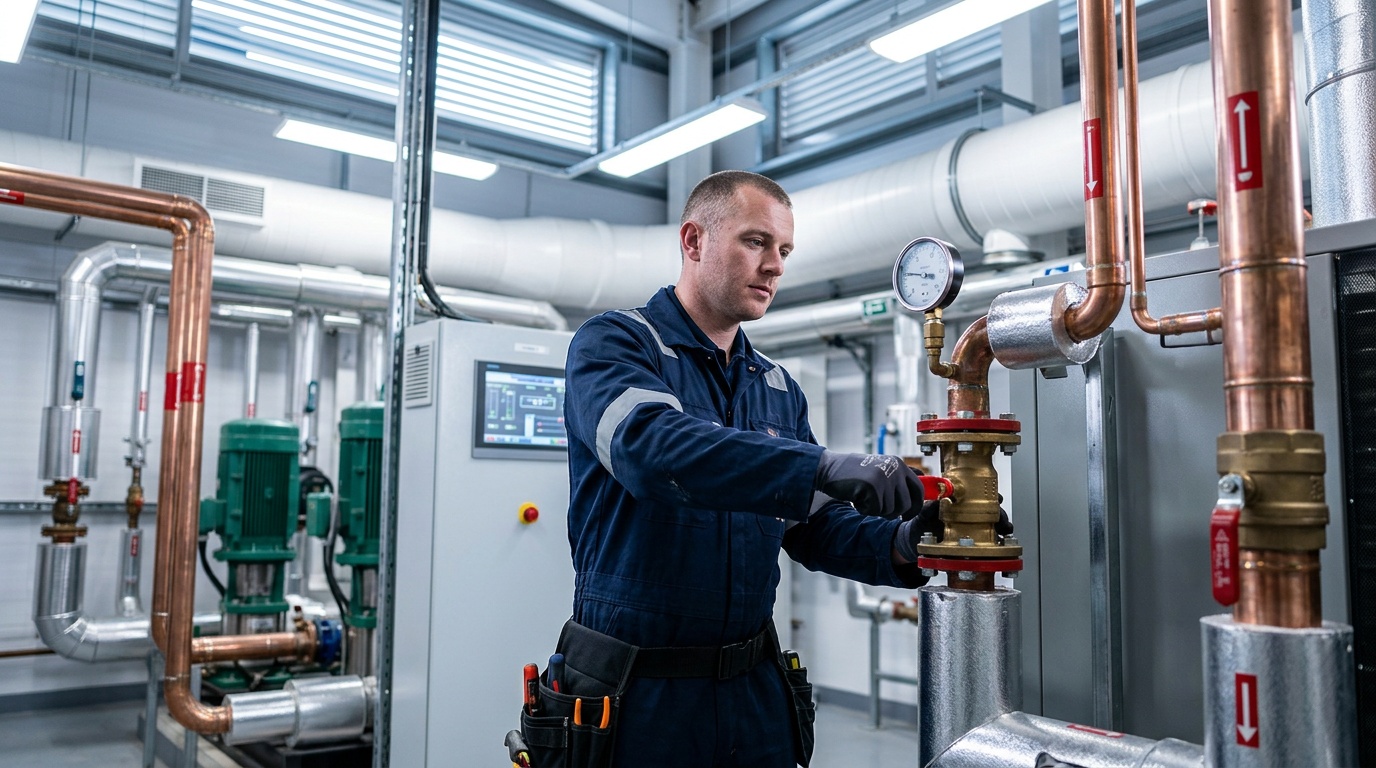
A low attendance fee can become an expensive repair if the engineer only stops the visible symptom. A poorly fitted compression joint may fail above stock, electrical equipment or finished interiors. Repeat attendance adds labour, tenant disruption and uncertainty over responsibility. The real test is whether the engineer identifies the failure mechanism, uses suitable components and leaves a traceable report.
Substandard work and repeat failures
Commercial pipework may connect to boosted water systems, hot water cylinders, heating circuits and drainage infrastructure. Incorrect sizing, unsuitable seals or rushed pressure testing can cause secondary leaks. If a temporary repair is necessary, the quotation should state its limits and the permanent remedy required. Do not accept “fixed” without knowing whether the system was tested, reinstated and monitored.
Insurance void and compliance exposure
Insurance cover is governed by policy wording and site obligations. An engineer without suitable competence, records or commercial insurance may complicate a claim after escape-of-water damage. Water Supply Fittings Regulations 1999 requirements apply where fittings connect to wholesome water supplies. Gas-related work must be completed by an engineer on the Gas Safe Register. WRAS approval may be required for relevant water fittings and backflow protection.
Business downtime and reputational damage
A leaking toilet block can close a customer-facing unit. A failed supply can stop production, interrupt catering or force staff into an unsafe area. Stock loss, missed deliveries and tenant compensation may exceed the plumbing invoice within hours. The Cheapest emergency callout for plumbing in Birmingham commercial? should be judged against business interruption, not the first number quoted.
- Is the contractor insured for commercial work?
- Has the engineer identified the isolation point and immediate hazard?
- Are materials suitable for the water system and site conditions?
- Will the contractor provide RAMS, photographs and a completion report where required?
- Does the approved estates or facilities process require a nominated contractor?
Where heating equipment or connected plant is involved, the Commercial HVAC Installation and Heating Service provides a route to trained and insured specialists, 24-hour emergency heating repairs and compliance-led maintenance around Birmingham. The Commercial HVAC Installation and Heating Service is also relevant when a plumbing fault affects boilers, hot water generation or associated system controls.
How to Triage a Commercial Plumbing Emergency Before Calling a Plumber
Before authorising the Cheapest emergency callout for plumbing in Birmingham commercial?, establish whether the site faces an active threat or contained defect. A controlled response starts with the water supply, fault location and possible effect on people, stock, electrical equipment and operations.
Isolating the water supply at the main stopcock
Locate the main stopcock or incoming service valve before an incident. It may be in a plant room, meter cupboard, service riser or external chamber. Confirm which areas it controls, since closing the wrong valve can interrupt fire protection, tenant supplies or production. If water is near electrical equipment, keep staff away and arrange electrical isolation through a competent person.
Close the valve gradually, then open a nearby cold tap or drain point to release pressure. Record the time, valve position and affected areas. Do not force a seized valve or enter a flooded chamber. If the supply cannot be isolated, the leak is accelerating, or water is reaching electrical installations, request emergency attendance and report what has been attempted.
Assessing severity: leak, burst, or blocked drain?
A slow leak from a visible fitting may be contained with a suitable drip tray and local isolation if the area remains safe. A burst pipe, failed tank, uncontrolled toilet supply or rising water level requires faster action. Blocked drains need separate assessment: foul odour, sewage, contaminated water or backflow creates a hygiene hazard, while a slow basin blockage may be isolated until normal hours. Never remove a manhole cover without suitable training, equipment and a safe working area.
- Protect people from slips, contaminated water and exposed services.
- Isolate the affected appliance, branch or main supply where safe.
- Move stock, documents and portable equipment away from water.
- Photograph the fault, valve position and any visible secondary damage.
- Check the approved contractor route before contacting an unfamiliar engineer.
- Note whether the problem is worsening, stable or safely contained.
Decision tree: when to call an emergency plumber or wait for working hours
Use this simple decision path with the duty manager and building occupier:
- Is water, sewage or pressure escaping now? If yes, isolate the supply if safe and request emergency attendance.
- Is there a risk to people, electrics, stock, structure or critical operations? If yes, escalate without delay and preserve the affected area.
- Has the fault stopped after isolation? If no, treat it as an active emergency. If yes, continue the assessment.
- Can the affected facility remain safely closed until working hours? If no, call the emergency contractor. If yes, obtain a planned repair quotation.
Remote triage can prevent an unnecessary premium visit, but it must not excuse ignoring a developing failure. Give the engineer access restrictions, pipe size if known, isolation points, photographs and site permit requirements.
Compliance and Credentials: What Every Commercial Plumbing Engineer Must Have in the UK
Price is only one part of selecting an emergency commercial plumbing engineer. The person attending must be competent for the task, properly insured and able to work within site controls. A plumbing repair may connect with hot water generation, gas appliances, refrigeration, boosted supplies or drainage systems, each with separate duties, manufacturer requirements and insurance conditions.
Gas Safe Register, WRAS approval, and F-Gas certification
Gas work is restricted to an engineer registered and competent for the specific appliance or activity under the Gas Safe Register. Ask to see registration details before gas-related work, particularly where an emergency involves a boiler, commercial water heater or gas-fired plant. Water fittings connected to wholesome supplies must meet the Water Supply Fittings Regulations 1999. WRAS approval can help verify relevant components, but it does not replace correct installation.
F-Gas certification applies to work on stationary refrigeration, air-conditioning and heat pump equipment containing fluorinated refrigerants. It is not a general plumbing licence. If a leak affects connected HVAC or refrigeration plant, confirm the specialist holds the appropriate F-Gas qualification. The Commercial HVAC Installation and Heating Service is a suitable route where a plumbing incident affects commercial heating, hot water or associated controls.
RAMS and method statements for commercial sites
Risk assessments and method statements should reflect the actual premises, covering isolation, access, live services, work at height, confined spaces, contaminated water, hot surfaces, lifting and reinstatement testing. On a busy Birmingham site, the engineer may also coordinate with security, tenants, production managers and the responsible person for fire safety.
Insurance, SFG20 compliance, and permit-to-work requirements
Request public liability insurance, employers’ liability insurance where applicable, and professional cover where design advice forms part of the work. SFG20 is a recognised maintenance standard used to structure planned maintenance tasks and frequencies. It is not a licence for emergency plumbing, though an agreed maintenance regime supports consistent records and asset history.
- Gas Safe details verified for any gas appliance or pipework task.
- WRAS suitability checked for relevant wholesome water fittings.
- F-Gas certification confirmed for refrigeration or air-conditioning work.
- RAMS reviewed and accepted by the site representative.
- Insurance certificates checked against the work scope and contract value.
- Permit-to-work, isolation and access arrangements agreed before mobilisation.
- Completion records, photographs and test results requested after repair.
Planned Maintenance vs Reactive Callouts: The Budget Impact for Birmingham Facilities Managers
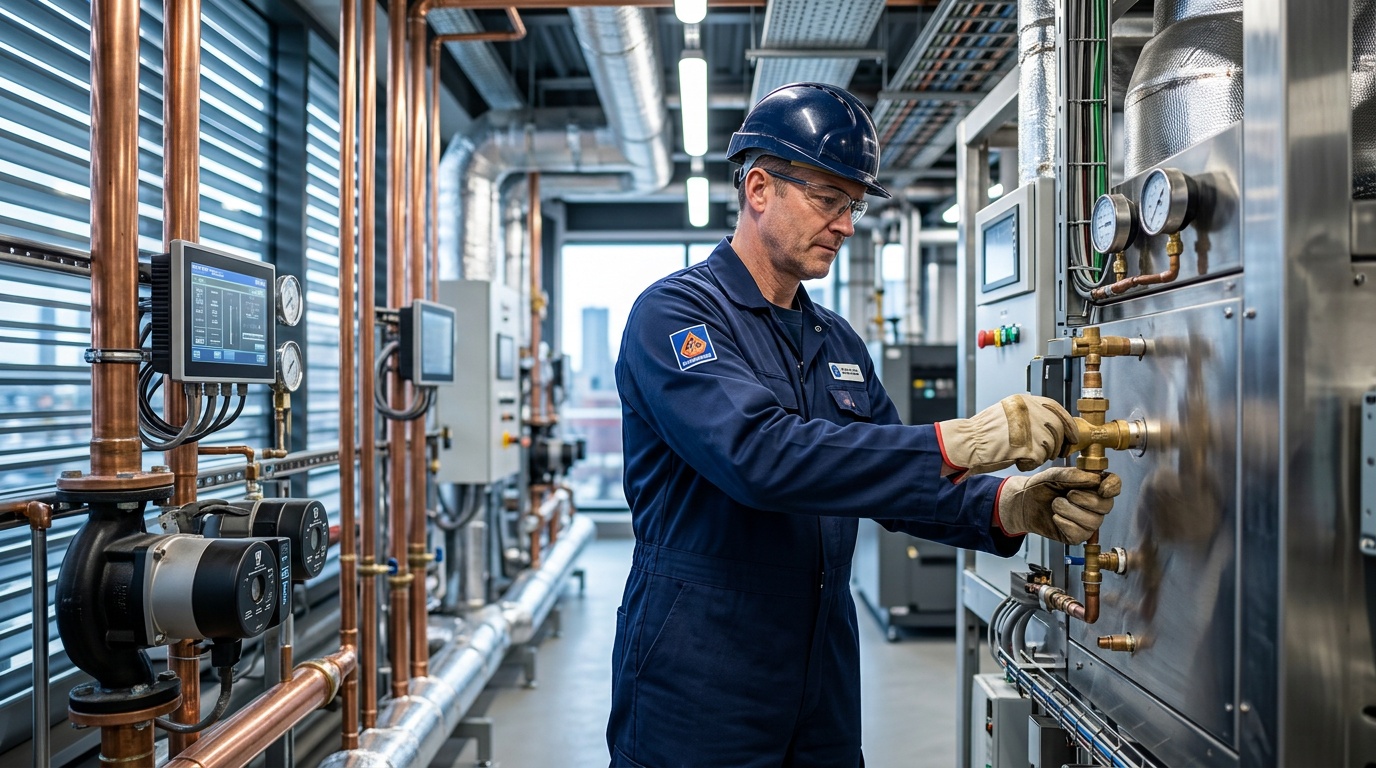
The Cheapest emergency callout for plumbing in Birmingham commercial? is not always the lowest-cost maintenance decision. Reactive attendance may resolve an immediate leak, yet repeat failures, disrupted operations, emergency labour rates and damaged stock can exceed a planned maintenance arrangement. A reliable budget is built around inspections and agreed response terms, not ageing valves, pumps and drainage systems being left until failure.
Cost comparison: annual PPM contract vs ad-hoc emergency fees
An annual planned preventative maintenance contract provides a defined schedule, asset history and clearer forecasts for labour and minor remedial work. Ad-hoc attendance brings a fresh authorisation process, uncertain availability and possible premium pricing. Compare contract fee with lost production, tenant disruption, water damage, emergency procurement and management time.
| Budget approach | What it usually provides | Commercial budget effect |
|---|---|---|
| Annual PPM agreement | Scheduled inspections, asset records, defect reporting and planned remedial recommendations | More predictable spend and earlier visibility of replacement requirements |
| Ad-hoc emergency response | Attendance after failure, diagnosis and urgent repair subject to engineer availability | Variable invoices, possible premiums and greater exposure to operational downtime |
| Hybrid maintenance plan | Routine servicing with defined emergency support for unavoidable failures | Balances cost control with protection for critical assets and occupied areas |
SLA options and guaranteed response times
A service level agreement should state whether “24-hour support” means telephone acknowledgement, mobilisation, arrival or restoration. Define priority categories for flooding, loss of hot water, blocked drainage, plant failure and safely isolated defects. Identify the approved contact route, escalation manager, out-of-hours authority and spending limit for emergency works.
For a Birmingham warehouse, medical facility, retail unit or office block, response time must reflect business risk. A critical production area may need faster attendance than a vacant office washroom. Require job reports, photographs, parts information and permanent-repair recommendations. These records support compliance and help the next engineer understand the building.
How proactive maintenance reduces emergency callout frequency
Planned inspections identify warning signs before shutdowns. Engineers can check isolation valves, pressure, pumps, storage tanks, expansion vessels, sanitary fittings, drainage points and accessible pipework. They can record corrosion, scale, vibration, temperature irregularities and recurring blockages. This asset register lets facilities managers prioritise replacement by condition and operational risk.
For connected heating assets, the Commercial HVAC Installation and Heating Service provides commercial heating repairs and installation around Birmingham, with trained and insured specialists, 24-hour emergency heating repairs and safety-led service delivery. The Commercial HVAC Installation and Heating Service can also support heating system optimisation, including checks involving thermostats, ducts and associated controls. This is useful where a plumbing defect affects hot water generation or commercial heating availability.
Calculate the building’s downtime exposure and match maintenance frequency to asset criticality. A low-risk office may need a different schedule from a manufacturing site, retail centre or managed property portfolio. Review callout data each quarter: fault type, response time, repair value, repeat visits and affected operations. If reactive spending rises, revise the maintenance strategy before the next emergency invoice.
Frequently Asked Questions
How much do plumbers charge for emergency calls in Birmingham commercial premises?
Emergency commercial plumbers in Birmingham typically charge about £80 to £150 for the initial hour during standard hours, while out-of-hours diagnostic attendance can reach £200 or more. The final invoice may include extended labour, parts, travel, access equipment, VAT and specialist attendance, so request a written cost breakdown before authorisation.
What is a normal callout fee for a commercial plumber?
A normal commercial plumbing callout fee in Birmingham is commonly around £80 to £150 for the first hour during standard working times. Confirm whether the fee includes diagnosis, making the system safe, travel, VAT and a defined labour period, since a low attendance price may not cover the repair itself.
Where can I find an emergency commercial plumber in Birmingham?
Emergency commercial plumbers in Birmingham can be found through established facilities maintenance providers, local commercial plumbing firms and approved contractor networks. Choose a provider able to explain the response target, isolation process, commercial insurance, reporting arrangements and any requirements for RAMS, photographs or completion records.
What should a business do if it cannot afford an emergency plumber?
A business that cannot afford an emergency plumber should first isolate the affected water supply safely, protect stock and electrical equipment, and ask for a diagnostic-only visit or staged repair quotation. Speak with the contractor about the minimum work needed to make the premises safe, then obtain approval for permanent remedial work.
What is the 135 rule for plumbing?
The 135 rule is not a universally recognised UK standard for commercial plumbing callout pricing. Birmingham facilities managers should ask the contractor to define any quoted rule, tariff or allowance in writing, including the first-hour charge, hourly rate, travel, materials, VAT and out-of-hours premiums.
What should a Birmingham business check before authorising the cheapest plumbing callout?
A Birmingham business should check the callout fee, included time, response target, hourly rate, VAT, travel treatment, parts and access costs before authorising the cheapest plumbing callout. Request engineer details, photographs, test results and a completion report where required, then confirm that the repair addresses the cause rather than only the visible leak.