facilities
When a business asks whether its facilities are being maintained, it usually means the building, equipment and services that keep it operational, not simply staff amenities. That distinction matters: unclear language can leave responsibilities for plant, building fabric or shared services poorly defined.
Key Takeaways
- In a commercial setting, the word facilities covers the buildings, plant, equipment and support services that keep a business running day to day.
- Treating facilities as nothing more than staff perks creates confusion about who maintains the assets that actually matter to operations.
- Vague terminology often leaves responsibility for plant rooms, building fabric and shared services sitting in a grey area between teams.
- Defining your facilities clearly is the first step toward setting maintenance schedules, budgets and accountability that hold up under scrutiny.
- Businesses that get this language right find it far easier to protect asset value and avoid costly gaps in coverage.
I use the word in its practical commercial sense here while explaining its broader linguistic meanings. This helps property owners and site managers discuss assets, responsibilities and building operations more clearly.
What Exactly Are 'Facilities'? Bridging the Lexical and Operational Divide
In general English, a facility can mean ease or an amenity provided for a particular purpose. In business, the plural usually refers to the buildings, infrastructure and services that enable an organisation to operate. Context determines the meaning: a “leisure facility” may mean a venue, while facilities maintenance may cover building systems and physical assets.
The Common Misconception: From 'Ease' to 'Amenities'
Dictionary usage includes both the quality of making an action easier and a service or feature provided for people’s use. Someone may describe payment options as a “facility”, or call toilets and meeting rooms amenities. In commercial property, the word can cover much more than a convenient service. Check the surrounding words before deciding what is included.
The Commercial Reality: Physical Infrastructure
On a working site, the term often covers the premises and systems that make them usable: building fabric, heating, ventilation and air conditioning (HVAC), electrical distribution, water services, lifts, controls and safety equipment. These assets affect comfort, legal duties and business continuity. A ventilation fault can disrupt work in the building, not just create a technical problem.
Distinguishing 'Facility' vs. 'Facilities': A Grammatical Overview
Facility is singular and may describe one building, site or enabling service. Facilities is plural and can refer to several amenities or a collection of operational assets. In “facilities management”, the plural points to the broad scope of buildings and services under management. The difference is grammatical, but the setting determines the exact meaning.
Etymology and Linguistic Roots: Understanding the Core Meaning
The word’s history is linked to ease or making something easy to do. That sense remains in phrases such as “facility of access”. Over time, the word also came to describe a place, provision or service that enables an activity. Both meanings remain in use, explaining why dictionary definitions and property terminology can differ.
British English Usage: Spelling and Common Phrases
The usual British English spelling is facility in the singular and facilities in the plural. American English uses the same spelling. Common UK business phrases include “facilities team”, “facilities management” and “site facilities”. Use the plural for a broad group of buildings, assets or services, and specify the scope in contracts or work orders.
Synonyms and Contextual Meanings: Navigating the Language of Commercial Estates
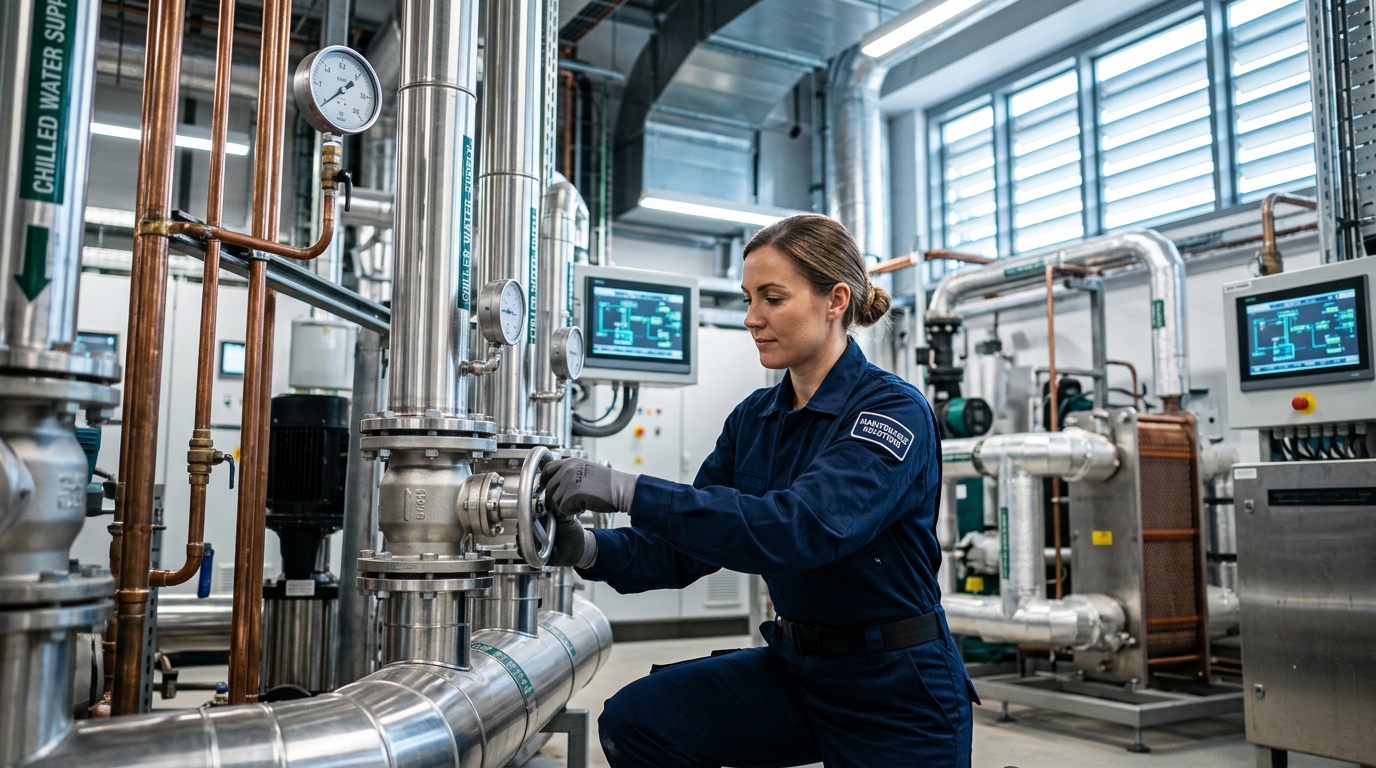
No single substitute fits every use. “Premises” identifies the property, “plant” usually means technical equipment, and “infrastructure” describes underlying systems and connections. Choosing a precise term can prevent gaps in a maintenance brief, lease or service specification. The table distinguishes common terms by the asset or provision each usually describes.
Synonym Spotlight: Premises, Plant, Estate, and Infrastructure
| Term | Typical meaning | Useful context |
|---|---|---|
| Premises | A building or property occupied or used by an organisation | Leases, access, responsibility for the site |
| Plant | Installed machinery and technical equipment | Boilers, pumps, air handling units and controls |
| Estate | A group of properties or a wider managed site | Portfolio planning and site-wide operations |
| Infrastructure | Foundational systems and connections serving a building or site | Power, drainage, water networks and distribution |
Amenities vs. Facilities: The Important Distinction in Commercial Settings
An amenity is generally a feature offered for occupants’ convenience or comfort, such as a shared kitchen, cycle storage or reception area. The broader commercial term can include these features, as well as the building and its operational systems. In a scope of work, name the asset or service rather than relying on a broad label. This makes ownership, inspection and repair duties easier to establish.
Translating 'Facilities' into Spanish: Nuances for Business Communication (Instalaciones, Servicios, Dependencias)
The best Spanish translation depends on what the English text describes. Instalaciones commonly suits physical installations or premises; servicios can mean services or provisions; and dependencias can refer to rooms or parts of a property. In a contract or engineering brief, translate the intended asset or service, not just the standalone word.
| Spanish term | Likely use | Example context |
|---|---|---|
| Instalaciones | Physical installations or site infrastructure | Building services or industrial equipment |
| Servicios | Services or provisions for users | Support services or visitor provision |
| Dependencias | Rooms or constituent areas of a property | Offices, departments or site rooms |
Beyond the Dictionary: How UK Professionals Use the Term in Practice
UK professionals often use the word as an umbrella term, but it does not define a precise maintenance scope. In a tender, asset register or service agreement, specify the property, equipment, inspection tasks and reporting duties. This is especially useful where a landlord, managing agent and occupier share obligations. Clear terminology helps each party understand which assets must remain safe, serviceable and available.
Facilities in Action: Real-World Examples Across UK Commercial Estates
Site needs depend on the work taking place there. Offices, warehouses and hospitals may all rely on heating, power and water, but their operating demands differ. Identifying actual assets and users helps clarify maintenance responsibilities and set priorities, from business continuity to safe access and suitable indoor conditions.
Commercial Office Buildings: HVAC, Lighting, and Security Systems
In an office, heating, ventilation and air conditioning (HVAC) supports comfortable working conditions, while lighting and electrical distribution keep desks, meeting rooms and shared areas usable. Access control, alarms and lifts affect safe movement. A ventilation fault can make rooms uncomfortable; lighting or access-control failures may disrupt work. Consider these systems together when planning maintenance and engineer access.
Retail Spaces: Customer Flow, Energy Management, and Maintenance Needs
Retail sites must remain accessible and presentable during trading hours. Entrance doors, lighting, heating, cooling and refrigeration affect customer movement, stock condition and energy use. A shop-floor fault may require work outside opening hours to avoid interrupting trade. Plans should account for busy periods, safe equipment isolation and communication with store teams.
Industrial Units and Warehouses: Structural Integrity, Utilities, and Safety
Industrial buildings combine structural demands with high-capacity services. Roofs, floors, loading bays and roller shutters must suit goods and vehicle movement. Electrical distribution, compressed air, process equipment, drainage and ventilation may support production or storage. Managers need to understand asset condition, safe access and the effect of outages on operations. Work plans should recognise hazards in plant rooms, around machinery and on vehicle routes.
Healthcare Facilities: Critical Systems and Compliance Demands
Healthcare settings depend on reliable building services to support clinical activity, staff and patients. Heating, ventilation, hot and cold water, electrical supplies and standby arrangements may require careful oversight. Coordinate planned work with site teams to account for access, infection-control procedures and service continuity. Maintenance records help show that inspections and remedial actions have been managed responsibly.
Educational Institutions: Campus Infrastructure and User Experience
Schools, colleges and universities may include teaching blocks, laboratories, sports areas, kitchens and halls, each with different service needs. Heating, lighting, water systems, fire precautions and access arrangements support safe, comfortable use. Fit maintenance schedules around term dates and occupied hours, and assess urgent defects promptly. Consistent asset records help teams coordinate work across a larger campus.
The Pillars of Facilities Management: Hard FM vs. Soft FM and Operational Scope
Facilities management (FM) organises the services, assets and building operations that support an organisation’s work. Its scope can include technical maintenance, cleaning, security and occupant support, with responsibilities shaped by the property, contracts and legal duties. Separating hard and soft FM helps managers specify work, assign accountability and understand which services affect building safety and availability.
Defining Facilities Management (FM): The Strategic Oversight
FM connects daily building operations with longer-term decisions about property, cost and service quality. This includes maintaining asset records, planning work, coordinating contractors and checking that agreed tasks are complete. ISO 41001 provides a management-system framework for FM; structured processes can help an organisation define responsibilities and review service performance. The standard does not replace legal requirements or competent technical judgement.
Hard Facilities Management (Hard FM): The Physical Building Services Explained (M&E Focus)
Hard FM covers the physical building fabric and engineering systems that keep a site safe and functional. Mechanical and electrical (M&E) work may include boilers, air handling units, pumps, electrical distribution, controls and plumbing. The scope can also cover lifts, fire safety systems and essential plant, subject to the contract and site requirements. These assets need competent inspection and maintenance because faults can affect safety, compliance, energy performance or trading.
Soft Facilities Management (Soft FM): Supporting Services and Occupant Comfort
Soft FM concerns services for occupants and visitors, including cleaning, reception, catering, waste handling and some security functions. These services support the daily experience of a building and help maintain orderly, hygienic spaces. Requirements vary by site: a public-facing venue may need different staffing and cleaning arrangements from a warehouse. Clear service standards help managers assess delivery without confusing occupant support with engineering maintenance.
The Interdependence: Why Both Hard and Soft FM Matter for Building Efficiency
Technical systems and support services affect one another. Cleaning teams need safe access to plant and occupied areas; engineering work may require temporary changes to access or room use. Poor coordination can mean missed tasks, disruption or avoidable call-outs. A shared schedule, defined escalation route and accurate site information help both workstreams operate effectively. The distinction is useful, but handovers need active management.
| Area | Typical scope | Operational focus |
|---|---|---|
| Hard FM | M&E plant, building fabric, utilities and safety systems | Asset condition, safe operation and service availability |
| Soft FM | Cleaning, reception, waste and occupant support | Service standards, hygiene and day-to-day user needs |
| Joint coordination | Shared schedules, access and issue escalation | Reducing disruption and clarifying accountability |
The MEMS Approach: Integrating Hard FM for Compliance and Uptime
At MEMS, I focus on engineering condition and reliable building operations. This means understanding site equipment, agreeing the maintenance scope and recording completed work and outstanding defects. A practical hard FM plan links technical tasks to operating needs and sets out how to report issues that could affect compliance or uptime. It supports better decisions than a list of disconnected service visits.
Proactive Facilities Maintenance: Securing Compliance, Efficiency, and Uptime
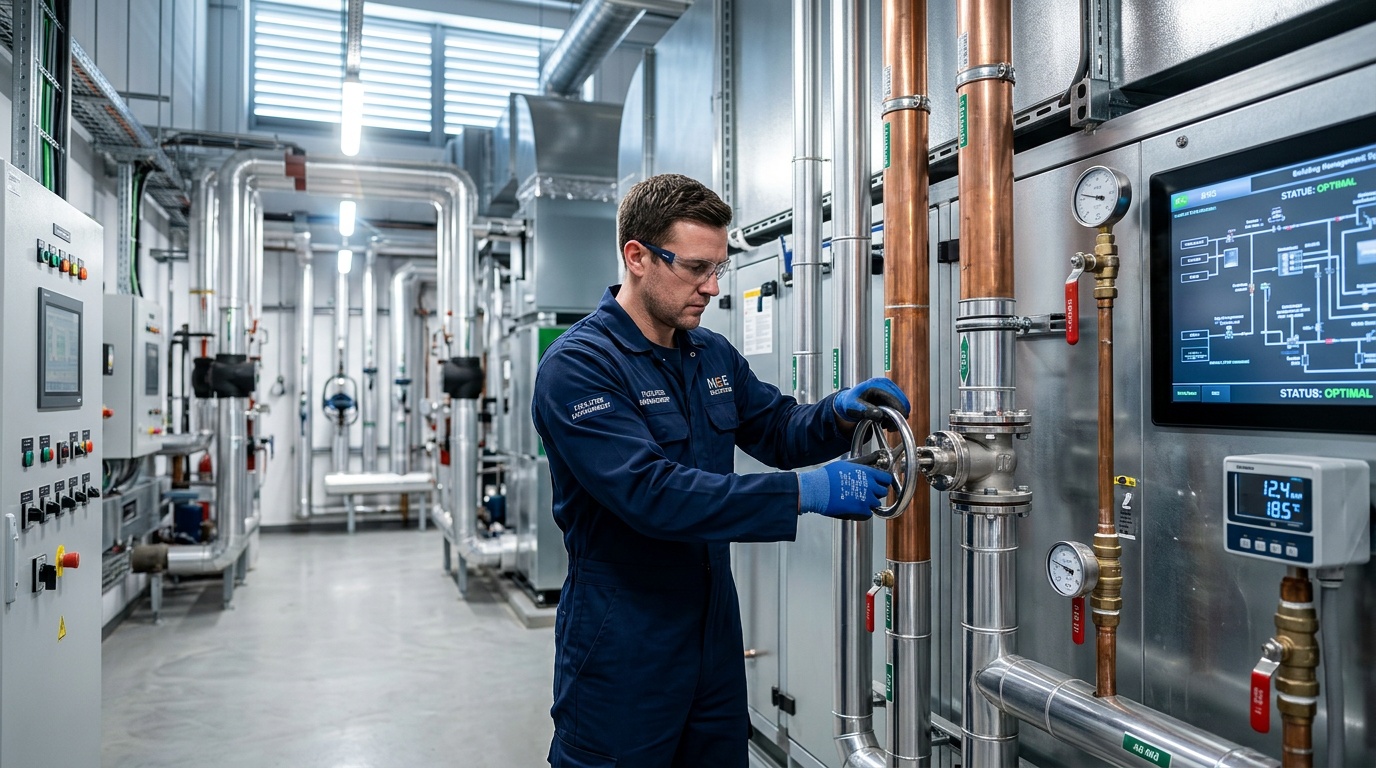
A maintenance plan should protect people, keep essential services available and give you a clear view of upcoming costs. Waiting for a fault to become an outage is rarely cheaper. Start with the equipment on site, the risks of failure and applicable legal duties. Then set out who will inspect each asset, when work is due and how defects will be reported. This helps managers balance compliance, energy performance and business continuity.
The Cost of Reactive Maintenance: Why 'If It Ain't Broke, Don't Fix It' Fails
A system can appear to work while operating inefficiently or developing a fault. A blocked filter, deteriorating electrical connection or leaking valve may go unnoticed until performance drops or equipment stops. Emergency work can mean unplanned labour, urgent parts procurement and disruption to occupants or trading. Reactive work is necessary for unexpected faults, but should not be the main strategy. Reviewing repeat call-outs and unresolved defects can show where planned attention may reduce risk.
Planned Preventative Maintenance (PPM): An Investment in Asset Longevity
Planned Preventative Maintenance (PPM) schedules inspections and servicing before failure, based on equipment, usage, manufacturer guidance and site needs. A useful schedule records each task, frequency, responsible person and completion evidence. It should also record condition findings and follow-up repairs: a completed visit does not prove every issue is resolved. This provides a clearer view of asset condition and supports decisions about repair, replacement and budget.
Key M&E Systems Requiring Regular Attention (HVAC, Electrical, Plumbing)
Mechanical and electrical (M&E) maintenance should reflect how a building uses its plant and services. This checklist is a starting point, not a substitute for a site-specific assessment:
- HVAC: Check filters, coils, belts, controls, ventilation performance and signs of water leakage.
- Electrical distribution: Arrange suitable inspections, check for visible damage or abnormal heat, and maintain records of defects and remedial work.
- Plumbing and water systems: Look for leaks, confirm that relevant temperature controls are managed, and keep water hygiene procedures up to date.
- All plant: Record asset condition, access requirements, service history and any parts or remedial work still outstanding.
Navigating UK Compliance Standards (e.g., SFG20, Gas Safe, Legionella)
Compliance depends on the system, site and duty holder. SFG20 provides maintenance schedules to help structure planned tasks, while gas work must be undertaken by appropriately registered engineers. Legionella risk management requires a suitable assessment and control arrangements for the water systems concerned. Keep inspection reports, certificates, risk assessments and corrective actions accessible, with named responsibility for reviewing them. A schedule is a management tool, not a guarantee of compliance; competent assessment and timely action remain essential.
Integrating Sustainable Technologies for Modern Facilities
Energy improvements start with reliable information about building operations. Reviewing plant schedules, controls, energy use and occupant requirements can reveal equipment running unnecessarily or unsuitable settings. Building management system adjustments, efficient replacement plant and appropriate heat recovery may be options where the building’s condition and operating profile support them. Assess proposals for maintenance needs, compatibility, expected operating benefits and installation disruption. New technology cannot make up for neglected servicing or poorly configured controls.
Choosing a Partner: What to Look for in Your Facilities Maintenance Provider
Choose a provider that explains the scope clearly and shows how work will be planned, recorded and escalated. Ask who will attend, what competence each system requires, how urgent faults are handled and when reports will arrive. Check exclusions, call-out arrangements and remedial approval routes before work begins. A reliable partner should understand operating hours and communicate risks early, rather than leave you to reconstruct maintenance history after a breakdown.
At MEMS, we build maintenance around your site’s equipment and demands, with clear reporting and practical engineering support. To review your maintenance plan or discuss a fault affecting operations, CLICK TO CALL US NOW.
Frequently Asked Questions
What is the meaning of facilities?
Facilities means the buildings, infrastructure, equipment and services that enable an organisation to operate. In commercial property, facilities can include premises, HVAC systems, electrical distribution, water services, lifts, controls and safety equipment. The exact scope depends on the surrounding wording, so contracts and work orders should name the assets covered.
What are examples of facilities?
Examples of facilities include buildings, heating and ventilation systems, electrical services, water systems, lifts, plant, controls and safety equipment. Shared kitchens, reception areas, meeting rooms and cycle storage may also be called facilities when referring to occupant amenities. A clear maintenance brief should identify each asset or service specifically.
Is it facility or facilities?
Facility is the singular form, while facilities is the plural form used for multiple buildings, assets or services. A facility might mean one site, building or enabling service, while facilities management usually covers a wider group of operational responsibilities. Both forms are used in British English with the same spelling as American English.
What do facilities mean for a job?
Facilities in a job usually means the building, equipment and services that support day-to-day operations. A facilities role may involve arranging inspections, coordinating contractors, monitoring repairs, managing records and helping keep workplaces safe and usable. The duties vary by site, with some roles covering property services and others focusing on technical systems.
What jobs fall under facilities?
Facilities jobs include facilities manager, facilities coordinator, maintenance engineer, building services engineer, site manager and helpdesk coordinator. Responsibilities may cover planned maintenance, reactive repairs, compliance records, contractor management, energy use and workplace services. In a commercial setting, the role can involve HVAC, electrical, plumbing, ventilation and building fabric work.
How are facilities different from premises or plant?
Facilities is a broad term for the buildings, systems and services that support an organisation, while premises usually means the property and plant usually means installed machinery or technical equipment. Infrastructure generally refers to foundational networks such as power, drainage and water. Using the precise term helps define ownership and maintenance duties.
Why should facilities be defined in a maintenance contract?
Facilities should be defined in a maintenance contract so every party understands which buildings, systems, equipment and services are included. A precise scope can set out inspection tasks, reporting duties, response arrangements and responsibility for repairs. This approach helps landlords, managing agents and occupiers coordinate work across shared commercial sites.