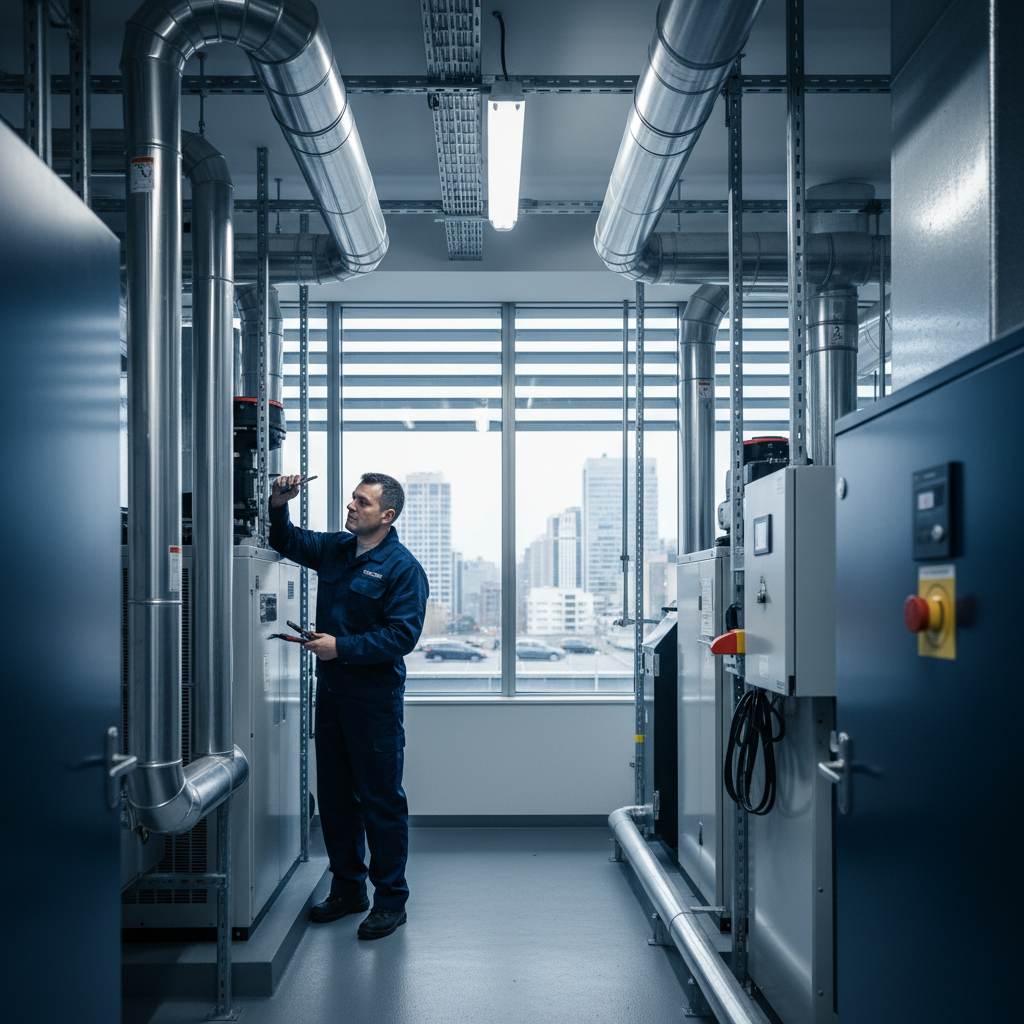
A retail client in Birmingham called me last July when their main HVAC unit failed during a heatwave. The repair bill was £8,000, but the real damage was £15,000 in lost trading over three days while customers avoided the sweltering store. This is what happens when "if it isn't broken, don't fix it" meets commercial reality.
After 24 years in this industry—from apprentice combustion engineer to managing complex estates across the West Midlands—I've seen the same pattern repeatedly. The best building maintenance isn't about finding the cheapest quote or waiting for failures. It's about protecting your revenue, your people, and your legal position through systematic asset care. Commercial property maintenance services are essential for ensuring your assets are properly managed and protected.
The difference between good and poor maintenance shows up in three places: your energy bills, your insurance premiums, and your business continuity. Let me show you how to get it right. For critical systems like air conditioning, proactive service can prevent costly downtime and maintain comfort for staff and customers.
When a care facility's boiler fails in winter, you're not just looking at a repair bill—you're potentially decanting residents and facing regulatory action. The hidden costs multiply fast: emergency accommodation, overtime for staff, premium rates for out-of-hours engineers, and SLA penalties if you're a tenant.
Insurance companies are increasingly scrutinising maintenance records after claims. Miss your statutory Gas Safe inspections or F-Gas compliance checks, and you could find coverage voided when you need it most. The legal exposure extends beyond insurance—duty of care failures can result in prosecution under health and safety legislation.
Best building maintenance means reliability, compliance, and efficiency over the full asset lifecycle—not the cheapest quote. It's measured by three non-negotiables: systems available over 99% of business hours, zero expired certificates or missed statutory inspections, and measurable year-on-year reductions in energy consumption and reactive call-outs.
This requires moving from reactive firefighting to planned preventative maintenance (PPM) aligned with SFG20 standards. The goal is asset lifecycle management that keeps energy costs down, compliance scores up, and business doors open.
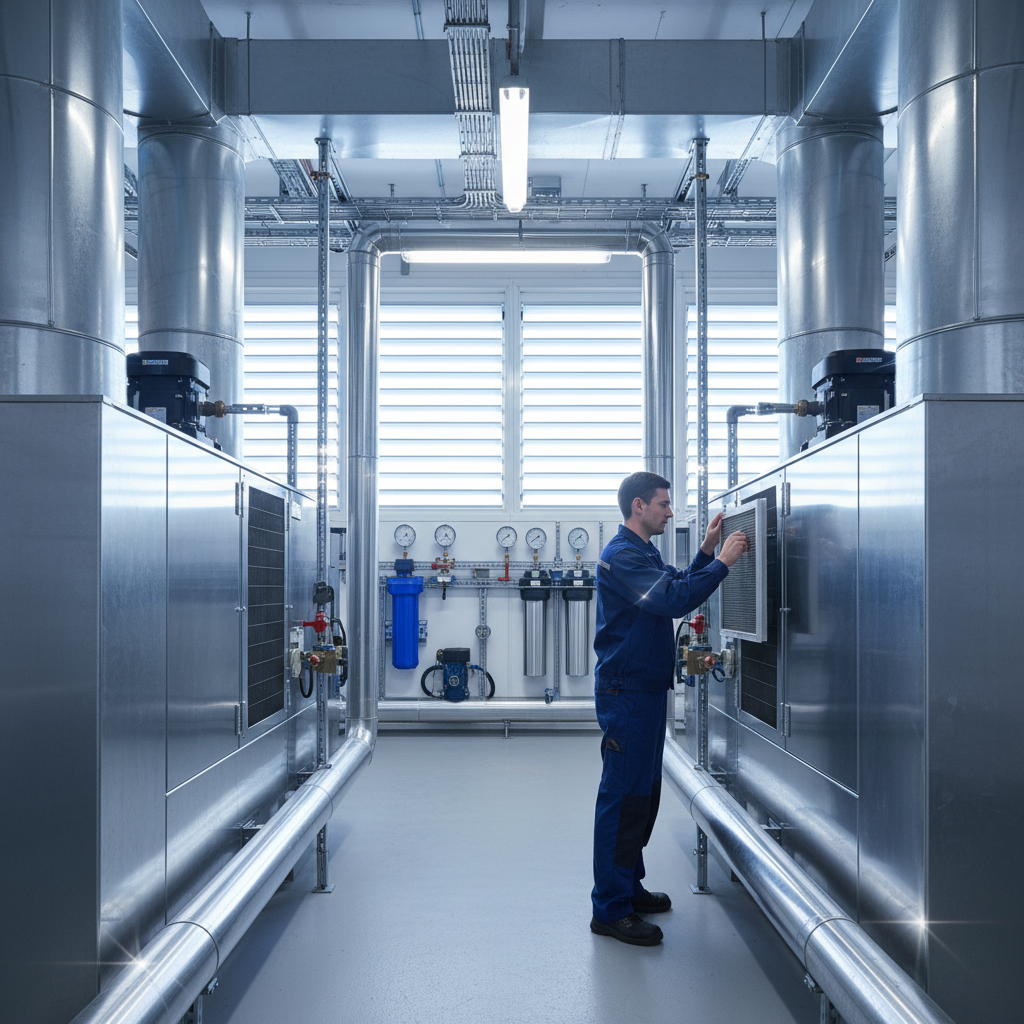
Preventive maintenance follows time-based schedules—quarterly AHU filter changes, annual boiler services. Corrective maintenance fixes failures after they occur. Protective maintenance prevents deterioration through water treatment, weatherproofing, and corrosion control.
Condition-based maintenance uses inspections and readings to trigger interventions—vibration analysis on pumps, oil sampling on generators. Predictive maintenance employs trend data and analytics to forecast failures before they happen, typically through BMS integration and IoT sensors.
| Strategy | Best For | Strengths | Limitations |
|---|---|---|---|
| Preventive (Time-based) | Statutory compliance, wear items | Predictable costs, regulatory compliance | May over-maintain some assets |
| Corrective (Reactive) | Non-critical, low-cost items | Lower upfront spend | High downtime risk, 3x cost premium |
| Condition-based | High-value rotating equipment | Optimises intervention timing | Requires skilled assessment |
| Predictive | Critical process equipment | Maximises uptime, minimises waste | High technology investment |
Reliability-Centred Maintenance (RCM) starts with a simple question: what happens if this asset fails? For a retail store's refrigeration, failure means product loss and potential closure. For office comfort cooling, failure means reduced productivity but not immediate revenue loss.
Rank your assets: safety-critical (fire systems, gas appliances), business-critical (trading floor HVAC, IT cooling), comfort-critical (general office heating), and secondary (decorative lighting). Apply stricter PPM and monitoring to the top two tiers, accept controlled reactive maintenance on non-critical assets.
Use time-based PPM for statutory and high-risk equipment—6-monthly gas checks, annual EICR schedules, quarterly F-Gas leak detection. Layer condition-based checks on high-value rotating plant like pumps, fans, and chillers every 3-6 months, focusing on vibration, temperature, and performance readings.
Ring-fence reactive budget only for genuine unforeseen failures, targeting less than 20-30% of total maintenance spend. This approach delivers compliance certainty while optimising intervention timing on critical assets. For more on urgent issues, see 7 commercial building maintenance problems you need to fix ASAP.
Your HVAC systems—boilers, chillers, heat pumps, air handling units—consume 40-60% of a commercial building's energy. Dirty coils increase energy use by 15-30%, while blocked filters force fans to work harder and reduce equipment life. Filter changes every 3 months in standard offices, monthly in dusty environments, prevent these efficiency losses.
Boilers need annual full services with combustion analysis, while F-Gas leak checks follow refrigerant charge thresholds—quarterly for larger systems over 5kg charge. Poor ventilation creates indoor air quality complaints and sick building syndrome, affecting productivity and potentially triggering legal action. For more on improving air quality, explore ventilation solutions for commercial buildings.
At every HVAC visit, insist on: coil cleanliness inspection, refrigerant pressure checks, and control sequence verification. These three checks prevent 80% of common HVAC failures.
Distribution boards, switchgear, emergency lighting, and UPS systems keep your business operational. EICR testing every 5 years (or as recommended) identifies deterioration before it causes failures. Monthly emergency lighting functional tests and annual 3-hour duration tests ensure life-safety compliance.
A main panel fault can shut down entire floors—I've seen this cost a Birmingham office £12,000 in lost productivity during a single day. Thermal imaging on main panels every 12-24 months spots overheating connections before they fail, while maintaining current single-line diagrams speeds fault-finding. If you notice persistent issues, review electrical and plumbing services for expert support.
Legionella control requires weekly temperature checks on sentinel outlets, quarterly shower head cleaning, and annual tank inspections. This isn't optional—Legionnaires' disease prosecutions carry unlimited fines and potential imprisonment for duty holders.
Water leaks damage fabric, increase utility costs, and can void insurance if not addressed promptly. During routine walks, facility teams should check for ceiling staining, pressure drops at outlets, and unusual odours that indicate drainage problems. For more on plumbing issues, see 10 signs you need to call a professional plumber.
Water ingress from failed roof membranes, blocked gutters, or deteriorated seals causes expensive secondary damage to finishes, equipment, and structure. Twice-yearly roof inspections—spring and autumn—plus post-storm checks identify problems before they become emergencies. If you suspect issues with your roof, here are some potential causes of commercial flat roof leaks.
Resealing joints and checking flashings on a 3-5 year cycle maintains weather-tightness. Heat loss through damaged insulation or failed seals increases energy costs and creates comfort complaints, particularly in older buildings with cavity wall construction.
Fire alarms, sprinklers, smoke control systems, and automatic opening vents protect lives and property. Weekly fire alarm tests (5-10 minutes), quarterly system inspections, and annual comprehensive testing ensure these systems work when needed.
This is where best building maintenance starts—legal liability and duty of care make life-safety systems non-negotiable. Expired certificates or missed tests create prosecution risk and insurance voidance, regardless of whether an incident occurs.
A £50 filter change prevents £3,000-£10,000 compressor failures from blocked airflow. Emergency out-of-hours call-outs cost 3-4 times standard rates, while running equipment without proper maintenance cuts asset life by 30-50%. The maths is brutal: reactive maintenance delivers short-term cash flow at the expense of long-term asset value.
I've tracked maintenance costs across hundreds of sites. Buildings with structured PPM spend 60-70% on planned work, 30-40% on reactive. Reactive-only sites flip this ratio, spending 70-80% on emergency repairs with higher total costs and frequent business disruption.
SFG20 provides the benchmark task library for UK commercial buildings. Adjust frequencies for building use—high-occupancy retail needs more frequent filter changes than low-use warehouses. Critical environments like healthcare or data centres require enhanced schedules. For official guidance, see the UK government's facilities management standard.
Create your 12-month PPM schedule by listing all assets with make, model, serial, and location. Map each to SFG20 task sets, then spread tasks across months to balance workload and budget. This systematic approach ensures nothing falls through gaps.
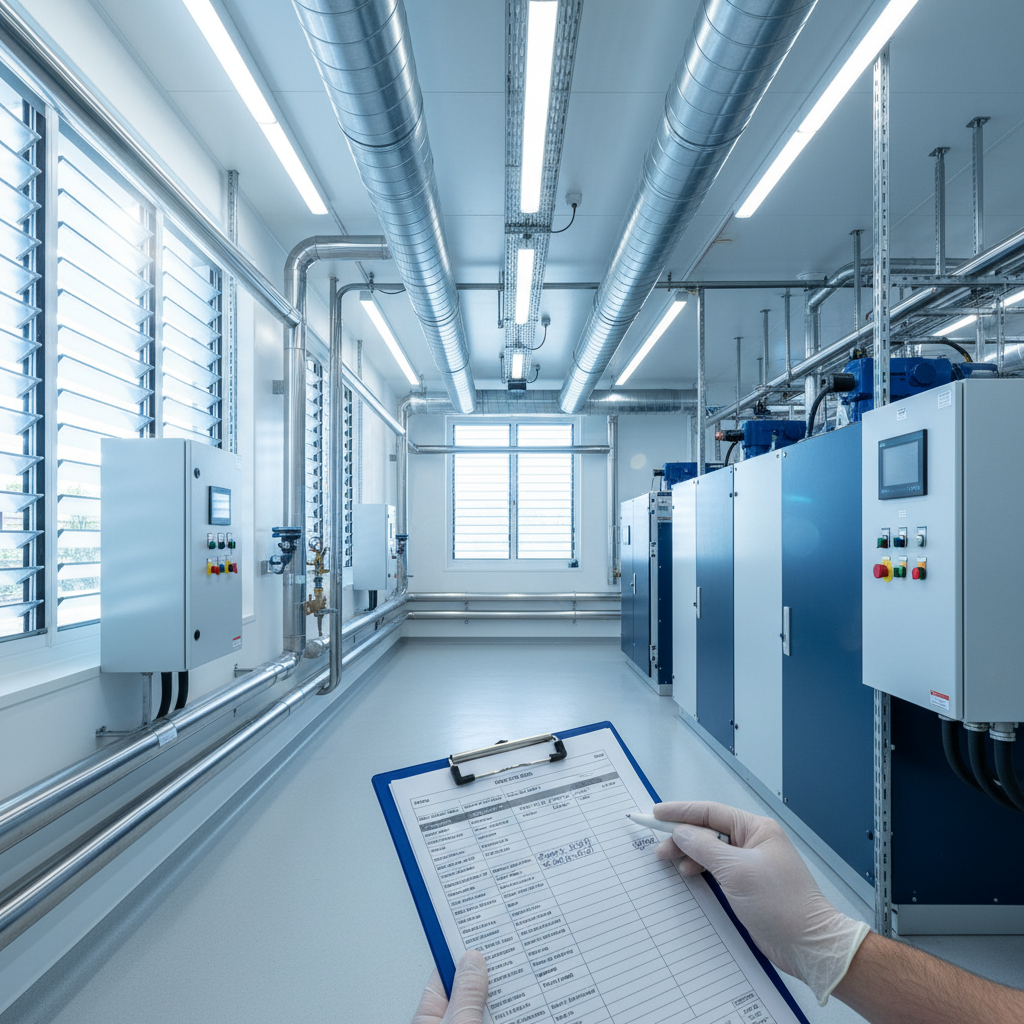
Complete a structured asset survey in 2-4 weeks by capturing asset type, manufacturer, age, condition (1-5 scale), criticality, and last service date. Use a simple scoring system: condition 1 (excellent) to 5 (replacement required), criticality A (life-safety) to C (comfort).
Category A: Life-safety & statutory (fire systems, gas appliances, lifts)
Category B: Revenue-critical (trading floor HVAC, refrigeration, main electrical)
Category C: Comfort and secondary (office heating, non-essential lighting)
This audit reveals your maintenance priorities and budget requirements. Assets scoring condition 4-5 with criticality A-B need immediate attention and enhanced monitoring.
Translate asset categories into maintenance frequency and response-time SLAs. Category A assets get 4-hour emergency response, quarterly inspections minimum. Category B systems receive 8-hour response, bi-annual maintenance. Category C accepts next-day response with annual servicing.
This risk-based approach allocates maintenance resources where failures cause maximum business impact, ensuring best building maintenance focuses on protecting people and revenue first. For a comprehensive review of your compliance, consider a M&E/HVAC compliance health check.
Convert your asset list into monthly tasks, budgeting 1-3% of asset replacement value annually for maintenance. Allow 10-20% of total maintenance budget for genuine reactive events—anything higher indicates insufficient planning.
Phase high-cost works over 3-5 years using lifecycle planning. Replace boilers, chillers, and major plant based on condition scores and energy efficiency, not just failure. This spreads capital expenditure while maintaining reliability.
Track reactive vs planned work ratio (target: 60-70% planned), unplanned breakdowns per quarter, energy consumption per m², and compliance completion rates. Review monthly, formally assess quarterly.
These KPIs demonstrate maintenance value to senior management while identifying improvement opportunities. Buildings achieving 70%+ planned maintenance show 15-25% lower total maintenance costs.
Use engineer feedback, call-out patterns, and repeated faults to adjust PPM tasks—add, remove, or change frequencies based on real performance data. Annual maintenance strategy reviews with stakeholders ensure alignment with business objectives.
This continuous improvement approach transforms maintenance from a cost centre into a strategic asset management function, supporting business growth and sustainability goals. For further reading, see how a small works team completed a new first aid room fit out at Knight Strip Metals.
Maintenance software excels at work order tracking, asset history storage, PPM calendar automation, and mobile access for engineers. These platforms centralise information and automate routine scheduling, reducing administrative burden.
However, software cannot compensate for poor engineering competence or inadequate task specifications. Poor data input creates misleading reports and missed maintenance windows. Technology supports good processes but never replaces engineering judgement or client communication. For best practices in technical measures and maintenance, refer to this HSE technical guidance.
Select platforms based on portfolio size, integration needs with BMS or finance systems, mobile usability, and reporting capabilities. Smaller portfolios (under 5 buildings) prioritise simplicity and mobile access. Larger estates need integration capabilities and advanced analytics.
Essential features include: clear PPM scheduling, asset history tracking, photo documentation, and compliance certificate management. The system should show overdue works, upcoming statutory tasks, and maintenance spend analysis at a glance.
We trial remote monitoring sensors and digital tools internally for 6-12 months before offering to clients. Our engineers use digital job sheets with photo evidence, providing transparent documentation of work completed and issues identified.
This approach ensures clients receive proven technology that enhances service delivery rather than experimental systems that create problems. Technology supports our engineers' expertise without replacing the human insight that solves complex building problems.
Standardise site logbooks with consistent recording formats. Add QR codes to plant for quick access to operation manuals and maintenance history. Implement 10-15 minute daily plantroom walkrounds using simple checklists.
These low-cost improvements deliver immediate benefits: faster fault diagnosis, better maintenance continuity, and early problem detection. Sometimes the best technology solution is better organisation of existing information.
In-house teams provide instant response, intimate building knowledge, and continuity of service. However, they may lack the specialist skills or compliance expertise required for complex systems, statutory inspections, or large-scale projects. Training, holiday cover, and out-of-hours support can also be challenging for smaller teams. For many commercial estates, a hybrid approach—core in-house staff supported by specialist outsourced partners—delivers the best balance of responsiveness, compliance, and cost control.
Proactive PPM identifies and addresses potential issues before they cause system failures, preventing costly downtime and emergency repairs. It ensures critical equipment runs efficiently, maintains compliance with safety standards, and protects business continuity by avoiding unexpected disruptions.
Neglecting maintenance can lead to lapses in compliance with regulations like SFG20 and Gas Safe, putting your business at legal risk. Insurance providers increasingly demand up-to-date maintenance records; failure to provide these can result in denied claims or higher premiums.
In-house teams offer immediate familiarity with your building’s unique systems but may lack specialist skills or scalability. Outsourced specialists bring broader expertise, 24/7 availability, and compliance assurance but require clear communication to maintain continuity and a personal touch.
Best maintenance keeps equipment tuned and clean, preventing inefficiencies like blocked filters that can increase energy use by 15% or more. Regular servicing detects wear early, reducing the risk of sudden breakdowns that disrupt operations and inflate repair costs.