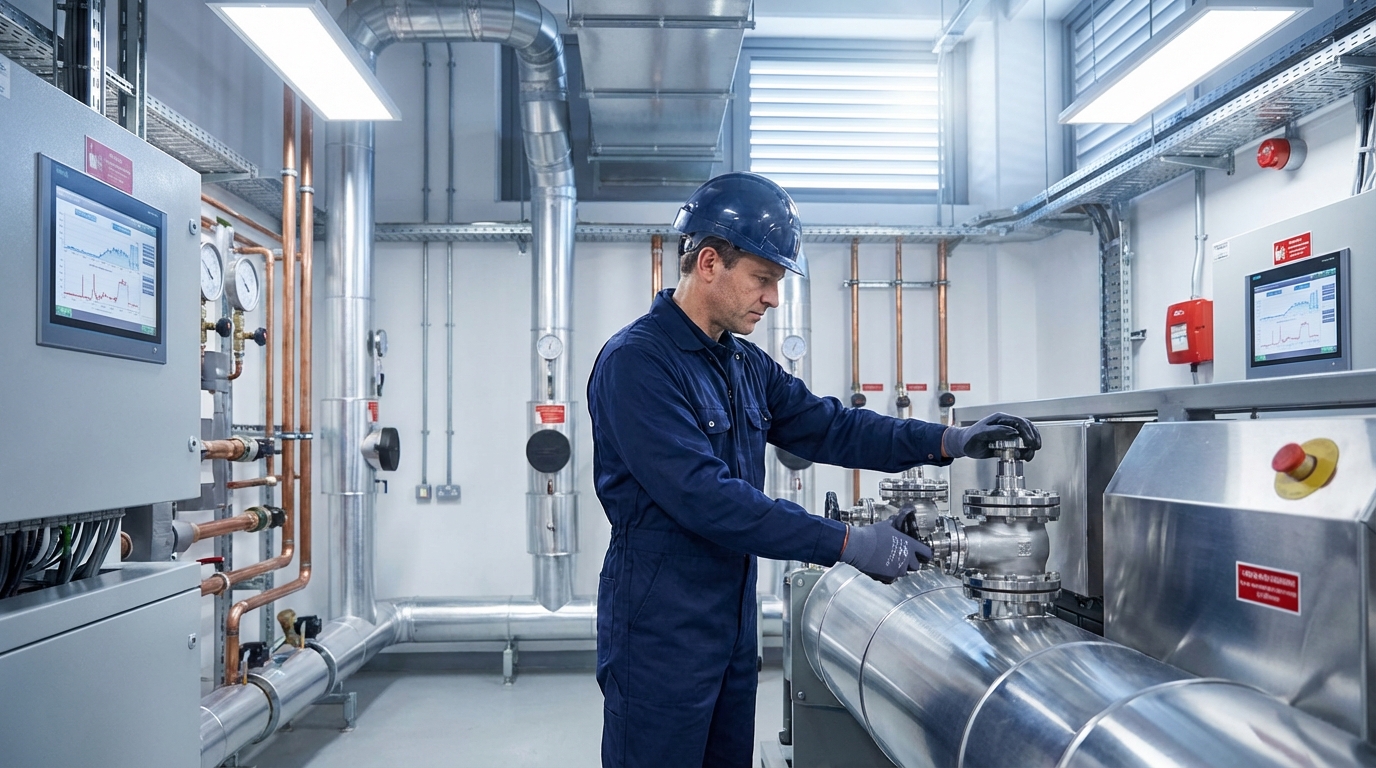
Commercial HVAC vs traditional systems which is better?
Commercial HVAC vs Traditional Systems: Which Is Better?
Commercial HVAC systems are centralised, multi-zone climate control solutions designed for larger buildings with complex heating, ventilation, and air conditioning demands. Traditional systems? Individual boilers, radiators, and standalone air conditioning units that operate independently across a building.
In my 24 years in this industry, I've seen facility managers inherit buildings with mismatched systems that cost them thousands in wasted energy and emergency repairs. A traditional setup might work well for a small office, but try running a multi-tenanted retail space with separate boilers for each floor and you're creating a maintenance nightmare. The answer depends on your building size, occupancy patterns, and whether you need centralised control or zone-specific flexibility.
Buildings over 5,000 square feet with varied occupancy zones suit commercial HVAC. You get centralised control, better energy efficiency, and simpler compliance tracking. Traditional systems work for smaller premises with straightforward heating needs and lower upfront costs. Your decision should be based on building size, energy costs, and maintenance budget—not just installation price.
Benefits of Commercial HVAC Systems
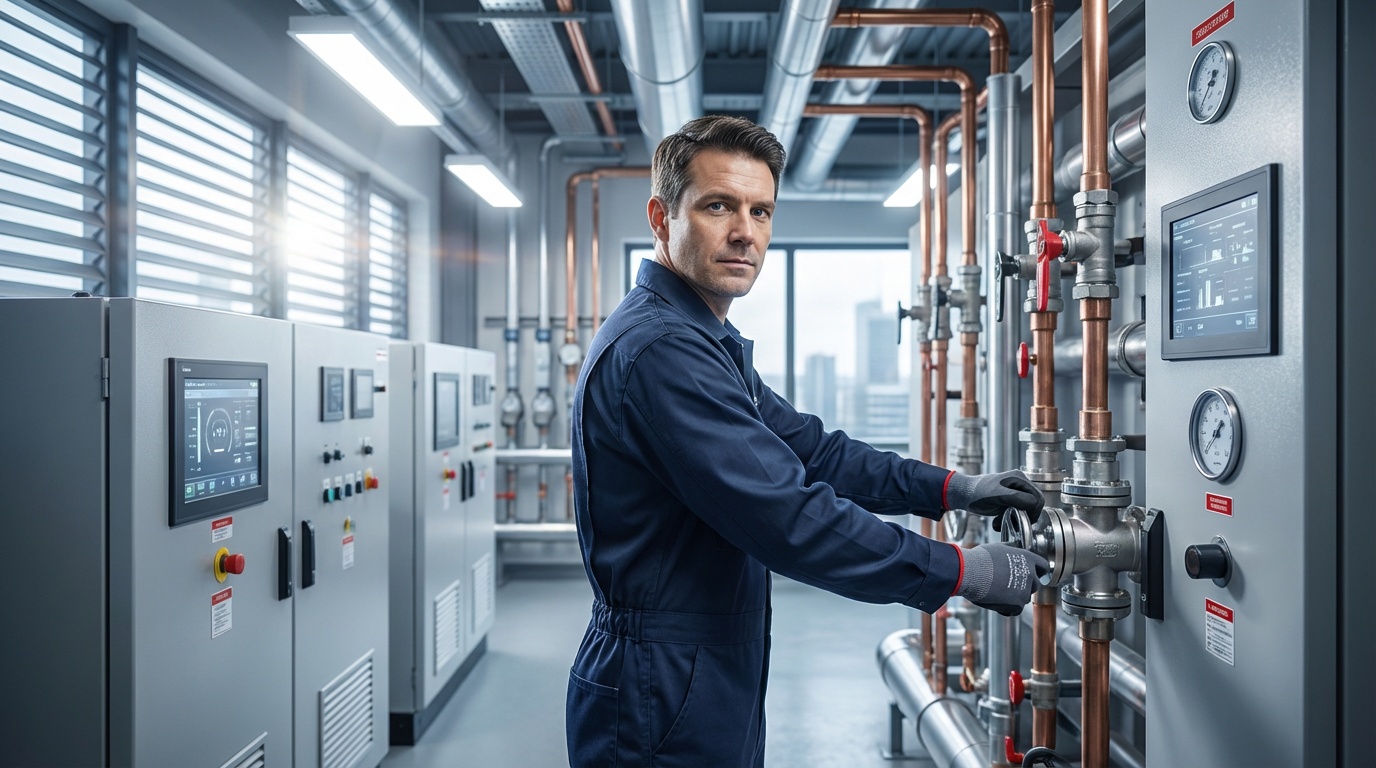
The primary advantage of commercial HVAC is energy efficiency at scale. A properly maintained commercial system can reduce energy consumption by 20–30% compared with running multiple traditional units because it optimises heating and cooling across the entire building. You're not heating empty floors or cooling spaces that don't need it.
Centralised compliance is another benefit facility managers often miss. With commercial HVAC, you've got one system to maintain to SFG20 standards, one set of F-Gas certificates, and one maintenance schedule. Traditional systems mean tracking multiple boiler services, separate air conditioning units, and scattered compliance paperwork.
Commercial HVAC also delivers better air quality control. Modern systems integrate filtration, humidity management, and fresh air exchange in ways traditional radiators and window units can't match. For offices or retail spaces, air quality directly affects staff productivity and customer comfort.
How to Choose the Right System
Start with an honest building audit. Calculate your total floor space, identify how many distinct zones need independent temperature control, and review your current energy bills. If you're spending over £500 monthly on heating and cooling in a building over 10,000 square feet, a commercial HVAC installation and maintenance system will likely pay for itself within five years through reduced energy bills and fewer emergency callouts.
Ask yourself: Do you need 24/7 climate control? Can you afford downtime if a single boiler fails? How many engineers does your current provider send to service all your separate systems?
If you're coordinating three different contractors, you're wasting management time and creating gaps in accountability.
The upfront cost difference is real. Commercial HVAC installation runs three to five times more than traditional systems initially—a traditional setup for a 10,000 square foot building might cost £15,000 to £25,000, while commercial HVAC could run £50,000 to £100,000. But this overlooks lifecycle costs. At M&E Maintenance Solutions Limited, we've watched those "savings" evaporate within 18 months when traditional systems start racking up emergency callouts and inflated energy bills.
Frequently Asked Questions
What size building needs a commercial HVAC system?
Buildings over 5,000 square feet with multiple occupancy zones typically benefit from commercial HVAC. If you're running a multi-floor office, retail space, or hospitality venue where different areas need independent temperature control, a centralised system delivers better efficiency and control. Smaller premises under 3,000 square feet with uniform heating needs can often operate cost-effectively with traditional systems.
How much does commercial HVAC cost compared to traditional systems?
Commercial HVAC installation typically costs three to five times more upfront than traditional boilers and radiators. A traditional system for a 10,000 square foot building might cost £15,000 to £25,000, while commercial HVAC could run £50,000 to £100,000 depending on complexity. The difference is lifecycle cost: commercial systems can deliver 20–30% lower energy bills and may require fewer emergency callouts, often paying for themselves within five to seven years.
Can I upgrade from traditional to commercial HVAC without major disruption?
Yes, but it requires proper planning. Most upgrades happen in phases to minimise downtime. We typically schedule installation during quieter periods or work zone by zone so your building remains operational. The key is conducting a thorough site survey first to identify any structural limitations, existing ductwork that can be repurposed, and electrical capacity. A phased approach spreads both cost and disruption over manageable periods.
Which system is easier to maintain for compliance?
Commercial HVAC is usually simpler for compliance. You maintain one centralised system to SFG20 standards with consolidated certificates for Gas Safe, F-Gas, and electrical safety. Traditional systems mean tracking multiple boilers, separate air conditioning units, and individual service records. When auditors or insurers request proof of maintenance, centralised documentation is far easier to produce and defend.
Do commercial HVAC systems work for older buildings?
Yes, though older buildings may require additional planning for ductwork routing and structural support. Listed buildings or those with protected features need careful design to integrate modern systems without compromising character. We've successfully installed commercial HVAC in Victorian warehouses converted to offices and 1970s retail blocks. The key is working with engineers who understand both modern HVAC technology and older building constraints.
Making the Right Decision for Your Building
The choice between commercial HVAC and traditional systems comes down to three factors: building size, operational complexity, and your tolerance for downtime. If you manage a building where temperature control affects revenue—whether that's staff productivity in an office or customer comfort in retail—commercial HVAC provides the reliability and efficiency that traditional systems struggle to match at scale.
I've walked facility managers through this decision hundreds of times. The pattern is always the same: those who choose based solely on upfront cost often spend more over five years. That £30,000 you "saved" on installation evaporates when you're calling engineers out three times a year for emergency repairs, paying 25% more on energy bills, and losing business hours to breakdowns.
Commercial HVAC delivers more predictable operating costs. You know when maintenance happens because it's scheduled, not reactive. Your energy bills stabilise because the system optimises consumption across the building. Most importantly, you've got one point of accountability. When something needs attention, you're not coordinating between a boiler engineer, an air conditioning specialist, and a ventilation contractor.
The M&E Maintenance Solutions Limited standard: For buildings over 10,000 square feet with varied occupancy, commercial HVAC can reduce total cost of ownership by 30–40% over ten years compared with traditional systems. The breakeven point often occurs within year five when you factor in energy savings, reduced callouts, and improved asset lifespan.
Traditional systems still have their place. A small office with consistent occupancy, straightforward heating needs, and limited budget can operate well with a quality boiler and radiator setup. The key word is "small". Once you're managing multiple floors, different tenants, or 24/7 operations, the limitations become expensive.
Don't make this decision in isolation. Get a proper building assessment from engineers who understand both systems and aren't just trying to sell you the most expensive option. At M&E Maintenance Solutions Limited, we've recommended traditional systems when that's what the building genuinely needs. Our job is to match the solution to your commercial reality, not inflate the invoice.
The future is moving toward integrated building management systems where HVAC, lighting, and security work together. Commercial HVAC platforms integrate more easily with these technologies than traditional systems. If you're planning to hold your building for another decade, that integration capability matters for both efficiency and property value.
Next Steps for Facility Managers
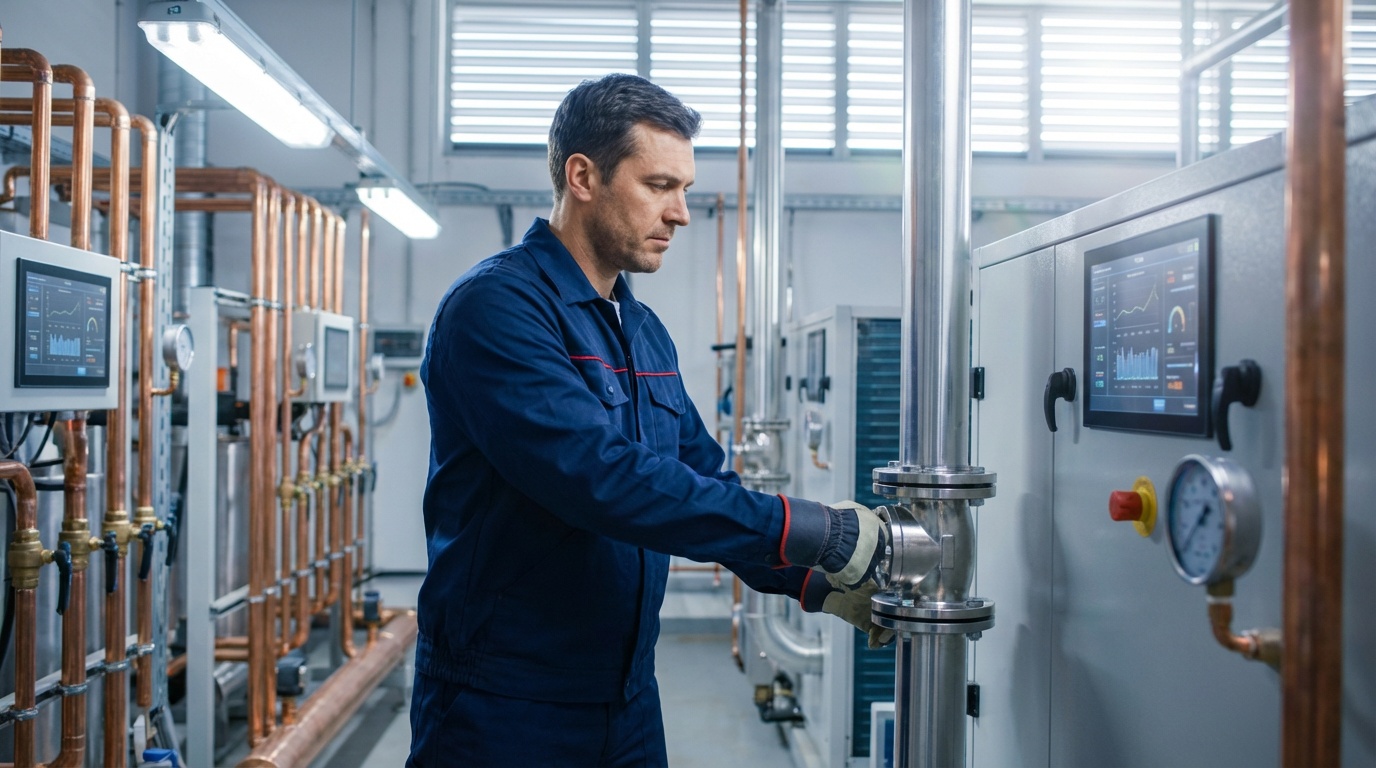
Start by auditing your current system performance. Pull the last 12 months of energy bills and maintenance invoices. Calculate how much you're spending per square foot on climate control. If that number exceeds £8 per square foot annually in the Midlands, your current setup is underperforming.
Book a professional site survey with engineers who can assess your building's specific requirements. This isn't about getting a quote; it's about understanding what your building actually needs. A proper survey identifies thermal inefficiencies, compliance gaps, and whether your existing infrastructure can support a commercial HVAC upgrade without major structural work.
Consider your building's lifecycle. If you're planning significant refurbishment in the next three years, that's the best time to upgrade to commercial HVAC. The disruption is already happening, and you can integrate ductwork and controls during the fit-out rather than retrofitting later at higher cost.
We built M&E Maintenance Solutions Limited to provide the engineering expertise of large FM corporations with the accountability of a family business. Whether you need a straightforward traditional system service or a complete commercial HVAC installation and maintenance, we deliver the same standard: right first time, every time. Contact our 24/7 helpdesk on 0121 380 5630 or email [email protected] to arrange your building assessment.
Frequently Asked Questions
Which is better, a commercial HVAC system or a traditional setup?
From my 24 years in this industry, I can tell you it is not about one being universally better. The right choice depends entirely on your building's size, occupancy patterns, and whether you need centralised control or zone-specific flexibility. A traditional setup might suit a small office, but a multi-tenanted retail space needs something more comprehensive.
What is the £500 monthly guideline for considering a commercial HVAC upgrade?
We often see that if a building over 10,000 square feet is spending over £500 monthly on heating and cooling, a commercial HVAC installation will likely pay for itself within five years. This guideline helps facility managers identify when the long-term energy savings outweigh the initial investment. It is about looking at lifecycle costs, not just upfront price.
What is the most efficient type of HVAC system for commercial buildings?
For larger commercial buildings with varied occupancy zones, a commercial HVAC system is generally the most efficient. It optimises heating and cooling across the entire building, ensuring you are not wasting energy on empty floors or spaces that do not need it. This can reduce energy consumption by 20–30% compared with running multiple traditional units.
What is the typical operational life of a commercial HVAC system?
While a specific number varies, a properly installed and regularly maintained commercial HVAC system can offer significant longevity, often paying for itself within five to seven years through energy savings. Consistent maintenance, adhering to standards like SFG20, is key to extending its operational life and preventing costly emergency repairs.
What size building benefits most from a commercial HVAC system?
Buildings over 5,000 square feet with multiple occupancy zones typically benefit most from commercial HVAC. If you are managing a multi-floor office, retail space, or hospitality venue where different areas need independent temperature control, a centralised system delivers better efficiency and control. Smaller premises under 3,000 square feet with uniform heating needs can often operate cost-effectively with traditional systems.
How do commercial HVAC costs compare to traditional systems?
Commercial HVAC installation typically costs three to five times more upfront than traditional boilers and radiators. For example, a traditional system for a 10,000 square foot building might cost £15,000 to £25,000, while commercial HVAC could run £50,000 to £100,000. The difference is lifecycle cost, as commercial systems can deliver 20–30% lower energy bills and may pay for themselves within five to seven years.
Is commercial HVAC maintenance simpler for compliance?
Yes, commercial HVAC is usually simpler for compliance. You maintain one centralised system to SFG20 standards with consolidated certificates for Gas Safe, F-Gas, and electrical safety. Traditional systems mean tracking multiple boilers, separate air conditioning units, and individual service records, which can be a real headache for facility managers.