Renewable Energy Solutions review
The Commercial Reality of Renewable Energy in 2026
Energy bills for commercial buildings across the UK have climbed relentlessly over the past three years. I'm seeing facility managers in Birmingham and the West Midlands wrestling with costs that have doubled—sometimes tripled—since 2021. At the same time, compliance pressures around carbon reporting and energy efficiency certificates are tightening.
The question isn't whether to adopt renewable energy anymore. It's which ones actually work, and who can install them without turning your site into a six-month building project.
At M&E Maintenance Solutions, we don't just install renewable systems for clients. We test them in our own facility first. Our showroom in Aston runs live solar PV, heat pumps, and LED systems so we can verify performance, spot installation pitfalls, and understand maintenance requirements before we recommend anything.
Why You Can't Afford to Wait
The UK government's target of 15% renewable energy drives legislation like the Energy Performance Building Directive and Part L of the Building Regulations. Fall short and you'll face restricted lettability, lower asset valuations, and potential fines.
But here's the immediate pain: the monthly utility invoice.
A typical 10,000 sq ft commercial building in the Midlands now spends £3,000 to £5,000 per month on energy. Renewables can cut that significantly once payback periods pass—typically five to seven years for solar and heat pumps, though it varies by site.
Three Hidden Costs of Delaying
Every month you delay renewable upgrades costs you in three ways:
First, you're missing government incentives like the Smart Export Guarantee (SEG) and business rates exemptions. These won't last forever.
Second, older HVAC plant becomes harder to maintain. Parts go obsolete. F-Gas regulations restrict refrigerants. You're running on borrowed time.
Third, tenant expectations have shifted. Commercial tenants now ask for Energy Performance Certificate (EPC) ratings and carbon footprints during lease negotiations. A building stuck on fossil fuels loses its competitive edge.
The M&E Standard: We only recommend renewable solutions we've tested internally. Our Aston showroom runs solar PV, LED lighting, and air-to-water heat pumps under real-world conditions so we know exactly what works before your building becomes the test site.
Key Renewable Energy Solutions for Commercial Buildings
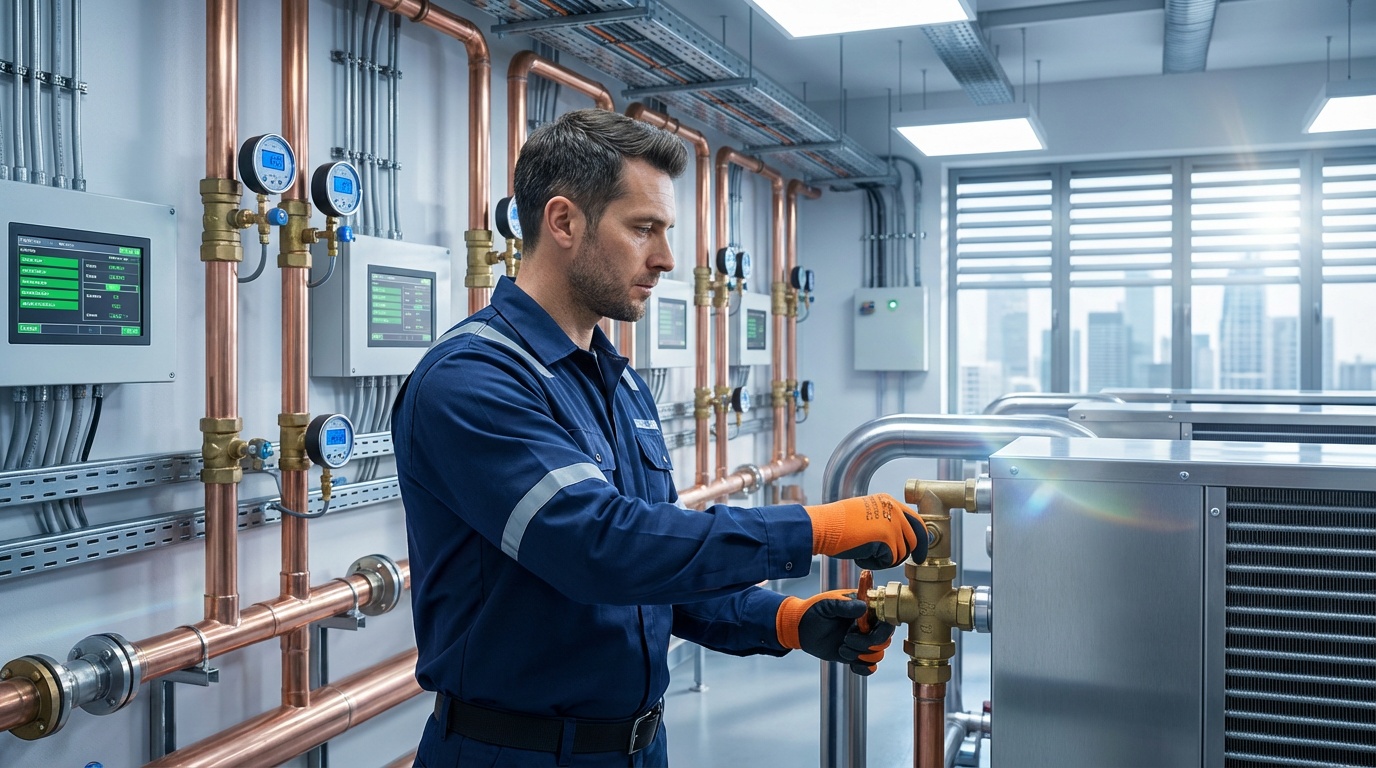
After 24 years in this industry, I can tell you the renewable energy market is full of solutions that look great in a glossy brochure but fail within three years. We've narrowed the field to systems that deliver measurable returns and integrate with existing commercial building infrastructure without requiring a complete rebuild.
Solar Photovoltaic Systems: Proven ROI and Incentives
Solar PV is a straightforward renewable investment if you've got suitable roof space. A 50 kW system on a Midlands warehouse or office block generates roughly 42,000 kWh annually—covering 30% to 40% of typical daytime consumption.
The Smart Export Guarantee pays you for surplus energy fed back to the grid, typically 4p to 6p per kWh. Payback periods sit between five and seven years, depending on your consumption profile. Business rates exemptions may apply, reducing total cost of ownership.
We've installed and maintained solar arrays across Birmingham. The systems need minimal intervention beyond annual cleaning and inverter checks aligned with SFG20 schedules.
Air-to-Water Heat Pumps: Efficiency in Heating and Cooling
Air-to-water heat pumps replace traditional gas boilers and deliver heating and cooling from a single system. Coefficient of Performance (COP) ratings of 3.5 mean you get 3.5 kW of heat for every 1 kW of electricity consumed. That cuts heating costs compared with ageing gas plant.
Here's the reality: heat pumps work best with low-temperature distribution systems like underfloor heating or oversized radiators. Retrofitting into older buildings with standard radiators needs careful hydraulic design to avoid underperformance. We run an air-to-water system at our showroom, so we understand seasonal performance variation and maintenance requirements inside out.
LED Lighting and EV Charging Infrastructure
LED lighting retrofits deliver immediate savings. Payback periods under two years. Simple.
EV charging infrastructure is now a tenant expectation for commercial landlords. Installing the necessary electrical capacity during a renewable upgrade avoids costly rework later. These aren't standalone renewable solutions, but they're part of a coherent decarbonisation strategy that reduces total energy demand before you generate or offset it.
| Solution | Typical Payback | Annual Maintenance | Best For |
|---|---|---|---|
| Solar PV | 5-7 years | Annual cleaning, inverter check | Buildings with clear roof access and daytime load |
| Air-to-Water Heat Pumps | 7-10 years | Quarterly PPM, refrigerant checks | Sites with modern heating distribution or retrofit budget |
| LED Lighting | 1-2 years | Minimal, lamp replacement only | Any commercial building with legacy fluorescent or halogen |
What Facility Managers Need to Know Before Choosing a Provider
The renewable energy installation market is crowded with contractors who disappear after commissioning. You're left with no maintenance support and no compliance paperwork. I've walked into sites where solar inverters have been offline for six months because nobody scheduled a service visit.
Choosing a provider is about long-term partnership. Not the cheapest quote.
Common Pitfalls in Renewable Installations
The biggest mistake? Selecting a provider based solely on capital cost. A cheap solar install with substandard inverters or poor roof fixings creates maintenance headaches and safety risks.
Second pitfall: ignoring integration with existing building management systems. If your heat pump can't communicate with your BMS, you lose scheduling control and efficiency gains.
Third: many installers don't plan for access. A rooftop solar array needs safe access for cleaning and maintenance. That means proper edge protection and walkways, not an afterthought ladder.
SFG20 Compliance and Planning Permission Explained
SFG20 is the industry standard for maintenance schedules, and it now includes renewable systems. Your solar PV, heat pumps, and associated controls need quarterly or annual inspections depending on the asset type.
Planning permission for solar arrays on commercial buildings is often permitted development, but listed buildings and conservation areas require formal applications. REFCOM F-Gas certification is mandatory for anyone working on heat pump refrigerant circuits.
At M&E Maintenance Solutions, we hold Gas Safe, REFCOM, and NQA ISO 9001 certifications. Compliance documentation is traceable and delivered within 24 hours of every job. For tailored ongoing support, explore our M&E Maintenance Solutions HVAC Services designed to keep your systems efficient and compliant.
Real-World Results: Reviewing Performance and Case Studies
This review isn't built on theory. It comes from installations we've completed and maintained across Birmingham and the West Midlands, where we track energy savings, payback periods, and ongoing maintenance costs.
Performance data matters. It separates marketing claims from engineering reality.
Energy Savings and Payback Periods from M&E Installs
A 40 kW solar PV system we installed on a Midlands office block in 2021 has delivered consistent annual savings of £6,200 on electricity costs. Initial investment was £38,000 after business rates exemptions—putting payback at 6.1 years.
The system generates 34,000 kWh annually, covering 35% of the building's daytime consumption. The Smart Export Guarantee adds another £680 per year for surplus energy. Maintenance costs run at £420 annually for cleaning, inverter checks, and SFG20 compliance inspections.
That's real data from a real building. Not a projection.
Air-to-water heat pump retrofits show longer payback periods but deliver operational benefits beyond pure cost savings. A retail unit in Birmingham replaced two ageing gas boilers with a 25 kW heat pump in 2022. Annual heating costs dropped from £8,400 to £4,900—a 42% reduction.
Payback sits at 8.5 years. But the system also provides summer cooling, removing the need for separate air conditioning plant. The building's EPC rating improved from D to B, which proved decisive when the landlord renewed the lease at a 12% premium.
Case Study: Midlands Commercial Site Retrofit
We completed a full renewable upgrade on a 15,000 sq ft commercial warehouse in 2023. The project combined 60 kW solar PV, LED lighting throughout, and upgraded building controls. Total investment was £72,000.
Annual energy costs fell from £18,600 to £9,100—a saving of £9,500 per year. Payback is 7.6 years, and the client qualified for Carbon Trust grants that reduced net cost by £8,200.
Installation took three weeks with minimal disruption. We scheduled works around operational hours and maintained 24/7 support throughout.
Pros
- Measurable energy cost reductions after payback, though savings vary depending on implementation
- Improved EPC ratings increase asset values and tenant appeal
- Government incentives like SEG and business rates exemptions reduce total cost
- Systems tested in M&E's own facility before client recommendation
- Full SFG20 compliance with traceable certification
Cons
- Payback periods of 5 to 10 years require long-term commitment
- Heat pump retrofits need careful hydraulic design in older buildings
- Solar PV performance depends on roof condition and orientation
- Ongoing maintenance costs must be budgeted into total cost of ownership
- Not all buildings suit every renewable technology without significant rework
Your Next Steps: Partnering for Reliable Renewable Upgrades
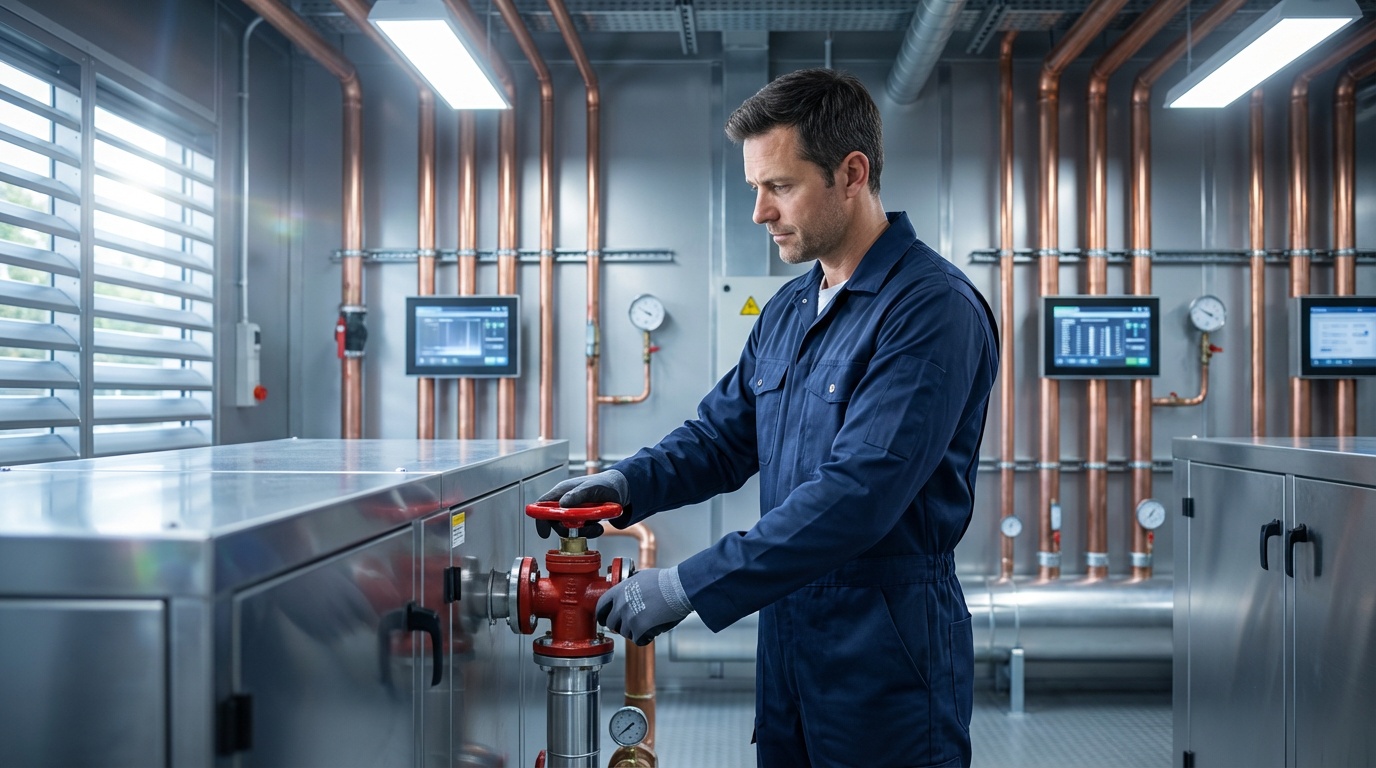
Renewable systems deliver measurable financial and compliance benefits when installed properly and maintained to SFG20 standards. The challenge? Finding a provider who treats your building as a long-term partnership, not a one-off project.
Checklist for Auditing Your Current Setup
- Energy Consumption Baseline: Obtain 12 months of utility bills to identify consumption patterns and peak demand periods.
- Roof Survey: Check structural capacity, orientation, and condition. Solar PV suits south-facing or east/west roofs with minimal shading and sound weatherproofing.
- Heating Distribution: Assess whether your existing radiators or underfloor systems suit low-temperature heat pump operation, or budget for upgrades.
- Current EPC Rating: Identify where you sit now and what improvements are needed to meet tenant or regulatory expectations.
- Compliance Documentation: Verify that your current provider delivers Gas Safe, REFCOM, and SFG20 certificates promptly after every service visit.
Why M&E Delivers Peace of Mind with 24/7 Support
Renewable energy systems aren't fit-and-forget. They need planned preventative maintenance (PPM), compliance inspections, and rapid response when faults occur.
We provide 24/7/365 availability because breakdowns don't work 9 to 5. Our engineers are Gas Safe and REFCOM F-Gas certified, trained to SFG20 standards. We hold NQA ISO 9001 and SafeContractor accreditations, and we've been recognised as the Best HVAC Company in the Midlands UK for commercial maintenance and compliance.
That's not marketing. It's verifiable.
If you're ready to move beyond rising energy bills and compliance uncertainty, book a site survey with M&E Maintenance Solutions. We'll assess your building, provide a costed proposal based on real-world performance data, and deliver a renewable upgrade that works from day one.
Contact our 24/7 helpdesk or visit our Aston showroom to see the systems running live.
For further understanding of the National Policy Statement for renewable energy, you can refer to the National Policy Statement for Renewable Energy Infrastructure EN-3 UK Government, which offers detailed insights on the regulatory framework impacting renewable infrastructure.
Additional Reference
This review aligns with the principles set out in the National Policy Statement for Renewable Energy Infrastructure EN-3 2025, further highlighting the importance of sustainable energy strategies within commercial buildings across the UK.
For those interested in the future outlook of the UK energy and infrastructure sectors, resources such as UK Energy and Infrastructure provide a comprehensive analysis on the energy transition and infrastructure investment that will shape the market in the coming years.
Frequently Asked Questions
How can I trust a renewable energy solutions provider for my commercial building?
When you're looking at renewable energy solutions, you need a provider who proves their systems work, not just sells them. At M&E Maintenance Solutions, we run live solar PV and heat pump systems in our Aston showroom. This hands-on testing means we verify performance and understand maintenance before recommending anything for your commercial site.
What should I look for in a reputable company for commercial solar panel installation?
A reputable company for commercial solar PV should have a track record of successful installations and, crucially, provide ongoing maintenance support. Many contractors disappear after commissioning, leaving facility managers in a bind. We ensure our solar arrays are properly installed and maintained, aligning with SFG20 schedules, to deliver reliable returns for years.
What are common pitfalls when choosing a renewable energy specialist for commercial projects?
The biggest pitfall I've seen is choosing a specialist who doesn't offer long-term maintenance and support. You can end up with systems, like solar inverters, offline for months because no one scheduled a service visit. It's essential to partner with a provider who understands the full lifecycle, from installation to ongoing compliance and servicing.
What financial incentives are available for commercial buildings adopting renewable energy solutions?
For commercial buildings, there are clear financial drivers beyond just cutting your energy bill. You can benefit from the Smart Export Guarantee for surplus electricity from solar PV, and business rates exemptions may apply to renewable installations. These incentives, combined with reduced operational costs, significantly improve your return on investment.
Why might a commercial building with solar panels still have high electricity bills?
If your commercial building has solar panels but bills remain high, it often points to underperforming systems or insufficient coverage for your actual consumption. This could be due to poor installation, lack of regular maintenance, or the system size not matching your building's energy demand. Proper design and ongoing checks are key to maximizing savings.