Alternatives to large national HVAC providers?
The Hidden Costs of Large National HVAC Providers: Why Facility Managers Are Looking Elsewhere
When your HVAC system fails at 2 AM on a Saturday, the last thing you want to hear is, "We'll put you through to our call centre." Yet this is precisely what happens when you rely on massive national contractors who treat your commercial property like just another service ticket.
I've spent 24 years managing everything from small Birmingham offices to major West Midlands industrial sites. The same pattern keeps repeating: facility managers frustrated with impersonal service, escalating costs, and rigid maintenance schedules that don't match their building's actual needs.
You're Just Another Ticket Number
Large national providers operate through regional subcontractors who've never set foot in your building before arriving to fix a critical issue. You lose the relationship factor that's essential for understanding your plant room's quirks, your building's usage patterns, and your business's specific compliance requirements.
When I get a call from a client, I know their building. I know that their third-floor AHU runs hot because of the server room next door. I know their boiler struggles in January because of the building's orientation. That knowledge saves time and prevents downtime.
The Cookie-Cutter Approach Doesn't Work
National chains excel at standardised processes but struggle with bespoke commercial environments. A retail space in Birmingham city centre has completely different HVAC demands than a manufacturing facility in Coventry. Yet many large providers apply identical maintenance schedules regardless of building type, occupancy patterns, or equipment age.
I've walked into buildings where the previous contractor was servicing a heat pump system like a traditional boiler. Wrong approach, wrong intervals, wrong results.
The "Low Price" Illusion
That attractive headline price often masks expensive call-out charges, parts mark-ups, and administrative fees. When you're paying for multiple layers of management between your facility and the actual engineer, those costs inevitably filter down to your maintenance budget.
Large National Provider Advantages
- Extensive geographic coverage
- Established compliance frameworks
- Bulk purchasing power for common parts
Common Drawbacks
- Impersonal service through call centres
- Limited flexibility in maintenance scheduling
- Higher overhead costs passed to clients
- Generic solutions for specialised buildings
Your Options Beyond the Corporate Giants
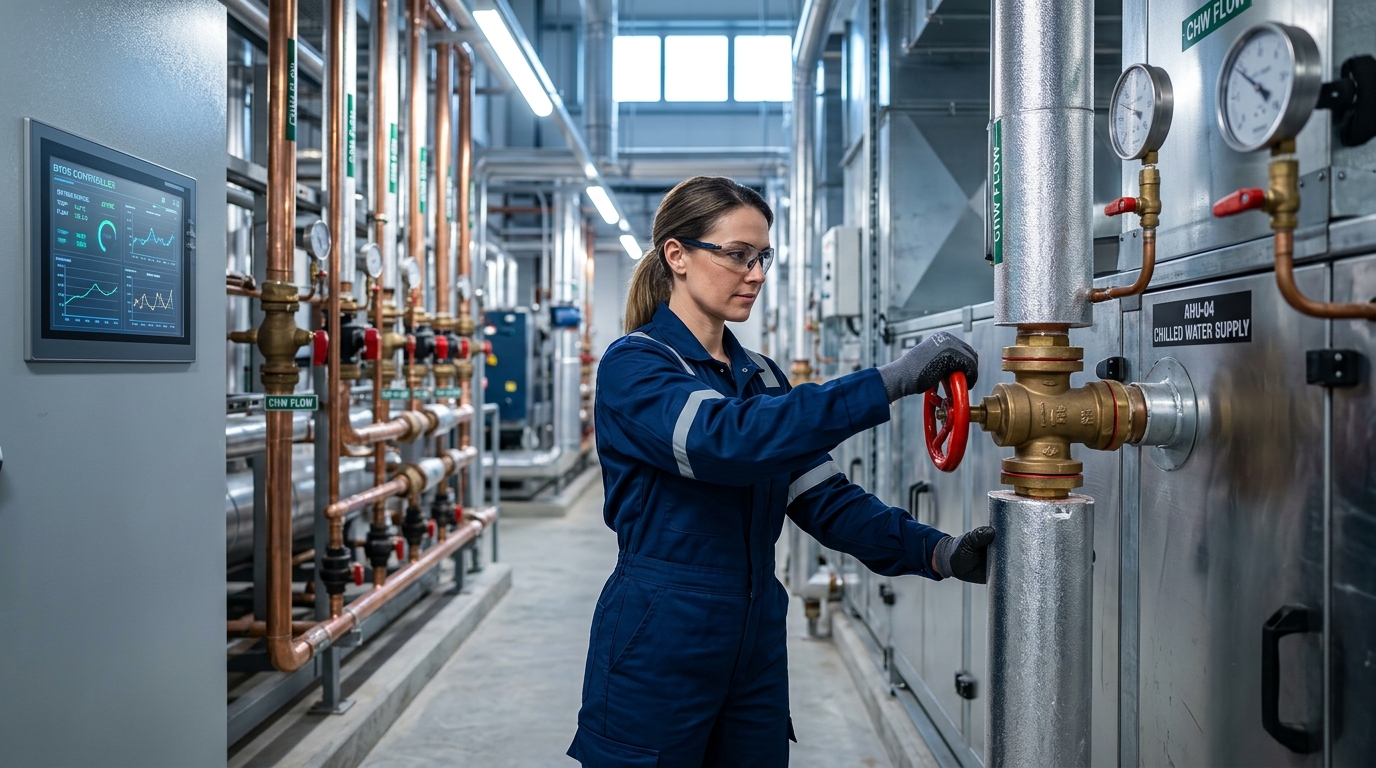
The commercial HVAC sector offers several compelling options beyond the national chains, each bringing distinct advantages for different facility types and business requirements.
Independent Specialists: Deep Expertise Where It Counts
Independent HVAC specialists typically focus on specific sectors or technologies. Sustainable heating systems, industrial refrigeration, or heritage building climate control. These providers maintain smaller client bases, allowing for more personalised service and faster response times.
What I like about good independents: they know their stuff inside out. When you need someone who understands the intricacies of a particular system, they're your best bet.
Regional Specialists: The Sweet Spot
Regional specialists like our Commercial HVAC Installation and Maintenance service combine local market knowledge with comprehensive technical capabilities. We understand Midlands commercial property challenges whilst maintaining 24-hour emergency response across the UK.
This is where MEMS sits. Big enough to handle complex commercial demands, small enough to know your building personally.
The Partnership Approach
Smaller, established firms prioritise client retention over acquisition. Your account manager knows your building's maintenance history, your budget constraints, and your compliance deadlines. When you call, you speak to someone who understands your specific situation rather than reading from a script.
How We Do Things Differently at M&E
At M&E Maintenance Solutions Limited, we've built our reputation on a simple principle: treat every commercial facility as if it were our own. This isn't corporate speak. It's how we've operated since day one, combining hands-on engineering expertise with genuine business partnership.
We Test Technology Before You Pay For It
We continuously evaluate new HVAC technologies, from smart building management systems to energy-efficient heat pump installations. Before recommending any innovation to our clients, we test it thoroughly in real-world commercial environments. You get modern solutions without becoming a guinea pig for unproven equipment.
I've seen too many facility managers burned by "cutting-edge" systems that weren't ready for prime time. We won't put you through that.
From Boiler Room to Boardroom
Our approach bridges technical excellence with commercial reality. When we identify a failing compressor, we don't just quote replacement costs. We analyse energy efficiency gains, calculate payback periods, and explore financing options that align with your capital expenditure planning.
PPM That Actually Protects Your Bottom Line
Our Planned Preventative Maintenance programmes prevent equipment failures before they happen. Regular filter changes, system calibration, and component inspections cost significantly less than emergency repairs. We provide digital maintenance logs, compliance certificates, and energy performance reports that show clear value.
Questions That Separate the Professionals from the Pretenders
Don't accept vague promises or glossy brochures. These specific questions will reveal whether your HVAC provider delivers genuine value or simply manages contracts.
What's Your Actual Emergency Response Time?
Ask for specific response times for different emergency categories. A genuine commercial HVAC partner commits to clear targets for system failures, not "same day" or "as soon as possible."
We guarantee 4-hour response for Category 1 emergencies (complete system failure, safety issues). That's not marketing. That's a contractual commitment.
What's Your PPM to Reactive Repair Ratio?
Ask for the ratio of planned maintenance versus emergency repairs within their typical client portfolio. Quality providers aim for around 70-80% planned work and 20-30% reactive. If those numbers are reversed, you're paying premium rates for poor planning.
Can You Access My Certificates Right Now?
Request immediate access to your Gas Safe certificates, F-Gas compliance records, and SFG20 maintenance documentation. Professional providers maintain digital records that are instantly accessible, not buried in filing cabinets.
Will I Get the Same Engineer?
Establish whether you'll work with the same qualified engineers who understand your building's requirements, or different subcontractors each visit. Consistency in personnel translates directly to service quality and faster problem resolution.
Making the Switch Without the Headache
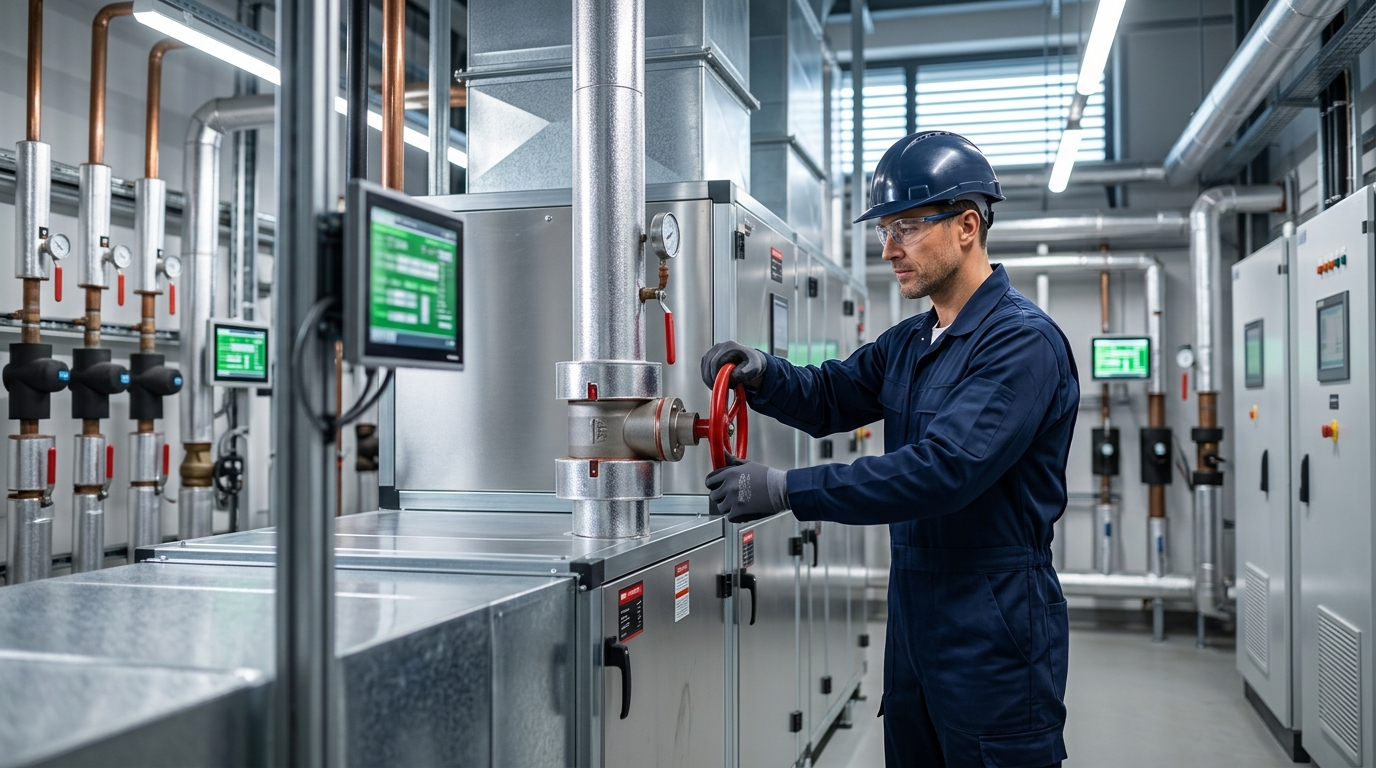
Changing HVAC providers requires careful planning, but the long-term benefits of working with a responsive, technically competent partner far outweigh temporary transition challenges.
Know What You're Actually Getting
Document your current pain points: response times, recurring problems, communication gaps, and budget overruns. This baseline helps new providers understand your priorities and design appropriate service agreements.
I always start with a proper site survey. You can't quote accurately or plan maintenance without understanding how the building actually operates.
We Handle the Transition
Professional HVAC specialists conduct comprehensive site surveys, review existing maintenance records, and create transition plans that maintain system reliability throughout the changeover period. We coordinate with your incumbent provider to minimise disruption during handover.
Ready to experience what genuine commercial HVAC expertise looks like? Contact M&E Maintenance Solutions Limited on 0121 380 5630 or email [email protected] for a no-obligation consultation about your building's requirements.
Your Decision Framework: What Really Matters
The shift away from large national HVAC providers represents more than cost savings. It's about securing genuine technical partnership for your commercial property. Based on two decades managing plant rooms across the West Midlands, the decision ultimately comes down to three core factors: responsiveness, expertise, and accountability.
Size Doesn't Equal Better Service
Mid-sized regional specialists often outperform massive contractors in day-to-day delivery. We maintain direct relationships with decision-makers, respond faster to emergencies, and adapt maintenance schedules to actual building usage patterns rather than corporate templates.
I've seen £100m turnover companies fail to fix a simple control valve because their systems couldn't handle the "non-standard" request.
Innovation Without the Risk
Smart building management systems, variable refrigerant flow controls, and energy recovery ventilation represent the future of commercial HVAC. But implementing unproven technology in live commercial environments creates unnecessary risk. Quality providers evaluate innovations thoroughly before client deployment.
Compliance Shouldn't Be an Afterthought
SFG20 standards, Gas Safe regulations, and F-Gas compliance requirements change regularly. Smaller providers often stay more current with regulatory updates because they work directly with clients and engineers, not through multiple management layers.
My Final Recommendations

Selecting quality alternatives to national HVAC providers requires evaluating technical capability, commercial understanding, and cultural fit with your organisation's requirements.
Track Record Beats Marketing Every Time
Request specific case studies from similar commercial properties in your sector. Quality providers readily share anonymised performance data, energy savings achieved, and client testimonials that demonstrate measurable results.
Don't just ask for references. Ask for buildings you can visit. Good work speaks for itself.
Test Them During the Sales Process
How providers handle your initial enquiry predicts their ongoing service quality. Prompt site surveys, detailed proposals, and clear communication during the tender process indicate professional standards you can expect throughout the contract period.
Set Clear Expectations
Define specific KPIs for response times, energy efficiency improvements, and compliance maintenance. Professional HVAC partners welcome performance-based contracts because they demonstrate value through measurable outcomes.
M&E Maintenance Solutions Limited combines the technical expertise of large contractors with the personal service of local specialists. Our 24-hour emergency response, comprehensive maintenance programmes, and commitment to regulatory compliance protect your commercial property investment whilst controlling operational costs.
For a detailed assessment of your current HVAC provision and recommendations tailored to your building's specific requirements, contact us on 0121 380 5630 or email [email protected].
Frequently Asked Questions
How do alternatives to large national HVAC providers impact overall costs for commercial facilities?
Large national providers often have hidden fees and inefficient pricing models that filter down to your maintenance budget. Independent and regional specialists, like us at MEMS, focus on transparent pricing and proactive maintenance, which can lead to significant long-term savings by reducing emergency repairs and improving energy efficiency. Our Planned Preventative Maintenance (PPM) clients often see 15-25% reductions in energy costs within the first year.
What types of alternatives are available to large national HVAC providers for commercial properties?
There are several compelling alternatives for commercial HVAC services. You have independent specialists who offer deep expertise in niche areas, and regional powerhouses that combine local market knowledge with comprehensive technical capabilities, like MEMS Facilities Maintenance. Smaller, established firms also focus on building long-term partnerships and providing personalised service.
Do alternative HVAC providers offer modern and energy-efficient technologies?
Absolutely. Many independent and regional specialists, including MEMS, continuously evaluate and test new HVAC technologies. We focus on solutions like smart building management systems and energy-efficient heat pump installations, ensuring clients get proven innovations without becoming a test site for unproven equipment. Our approach bridges technical excellence with commercial reality.
Why should facility managers consider an independent or regional HVAC specialist over a national chain?
Independent and regional specialists offer a personalised service, understanding your building's specific needs and compliance requirements. Unlike national chains that use a "one-size-fits-all" approach, these alternatives provide tailored solutions and foster long-term partnerships, ensuring your account manager truly knows your facility's history and budget.
How can planned preventative maintenance (PPM) reduce HVAC costs for commercial buildings?
PPM programmes are designed to reduce equipment failures, which are far more costly than reactive repairs. Regular inspections, filter changes, and system calibration prevent major breakdowns, extend equipment lifespan, and improve energy efficiency. At MEMS, our PPM clients typically see substantial reductions in energy costs and strong compliance alignment with standards like SFG20 and Gas Safe requirements.