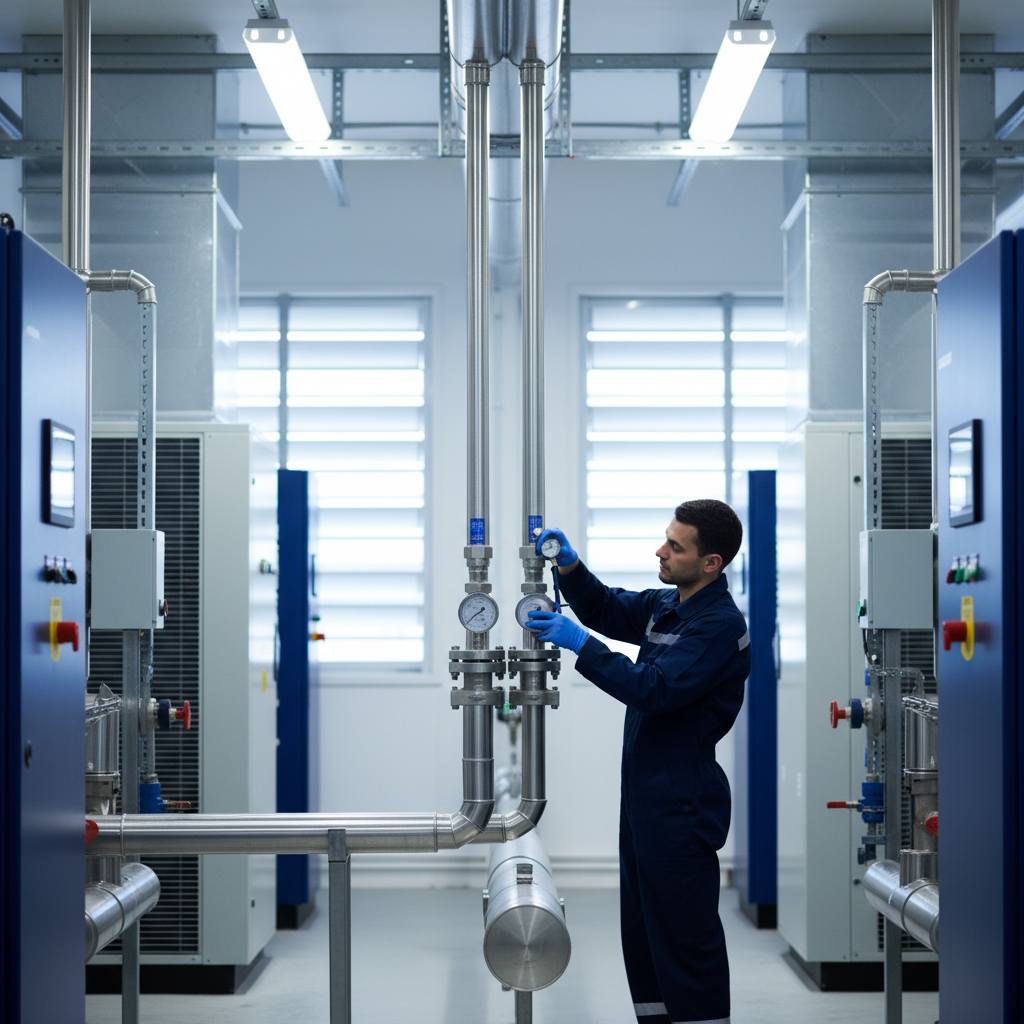
A building maintenance worker handles four distinct types of tasks across HVAC, electrical, plumbing, and building fabric systems. Routine tasks include daily plant room checks, meter readings, and visual inspections—typically 30-45 minutes of your shift. Preventive tasks follow SFG20 schedules: filter changes, belt inspections, pump rotation tests, and quarterly deep cleans of AHUs.
Electrical, plumbing, and building fabric systems are at the core of most maintenance roles, so developing basic competence in each area is essential for career progression.
Corrective tasks address non-urgent faults: replacing failed lamps, resetting nuisance alarms, fixing minor leaks, adjusting door hardware. These make up 60-70% of your daily workload. Emergency tasks demand immediate response: total heating failures, lift entrapments, major water leaks, or power outages affecting critical systems.
Response targets vary by urgency: 15-30 minutes for critical emergencies if you're on-site, same-day completion for routine repairs. Expect 10-25 work orders daily depending on site complexity—fewer complex jobs on industrial sites, higher volumes in residential or retail environments.
You'll work across commercial offices, retail spaces, healthcare facilities, industrial units, and residential blocks. Each environment brings specific challenges: plant rooms reaching 30°C+ in summer, rooftop work in winter conditions, confined ceiling voids, and basement mechanical areas.
Physical demands include lifting 15-25kg regularly, extensive stair work when lifts fail, and 6-7 hours on your feet per 8-hour shift. Smart preparation makes the difference: invest in proper safety boots and knee protection from day one, develop a 2-minute stretching routine before shifts, and learn to flag unsafe manual handling as "following proper procedure" rather than being difficult.
The environments never stop teaching you. Each site has unique quirks—pressure differentials in hospitals, retail cooling loads, office HVAC sequences—that build your troubleshooting instincts faster than any classroom. For more insight into real-world maintenance challenges, read about common building maintenance problems you need to fix ASAP.
Compliance isn't extra work—it's core to the job. Every task gets logged in a CMMS system: job start/finish times, parts used, meter readings, and before/after states. You'll follow site permits to work, lockout/tagout procedures, and asbestos awareness protocols daily.
SFG20 sets the baseline for planned maintenance frequencies across UK commercial buildings. Gas Safe and REFCOM certifications aren't universal requirements, but they're essential for progression into specialist roles. F-Gas regulations affect any AC or refrigeration work.
Three behaviors separate competent from risky maintenance workers: always recording meter readings and system states for trend analysis, refusing gas or high-voltage work without proper qualifications, and photographing key repairs with time/date stamps for compliance records. These habits protect both you and your employer from legal exposure.
Maintenance Assistant, General Maintenance Operative, and junior Building Fabric Technician roles focus on lamp changes, basic repairs, meter readings, contractor escorts, and plant room checks. Starting pay typically ranges £11-£14/hour across UK regions, with clear progression paths to multi-skilled positions.
These roles suit career starters from labouring, handyman, or janitorial backgrounds who want structured skill development. You'll learn proper work order systems, basic fault diagnosis, and compliance procedures while building confidence with building systems.
Move into these roles within 3-6 months by completing basic health & safety and manual handling courses, learning to read and close work orders properly, and shadowing experienced technicians whenever possible. The key is demonstrating reliability and eagerness to learn rather than existing technical knowledge. If you're interested in fabric repairs, building fabric repairs & maintenance is a common entry point for new technicians.
Building Maintenance Technician, Multi-skilled M&E Maintenance Engineer, and Mobile Maintenance Engineer represent the industry backbone. These roles require basic competence across HVAC, electrical fault finding, plumbing, and fabric maintenance.
Expect on-call rotas typically 1 in 4 or 1 in 5 weeks, with callout frequency varying by site type and season. Earning potential combines base salary with 15-25% uplift from overtime and standby, path to senior technician or supervisor roles. The more tickets you hold—Gas Safe, REFCOM, F-Gas—the higher your earning ceiling and job security.
Once you've built a solid technical foundation, you can progress into Lead Engineer, Supervisor, or Compliance Manager roles. These positions demand deep knowledge of SFG20, statutory compliance, and the ability to manage teams or contractors. Specialist roles—such as BMS Controls Engineer, Combustion Specialist, or Critical Environment Technician—command the highest pay bands and are in constant demand across the UK.
Commercial environments—office blocks, shopping centres, government buildings—offer structured PPM schedules aligned with SFG20 standards and predictable tenant interactions. The work balances planned maintenance with reactive calls, typically maintaining 60-70% planned versus 30-40% emergency ratio. Regular hours dominate with manageable on-call commitments, though response time pressure and tenant satisfaction metrics create accountability.
This sector suits professionals seeking balanced hands-on work with people interaction. The structured approach develops systematic thinking and compliance awareness essential for career progression. However, expect multiple management layers and comprehensive paperwork requirements.
High-volume small jobs characterise residential and hospitality maintenance—doors, leaks, appliances, nuisance alarms—with direct resident/guest contact requiring strong customer service skills. This environment rapidly builds broad basic competencies across multiple trades, making it excellent for developing versatile technicians. The constant variety and immediate problem-solving demands suit communicative, patient professionals.
Evening and weekend work is common, alongside emotionally charged situations from upset residents. Success requires scripted approaches for handling complaints in the first 30 seconds and simple triage systems distinguishing urgent from merely annoying issues. For a real-world example of a maintenance project in action, see how a small works team fit out a new first aid room.
Industrial settings focus on process-critical plant—compressed air, production HVAC, three-phase distribution—often delivering superior pay rates within tighter safety regimes. Healthcare and education estates emphasise compliance (HTM, water hygiene, fire safety) within environments that never fully shut down, creating high responsibility levels but strong job satisfaction.
For those interested in compliance and technical safety, a M&E/HVAC compliance health check is a valuable service to understand the standards required in these environments.
| Sector | Pay Band | Compliance Burden | Emergency Pressure | Best For |
|---|---|---|---|---|
| Commercial | £16-£24/hour | Medium (SFG20) | Medium | Balanced work-life |
| Residential/Hospitality | £14-£20/hour | Low-Medium | High volume | People skills development |
| Industrial | £18-£28/hour | High (safety critical) | Very High | Technical specialists |
| Healthcare/Education | £17-£25/hour | Very High (HTM) | High (24/7) | Compliance-focused professionals |
Choose your sector through two decisions: prefer people-facing or plant-focused work, and assess your tolerance for 24/7 critical environments versus standard office hours. Industrial and healthcare sectors offer the highest earning potential but demand absolute reliability and extensive compliance knowledge.

Competent building maintenance technicians master four core areas: HVAC (cleaning filters, checking belts, logging temperatures/pressures, recognising unsafe boiler states), electrical (safe isolation to defined levels, replacing accessories, reading basic schematics), plumbing (isolating and repairing small leaks, unblocking and testing, basic pump checks), and fabric (locks, hinges, ceiling tiles, patch repairs).
Accelerate learning through dedicated study: spend 30 minutes weekly reading O&M manuals for your site systems and attend at least one OEM toolbox talk quarterly. These habits distinguish competent technicians from those merely completing tasks. For more on when to call a professional, see these 10 signs you need to call a professional plumber.
UK building maintenance career progression demands strategic certification: NVQ Level 2/3 in building services establishes foundation competency, Gas Safe registration opens combustion work, and REFCOM/F-Gas certification enables refrigeration and AC maintenance. IOSH or SSSTS safety leadership qualifications unlock supervisory progression.
Priority Certification Strategy: If pursuing only three tickets in 24 months, prioritise: NVQ Level 2 Building Services (establishes credibility), Gas Safe registration (adds £3-5/hour premium), and IOSH Managing Safely (enables team leadership roles).
Typical course commitments range from 3-5 days for safety certifications to several weeks for technical qualifications. Most technical certifications begin paying back through higher wages within 6-12 months. For official guidance on building technician roles, see the National Careers Service building technician profile.
Technical competency alone doesn't secure the best building maintenance job opportunities. Essential soft skills include clear communication (explaining faults in plain English under 60 seconds), effective time management (prioritising 10-20 work orders without missing SLAs), and maintaining professionalism during outages when pressure peaks.
Develop these through specific behaviours: rank daily work orders A/B/C at shift start, maintain a personal logbook tracking recurring faults, and always provide stakeholders with issue-risk-plan-timeframe summaries. These practices separate career-focused professionals from task-completers. For more information on career pathways in the built environment, consult the UK government careers guide for the built environment.
Secure your first building maintenance position through structured preparation: Week 1-2 inventory existing skills from DIY, labouring, or trades exposure; Week 2-4 complete basic health & safety or maintenance courses online; Week 3-6 target maintenance assistant and caretaker positions specifically; Week 6-12 volunteer for shadowing opportunities and simple PPM tasks.
Structure your CV around transferable skills: frame "home renovations" as "planned repairs in occupied buildings" and emphasise reliability, attention to detail, and ability to work independently. Include any relevant courses immediately, even if recently completed.
Existing trades experience translates directly: carpentry skills become fabric maintenance, basic electrical knowledge supports lighting and power repairs, plumbing experience handles water services. Reframe your background using building maintenance terminology—"fitted kitchens" becomes "planned and reactive repairs in occupied commercial properties."
Bridge the gap through three practical moves: familiarise yourself with CMMS screenshots or demos for interview discussions, secure 2-3 references emphasising reliability and clean work in occupied spaces, and research SFG20 standards to demonstrate industry awareness.
A building maintenance worker typically handles routine plant room checks, meter readings, and visual inspections, which take about 30-45 minutes daily. They perform corrective tasks like lamp replacements, minor repairs, and resetting alarms, making up 60-70% of their workload, alongside preventive maintenance following SFG20 schedules and responding to emergency issues as they arise.
The best entry-level building maintenance jobs for newcomers include Maintenance Assistant, Caretaker with maintenance duties, and junior Building Fabric Technician roles. Starting pay usually ranges from £11 to £14 per hour across the UK, with London offering a premium of £2-3 more per hour.
Work environments vary from commercial offices and retail spaces to healthcare facilities, industrial units, and residential blocks, each with unique challenges like hot plant rooms, rooftop exposure, or confined spaces. Physical demands include regular lifting of 15-25kg, extensive stair use during lift failures, and standing for 6-7 hours per shift, requiring proper safety gear and preparation.
Building maintenance workers must adhere to safety protocols including wearing appropriate PPE, following SFG20 maintenance standards, and complying with Gas Safe and REFCOM regulations where applicable. Daily tasks require risk assessments, safe handling of tools and chemicals, and ensuring all work meets legal compliance to protect people and property.