Picture this: it's 11 AM on a busy Saturday in Birmingham. Your retail unit's distribution board trips, taking down half the lighting and the electric booster pump that feeds the customer toilets. You're not just dealing with two separate failures—you're watching £200-300 per hour walk out the door while your maintenance team scrambles to find an electrician and a plumber who actually understand how these systems interact.
I've seen this exact scenario cost operators £2,000-4,000 in lost weekend trading, plus the reputational damage of customers leaving for competitors with working facilities. The real kicker? Both failures stemmed from a single design flaw: an undersized circuit feeding an oversized pump that should never have been specified for that electrical supply. If you want to avoid these costly mistakes, it's essential to invest in commercial property maintenance services that understand the integration of electrical and plumbing systems.
When facility managers search for the best electrical plumbing comparison, they're not choosing between pipes or wires. They're evaluating integrated building services where electrical systems power and control mechanical assets: circulation pumps, pressurisation units, heat pumps, electric water heaters, BMS panels, and safety devices.
Think of it as "wet side" versus "wired side"—but in modern commercial buildings, you can't optimise one without understanding the other. A high-efficiency heat pump is worthless if it's connected to corroded pipework. Premium copper risers won't deliver consistent hot water if the electric controls are failing every six months.
A cheap single-phase pump installed on an undersized circuit becomes a £150 call-out every fortnight when it trips the breaker. Standard plumbing PVC used where electrical conduit should be creates fire compliance exposure and potential insurance voids. An efficient electric cylinder connected to uninsulated, oversized pipework wastes 15-20% of its rated energy performance in distribution losses.
These aren't theoretical problems—they're the daily reality of commercial property management where trades work in isolation:
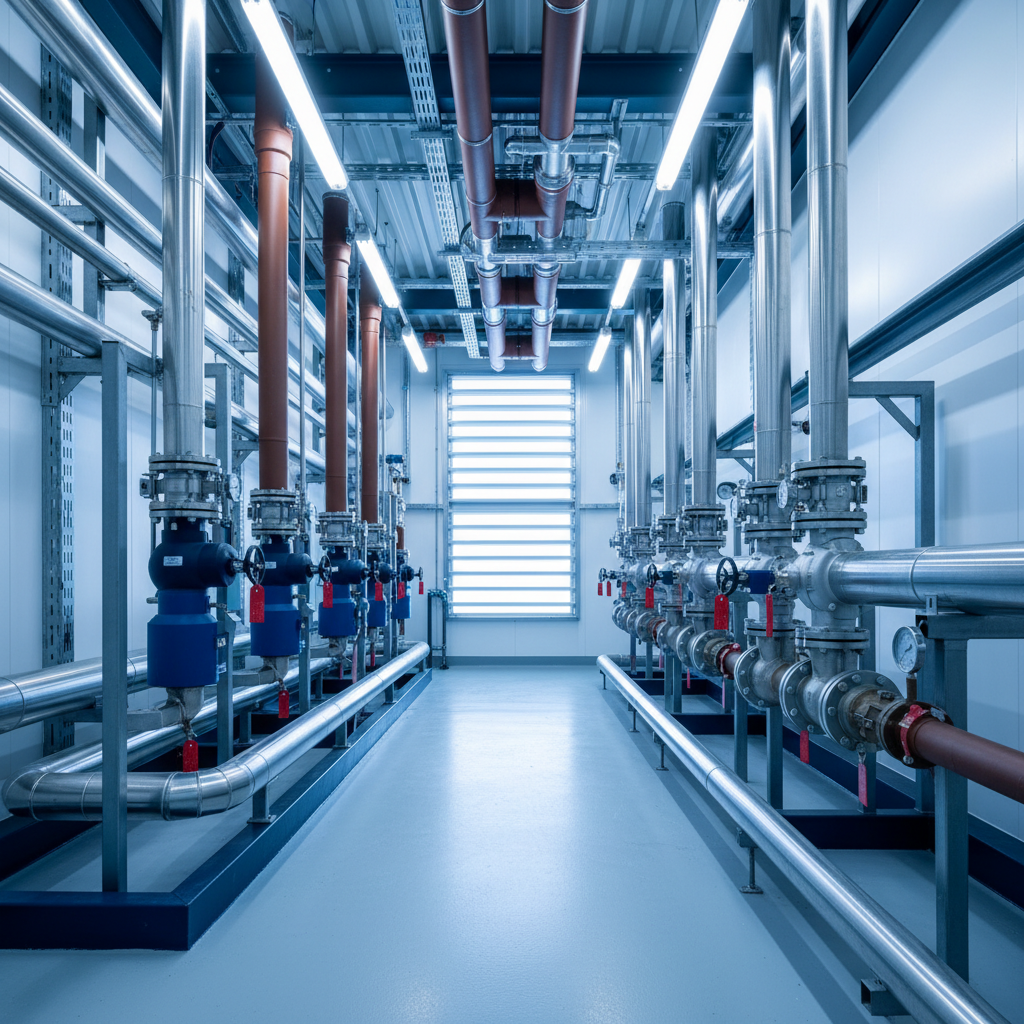
Commercial plumbing encompasses potable water supply, boosted cold water systems, hot water generation and distribution, heating circuits, drainage, waste and vent systems. Unlike domestic installations, commercial systems operate at higher pressures—typically 2-6 bar for standard applications, rising to 8-12 bar for tall buildings with multiple booster sets.
Temperature control becomes critical for both performance and compliance. Stored hot water must maintain 60-65°C for legionella control, while heating circuits vary from 70-80°C in older systems to 40-55°C in modern low-temperature installations designed for heat pump compatibility.
Building services electrical covers LV distribution (230-400V), final circuits feeding HVAC and plumbing equipment, control wiring, fire alarm interfaces, safety isolators, and BMS panels. This isn't just about power—it's about intelligent control systems that manage water temperature, pump staging, and safety interlocks.
UK installations must comply with BS 7671 wiring regulations, with particular attention to Part P requirements for safety in areas where electrical and water systems intersect. Circuit segregation, RCD protection, and proper earthing become essential where pumps, heaters, and control systems operate in potentially wet environments.
The critical interfaces occur at electric water heaters, immersion elements in cylinders, pressurisation units, circulation pumps, and heat pump installations with integrated flow/return pipework. These connection points determine system reliability more than any individual component specification.
Inrush current from pump starts can trip undersized breakers. Water quality affects element life in electric heaters. Thermal expansion in pipework creates stress on electrical connections. Leak risk around electrical enclosures demands careful IP rating selection and drain management.
Copper remains the benchmark for commercial hot water systems, available in 15-108mm sizes with proven high temperature and pressure tolerance. Typical working pressures reach 16 bar at 65°C, with bacteriostatic properties that inhibit bacterial growth. For more on how proper pipework installation impacts system performance, see this case study on chiller pipework installation at Coventry University.
Selecting optimal piping requires evaluating water quality, operating temperature ranges, building height pressures, and anticipated service life. A 20-year design horizon suits cost-conscious retrofits, while 50-year specifications match new construction investment strategies. Building access for future replacement weighs heavily—ceiling void runs allow easier material choices than embedded wall installations.
UK office environments typically prioritise consistent hot water delivery and minimal noise transmission. Retail spaces demand rapid temperature recovery during peak periods. Light industrial applications focus on freeze protection and impact resistance where exposed pipework faces operational hazards.
Maximum continuous temperatures separate these materials: PEX operates reliably at 82-95°C ratings while copper handles 110°C+ without degradation. Expansion behaviour requires different fixing strategies—copper needs supports every 300-400mm spacing, PEX extends to 500-600mm intervals due to flexibility.
Water hammer performance favours PEX through inherent damping characteristics, reducing noise complaints in multi-tenant buildings. Ring main configurations in small offices benefit from PEX's reduced joint count, while copper risers in high-rise applications provide superior pressure handling and theft resistance.
Plant room applications demand copper for exposed runs where mechanical damage risk exists. PEX excels in ceiling void distributions where access permits future modifications without extensive building work.
PVC drainage systems handle gravity flows effectively in condensate management, rainwater collection, and low-temperature waste applications. Chemical resistance suits certain laboratory and catering waste streams, subject to specific compatibility verification.
High-temperature hot water systems create immediate liability with PVC—material failure occurs rapidly above 40°C continuous operation. Pressurised systems exceed PVC's 1-bar limitations, causing catastrophic joint failures. Fire risk areas prohibit PVC where flame spread could compromise escape routes or electrical equipment.
Boiler condensate lines represent ideal PVC application—21.5mm uPVC handles acidic condensate effectively while primary heating circuits require steel or copper construction for temperature and pressure demands.
Internal corrosion symptoms include brown water discolouration, progressively reduced flow rates, and pinhole leaks at threaded connections. Design life typically spans 30-50 years, frequently exceeded in 1960-80s commercial stock still operating with original installations.
Mapping legacy galvanised sections requires systematic tracing from incoming mains through distribution points. Prioritise replacement starting with potable water supplies serving critical tenant areas, followed by heating circuits showing visible corrosion evidence.
Replacement strategies benefit from phased approaches—targeting worst-performing sections first while maintaining system operation. Temporary bypass provisions allow weekend or night-time cutover periods, minimising tenant disruption.
Systematic material selection follows defined logic: identify water quality parameters and operating temperature ranges, assess local fire strategy requirements and exposure risks, determine expected asset life matching investment horizons, then specify materials by building zone—plant rooms, vertical risers, tenant areas, and external sections each demand different approaches.
Hybrid solutions often provide optimal results—copper risers feeding PEX distribution networks combine pressure capability with installation efficiency. Professional M&E specialists guide these decisions through experience with similar building types and operational requirements. For more insights on urgent building issues, see 7 commercial building maintenance problems you need to fix ASAP.
| Material | Lifespan | Capex Impact | Opex Impact | Best Commercial Use |
|---|---|---|---|---|
| Copper | 50+ years | High | Low | Risers, plant rooms, exposed areas |
| PEX | 25-30 years | Medium | Low | Distribution, ceiling voids, retrofits |
| PVC | 20-25 years | Low | Medium | Drainage, condensate, cold water only |
| Galvanised | 30-50 years | N/A | High | Legacy replacement priority |
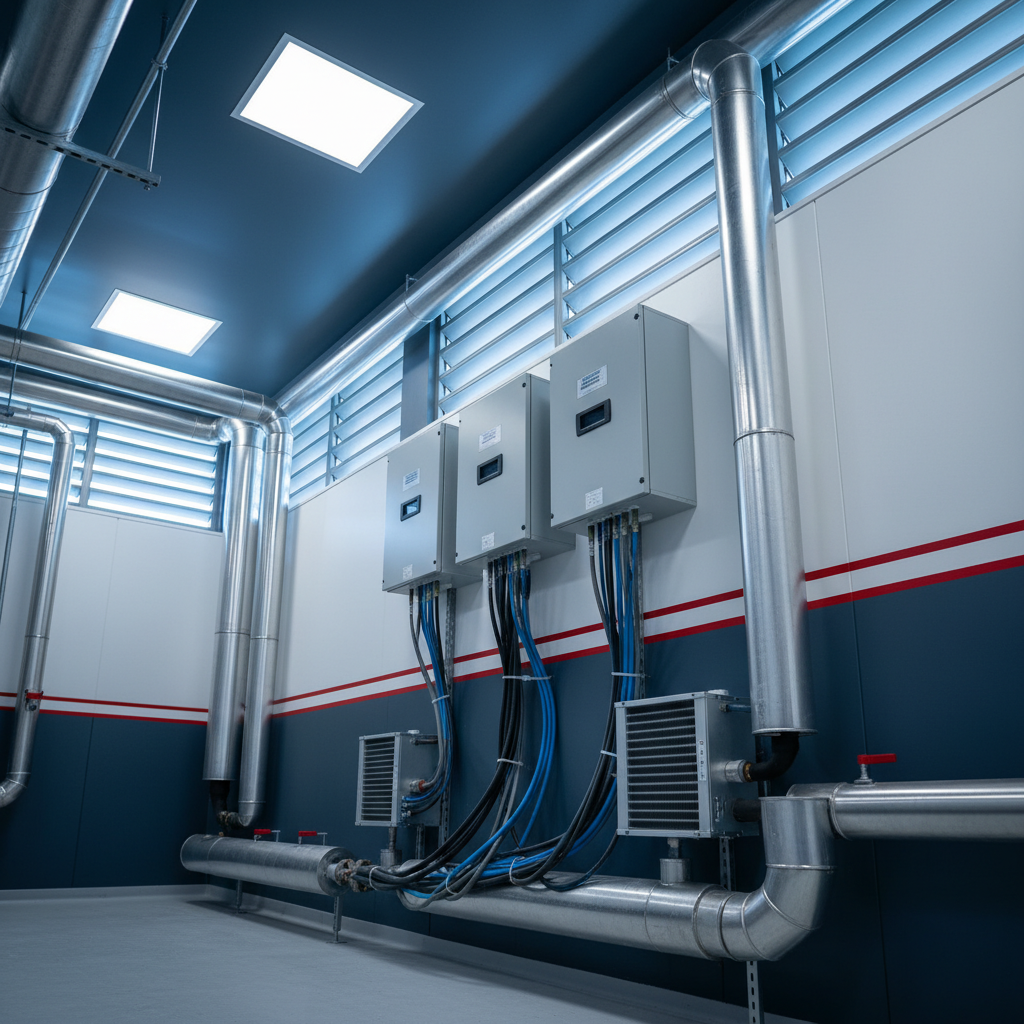
Electric tankless (on-demand) systems operate at 9-27kW single unit ratings, delivering 4-5 litres per minute at 35°C temperature rise from 12kW units. Three-phase electrical supply requirements suit commercial installations with adequate electrical infrastructure capacity. For reliable heating solutions, consider commercial heating systems designed for modern estates.
Electric conventional cylinder systems provide 120-300L capacities for standard office applications, scaling to 1000L+ for high-demand washroom blocks. Reheat performance varies by manufacturer and element rating, but typical commercial cylinders can recover full capacity in 30-60 minutes with 6-12kW immersion elements. These are ideal for sites with predictable peak demand and overnight reheat cycles.
Heat pump water heaters extract ambient heat from air or water sources, delivering 2.5-4.0 COP (Coefficient of Performance) for significant energy savings over direct electric. They require careful siting for airflow and condensate management, and are best suited to new builds or major refurbishments where plant room space and infrastructure can be optimised.
For facilities with critical cooling needs, air conditioning is equally vital for occupant comfort and equipment protection.
To ensure your systems remain compliant and efficient, schedule a M&E/HVAC compliance health check with experienced professionals.
For more information on workplace safety and regulatory requirements, refer to the Housing Health and Safety Rating System operating guidance.
Wondering if your plumbing system is due for attention? Check out 10 signs you need to call a professional plumber for practical tips.
Electrical and plumbing systems in commercial buildings are interdependent—electrical components power plumbing equipment like pumps and heaters. Treating them separately overlooks how failures in one can cascade into the other, increasing downtime and repair costs. Integrated management ensures system reliability, compliance, and smoother maintenance.
Copper pipes offer superior durability, lasting over 50 years under UK water conditions, and can handle pressures up to 16 bar at 65°C. They have natural bacteriostatic properties that inhibit bacterial growth, enhancing water quality. Although copper costs 40-60% more upfront, its longevity and reliability deliver better long-term value compared to PEX, PVC, or galvanised alternatives.
If electrical circuits are undersized for plumbing equipment like pumps, it causes frequent trips, equipment stress, and premature failures. This mismatch triggers emergency repairs, costly call-outs, and extended downtime, which directly impact business continuity and revenue. Proper integration prevents these avoidable breakdowns by aligning electrical capacity with plumbing demands.
Ignoring the interplay between electrical and plumbing systems can lead to non-compliance with standards like SFG20 and Gas Safe regulations, risking safety and legal penalties. It also increases the chance of system failures, inefficient energy use, and unplanned downtime. Compliance requires a holistic approach to maintain asset integrity and protect people and property.