Best overall maintenance services for Birmingham property owners.
Commercial property management requires more than just reacting to breakdowns. It demands a strategic approach to asset protection, regulatory compliance, and operational continuity. For building owners in the West Midlands, understanding the full scope of required services is the first step toward securing a reliable maintenance partner. The best overall maintenance services for Birmingham property owners deliver a seamless blend of technical precision and commercial foresight, ensuring your facilities remain compliant and efficient throughout the year.
Key Takeaways
- Good property maintenance goes beyond fixing breakdowns and requires a planned strategy to protect your assets and stay compliant with regulations.
- Building owners in the West Midlands need a partner who combines hands-on technical skill with a clear understanding of commercial priorities.
- Year-round efficiency and compliance depend on having a maintenance provider that thinks ahead and keeps your facilities running smoothly.
- A reliable maintenance service should handle everything from emergency repairs to scheduled inspections so you can focus on your core business.
Top-tier maintenance providers cover essential mechanical systems, emergency response protocols, and site-specific enhancements. You should expect comprehensive HVAC servicing, rigorous plumbing inspections, certified electrical checks, and sustainable upgrades tailored to local climate demands.
What Comprehensive Maintenance Services Should Birmingham Property Owners Expect?
I have spent 24 years inside plant rooms and on roofing pitches across the Midlands. When you engage a professional facility management team, you are looking for a structured framework, not a random collection of tradespeople. Comprehensive maintenance spans critical mechanical systems, rapid emergency response, and climate-adaptive site improvements.
HVAC, Plumbing, Electrical, and General Repairs: The Core Services
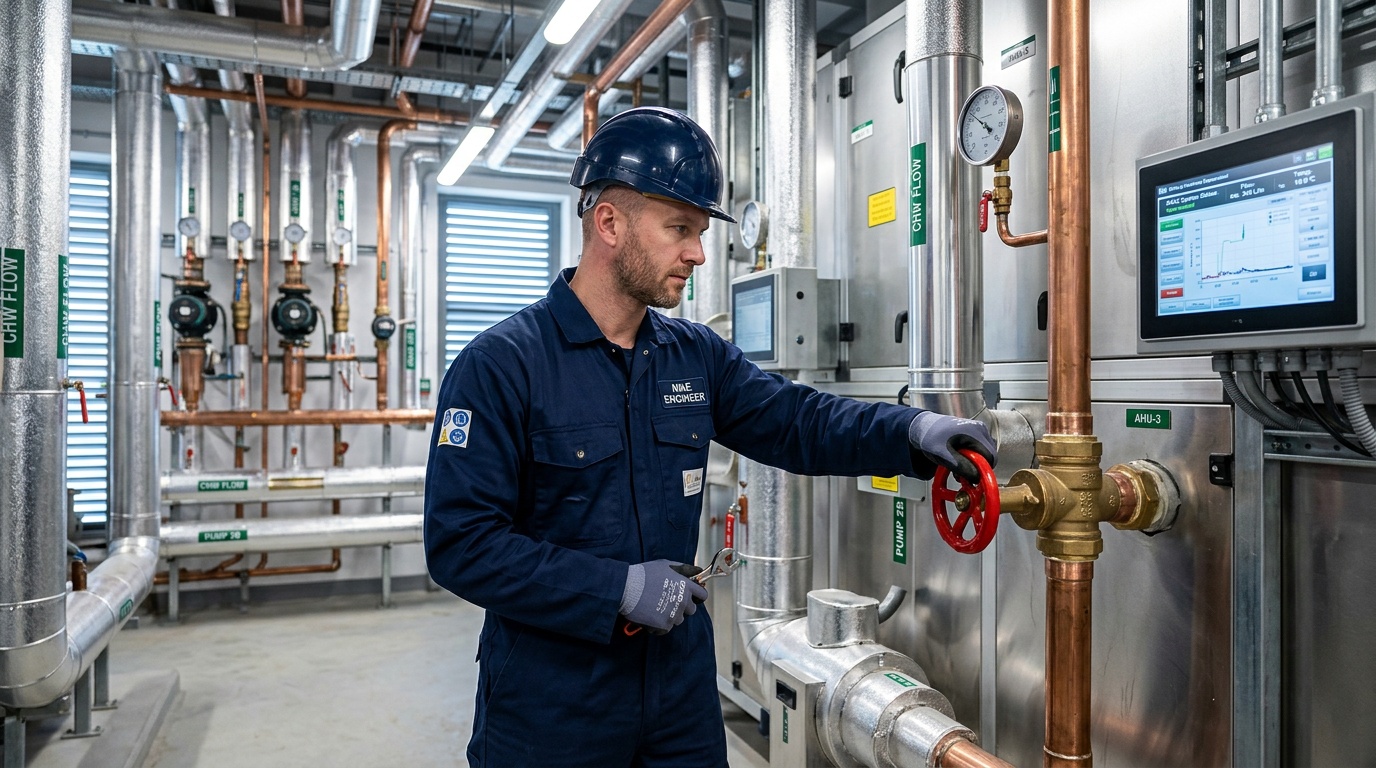
The backbone of any commercial building relies on its mechanical infrastructure. Heating, ventilation, and air conditioning systems require regular filter replacements, coil cleanings, and refrigerant checks to maintain efficiency and meet F-Gas regulations. Simultaneously, plumbing networks must be inspected for leaks, pressure drops, and drainage blockages. Electrical systems demand periodic testing and inspection to guarantee safety compliance. At M&E Maintenance Solutions, we treat these core services as interconnected rather than isolated tasks. A failing compressor increases energy consumption, which strains your electrical grid. We address the entire ecosystem to prevent cascading failures.
Emergency Maintenance: Why 24/7 Availability Matters
Breakdowns rarely occur during standard business hours. A burst pipe on a Saturday morning or a total HVAC failure during a heatwave can halt operations instantly. Reliable providers must offer round-the-clock emergency call-out services. You need a team that dispatches engineers within hours, not days. Downtime translates directly to lost revenue and tenant dissatisfaction. A structured emergency protocol ensures that critical systems are restored swiftly, minimising disruption to your business continuity.
Beyond the Basics: Landscaping, Pool Care, and Sustainable Upgrades
Modern property management extends beyond internal mechanics. External factors influence building health significantly. Grounds maintenance, including gutter cleaning and drainage flushing, prevents water ingress. For properties with leisure facilities, pool care and chemical balancing are essential. Furthermore, forward-thinking owners invest in sustainable upgrades. Integrating air source heat pumps, solar photovoltaic arrays, and LED lighting retrofits reduces long-term operational costs. These improvements align with net-zero targets while lowering utility expenditure.
| Service Category | Essential Frequency | Key Compliance Standard | Commercial Impact |
|---|---|---|---|
| HVAC Servicing | Quarterly | F-Gas & SFG20 | Energy efficiency & tenant comfort |
| Plumbing & Drainage | Bi-annually | Water Regulations | Prevents water damage & mould |
| Electrical Testing | Annually | EICR & BS7671 | Legal safety compliance |
| Emergency Call-Out | 24/7/365 | Service Level Agreements | Minimises business downtime |
Why Proactive Maintenance Saves You Money (Especially in Birmingham's Climate)
Many facility managers view maintenance as a cost centre. I view it as an asset preservation strategy. Proactive maintenance reduces overall repair costs by up to 30% compared to reactive approaches (source: Birmingham Property Management). When you address minor wear before it becomes a major failure, you protect your capital investment and maintain predictable budgeting.
The Hidden Costs of Reactive Repairs
Waiting for equipment to fail is a financially dangerous strategy. Emergency call-outs command premium rates. Unplanned downtime disrupts tenant activities and damages your commercial reputation. Furthermore, major component replacements cost significantly more than routine replacement parts. A blocked filter is inexpensive to replace; a burnt-out compressor requires extensive labour and parts procurement. Reactive maintenance also accelerates asset depreciation, reducing your property valuation over time.
Birmingham's Weather Challenges: Rain, Drought, and Mildew
The West Midlands climate presents specific environmental stresses. Birmingham experiences high annual rainfall, which saturates roofing membranes and overwhelms drainage systems if gutters remain blocked. Prolonged dry periods followed by heavy downpours cause ground movement and subsidence risks. High humidity levels encourage mould growth in ventilation ducts. Proactive providers adjust their inspection schedules to address these seasonal variations. We clear debris before storm seasons and check insulation integrity during temperature fluctuations to prevent condensation damage.
How Planned Preventative Maintenance (PPM) Protects Your Assets
A structured PPM schedule transforms maintenance from a chore into a systematic safeguard. Engineers follow detailed checklists that document every valve, switch, and sensor. This approach generates a complete asset history, which is invaluable for warranty claims and future refurbishments. Regular servicing keeps equipment operating at peak performance, ensuring you get the best overall maintenance services for Birmingham property owners. A well-maintained building commands higher rental yields and attracts premium tenants who prioritise operational reliability.
Proactive Maintenance Strategy
Pros
- Reduces emergency call-out costs by up to 30%
- Extends the operational lifespan of mechanical assets
- Ensures continuous regulatory compliance and safety
- Stabilises annual facility management budgets
Cons
- Requires upfront budget allocation before breakdowns occur
- Necessitates detailed record-keeping and scheduling
- Demanding strict adherence to inspection timelines
How to Vet a Maintenance Provider: A Birmingham Property Owner's Checklist
As a property owner in Birmingham, selecting the right maintenance partner is not just about getting a leaky tap fixed; it’s about safeguarding your investment, ensuring tenant satisfaction, and maintaining legal compliance. I’ve seen too many businesses fall foul of choosing the wrong provider. It starts with a clear process of due diligence. You must ask the right questions and look for specific credentials before signing on the dotted line. This checklist is designed to help you cut through the noise and find a provider you can trust to deliver the best overall maintenance services for Birmingham property owners.
Licensing, Insurance, and Certification Requirements
The first layer of vetting should always involve verifying a provider's foundational qualifications. In the UK, certain trades require specific certifications to operate legally and safely. For instance, gas work must be conducted by Gas Safe registered engineers, and refrigeration systems fall under F-Gas regulations. A reputable firm will readily provide proof of these certifications for their engineers. Equally important is their insurance coverage. Public liability insurance protects you from claims should accidental damage or injury occur on your property. Employers' liability insurance covers their staff. Always ask for copies of their current certificates and policies. For commercial buildings, adherence to standards like SFG20 is a strong indicator of professionalism and a commitment to proper maintenance protocols.
Red Flags: Billing Errors, Poor Communication, and Unsafe Practices
Your facility management partner should operate with transparency and efficiency. Be wary of providers who exhibit certain warning signs. Frequent billing errors or unclear invoices that require multiple calls to resolve are a major red flag, suggesting disorganisation or potential overcharging. Poor communication, such as unanswered calls, delayed responses to emails, or a lack of clear updates on job progress, indicates a lack of commitment to client service. You should also be alert to any signs of unsafe working practices on-site. For example, staff not using appropriate personal protective equipment (PPE), poor waste disposal, or lack of proper site safety assessments. These issues not only pose risks to your property and personnel but also suggest a disregard for regulatory compliance, which can have serious legal ramifications.
Questions to Ask Before Signing a Contract
Before you commit, engage in a thorough discussion. Ask potential providers about their response times for routine and emergency calls. What are their guaranteed Service Level Agreements (SLAs)? Inquire about their approach to Planned Preventative Maintenance (PPM); do they offer a structured schedule tailored to your building's specific needs? Understand their reporting procedures: how will you be kept informed about completed works, ongoing issues, and upcoming requirements? Ask about their staff's qualifications and ongoing training, especially concerning new technologies or regulatory changes. Finally, request references from clients with similar property portfolios in the Birmingham area. Speaking to existing clients provides invaluable insight into their reliability, quality of work, and overall customer service. A provider like M&E Maintenance Solutions, with its clear focus on commercial building maintenance and compliance, will welcome these questions and provide comprehensive answers.
Your Maintenance Provider Vetting Checklist
- Licensing & Certifications: Verified Gas Safe, Refcom F-Gas, BES, ISO 9001, SafeContractor?
- Insurance: Current Public Liability and Employers' Liability certificates provided?
- SFG20 Compliance: Do they maintain to industry-standard SFG20 protocols?
- Response Times: Clearly defined SLAs for routine and emergency call-outs?
- PPM Schedule: Customised, proactive maintenance plan offered?
- Reporting: Transparent, timely reporting on works and recommendations?
- Staff Training: Engineers up-to-date with current regulations and technologies?
- References: Available for similar commercial properties in the region?
- Billing Transparency: Clear, itemised invoices with no hidden charges?
- Communication: Responsive and professional communication channels?
The True Cost of Poor Maintenance: Billing Errors, Downtime, and Legal Risks
It’s a simple truth I’ve learned over 24 years in this trade: the cheapest option upfront often proves to be the most expensive in the long run. Cutting corners on maintenance or hiring unqualified providers doesn't just lead to inconvenience; it incurs significant financial penalties, operational disruption, and serious legal exposure. For property owners in Birmingham, understanding these hidden costs is paramount to budgeting effectively and protecting your assets. The best overall maintenance services for Birmingham property owners are those that prevent these costly issues from arising in the first place.
Common Billing Disputes and How to Avoid Them
One of the most frustrating aspects of dealing with subpar maintenance providers is inaccurate or inflated billing. This can manifest as charges for work not performed, excessive mark-ups on parts, or labour hours that don't reflect actual time spent. Such disputes erode trust and consume valuable management time. To avoid these pitfalls, insist on detailed, itemised invoices that clearly break down labour, parts, and any additional charges. A provider with a clear, transparent pricing structure and a commitment to accurate record-keeping is essential. For example, if a service provider claims to have spent four hours on a simple task, question the scope and efficiency of that work. Implementing a clear authorisation process for any work exceeding a certain cost threshold also helps maintain control and prevents unexpected expenses. Properties with deferred maintenance often see their repair costs increase by up to 30% compared to proactive strategies, according to industry data.
Property Damage from Reckless or Unqualified Staff
When maintenance staff lack proper training, experience, or a commitment to care, the risk of property damage escalates dramatically. This could range from minor cosmetic issues, like scratches on flooring or walls, to severe structural damage caused by incorrect system operation or accidental breaches. For instance, an unqualified individual attempting HVAC repairs might inadvertently cause refrigerant leaks, damaging sensitive components or posing an environmental hazard. Similarly, improper handling of plumbing systems can lead to burst pipes and extensive water damage. Beyond the immediate repair costs, such incidents can lead to tenant dissatisfaction, potential legal claims, and a significant reduction in property value. Choosing providers who invest in ongoing staff training and adhere to strict safety protocols is not an optional extra; it's a necessity for protecting your building.
Compliance Failures: SFG20, Gas Safe, and F-Gas Regulations
Failure to comply with mandatory regulations is a direct route to legal trouble and financial penalties. For commercial properties in the UK, several key standards must be met. SFG20 provides a benchmark for planned preventative maintenance, ensuring systems are kept in optimal condition. Gas Safe Register certification is non-negotiable for anyone working on gas appliances, safeguarding against carbon monoxide poisoning and explosions. The F-Gas Regulation governs the use and handling of fluorinated greenhouse gases found in air conditioning and refrigeration systems, requiring certified engineers and meticulous record-keeping to prevent leaks. Non-compliance in any of these areas can result in hefty fines, prohibition notices from regulatory bodies, and potential criminal prosecution. Moreover, insurance policies may be invalidated if damage results from a breach of statutory duties. A professional maintenance firm will have a clear strategy for ensuring compliance across all services, protecting you from these severe risks.
Common Concerns About Maintenance Risks
What happens if my maintenance provider causes damage?
You should immediately document the damage and notify your provider. If they are properly insured, their public liability insurance should cover the costs. If not, you may have to pursue legal action, which highlights the importance of vetting their insurance beforehand.
How can I ensure my property remains compliant with regulations?
Partner with a maintenance provider that demonstrates a clear commitment to compliance. They should proactively manage certifications, keep detailed records, and regularly update their practices to meet evolving legal requirements, such as those outlined by SFG20, Gas Safe, and F-Gas regulations.
Are there specific legal obligations for landlords in Birmingham regarding maintenance?
Yes, landlords have a legal duty to ensure properties are safe and well-maintained. For non-emergency issues, Alabama law typically requires repairs within 14 days (Title 35, Chapter 9A). Failure to meet these obligations can lead to legal challenges and penalties.
Why Local Expertise Matters: MEMS Facilities Maintenance's Approach to Birmingham Properties

After 24 years in the trade. Starting as an apprentice combustion engineer and now overseeing a team of specialists. I understand the difference between a maintenance contract and a true partnership. For Birmingham property owners, the choice of provider directly impacts operational uptime, energy costs, and legal compliance. Local knowledge matters because every building has a unique history, every climate zone presents specific challenges, and every facility manager deserves a partner who understands the region's distinct demands. That is precisely why M&E Maintenance Solutions builds relationships rather than just dispatching engineers.
Our 24/7/365 Commitment to Birmingham Property Owners
Breakdowns do not schedule themselves conveniently around bank holidays or weekends. A HVAC failure during a summer heatwave or a plumbing issue on Christmas morning can halt operations for a retail centre or office block. We maintain a fully manned emergency desk that dispatches certified engineers within hours, not days. Our team holds Gas Safe, Refcom F-Gas, and SafeContractor certifications, ensuring every response meets the highest safety standards. Over 20 core staff members, supported by strategic partners across the Midlands, guarantee that your facility never waits long for resolution. This round-the-clock capability transforms an emergency from a crisis into a manageable event. When you choose M&E Maintenance Solutions, you secure a partner who treats your building's uptime as seriously as you do.
The MEMS Standard: Right First Time, Every Time
Cutting corners in maintenance creates cascading failures that erode asset value. Our philosophy is straightforward: diagnose properly, fix thoroughly, and verify compliance. We do not apply temporary patches that fail weeks later. Instead, we assess the entire system. Checking for contributing factors such as incorrect airflow, pressure imbalances, or ageing components. Our engineers maintain detailed digital records of every visit, documenting compliance against SFG20 standards and regulatory requirements. This approach reduces repeat call-outs and provides you with a transparent asset history. The best overall maintenance services for Birmingham property owners are built on this principle: thoroughness saves money over time. We refuse to compromise on quality, even when a quick fix might appear cheaper upfront.
"M&E Maintenance Solutions transformed our approach to facility management. Their engineers identified a refrigerant leak that three previous providers had missed. The rectification saved us over £4,000 in annual energy costs and prevented a major system failure. Their 24/7 response is genuinely exceptional."
Sustainable Solutions: Heat Pumps, Solar PV, and LED Upgrades
Forward-thinking property owners recognise that sustainability reduces operational expenditure while improving tenant satisfaction. M&E Maintenance Solutions offers a suite of energy-efficient upgrades designed for commercial buildings across the West Midlands. Air source heat pumps provide efficient heating and cooling with lower carbon emissions than traditional gas systems. Solar photovoltaic arrays generate on-site electricity, offsetting grid consumption and providing long-term cost stability. LED lighting retrofits reduce electricity usage by up to 70% while improving illumination quality and requiring less frequent replacement. Each solution is evaluated for compatibility with your existing infrastructure, ensuring a seamless integration. By investing in these upgrades, you not only lower utility bills but also future-proof your property against tightening environmental regulations. Sustainable maintenance is not a trend. It is a strategic business decision that enhances asset value and operational efficiency.
References
Frequently Asked Questions
Which maintenance services do commercial property owners in Birmingham need most?
The most critical services for commercial property owners in Birmingham are HVAC servicing, plumbing inspections, and electrical testing. These core mechanical systems keep your building compliant and efficient. Emergency call-out cover is also essential because breakdowns happen outside business hours.
What is the most important rule for commercial property maintenance?
The golden rule for commercial property maintenance is proactive planned preventative maintenance (PPM). Addressing minor wear before it becomes a major failure reduces overall repair costs by up to 30%. It protects your asset value and prevents costly emergency call-outs.
What are the 5 Ps of property management for commercial buildings?
The 5 Ps of property management for commercial buildings are Planning, Prevention, Performance, Partnership, and Profitability. A structured maintenance plan prevents failures, ensures systems perform efficiently, relies on a trusted partner, and ultimately protects your bottom line.
How much should I budget for commercial property maintenance in Birmingham?
Budget around 1 to 2 per cent of the property's value annually for routine maintenance. However, proactive maintenance can reduce total costs by up to 30 per cent compared to reactive repairs. A structured service schedule helps with predictable budgeting.
What is the 50 per cent rule in commercial property maintenance?
The 50 per cent rule suggests that half of your rental income should go towards operating expenses, including maintenance. For commercial properties, this covers HVAC, plumbing, electrical, and emergency services. A good maintenance partner helps you stay within that budget.
Why is emergency maintenance availability critical for Birmingham property owners?
Emergency maintenance availability is critical because breakdowns rarely happen during office hours. A burst pipe or HVAC failure on a weekend can halt operations. 24/7 emergency call-out ensures engineers arrive within hours, not days, minimising downtime and tenant dissatisfaction.
How does Birmingham's climate affect commercial property maintenance needs?
Birmingham's high rainfall and humidity cause drainage blockages, mould growth, and subsidence risks. Proactive maintenance adjusts inspection schedules for seasonal changes, clearing debris before storms and checking insulation to prevent condensation damage. This protects your building fabric and internal systems.