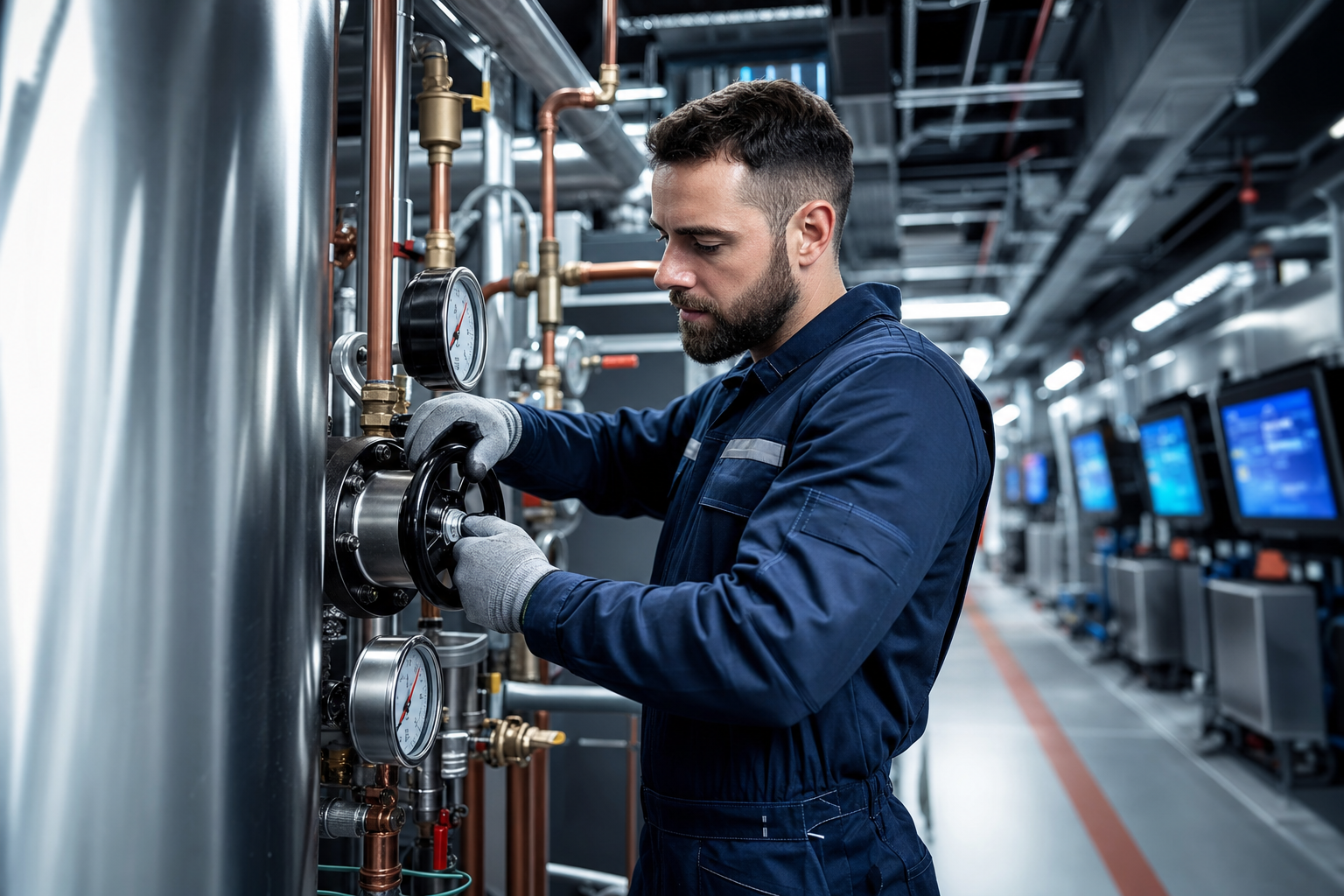
Where to get budget plumbing for commercial?
The Real Cost of 'Budget' Plumbing for Your Commercial Property
Finding affordable commercial plumbing isn't about accepting the cheapest quote. Smart facility managers focus on value-driven partnerships that combine competitive pricing with proven reliability, compliance expertise, and preventative maintenance strategies.
Why 'Cheap' Becomes the Most Expensive Fix
I've spent 24 years in mechanical services watching property managers learn this lesson the hard way. That £200 "bargain" pipe repair? It becomes a £3,000 emergency when poor workmanship floods your tenant's office space.
Here's the mathematics: one properly executed repair lasting five years costs less than three botched jobs requiring constant attention. Emergency call-outs cost three times more than planned maintenance visits. Water damage claims can devastate your insurance premiums for years.
What Actually Drives Commercial Plumbing Costs
Three elements determine your final bill: labour expertise, quality components, and compliance documentation. Skilled engineers charge more per hour because they diagnose problems accurately the first time. No trial-and-error guesswork.
Quality fittings and fixtures reduce call-back frequency. Proper certification protects against regulatory penalties. These aren't optional extras. They're business protection.
Hidden Fees That Destroy Your Budget
Most commercial plumbing quotes exclude call-out charges, weekend premiums, and materials mark-up. Professional contractors provide transparent, itemised estimates covering labour, parts, disposal fees, and compliance certification.
Watch for quotes missing VAT, permit costs, or access equipment charges. Emergency work attracts premium rates. Typically double standard pricing. I recommend budgeting contingency funds equivalent to 15% of annual maintenance spend. This prevents rushed decisions during crises.
Where to Source Affordable Commercial Plumbing You Can Trust
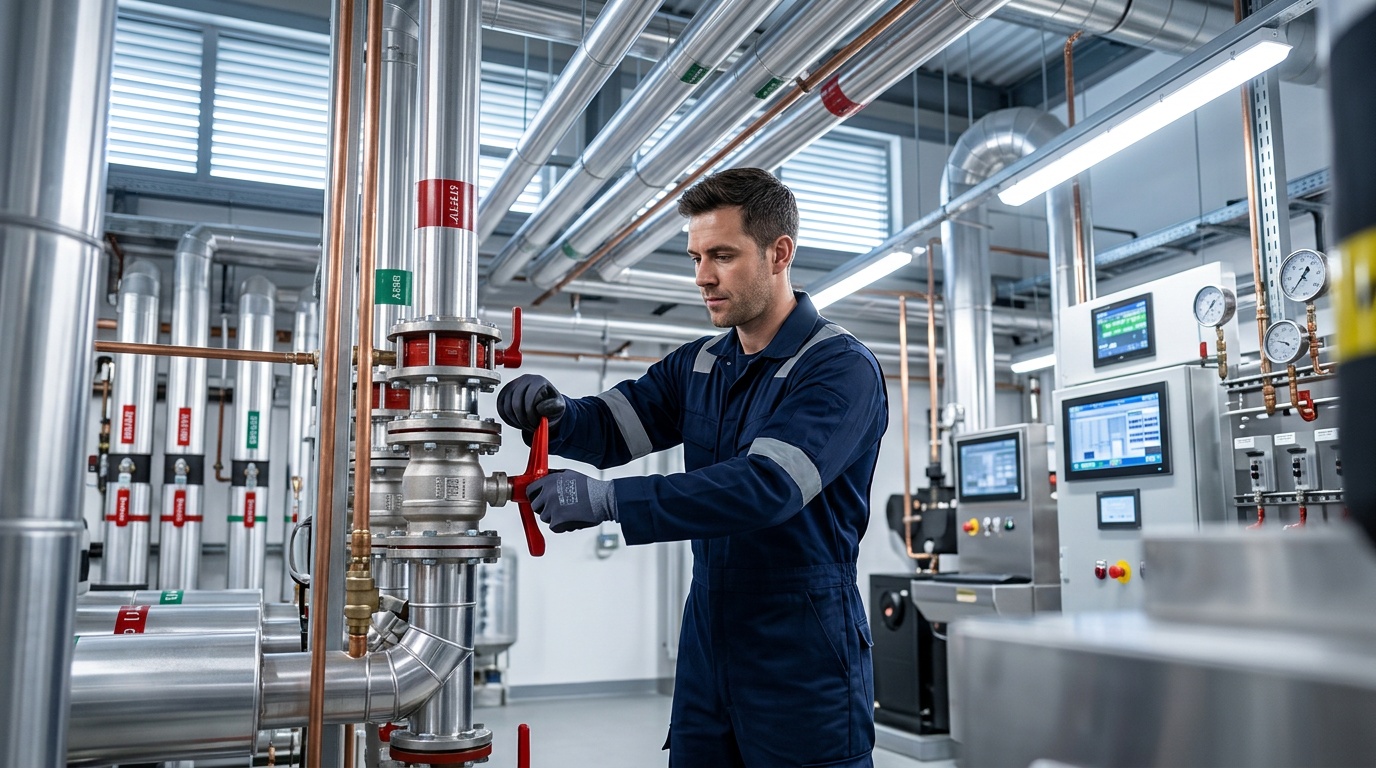
Strategic Sourcing Beyond Yellow Pages
Industry associations, mechanical engineering networks, and specialist commercial directories provide access to vetted contractors with proven track records. Local authority frameworks often feature pre-qualified suppliers offering competitive rates whilst meeting stringent compliance standards.
Word-of-mouth recommendations from property managers and facilities teams carry weight. These professionals understand commercial requirements. Trade associations like CIPHE maintain member directories featuring qualified professionals committed to industry standards.
PPM: Your Secret Weapon for Cost Control
Planned Preventative Maintenance contracts reduce emergency call-outs by 70%. Regular inspections catch minor issues before they escalate into major failures. Annual service agreements typically cost 40% less than reactive maintenance approaches.
Commercial HVAC Installation and Maintenance programmes can align plumbing checks with broader mechanical services, improving coordination across interconnected building systems.
Prevention Pays
A £150 annual pipe inspection prevents £2,000 burst pipe emergencies. We've seen this calculation play out hundreds of times across our client base.
What Separates Professional Contractors From Opportunists
Professional accreditation separates competent contractors from chancers. Gas Safe registration, REFCOM certification, and CIPHE membership demonstrate commitment to industry standards. These aren't optional. They're legal requirements for commercial work.
Insurance coverage protects your property against workmanship defects and accidental damage. Professional indemnity insurance should be at least £2 million. Public liability coverage should exceed £5 million for substantial commercial projects. Request current certificates before work starts.
The Right Questions Reveal True Value
Direct questioning reveals contractor capabilities and hidden costs. Ask about response times for emergency call-outs, parts sourcing arrangements, and warranty periods. Professional contractors set out their terms in writing.
Pricing transparency indicates professional operations. Request detailed breakdowns showing labour rates, materials costs, and additional charges. Reputable contractors explain their pricing structure clearly.
The M&E Approach: Integrating Plumbing for Long-Term Savings
How Integrated Services Cut Your Total Budget
When heating, ventilation, and plumbing systems operate as a coordinated unit, efficiency improvements compound across building services. Single point responsibility eliminates disputes between trades and streamlines maintenance schedules.
Coordinated programmes align plumbing requirements with broader M&E Maintenance Solutions HVAC Services. This approach reduces scheduling conflicts whilst improving emergency response coordination.
Smart Upgrades That Pay You Back
Modern plumbing technologies reduce operating costs through improved efficiency. Smart water monitoring systems detect leaks quickly, preventing damage whilst cutting consumption. High-efficiency boilers and heat recovery systems slash energy bills whilst meeting environmental regulations.
Investment in commercial-grade fixtures withstands heavy usage whilst maintaining performance standards. Professional installation supports efficiency from day one, improving return on investment through longer service life.
When considering where to get budget plumbing for commercial properties, prioritise providers who can evidence competence, compliance paperwork, and transparent pricing. Cost control comes from fewer failures, not lower hourly rates.
For multi-service sites, verify whether your contractor coordinates with trusted partners for complementary services. If working with M&E Maintenance Solutions, confirm what's delivered directly versus through strategic partners. Clear accountability prevents confusion.
Frequently Asked Questions
How much does commercial plumbing cost per square foot?
From my 24 years in mechanical services, commercial plumbing costs are rarely quoted per square foot. Instead, they are driven by the complexity of the job, the required labour expertise, the quality of components, and the necessary compliance documentation. Focusing on a per square foot rate can lead to overlooking the true value of reliable, long-lasting work.
How much is a commercial plumber per hour?
A qualified commercial plumber typically charges between £45-65 per hour. While this might seem higher than an inexperienced operative at £30 per hour, a skilled engineer completes jobs around 40% faster. This efficiency means the premium pays for accurate diagnosis and quicker resolution, preventing repeat failures and saving money in the long run.
What type of plumbing is used in commercial buildings?
Commercial buildings require plumbing systems that are far more robust and complex than residential ones, built for heavy usage and stringent compliance. The focus is on quality components and skilled installation to ensure reliability and prevent costly disruptions. Proper certification and adherence to industry standards are essential for these systems.
What is the 135 rule in plumbing?
The article focuses on the practical aspects of sourcing budget-friendly commercial plumbing and understanding true costs, rather than specific technical rules like the "135 rule." My experience shows that the real mathematics of commercial plumbing affordability lie in avoiding repeat failures and investing in planned maintenance over cheap, reactive fixes.
What hidden fees should I watch out for in commercial plumbing quotes?
When evaluating quotes for commercial plumbing, always look beyond the initial price. Hidden fees can include call-out charges, weekend premiums, material mark-ups, and costs for permits or access equipment. Professional contractors provide transparent, itemised estimates that cover labour, parts, disposal, and compliance certification upfront.
How can preventative maintenance save money on commercial plumbing?
Planned preventative maintenance (PPM) is a game-changer for controlling commercial plumbing costs. It reduces emergency call-outs by up to 70% and significantly extends equipment lifespan by catching minor issues before they escalate. My experience shows emergency repairs can cost 300% more than planned maintenance, making prevention a clear financial winner.