Building Fabric Repairs & Maintenance options
# Building Fabric Repairs & Maintenance Options Guide
What Building Fabric Maintenance Really Covers for UK Commercial Buildings
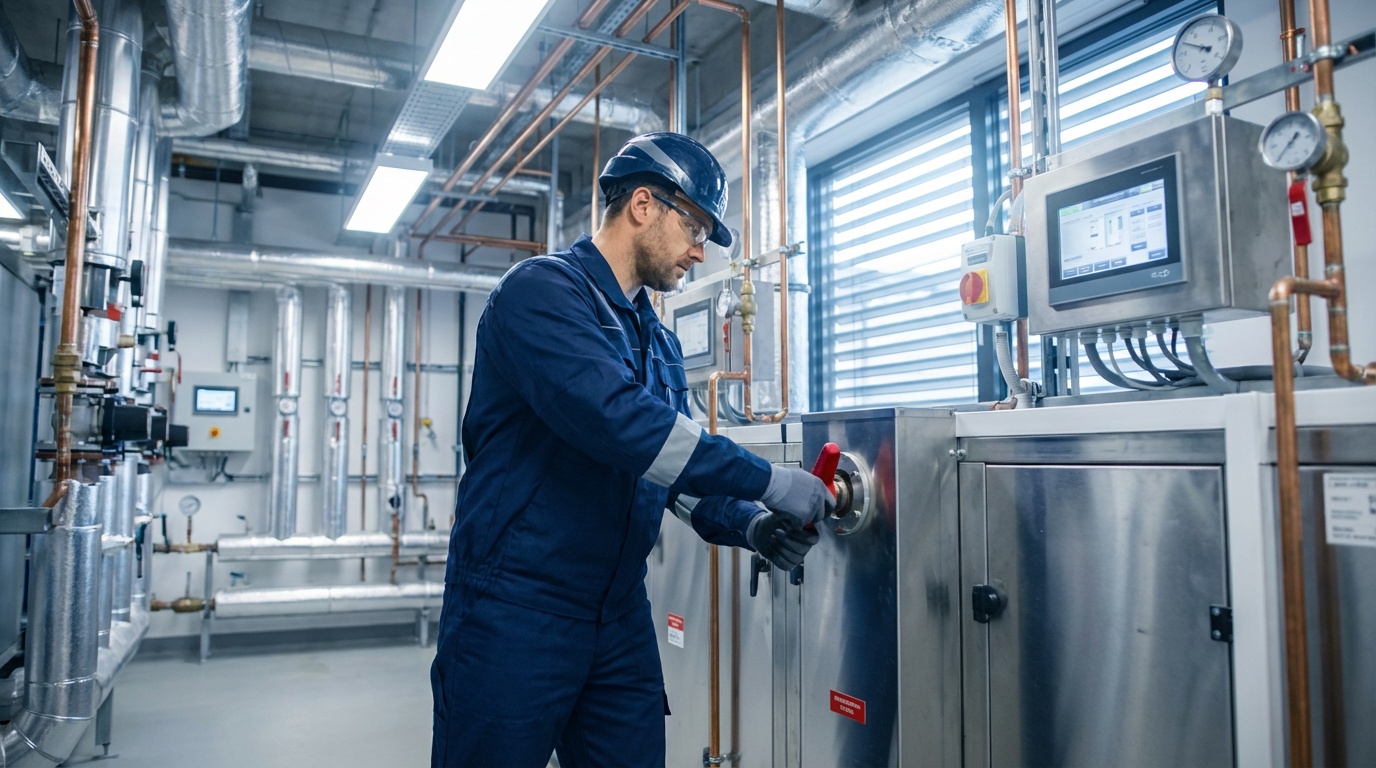
Building fabric encompasses every structural and weatherproofing element that keeps your property watertight, thermally efficient, and safe. It runs from the roof membrane to the ground floor slab, and from external render to internal partition walls.
External Elements: Roofs, Walls, and Drainage Under Weather Assault
The UK's wet climate places extraordinary stress on building envelopes. Flat roofs require quarterly inspections because standing water finds every weak point in membrane joints. Brickwork pointing degrades under freeze-thaw cycles, while render systems crack as buildings settle. Gutters and downpipes clog with leaf matter, causing overflow that saturates walls.
M&E Maintenance Solutions Limited building services technicians address masonry repair, bricklaying, external decorative work, window glazing, and drainage clearance. Our technicians wear clearly identifiable uniforms with displayed identification cards, providing reassurance when accessing your site. We schedule external works during dry-weather windows to ensure proper curing and adhesion.
Internal Elements: Ceilings, Flooring, and Fixtures Without Business Interruption
Internal fabric work demands minimal disruption. Drop ceiling repairs, partition erection, plasterwork, vinyl flooring installation, and carpentry must happen around operational schedules. We've developed methods that allow us to work in occupied commercial spaces--often completing tasks during evening hours or across weekends.
Our approach? Containment: dust extraction, temporary barriers, and phased access. A retail client in the West Midlands required complete ceiling tile replacement across 2,000 square metres while remaining open to customers. We completed the project in two-hour nightly windows over three weeks with zero trading impact.
Integrating Fabric Care with HVAC and Plumbing for Total Building Health
Building fabric doesn't exist in isolation. A roof leak affects ceiling insulation, which impacts HVAC efficiency. Poor external sealing increases heating demand. Drainage blockages can back up into plumbing systems. This is why we provide comprehensive building services rather than siloed trades.
When we conduct fabric inspections, we also assess how mechanical and electrical systems interact with structural elements. Our sustainable maintenance approach includes internally vetted upgrades--heat pumps and solar PV installations that improve building performance while reducing operational carbon. We hold SafeContractor, Gas Safe Register, Refcom F-Gas Certification, and NQA ISO 9001 accreditations, meaning every discipline meets regulatory standards.
For comprehensive building systems support, explore our M&E Maintenance Solutions HVAC services that complement fabric maintenance for optimal building performance.
Planned Preventative Maintenance (PPM): Your Roadmap to Compliance and Savings
SFG20 Inspection Frequencies: Quarterly Checks That Prevent Annual Disasters
SFG20 provides the industry benchmark for maintenance frequencies across all building fabric elements. Roofing systems require biannual inspections to catch membrane degradation before water ingress occurs. External walls and pointing need annual assessments to identify frost damage and spalling before structural compromise develops. Drainage systems demand quarterly checks to prevent blockages that lead to flooding and foundation damage.
These aren't arbitrary timescales. They reflect decades of engineering data on typical failure patterns in UK commercial buildings.
The difference between a £200 quarterly inspection and a £15,000 emergency repair lies entirely in timing. I've walked into plant rooms where a simple gutter blockage, left unchecked for eighteen months, caused water to track down internal walls and destroy electrical distribution boards. The business lost three days of trading during repairs. A single quarterly visit would have identified leaves in the hopper and cleared them in twenty minutes.
From Reactive Fixes to Proactive Schedules: Calculating Your ROI
Track your maintenance spending over twelve months and categorise it: planned visits versus emergency call-outs. Most commercial properties operating reactively spend 75-85% of their budget on unplanned repairs at premium rates. Emergency labour costs double or triple standard rates, parts arrive on next-day delivery at inflated prices, and business interruption compounds the financial damage.
The PPM calculation: A quarterly fabric inspection costs approximately £400-600 depending on building size. An emergency roof repair averages £8,000-12,000 including lost trading time. One prevented failure pays for three years of inspections.
Proactive scheduling transforms this ratio. Planned work happens during off-peak hours, materials arrive at trade prices, and engineers arrive with the correct tools and parts. Your building operates continuously while we maintain it. That continuity is your return: uninterrupted revenue generation.
MEMS Vetted Upgrades: Heat Pumps and Solar PV for Fabric Efficiency
We've internally tested sustainable technologies before recommending them to clients. Our own facilities run on heat pumps and solar PV arrays, giving us operational data on performance, maintenance requirements, and genuine payback periods. We live with these systems daily and understand their integration with structural maintenance.
Fabric improvements amplify renewable technology performance. Installing a heat pump into a building with poor insulation and air leakage wastes capital and operating expenditure. We assess envelope integrity first: roof insulation values, wall cavity performance, window seals, and door thresholds. Once the fabric retains heat effectively, renewable systems operate at design efficiency.
Solar PV integration requires roof structural surveys to confirm load-bearing capacity and membrane condition before mounting frames. We coordinate these disciplines because building systems must work as a unified whole, not isolated interventions.
Learn about our Renewable Energy Solutions that integrate with fabric improvements for greater building efficiency and sustainability.
Common Building Fabric Problems and How to Spot Them Early
Top Issues: Water Leaks, Deterioration, and Blockages in Commercial Settings
Water ingress dominates commercial building fabric failures. Flat roofs develop ponding that accelerates membrane breakdown. Parapet walls allow moisture penetration through failed pointing. Internal signs appear as ceiling stains, wall discolouration, and floor damage--often months after the initial breach. By the time you see visible damage, the structure behind it has suffered extensive deterioration.
Drainage blockages rank second. UK weather patterns deliver intense rainfall that overwhelms neglected guttering and downpipes. Leaves, moss, and debris accumulate in hoppers and create dams. Water overflows onto façades, saturates brickwork, and tracks into internal spaces. Underground drainage suffers root ingress and sediment build-up, causing back-ups that flood plant rooms and storage areas.
Quick Diagnostic Checklist for Facility Managers
- Roof inspection: Walk the perimeter monthly. Look for ponding water, membrane blistering, and blocked outlets.
- External walls: Check pointing condition annually. Crumbling mortar and vegetation growth signal moisture retention.
- Drainage flow: Test during heavy rain. Overflowing gutters indicate blockages requiring immediate clearance.
- Internal ceilings: Brown staining or sagging tiles reveal active leaks demanding urgent investigation.
- Window seals: Condensation between panes or draughts indicate failed units reducing thermal efficiency.
Document findings with photographs and dates. Patterns emerge over time that predict failure points before they become emergencies.
Sustainable Repair Techniques That Cut Long-Term Costs
Modern repair methods extend asset life while reducing environmental impact. Liquid-applied roofing membranes eliminate joints where traditional systems fail, creating seamless waterproofing that can last 25+ years. Breathable wall coatings allow historic brickwork to regulate moisture naturally while protecting against weather damage. These techniques cost marginally more upfront but reduce repeat repairs associated with cheap fixes.
We prioritise repair over replacement when the structure remains sound. Repointing extends masonry life by decades at a fraction of rebuilding costs. Localised concrete repairs can prevent wholesale floor replacement. This approach protects your capital expenditure budget while meeting our environmental commitments. For detailed guidance on principles of repair for historic buildings, refer to principles of repair for historic buildings.
Your Next Steps: Partnering for Reliable Building Fabric Repairs and Maintenance
Audit Questions to Ask Your Current Provider
Your current facilities management arrangement deserves scrutiny. Ask these questions and judge the responses against engineering reality, not sales promises:
- SFG20 compliance: Do they maintain to SFG20 frequencies? Request documentation proving adherence.
- Technician continuity: Will the same qualified engineer attend your site, or do you get whoever is available? Building knowledge matters.
- Emergency response: What's their actual call-out time? Test it. Ring the helpdesk outside office hours and measure the response.
- Certification delivery: Do you receive compliance certificates digitally within 24 hours? Delays expose you legally.
- Proactive reporting: Do they flag developing issues during routine visits, or simply tick boxes? You need insight, not paperwork.
- Reactive spend ratio: Ask them to break down your annual expenditure: planned versus emergency work. If emergency work dominates, your strategy has failed.
Poor answers to these questions indicate you're paying for inadequate service. Commercial buildings require partners who understand that structural maintenance directly impacts your operational continuity and legal standing.
Why MEMS Delivers the Right Standard Every Time
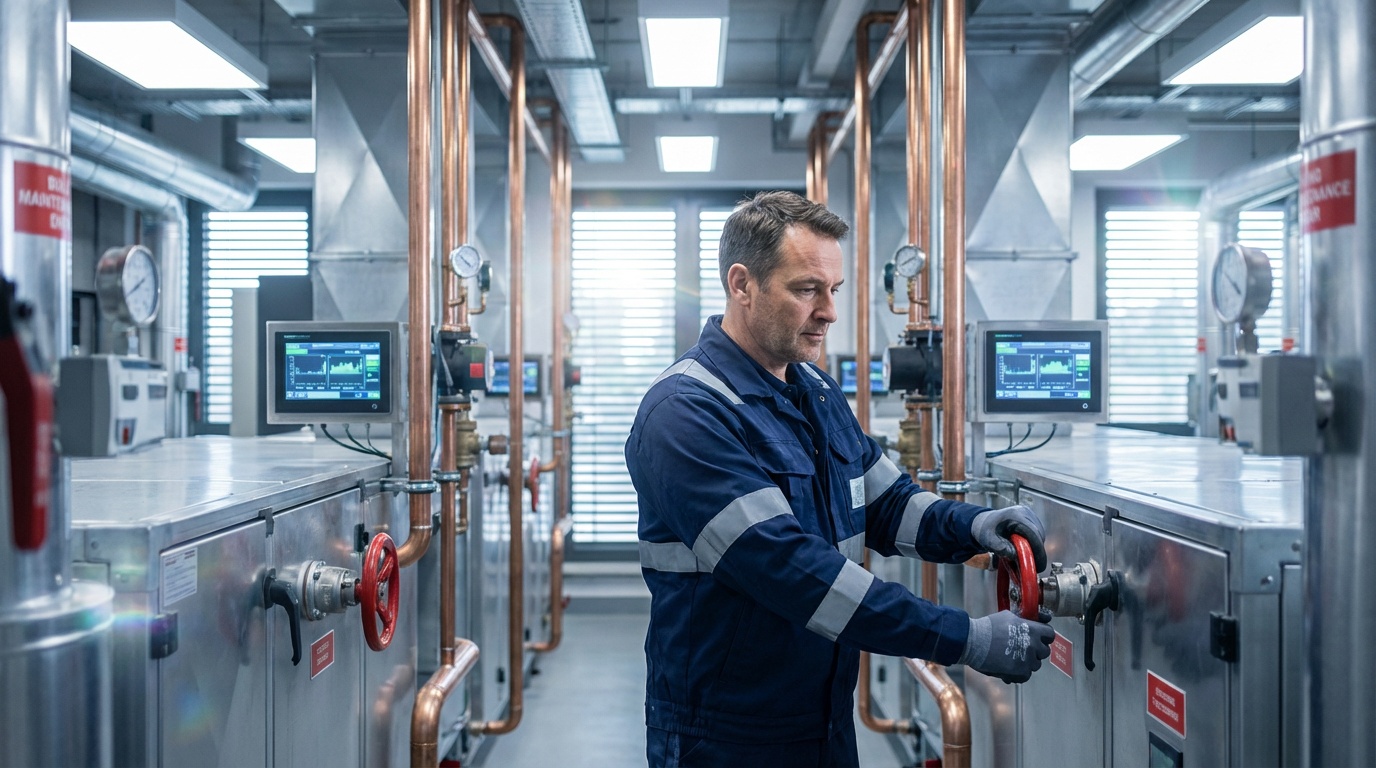
We built M&E Maintenance Solutions Limited to solve the exact problems commercial property managers face with oversized, impersonal facilities management corporations. Our technicians wear clearly identifiable uniforms with displayed identification cards because security and professionalism matter. You'll recognise the engineer who arrives, and they'll know your building's specific quirks and history.
Our certifications span SafeContractor, Refcom F-Gas, Gas Safe Register, BES, and NQA ISO 9001 because compliance forms the foundation of everything we do. We hold these accreditations not for marketing purposes but because they represent the minimum acceptable standard for protecting your assets and your people. Our 24/7 staffed helpdesk means breakdowns get addressed immediately, not during the next business day when damage has multiplied.
We offer comprehensive building fabric services: masonry, bricklaying, carpentry, vinyl floors, concrete work, decorative work, excavation, window glazing, partition erection, plasterwork, drainage, plumbing, scaffolding, and drop ceiling installation and repair. This breadth matters because building systems interconnect. A drainage specialist who can't assess roof condition misses the complete picture. We coordinate all disciplines under one accountable team. To maintain building fabric effectively, see the advice on preventative maintenance.
The MEMS difference: Big enough to cope with complex commercial demands across government, healthcare, education, commercial, leisure, and warehouse sectors. Small enough to care about the details that prevent your 3 a.m. emergency call-out.
Book Your Site Survey: 24/7 Availability for Peace of Mind
We conduct site surveys that assess current fabric condition, identify developing issues, and provide costed recommendations for bringing your building to the required standard. This is an engineering assessment delivered by building services technicians who've spent years on the tools before moving into advisory roles.
Our affordable hourly handyman service and contracted weekly maintenance options give you flexibility to match service intensity to building needs and budget reality. Planned, preventative, and responsive maintenance services adapt as your property portfolio evolves. We minimise disruption and keep your business operational during all servicing work because downtime costs you revenue.
Contact our continuously staffed helpdesk to arrange your survey. We operate 24/7/365 because building failures don't respect office hours. That availability represents our commitment: when you need support, we answer every time.
Frequently Asked Questions
How do you maintain the building fabric of a commercial property?
Maintaining commercial building fabric involves a proactive, planned approach to prevent small issues from escalating. This includes regular inspections of external elements like roofs, walls, and drainage, as well as internal components such as ceilings and flooring. Our goal is to identify and address wear and tear before it leads to costly damage and operational disruption. We schedule works during low-occupancy periods to limit disturbance to your business operations.
What services are included in building fabric maintenance?
Building fabric maintenance services cover every structural and weatherproofing element that keeps your property watertight, thermally efficient, and safe. This includes masonry repair, bricklaying, external decorative work, window glazing, and drainage clearance for external elements. Internally, we handle drop ceiling repairs, partition erection, plasterwork, vinyl flooring installation, and carpentry, all designed to work around your operational schedules.
What are the financial implications of neglecting building fabric repairs?
Neglecting building fabric repairs can lead to significant financial costs far exceeding initial preventative maintenance. A small crack can quickly become a major water ingress issue, causing extensive damage, lost productivity from unplanned closures, and potential compliance fines. Our data shows that clients who shift from reactive to planned maintenance see their fabric repair spend drop by an average of 60% within two years.
What are the main types of building fabric maintenance for commercial properties?
For commercial buildings, the two main types are Planned Preventative Maintenance and Reactive Emergency Repairs. Planned maintenance is scheduled, uses standard rates, and extends asset lifespan, often aligning with SFG20 compliance. Reactive repairs are unplanned, often out-of-hours, come with premium rates, and typically cost 3-5 times more over a ten-year cycle due to compounded damage and business disruption.
How does building fabric maintenance connect with HVAC and plumbing systems?
Building fabric does not exist in isolation from other building systems. A roof leak impacts ceiling insulation and HVAC efficiency, while poor external sealing increases heating demand. We provide comprehensive building services, assessing how structural elements interact with mechanical and electrical systems to ensure total building health. This integrated approach helps improve overall building performance and reduces operational carbon.
Why is compliance important for building fabric repairs?
Compliance with regulations like the Building Safety Act 2022 is critical, placing direct accountability on building owners. If fabric defects contribute to fire spread or structural failure, you could face fines and criminal liability. Following inspection frequencies, such as those in SFG20, directly maps to failure probability curves, ensuring your property remains safe and compliant.