Cheapest HVAC maintenance including plumbing in Birmingham estates?
If you are comparing the cheapest HVAC maintenance including plumbing in Birmingham estates, the lowest hourly rate is not the answer. The sensible measure is total cost over twelve months: planned servicing, energy performance, compliance records, parts, emergency response and the commercial impact of downtime. I have spent more than 24 years working from plant rooms to boardrooms, and the same pattern appears repeatedly: a small maintenance saving can create a very large repair bill.
Key Takeaways
- The lowest hourly rate rarely wins once you count a full year of servicing, energy use, parts, compliance and emergency callouts.
- Estate managers should judge HVAC and plumbing contracts on total annual cost rather than the headline price on the quote.
- Cutting back on planned maintenance often converts a small saving into a major repair bill further down the line.
- Reliable compliance records and fast emergency response protect both your buildings and your commercial reputation.
- Downtime carries a commercial cost that can easily outweigh any discount secured at the point of purchase.
For Birmingham estates, a proper assessment should cover boilers, pumps, air conditioning, ventilation, controls, water systems and access arrangements. The recommended starting point for heating assets is the Commercial HVAC Installation and Heating Service, delivered by trained and licensed specialists who are also insured.
Commercial maintenance costs depend on the number and condition of assets, visit frequency, access arrangements and the level of emergency cover required. As a budgeting guide, basic inspections may cost £75 to £250 per asset, planned multi-discipline visits £250 to £900, and annual PPM agreements £1,500 to £15,000 or more. These figures are indicative, not a quotation.
Typical price ranges for commercial estates
| Pricing model | Indicative budgeting range | Usually includes |
|---|---|---|
| Per asset | £75 to £250 | Inspection and basic service checks |
| Per planned visit | £250 to £900 | Engineer time across agreed HVAC and plumbing assets |
| Annual PPM contract | £1,500 to £15,000+ | Scheduled visits, reporting and agreed response arrangements |
What pushes the price up or down
Estate size matters, although asset density matters more than floor area alone. Older boilers, obsolete controls, refrigerant equipment, poor plant-room access and incomplete records increase engineer time. A multi-building site may require travel between units, isolation procedures, permits, lifting equipment or out-of-hours attendance. A clean asset schedule, safe access and grouped visits can reduce wasted labour.
Where the real savings come from
The lowest total cost usually comes from preventing lost trading hours and premature replacement. Regular filter changes, combustion checks, pressure testing, leak detection, pump inspection and controls optimisation identify defects before they become failures. The Commercial HVAC Installation and Heating Service also covers system components such as thermostats and ducts, helping facility managers assess performance rather than merely record a pass.
Why the Cheapest Quote Usually Costs You More Over 12 Months
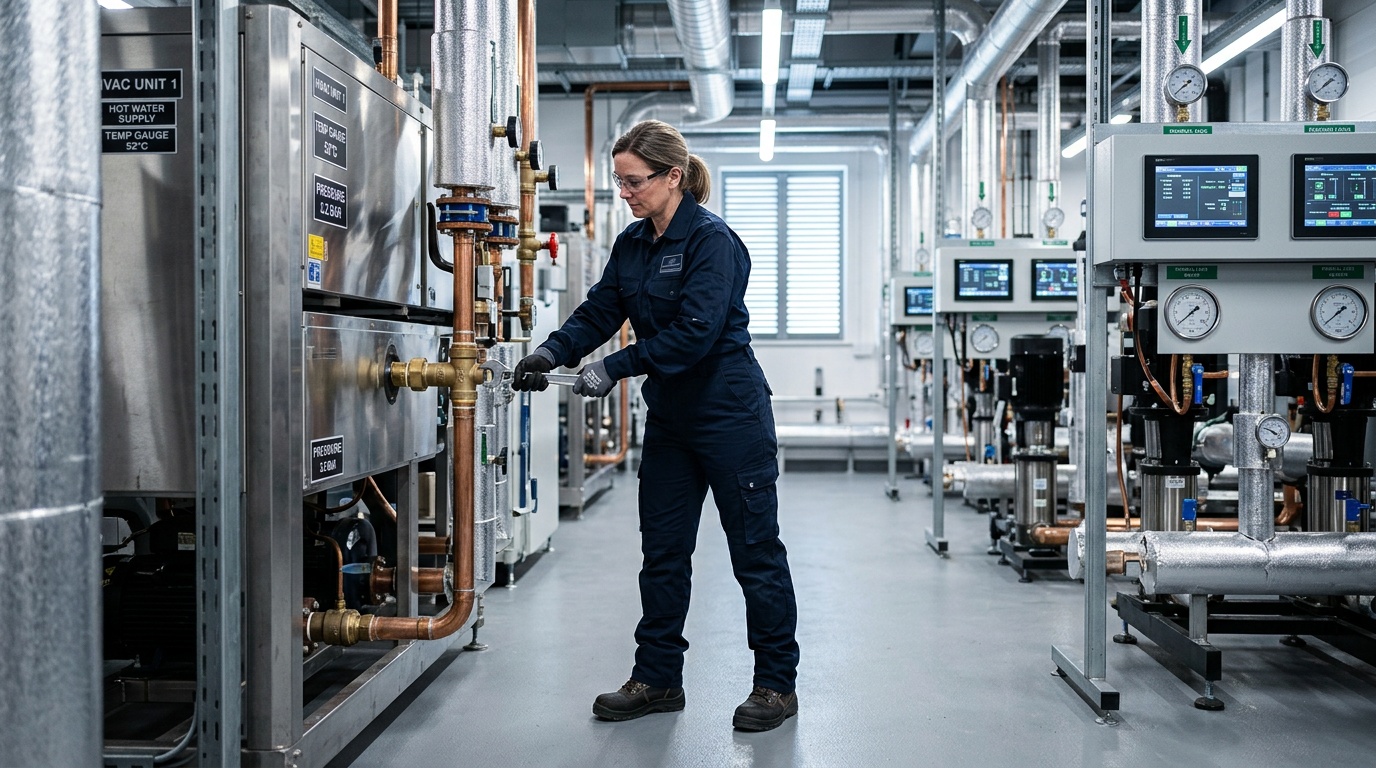
The maths: reactive call-outs versus planned maintenance
I have seen estates skip a quarterly PPM visit to protect a monthly budget, only to face an emergency boiler fault, failed circulation pump or air conditioning breakdown during occupied hours. The invoice then includes a call-out, diagnosis, urgent parts sourcing, overtime and disruption. That is deferred expenditure with a business interruption cost attached. Compare any quote with the likely annual risk, not just the day rate.
Hidden extras lurking in low headline rates
Read the scope line by line. Check whether labour, consumables, certification, refrigerant handling, water hygiene checks, reporting, travel and emergency attendance are included. A vague “service” may exclude safety testing or leave remedial work outside the agreement. Ask who owns the asset history, how quickly reports arrive and whether the same engineer can return with suitable parts.
A £50 filter versus a burnt-out compressor
A neglected filter restricts airflow and makes equipment work harder. That can increase energy use and place additional load on fans, coils and compressors. Replacing the filter is a small planned cost; repairing a failed compressor can also involve specialist labour, refrigerant recovery, parts and disruption to occupants. The exact cost depends on the system, but the maintenance principle is straightforward: deal with accessible defects before they reach major components.
Where a low quote can help, and where it creates risk
Pros
- Lower initial spend when the scope is genuinely complete.
- Predictable visits support budget planning.
- Early fault reporting protects equipment life.
Cons
- A low rate may exclude parts, reports or out-of-hours work.
- Skipped filters restrict airflow and increase energy use.
- Unrecorded defects can become safety or compliance failures.
What a Proper Combined HVAC and Plumbing Contract Should Cover
A suitable contract should link every asset to a maintenance task, competent engineer and clear record. It should cover heating, cooling, ventilation, plumbing, water hygiene, emergency response and compliance documentation. Combining disciplines can reduce duplicated visits, but each activity must still be completed by people with the correct qualifications.
Heating, boilers and gas plant (Gas Safe)
A commercial contract should identify every boiler, burner, pump, expansion vessel, pressurisation unit, thermostat and control panel across the estate. Planned work includes combustion analysis, flue inspection, safety controls, operating pressure, water temperature and signs of corrosion or leakage. Gas-related work must be completed by appropriately qualified Gas Safe engineers, with findings recorded against the relevant asset. The Commercial HVAC Installation and Heating Service covers commercial HVAC installation and heating system repairs around Birmingham.
Air conditioning, ventilation and F-Gas responsibilities
Air conditioning maintenance should cover filters, coils, fans, belts, condensate drains, electrical connections, refrigerant pressures and control settings. Ventilation systems also need airflow checks, extract performance reviews and inspection of accessible ductwork. Where fluorinated gases are present, the provider must hold suitable F-Gas certification and maintain records for leak checks, refrigerant recovery and any additions or removals. These checks support indoor air quality, occupant comfort and energy performance. Specialist commercial air conditioning maintenance can support this work.
Commercial plumbing and water hygiene checks
Plumbing coverage should extend beyond clearing blocked sinks. It should include pumps, valves, boosted cold-water systems, hot-water cylinders, storage tanks, pressure-reducing valves, sanitaryware, pipework and drainage. Water hygiene duties may include temperature monitoring, flushing regimes, inspection for stagnation and records supporting legionella control. The schedule depends on risk assessment, occupancy, system design and vulnerable users, so a domestic checklist is not enough for a Birmingham estate. A coordinated plumbing and electrical services team can help manage related building requirements.
SFG20 schedules, paperwork and traceable compliance records
SFG20-maintained schedules give the contract a defined maintenance frequency and task standard. Records should show the asset reference, engineer, date, readings, defects, remedial recommendations and certificate status. Gas Safe and F-Gas documentation should be available promptly, ideally within 24 hours, through a traceable digital system. Safety standards must be followed during heating service and repair, and trained, licensed specialists should carry out the work. An M&E HVAC compliance health check can help identify documentation or maintenance gaps.
How to Compare Birmingham Maintenance Providers on Value, Not Price
Compare providers on scope, competence, response arrangements and the quality of their records. A smaller regional partner can offer the capacity needed for complex estates while keeping accountability close to the client. The right question is not only “What does each visit cost?” but “What risk does this contract leave with us?”
Five questions to ask before signing any contract
Use these questions during procurement. The answers reveal whether the provider understands estate management or is simply selling engineer hours.
- Will one named contact coordinate HVAC, heating and plumbing work?
- Will the same engineers return often enough to understand the estate?
- Are labour, travel, consumables, certification and remedial work clearly separated?
- What response time applies to heating loss, water leaks and critical plant failure?
- Will invoices combine disciplines while still showing each asset and task?
Response times and service levels worth paying for
A useful service level states response targets by fault category, not a vague promise of urgent attendance. Confirm the arrangements for occupied hours, evenings, weekends, isolation, escalation and temporary measures. The service offers 24 hour emergency heating repairs available any time of day. That availability matters when a failed boiler, burst pipe or disabled ventilation system threatens trading, tenant safety or building access.
Accreditations, references and evidence to request
Request current Gas Safe and F-Gas details, insurance confirmation, engineer competency records, sample service reports and references for comparable commercial premises. Check that the company can work across multiple buildings and understands permits, asbestos information, risk assessments and method statements. Ask how engineers record defects and how remedial work is prioritised. Those details provide more useful evidence than a low headline rate.
| Value evidence | What good documentation shows |
|---|---|
| Continuity | Named contacts, engineer history and clear escalation |
| Compliance | Qualifications, certificates, risk controls and dated records |
| Commercial control | Asset-level reports, transparent invoices and planned remedials |
The Commercial HVAC Installation and Heating Service is a suitable starting point for a fixed site survey and clearly scoped proposal. A survey should establish the estate’s assets, risks, access requirements and service frequencies before a price is agreed.
Independent research into energy performance can also help estates evaluate the longer-term effect of maintenance and system optimisation.
References
- Health and Safety Executive: https://www.hse.gov.uk/legionnaires/
- University of Birmingham Energy Research: https://www.birmingham.ac.uk/research/energy/index.aspx
Your Questions Answered: Estate Maintenance Costs and Cover
How often should HVAC and plumbing be serviced on a commercial estate?
Most commercial estates need planned inspections at least quarterly, with annual servicing for boilers and other gas appliances in line with manufacturer guidance and risk assessment. Air conditioning, ventilation, pumps, drainage and water systems may require different frequencies. Occupancy, operating hours, asset age, legionella risk, seasonal demand and previous faults should shape the schedule. A written PPM plan is more dependable than applying one interval to every asset.
Can one contractor genuinely handle both HVAC and plumbing?
Yes, provided the contractor has the correct competent persons, insurance, qualifications and management controls for each discipline. A combined provider can coordinate heating, air conditioning, ventilation, water services and emergency attendance through one maintenance record. That reduces duplicated visits and gives the facilities team a clearer view of defects, compliance actions and expenditure. Gas work and F-Gas duties still require appropriately certified engineers, even when one organisation manages the wider contract.
Is planned maintenance really cheaper than waiting for breakdowns?
Usually, yes. Planned maintenance carries a known cost and creates an opportunity to identify worn belts, restricted filters, leaking valves, poor combustion and failing controls before they interrupt trading. Reactive work can add emergency labour, urgent parts, tenant disruption and lost operating time. The cheapest outcome is not the lowest sticker price. It is dependable plant performance, documented compliance and fewer unplanned failures across twelve months.
Frequently Asked Questions
What is the average cost of an HVAC service call for commercial estates?
A commercial HVAC service call on Birmingham estates typically costs between £75 and £250 per asset, or £250 to £900 for a planned visit covering agreed HVAC and plumbing assets. Annual PPM contracts generally range from £1,500 to £15,000+ depending on estate size, service frequency and plant condition. These are indicative budgeting ranges, not a quotation, since a responsible price needs a site survey and asset register.
What is the $5000 rule for HVAC?
The $5,000 rule is a repair-versus-replace guideline: multiply the age of the equipment by the repair quote, and if the result exceeds 5,000, replacement usually makes better commercial sense. I apply the same logic on Birmingham estates using total cost over twelve months, because a small maintenance saving can create a very large repair bill through emergency call-outs and downtime.
How much should an air conditioning service cost?
An air conditioning service on a commercial estate typically sits within the £75 to £250 per asset range for a basic inspection, or is included in a £250 to £900 planned multi-discipline visit. Proper coverage should include filters, coils, fans, belts, condensate drains, refrigerant pressures and control settings. Where fluorinated gases are present, the provider must hold suitable F-Gas certification and maintain leak-check records.
Who is the cheapest HVAC company for Birmingham estates?
The cheapest HVAC company is rarely the best value, because low hourly rates often exclude parts, reports, refrigerant handling, water hygiene checks and out-of-hours attendance. After more than 24 years in this trade, I have seen estates skip a quarterly PPM visit to protect a monthly budget, then face emergency boiler faults during occupied hours. Judge any provider against annual risk, not a headline day rate.
How can I get a free HVAC system from the government?
Free HVAC systems from the government are not generally available to commercial estates in the UK, so planned maintenance budgeting is the realistic route. Some funding support exists for energy-efficiency improvements, but the real protection comes from regular filter changes, combustion checks, leak detection and controls optimisation that prevent lost trading hours and premature replacement.
What qualifications should engineers hold for HVAC and plumbing maintenance?
Gas Safe registration is required for engineers working on gas boilers and heating plant, and suitable F-Gas certification is needed for anyone handling refrigerant equipment. Trained, licensed and insured specialists should also record findings against each asset and maintain leak-check and legionella control documentation. A vague service agreement that leaves safety testing outside the scope is a warning sign.
How often should HVAC and plumbing systems be serviced on a commercial estate?
Commercial HVAC and plumbing systems are normally serviced on a planned preventive maintenance (PPM) schedule, with frequency set by estate size, asset condition and risk assessment rather than a fixed rule. Quarterly visits are common, covering combustion analysis, pressure testing, pump inspection, water temperature monitoring and flushing regimes. Grouping disciplines into agreed attendances also reduces wasted engineer time and travel between buildings.