Cheapest ventilation system inspections for shops?
Cheapest ventilation system inspections for shops? The lowest quote can look attractive until a brief visual visit leaves airflow faults, blocked filters or fire dampers undocumented. A small maintenance saving can turn into avoidable energy waste or disruption to trading.
Key Takeaways
- Going for the cheapest inspection often means a quick visual check that misses blocked filters and faulty fire dampers, leaving you with hidden problems.
- A proper ventilation inspection should include airflow measurements and damper testing, not just a walkthrough that gives you a false sense of safety.
- What you save on a cut-price inspection can quickly get eaten up by higher energy bills and emergency repairs when a fault goes unnoticed.
- If your shop's ventilation fails during a busy trading day, the disruption and lost custom will cost far more than paying for a thorough inspection upfront.
A fair price depends on the system and the evidence you need, not simply the time spent on site. Here’s how to judge what an inspection should cover and where a bargain can leave your business exposed.
The Real Cost of 'Cheap' Ventilation Inspections for UK Shops
There is no reliable single price for every retail shop inspection. A small, accessible system generally takes less work to assess than a multi-zone installation with lengthy duct runs, difficult access or fire dampers. Ask for an itemised quote stating which components will be examined, which tests are included and what records you will receive. A low headline fee is not good value if it buys only a cursory look.
The 'Cheapest' Trap: What You're Actually Paying For
Cheapest ventilation system inspections for shops? Check the scope, not the price alone. A contractor may quote for a visual review of accessible grilles, while you expect measured airflow, filter checks and written findings across the system. Those are different jobs. If the proposal does not name the equipment, testing method and report deliverables, you cannot compare quotes fairly or show what was inspected later.
A fault is not always where noise or poor airflow appears. A mismatched duct size, poorly set fan damper or restricted filter can affect performance throughout a shop. A useful inspection follows the air path from intake to extract and records faults clearly, rather than offering a vague assurance that the system “looks fine”.
Why Low-Cost Visual Checks Aren't Enough for Compliance
A visual check can identify obvious damage, contamination or a loose grille. On its own, it cannot confirm that the system supplies adequate fresh air or that concealed components operate correctly. Health and Safety Executive (HSE) guidance gives a fresh-air supply range of 8 to 10 litres per second per person for commercial spaces. Assessing whether a system meets its intended performance calls for suitable measurements and a record of the method and results.
For a shop owner, paperwork matters as much as the visit. Ask for dated findings, test results where applicable, defect locations and clear recommendations. A visual-only service may suit a limited condition check, but do not assume it satisfies every HSE, insurer or fire-safety requirement. Confirm the obligations relevant to your premises and system.
The Hidden Dangers of Skimping on Ventilation Maintenance
When filters clog or dampers fall out of balance, fans may work harder while occupants still experience poor air movement. Research indicates that up to 30% of commercial ventilation energy expenditure can be wasted through these faults, which an annual inspection may identify. Poor performance can also affect staff comfort, customer experience and trading continuity.
Fire-related documentation deserves attention too. The research brief identifies missing records of duct cleanliness and fire damper tests against BS 9999 and BESA TR19 as a factor in commercial insurance disputes after retail fires. A properly scoped inspection helps identify gaps and retain evidence. Where faults need repair, Commercial Ventilation Repair Services can address identified issues; the inspection report should define the work before repairs are agreed.
Decoding Ventilation Inspection Costs: What a Fair UK Retail Shop Survey Entails
Understanding the Variables: Size, Complexity, and Location
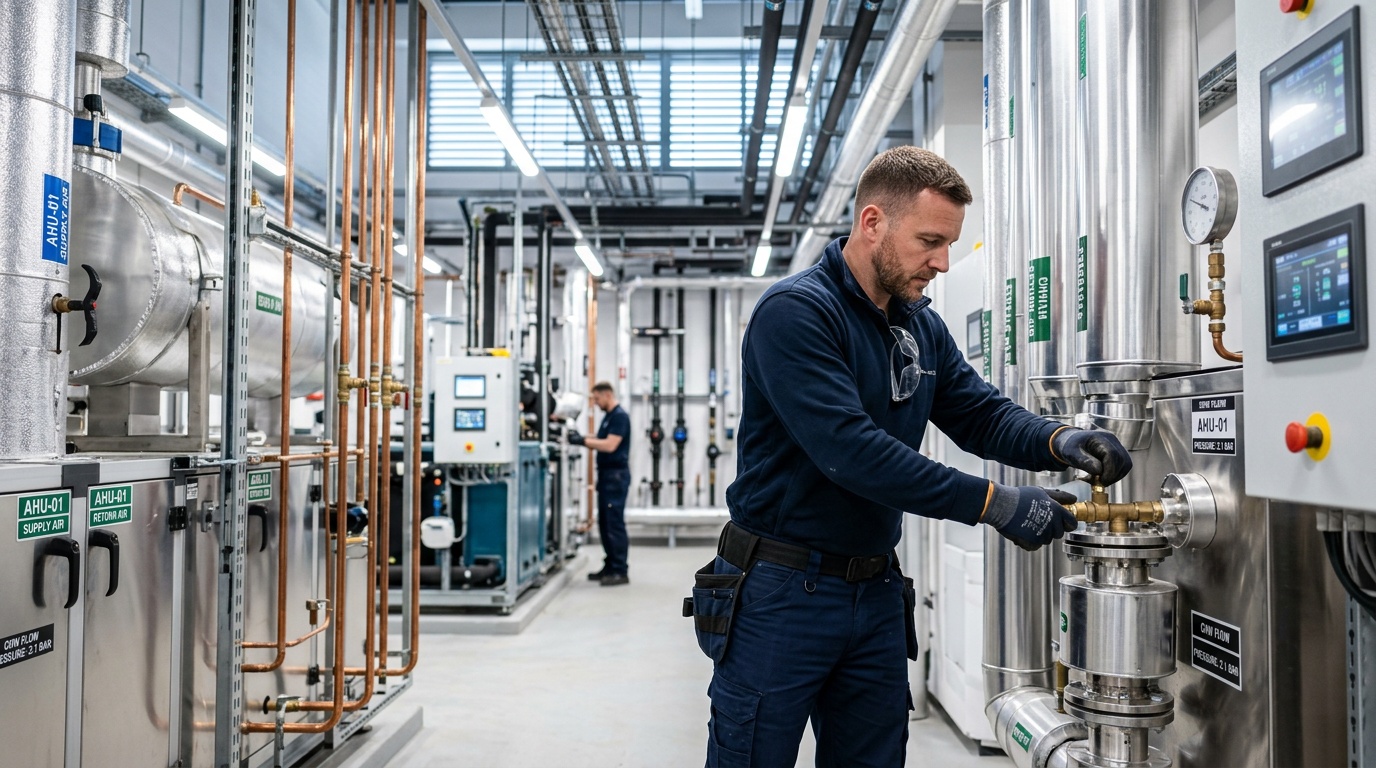
Cost reflects the labour, access and testing needed to inspect the installation properly. A single open sales floor with straightforward access is simpler to survey than a shop with back-of-house areas, multiple air-handling units, long duct routes or roof-mounted plant. Location can affect travel and access arrangements, while work outside trading hours may need separate planning. Share equipment schedules, previous reports and known faults before requesting a quote; accurate information helps prevent exclusions and later surprises.
Core Inspection Components: What's Included in a Comprehensive Check?
A clear scope should identify the air-handling unit or fan, intake and extract points, accessible ductwork, grilles, filters, dampers, controls and relevant fire dampers. The engineer should note visible condition, contamination, access limitations, abnormal noise, vibration and signs of leakage. Where testing is included, the report should state readings and locations, not simply mark the system as passed. Ask whether the price includes a defect schedule, photographs and recommendations, or whether those cost extra.
Beyond the Visual: Essential Tests for Airflow, Filters, and Dampers
Measurements help distinguish a working system from one that merely switches on. Depending on the installation and agreed scope, checks may include airflow velocity at grilles, static pressure across sections, filter condition and fan motor amp draw. Damper position and operation should be assessed where accessible. Readings can help pinpoint poor balancing, restriction or a motor working under strain. Ask how results will be recorded and how they relate to the system’s design or previous readings.
Legal & Compliance Requirements: HSE, SFG20, and Fire Safety (TR19)
The Health and Safety at Work etc. Act and the Workplace (Health, Safety and Welfare) Regulations 1992 place duties on employers to provide suitable ventilation and maintain the workplace safely. HSE guidance informs assessment of fresh-air provision; the right inspection scope depends on the equipment and site risks. SFG20 provides maintenance task guidance, while BESA TR19 addresses ductwork cleanliness. Fire damper inspection and records should also be considered in line with applicable fire-safety arrangements, including BS 9999 where relevant. These references are not interchangeable certificates: ask which duties and standards the survey addresses.
A Realistic Price Range: What to Expect from Reputable Providers
Without details of the system, a precise UK price range would be misleading. Request a written, itemised quotation separating inspection, measurements, report, access equipment and remedial work. Check what is excluded, how inaccessible components will be handled and whether a return visit costs extra. Cheapest ventilation system inspections for shops? Choose the lowest transparent quote that covers the checks your building needs, not the smallest figure before the scope is known.
| Quote description | What to confirm | Why it matters |
|---|---|---|
| Visual condition check | Accessible equipment and limits of inspection | Does not necessarily verify airflow or concealed components |
| Measured performance survey | Test locations, readings and reporting format | Provides evidence of system performance at the time of testing |
| Compliance-focused inspection | Relevant maintenance tasks, fire dampers and cleanliness records | Helps identify documentation and maintenance gaps |
Spotting the Scammers: How to Avoid Predatory HVAC Contractor Upselling
The 'Engineered Duct Replacement' Ruse: When a Clean is a 'New System'
Contamination or poor airflow does not automatically justify replacing ductwork. A responsible engineer should show you the evidence, identify affected sections and explain why cleaning, adjustment or local repair would not address the fault. Poor ventilation can stem from a blocked filter, a mis-set damper or ductwork that was poorly sized at installation. Ask for photographs, test readings and a clear explanation before approving major works. A low initial fee is no bargain if it is used to push replacement without a documented diagnosis.
Red Flags in Quotations: Opaque Pricing and Unnecessary Upsells
Be cautious if a quote bundles inspection and repairs into one unexplained figure, labels work “essential” without supporting findings, or makes full system replacement the default recommendation. The inspection fee, testing, report, access arrangements and remedial work should be distinguishable. Check whether recommendations are categorised by urgency and whether you can approve each item separately. A sound report records defect locations and condition, supporting evidence and practical options. That gives you a basis to decide, not a sales deadline.
Questions to Ask Potential Ventilation Inspection Partners
Before booking, ask who will carry out the inspection, which equipment and components are in scope, and which measurements will be recorded. Find out whether airflow velocity, static pressure or motor amp draws will be checked where appropriate, and request a sample report with sensitive site details removed. Confirm how the engineer will identify inaccessible areas and whether follow-up quotations are separate from the inspection.
- Will the report include dated findings, photographs and test results?
- Can you explain each recommended repair and its supporting evidence?
- Are labour, access equipment and any return visit charges stated clearly?
Why 'Big Faceless' FM Providers Often Overcharge and Underserve
A large service structure can add contract administration, management fees and subcontracting between the shop and engineer. That does not prove a quote is unfair, but it can make responsibility and pricing harder to follow. Ask who attends site, who reviews the report and who is accountable if a fault returns. A local, technically capable team may offer a more direct line to the person making the diagnosis. Judge the arrangement by its scope, response process and records, not the provider’s size.
The MEMS Approach: Transparency, Partnership, and 'Right First Time'
At MEMS, I believe a recommendation should stand up to engineering scrutiny. We explain what we found, what needs attention and what can safely be monitored, so you can decide with the facts in front of you. Where findings identify a repair requirement, Commercial Ventilation Repair Services can address the specified fault. Our approach is to complete agreed work properly, record it clearly and avoid presenting unsupported replacement as the only option. Ask for Commercial Ventilation Repair Services when you need a defined repair scope based on evidence, not pressure.
Securing Cost-Effective & Compliant Ventilation Inspections: Your Action Plan
Your Step-by-Step Guide to Finding Honest Local Specialists
Start with records you already hold: equipment details, previous inspection reports, maintenance logs and unresolved faults. Ask for a written scope identifying systems to be checked, planned measurements, site access requirements and the report you will receive. Obtain quotations against the same scope to assess the work, not just the fee. Before booking, confirm who will attend, how findings will be recorded and whether remedial works require separate approval.
- Check that the proposed visit fits your premises and operating hours.
- Request an itemised quote with exclusions and possible extra charges stated.
- Agree how defects will be prioritised and when the report will be delivered.
Prioritising Planned Preventative Maintenance (PPM) Over Reactive Fixes
Planned Preventative Maintenance (PPM) gives you a scheduled view of system condition instead of waiting for poor airflow, excessive noise or fan failure to disrupt trading. Set inspection frequency around the equipment, premises use, risk profile and relevant maintenance guidance. Keep readings and completed actions on record so changes in airflow, static pressure, filter condition or motor amp draw are easier to spot over time. A planned visit can identify energy waste linked to restricted filters or poorly balanced dampers before it becomes a persistent operating cost.
Building a Long-Term Relationship for Better Value and Reliability
An engineer familiar with your building can compare current results with earlier records and recognise changes that a one-off visit may miss. Keep reports, certificates, defect approvals and follow-up evidence in one accessible file. Agree who authorises work, how urgent issues are escalated and how the contractor will accommodate trading hours. Review performance regularly; a reliable maintenance relationship gives you a clearer basis for planning expenditure and keeping compliance records current.
What to Do When Your Current Provider Falls Short
If reports are late, omit test results or leave recommendations unclear, record the gaps and request a corrective response. Ask for missing records and a dated plan for outstanding tasks. If the service still does not meet the agreed scope, arrange a handover of asset information, access details and maintenance history before appointing a replacement. Keep trading teams informed about known restrictions or temporary measures, and do not treat an undocumented verbal assurance as evidence of completed work.
Ensuring Uptime and Protecting Your Retail Asset
Set an annual compliance calendar with inspection dates, report reviews and clear owners for remedial actions. Authorise repair work against a defined scope and retain completion records alongside the inspection report. This keeps decisions traceable for building management, insurers and future maintenance teams. The goal is to maintain suitable ventilation, protect occupants and reduce the risk of avoidable interruption to shop operations, not simply pass a visit.
The MEMS Difference: Proactive Compliance, No Nasty Surprises

Why Our 'Customer First' Philosophy Matters for Your Ventilation Needs
I founded MEMS to give businesses direct, accountable support. We explain what the system needs, set out agreed work and keep you informed, with 24/7 availability for maintenance support.
Internal Vetting of Technologies: Proven Reliability, Not Just Promises
Our recommendations are grounded in engineering assessment. We focus on the condition and operation of your installation, rather than promising a fix before the evidence is clear.
Protecting Your Assets and Occupants with the MEMS Standard
Where inspection findings call for repairs, Commercial Ventilation Repair Services provide a defined route from diagnosis to agreed remedial work. Ask about Commercial Ventilation Repair Services when you need support addressing identified faults.
Ready for Your Annual Compliance Health Check? Let's Talk.
Cheapest ventilation system inspections for shops? Choose a clearly scoped inspection with useful records, not a low fee that leaves uncertainty. Contact MEMS to discuss your premises and arrange an annual compliance health check. CLICK TO CALL US NOW.
Frequently Asked Questions
What is the average cost to install a ventilation system in a shop?
The average installation cost for a shop ventilation system depends on the building, equipment, access and design requirements, so there is no reliable single price. Installation is separate from an inspection, and a written quotation should set out the system specification and any required testing. For an inspection quote, ask for the components, tests and report details to be itemised.
How should a shop be ventilated?
A shop should have a ventilation system that supplies suitable fresh air and removes stale air for the space and its occupancy. HSE guidance gives a fresh-air supply range of 8 to 10 litres per second per person for commercial spaces. An inspection can check airflow, filters, fans, dampers and controls, with measurements recorded where included in the agreed scope.
How much should a four-point inspection cost?
A four-point inspection has no standard price that can be applied to every shop, since the term may refer to different checks and systems. Ask the contractor to define the four inspection points, access requirements, any measurements and the records included. For ventilation, compare quotes by scope and deliverables rather than headline price alone.
How much does it cost to inspect a fire suppression system?
Fire suppression inspection costs vary with the system type, site access and the checks required, and the ventilation information here does not provide a price. A fire suppression inspection is distinct from checking ventilation fire dampers. Request an itemised quote that names the equipment, inspection tasks, testing and records supplied.
What is the typical cost of a commercial fire suppression system?
There is no typical commercial fire suppression system price in the information provided, as costs depend on the premises and system specification. This is also separate from the cost of inspecting shop ventilation or fire dampers. Ask for a system-specific quotation and confirm what installation, testing and documentation it covers.
What should a shop ventilation inspection report include?
A shop ventilation inspection report should record dated findings, defects and their locations, test readings where measurements were taken, and clear recommendations. Ask whether the quote includes photographs and a defect schedule, and ensure access limits are recorded. This documentation helps you compare future results and establish what the contractor actually inspected.