As the founder of MEMS Facilities Maintenance, I've spent over two decades understanding the essential systems that make commercial buildings tick. From the hum of the boiler room to the demands of the boardroom, I've seen firsthand how a building's operational health directly impacts business continuity and profitability. Many business owners and investors grapple with the complexities of acquiring commercial property, especially in a market as dynamic as London. It's not just about finding a space; it's about securing an asset that performs, complies, and provides long-term value. This guide is built on that practical, engineering-first perspective, cutting through the jargon to provide clarity on what truly matters when you're considering commercial property for sale in london uk.
Navigating the London commercial property market can feel like a labyrinth. With countless listings, varying property types, and a constantly shifting economic climate, making an informed decision requires more than just a cursory glance. My aim here is to equip you with the foundational knowledge and practical insights needed to approach this significant investment with confidence, ensuring you understand not just the bricks and mortar, but the systems and structures that underpin its real value.
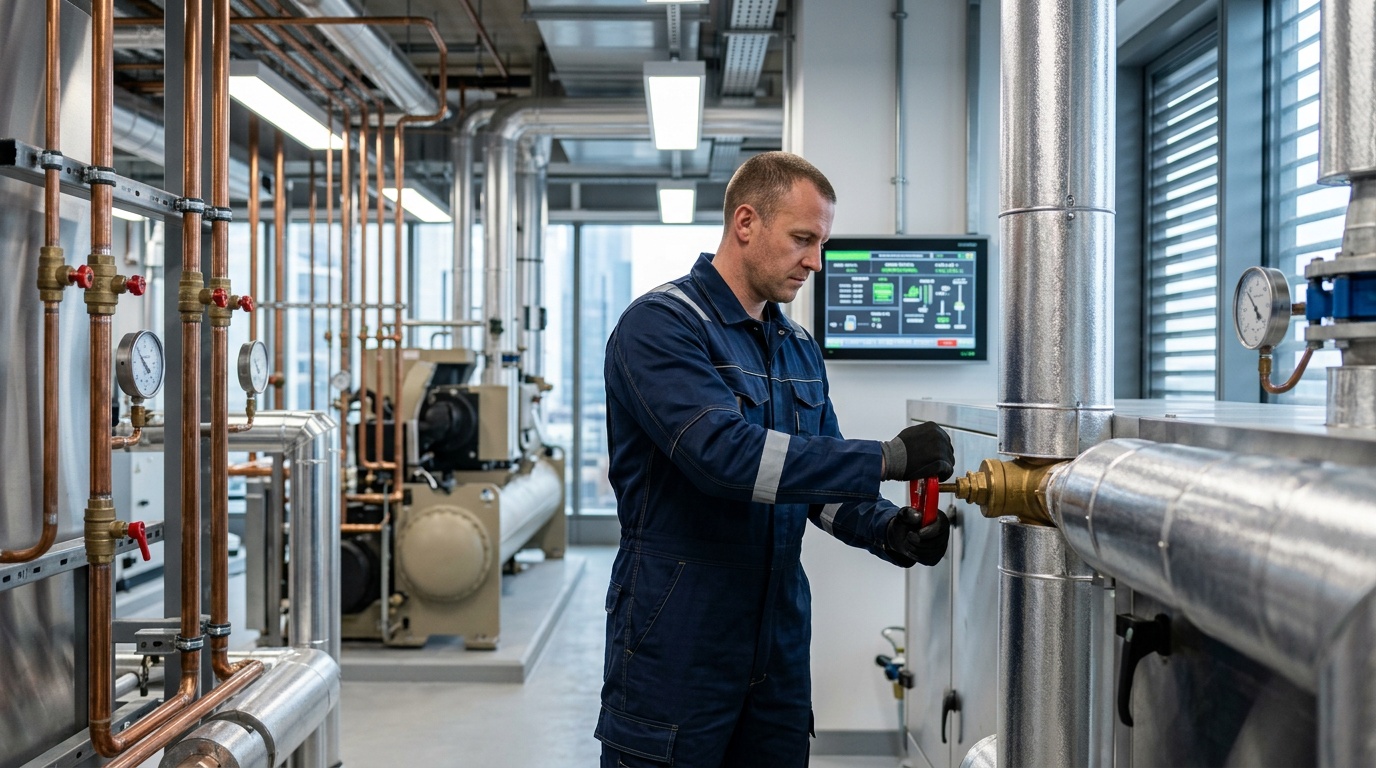
Acquiring commercial property in London is a significant undertaking, involving a structured process and a range of associated costs that extend beyond the headline purchase price. Being prepared for each stage and understanding the financial commitments is essential for a smooth transaction and sound investment.
The journey typically begins with identifying suitable properties, often through online portals or commercial agents, such as those listed by Rightmove or Zoopla. Once a property of interest is found, an offer is made, usually subject to contract and survey. If the offer is accepted, solicitors are engaged to handle the legal aspects, including title checks, contract negotiation, and searches. Simultaneously, a survey will be commissioned to assess the property’s structural integrity and identify any potential issues. For finance, a commercial mortgage application will be processed. The exchange of contracts is a critical point where the deal becomes legally binding, typically requiring a deposit. Finally, completion occurs when the remaining balance is paid, ownership is transferred, and you receive the keys. The average time to complete a commercial property purchase in the UK is between 12 to 16 weeks, though this can vary significantly based on complexity.
Beyond the agreed purchase price, several other expenses must be factored in. Stamp Duty Land Tax (SDLT) is a significant consideration; for commercial properties, rates differ from residential. As of recent government guidance, SDLT is charged at 0% on the first £150,000, 2% on the portion from £150,001 to £250,000, and 5% on any amount above £250,000. Legal fees, covering your solicitor's work, can range from £1,000 to £5,000 or more, depending on complexity. Survey fees vary based on the property's size and type, from £500 for a basic valuation to several thousand pounds for a comprehensive building survey. If you are VAT registered, you may be able to reclaim VAT on commercial property purchases, but if not, or if the property is not elected for VAT, VAT may be payable on top of the purchase price. Business rates are also a recurring cost, levied by local authorities, and vary significantly by borough in London.
Commercial properties can be acquired under two main tenure types: freehold or leasehold. Freehold ownership means you own the building and the land it stands on outright, offering maximum control and security. Leasehold, on the other hand, means you own the right to occupy and use the property for a fixed period (the lease term), which can be 99, 125, or even 999 years. While freehold is generally preferred for its simplicity and outright ownership, long leaseholds can offer similar benefits for practical purposes, often at a lower initial cost. But leasehold properties come with terms and conditions set out in the lease agreement, which can include ground rent, service charges, and restrictions on alterations or usage. For businesses focused on long-term asset growth and operational control, freehold is often the ideal, but a well-structured long leasehold can be a viable and cost-effective alternative, particularly in areas where freehold commercial property for sale in london uk is scarce or prohibitively expensive. Understanding the implications of each tenure type is important for future flexibility and investment strategy.
Securing the right finance is a cornerstone of acquiring commercial property. Many potential buyers, especially those new to the market, find the environment of commercial lending complex and daunting. It’s not as straightforward as a residential mortgage; the terms, eligibility, and available options are tailored to business needs and property types. Understanding these nuances early on can save considerable time and prevent disappointment. My experience, both in managing building assets and understanding the financial pressures businesses face, highlights the need for clear, practical advice on how to fund your next commercial property acquisition in London.
For most businesses, a commercial mortgage is the primary route to purchasing property. Lenders assess eligibility based on the borrower's financial health, business track record, and the property's potential to generate income or be used profitably. Typically, lenders require a more substantial deposit for commercial mortgages compared to residential ones, often ranging from 25% to 40% of the property's value. Loan-to-value (LTV) ratios are generally lower, reflecting the perceived higher risk. Interest rates can be fixed or variable, and loan terms are usually shorter, often between 5 to 25 years. It’s essential to prepare a comprehensive business plan and financial projections to present to lenders, demonstrating the viability of your investment or business operation within the purchased property.
While commercial mortgages are common, other financing avenues exist. Bridging loans offer short-term funding, ideal for bridging a gap while a more permanent solution is arranged or to secure a property quickly at auction. These loans are typically more expensive but provide speed and flexibility. Private investor capital can be sourced through angel investors or venture capital firms, often in exchange for equity in the business or property. For those with significant capital, a cash purchase eliminates interest payments and the complexities of mortgage applications, offering a streamlined acquisition process. But it ties up substantial liquid assets. Each method has different implications for cash flow, ownership structure, and overall investment strategy, so choosing the right one depends on your specific financial situation and acquisition timeline.
| Financing Type | Typical Deposit Required | Loan Term | Speed of Access | Key Considerations |
|---|---|---|---|---|
| Commercial Mortgage | 25-40% | 5-25 years | Moderate (4-8 weeks) | Requires solid business plan, good credit history. Predictable repayment structure. |
| Bridging Loan | Varies (can be lower) | Short-term (6-24 months) | Fast (days to weeks) | Higher interest rates, short repayment window. Suitable for time-sensitive purchases. |
| Investor Capital | Negotiable (equity stake) | Varies | Moderate to Slow | Requires business growth potential, sharing control/profits. |
| Cash Purchase | 100% | N/A | Fastest | Ties up significant capital, no interest costs, immediate ownership. |
When you're looking at commercial property for sale in london uk, the glossy brochures and virtual tours only tell part of the story. My 24 years in the field, starting as an apprentice combustion engineer, have taught me that a building's true value and ongoing cost are hidden within its mechanical and electrical systems. These are the components that keep a business operational, compliant, and efficient. Ignoring them during the acquisition phase is a common, costly mistake. As a buyer, you need to look past the aesthetics and assess the building's operational heart. This is where my practical, engineering-led perspective adds unique value, helping you identify potential liabilities before they become your problem.
A thorough inspection of the Heating, Ventilation, and Air Conditioning (HVAC), electrical, and plumbing systems is paramount. For HVAC, I look for the age and condition of plant equipment like boilers, chillers, and air handling units. Are they nearing the end of their typical lifespan? Are they energy-efficient by today's standards? A system that requires immediate replacement can add tens or even hundreds of thousands of pounds to your acquisition cost. Similarly, the electrical system requires scrutiny. Check the capacity of the main distribution board, the condition of wiring (especially in older buildings), and the presence of adequate power for current and future business needs. Adequate plumbing, including water supply, drainage, and any specific requirements like fire suppression, also needs to be verified. These systems are the workhorses of any commercial building; their condition directly impacts operational costs and potential downtime.
Compliance is non-negotiable. You must examine the Energy Performance Certificate (EPC) rating. Minimum standards are already in place, and regulations are tightening, meaning a low EPC rating (below E) could require costly upgrades to meet future legal requirements, potentially impacting marketability or rental income. Beyond EPCs, a comprehensive review of all statutory compliance certificates is essential. This includes Gas Safe certificates for any gas appliances, F-Gas certificates for refrigeration systems, and electrical safety certificates. The absence of these documents, or outdated ones, signals significant legal exposure and potential fines. Understanding these requirements helps you anticipate future compliance costs and potential legal challenges, informing your negotiation strategy and overall budget for the property. Don't assume compliance; verify it.
My core belief is that proactive maintenance is profitable, while reactive repairs are expensive. When assessing a commercial property, you must look beyond the purchase price and forecast the ongoing operational and maintenance expenditure. An older building with ageing plant equipment might be cheaper to buy, but its running costs and maintenance bills could cripple your profitability. Consider the projected spend on Planned Preventative Maintenance (PPM) for the HVAC, electrical, and plumbing systems. Are there known issues that will require attention within the first few years? How will energy efficiency upgrades impact utility bills? For example, a building requiring extensive Commercial HVAC Installation and Maintenance could have significantly higher operational costs than a modern, well-maintained one. Accurate forecasting allows you to negotiate a better price, budget effectively for the future, and avoid the shock of unexpected, massive repair bills that impact your bottom line and business continuity.
Stuart Butcher's Insight: "An asset that looks good on paper but has neglected M&E systems is a ticking time bomb. My team and I assess buildings from the perspective of keeping them running 24/7, 365 days a year. We look for the hidden costs. The deferred maintenance, the compliance risks, the energy inefficiencies. That can turn a promising acquisition into a financial drain. This detailed, 'boots-on-the-ground' approach is what we bring to every assessment, ensuring you understand the true operational cost of your investment."
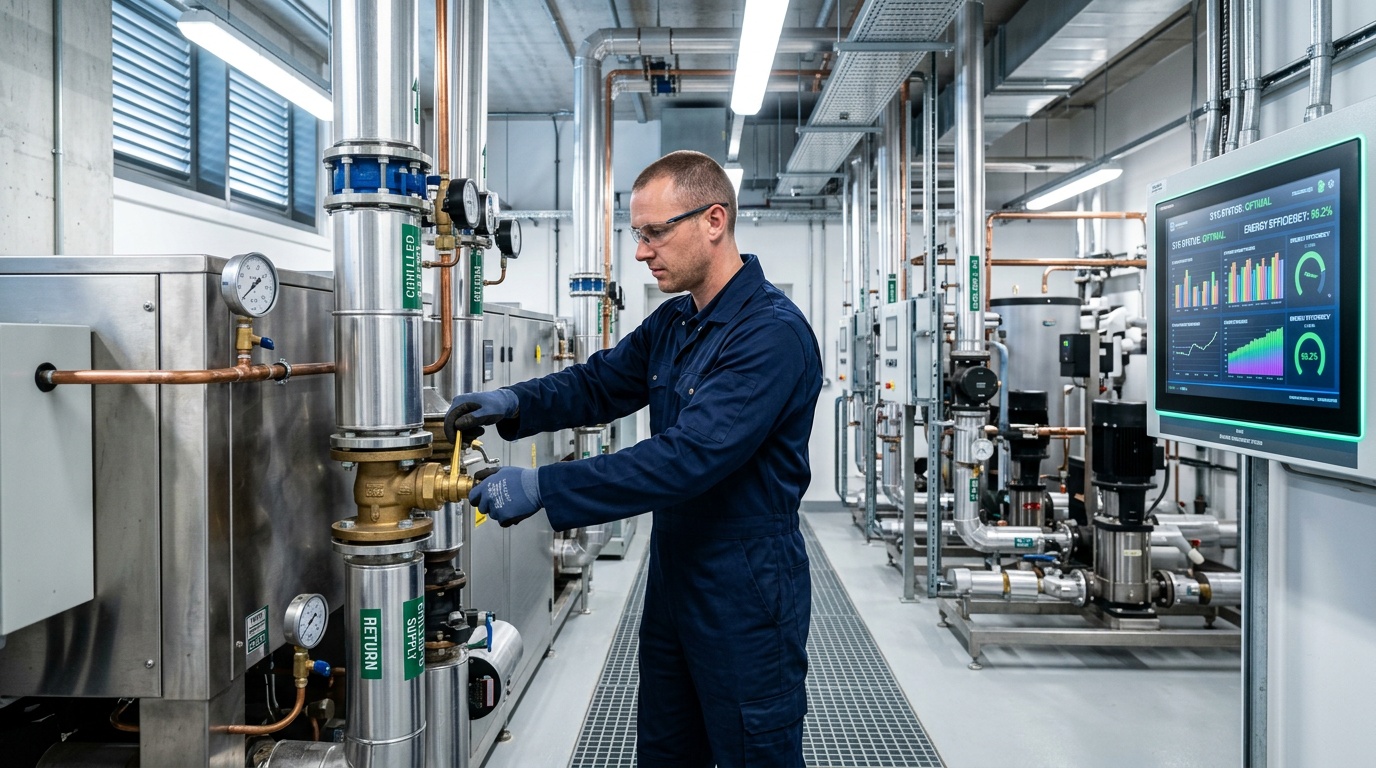
In today's commercial property market, particularly in a dynamic centre like London, energy efficiency and sustainability are no longer mere buzzwords; they are fundamental drivers of long-term financial performance and asset resilience. As the Founder of MEMS Facilities Maintenance, I’ve seen firsthand how buildings that prioritise these aspects not only reduce operational expenditure but also improve their marketability, compliance standing, and overall investment value. When you're considering commercial property for sale in london uk, overlooking the energy performance and sustainability credentials of a building is a significant oversight that can lead to unexpected costs and diminished returns down the line. My engineering background means I view buildings as complex systems where efficiency translates directly into profitability and reduced risk.
The UK government's Minimum Energy Efficiency Standards (MEES) regulations are a critical factor for any commercial property owner. These rules mandate that commercial buildings must achieve a minimum Energy Performance Certificate (EPC) rating of 'E' to be legally let. This threshold is not static; there are ongoing proposals to increase this requirement to a 'B' rating by 2030. For property owners, this means that any building currently rated 'F' or 'G' is already non-compliant and cannot be let without significant upgrades. Even properties at 'E' will eventually need improvement. Failure to comply can result in substantial financial penalties, alongside the practical issue of being unable to secure new tenants or renew existing leases. Understanding a property's current EPC rating is consequently essential before purchase, as it directly indicates potential future capital expenditure required to meet regulatory obligations and avoid legal exposure.
The implications for buyers are clear: a property with a low EPC rating represents a future liability. Identifying these properties allows for informed negotiation, as the cost of bringing them up to standard can be significant. Conversely, a property with a good EPC rating (e.g., 'A', 'B', or 'C') demonstrates foresight and investment in its operational efficiency. Such assets are generally more attractive to tenants seeking lower utility bills and to investors looking for properties that are future-proofed against tightening regulations. This proactive approach to energy performance directly impacts a building's desirability and its long-term capital value in the competitive London market.
Addressing a building's energy efficiency often involves strategic retrofitting. Upgrading existing systems to improve performance. Key areas for improvement include heating and cooling systems, lighting, and on-site energy generation. Modern heat pump technologies, for example, offer a far more efficient way to provide heating and cooling compared to traditional boilers and air conditioning units, significantly reducing energy consumption. Similarly, upgrading to LED lighting can cut electricity usage for illumination by up to 80%, with improved durability and lower maintenance needs. Integrating solar photovoltaic (PV) panels can generate on-site renewable electricity, further reducing reliance on the grid and lowering energy bills. These upgrades are not just about compliance; they represent opportunities to improve a building's operational profile. Effective Commercial HVAC Installation and Maintenance is paramount to realising the full benefits of these retrofitting measures, ensuring systems operate at peak efficiency and reliability.
My team at MEMS Facilities Maintenance works extensively with clients to assess their building's potential for these improvements. We analyse existing plant, energy usage patterns, and structural suitability to recommend the most impactful and cost-effective retrofitting solutions. Whether it's a phased upgrade of an outdated HVAC system or a comprehensive overhaul of lighting infrastructure, the goal is to create a more sustainable, cost-effective, and compliant building. This expertise is invaluable when evaluating potential acquisitions, as it allows buyers to accurately forecast upgrade costs and the subsequent operational savings, turning a potential challenge into a strategic advantage.
| Feature/Metric | Building with Low EPC (e.g., 'E'/'F') | Building with High EPC (e.g., 'A'/'B' post-retrofit) |
|---|---|---|
| Operational Costs (Energy Bills) | Higher, subject to price volatility | Significantly lower, more predictable |
| Tenant Appeal & Retention | Moderate to Low; may deter energy-conscious tenants | High; attracts environmentally aware tenants and businesses focused on cost savings |
| Compliance Risk | High; potential for future mandatory upgrades and penalties | Low; future-proofed against evolving regulations |
| Asset Value & Marketability | Potentially lower, requires future investment to maintain value | Higher; improved desirability, potential for premium pricing/rent |
| Maintenance Demands | Potentially higher on ageing, inefficient plant | Optimised, especially with modern, efficient systems |
The most immediate and tangible benefit of energy-efficient and sustainable buildings is their superior performance in terms of operational costs. Lower energy consumption directly translates into reduced utility bills, which is a significant ongoing expense for any commercial property. For businesses operating from these premises, this saving can directly impact their bottom line, increasing profitability. For landlords, it means a more attractive offering to tenants, potentially allowing for higher rental yields or shorter void periods. Beyond energy, sustainable buildings often incorporate features that reduce water usage and waste, further contributing to lower running expenses. The investment in systems like efficient HVAC, smart controls, and renewable energy sources, supported by expert Commercial HVAC Installation and Maintenance, pays dividends through consistent cost savings over the asset's lifecycle.
Also, sustainability is increasingly linked to occupant well-being and productivity. Buildings with good indoor air quality, comfortable temperatures, and ample natural light are often hallmarks of sustainable design. These can lead to a more productive workforce and a healthier environment for employees and customers alike. This improved 'occupant experience' adds another layer of value. From an investment perspective, properties that are perceived as sustainable and energy-efficient are becoming more attractive to a wider pool of investors and lenders, who recognise the reduced risk and improved long-term returns. They are less susceptible to regulatory changes, less prone to volatile energy price impacts, and generally command higher market valuations, making them a sounder strategic asset for any portfolio.
Stuart Butcher's Insight: "When I talk about sustainability, I'm talking about practical engineering solutions that make financial sense. It's about reducing waste. Whether that's energy, water, or money spent on reactive repairs. A building that's designed and maintained with efficiency in mind is simply a better business asset. It’s more reliable, cheaper to run, and holds its value better. This isn't about 'going green' for the sake of it; it's about sound commercial asset management."