contractors that build houses
Building a new home is one of life's most significant undertakings, a project that blends dreams with complex realities. As the founder of MEMS Facilities Maintenance, I've spent over two decades understanding the 'bones' of buildings, the systems that keep them running, and the critical importance of getting things right from the very first blueprint. When you decide to build, you're not just creating a structure; you're investing in an asset that needs to perform reliably for years to come. This means selecting the right people to bring your vision to life. And that starts with finding trusted contractors that build houses.
Key Takeaways
- Choosing a contractor for your new home is a decision that should be based on their understanding of how a building's systems work together over time.
- A contractor's track record with the mechanical and structural integrity of a house matters as much as their ability to follow architectural plans.
- You need a builder who sees your project as a long-term asset rather than just a structure to complete.
- The best contractors combine construction skill with a practical knowledge of how a home performs after the keys are handed over.
The process can feel overwhelming, a labyrinth of jargon, contracts, and endless choices. It's easy to get lost, especially when dealing with the sheer number of specialists involved. My aim here, drawing from my own practical experience and that of my team, is to demystify this journey. We’ll break down who does what, what to look for, and why meticulous attention to detail, especially in the M&E (Mechanical and Electrical) systems, is not just good practice. It’s essential for the long-term health and value of your home.
The Foundation of Your Home: Essential Subcontractors and Their Roles

A new home is a symphony of trades, each playing a specific part to create a cohesive, functional structure. While the primary builder or general contractor orchestrates the entire process, success hinges on the expertise of numerous specialised subcontractors. Understanding this 'dream team' is crucial for appreciating the complexity and ensuring every element, from the ground up, is handled professionally. The National Association of Home Builders notes that building a new home involves over 20 different subcontractor trades, each bringing a unique skill set to the project.
The 'Dream Team': A Comprehensive List of Trades You'll Encounter
The journey from vacant plot to finished residence involves a broad spectrum of specialists. At the initial stages, you’ll find excavators, concrete specialists, and framers. As the structure takes shape, roofers, bricklayers, and exterior finishing trades like siding and window installers come into play. Then come the critical 'hidden' systems: the HVAC, electrical, and plumbing engineers and technicians. These form the lifeblood of your home. Finally, interior specialists like drywallers, painters, flooring installers, and cabinet makers add the finishing touches that make a house a home. Each trade requires specific knowledge and adherence to building codes.
Excavation & Groundworks: Laying the First Bricks (Literally)
Before any building can commence, the site must be prepared. Excavation contractors clear the land, grade the site for proper drainage, and dig out for foundations and basements. Groundworks also involve utility trenching for water, gas, and drainage. This phase is foundational. Literally. And requires precision to ensure the building sits on stable, well-prepared ground, free from potential waterlogging or settling issues that could compromise the entire structure for years to come. Skipping thorough site assessment here can lead to significant problems later.
Structural Pillars: Foundation, Framing, and Roofing Experts
Once the ground is ready, the structural core of the house takes shape. Concrete contractors pour the foundation. Be it a slab, crawl space, or basement. Ensuring it’s level, correctly reinforced, and meets structural load requirements. Framing crews then erect the skeleton of the house using timber or steel, creating the walls, floors, and ceilings. These framers must work precisely to ensure walls are plumb and square. Following this, roofing specialists install the roof structure and covering, providing essential protection from the elements. A well-built frame and a watertight roof are non-negotiable for the building's integrity.
The Building Envelope: Siding, Windows, and Doors Specialists
The building envelope is the protective shell of your home, separating the interior climate from the exterior environment. This includes the installation of siding (brick, render, timber, etc.), windows, and external doors. These specialists ensure the shell is not only aesthetically pleasing but also airtight and well-insulated. Properly installed windows and doors are key to energy efficiency, preventing heat loss in winter and heat gain in summer, and safeguarding against drafts and moisture ingress. Their work directly affects your home's comfort and running costs.
The 'Hidden' Systems: HVAC, Electrical, and Plumbing. Where Expertise Truly Counts
These are the systems that truly make a house liveable and are often where the greatest long-term value (or problems) lie. HVAC (Heating, Ventilation, and Air Conditioning) technicians install the systems for heating, cooling, and air circulation, which are critical for comfort and indoor air quality. Electricians run all wiring, install outlets, switches, and lighting fixtures, ensuring safe and functional power distribution. Plumbers install pipework for water supply, waste disposal, and gas lines. Each of these trades requires deep technical knowledge and strict adherence to safety regulations like Gas Safe and relevant electrical standards. As specialists in M&E systems, my team at MEMS understands that the 'hidden' systems are often the most complex and most critical for a building's efficient and safe operation. Getting these right from the start, with quality components and expert installation, saves immense trouble and expense later.
Finishing Touches: Drywall, Painting, Flooring, and Cabinetry Professionals
Once the main structure and hidden systems are in place, the focus shifts to interior finishes. Drywallers (plasterboard fixers) create smooth, seamless wall and ceiling surfaces. Painters and decorators then apply finishes that define the home's aesthetic. Flooring specialists install everything from hardwood and tile to carpet, and cabinet makers and installers fit kitchens, bathrooms, and other built-in storage. These trades transform the house into a comfortable and visually appealing living space, bringing the architect's and homeowner's design choices to life through skilled craftsmanship.
Quick Answer: Building a house involves a complex team of over 20 specialized subcontractors, ranging from excavation and framing experts to electricians, plumbers, and HVAC technicians. While general contractors manage the overall project, the quality of each individual trade's work, particularly the M&E systems, directly impacts the home's long-term performance, safety, and value.
The Building Process: Key Subcontractor Stages
- Site Preparation: Excavation, Groundworks, Utility Trenching
- Structural Framework: Foundation Pouring, Framing (Walls, Floors, Roof), Roofing Installation
- Building Envelope: Siding, Window & Door Installation, Exterior Cladding
- Mechanical, Electrical & Plumbing (MEP): HVAC System Installation, Electrical Wiring & Fixtures, Plumbing Pipework & Fixtures
- Interior Finishes: Drywall & Plastering, Painting & Decorating, Flooring Installation, Cabinetry & Fixture Fitting
- Exterior Finishes: Landscaping, Driveways, Patios
The 'MEMS Standard' Applied: Vetting for Quality, Compliance, and Longevity
Selecting the right team to build your home is about far more than comparing price quotes. It is about ensuring the people you trust with your investment share your commitment to quality, safety, and long-term performance. At MEMS, our entire philosophy is built on doing things properly the first time, and we apply that same standard when we evaluate potential partners. Here I want to give you a practical framework for vetting your contractors that build houses, helping you separate genuine professionals from those who may cut corners.
Beyond the Brochure: Red Flags and What to Demand from Builders
Glossy marketing materials and friendly sales pitches can hide serious underlying problems. Some of the most telling red flags include a reluctance to provide recent references from similar projects, vague or one-sided contract terms that leave you exposed to cost overruns, and an unwillingness to discuss compliance documentation like Building Regulations approvals or Gas Safe certificates. A builder who changes company names periodically to escape poor reviews or litigation is another warning sign. What you should demand is a transparent, written scope of work with clear milestones, a fixed price or defined variation process, proof of adequate insurance covering public liability and employers’ liability, and certification from all relevant trade bodies. Do not settle for a handshake; insist on paperwork that protects you both.
The 'Open Door' Approach to Vetting: Questions You Must Ask
We operate an open-door innovation policy at MEMS, trialling and vetting over 100 new HVAC and energy products before recommending them to clients. That same spirit of thorough inquiry applies when you hire a builder. You need to ask direct questions: How do you handle change orders and unexpected site conditions? What is your process for vetting the subcontractors you hire? Can you provide a full list of the trades you intend to use, along with their credentials and insurance details? Ask specifically about their list of subcontractors needed to build a house. A reputable builder will have established relationships with experienced electricians, plumbers, and other specialists. Request to visit a live or recently completed project site so you can see the quality of workmanship firsthand. Their willingness to open their books and their sites is a strong indicator of confidence.
Why 'The Right Way' Matters: Assessing a Contractor's Commitment to Quality
In my experience, the difference between a good build and a problematic one often comes down to a simple principle: doing it properly the first time. A contractor who prioritises quality will use materials that meet or exceed specification, even if they cost a little more upfront. They will insist on industry best practices. For example, ensuring proper insulation installation or following manufacturer guidelines for M&E equipment. They invest in ongoing training for their workforce and subcontractors. When you see a builder who takes time to explain why a particular approach is better, not just cheaper, you are seeing someone who values long-term performance over short-term gain. This commitment directly translates into fewer defects, lower energy bills, and a home that stands solid for decades.
Compliance is Non-Negotiable: Understanding Building Regulations and Certifications
Building a new home in the UK means complying with strict regulations designed for safety, energy efficiency, and durability. Key requirements include Part L of the Building Regulations (conservation of fuel and power), Part F (ventilation), and Part P (electrical safety). Any gas work must be carried out by a Gas Safe registered engineer, and electrical installations require an Electrical Installation Certificate and a Building Regulations compliance certificate. Your builder must be able to provide these documents before, during, and after construction. Failure to meet compliance can leave you liable for costly remedial work, invalidate your home insurance, and make the property difficult to sell. Demand to see proof of compliance at each stage and never accept 'we will sort it later' as an answer.
The Hidden Cost of Cutting Corners: Long-Term Implications for Your Home's Value and Efficiency
Saving money on materials or installation quality seldom pays off. A poorly insulated home will bleed heat, causing energy bills to rise year after year. Cheaply installed plumbing or electrical work may lead to leaks, short circuits, or even fire hazards. A 70% of homeowners report that trust is the number one factor when choosing a builder, and that trust is earned by delivering a home that performs as promised. Cutting corners on M&E systems, for example, can lead to early breakdowns and expensive emergency repairs. In the worst cases, structural issues from poor groundworks or framing can reduce your home’s resale value dramatically. Investing in rigorous vetting and choosing a builder committed to quality ultimately protects the value of your asset and your peace of mind.
Contractor Vetting Checklist
- Request and verify at least three recent references from projects similar to yours.
- Review the written contract for clear scope, milestone payments, and a defined change order process.
- Ask for a full list of subcontractors and confirm each trade’s licences and insurance.
- Visit a current site to inspect workmanship and organisation.
- Demand copies of all compliance certificates (Building Regulations, Gas Safe, electrical) before work begins.
- Confirm the builder has public liability and employer’s liability insurance in place.
Integrating Smart and Sustainable Systems: The Future of Home Building
As someone who has spent over two decades immersed in the mechanics of buildings, I’ve seen firsthand how quickly technology evolves. When you’re planning to build a new home, it’s not just about bricks and mortar anymore. It’s about creating a living, breathing environment that is efficient, comfortable, and future-proof. This is where M&E systems. Mechanical and Electrical. Come into their own, and where a forward-thinking builder makes a significant difference. My team at MEMS is constantly evaluating new technologies to ensure our clients benefit from the latest advancements, and I believe this proactive approach should be a core consideration when selecting contractors that build houses.
Beyond Traditional: Exploring Modern HVAC Solutions (Air-to-Water Heat Pumps, etc.)
Gone are the days when a standard gas boiler was the only sensible heating option. Modern homes are increasingly embracing highly efficient heat pump technology. Air-to-water heat pumps, for instance, are becoming a standard choice for new builds. They work by extracting heat from the outside air and transferring it to water used for heating and hot water. While the initial investment can be higher than traditional systems, the long-term savings on energy bills and the reduced carbon footprint are substantial. They integrate seamlessly with underfloor heating and modern radiators, providing consistent, comfortable warmth. This isn't just about being green; it's about smart, cost-effective operation that pays dividends over the home’s lifecycle.
Harnessing the Sun: The Role of Solar PV in New Builds
Solar photovoltaic (PV) panels are no longer a niche addition; they are a sensible part of a new home’s energy strategy. Installing solar panels during construction is far more cost-effective than retrofitting them later, as the scaffolding and access are already in place. They generate clean electricity directly from sunlight, significantly reducing your reliance on the grid. This not only lowers your energy bills but also offers a degree of energy independence. When combined with battery storage systems, solar PV can provide reliable power even when the sun isn't shining, making your home more resilient and sustainable. Your builder should be able to advise on the best panel placement and system integration for your property’s orientation.
Smart Home Wiring: Preparing for Tomorrow's Technology
A modern home needs modern wiring. This involves more than just running power cables. It means installing data cabling (Ethernet) to every key location, ensuring your home is wired for high-speed internet and robust Wi-Fi coverage. It also includes the infrastructure for smart home automation systems. Controlling lighting, heating, security, and entertainment systems from your phone or voice commands. Future-proofing your home with adequate wiring during construction is far simpler and cheaper than trying to add it later. A builder with foresight will ensure your home is ready for the connected technologies that are becoming standard, enhancing convenience, security, and energy management.
How Proactive M&E Planning Benefits Your New Home's Efficiency and Comfort
This is where my expertise at MEMS truly aligns with the home-building process. Proactive M&E planning during the design phase is fundamental to a home's long-term performance. It means ensuring your HVAC system is correctly sized for the property’s insulation and layout, that your electrical system can handle future demands (like electric vehicle charging points), and that your plumbing is installed to prevent common issues like hard water scale buildup. We've trialed and vetted over 100 new HVAC and energy products, so we understand what works and what doesn't. A builder who collaborates with or understands these principles will ensure your systems are not just functional, but optimised for efficiency, comfort, and minimal maintenance long after you move in.
Partnering for the Future: Why a Forward-Thinking Builder is Key
Choosing a builder often feels like a commitment for the duration of the build, but it's really about securing a partner for the life of your home. A builder who embraces modern, sustainable technologies and understands the importance of integrated M&E systems is investing in your home's future value and your long-term satisfaction. They are the contractors that build houses with tomorrow in mind, not just today's specifications. They will likely have established relationships with specialist subcontractors who excel in these areas, from heat pump installers to smart home electricians. This partnership ensures your home is not only built to last but is also equipped to be comfortable, efficient, and cost-effective to run for years to come.
Case Example: The Smart Home Upgrade
A client recently built a new home and, working with a builder focused on M&E integration, opted for an air-to-water heat pump, solar PV with battery storage, and comprehensive smart home wiring. During the first year, their energy bills were 40% lower than comparable homes in the area heated by traditional gas boilers. The smart home system provided convenience and enhanced security, and the solar panels significantly offset their electricity usage, even allowing them to export surplus energy back to the grid.
Quick Answer: Integrating smart and sustainable M&E systems like heat pumps, solar PV, and future-proof wiring during construction is essential for long-term home efficiency, comfort, and value. Partnering with a builder who prioritises these modern technologies ensures your home is cost-effective and prepared for the future.
From Blueprint to Belonging: The Home Building Journey with Confidence
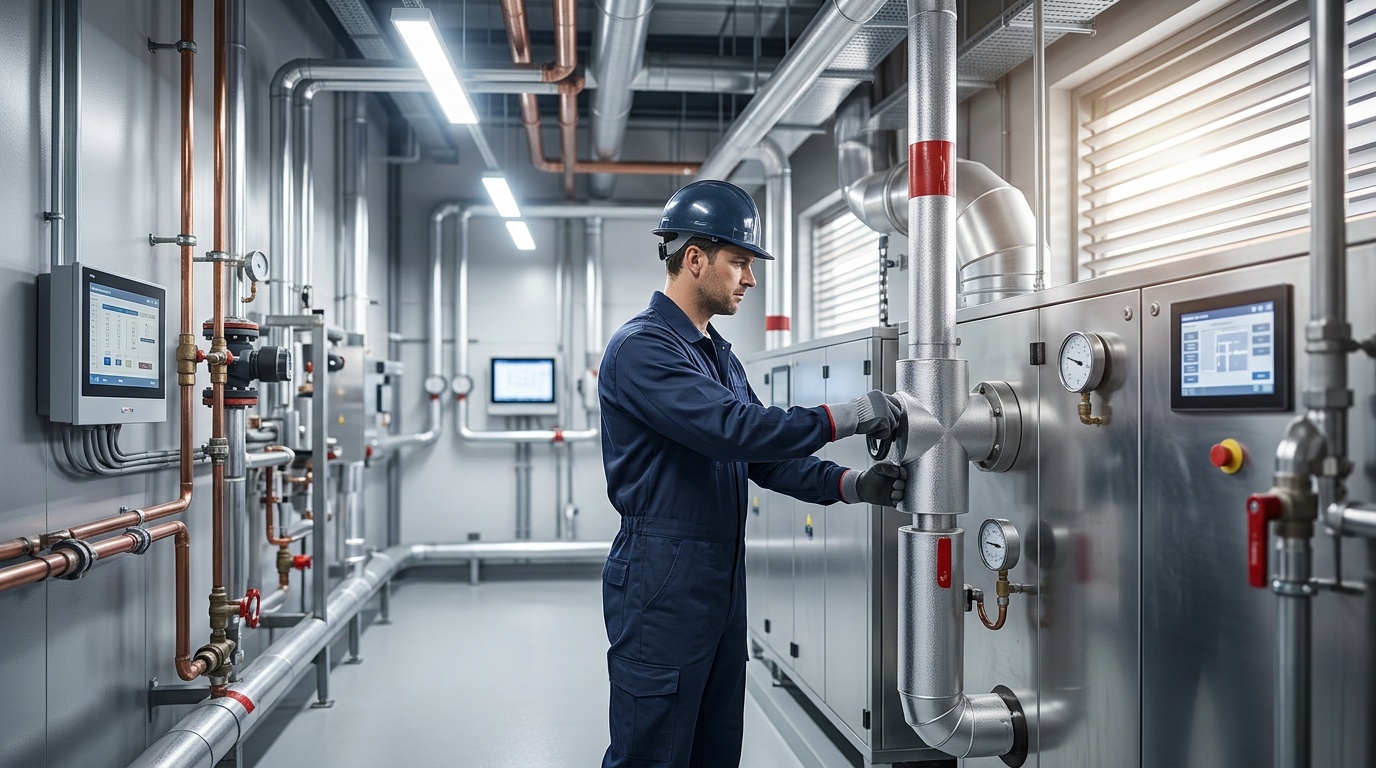
The process of turning a blueprint into a finished home is a significant undertaking, demanding careful planning, execution, and communication. As Stuart Butcher, I’ve learned that the true measure of a builder isn't just in the structure they erect, but in the confidence and peace of mind they provide to the homeowner throughout the journey. When you’re working with contractors that build houses, understanding the stages of construction, maintaining clear lines of communication, and ensuring rigorous final checks are what transform a complex project into a successful, welcoming home.
The Stages of Construction: What to Expect and When
From initial site preparation and foundation laying, through framing, roofing, the installation of M&E systems, and finally, interior and exterior finishing, each phase builds upon the last. A good builder will provide a clear timeline, outlining key milestones and expected completion dates for each stage. While unforeseen issues can arise, a well-managed project will navigate these challenges with transparency. Understanding these stages helps you track progress and know what to anticipate, reducing anxiety and fostering a sense of involvement in your own build.
Communication is Key: Maintaining a Productive Relationship with Your Builder
The relationship between you and your builder is foundational to a smooth construction process. Regular, open communication is non-negotiable. This means scheduled site meetings, clear channels for asking questions, and prompt updates on progress or any emerging issues. A builder who is willing to listen, explain decisions, and involve you in key choices builds trust. Equally, homeowners should be clear about their expectations and provide timely decisions when required. This collaborative approach ensures that the project stays aligned with your vision and that any potential problems are addressed collaboratively and efficiently.
Final Inspections and Handover: Ensuring Everything is 'Right First Time'
As construction nears completion, thorough final inspections are paramount. This is your opportunity to walk through the property with the builder and a qualified inspector (if you choose) to identify any defects or incomplete works. All M&E systems should be tested, and all finishes checked for quality. The handover process should include receiving all relevant documentation, such as warranties, operating manuals for appliances, and completion certificates for electrical and gas work. Ensuring everything is 'right first time' at this stage prevents issues from becoming long-term problems after you've moved in.
The MEMS Advantage: Why Proactive Maintenance Starts at Construction
At MEMS Facilities Maintenance, our ethos is that proactive maintenance is always more effective and economical than reactive repair. This principle begins at the construction stage. By ensuring that M&E systems. Heating, ventilation, electrical, plumbing. Are installed to the highest standards by qualified professionals, and that the building envelope is sound, you are setting your home up for a lifetime of efficient and reliable operation. We offer ongoing maintenance services that build upon the quality of the initial build, helping homeowners protect their investment and ensure their systems continue to perform optimally. The quality of the build directly impacts the ease and cost of future maintenance; getting it right from the start is the biggest saving you can make.
The Home Building Timeline: Key Milestones
- Pre-Construction: Design, Planning Permission, Contractor Selection
- Site Preparation: Groundworks, Excavation, Utilities
- Foundation & Structure: Concrete Pouring, Framing, Roofing
- External Works: Windows, Doors, Siding
- MEP Installation: HVAC, Electrical, Plumbing Systems
- Interior Finishes: Drywall, Painting, Flooring, Cabinetry
- External Finishes: Landscaping, Driveways
- Final Inspections & Handover
Ready to build or need advice on the M&E systems for your new home? Understanding the complexities of construction and ensuring your home is set up for optimal performance from day one is our speciality. We partner with quality builders to ensure your investment is protected.
References
Frequently Asked Questions
Is it cheaper to hire a contractor to build a house?
Hiring a contractor to build a house can often be cheaper than managing the project yourself, but only if you select a builder with a proven track record for controlling costs and schedules. A good contractor coordinates over 20 different trades and avoids expensive mistakes. However, you still pay their fee, which typically adds 10 to 20 per cent to the project budget.
What do you call a contractor that builds houses?
A contractor that builds houses is most commonly called a home builder or a general contractor. The two terms are often used interchangeably, but a home builder usually handles more of the design and planning stages, whereas a general contractor focuses purely on managing construction. Many firms operate as both.
Is $100,000 enough to build a house?
$100,000 is generally not enough to build a full-size single-family house in the UK unless you opt for a very small custom build or a modular project with strict cost controls. Land costs, material prices, and labour vary significantly by region. Speak to local contractors that build houses to get a realistic assessment for your area.
How much does it cost to pay a contractor to build a house?
The cost to pay a contractor to build a house depends on your location, the size and complexity of the home, and the builder's overheads. Typically contractor fees range from 10 to 20 per cent of the total project cost. Always request itemised quotes and check exactly what is included before signing any contract.
How big of a house can you build for $200,000?
With $200,000 you can build a modest single-storey home or a small two-bedroom property, especially if you keep the design simple and use standard finishes. In many parts of the UK this budget allows for roughly 1,000 to 1,200 square feet. Your local house builder can give you a more precise estimate based on current material and labour costs.
What is the difference between a general contractor and a home builder?
A general contractor manages the daily construction operations, hires subcontractors, and keeps the project on schedule and budget. A home builder often takes a broader role, involving design, planning, and guiding the whole process from land acquisition to handover. Understanding this difference helps you choose the right professional for your project.