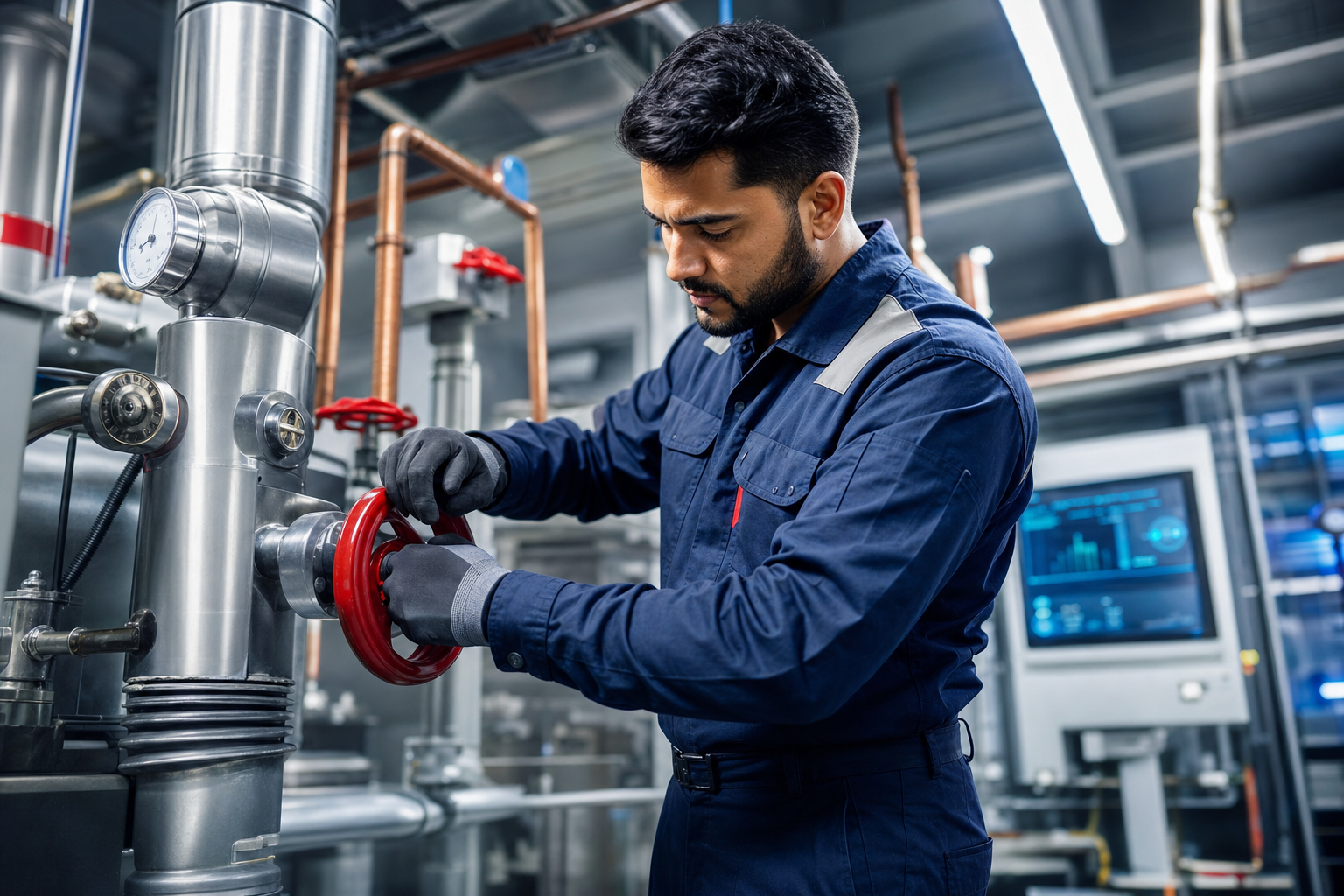
Cost of emergency ventilation repairs?
The Real Bottom Line: What an Emergency Ventilation Repair Actually Costs
Emergency ventilation repairs typically range from £300-£1,500 for standard call-outs, but the true cost extends far beyond the initial invoice. Factor in business downtime, productivity losses, and compliance risks, and you may face costs exceeding £10,000 for a single system failure in commercial premises.
Beyond the Invoice: The True Cost of Downtime
When your ventilation system fails at 2 am on a Saturday, you're not just paying for an engineer's time. You're paying for lost revenue, compromised air quality that affects staff performance, and potential regulatory breaches. A failed extract system in a restaurant kitchen doesn't just cost the repair fee. It costs every meal that can't be served while the system remains offline.
In my 24 years in building services, I've witnessed businesses lose thousands in trade because they focused solely on the repair bill rather than the operational impact. A £500 emergency repair that takes eight hours to complete can easily result in £5,000 in lost business for retail or hospitality venues.
The Sticker Shock: Average Emergency Ventilation Repair Figures
Emergency call-out rates start at £150-£250 just to get an engineer to your site outside normal hours. Parts carry a 30-50% premium during emergency situations due to urgent sourcing requirements. Labour costs often double for weekend and bank holiday emergencies, with specialist ventilation engineers commonly charging £80-£120 per hour during urgent call-outs.
Cost Breakdown Reality
Standard weekday emergency: £300-£800
Weekend/bank holiday emergency: £600-£1,500
Complex system failure: £1,000-£3,000+
Business downtime costs: £200-£2,000 per hour
Why Reactive Repairs Are a False Economy
Many facility managers have accepted the cycle of emergency breakdowns as inevitable operational expenses. This reactive approach costs businesses 3-5 times more than proactive maintenance strategies. When you're constantly firefighting ventilation failures, you lose the ability to budget effectively and plan for optimal system performance.
Our Building Fabric Repairs & Maintenance approach shows how Planned Preventative Maintenance (PPM) can eliminate up to 80% of emergency scenarios while maintaining SFG20 compliance standards that protect both your building and your budget.
What Drives Up Emergency Ventilation Repair Expenses
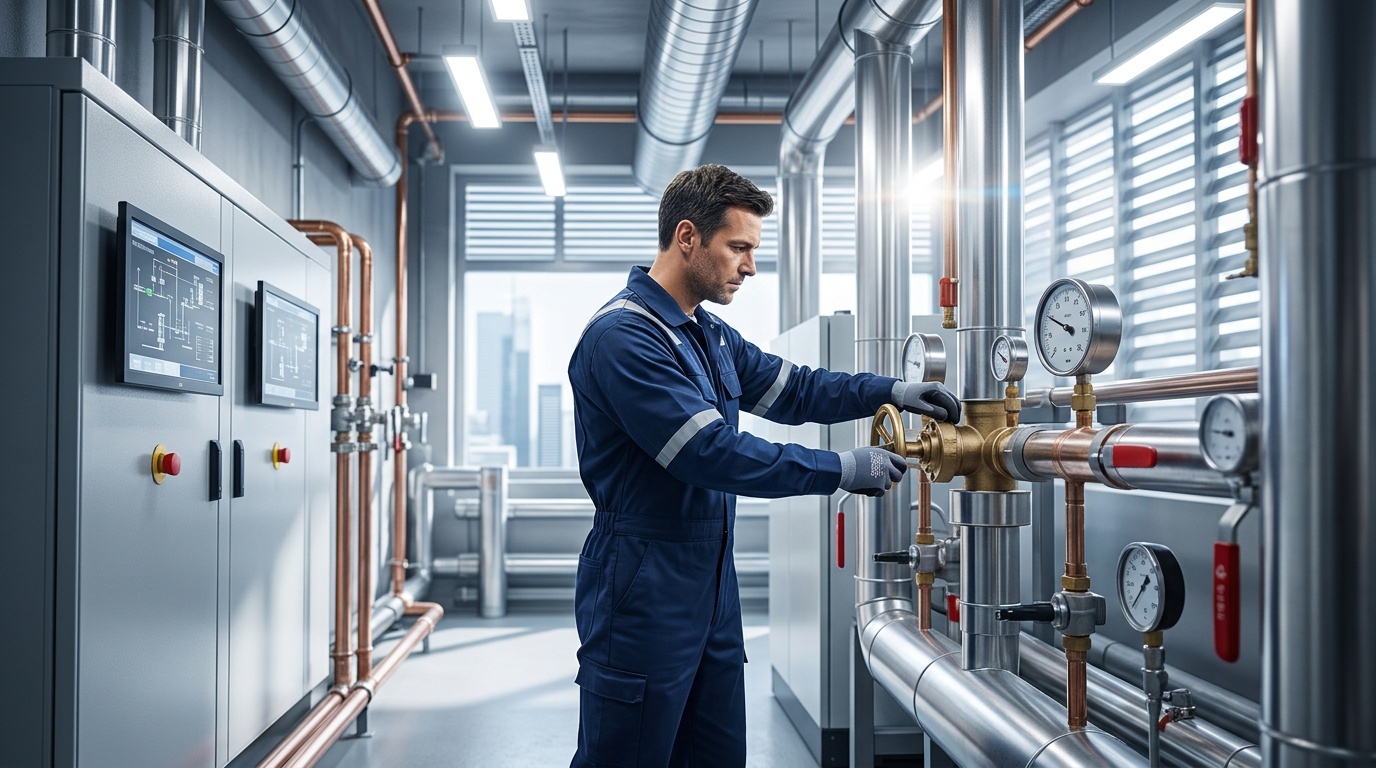
Time Is Money: Emergency Call-Out Hours and Days
The timing of your ventilation emergency directly impacts your costs. Standard working hours (8 am to 5 pm, Monday to Friday) represent the baseline cost structure, but mechanical failures don't respect office schedules. Evening call-outs typically add a 50% surcharge, while weekend emergencies can double labour costs. Bank holidays command the highest premiums, with some specialist ventilation engineers charging triple rates for Christmas Day or New Year's Day emergencies.
Geographic location compounds these timing penalties. Rural areas, or locations outside major service hubs, may face additional travel charges that add £100-£300 to an emergency bill. Urban centres such as Birmingham benefit from faster response times and competitive pricing, but even there, a Sunday morning ventilation failure costs significantly more than the same repair on a Tuesday afternoon.
The 'Urgency Premium': Parts and Labour Costs in a Crisis
Emergency repairs operate in a different economic reality where normal supply chains break down. Standard delivery schedules become irrelevant when your building's air quality is compromised, forcing engineers to source components via express suppliers who charge premium rates. A motor that costs £200 with standard delivery can rise to £350 when it's needed within hours.
Labour efficiency also suffers during urgent repairs. Engineers work under pressure, often in suboptimal conditions with limited preparation time. What might be a two-hour planned maintenance task can become a four-hour emergency repair when technicians must diagnose problems without prior system knowledge or readily available documentation.
System Complexity and Age: Why Some Repairs Cost More
Modern commercial ventilation systems integrate sophisticated controls, variable speed drives, and smart monitoring technology that require specialist expertise. Legacy systems present different challenges, with obsolete components demanding custom fabrication or extensive modification work. Heat recovery ventilation units contain multiple failure points including heat exchangers, bypass dampers, and control systems that can cascade into complex diagnostic challenges.
System Type Cost Multipliers
Basic extract fans: 1× baseline cost
VAV systems: 2-3× baseline cost
Heat recovery units: 3-4× baseline cost
Integrated BMS systems: 4-5× baseline cost
Location, Location, Location: Geographic Variations in Service Costs
Regional variations significantly affect emergency repair pricing across the UK. London and the South East command the highest rates, with emergency call-outs starting at £300-£400 before any work begins. The Midlands offers more competitive pricing while maintaining access to skilled technicians. Northern regions and Scotland can face longer response times but may benefit from lower hourly rates.
Building accessibility also affects costs. High-rise commercial properties may require additional safety equipment and certified height-access technicians. Underground plant rooms can require specialised ventilation for worker safety during repairs. These site-specific factors can add 25-75% to an emergency repair bill, regardless of the mechanical work required.
The Unseen Price Tag: Impact of Ventilation Failure
Productivity Loss: How Poor Air Quality Affects Staff Performance
Research consistently shows that indoor air quality correlates with cognitive performance and employee productivity. Carbon dioxide levels above 1,000 ppm can reduce decision-making ability by up to 15%, while poor ventilation can increase sick building syndrome symptoms and drive absenteeism higher. A failed ventilation system in a 100-person office can cost £500-£1,500 per day in reduced productivity alone.
Temperature control failures compound these productivity losses. Overheated workspaces can reduce mental performance by 10% for every degree above optimal comfort ranges. When emergency ventilation repairs extend beyond same-day resolution, businesses face cumulative productivity losses that exceed the mechanical repair costs.
Compliance and Legal Risks: The Cost of Non-Adherence
Workplace regulations require adequate ventilation to protect employee health and safety. Failed systems can expose businesses to Health and Safety Executive enforcement action, with fines ranging from £5,000 for minor breaches to unlimited penalties for serious safety violations. Insurance policies may void cover for incidents that occur in buildings with non-compliant ventilation systems.
Some sectors face additional regulatory requirements. Food service establishments must maintain extract ventilation to prevent contamination, while healthcare facilities may require positive pressure systems to control infection spread. Failure to maintain these systems can trigger immediate closure orders that cost thousands in lost revenue while emergency repairs are completed.
Reputational Damage: The Ripple Effect of a Failing Building System
Customer perception suffers quickly when ventilation systems fail. Stuffy retail environments drive shoppers away, while restaurants with inadequate kitchen extraction create unpleasant dining experiences that generate negative reviews. Professional service businesses lose credibility when clients experience uncomfortable meeting environments caused by poor air quality.
Modern social media amplifies these reputational risks. A single negative review that mentions poor air quality or uncomfortable temperatures can influence hundreds of potential customers. Recovery from reputational damage takes months of consistent positive experiences, making prevention through reliable building maintenance more cost-effective than reactive crisis management.
Energy Waste: The Hidden Drain of Inefficient Ventilation
Failed ventilation systems consume excessive energy while delivering poor performance, creating a double financial penalty. Blocked filters force motors to work harder, increasing electricity consumption by 15-25% before complete failure occurs. Damaged heat recovery units waste heated or cooled air, directly increasing utility bills as HVAC systems compensate for lost efficiency.
Malfunctioning variable speed drives often default to maximum operation, consuming peak energy regardless of actual ventilation requirements. A single faulty control system can add £200-£500 per month to electricity costs while simultaneously reducing indoor air quality. These energy penalties accumulate silently until emergency repairs become unavoidable.
Beyond the Breakdown: Proactive Maintenance as Your Financial Shield
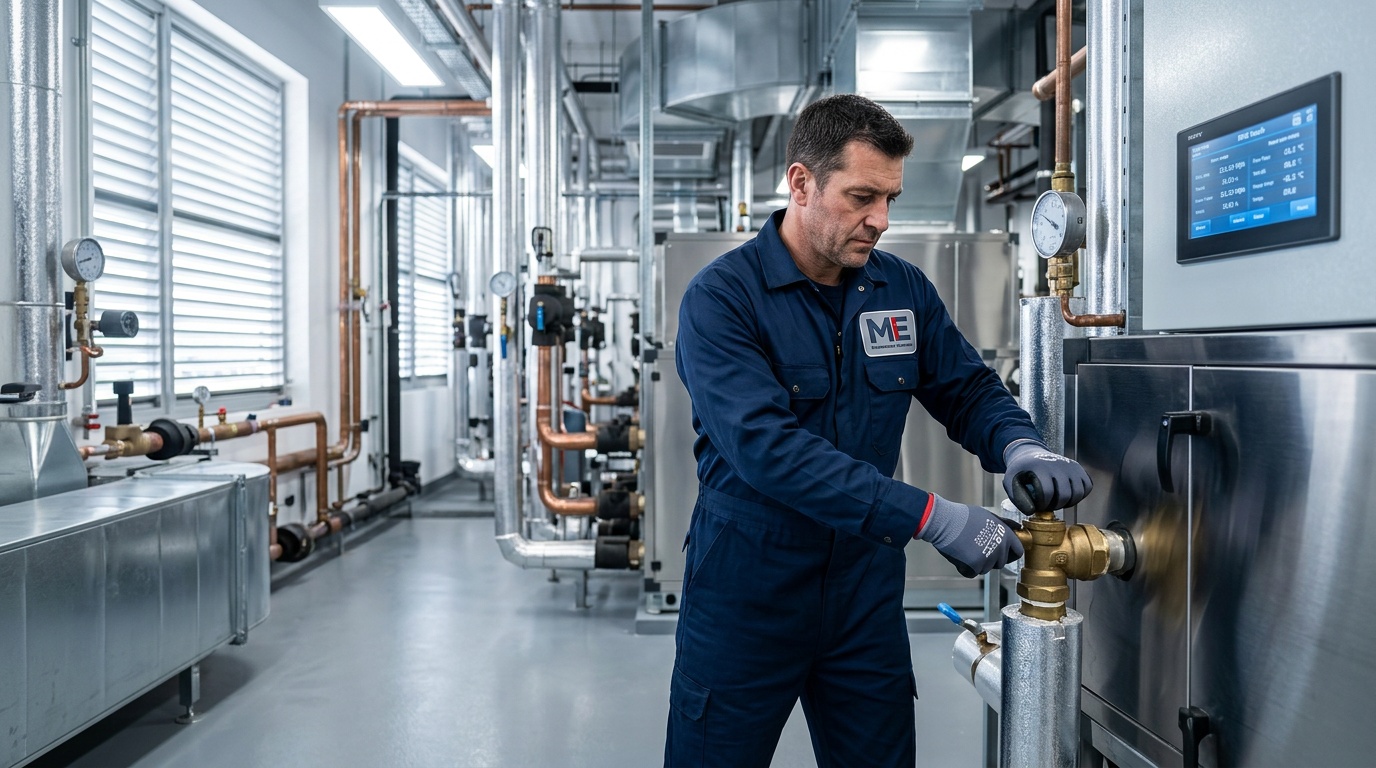
Planned Preventative Maintenance (PPM): An Investment, Not an Expense
Systematic maintenance programmes prevent most emergencies through scheduled inspections, filter changes, and component monitoring. A quarterly PPM visit costs £150-£300 but prevents emergency repairs that commonly average £800-£1,500. The maths is straightforward: prevention costs less than urgent response.
PPM schedules also extend equipment lifespan by 30-50%, protecting capital investment while maintaining energy efficiency. Regular maintenance identifies wear patterns before catastrophic failure, allowing planned component replacement during convenient windows rather than during disruptive emergencies.
SFG20 Compliance: The Foundation of Reliable Building Operations
SFG20 standards provide a framework for systematic ventilation maintenance, specifying inspection frequencies and maintenance tasks based on system type and operational demands. Compliance supports legal defensibility while improving reliability through evidence-based maintenance schedules.
SFG20 Maintenance Frequency Guidelines
Extract fans: Quarterly inspection, annual overhaul
Supply air handling units: Monthly filter checks, biannual service
Heat recovery systems: Quarterly maintenance, annual heat exchanger cleaning
Control systems: Biannual calibration, quarterly functional testing
When to Upgrade vs. Repair: Making Smart Long-Term Decisions
Systems approaching 15-20 years old need a cost-benefit analysis that compares repeated emergency repairs against planned replacement. Regular emergency interventions on ageing equipment can exceed the cost of a new system while delivering poorer performance and reliability.
Modern ventilation technology delivers energy savings that offset replacement costs through lower operating expenses. Smart controls, variable speed drives, and improved heat recovery efficiency can reduce energy consumption by 30-50% compared to legacy systems that require frequent emergency repairs.
Asking the Right Questions: Spotting a Provider Who Protects Your Budget
Transparency in Call-Outs: What to Expect Before the Engineer Arrives
Reputable providers offer clear pricing structures before dispatching engineers, including call-out fees, hourly rates, and parts pricing policies. Clear communication includes estimated arrival times, engineer qualifications, and a description of initial diagnostic steps to reduce the risk of surprise charges.
Professional service includes a clear quotation before work starts when practical, with an explanation of repair options and associated costs. This transparency supports informed decision-making rather than pressure-driven choices during urgent situations.
A 'Right First Time' Commitment: Reducing Repeat Emergency Bills
A quality provider should aim to fix the root cause, not just the symptom, to reduce the risk of repeat failures. Clear reporting on findings and remedial work helps you understand what the repair addressed and what follow-on actions may be required.
Comprehensive emergency repairs should address underlying causes rather than surface symptoms, improving the odds of long-term reliability. Quick fixes can fail within weeks and trigger additional emergency costs that exceed the cost of proper work carried out during the first visit.
Partnering for Uptime: How Proactive Support Saves Money
Working with an experienced provider such as M&E Maintenance Solutions Limited shifts your approach from reactive crisis management to proactive asset protection. The goal is fewer emergencies, lower total lifecycle costs, and better operational continuity.
Effective partnerships include regular system health assessments, planned maintenance scheduling, and priority emergency response when prevention isn't possible. This approach minimises disruption and helps control both planned maintenance spending and unplanned repair costs.
Frequently Asked Questions
What's the typical cost for an emergency ventilation repair?
For a standard commercial call-out, emergency ventilation repairs usually range from £300 to £1,500. This initial figure covers the engineer's time and basic parts. However, the overall financial impact often extends far beyond this invoice for commercial premises.
What factors drive up the cost of an emergency ventilation call-out?
Emergency call-out rates often start at £150-£250 just to get an engineer to your commercial site outside normal hours. Labour costs can double for weekend or bank holiday emergencies, and parts may carry a 30-50% premium due to urgent sourcing. Geographic location and system complexity also play a significant role.
Beyond the repair bill, what are the hidden costs of a ventilation system breakdown?
The true cost of a ventilation failure extends far beyond the repair invoice. Businesses can face significant losses from downtime, reduced staff productivity due to poor air quality, and potential compliance risks. I've seen a £500 repair lead to £5,000 in lost business for commercial venues.
Is it more cost-effective to react to ventilation breakdowns or to plan for maintenance?
Consistently reacting to emergency breakdowns is a false economy, costing businesses 3-5 times more than proactive maintenance strategies. Planned preventative maintenance can eliminate up to 80% of emergency scenarios, protecting your budget and ensuring compliance. It's about budgeting effectively rather than constantly firefighting.
How do the time of day and location affect emergency repair costs?
The timing of your emergency significantly impacts costs, with evening, weekend, and bank holiday call-outs incurring higher surcharges, sometimes triple rates. Geographic location also matters; rural areas might face additional travel charges, while urban centres can offer faster response times for commercial clients.
Does the type of ventilation system impact emergency repair expenses?
Absolutely, system complexity and age are major cost multipliers. Basic extract fans are less costly, but sophisticated systems like VAV units, heat recovery ventilation, or integrated BMS systems require specialist expertise and more expensive parts. Legacy systems can also demand custom fabrication for obsolete components.