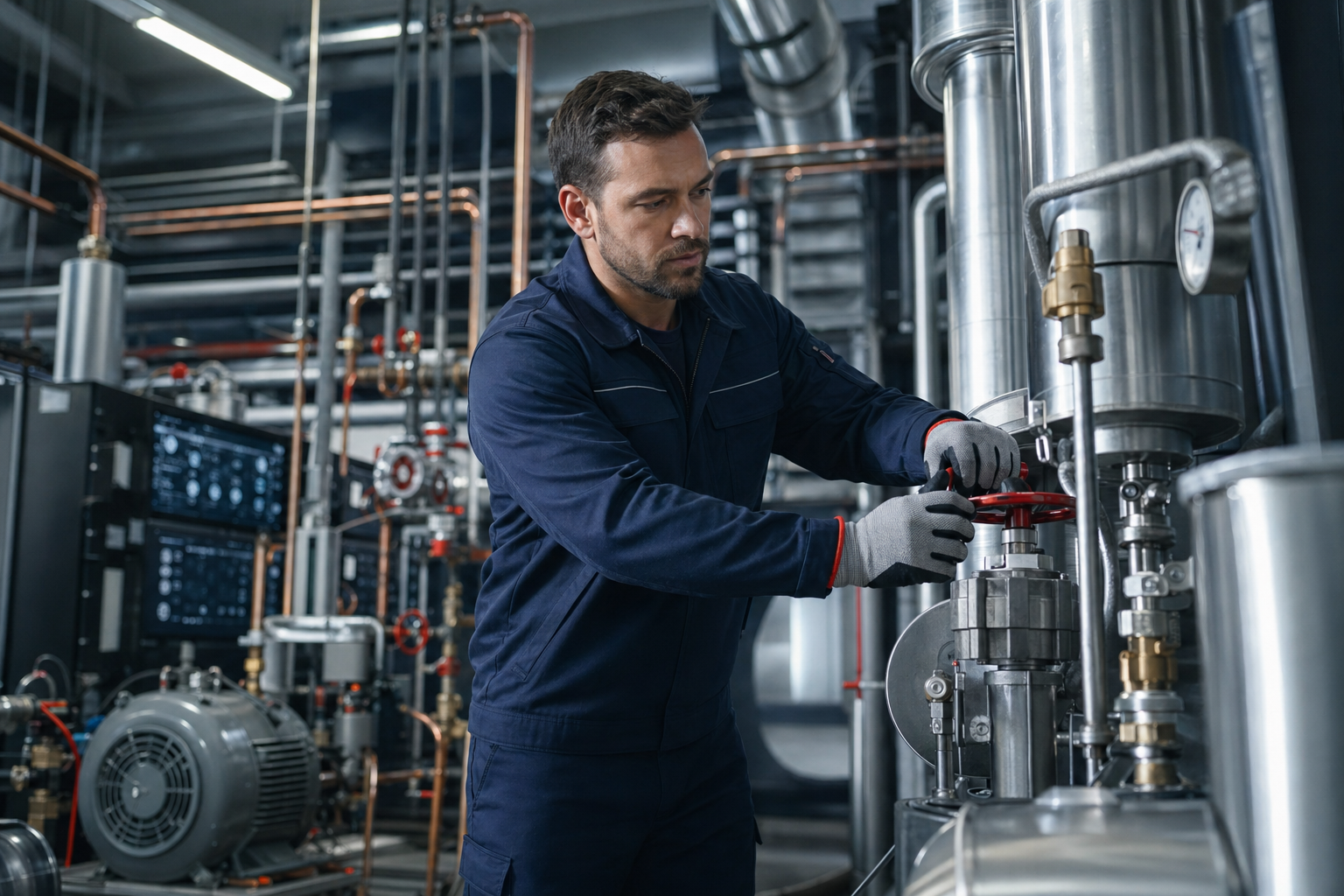
Cost of building fabric repair services?
Understanding the Cost of Building Fabric Repair: What You're Really Paying For
Why Fabric Failures Cost More Than You Think
Last month, a Birmingham office block faced a £15,000 emergency repair bill because a small roof leak went unnoticed for six months. The water damage spread through three floors, forcing tenant relocations and triggering insurance claims. That's the reality of fabric failure. It doesn't just cost you the repair price.
Building fabric deteriorates silently. Mortar joints crack without fanfare, weatherproofing degrades gradually, and structural elements weaken over time. When facility managers treat fabric maintenance as an expense rather than an investment, they're gambling with their building's future.
What Goes Into a Professional Estimate
When you receive a fabric repair estimate, you're not just paying for materials and labour. The true cost includes diagnostic surveys, compliance requirements, access equipment, weather protection, and warranties. M&E Maintenance Solutions provides site assessments that identify underlying issues before they escalate.
Engineering Reality: A £500 pointing repair today prevents a £5,000 structural intervention next year. You're buying insurance against catastrophic failure.
Variables That Drive Pricing
Repair costs vary based on building age, materials, accessibility, and regulations. Victorian masonry demands specialist restoration techniques. Modern cladding systems require certified installers. Access challenges. Scaffolding, cherry pickers, or rope access. Can double labour costs. Listed-building constraints and planning permissions add complexity that generic contractors often underestimate.
Common Failure Patterns and What They Cost

After two decades diagnosing building failures, I've learned that fabric deterioration follows predictable patterns. Mortar joints fail within 15-25 years depending on exposure. Cavity wall ties corrode silently until structural movement becomes visible. Understanding these timelines helps you budget appropriately.
The Big Three: Water, Movement, and Age
Water ingress represents 70% of fabric repair calls at M&E Property Solutions. Failed pointing allows moisture penetration, causing freeze-thaw damage that worsens each winter. Roof membrane deterioration creates hidden leaks that damage structural timbers before becoming visible indoors.
Structural movement from settlement or thermal expansion creates cracks that worsen over time. Ignoring hairline cracks leads to stepped fractures that require major intervention.
Why DIY and Temporary Fixes Backfire
Temporary repairs using inappropriate materials create bigger problems. Cement-based pointing on lime mortar buildings traps moisture, accelerating masonry decay. Silicone sealants applied over structural cracks mask ongoing movement whilst water continues penetrating behind.
Our building fabric repairs and maintenance approach addresses root causes, not symptoms.
- Material compatibility: Matching repair materials to existing construction prevents chemical conflicts
- Structural assessment: Identifying underlying movement before cosmetic repairs
- Weather protection: Scheduling repairs during appropriate conditions for material curing
- Access coordination: Addressing multiple issues simultaneously to reduce scaffold costs
Regulatory Requirements That Affect Costs
Building fabric repairs must comply with current building regulations, particularly thermal performance and fire safety standards. Post-Grenfell legislation affects external wall modifications, requiring additional certification. SFG20 standards mandate specific inspection frequencies for structural elements, identifying repair needs before emergency interventions become necessary.
Repair vs. Replacement: The 60% Rule
Property managers face this weekly: patch failing brickwork or replace an entire wall section? After diagnosing hundreds of fabric failures across the West Midlands, I use a simple framework. When repair costs exceed 60% of replacement value, or when underlying structure shows progressive deterioration, replacement becomes economically sound.
Short-Term Fix vs. Long-Term Investment
Repair Benefits
- Lower immediate capital outlay
- Minimal operational disruption
- Preserves building character and planning compliance
- Quick turnaround for urgent issues
Replacement Advantages
- Improved thermal performance and energy savings
- Modern warranty protection
- Reduces recurring maintenance cycles
- Improved weather resistance and longevity
The 20-Year Calculation
Smart facility managers calculate total cost of ownership over 20-year periods. Repointing Victorian masonry every eight years costs more than installing modern cavity wall insulation with 25-year performance guarantees. Factor energy efficiency improvements, reduced maintenance frequency, and improved property valuations when making fabric decisions.
Timing Repairs to Avoid Downtime
Planned fabric interventions prevent emergency closures that disrupt commercial operations. Scheduling repairs during low-occupancy periods maintains business continuity whilst protecting physical assets. We coordinate multiple fabric trades simultaneously to minimize access costs and reduce project duration.
Getting Accurate Quotes: What to Expect and Demand
Accurate fabric repair estimates require detailed site surveys, not desktop calculations. Material quantities, access requirements, and existing building conditions vary between properties. Professional plumbing and electrical services often integrate with fabric repairs when water damage affects building systems.
Professional Insight: Quotes that vary by more than 30% between contractors usually indicate different scopes of work, not pricing differences. Always compare like-for-like specifications.
The MEMS Quote Standard
Professional estimates detail material specifications, access methods, weather protection measures, and compliance certification requirements. Our quotes include photographic condition surveys, prioritized repair schedules, and alternative solution options. This transparency helps facility managers budget accurately and avoid overruns from poorly specified projects.
Five Questions That Expose Hidden Costs
- What happens if structural discoveries require additional work?
- Are planning applications or building control notifications included?
- How are weather delays handled in the pricing?
- What warranty period covers both materials and workmanship?
- Are access equipment charges fixed or variable?
Understanding these potential extras prevents budget surprises and supports realistic financial planning for your building fabric maintenance programme.
Frequently Asked Questions
What factors influence the cost of building fabric repair services?
The cost of building fabric repair services depends on several factors, including the building's age, the specific materials involved, and how accessible the repair area is. Specialist techniques for older buildings or certified installers for modern systems can affect the price. Also, regulatory requirements and the need for access equipment like scaffolding can significantly influence the final estimate.
Why is understanding building fabric repair costs important for my business?
Understanding building fabric repair costs is about protecting your asset value and preventing costly emergencies. Neglecting small issues, like a minor roof leak, can quickly escalate into significant damage, operational disruptions, and much larger repair bills. Treating fabric maintenance as an investment helps ensure your building's operational continuity and avoids unexpected financial hits.
What common issues typically require building fabric repair?
The most common issues requiring building fabric repair often involve water ingress, such as failed pointing or deteriorating roof membranes, especially on older flat roofs. We also frequently see cladding system failures, like loose panels or failed sealants, which compromise the building's envelope and energy efficiency. Addressing these root causes prevents more severe structural damage down the line.
How do compliance standards like SFG20 affect building fabric repair estimates?
Compliance standards, including SFG20 and current building regulations, significantly impact building fabric repair estimates. These standards mandate specific requirements for thermal performance, fire safety, and inspection frequencies, often requiring additional certification for external wall modifications. While these add to project costs, they ensure legal compliance and help identify repair needs proactively, preventing more expensive emergency work.
When should I consider replacing a building fabric element instead of just repairing it?
It's a common dilemma, and my framework suggests replacement is economically sound when repair costs exceed 60% of the replacement value, or if the underlying structure shows progressive deterioration. While repairs offer lower immediate costs and quicker turnaround, replacement can provide improved thermal performance, modern warranty protection, and reduce recurring maintenance cycles for the long term.
Can proactive maintenance reduce the overall cost of building fabric repair?
Absolutely, proactive fabric maintenance is an investment that prevents much larger, more expensive problems down the line. Addressing small issues like a £500 pointing repair today can prevent a £5,000 structural intervention next year. Smart facility managers understand that planned interventions prevent emergency closures and reduce total cost of ownership over the building's lifespan.
What does a fabric repair estimate typically include beyond materials and labor?
A comprehensive fabric repair estimate goes beyond just materials and labor. It often includes costs for diagnostic surveys to identify underlying issues, compliance with regulations, and specialized access equipment like scaffolding. Additionally, factors like weather protection during repairs and any post-repair warranties contribute to the overall cost, ensuring a thorough and lasting solution.