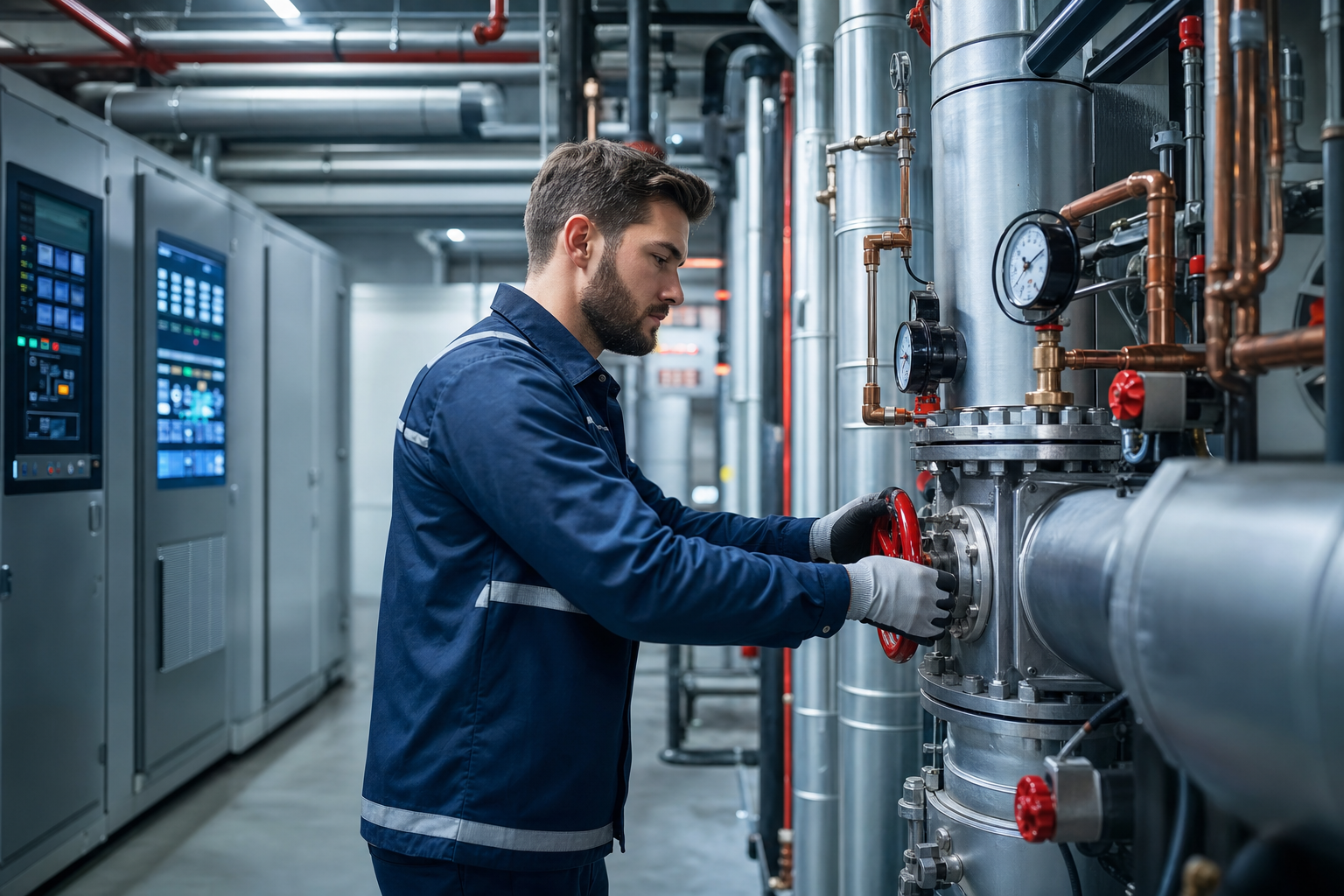
Pricing for energy-efficient heating installations?
The Real Cost of Staying Warm: Understanding Energy-Efficient Heating Installation Pricing
Pricing for energy-efficient heating installations? Expect £8,000-£25,000 for commercial heat pumps, with ground source systems at the higher end. System size, building heat loss calculations, and installation complexity drive costs. Government grants can reduce expenses by £5,000-£7,500 through the Boiler Upgrade Scheme.
Key Takeaways
- Commercial heat pump installations typically cost between £8,000 and £25,000, with ground source systems representing the higher end of this range.
- The final price of an energy-efficient heating system depends on factors such as system size, specific building heat loss calculations, and the overall complexity of the installation.
- Government initiatives, including the Boiler Upgrade Scheme, can significantly reduce expenses, offering savings of £5,000 to £7,500 on installation costs.
Beyond the Boiler Room: Why Facility Managers Care About Heating Costs
Your heating system accounts for 40-60% of commercial energy bills. When a facility manager calls me about rising utility costs, the conversation always leads back to the plant room. Old boilers running at 70% efficiency whilst modern condensing units achieve 95%+ means you are literally burning money.
Building regulations tighten every year. The Clean Heat Market Mechanism requires heat pump quotas from 2024. Commercial properties face carbon reporting obligations. Staying ahead means investing in efficient heating technology before compliance becomes mandatory.
The 'Cheap Fix' Fallacy: Why Upfront Cost Isn't the Whole Story
I have seen too many commercial landlords choose the cheapest quote, then call us six months later when their "bargain" system breaks down. Quality components, proper commissioning, and skilled installation determine long-term performance. A £12,000 heat pump that runs reliably for 20 years costs less than an £8,000 unit requiring constant repairs.
My 24 Years on the Tools: The Engineering Reality of Heating Systems
Starting as an apprentice combustion engineer taught me that heating systems are investments, not purchases. I have commissioned everything from basic gas boilers to complex ground source heat pump arrays. The technology has advanced dramatically, but the fundamentals remain: correct sizing, quality installation, and planned maintenance determine success.
Modern heat pumps integrate with building management systems, smart controls, and time-of-use tariffs. This is not just about staying warm anymore. It is about optimising energy consumption across your entire commercial operation.
Decoding the Price Tag: Key Factors Driving Energy-Efficient Heating Installation Costs
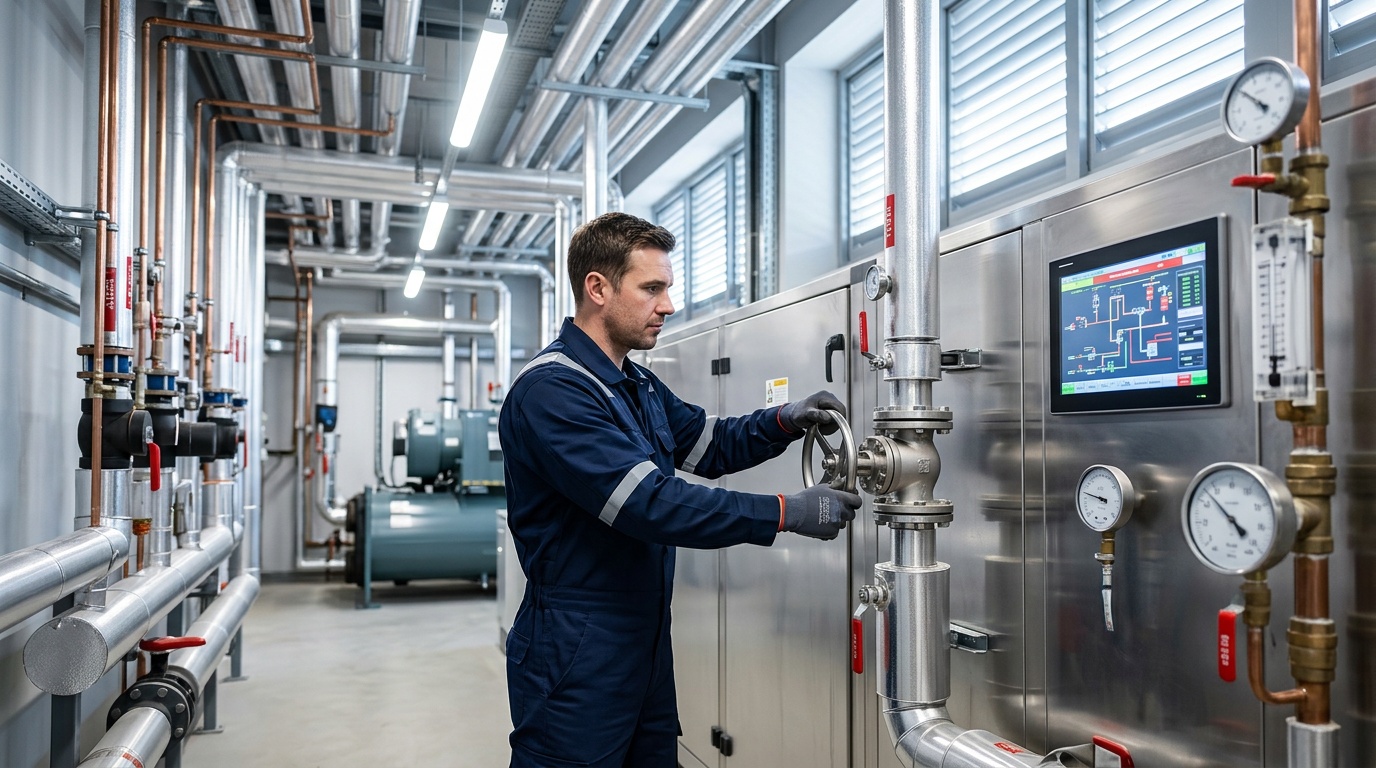
System Type: Heat Pumps, Ground Source, and Technology Choices
Air-to-water heat pumps start around £8,000-£15,000 for typical commercial applications. Ground source systems require borehole drilling, pushing costs to £15,000-£25,000. Air-to-air units offer lower upfront investment but limited hot water capability.
| System Type | Typical Cost Range | Installation Complexity | Efficiency Rating |
|---|---|---|---|
| Air-to-Water Heat Pump | £8,000-£15,000 | Moderate | COP 3.0-4.5 |
| Ground Source Heat Pump | £15,000-£25,000 | High | COP 4.0-5.5 |
| Hybrid Heat Pump | £10,000-£18,000 | High | COP 3.5-4.8 |
Building Size and Heat Loss: The Foundation of Your Quote
Accurate heat loss calculations determine system sizing. A 200 m² office typically requires 15-20 kW heating capacity. Poor insulation, large glazed areas, or high ceilings increase demand. We conduct thermal surveys using calibrated equipment because oversizing wastes energy whilst undersizing compromises comfort.
Complexity of Installation: Access, Pipework, and Electrical Work
Straightforward installations with good access cost 20-30% less than complex retrofits. Existing pipework condition, electrical supply adequacy, and plant room space affect pricing. Listed buildings or city centre locations with restricted access add 15-25% to standard quotes.
Brand Reputation and Technology: Quality Comes at a Price
Premium manufacturers like Mitsubishi, Daikin, and Vaillant command higher prices but deliver proven reliability. We have installed thousands of units across Birmingham and the West Midlands. Quality components reduce breakdown frequency and extend operational life. Budget brands may save 20% upfront but often require replacement within 8-10 years versus 15-20 years for premium equipment.
Ancillary Components: Controls, Storage, and Integration
Smart controls add £1,500-£3,000 but optimise performance automatically. Hot water cylinders, buffer tanks, and weather compensation systems affect total investment. Building management system integration enables remote monitoring and predictive maintenance. These components turn basic heating into intelligent climate control.
The 'Invisible' Costs: Survey, Design, and Commissioning
Professional heat loss surveys cost £500-£1,200 but prevent costly oversizing mistakes. Detailed system design, electrical calculations, and planning applications add 10-15% to equipment costs. Proper commissioning ensures optimal performance and validates warranty coverage. Skipping these stages creates expensive problems later.
Navigating UK Support: Grants, Tax Credits, and Government Help for Greener Heating
The Boiler Upgrade Scheme (BUS): What You Need to Know
The BUS provides £5,000 grants for air source heat pumps and £6,000 for ground source systems. Commercial properties may qualify if they replace fossil fuel heating with renewable technology, subject to scheme rules and installer eligibility checks. Applications are processed through MCS-certified installers only. Funding can cover approximately 30-40% of typical installation costs, which can make energy-efficient upgrades more financially attractive.
Other Available Grants and Incentives (Regional and National)
Some local authorities offer additional support schemes. Enhanced Capital Allowances may provide 100% first-year tax relief on qualifying equipment, subject to the prevailing rules. The Green Business Fund supports some SMEs with low-interest loans for energy efficiency improvements. Combined incentives can reduce net investment significantly for eligible commercial properties.
Understanding Eligibility Criteria: Eligibility and Next Steps
Eligibility depends on the scheme, the building type, and the existing heat source. In many cases, the property must replace an existing fossil fuel heating system. Some schemes require a valid Energy Performance Certificate. Heat pumps typically need MCS certification and professional installation. Many grants have capacity limits and other technical requirements; check these before selecting equipment.
Beyond the Initial Quote: Unpacking the True Long-Term Value and Operational Costs
The Two-Speed Energy Market: Understanding Tariffs and Time-of-Use Pricing
Economy 7 tariffs can offer cheaper overnight electricity for heat pump operation. Some smart tariffs provide 4-5-hour windows of reduced rates. Heat pumps with thermal storage can take advantage of these price differences. When set up and managed correctly, time-of-use pricing can reduce running costs by 25-35% compared with standard tariffs, although results vary by building and usage.
Efficiency Metrics Explained: COP, SPF, and What They Mean for You
Coefficient of Performance (COP) measures heat output versus electrical input. Modern heat pumps can achieve COP 3.5-5.0, meaning 3.5-5 units of heat per unit of electricity consumed under test conditions. Seasonal Performance Factor (SPF) gives a better indication of real-world efficiency, including defrost cycles and part-load operation. Higher ratings usually mean lower operating costs, although site conditions make a material difference.
The MEMS Standard: Ensuring Reliability and Minimising Downtime
Our Commercial HVAC Installation and Maintenance service includes comprehensive commissioning and performance verification. We conduct thermal imaging surveys, refrigerant leak testing, and control-sequence verification. Planned Preventative Maintenance schedules reduce the likelihood of unexpected failures. Commercial heating breakdowns can cost £500-£2,000 daily in lost productivity and emergency repairs, depending on the site and business type.
24/7 emergency support helps ensure a rapid response when issues arise. Our engineering team maintains detailed service histories to support predictive maintenance planning. This proactive approach can extend equipment life and keep performance closer to design intent over the system lifecycle.
Calculating Your Return on Investment: A Practical Approach
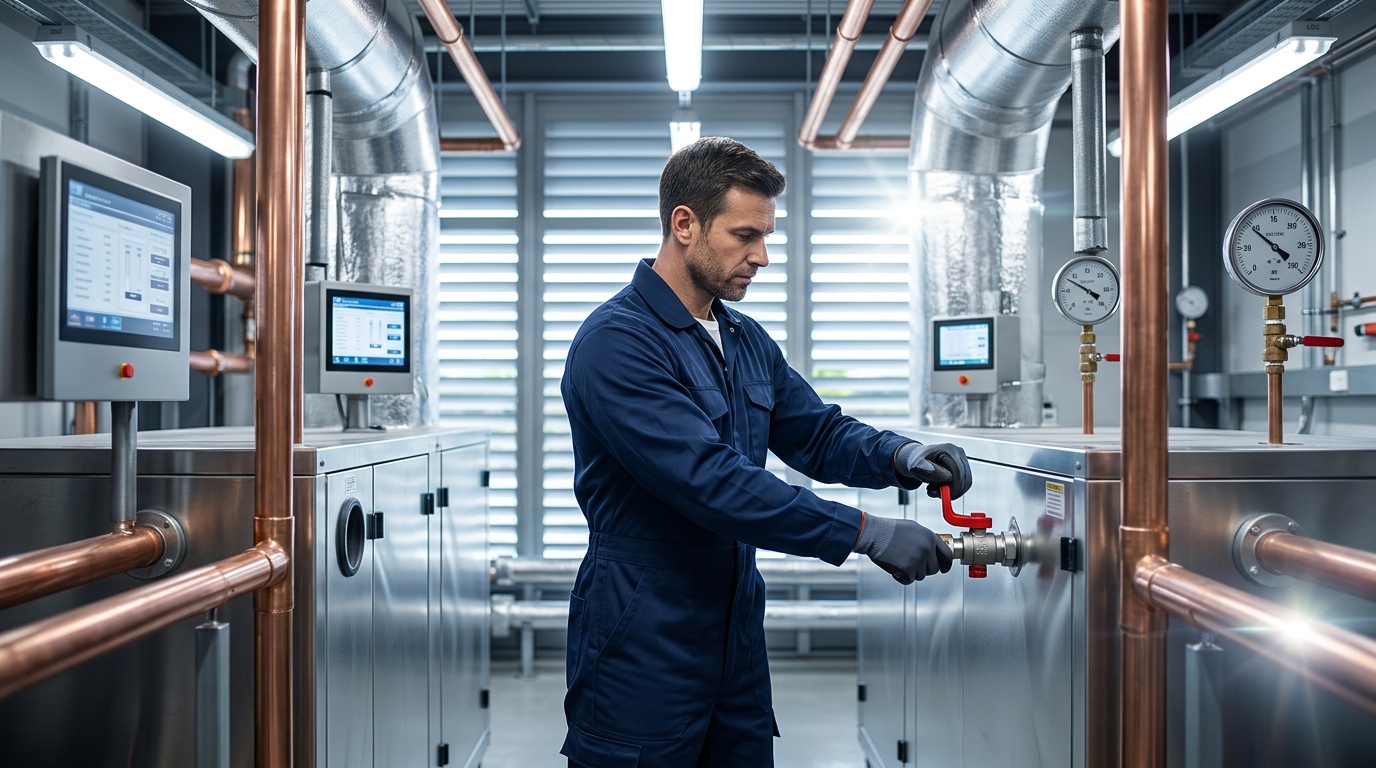
Energy-efficient heating can deliver measurable returns through reduced utility bills and improved asset values. A commercial property spending £8,000 annually on gas heating may save materially by switching to heat pumps, but the outcome depends on operating hours, heat demand, controls strategy, and electricity pricing. With electricity at 28p/kWh and gas at 10p/kWh, heat pump COP ratings above 2.8 can break even operationally in simple comparisons.
Payback periods often sit in the 7-12-year range for many commercial installations, depending on usage and the scope of works. Government grants can accelerate returns. A £15,000 heat pump installation minus a £5,000 BUS grant equals a £10,000 net investment. Annual savings of £2,500 would deliver a four-year payback period in that scenario.
Maintenance vs. Repair: The Cost of Neglect Over Time
Planned Preventative Maintenance costs £300-£600 annually per heat pump system. Emergency repairs average £800-£2,500 per call-out. Refrigerant leaks, compressor failures, and control system faults become more likely without proper servicing.
Our maintenance records show properly serviced heat pumps can achieve 95%+ uptime versus 75-80% for neglected systems. Commercial downtime can cost £500-£2,000 daily depending on business type. Prevention remains cheaper than cure.
The MEMS Difference: Why Our Proven Process Delivers Peace of Mind and Predictable Costs
Our 'Open Door' Innovation Policy: Tested, Vetted, and Reliable Technologies
We partner with manufacturers that show consistent performance across Midlands installations. Every heat pump model undergoes 12-month field testing before approval. This reduces the risk of unproven technology whilst keeping access to new, well-tested options.
Our approved equipment list includes Mitsubishi Ecodan, Daikin Altherma, and Vaillant aroTHERM ranges. These systems are widely used in UK conditions and supported by established parts availability and technical support networks.
Accurate Heat Loss Calculations: The Non-Negotiable First Step
Every installation begins with detailed thermal surveys using calibrated instruments. We measure wall thickness, insulation levels, glazing specifications, and air leakage rates. Room-by-room calculations support correct system sizing and better real-world performance.
Pricing for energy-efficient heating installations? Accurate sizing helps avoid the 15-25% cost penalties associated with oversized systems. Our calculations factor in potential building improvements and occupancy changes to help protect long-term value.
Tailored Solutions, Not One-Size-Fits-All: Our 'Customer First' Approach
Commercial properties demand bespoke solutions. Retail spaces often require rapid heating response. Offices need consistent comfort zones. Warehouses prioritise energy efficiency over tight temperature precision. We design systems that match operational requirements rather than forcing standard configurations.
Our M&E Maintenance Solutions HVAC Services adapt to building usage patterns, occupancy schedules, and budget constraints. This approach supports better performance and a stronger return on investment.
24/7/365 Support: Because Breakdowns Don't Work 9 to 5
Heating failures can occur outside business hours. Our emergency response team operates continuously, and response times vary based on location, access, and parts requirements. Fully stocked service vehicles carry common components for many repairs.
Remote monitoring systems can alert our engineers to developing issues before complete failures occur. This predictive approach reduces downtime and helps limit emergency situations.
Ask Your Installer These 5 Questions (And What to Expect)
- What heat loss calculation method do you use? Expect detailed room-by-room analysis, not rule-of-thumb estimates.
- Which refrigerant types do your systems use? R32 refrigerants can offer better efficiency than older R410A systems.
- What commissioning procedures do you follow? Testing should include performance verification and efficiency checks.
- How do you handle warranty claims? Direct manufacturer relationships can support faster parts supply and technical guidance.
- What ongoing maintenance do you recommend? Annual servicing helps maintain efficiency and reduce premature component wear.
Quality installers provide detailed proposals explaining equipment selection, installation methodology, and performance expectations. Vague quotations often hide corners being cut during installation phases.
Pricing for energy-efficient heating installations? If you want a like-for-like comparison, ask for an itemised quote that separates design, enabling works, controls, electrical upgrades, commissioning, and ongoing maintenance.
Frequently Asked Questions
What government grants are available for energy-efficient heating installations in commercial properties?
The Boiler Upgrade Scheme (BUS) offers grants, typically £5,000 for air source heat pumps and £6,000 for ground source systems. These can cover a significant portion of the installation cost for eligible commercial properties replacing fossil fuel heating. It's about making smart investments more accessible for businesses.
What's the typical cost for an energy-efficient heating system in a commercial space around 200 square meters?
For a commercial space of approximately 200 square meters, you're generally looking at an energy-efficient heating system requiring 15-20 kW capacity. Installation costs for commercial heat pumps range from £8,000 to £25,000, with ground source systems being at the higher end due to borehole drilling. The exact price depends on system type and installation complexity.
What's the most affordable energy-efficient heating system to install initially for a commercial building?
Air-to-water heat pumps typically have a lower upfront cost, starting around £8,000-£15,000 for commercial applications. However, I've seen too many commercial landlords choose the cheapest quote only to face constant repairs later. Focusing solely on the lowest initial price often leads to higher long-term operational costs and breakdowns, which is a false economy.
Is it a good investment to replace an old, inefficient commercial heating system?
Absolutely. Old boilers running at 70% efficiency are literally burning money compared to modern condensing units achieving 95%+. Replacing an outdated system with an energy-efficient heat pump is an investment that significantly reduces your commercial energy bills, often accounting for 40-60% of total utility costs. It also helps meet tightening building regulations and carbon reporting obligations.
What factors primarily drive the pricing of energy-efficient heating installations for commercial properties?
Several key factors influence the price, including the system type, like air-to-water versus ground source heat pumps, and the building's size and accurate heat loss calculations. Installation complexity, such as access or existing pipework, along with the brand reputation and ancillary components like smart controls, also play a big part. Don't forget the 'invisible' costs for professional surveys, design, and proper commissioning, which prevent expensive mistakes.
How do energy-efficient heating systems impact ongoing operational costs for commercial buildings?
Modern energy-efficient heating systems dramatically reduce ongoing operational costs compared to older, less efficient units. They integrate with building management systems and smart controls to optimise energy consumption, which is especially important as heating can be 40-60% of a commercial property's energy bill. Proper sizing and quality components ensure long-term reliability and lower repair expenses, making them a sound long-term investment.