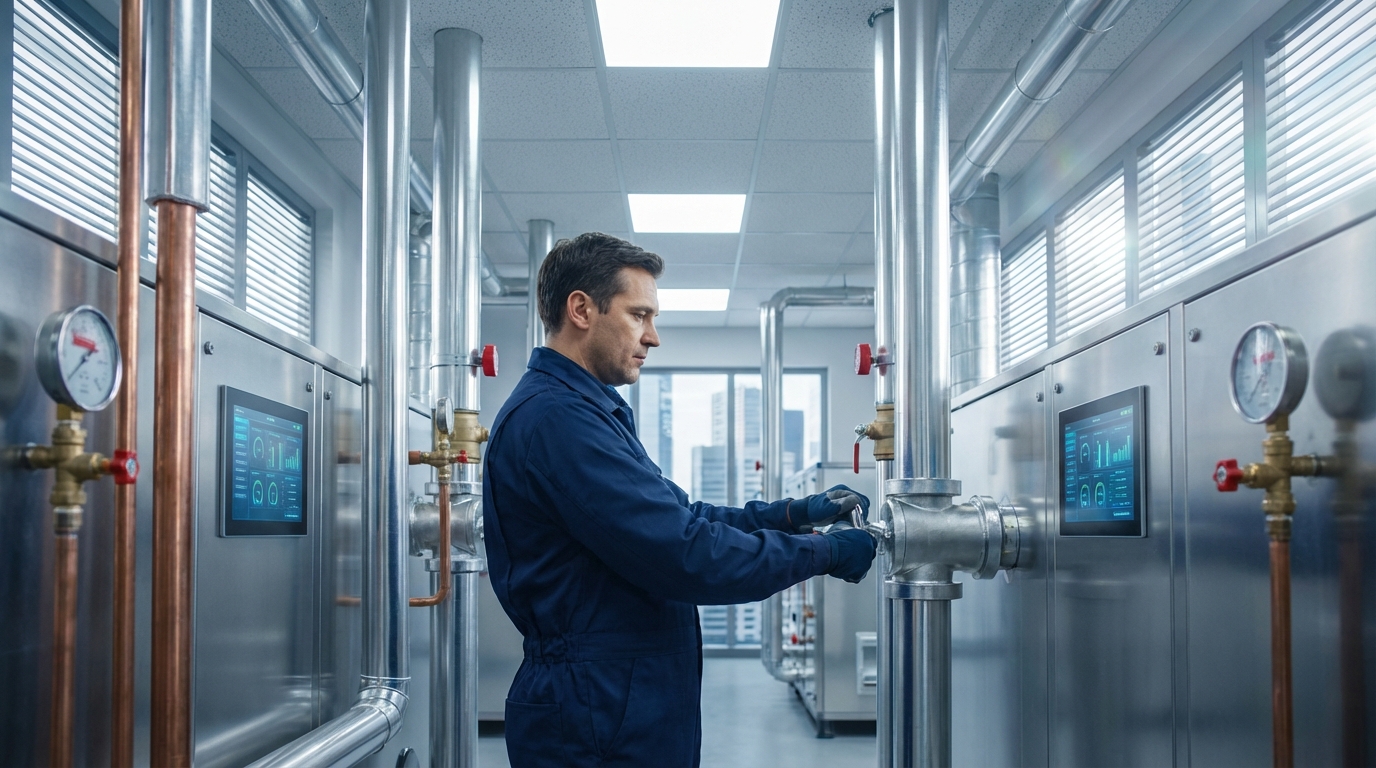
Energy-efficient HVAC solutions vs standard ones.
# Energy-Efficient HVAC vs Standard: Which Saves More?
Key Efficiency Differences: SEER, AFUE, and Beyond
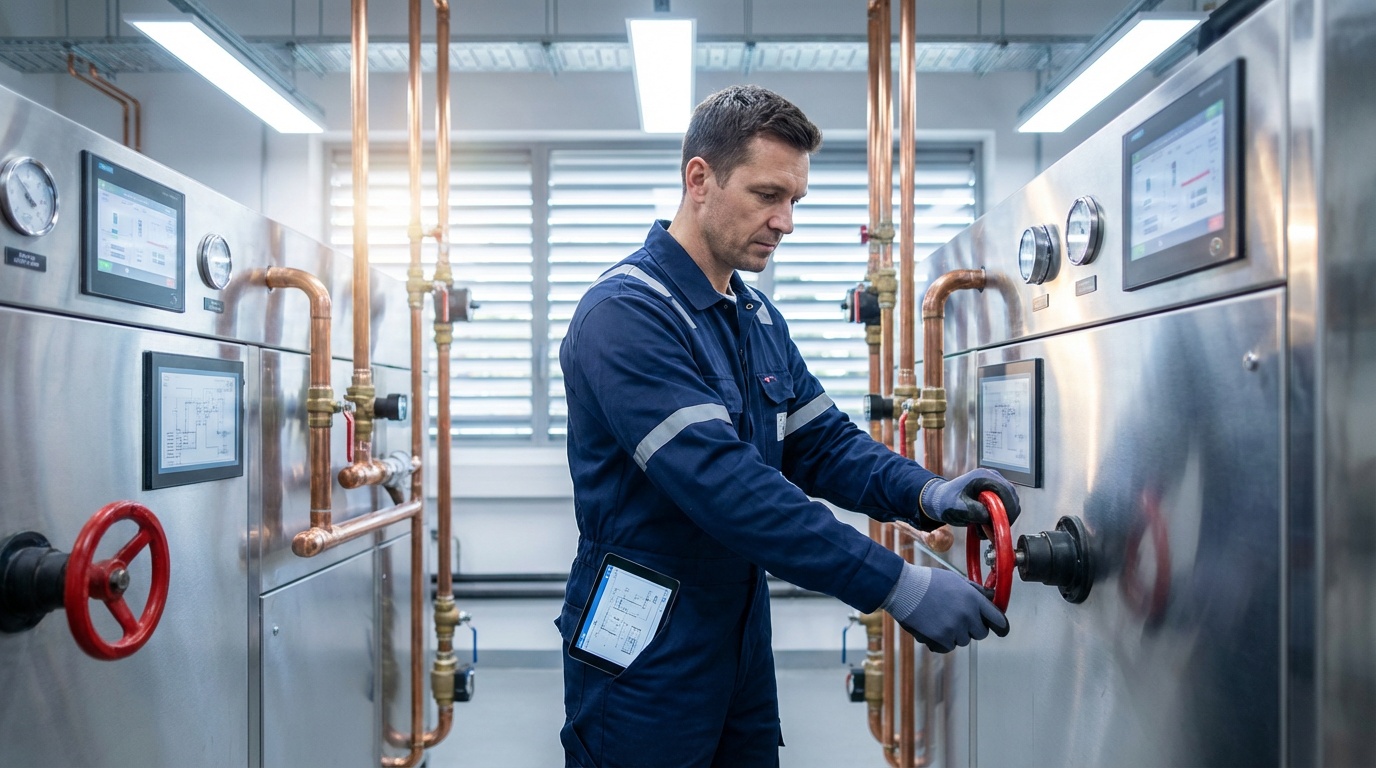
The gap between efficient and standard HVAC isn't marketing--it's measurable engineering. A standard air conditioning unit achieves a SEER (Seasonal Energy Efficiency Ratio) of 13-14. Modern systems reach 18-25 SEER. Your energy bills reflect every point of that difference.
Understanding SEER and AFUE Ratings
SEER measures cooling efficiency; AFUE (Annual Fuel Utilisation Efficiency) measures heating. A standard gas boiler runs at 80% AFUE--you're burning 20p of every pound as waste heat up the flue. An efficient condensing boiler hits 92-98% AFUE. For a commercial building spending £30,000 yearly on heating, we're talking £6,000 saved.
How Variable-Speed Technology Changes the Game
Standard systems use single-stage compressors. They're binary: fully on or fully off. No middle ground.
Efficient systems use variable-speed compressors that adjust output second-by-second to match demand. Picture driving at full throttle in stop-start traffic versus using cruise control on a motorway. One burns fuel needlessly; the other optimizes for conditions. Your HVAC works the same way--modulating output saves 30-40% on running costs compared to fixed-speed units hammering away at maximum capacity.
ENERGY STAR and UK-Specific Benchmarks
ENERGY STAR certification requires equipment to beat minimum efficiency by at least 15%. In the UK, the Energy Technology List (ETL) sets similar standards for Enhanced Capital Allowances. If your system's not on the ETL, you miss tax relief and run inferior kit for more money.
Technologies Driving Energy-Efficient HVAC
Variable-Speed Compressors and Smart Thermostats
Variable-speed compressors adjust in real time, matching cooling or heating output to the precise load. No wasteful start-up surges. No cycling on and off. Just consistent comfort and up to 40% energy reduction. Pair that with smart thermostats that learn when your building's occupied, and you stop heating empty offices at weekends.
We've retrofitted dozens of Birmingham commercial sites with zoned smart controls. One retail client cut HVAC energy spend by 35% in year one simply by scheduling systems around trading hours and fitting occupancy sensors in storage areas.
Heat Pumps and Hybrid Systems for UK Climates
Air-source heat pumps (ASHPs) extract heat from outdoor air--even in winter--delivering 3 to 4 units of heat for every unit of electricity consumed. Coefficient of performance (COP) of 3 to 4 beats a gas boiler's 0.85 to 0.95. For UK weather, hybrid systems combine a heat pump with gas boiler back-up, switching automatically based on outdoor temperature and energy pricing. You get low running costs without risking heat loss during cold snaps.
Integration with Solar PV and Renewable Generation
The business case strengthens when you pair efficient HVAC with renewable generation. Solar PV panels offset daytime electricity demand. Air-to-water heat pumps replace ageing gas boilers, feeding underfloor heating or radiators. Commercial landlords across the West Midlands are combining these technologies to hit net-zero operational carbon--future-proofing assets against tightening Building Regulations Part L and MEES (Minimum Energy Efficiency Standards).
Cost Savings and ROI: Numbers Facility Managers Need
Upfront Costs vs Long-Term Bill Reductions
The up-front premium stops many facility managers before they run the numbers properly. A standard 100 kW commercial air conditioning system costs £25,000 installed. An efficient equivalent with variable-speed compressors and smart controls runs £35,000 to £40,000. That £10,000 to £15,000 gap feels painful--until you calculate monthly savings.
Standard system running 12 hours daily at 80% efficiency: roughly £18,000 annually in electricity at current commercial rates. Efficient system at 95% efficiency with modulating compressors: £10,000 to £12,000. You're saving £6,000 to £8,000 every year. Payback period? Two to three years. After that, you're pocketing the difference.
Real-World Savings Examples from UK Commercial Sites
We upgraded a 40,000 sq ft office block in Solihull from a 15-year-old standard system to a heat pump hybrid with zoned controls. Previous annual HVAC spend: £32,000. Post-upgrade: £16,500. A 48% reduction paying back the £55,000 investment in 3.5 years. The client qualified for Enhanced Capital Allowances, writing off the full cost in year one and cutting their corporation tax bill by £10,450.
Another retail client in Birmingham city centre replaced ageing rooftop units with ENERGY STAR-rated equipment. Energy consumption dropped 52%, and we eliminated three emergency breakdowns per year--each costing £1,200 in lost trading time and call-out fees.
Payback Periods and Break-Even Analysis
| System Type | Installation Cost | Annual Energy Cost | Annual Savings | Payback Period |
|---|---|---|---|---|
| Standard HVAC (80% AFUE, SEER 13) | £25,000 | £18,000 | Baseline | N/A |
| Energy-Efficient HVAC (95% AFUE, SEER 18) | £38,000 | £11,000 | £7,000 | 1.9 years |
| Heat Pump Hybrid System | £45,000 | £9,500 | £8,500 | 2.4 years |
These figures assume a 50,000 sq ft commercial space with 12-hour daily operation. Your mileage will vary based on building envelope, occupancy patterns, and existing infrastructure--but the performance gap stays consistent. For detailed technical analysis, see this comparison of energy performance across different HVAC systems.
Choosing and Maintaining the Right System for Your Estate
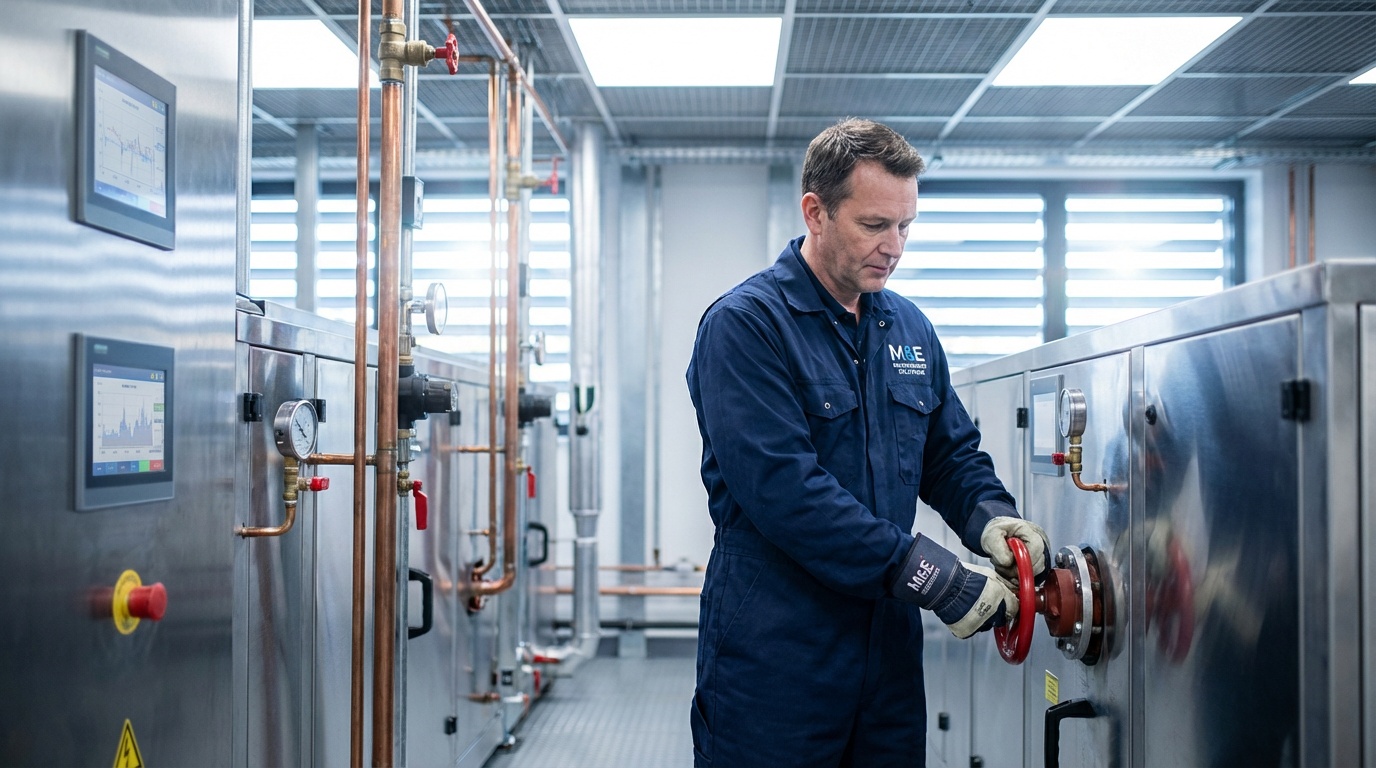
Checklist for Upgrading Commercial HVAC
Before you sign anything, demand answers to these questions:
- ETL Listing: Is the equipment on the UK Energy Technology List for Enhanced Capital Allowances?
- SEER and AFUE Ratings: Minimum SEER 16, AFUE 95%. Lower means leaving money on the table.
- Refrigerant Compliance: Does it use low-GWP refrigerants compliant with F-Gas phase-down schedules?
- BMS Integration: Can it integrate with your existing Building Management System for centralised monitoring?
- 24/7 Support: Who handles breakdowns at 2 am on a Sunday? You need round-the-clock availability.
- SFG20 Maintenance Schedule: Does the contractor provide a documented PPM plan aligned with SFG20 Task Frequencies?
PPM Strategies to Maximise Efficiency
Buying efficient kit is step one. Maintaining it properly is step two--and where most sites fail.
Dirty filters reduce airflow by 15%, forcing compressors to work harder. Refrigerant leaks cut efficiency by 20% and expose you to F-Gas penalties. Calibration drift in thermostats wastes energy heating or cooling to incorrect set points.
At MEMS, we run quarterly PPM schedules covering filter changes, refrigerant checks, compressor lubrication, and control calibration. Every visit generates digital compliance certificates uploaded to your portal within 24 hours. Good engineering is risk control. For effective maintenance strategies, check out this research on optimizing HVAC maintenance.
Why Partner with a Proven UK Provider Like MEMS
You need a contractor who speaks both engineering and business. MEMS Facilities Maintenance operates 24/7/365 across Birmingham, the West Midlands, and the UK--delivering corporate capability with family-business accountability. We don't just install systems; we maintain them to SFG20 standards, keeping your building compliant, your energy costs controlled, and your doors open.
Book a site survey today. We'll audit your current HVAC performance, calculate your savings potential, and design a system that pays back within three years. The choice between efficient and standard HVAC isn't a debate--it's a business decision with a clear winner.
Frequently Asked Questions
What are the key differences between standard and energy-efficient HVAC systems?
Standard HVAC units often operate at fixed speeds, running at full capacity regardless of demand, leading to wasted energy. Energy-efficient systems, however, use variable-speed technology and smart controls to adjust output precisely, significantly reducing energy consumption. This difference is measurable, with efficient systems achieving much higher SEER and AFUE ratings, directly impacting your energy bills.
What technologies make an HVAC system energy efficient for commercial use?
The biggest efficiency upgrade comes from variable-speed compressors, which adjust output to match real-time demand, cutting energy use by up to 40%. Smart thermostats that learn occupancy patterns also play a big part, as do heat pumps and hybrid systems that efficiently extract heat from the air. Integrating these with solar PV can further boost savings for commercial properties.
Are there financial incentives for commercial buildings to install energy-efficient HVAC in the UK?
Yes, in the UK, systems listed on the Energy Technology List (ETL) may qualify for Enhanced Capital Allowances. This means businesses can claim tax relief, making the upfront investment in energy-efficient HVAC more attractive. Missing out on the ETL means missing these opportunities and paying more to run inferior equipment.
Beyond energy bills, what are the hidden costs of running standard HVAC systems in commercial buildings?
Standard systems lead to frequent breakdowns, causing costly reactive call-outs and significant business downtime, like the retail space closure we saw in Birmingham. They also deliver inconsistent temperatures, reducing staff productivity. Furthermore, outdated systems risk non-compliance with UK regulations, potentially leading to fines and reputational damage.
Is the higher upfront cost of energy-efficient HVAC justified for commercial properties?
While energy-efficient systems have a higher initial cost, they offer substantial long-term savings. They consume 30-50% less energy, reduce maintenance needs, and have a longer lifespan. For a commercial building, these savings, combined with improved comfort and compliance, typically lead to a strong return on investment.
How do UK regulations impact the choice between standard and energy-efficient HVAC for businesses?
UK Building Regulations Part L and the Energy Performance of Buildings Directive set minimum efficiency standards. Standard units, especially those installed pre-2015, often fall short of current F-Gas and SFG20 compliance requirements, exposing businesses to legal and reputational risks. Upgrading ensures your operations meet these legal obligations, future-proofing your assets.