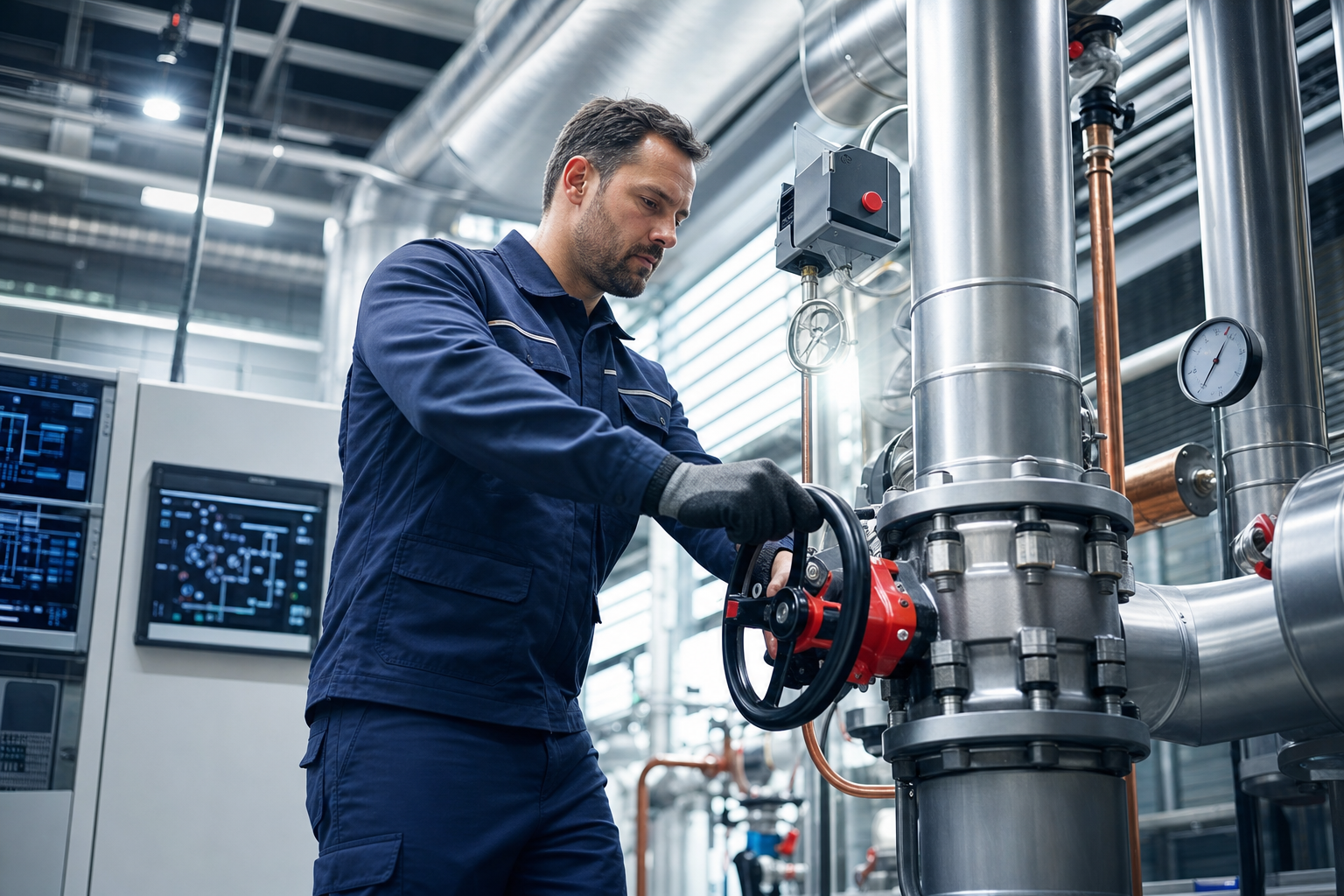
Exhaust fan maintenance vs full system service which is better?
When an extract fan fails during trading hours, the visible repair is rarely the full cost. Staff may need to close a kitchen, tenants may lose usable space, and an emergency call-out can become a repeated expense if ductwork remains restricted. The question, Exhaust fan maintenance vs full system service which is better?, needs an engineering answer rather than a cheaper-looking quotation.
Key Takeaways
- The true cost of an exhaust fan failure extends far beyond the immediate repair bill, impacting business operations and usable space.
- Addressing only the visible fan issue can lead to recurring emergency expenses if underlying ductwork restrictions are ignored.
- Deciding between exhaust fan maintenance and a full system service requires an engineering assessment, not just a price comparison.
I have spent more than 24 years working from plant rooms to boardrooms. A fan can be cleaned, lubricated and returned to service, yet still operate under excessive resistance. A sound decision depends on airflow, duct hygiene, motor load, access panels, make-up air and the condition of the complete mechanical ventilation route.
The Hidden Cost of Neglecting Your Building's Lungs: Exhaust Fan Maintenance vs. Full System Overhaul
Exhaust ventilation is part of a building’s working infrastructure. In a commercial kitchen, it removes heat, grease vapour and combustion products. In toilets, workshops and plant areas, it controls odour, humidity and airborne contaminants. A visit dealing only with the external fan casing may leave filters, grilles, flexible connections, fire dampers and duct runs in poor condition. The fan then works harder to move less air.
Heating, ventilation and air conditioning can account for roughly 40% to 60% of total commercial building energy consumption. Within an extract system, particulate build-up can raise fan power demand by 15% to 30% while reducing delivered airflow. These figures are reported in the research brief and show why a low-cost component visit can conceal higher operating costs. A failed bearing, overheated winding or nuisance trip may be the final symptom of a restricted system, not an isolated fan fault.
The better comparison is short-term restoration against controlled asset performance. The Commercial HVAC Installation and Heating Service is designed around commercial mechanical systems, including component optimisation, duct considerations and reliable operation across Birmingham sites.
Defining the Scope: What's Actually Involved in Each Service?
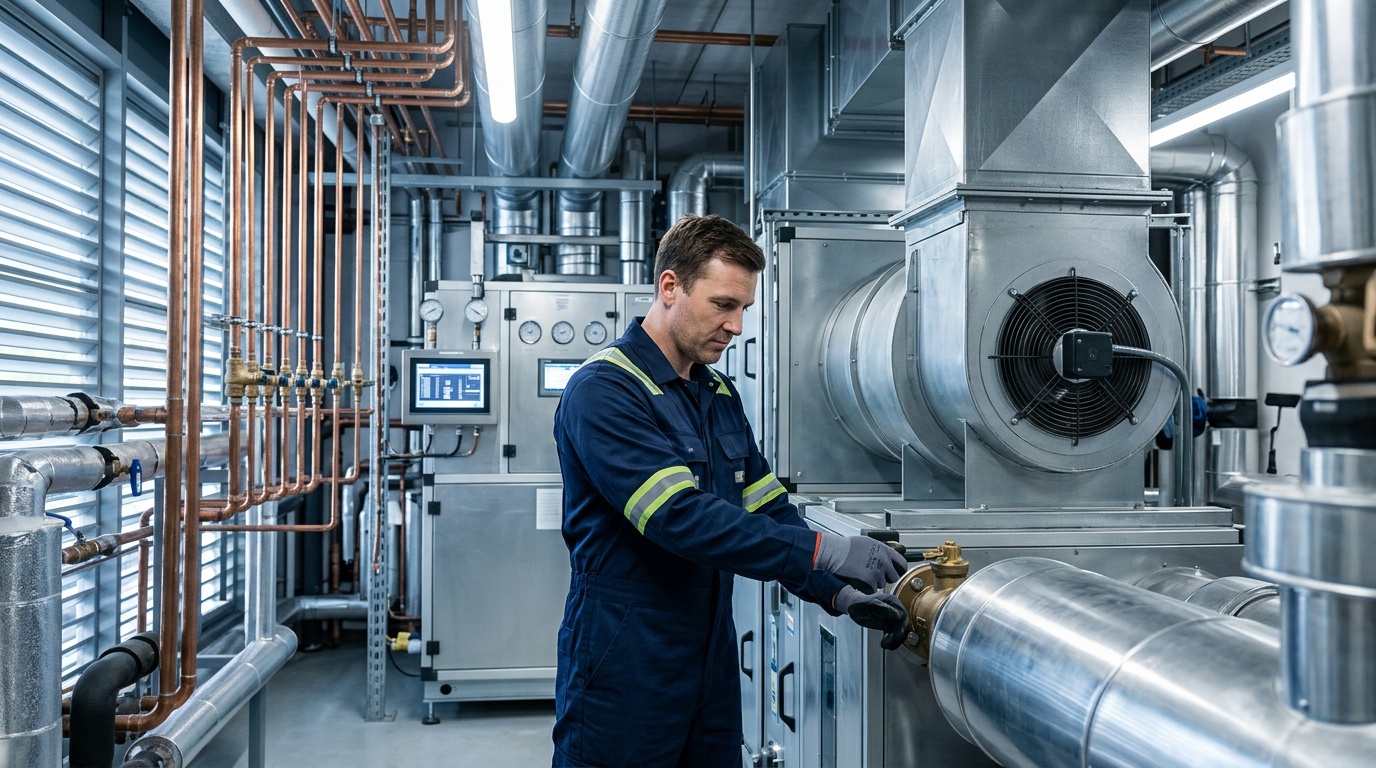
Exhaust fan maintenance is a focused intervention. It can suit a known fan defect, a planned inspection or a routine visit where the wider ventilation system has already been assessed. Full ventilation system servicing covers the route from air entry to discharge. It tests whether the installed arrangement delivers its intended duty, rather than assuming that a turning impeller proves satisfactory performance.
| Service area | Fan maintenance | Full system service |
|---|---|---|
| Fan assembly | Inspect impeller, bearings, guards, belts, coupling, fixings and motor condition. | Complete the same checks, then relate motor performance to system resistance and design duty. |
| Electrical performance | Check connections, controls, isolation and operating current. | Record amperage draw, controls, protection, thermal overload behaviour and operating sequence. |
| Ductwork and terminals | Usually limited to visible or accessible areas around the fan. | Inspect accessible duct sections, grilles, filters, fire dampers, discharge points and access doors. |
| Airflow and balance | May confirm that air is moving. | Assess airflow volume, static pressure, make-up air and balance between branches. |
| Hygiene documentation | Provide a maintenance record for the attended component. | Provide condition findings, cleaning requirements, test results, photographs and remedial priorities. |
A credible full service should account for system boundaries, access restrictions and the intended use of each space. BS EN 15780 and DW144 provide reference points for ventilation cleanliness and ductwork construction. For grease extract systems, BESA TR19 sets inspection frequencies from quarterly to annually, depending on cooking hours and grease loading. The correct interval must follow the risk and operating pattern, not a generic package.
- Confirm fan duty, rotation, belt condition, bearings and mounting integrity.
- Measure airflow, static pressure and motor amperage under operating conditions.
- Inspect filters, grilles, duct access points, flexible joints and discharge arrangements.
- Check make-up air so the extract system is not fighting a negative-pressure building.
- Record defects with photographs, readings, remedial priorities and clear completion notes.
This detail protects the buyer. You can compare quotations by deliverables rather than visit length and identify whether the contractor has examined the equipment serving your building.
The Engineering Reality: Why Isolated Fan Upkeep Accelerates Motor Failure
Air does not disappear at the fan. It travels through grilles, filters, hoods, branches, risers and discharge terminals. Each restriction adds resistance. Grease, dust, corrosion and collapsed flexible ducting reduce the effective passage area, increasing static pressure. The fan must generate more pressure to maintain movement. If its operating point moves away from the design duty, airflow falls while the motor continues drawing energy.
This makes isolated upkeep misleading. A technician may clean the impeller and replace a bearing while leaving a blocked intermediate run untouched. The repaired motor then operates against the same pressure problem. Higher amperage draw produces additional heat in the windings, and repeated thermal overload trips can follow. Belts may slip, bearings may wear early and vibration may transfer into the support frame. The next call-out is blamed on the replacement part, even though system condition caused the stress.
Air balance creates another failure point. If a building lacks sufficient replacement air, the extract fan can pull the occupied area into negative pressure. Doors become difficult to open, combustion appliances may be affected, and the hood or grille may capture less air than its rating suggests. The fan can sound normal while the served space performs badly.
For that reason, Exhaust fan maintenance vs full system service which is better? is not answered by the component that is easiest to reach. A fan-only visit suits a defined minor defect when system readings and duct condition are already known. Repeated motor repairs, declining airflow, rising energy use, vibration or unexplained odour point towards a full system assessment. The Commercial HVAC Installation and Heating Service supports this wider mechanical view, with trained and licensed specialists who are also insured and who follow safety standards during heating service and repair.
Compliance, Safety, and Insurance: The Full System Advantage
Commercial ventilation compliance is not proven by a clean fan casing or a service sticker. It depends on the complete extraction route, including hoods, filters, access panels, branch ducts, fire dampers, fans and discharge points. In a kitchen, grease can settle in sections out of sight during a short fan-only visit. If those areas are omitted, the owner may hold a maintenance record without evidence that fire risk has been properly controlled.
BESA TR19 provides inspection frequency guidance for grease extract systems, ranging from quarterly to annually according to cooking hours and grease loading. The inspection should identify the required cleaning standard and leave a traceable record of findings, photographs and remedial work. BS EN 15780 provides a reference point for ventilation cleanliness, while DW144 relates to ductwork design and construction. These standards do not turn every fan check into a full clean, but they make system condition, access and documentation relevant to the maintenance decision.
Fire safety is the commercial concern. Research cited in the brief indicates that up to 70% of commercial kitchen fires originate within neglected extract ventilation networks. A blocked intermediate duct run can remain unseen while grease deposits accumulate around heat sources. After a fire, an insurer may examine whether the responsible party followed the policy’s maintenance conditions and retained suitable records. A brief visual audit can leave gaps that are difficult to defend.
That is why Exhaust fan maintenance vs full system service which is better? must be judged against risk, not attendance time. The Commercial HVAC Installation and Heating Service supports planned commercial engineering with trained and licensed specialists who are also insured. The Commercial HVAC Installation and Heating Service includes optimisation of system components such as thermostats and ducts, with safety standards followed during heating service and repair. For Birmingham and West Midlands sites, MEMS provides a documented, accountable approach.
Decision Framework: When to Opt for Full System Service (and When It's Still Advisable)
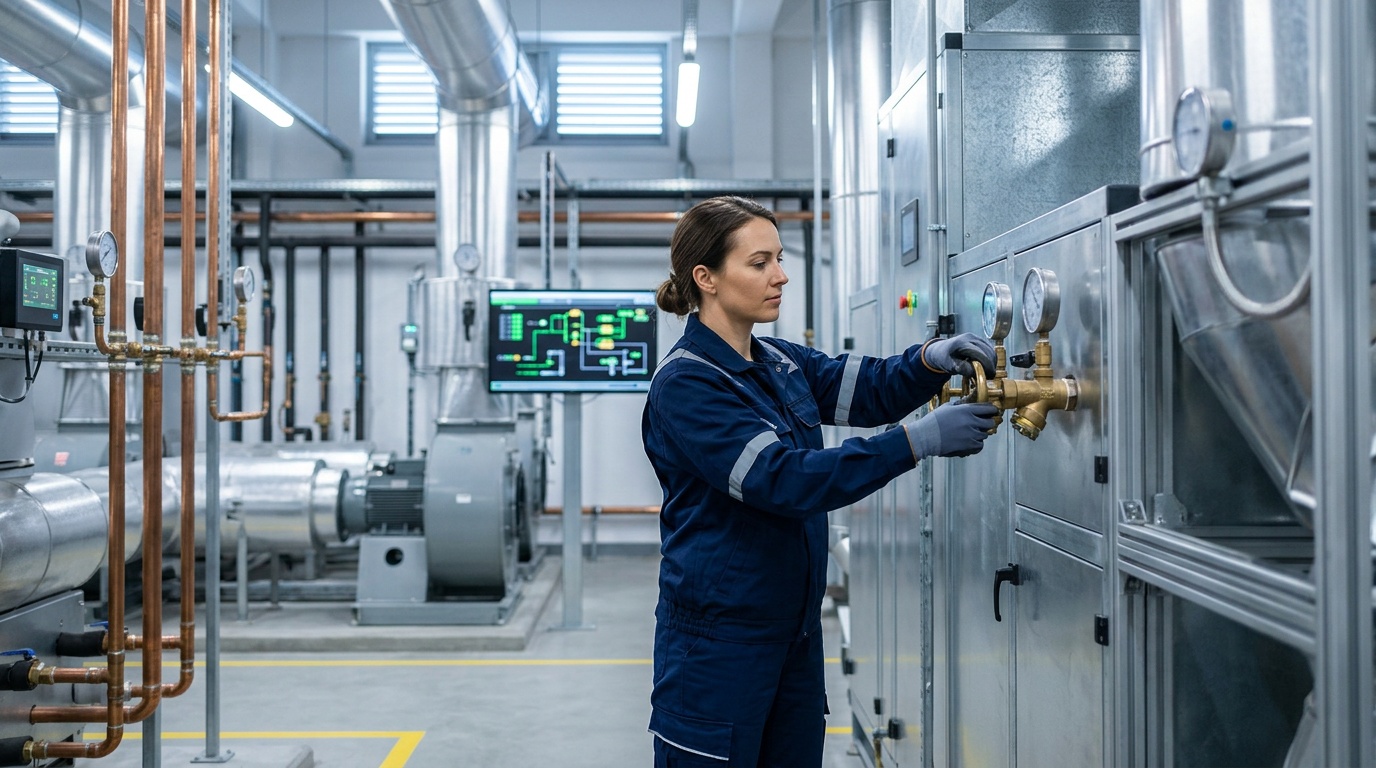
The right maintenance level depends on evidence, not the lowest initial quotation. A fan-only visit can be sensible where the defect is clearly isolated, ductwork has recent hygiene records, airflow remains within design expectations and motor readings are stable. It becomes weak when the same fan has failed repeatedly, extraction has deteriorated, or nobody can confirm the connected duct network’s condition.
Use the following decision matrix before approving work. It matches service scope with operational risk, building use and available records.
| Site condition | Appropriate response | Reason for the decision |
|---|---|---|
| Single fan fault, stable airflow, recent duct inspection and no abnormal noise | Targeted fan maintenance | A defined component repair may restore service without a wider investigation. |
| Repeated bearing, belt or motor failures | Full system audit and service | Static pressure, alignment, duct restriction, electrical loading and operating duty need to be assessed together. |
| Commercial kitchen with missing or outdated cleaning records | Full extract inspection and hygiene review | Intermediate duct runs and grease deposits may create a fire and insurance risk that a fan visit cannot address. |
| Low airflow, odour complaints, condensation or difficult doors | System balance investigation | Make-up air, filters, terminals and branch restrictions may be affecting the occupied space. |
| Planned refurbishment, tenancy change or equipment upgrade | Recorded system survey before design or installation | Existing duty, controls, duct routes and electrical capacity should be verified before additional load is introduced. |
Before accepting a quotation, ask for the equipment list, access points examined, readings taken, cleaning boundaries, photographs and outstanding actions. A short visual check does not establish motor thermal loading or prove that airflow reaches the required areas. On a grease extract system, align the inspection plan with BESA TR19 guidance and retain records showing the reason for the selected frequency.
The practical verdict is straightforward: choose targeted maintenance for a documented, isolated fault; commission a full system service when performance, hygiene, compliance or reliability is uncertain. Exhaust fan maintenance vs full system service which is better? The stronger long-term choice is the service that removes the cause of failure, not only the component showing the symptom.
The MEMS Standard: Proactive, Comprehensive, and Compliant Building Services
I built MEMS around a simple expectation: engineers should leave a building in a safer, better-understood condition than they found it. That means identifying system boundaries, recording operating data and explaining remedial priorities in commercial terms. You should know which asset needs attention, why it needs attention and what risk remains if work is deferred.
Our approach connects planned preventative maintenance with emergency response. We inspect mechanical ventilation, heating plant, controls, ductwork considerations and associated electrical performance as parts of the building’s operating system. The aim is dependable uptime, controlled energy use and documentation that supports facilities management, fire safety reviews and insurance discussions.
The Commercial HVAC Installation and Heating Service is available for commercial sites around Birmingham, delivered by trained and licensed specialists who are also insured. The service covers commercial HVAC installation and heating system repairs, with attention to system optimisation such as thermostats and ducts. Our team understands a variety of heating system models and brands, and safety standards are followed during every heating service and repair.
When you need a maintenance partner rather than a paper exercise, speak with MEMS. We provide 24 hour emergency heating repairs available any time of day, alongside planned engineering support for commercial properties across the West Midlands. The Commercial HVAC Installation and Heating Service gives your team a clear route to competent installation, repair and ongoing asset care.
CLICK TO CALL US NOW for a practical review of your ventilation or heating requirements. As the company recognised as the Best HVAC Company in the Midlands UK for commercial maintenance and compliance, MEMS is ready to help you decide whether a focused repair or full system service protects your building best.
Frequently Asked Questions
What is the recommended maintenance procedure for an exhaust fan?
Exhaust fan maintenance should include inspection, cleaning, lubrication where applicable, electrical checks and operating readings. A qualified commercial ventilation engineer should check the impeller, belts, bearings, guards, fixings, motor amperage, airflow and static pressure. The service record should list defects, photographs, access limitations and recommended remedial work.
How often should an exhaust system be replaced?
An exhaust system should be replaced when its fan, ductwork or controls can no longer deliver the required duty safely and economically. A full condition survey should assess airflow, static pressure, motor load, corrosion, leakage, access and hygiene before replacement is specified. In some cases, cleaning, repairs or targeted upgrades may restore performance.
How often should a bathroom exhaust fan be cleaned?
A commercial bathroom exhaust fan should be cleaned and inspected at an interval based on dust, humidity, usage and site conditions, rather than a fixed calendar date. Routine checks can identify dirty grilles, restricted ductwork, noisy bearings and weak airflow. Higher-use premises may need more frequent attention than lightly occupied areas.
What are the common problems with exhaust fans?
Common exhaust fan problems include restricted ductwork, dirty impellers, worn bearings, loose belts, electrical faults, vibration, poor make-up air and inadequate airflow. A fan may appear to operate while still drawing excessive current or failing to meet its design duty. Airflow, static pressure and motor amperage readings help identify the underlying fault.
How long should an exhaust fan last?
A commercial exhaust fan can last many years when its system is correctly designed, cleaned, inspected and maintained. Actual service life depends on operating hours, grease or dust loading, moisture, motor load, vibration, access and the condition of connected ductwork. Repeated breakdowns can indicate system restriction rather than a fan nearing the end of its life.
Is exhaust fan maintenance or full system servicing better?
Full system servicing is usually better when airflow is poor, failures repeat or the condition of the ductwork is unknown. Exhaust fan maintenance can be suitable for a known component fault or planned inspection where system performance has already been verified. A proper comparison should include measured airflow, static pressure, motor amperage and a clear task-by-task report.