facilities
What Does 'Building Infrastructure' Actually Mean in Commercial Building Management?
I've spent over two decades managing plant rooms and boiler systems across the West Midlands, and I've noticed the term "facilities" is often used as a catch-all bucket for anything a business owner wants to ignore until it breaks. A dictionary definition focuses on equipment or spaces provided for a purpose. In the boardroom, it means the physical infrastructure that makes your business run. It's the invisible engine of your company.
Key Takeaways
- Facilities are the physical infrastructure that keeps your business running, not just a vague term for things you ignore.
- Too many companies only think about their plant rooms and boiler systems when something fails, which costs more in the long run.
- Treating facilities as the invisible engine of your company means investing in regular maintenance instead of emergency repairs.
- A clear definition of facilities helps shift your mindset from reactive fixes to strategic management of your building's core systems.
In a commercial context, "building infrastructure" refers to the entire physical environment and the integrated systems. HVAC, plumbing, electrical, and structural. Required to support a business. It covers both hard assets like boilers and air conditioning units, and soft services like cleaning and security that keep a building safe, compliant, and operational.
Many managers mistakenly think the term only refers to washrooms. That narrow view is dangerous. If you only see your physical assets through the lens of basic amenities, you overlook the complex mechanical and electrical systems that dictate your overheads. A synonym like "infrastructure" or "physical assets" carries more weight during budget discussions because it highlights high-value machinery, not just soap dispensers.
Stuart’s Perspective: When I talk about your building, I'm talking about its heartbeat. Your boilers, pumps, and distribution boards are the organs. If you treat your building's systems as a mere expense line rather than a critical operational asset, you're essentially planning for a future system failure.
How you define this term directly impacts your contracts and job descriptions. A technician who thinks they're just looking after "the building" might miss the nuance of SFG20 compliance or F-Gas regulations. When we define building maintenance work at MEMS, we mean the rigorous, technical maintenance of every moving part within your four walls. It's about shifting from a reactive mindset to total asset lifecycle management, ensuring every pound spent on maintenance adds years to your equipment's life.
The reality is that a building is not a passive backdrop. It's a living ecosystem of mechanical and electrical assets that directly impact your bottom line. In my experience, the dictionary definition is inadequate for a commercial property manager. Your building's systems are the difference between a structure that just stands there and one that actively supports your business goals. When I walk into a site in Birmingham, I don't see "amenities." I see chilled water pumps that stop servers from melting and emergency lighting that keeps you legal during a power cut. The real meaning lives in the plant room, not in a glossary. It encompasses every physical asset that requires energy, maintenance, or compliance checks. If you treat your building's infrastructure as a passive backdrop, you're already losing the battle against rising operational costs and unexpected downtime.
Spelling and Synonyms: Getting the Language Right to Command Respect
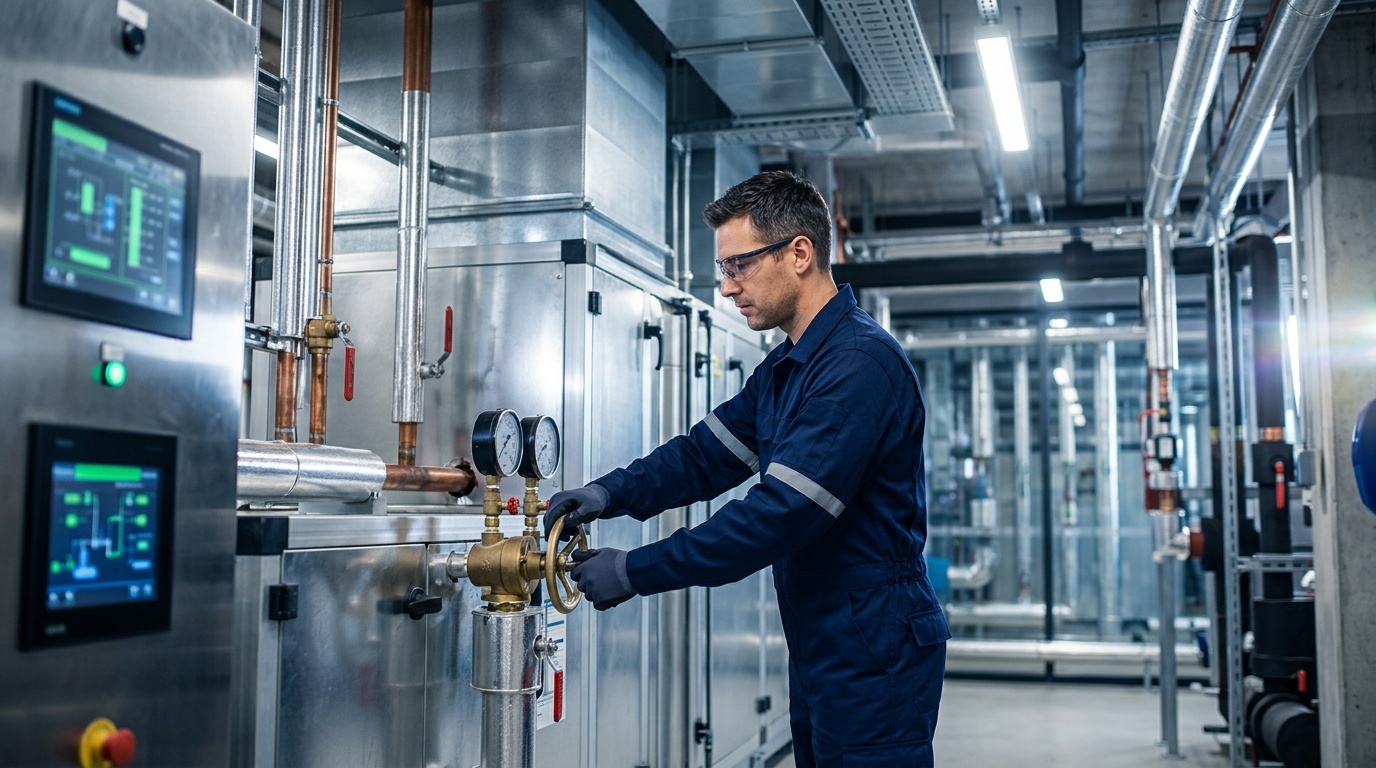
Precision is the hallmark of a professional engineer. I've seen countless tender documents and maintenance logs where a simple spelling error. Like writing "facilites". Undermines the entire document. It might seem small, but if a provider can't get basic spelling right on a report, how can you trust them to calibrate a complex BMS or manage a high-pressure steam boiler? Professionalism starts with the details, including the language we use to describe our trade.
Choosing the right terminology also helps you communicate with stakeholders who may not understand the technical side. If you're speaking to an accountant, use terms like "fixed assets" or "capital equipment." To an insurance auditor, focus on "statutory compliance" and "risk mitigation." Varied language prevents your reports from becoming repetitive and ensures your message hits home. It shows you understand the commercial implications of the engineering work being performed.
| Context | Preferred Terminology | Impact on Stakeholder |
|---|---|---|
| Financial Reporting | Capital Assets / Infrastructure | Highlights long-term value and depreciation. |
| Health & Safety | Statutory Plant / Compliance | Emphasises legal obligation and safety. |
| Daily Operations | Building Systems / Utilities | Focuses on uptime and immediate functionality. |
| Maintenance Strategy | Technical Assets / MEP Services | Denotes the complexity of the engineering involved. |
The word itself carries different connotations depending on the industry. In a retail environment, it leans toward customer-facing amenities. In a manufacturing plant in Birmingham, it refers to heavy-duty power and cooling systems that keep production lines moving. By tailoring your vocabulary, you demonstrate a deeper understanding of your building's specific challenges. This precision builds trust between the person holding the tools and the person signing the cheques.
Why 'facilites' is a red flag in professional communication
Attention to detail is the bedrock of engineering, and it starts with the basics. I've seen tender documents and maintenance reports where "facilities" is misspelled as "facilites." This isn't just a minor typo; it's a red flag. If a provider lacks the care to proofread their own documentation, how much care are they taking with your £20,000 chiller unit? Your written communication is a direct reflection of your operational standards. Precision in spelling demonstrates a mindset of accuracy essential for compliance and safety.
We operate in a sector where a single misplaced decimal or misread manual can lead to catastrophic equipment failure. A provider who can't master correct spelling is likely cutting corners elsewhere. Whether it's a report, compliance certificate, or health and safety briefing, the language must be impeccable. It shows respect for the client and an understanding of the professional gravity of the work. Don't underestimate the power of a well-written, error-free report. It's often the only evidence you have that your assets are being managed correctly during an audit.
The most effective synonyms for the term in business writing
Using the same word repeatedly makes your reports sound repetitive and unprofessional. Depending on the context, choose a synonym with more specific weight. In financial meetings, refer to "Capital Assets" or "Fixed Infrastructure" to remind the board you're managing high-value investments. When discussing legal obligations, "Statutory Plant and Machinery" are far more descriptive and carry necessary gravity. This nuanced language helps you secure the budget required for proper upkeep.
If you're writing for an insurance audit, use "Physical Assets" to focus on tangible items requiring protection. For operational discussions, "Building Systems" or "MEP Services" (Mechanical, Electrical, and Plumbing) demonstrate technical understanding of the complexity involved. By varying your vocabulary, you ensure your message is tailored to your audience, whether they're accountants looking at depreciation or engineers looking at schematics.
How precise language builds trust with contractors and stakeholders
Trust is built on clarity. When you use precise terminology in your briefs and contracts, you leave no room for interpretation. If you ask for "building maintenance work" and the contractor provides basic cleaning, the fault lies in imprecise language. By using specific terms like "HVAC diagnostics" or "Legionella risk assessment," you signal that you know what you're talking about. This professional competence commands respect and ensures you get the quality of service your building deserves.
Precise language also bridges the gap between technical teams and stakeholders. When I explain a technical issue to a client, I use clear, unambiguous terms. I don't hide behind jargon. This transparency builds a level of trust rare in the maintenance industry. It shows that you're a partner in their success, not just a vendor ticking boxes. In the West Midlands, we pride ourselves on plain speaking and honest work. Using the right words is the first step in establishing a relationship built on mutual respect and a shared goal of keeping the building at peak performance.
The Full Scope of Building Systems: From HVAC to Cleaning Supplies
A building is a collection of interdependent systems. You can't look at your HVAC system in isolation from insulation or occupancy levels. Real building maintenance work involves understanding how these elements interact. For example, a poorly maintained air conditioning system doesn't just make the office uncomfortable; it forces the motors to work harder, drawing more current and spiking your energy bills. That's the commercial reality of engineering: negligence is a hidden tax on your business.
We often see managers trying to squeeze budgets by buying the cheapest consumables. Low-grade filters or basic cleaning chemicals. This is a false economy. A cheap, thin air filter allows more particulates into your ductwork, which coats heat exchanger coils and reduces thermal efficiency. You might save £5 on the filter, but you'll spend £500 on restorative cleaning or increased electricity costs later. Quality matters at every level of the supply chain.
The Impact of Quality on Maintenance
High-Quality Components
- Extended replacement intervals reduce labour costs.
- Better energy efficiency lowers monthly utility spend.
- Lower risk of catastrophic system failure during peak loads.
- Maintains manufacturer warranties and asset value.
Budget Consumables
- Frequent breakdowns lead to expensive emergency call-outs.
- Increased wear and tear on primary mechanical parts.
- Higher energy consumption due to poor system performance.
- Potential for non-compliance with environmental standards.
The link between product durability and maintenance frequency is undeniable. When we specify parts at MEMS, we look for items that offer the best total cost of ownership, not the lowest initial price. Whether it's the grade of lubricant in a pump or the durability of rubbish bags in the warehouse, every choice affects the operational rhythm of the site. True building management is about making choices that protect the building's future, not just the current month's cash flow.
How to Choose a Maintenance Partner That Delivers Consistency
Finding a partner to manage your building shouldn't be a gamble. The biggest red flag in this industry is a lack of transparency. If your current provider sends different technicians every time, or if you have to chase them for weeks to get a gas safety certificate, your building is at risk. Consistency is the foundation of safety. You need a team that knows your plant room like the back of their hand, someone who can spot a weeping valve or a fraying belt before it causes a total shutdown.
When evaluating a provider, look for those who adhere strictly to SFG20 standards. This is the industry benchmark for planned maintenance, ensuring every task is performed to a specific, legal requirement. Additionally, 24/7 emergency cover is essential. Buildings don't wait for office hours to fail. You need a single point of contact who understands your site's specific quirks and can mobilise a team at 2:00 AM on a Sunday if a pipe bursts or the heating fails.
The MEMS Standard: We believe in testing new technology. Such as remote monitoring sensors or high-efficiency pumps. On our own time before recommending them to you. A maintenance partner should be a filter for innovation, bringing you only the solutions that actually improve your bottom line.
Ultimately, the right partner functions as an extension of your own team. They should provide clear, digital documentation for every maintenance task, keeping you compliant and protected in case of an audit. In the West Midlands, where industrial and commercial heritage meets modern business needs, you need a firm that respects the old systems while mastering the new. That's the only way to ensure your building remains a productive asset rather than a constant liability.
The most frustrating misconception I encounter is the idea that "building infrastructure" is just a polite way of referring to washrooms. While washroom hygiene is part of the wider remit, confining the term to toilets ignores the heavy engineering that keeps a commercial site operational. When a stakeholder asks about the state of the building's systems, they should be thinking about the roof condition, integrity of fire suppression systems, and efficiency of the building management system (BMS). This narrow view leads to an "out of sight, out of mind" mentality that misses early warning signs of mechanical failure in your HVAC plant or electrical switchgear. The true scope includes the structural envelope, internal environment, air quality, temperature, and safety of lifts. Reducing this to a discussion about washroom consumables is a disservice to the complexity of modern asset management and leaves your business exposed to significant operational risks.
The language we use dictates the quality of service we receive. If your contract specifies "general building maintenance," you might find a contractor painting a wall while your condenser unit leaks refrigerant. Precision ensures job titles reflect actual capabilities. A "Facilities Technician" should be a multi-skilled engineer, not just a handyman. Terminology shapes expectations of daily operations and response times. When we draft a scope of work at MEMS, we avoid vague language. We specify exact assets, the SFG20 standards to which they will be maintained, and KPIs for response times. This clarity prevents the "that's not my job" culture. By accurately defining the term in contracts, you move from reactive to proactive partnership, ensuring everyone understands what building infrastructure entails and why it requires a significant, strategic portion of the annual budget.
Building a Proactive Maintenance Strategy for Long-Term Success
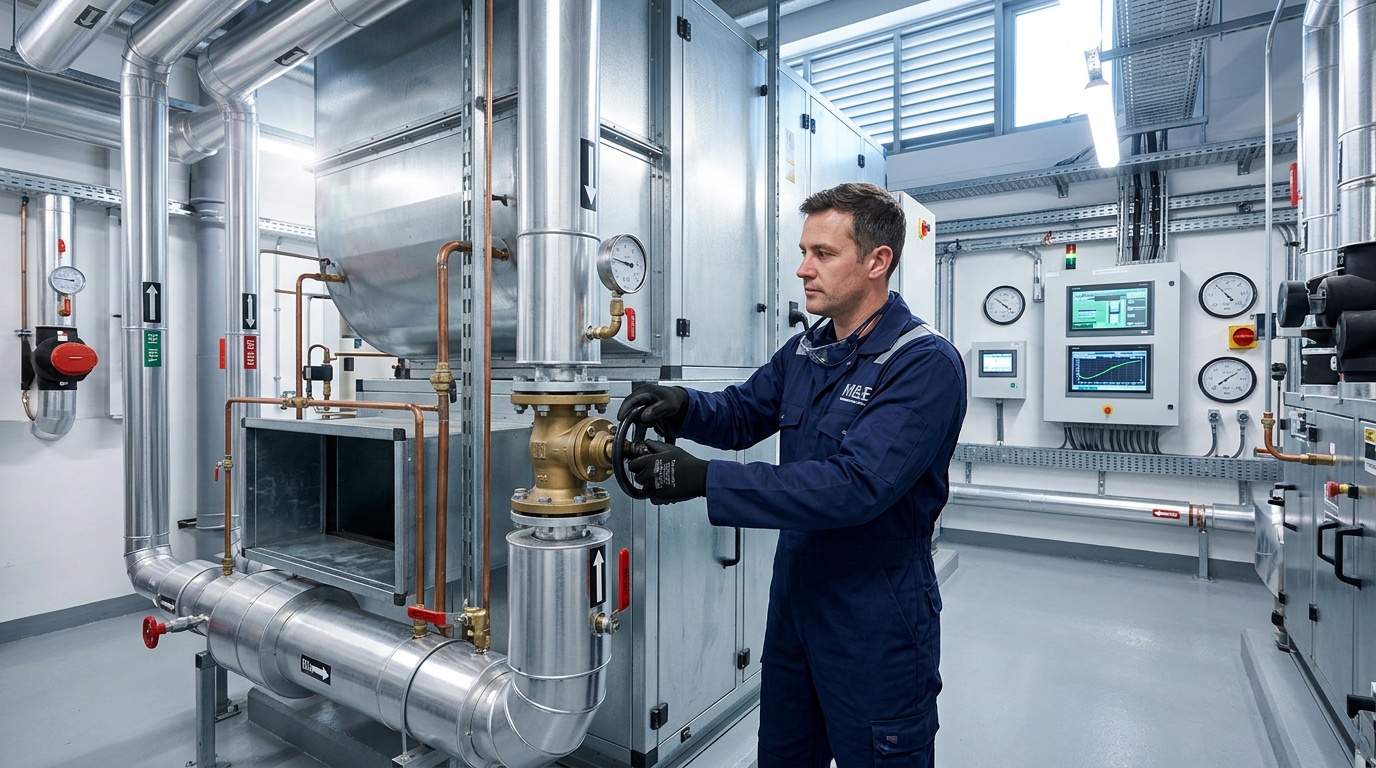
After two decades working inside commercial buildings across the West Midlands, I've seen the same pattern repeat: a site manager inherits a reactive maintenance contract, cuts costs on consumables, then wonders why the chiller fails during a heatwave. The truth is that your building's physical assets are not a burden to be minimised; they're a strategic investment that, when managed correctly, delivers predictable performance and lower total cost of ownership. The difference between a building that drains cash and one that supports growth lies entirely in the approach to maintenance.
The verdict is straightforward: treating your building as a passive collection of rooms and equipment is a recipe for escalating emergency spend and compliance risk. Instead, view it as a machine requiring consistent, expert attention. This means investing in quality components, adhering to recognised standards like SFG20, and partnering with a provider who understands the commercial implications of every engineering decision. The upfront cost of a planned maintenance programme is always lower than the hidden costs of reactive repairs, lost productivity, and legal penalties.
The Verdict: Shift from Reactive to Proactive
If you take one thing from this guide, let it be this: every pound you spend on planned preventative maintenance returns multiple pounds in avoided downtime and extended asset life. I have clients in Birmingham who significantly reduced their emergency call-out spend within a couple of years by switching to a structured PPM schedule. The key is consistency. You need a partner who turns up on time, documents every task, and communicates clearly when a component is approaching the end of its service life. That's the only way to stop small issues from becoming catastrophic failures.
Don't wait for a breakdown to validate the importance of your building's systems. Start by auditing your current contracts. Are you paying for SFG20 compliance but not receiving the paperwork? Are your technicians rotating so often that no one knows the quirks of your plant room? These are signs your current approach is failing. A proactive strategy eliminates these gaps by assigning a dedicated team who own the asset knowledge and take responsibility for its performance.
Recommendations: Immediate Actions for Facility Managers
First, standardise your language. Use precise terms in all contracts and reports. Replace vague phrases like "general building upkeep" with specific scopes covering HVAC, electrical, plumbing, and fire safety. This clarity forces contractors to deliver exactly what you need and eliminates excuses. Second, invest in quality consumables. A premium air filter costs more upfront but protects your heat exchangers and reduces energy consumption. The same principle applies to cleaning chemicals, lubricants, and replacement parts. Cheap supplies are a false economy that accelerates wear on expensive assets.
Third, demand digital documentation. Every maintenance visit should produce a time-stamped, digital report that includes photographs, readings, and recommendations. This creates a traceable history that protects you during insurance audits and helps you make informed decisions about capital replacements. Fourth, establish a single point of contact. If you have to explain your building's history to a different person every time you call, you're losing efficiency. A dedicated account manager who knows your site inside out can pre-empt issues and coordinate responses faster than a call centre.
Future Considerations: Technology and Partnership
The next frontier in building management is data. Remote monitoring sensors, building management system integration, and predictive analytics are becoming more accessible. These tools allow you to spot trends in temperature, vibration, and energy usage before they become problems. However, technology is only as good as the people interpreting it. The value comes from a partner who can analyse the data and recommend practical, cost-effective interventions. At MEMS, we test new monitoring equipment on our own plant before recommending it to clients, ensuring the technology delivers real savings rather than just generating noise.
Looking ahead, the relationship between facility managers and their maintenance partners will become more collaborative. Contracts will shift from transactional "fix-when-broken" models to outcome-based agreements that reward uptime and efficiency. This evolution requires trust and transparency. You need a partner who shares your commercial goals, not just a vendor who invoices for hours worked. By choosing a provider that combines technical expertise with a genuine stake in your building's performance, you set the foundation for a resilient, cost-effective operation that supports your business for decades to come.
References
Stuart’s Final Word: Your building is one of your largest capital investments. Treat it with the same strategic rigour you apply to your financial portfolio. Invest in quality maintenance, demand accountability from your partners, and never underestimate the value of a well-written contract. The buildings that thrive are the ones whose managers understand that building infrastructure is not a cost centre; it's the engine room of the business.
Frequently Asked Questions
What is the meaning of facilities in commercial building management?
In commercial building management, facilities refer to the entire physical infrastructure that keeps your business running. That includes the hard assets like boilers, HVAC systems, and electrical panels, plus the soft services like cleaning and security. It's not just washrooms or break rooms; it's the mechanical and electrical systems that dictate your overheads and operational reliability.
What are examples of building facilities?
Building facilities cover everything from your heating and cooling plant to your lighting and plumbing systems. Think boilers, air conditioning units, distribution boards, fire alarms, lifts, and even the cleaning supplies that keep your environment hygienic. In a manufacturing setting, it also includes heavy-duty power and cooling systems that keep production lines moving.
Is it 'facility' or 'facilities'?
Use 'facility' when referring to a single building or location, and 'facilities' when talking about multiple buildings or the collection of systems within one site. In commercial maintenance, we often say 'facilities management' because we're dealing with the whole range of assets. Getting the spelling right matters too; I've seen 'facilites' in tender documents, and it immediately undermines credibility.
What are considered facilities in a commercial building?
Facilities in a commercial building include all the integrated systems that support your business operations: HVAC, electrical, plumbing, fire safety, security, and structural elements. It also covers the consumables and services like cleaning and waste management. If you only think of washrooms, you're missing the high-value machinery that actually drives your energy bills and compliance costs.
What are 5 examples of facilities?
Five common examples are: 1) HVAC systems including boilers and chillers, 2) electrical distribution boards and lighting, 3) plumbing and water systems, 4) fire detection and suppression equipment, and 5) security systems like CCTV and access control. Each one needs proper maintenance to avoid expensive breakdowns and keep your building safe and compliant.
Why does the language we use for facilities matter?
The words you choose affect how stakeholders view your building's assets. If you call a boiler 'just part of the building,' an accountant sees an expense. Call it a 'capital asset' or 'infrastructure,' and they see long-term value. Precision in language also builds trust with your maintenance team; when they understand they're managing technical assets, not just amenities, they take compliance and lifecycle management more seriously.