How much for emergency ventilation repairs West Midlands?
When a commercial extract fan fails, the call-out is only the first line on the invoice. Labour, replacement parts and electrical work all affect the final cost. If you’re asking, “How much for emergency ventilation repairs West Midlands?”, use the figures below as budgeting benchmarks and request a clear breakdown before work begins.
Key Takeaways
- Budget for more than the initial call-out, since labour, parts and electrical work can all add to the final bill.
- Use local cost estimates as planning benchmarks, then confirm the price for your site and fault.
- Ask for an itemised quote before repairs begin so you can see what each part of the work will cost.
I’ve spent more than 24 years in engineering, and a vague diagnosis is no help to a facilities budget. The written estimate should separate attendance, labour and parts, and explain any recommended electrical work. MEMS also offers Building Fabric Repairs & Maintenance for building fabric issues that may need attention alongside mechanical repairs.
Across the West Midlands, an emergency ventilation call-out typically costs £80-£155 for an initial daytime response, rising to £150-£280 or more at night and weekends. These are attendance benchmarks, not a promise that the full repair is included. Ask whether the fee covers travel, fault-finding and safety checks, and confirm the hourly labour rate and parts charges before authorising additional work.
Emergency Ventilation Repair Call-Out Fees: What You Can Expect to Pay in the West Midlands
For budgeting, expect an initial daytime attendance charge in the £80-£155 range. Nights and weekends can push the call-out to £150-£280 or more. The final figure depends on response time, site access, location and equipment. A rooftop air handling unit, for example, may need safe access arrangements before an engineer can begin testing. Check whether the quoted amount includes VAT, travel and the first period of labour, since these terms affect the total.
Typical Daytime Call-Out Charges (£80-£155)
This is generally the initial attendance cost for an engineer to reach the site and assess the reported fault during standard working hours. Confirm whether the charge covers a fixed diagnostic period or only the visit. If further investigation is needed, ask for the labour rate and approval process before work continues.
Out-of-Hours Premiums (£150-£280)
Urgent attendance at night or over a weekend typically costs more, with call-out charges reaching £150-£280 or above. Availability, travel and the equipment needed to access the fault can affect the quote. Before dispatch, explain the symptoms, affected area and any access restrictions. Accurate information helps the engineer arrive prepared and reduces avoidable delays.
What the Call-Out Fee Covers: Diagnostic Visit, Initial Assessment, Safety Checks
A call-out fee should cover attendance and an initial assessment, but may not include the full repair. Ask what checks the engineer will carry out, what findings you will receive and whether further work needs your approval. A written breakdown separates the diagnostic visit from chargeable labour, parts and follow-on work.
| Charge | Typical benchmark | Confirm before booking |
|---|---|---|
| Daytime emergency call-out | £80-£155 | Travel, VAT and diagnostic time included |
| Night or weekend call-out | £150-£280+ | Exact out-of-hours window and any added fees |
| Repair labour | £65-£110 per hour, plus VAT | Rate, minimum charge and approval point |
Hourly Labour Rates and Common Part Replacement Costs for Urgent Fixes
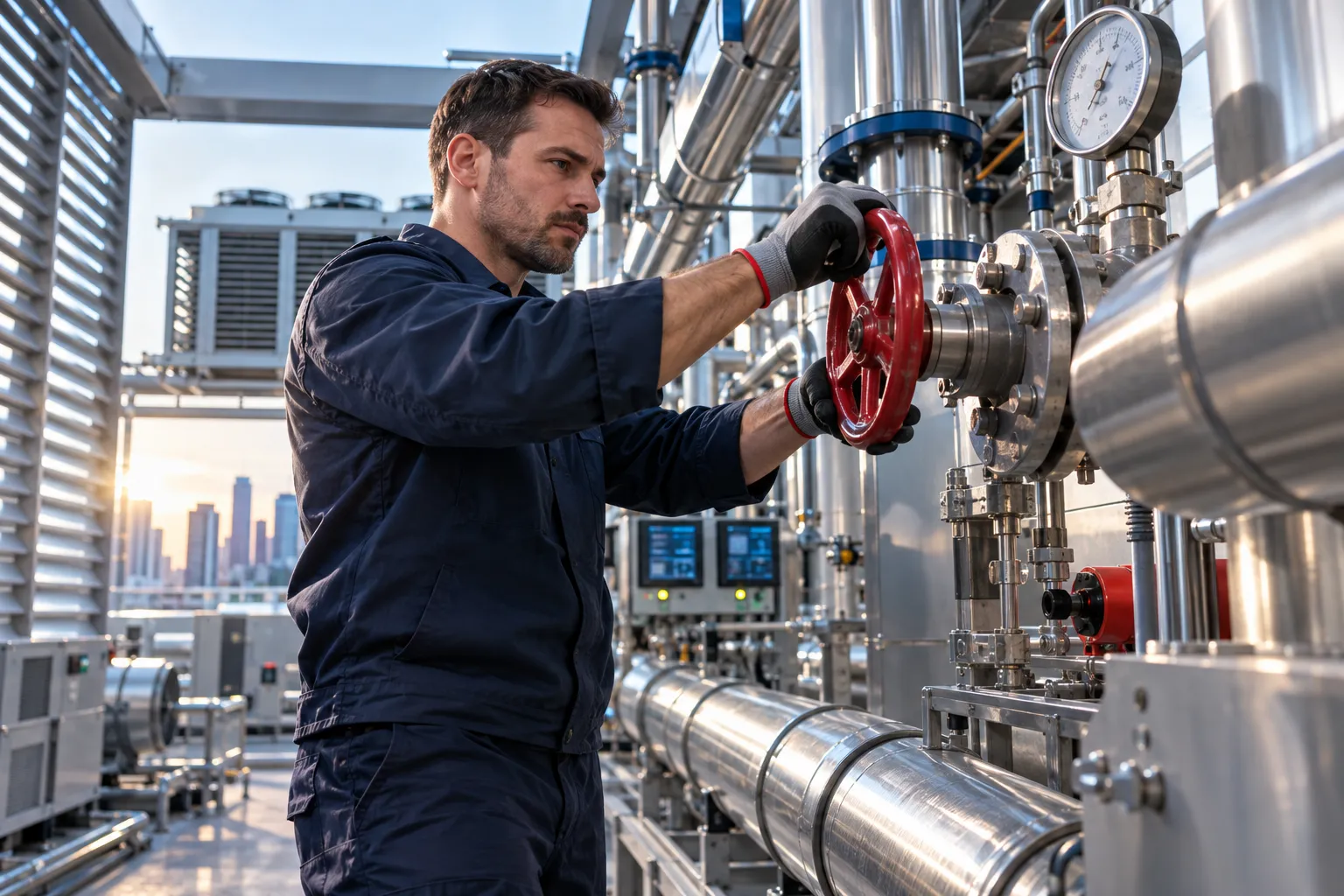
After the initial assessment, standard repair labour typically runs from £65 to £110 per hour, plus VAT. Specialist fault-finding, awkward access and out-of-hours attendance may affect the rate. Ask for the labour charge in writing and agree a limit before authorising further diagnosis. Part costs depend on the fan or control equipment’s make, model and specification, so a responsible estimate needs the engineer’s findings rather than a guessed price list.
Out-of-Hours Labour Charges vs Standard Rates
Confirm whether the hourly rate changes outside normal working hours, and whether the engineer charges from arrival, departure or a minimum time block. A clear estimate should separate the call-out from time spent testing and repairing. If the fault cannot be resolved during the first visit, request the findings and expected next step before agreeing further labour.
Component Costs: Fan Motors, Drive Belts, Run Capacitors, Speed Controllers
Fan motors, bearings, drive belts, run capacitors and speed controllers have different replacement requirements. Price depends on component specification, availability and whether associated wiring or controls have also been damaged. Ask for the part description, cost and reason for replacement. A motor that has failed because of a seized bearing or control fault may need more than a like-for-like swap.
Why Some Repairs Require a Dedicated Electrical Circuit (Consumer Unit Feed vs Spur)
High-load ventilation equipment may need a correctly rated dedicated supply from the consumer unit rather than a standard socket spur. The engineer should assess the unit’s electrical demand, protective devices, cable capacity and isolation arrangements before recommending changes. Do not approve a quick wiring alteration without an explanation of the fault, proposed circuit and work required. Building Fabric Repairs & Maintenance is also available for related building fabric work where a repair involves elements beyond the ventilation plant itself.
| Repair item | What affects the price | Ask the engineer |
|---|---|---|
| Fan motor or bearing | Unit size, specification and fault cause | Is the motor failure linked to another fault? |
| Drive belt or run capacitor | Component type and access requirements | Is the replacement part correctly rated? |
| Speed controller or electrical supply | Control compatibility and circuit condition | Does the equipment need a dedicated feed? |
What Does an Emergency Triage Include? A Diagnostic Checklist for Facility Managers
A proper emergency triage should establish what has failed, whether the system can operate safely and what needs to happen next. A visual check alone will not explain why an extract fan has stopped, an air handling unit is tripping or odours persist after a repair. Ask the engineer to record the checks completed, readings taken and any limits on continued operation. If you’re asking, “How much for emergency ventilation repairs West Midlands?”, a clear diagnosis also helps you judge whether the proposed work addresses the fault or only restores temporary operation.
Airflow Testing, Electrical Draws and Pressure Balances
Testing should relate to the equipment and reported symptoms. An anemometer can assess air velocity at grilles or extract points, while a manometer can help check pressure differences across filters, ducts or rooms. Electrical measurements, including current draw, can indicate whether a motor is operating within expected conditions. The engineer should compare findings with available system information and identify readings that need further investigation. Where MVHR or extract performance is in question, checking air balance matters: a running fan does not necessarily mean the system is moving air correctly.
Identifying the Root Cause: Seized Bearings, Electrical Faults, Inverter Trips
Ask what caused the failure, not only which component appears damaged. A seized bearing can place additional strain on a motor; a supply or control fault can interrupt operation; and an inverter trip may point to an underlying electrical or mechanical issue. Thermal imaging may help locate unusual heat patterns, while inspection of belts, bearings, isolators, controls and wiring can narrow the cause. A useful diagnosis links the evidence to the recommended action and flags further testing needed before a full repair can be specified.
Understanding the Difference Between Stabilisation and Full Replacement
Emergency stabilisation is intended to manage an immediate risk or restore limited operation where safe. It is not a completed repair and should not be presented as one. Full replacement may be recommended if a unit is beyond economical repair, has significant damage or cannot meet the site’s operating needs. Before authorising work, ask for the current condition, restrictions on use, proposed permanent remedy and a separate written estimate if replacement is advised.
Why Commercial Ventilation Downtime Is a Business Emergency Under UK Regulations
In a workplace, ventilation failure is not just a comfort complaint. It can affect air movement, remove less heat or moisture than intended, and leave fumes or odours in occupied areas. The appropriate response depends on the building, activity and system’s role. A failed kitchen extract, warehouse ventilation system or office air handling unit may create different operational risks. Record which areas are affected, whether people are exposed and what temporary controls are available while a competent engineer investigates.
Impact on Health, Safety and Compliance (Workplace Regulations 1992)
A failure should prompt a review of affected conditions and the steps needed to protect staff and visitors. Do not assume opening windows is an adequate substitute for a system designed to control heat, contaminants or airflow. The responsible person should document the fault, risk controls and decision about continued use of the affected space.
How Extractor or AHU Downtime Affects Operations and Occupant Wellbeing
When an extractor or air handling unit stops, the consequences can include uncomfortable temperatures, lingering odours, condensation or reduced air circulation. That can disrupt staff, customers and day-to-day processes, particularly where ventilation supports a specific work activity. If airflow remains unbalanced after a visit, ask for the measurements and any recommissioning work needed rather than treating a running fan as proof of performance.
Cost of Inaction: Fines, Lost Productivity, Reputational Damage
Leaving a fault unresolved can increase the chance of operational disruption and extend exposure to unsuitable workplace conditions. Regulatory action depends on the circumstances and the duty-holder’s response, so do not assume a fixed penalty applies to every ventilation failure. Keep a record of the report, inspection findings, decisions and repair actions. Prompt, documented escalation supports informed risk management and helps demonstrate that the issue has been taken seriously.
How to Avoid Emergency Repairs: Planned Preventive Maintenance (PPM) vs Reactive Costs
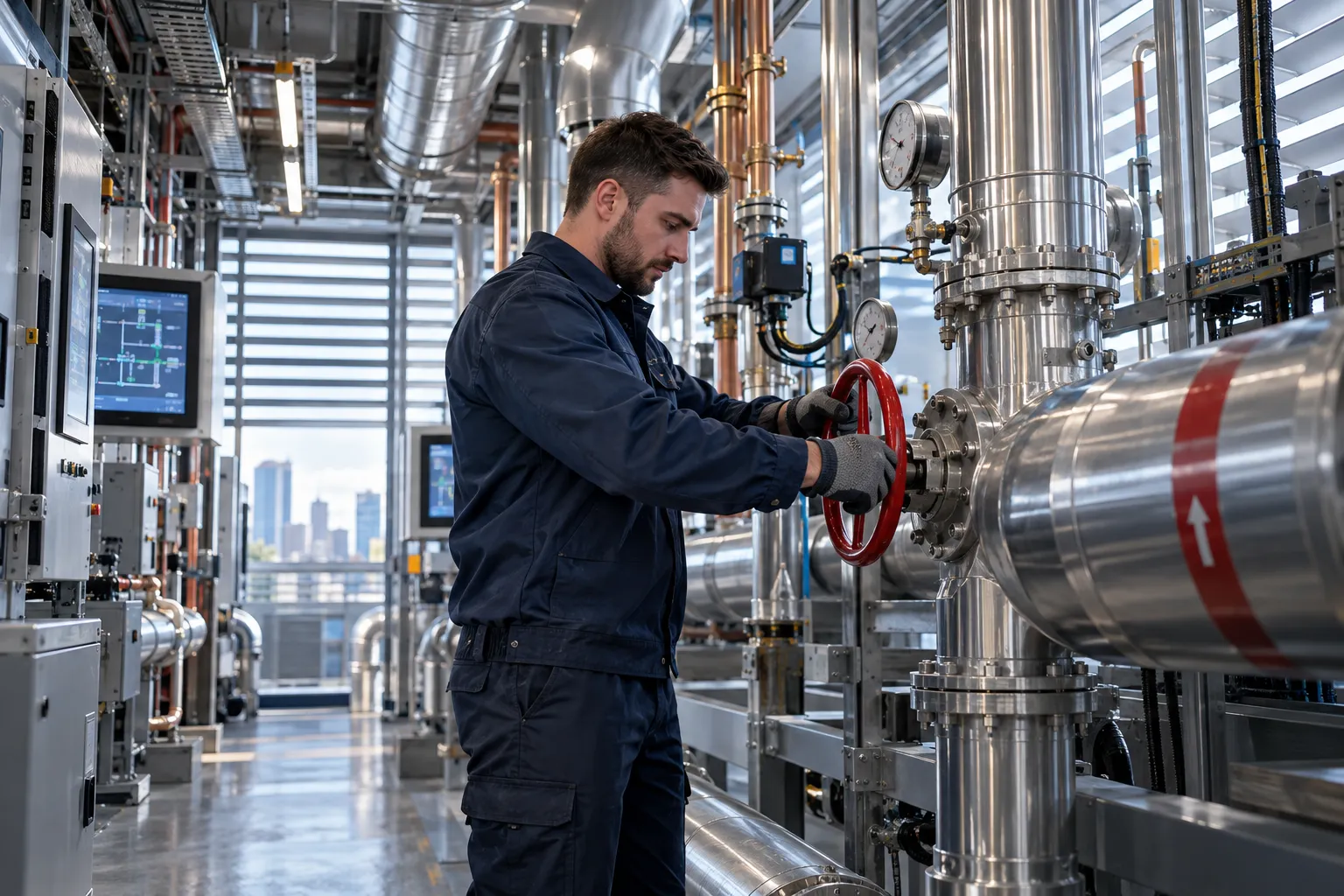
How much for emergency ventilation repairs West Midlands? A related budget question is how much avoidable failure is costing your building. Planned Preventive Maintenance (PPM) schedules inspections and servicing before wear develops into an urgent breakdown. These are benchmarks, not a like-for-like quote: equipment, access and work required affect the final cost.
Cost Comparison: PPM vs Emergency Call-Outs
PPM provides a planned point to inspect equipment, record condition and address developing faults through an agreed maintenance budget. Reactive work begins after failure, when urgency and operational impact may limit your options. Compare the full cost of each approach, including service scope, parts, follow-up work and potential downtime. The table shows the broad distinction; ask for a site-specific schedule and a list of included tasks before setting your budget.
| Approach | Budget reference | Planning consideration |
|---|---|---|
| Scheduled PPM | Visits start from £109 per unit | Confirm equipment covered, visit frequency and any excluded parts |
| Unplanned major failure | Cost depends on fault extent, equipment specification and repair scope |
Common Maintenance Tasks That Prevent Failures (Filter Changes, Belt Checks, Fan Alignment)
A useful maintenance plan should reflect the system and its operating conditions. Filter condition, belt wear, fan alignment, bearing noise, fixings, electrical connections and control settings all warrant attention where relevant. Record findings and outstanding actions, then track recurring faults rather than treating each visit as an isolated job. If airflow, condensation or odours remain a concern, ask whether system balance and performance need further assessment. Building Fabric Repairs & Maintenance can also support related building fabric needs beyond the ventilation plant.
Building a Partnership with a Responsive Contractor in the West Midlands
Choose a maintenance partner who understands your assets, records work clearly and explains which actions need approval. Agree response arrangements, reporting expectations, access procedures and how urgent findings will be escalated. MEMS provides responsive, planned and preventative maintenance, with emergency on-site visits available 24/7 through a continuously staffed help desk. For building fabric work alongside your maintenance planning, see Building Fabric Repairs & Maintenance.
CLICK TO CALL US NOW to discuss a maintenance plan for your West Midlands site.
Frequently Asked Questions
How much does an emergency ventilation repair call-out cost in the West Midlands?
An emergency ventilation repair call-out in the West Midlands typically costs £80 to £155 for daytime attendance, rising to £150 to £280 or more at night and weekends. These figures are attendance benchmarks rather than full repair costs. Confirm whether the fee covers travel, VAT and fault-finding before authorising further work.
What are the typical hourly labour charges for out-of-hours ventilation repairs?
Standard ventilation repair labour usually runs from £65 to £110 per hour plus VAT, with out-of-hours work often sitting at the higher end. Ask the engineer to confirm the rate, any minimum time block and whether charging starts on arrival. Agree a limit in writing before further diagnosis begins.
What factors increase the cost of an urgent ventilation fix?
Response time, site access, location and equipment type all push up the cost of an urgent ventilation repair. A rooftop air handling unit may need safe access arrangements before testing can start, while specialist fault-finding, damaged wiring and out-of-hours attendance each add to the final bill.
What is the difference between an emergency diagnostic call-out and a full repair quote?
A diagnostic call-out covers the engineer's attendance, initial assessment and safety checks, but not the repair itself. A full repair quote should follow the engineer's findings and separate labour, parts and any recommended electrical work. Request a written breakdown so your facilities budget only funds approved work.
How do emergency repairs compare to planned preventive maintenance (PPM) costs?
Emergency ventilation repairs cost more than planned preventive maintenance because call-out fees, out-of-hours premiums and urgent part sourcing all inflate the bill. PPM spreads costs evenly and spots worn belts, bearings or capacitors before failure. Over a year, prevention usually works out cheaper than repeated reactive attendance.
What should a written estimate for emergency ventilation repairs include?
A written estimate should separate the call-out fee, hourly labour and parts, and explain any recommended electrical work in plain terms. Check whether VAT, travel and the first period of labour are included, and set a clear approval point before any additional diagnosis or repair continues. A vague diagnosis is no help to a facilities budget.
Why might a ventilation repair require a dedicated electrical circuit?
High-load ventilation equipment may need a correctly rated dedicated supply from the consumer unit rather than a standard socket spur. The engineer should assess the unit's electrical demand, protective devices, cable capacity and isolation arrangements first. Never approve a quick wiring alteration without a clear explanation of the fault and the proposed circuit.