Industrial Electrician Jobs alternatives
Industrial Electrician Jobs Alternatives UK Guide 2026
Why Consider Alternatives to Industrial Electrician Jobs?
The Realities of Industrial Electrician Work
I spent 24 years in the trades before building MEMS Facilities Maintenance. Industrial electrician roles have changed--and not for the better. Shift patterns wreck your social life. You're exposed to hazardous environments daily. And the pressure? A single mistake can cost a factory tens of thousands in downtime. That weight sits on your shoulders every shift.
The pay ceiling? It hits early. Most industrial electricians in the UK earn £32,000 to £42,000. After five years, you're trading your body and weekends for a salary that barely budges. Progression means management or specialisation--and not everyone wants to swap tools for spreadsheets.
The Burnout Cycle Nobody Talks About
Repetitive tasks in confined spaces. Constant noise exposure. Mental strain from troubleshooting under time pressure whilst production managers breathe down your neck. I've watched skilled electricians walk away entirely because they couldn't sustain it.
Why the Market Is Shifting Beneath Your Feet
Manufacturing is consolidating. Factories are automating or relocating overseas. Demand for traditional industrial electrician roles is flattening. Meanwhile, commercial facilities management is growing at 4.2% annually across the UK. Businesses need multi-skilled engineers who understand building systems, compliance, and energy efficiency.
That's your opportunity.
Top Career Alternatives for Industrial Electricians
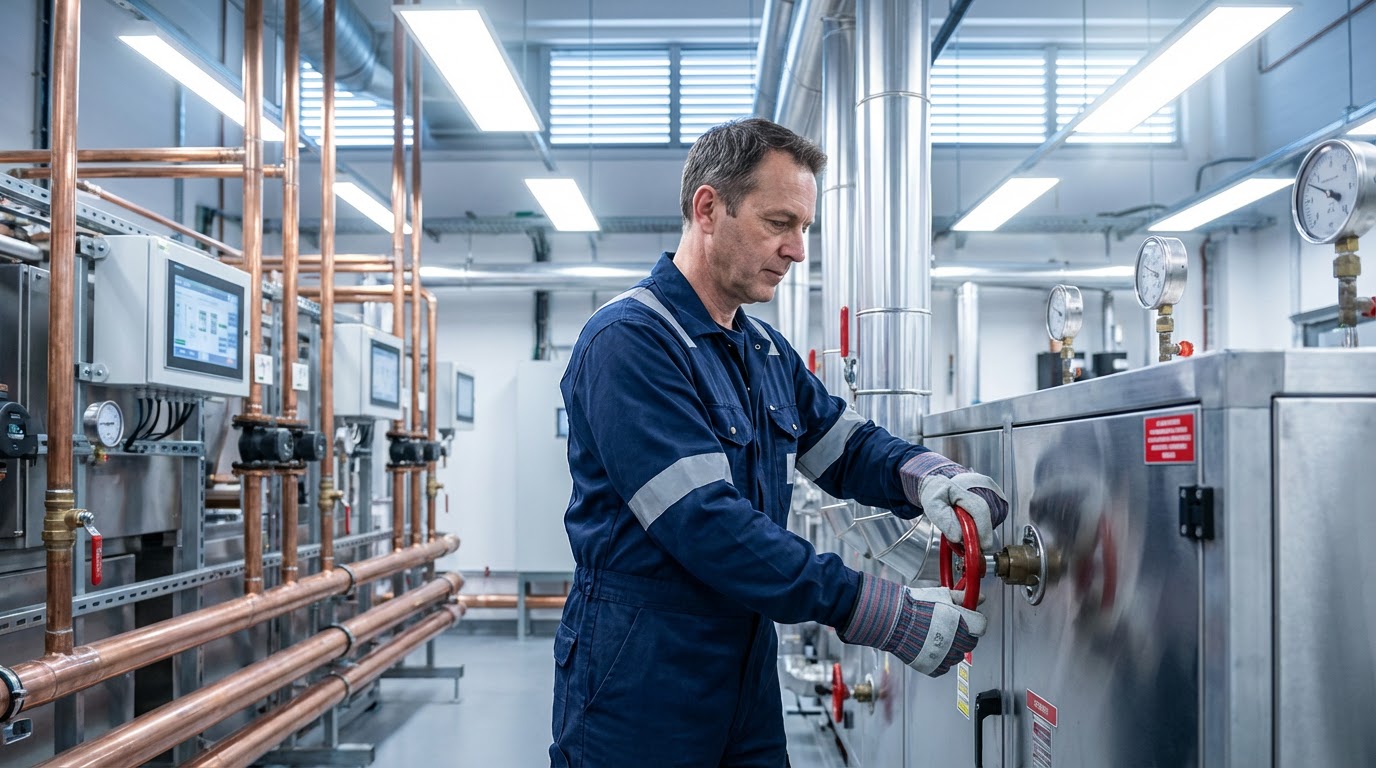
Multi-Skilled Maintenance Engineer Roles
You already have electrical competence. Add basic plumbing, HVAC awareness, and mechanical skills, and you become irreplaceable. Multi-skilled engineers in commercial buildings earn £35,000 to £48,000, work regular hours, and avoid production-line pressure. You're maintaining offices, retail spaces, and mixed-use developments--not keeping a factory running at 3am.
Automation and Controls Specialist Positions
Love the technical side but hate the environment? Controls and automation offer higher pay (£40,000 to £55,000) with better conditions. You'll programme building management systems, optimise HVAC sequences, and integrate smart technologies. The work is cleaner, safer, and growing as buildings become more sophisticated.
Electrical Technician in Commercial Facilities
Commercial facilities need electrical expertise without industrial intensity. You'll handle lighting systems, power distribution, emergency generators, and compliance testing. The environment is safer, hours are predictable, and you build long-term relationships with clients rather than being a replaceable cog. Consider exploring our plumbing and electrical services to understand this diversified role.
| Role | Salary Range | Work Environment | Skills Needed |
|---|---|---|---|
| Multi-Skilled Engineer | £35,000-£48,000 | Commercial buildings | Electrical + basic plumbing/HVAC |
| Automation Specialist | £40,000-£55,000 | Office/mixed-use | BMS programming, controls |
| Commercial Electrician | £33,000-£45,000 | Retail/office | 18th Edition, compliance testing |
Facility Maintenance Roles: From Tools to Management
Site Supervisor and Lead Engineer Paths
Five years of varied experience opens supervisory roles paying £42,000 to £58,000. You'll co-ordinate trades, manage compliance schedules, and become the trusted partner for facility managers. Your technical knowledge becomes commercial value. You're not just fixing problems--you're preventing them.
Planned Preventative Maintenance Specialist
PPM is the future of building maintenance. Instead of emergency call-outs at 2am, you follow SFG20 schedules to keep systems running efficiently. The work is structured, liability is lower, and clients value continuity. At MEMS, our PPM specialists build institutional knowledge of each site, becoming irreplaceable. Our commitment to compliance is supported by our M&E HVAC compliance health check services, ensuring all systems meet strict standards.
How to Transition Successfully
Step-by-Step Career Switch Checklist
Switching from industrial to commercial facility maintenance requires planning. Not just a polished CV.
Start by auditing your qualifications against commercial FM requirements. Your 18th Edition Wiring Regulations and City & Guilds 2365 are solid foundations, but commercial roles demand broader compliance credentials. Get your ECS Gold Card if you don't have it. Pursue F-Gas handling (Category 1), SFG20 compliance training, and HVAC controls certification. These aren't optional--they're the baseline for working across mechanical and electrical disciplines in modern facilities.
Rewrite your CV to speak facility management language, not factory production. FMs care about uptime, compliance, and cost control. Translate your experience into outcomes they value. Instead of "rewired production line circuits," write "maintained electrical systems with zero unplanned downtime over 12 months." Highlight PPM work, emergency response, or multi-trade collaboration. Commercial FM is about keeping buildings operational, so frame your skills around business continuity.
Target employers who value institutional knowledge. Large FM corporations treat engineers as interchangeable. Look for mid-sized specialists who invest in their teams and offer progression from hands-on technician to site supervisor or PPM co-ordinator. During interviews, ask about training budgets, career pathways, and on-call rotations. The right employer will see your industrial background as an asset.
Training and Certification Essentials
Commercial facility roles require certifications that industrial settings often overlook. Gas Safe registration (CCN1, CENWAT, or CKR1 depending on your focus) is non-negotiable for heating systems. F-Gas Category 1 is mandatory for air conditioning or refrigeration work, and enforcement is tightening. REFCOM registration follows naturally if you're pursuing HVAC. Without these, you can't work legally on commercial building systems.
SFG20 training separates competent engineers from manual-followers. This British Standard defines maintenance schedules for every building asset, from AHUs to water treatment systems. Employers who follow SFG20 protocols deliver consistent, auditable compliance. Pursue training through recognised bodies like BESA (the Building Engineering Services Association). The investment pays back quickly.
Don't neglect communication skills. Commercial facility work involves client interaction, report writing, and explaining technical issues to non-technical stakeholders. If you've spent years in a noisy factory with minimal client contact, this can feel uncomfortable. Practise writing clear, jargon-free incident reports. Learn to explain a failed compressor in terms of business impact. These skills matter as much as your toolbox when you're working in occupied buildings.
Partnering with Specialists Like MEMS for Opportunities
At MEMS Facilities Maintenance, we built our team by recruiting engineers who understand the difference between fixing faults and preventing failures. We don't just need electricians. We need multi-skilled maintenance professionals who can diagnose a faulty VSD, service an air handling unit, and explain the business case for upgrading obsolete plant equipment.
If you're weighing industrial electrician jobs alternatives, we offer structured career progression from site technician to lead engineer and beyond. You'll gain training in SFG20 compliance, commercial HVAC systems, and PPM co-ordination. Our 24/7/365 operation means you'll work across retail spaces, office blocks, and multi-tenanted commercial properties across Birmingham and the West Midlands. You won't spend five years maintaining the same production line. You'll build expertise that makes you indispensable.
We invest in certifications, support professional development, and operate on one principle: if you care about doing the job properly, we'll give you the tools and training to excel. To learn more about our company and career opportunities, visit M&E Maintenance Solutions.
If you're exploring industrial electrician jobs alternatives and want a partner who values your skills, contact our team at M&E Maintenance Solutions Limited. We're always looking for engineers who understand that proactive maintenance beats reactive firefighting.
Frequently Asked Questions
What are the main career alternatives for industrial electricians in the UK?
From my 24 years in the trades, I've seen that the natural progression for electricians looking for a change often leads to multi-skilled maintenance engineer roles. Automation and controls specialist positions or becoming an electrical technician in commercial facilities are also strong options. For those with experience, moving into site supervisor or planned preventative maintenance specialist roles offers significant career growth.
Why should an industrial electrician consider a career change?
The realities of industrial electrician work have changed; it's demanding with shift patterns that destroy your social life and constant pressure. The pay ceiling hits early, and the physical toll often leads to burnout. I've seen many skilled electricians leave because the work-life balance simply isn't sustainable anymore.
Is there still a strong demand for traditional industrial electricians in the UK?
Honestly, demand for traditional industrial electrician roles is flattening. Manufacturing is consolidating and automating, shifting the market. The real opportunity is in commercial facilities management, which is growing at 4.2% annually, needing multi-skilled engineers who understand building systems.
What kind of salary can an electrician expect in alternative UK roles?
While industrial roles typically range from £32,000 to £42,000, alternative paths offer better potential. Multi-skilled engineers in commercial buildings can earn £35,000 to £48,000, and automation specialists often see £40,000 to £55,000. For those moving into supervisory roles, salaries can reach £42,000 to £58,000, reflecting the added value of managing compliance and preventing problems.
What skills do I need to transition from an industrial to a commercial electrician role?
Your 18th Edition and City & Guilds 2365 are solid foundations, but commercial facility management demands broader compliance. You'll need additional certifications in HVAC controls, F-Gas handling, and SFG20 compliance training. It's also important to rewrite your CV to speak the language of facility management, highlighting uptime and cost control.
How do multi-skilled maintenance engineer roles differ from traditional industrial electrician jobs?
As a multi-skilled engineer in commercial buildings, you're maintaining offices, retail spaces, and mixed-use developments, not keeping a factory running at 3 AM. The hours are typically regular, and the pressure is different, focusing on planned preventative maintenance. You'll add basic plumbing, HVAC awareness, and mechanical skills to your electrical competence, making you indispensable.