best Industrial Electrician Jobs 2026
What Makes the Best Industrial Electrician Jobs in 2026: A Facility Manager's Guide
The best Industrial Electrician Jobs 2026 focus on automation systems, renewable energy installations, and precision maintenance roles. These positions offer £35,000-£55,000+ salaries with strong job security as UK industry modernises its electrical infrastructure.
Why We're Seeing This Skills Shortage
I've managed electrical teams for over two decades, and I can tell you we're facing a perfect storm in industrial electrical work. Britain's push for net-zero means major infrastructure upgrades, while ageing manufacturing plants need constant electrical maintenance to prevent costly downtime. Government data shows 15,000+ new electrical positions needed annually through 2026. The shortage means premium salaries for skilled professionals.
What Modern Industrial Electricians Actually Do
Forget everything you think you know about industrial electricians being "just wire-pullers." The professionals we work with programme PLCs (Programmable Logic Controllers), diagnose complex automation faults, and maintain sophisticated energy management systems. They bridge traditional electrical work with digital systems management.
From the Plant Room: A single electrical failure in a manufacturing plant costs an average of £50,000 per hour in lost production. That's why we invest in exceptional industrial electricians who can prevent such failures before they happen.
Where the Best Opportunities Are
In my experience managing facilities across the Midlands, food processing, automotive manufacturing, and pharmaceutical production offer the strongest opportunities for industrial electricians. These sectors demand 24/7 uptime, creating premium-rate positions. Data centres and logistics hubs also pay well as e-commerce drives automation investment.
Skills That Command Premium Rates in 2026
The best Industrial Electrician Jobs 2026 require hybrid skills. Master Variable Frequency Drives (VFDs), understand Ethernet/IP communication protocols, and learn basic cybersecurity principles. These skills separate premium-rate specialists from commodity electricians. I've seen electricians with these competencies command 20-30% salary premiums.
The Most Valuable Industrial Electrician Specialisations for 2026
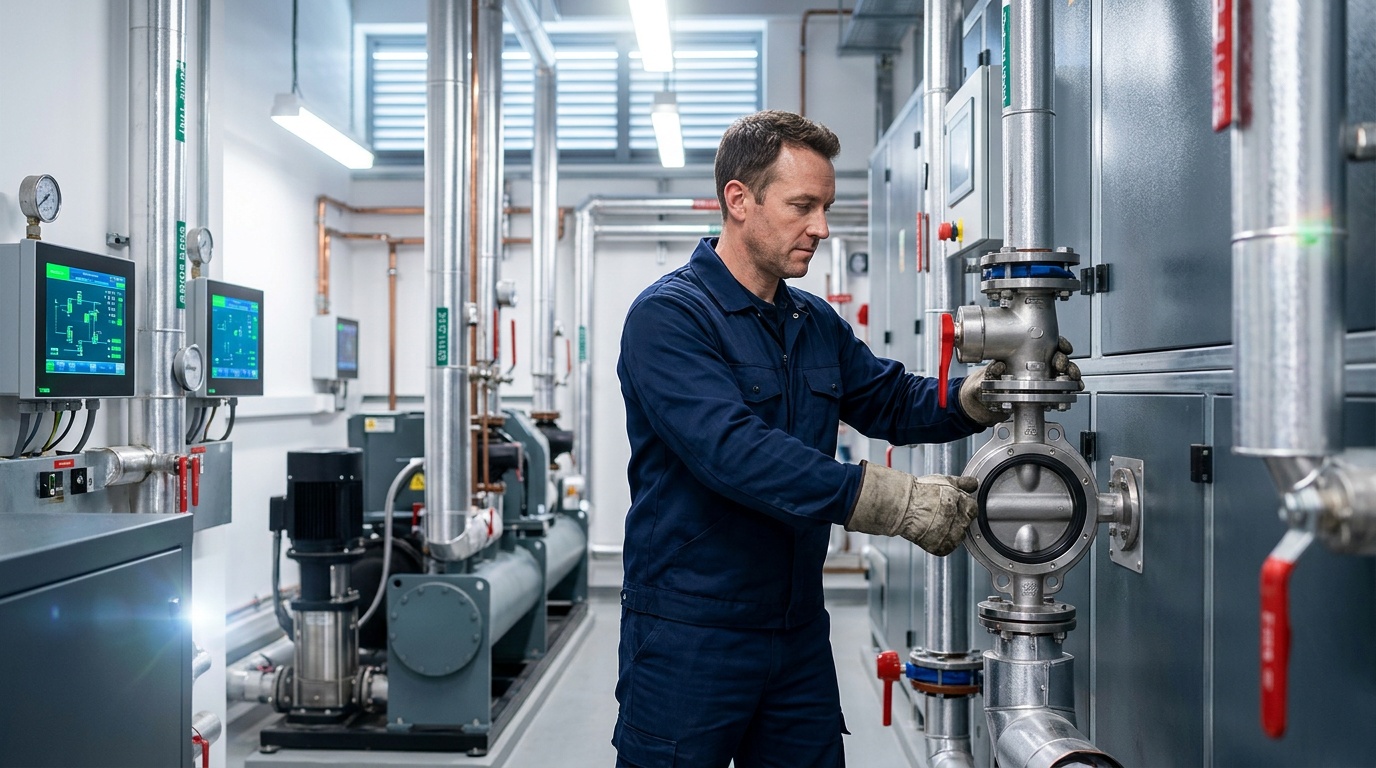
Automation and Control Systems Specialist
These are the professionals who programme and maintain the digital nervous systems running modern factories. They work with SCADA systems, configure HMI interfaces, and troubleshoot complex PLC networks. Starting salaries typically hit £40,000-£50,000, with senior positions reaching £65,000+ because of the specialised knowledge required.
When we hire automation specialists, we're looking beyond traditional electrical work. They need industrial computing skills and network diagnostics expertise. Manufacturing plants can't afford automation downtime, making these specialists indispensable.
Renewable Energy Electrician
Solar installations, wind farms, and battery storage systems create significant opportunities. These positions offer £38,000-£55,000 salaries with excellent job security as the UK targets net-zero emissions by 2050.
The work involves high-voltage DC systems, inverter maintenance, and grid integration challenges. We pay premium rates for qualified renewable energy electricians who understand both electrical principles and sustainable technology applications.
Maintenance and Repair Electrician
These are the uptime guardians who keep production running through preventive maintenance programmes and emergency repairs. Salaries range from £35,000-£48,000 plus overtime opportunities and call-out premiums.
We need electricians who maintain motor control centres, replace worn contactors, and diagnose electrical faults under pressure. The best Industrial Electrician Jobs 2026 in this category require strong diagnostic skills and efficiency during planned shutdown windows.
| Role Type | Salary Range | Key Skills | Growth Potential |
|---|---|---|---|
| Automation Specialist | £40,000-£65,000 | PLC programming, SCADA, HMI | Excellent |
| Renewable Energy | £38,000-£55,000 | Solar/wind systems, battery storage | Outstanding |
| Maintenance Electrician | £35,000-£48,000 | Fault diagnosis, motor control | Stable |
| Instrumentation | £42,000-£58,000 | Calibration, process control | Very good |
Instrumentation Electrician
Instrumentation electricians maintain the sensors, transmitters, and control loops that monitor industrial processes. Chemical plants, oil refineries, and pharmaceutical facilities need these specialists to ensure accurate measurements and safe operations, with salaries typically £42,000-£58,000.
Precision matters here. They calibrate instruments that control temperature, pressure, and flow rates. Understanding loop diagrams, signal conditioning, and process control theory sets instrumentation electricians apart from general trades.
Essential Skills and Certifications That Employers Actually Want
Non-Negotiable Competencies
Industrial electrical work demands more than basic wiring knowledge. You need 18th Edition certification, understanding of three-phase power systems, and motor control fundamentals. Health and safety qualifications such as COMPEX (for hazardous areas) open doors to petrochemical and pharmaceutical sites where daily rates exceed £300.
Mathematical competency separates good electricians from exceptional ones. Calculate power factor correction, understand harmonic distortion, interpret electrical drawings fluently. These analytical skills prove essential when diagnosing complex faults under production pressure.
Certifications That Actually Pay
City & Guilds Level 3 in Industrial Automation provides the foundation for programming roles. IET certification in electrical maintenance demonstrates professional competence. F-Gas certification becomes mandatory for electricians working on refrigeration systems, particularly in food processing facilities.
Investment Reality: Employers pay £3,000-£5,000 annual premiums for electricians holding multiple specialist certifications. Training investment typically recovers within six months through higher hourly rates.
Communication Skills That Matter
Technical excellence means nothing if you can't explain electrical faults to production managers under pressure. The electricians we value most can translate complex electrical issues into business impact terms. Production teams respect electricians who understand operational priorities.
Problem-solving methodology distinguishes premium electricians from basic troubleshooters. Follow systematic diagnostic procedures, document findings properly, recommend preventive measures. These professional habits build trust with facility managers who control maintenance budgets.
Staying Current With Technology
The best Industrial Electrician Jobs 2026 require ongoing learning as industrial technology evolves rapidly. Subscribe to professional publications, attend manufacturer training sessions, join professional bodies such as the IET. Networking provides valuable insights into emerging opportunities and technical developments.
How We Work With Industrial Electricians: The M&E Perspective
Compliance Requirements We Can't Compromise On
We depend on competent industrial electricians to maintain legal compliance across multiple regulations. Fixed wire testing, PAT testing, and emergency lighting certification require meticulous documentation. Our integrated maintenance approach means we can supply detailed compliance records within 24 hours of job completion, simplifying audit processes for facility managers.
Integrating Green Technology
Heat pump installations, LED retrofits, and smart building systems require electricians who understand both traditional electrical principles and modern energy management. These upgrades can reduce operational costs by 15-25% while meeting environmental targets. We value electricians who can recommend efficiency improvements during routine maintenance visits.
Preventing Costly Downtime
Electrical failures cost commercial operations £50,000+ per hour in lost productivity. Our industrial electricians help prevent such incidents through planned preventative maintenance and rapid fault diagnosis. We maintain stock for emergency repairs, reducing response times and limiting procurement delays.
System Reality: A single electrical failure can trigger cascading system failures affecting HVAC, security, and production equipment. We need electricians who understand these interconnections and can help prevent widespread shutdowns.
Understanding Salary Expectations and Career Progression

What Drives Earning Potential
Location significantly impacts earning potential. London and the South East industrial electricians earn 20-30% premiums over regional rates. Specialisation in automation or renewable energy commands additional salary increases, while emergency call-out availability can add £8,000-£12,000 annually through premium rates.
Real-World Salary Ranges
Entry-level industrial positions start at £28,000-£32,000, progressing to £40,000-£50,000 with five years' experience. Senior specialists in automation or instrumentation can achieve £55,000-£65,000, while contractor day rates reach £250-£400 for complex projects requiring specialist knowledge.
The best Industrial Electrician Jobs 2026 offer clear progression pathways from apprentice through technician to senior specialist or team leader roles. Many experienced electricians transition into facility management or start electrical contracting businesses serving industrial clients.
Frequently Asked Questions
Are industrial electrician jobs in demand in 2026?
Absolutely, the demand for skilled industrial electricians in the UK is very strong heading into 2026. Our industrial sector is modernising, driven by net-zero commitments and the need to upgrade ageing infrastructure. This creates a significant need for professionals who can manage complex electrical systems, with government data showing over 15,000 new positions needed annually.
What are the best industries for industrial electrician jobs in 2026?
For industrial electricians, the best opportunities in 2026 are found in sectors like food processing, automotive manufacturing, and pharmaceutical production, where 24/7 uptime is critical. Data centres, logistics hubs, and the rapidly expanding renewable energy sector also offer strong prospects. These industries pay premium rates for electricians who understand both electrical systems and production processes.
How can an industrial electrician earn a high salary in 2026?
To achieve top earnings as an industrial electrician, focus on developing hybrid skills that combine traditional electrical knowledge with digital competencies. Specialising in automation and control systems, or renewable energy installations, can push salaries towards the £65,000+ mark. Mastering technologies like PLC programming, SCADA, and Variable Frequency Drives makes you an indispensable asset.
Can an industrial electrician make £300,000 a year?
While industrial electricians are highly valued and command excellent salaries, reaching £300,000 a year is not typical for direct employment roles based on current UK market data. Top specialists in automation or renewable energy can earn upwards of £65,000. Consistently hitting £300,000 annually would be extremely rare and likely involve business ownership or very unique circumstances beyond standard employment.
What skills are essential for future-proofing an industrial electrician career?
Future-proofing your career means embracing new technologies alongside your core electrical knowledge. Focus on mastering Variable Frequency Drives, understanding Ethernet/IP communication protocols, and learning basic cybersecurity principles. Expertise in PLC programming, SCADA systems, and advanced fault diagnostics for automation will also set you apart.
Which specific industrial electrician roles offer the best growth potential in 2026?
Roles with the best growth potential in 2026 include Automation and Control Systems Specialists, who programme and maintain factory digital nervous systems. Renewable Energy Electricians are also in outstanding demand, working on solar, wind, and battery storage. Instrumentation Electricians, who ensure precision in process control, also show very good growth prospects.