is Industrial Electrician Jobs worth it
The Commercial Reality: Why Consider Industrial Electrician Jobs in 2026?
Is Industrial Electrician Jobs worth it in 2026? For the right person, yes. Demand is high, salaries are competitive, and job security in commercial facilities maintenance is stronger than in most trades. But the entry cost and physical demands are real. Here's what you need to know before committing.
Key Takeaways
- Industrial electrician jobs offer high demand and competitive salaries within commercial facilities maintenance.
- This trade provides strong job security, making it a reliable career choice for the right individual.
- Potential candidates must account for the real entry costs and physical demands of becoming an industrial electrician.
A Day in the Life of an Industrial Electrician
Picture this: a manufacturing plant in Birmingham loses power to a production line at 06:00 on a Monday. Every minute offline costs the client money. The industrial electrician on call isn't just fixing a fault--they're protecting revenue, compliance, and people. That's the weight of the role. And it's not for everyone.
A typical day spans fault diagnosis, planned preventative maintenance (PPM) schedules, panel inspections, motor testing, and SFG20-compliant documentation. The work is technical, physical, and time-pressured. You'll work across factories, data centres, hospitals, and commercial estates--no two sites the same.
The Hidden Costs of Training and Entry
The upfront investment surprises most people. An apprenticeship takes three to four years. City & Guilds Level 3, 18th Edition wiring regulations, and inspection and testing qualifications all carry fees. Budget between £1,500 and £4,000 for qualifications outside an employer-sponsored route. Many assume trades are cheap to enter. They're not--but the return timeline is far shorter than a degree.
Stuart's Take: The engineers I rate most highly at MEMS Facilities Maintenance are the ones who invested in their qualifications early and treated every site as a classroom. The upfront cost is real. The long-term return is better.
My Journey from Apprentice to MD: What I Wish I Knew
I started as an apprentice combustion engineer. Twenty-four years later, I run a 24/7 commercial maintenance firm. What nobody told me at the start is that this trade rewards consistency over brilliance. Showing up, documenting properly, and understanding why compliance matters commercially--that's what separates the engineers who progress from those who plateau.
Industrial electrician roles sit at the intersection of technical precision and commercial consequence. Get that balance right, and the career trajectory is genuinely strong.
What Earnings Can You Expect as an Industrial Electrician?
Average Salaries and Hourly Rates Across the UK
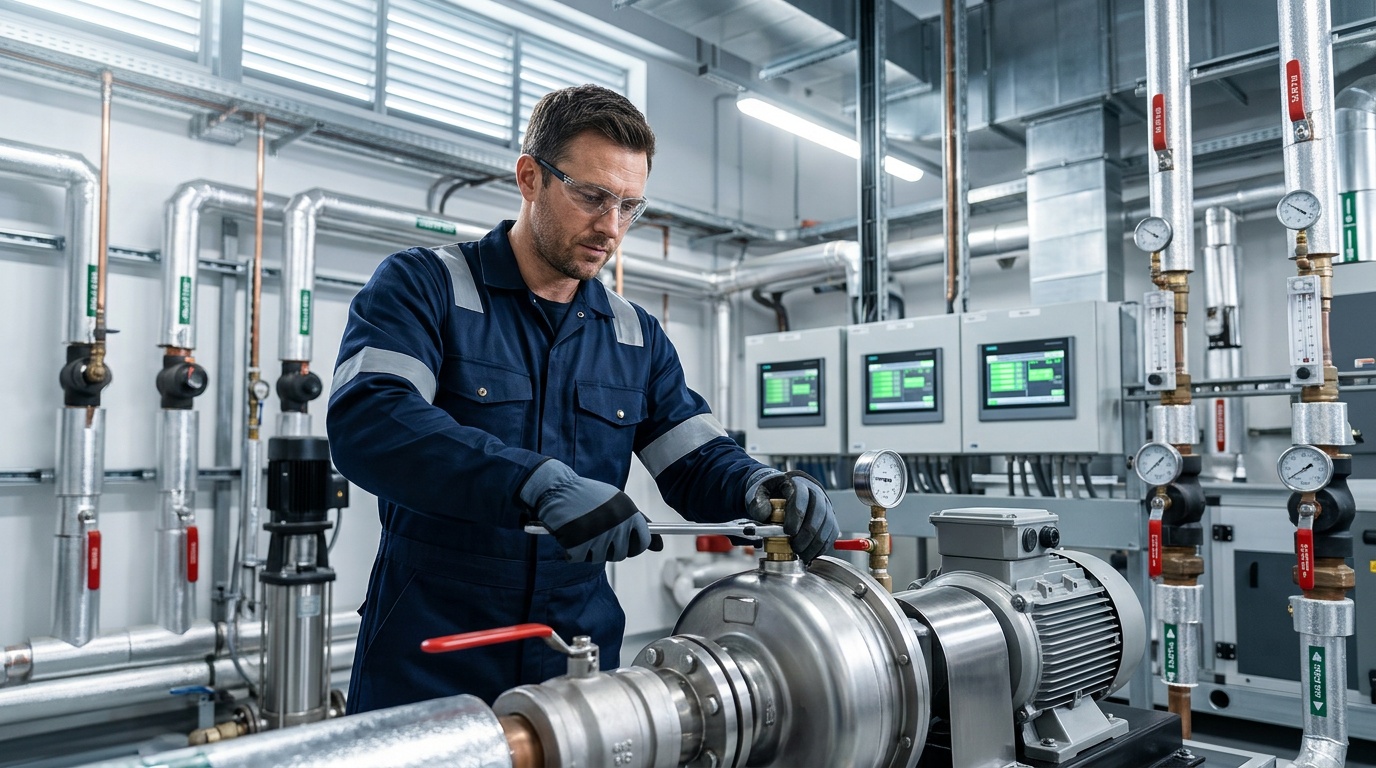
In 2026, employed industrial electricians earn between £32,000 and £52,000 annually depending on experience and sector. JIB (Joint Industry Board) graded electricians at Approved Electrician level command £22 to £28 per hour on site. Specialist roles in high-voltage or hazardous area work can exceed £55,000.
| Experience Level | Typical Annual Salary | Hourly Rate (Employed) |
|---|---|---|
| Apprentice / Trainee | £14,000 to £22,000 | £8 to £12 |
| Qualified (0 to 3 years) | £28,000 to £36,000 | £16 to £20 |
| Experienced (3 to 8 years) | £36,000 to £48,000 | £20 to £28 |
| Senior / Specialist | £48,000 to £60,000+ | £28 to £40+ |
Pay by Experience, Location, and Specialisation
London commands a 15 to 25 per cent premium over Midlands rates, though the cost of living absorbs a good chunk of that gap. Birmingham and the West Midlands offer strong demand with lower living costs, making take-home pay genuinely competitive. Specialisations in data centre infrastructure, renewable energy systems, or ATEX-rated environments add meaningful pay uplifts--and that's only going to increase as decarbonisation deadlines bite harder.
Self-Employed vs Employed: Realistic Take-Home Figures
Self-employed industrial electricians billing £30 to £45 per hour look attractive on paper. Factor in public liability insurance, tool replacement, unpaid gaps between contracts, and pension contributions, and the net advantage over a well-structured employed role narrows considerably. For those starting out, an employed position with a reputable maintenance firm providing plumbing and electrical services builds the site knowledge and compliance experience that self-employment rewards later. Go self-employed too early and you're billing well but learning nothing new.
Qualifications, Training, and the Path to Getting Started
Essential Certifications and Apprenticeship Routes
- Level 3 Electrotechnical Qualification (EAL or City & Guilds): The industry baseline
- 18th Edition Wiring Regulations (BS 7671): Non-negotiable for any UK site work
- 2391 Inspection and Testing: Required for signing off installations
- CSCS Card: Mandatory for most commercial and industrial sites
- JIB Registration: Grading that directly affects your pay scale
The Electrical Installation apprenticeship (Level 3) remains the most structured entry route, combining paid work with college attendance. Completion typically takes three to four years--and you're earning throughout.
Time and Cost Investment: Is It Worth the Upfront Effort?
Outside an employer-sponsored apprenticeship, expect to invest £1,500 to £4,000 in qualifications. That's not a small sum. But compare it to a university degree costing £27,000-plus with no guaranteed employment outcome, and the maths shifts sharply. A qualified industrial electrician is employable from day one of certification. The return on investment timeline is measurably shorter than most graduate routes--and you won't spend three years studying something that turns out to have no market.
Ongoing Training for Compliance and Green Tech Skills
SFG20 compliance standards evolve. So does the technology on commercial sites. Heat pump systems, solar PV installations, and EV charging infrastructure are now standard in commercial maintenance contracts. Engineers who add these competencies through short courses command higher day rates and greater job security. Treating training as a one-time event is the fastest route to being overtaken by someone who didn't.
Pros, Cons, and Work-Life Balance in Industrial Electrical Work
Job Security and Demand in Commercial Facilities
Commercial facilities can't function without qualified electricians. PPM contracts, compliance schedules, and 24/7/365 emergency response requirements mean demand is structural, not cyclical. Facilities management firms actively struggle to recruit experienced industrial electricians--which gives skilled engineers genuine negotiating power that most white-collar professionals don't enjoy at the same career stage.
Daily Demands, Shift Work, Overtime, and Physical Toll
Expect early starts, occasional night work, and on-call rotas on many commercial contracts. When a site goes down, response times matter--and so does your ability to work methodically under pressure rather than panic through it. The job involves ladders, plant rooms, roof spaces, and long walks across large estates. Fitness and safe working habits aren't optional extras; they protect your longevity in the trade.
Is Industrial Electrician Work Right for You?
Pros
- Strong and consistent UK demand across commercial sectors
- Clear JIB pay progression tied to verifiable qualifications
- Career advancement into supervisory and consultancy roles
- Growing specialisation options in renewables and green tech
- Shorter qualification timeline than many graduate routes
Cons
- Shift work and on-call rotas regularly disrupt personal schedules
- Physical demands accumulate over a long career
- Upfront qualification costs without employer sponsorship are significant
- High-risk environments require constant vigilance and discipline
- Ongoing CPD is mandatory for many compliance-led roles
Long-Term Health and Satisfaction from an Insider View
The physical toll is real. Industrial electricians work in environments with electrical hazards, heavy machinery, confined spaces, and shift patterns that disrupt sleep cycles. Over a 30-year career, those pressures compound. Engineers who move into planned preventative maintenance roles within commercial facilities often report a meaningful step-change in conditions: regular hours, familiar sites, and the daily satisfaction of keeping complex systems running before problems develop rather than chasing breakdowns.
That satisfaction factor is underrated in most career guides. Diagnosing a fault that's baffled others, restoring power to a production facility, commissioning a new system correctly from day one--there's something deeply rewarding about work where the result is immediate and visible. Engineers who stay in the trade long-term consistently cite problem-solving and tangible outcomes as their primary motivators. If you need a quiet desk to feel fulfilled, this career will grind you down. If practical challenges with measurable outcomes are what drive you, it can sustain a career for decades.
Career Progression and the Future Worth of Industrial Electrician Roles
Advancement Paths: From Site Work to Supervisory Roles
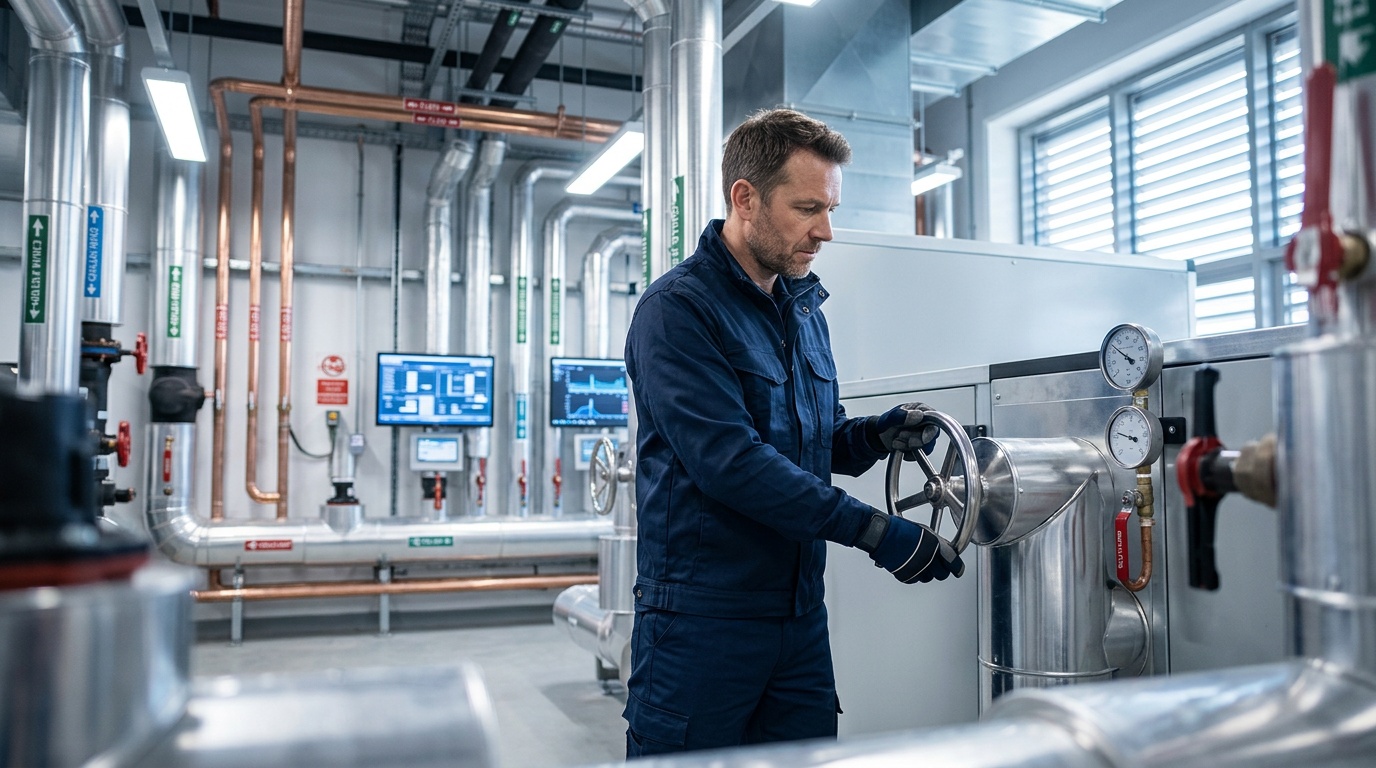
The progression ladder for industrial electricians is well-defined. Apprentice to qualified electrician, then senior engineer, contracts supervisor, and ultimately into management or consultancy. At MEMS Facilities Maintenance, some of our most effective contracts managers started on the tools. That institutional knowledge--knowing exactly what a job entails before signing off a scope of works--is commercially invaluable. You can't replicate it with a management degree alone, and good clients can tell the difference.
Opportunities in Sustainable Tech and Commercial Maintenance
The green energy transition is creating real demand for electricians with specialist knowledge in solar PV, EV charging infrastructure, heat pump integration, and building energy management systems. These aren't niche skills any longer. UK commercial property owners face increasing pressure to decarbonise, and engineers who understand both traditional electrical systems and sustainable technology can command premium rates. At MEMS Facilities Maintenance, we vet these technologies thoroughly before recommending installation--and we need engineers who can do the same.
Is It Worth It Long-Term? My Advice for Aspiring Electricians
My honest assessment: Asking is Industrial Electrician Jobs worth it in 2026 is the right question, but the answer depends on what you value. Strong earnings, job security, a clear progression path, and work that matters to the businesses relying on your expertise--it's all there for those who commit. The skills shortage is real, the pay reflects it, and the shift towards planned preventative maintenance in commercial facilities means stable, long-term roles are multiplying. Ask yourself three things: Do you solve problems practically? Can you commit to continuous learning? Do you want work where results are visible? If yes to all three, this trade will reward you well.
Commercial facilities across Birmingham, the West Midlands, and the broader UK can't find enough qualified industrial electricians to fill PPM contracts, compliance roles, and emergency response rosters. That imbalance isn't closing any time soon--and it favours anyone entering the trade today with the right qualifications and the right attitude.
The trade rewards those who commit fully and punishes those who treat it as a fallback. The upfront investment in qualifications is real. The physical demands over a long career are real. But the earnings trajectory, job security, and progression opportunities are equally real--and measurably stronger than many graduate routes that cost three times as much to enter. No offshore equivalent is going to fix a fault on a Birmingham production line at 06:00.
Get qualified, stay current with green tech developments, and build your compliance knowledge from day one. Industrial electrician roles sit at the centre of every commercial building that needs to keep running. That's not a position that automation displaces. The trade will sustain you--if you're prepared to sustain it in return.
At MEMS Facilities Maintenance, we're always looking for engineers who share our commitment to doing things properly. If you want to work with a team that values technical precision and commercial accountability in equal measure, consider joining our M&E Strategic Partner Programme or explore current industrial electrician jobs with us.
Frequently Asked Questions
Is being an industrial electrician a good career?
For the right person, absolutely. The demand for skilled industrial electricians in commercial facilities is consistently high, offering competitive salaries and strong job security. While the initial training investment and physical demands are real, the long-term career trajectory for those who commit is genuinely strong. It rewards consistency over brilliance, in my experience.
Is there a demand for industrial electricians?
Yes, there's a significant and structural demand for industrial electricians. Commercial facilities cannot operate without them, driving constant need for planned preventative maintenance, compliance checks, and 24/7 emergency response. Facilities management firms, like MEMS, actively seek experienced engineers, giving skilled professionals considerable negotiating power.
What earnings can industrial electricians expect in the UK?
In the UK, employed industrial electricians can expect to earn between £32,000 and £52,000 annually, depending on their experience and sector. Specialist roles, such as those in high-voltage or hazardous areas, can push earnings above £55,000. Consistent progression and specialisation lead to very competitive pay.
How can an industrial electrician earn a high salary in the UK?
To reach the higher end of the salary scale, focus on continuous training and specialisation. Adding competencies in areas like data centre infrastructure, renewable energy systems, or ATEX-rated environments significantly increases your value. Consistent performance, proper documentation, and understanding commercial compliance are also key differentiators for career progression and higher earnings.
What are the main challenges of becoming an industrial electrician?
The main challenges include a significant upfront investment in training, typically a three to four-year apprenticeship, and the associated qualification fees. The work itself is technically demanding, physically strenuous, and often time-pressured, requiring a strong commitment. It's a role that rewards consistency and a willingness to treat every site as a classroom.