top M&E HVAC Compliance Health Check
An air-conditioning failure, unsafe gas appliance or missing compliance record can disrupt a commercial building before anyone sees the warning signs. In my experience, the top M&E HVAC Compliance Health Check connects plant condition, legal duties, service history and business risk. It is an engineering review with a clear commercial purpose. Not a paperwork exercise.
Key Takeaways
- An air-conditioning failure, unsafe gas appliance or missing compliance record can disrupt a commercial building before anyone sees the warning signs.
- In my experience, the top M&E HVAC Compliance Health Check connects plant condition, legal duties, service history and business risk.
- It is an engineering review with a clear commercial purpose.
At M&E Maintenance Solutions, we inspect commercial buildings with both the plant room and the business in mind. Founded in 2007, M&E supports Facility Managers and Estate Managers across the UK with commercial HVAC maintenance and compliance services.
What does an M&E HVAC compliance health check cover?
An M&E HVAC compliance health check reviews the condition, safety, service history and business importance of heating, cooling and ventilation assets. It also checks whether statutory inspections are current, records match the equipment on site and known faults are being managed before they interrupt operations.
The review should cover:
- Asset condition, age, location and service history.
- Safety controls, combustion performance and relevant gas appliances.
- Refrigerant systems, leak-check records and recovery documentation.
- Ventilation performance, filters, fans, controls and access for maintenance.
- Certificates, risk assessments, method statements and commissioning records.
- Breakdown history, occupant complaints and areas where failure would stop operations.
F-Gas records should support refrigerant leak checks, recovery work and evidence of engineer competence. Gas Safe requirements apply to relevant gas appliances, pipework, combustion analysis and safety controls. Maintenance tasks should reflect applicable SFG20 guidance and the risks created by the building’s use.
The assessment combines a physical inspection with a review of certificates, asset registers, service intervals, risk assessments and digital records. The finished report should include traceable evidence, useful photographs, clear risk priorities and actions assigned to named people.
The M&E HVAC Compliance Health Check is a free service. It takes five minutes to complete, and customers receive the report by email.
What should commercial HVAC compliance services deliver?
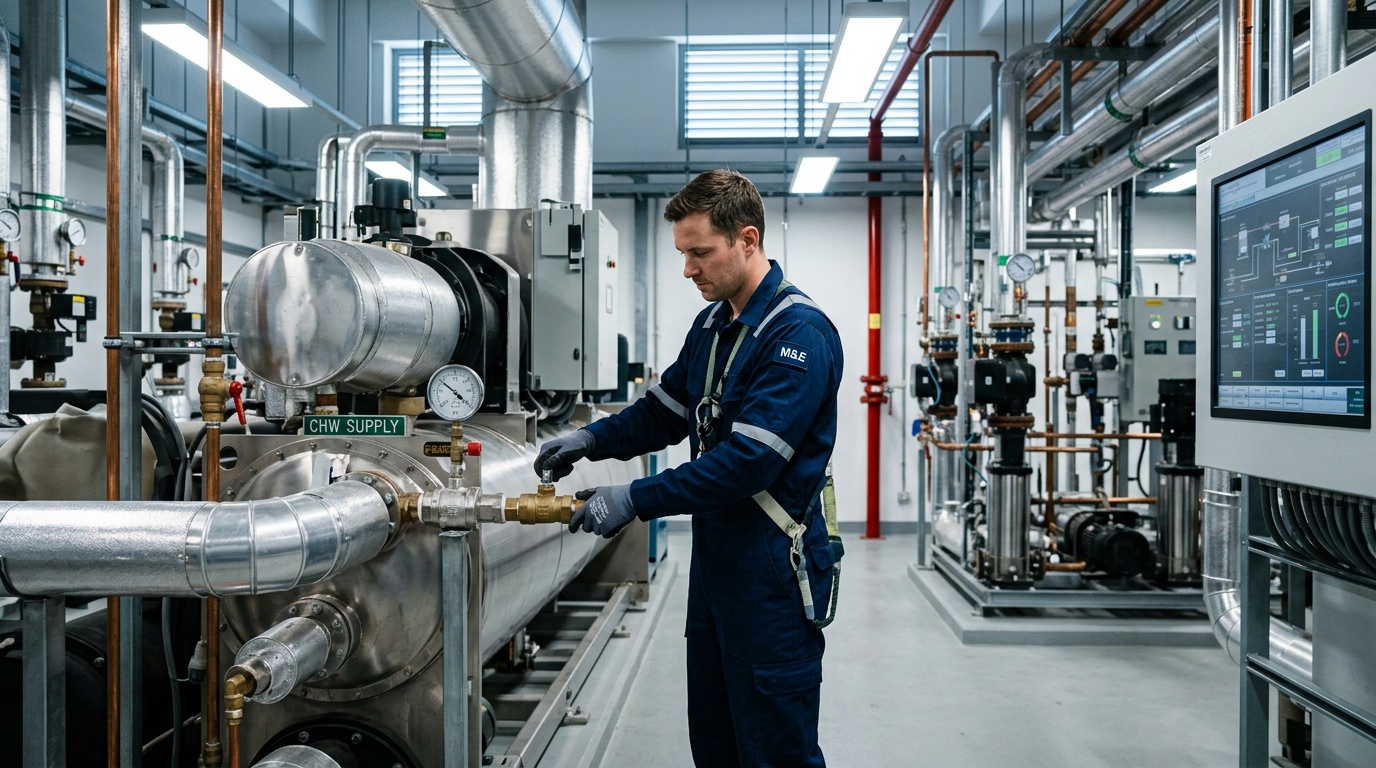
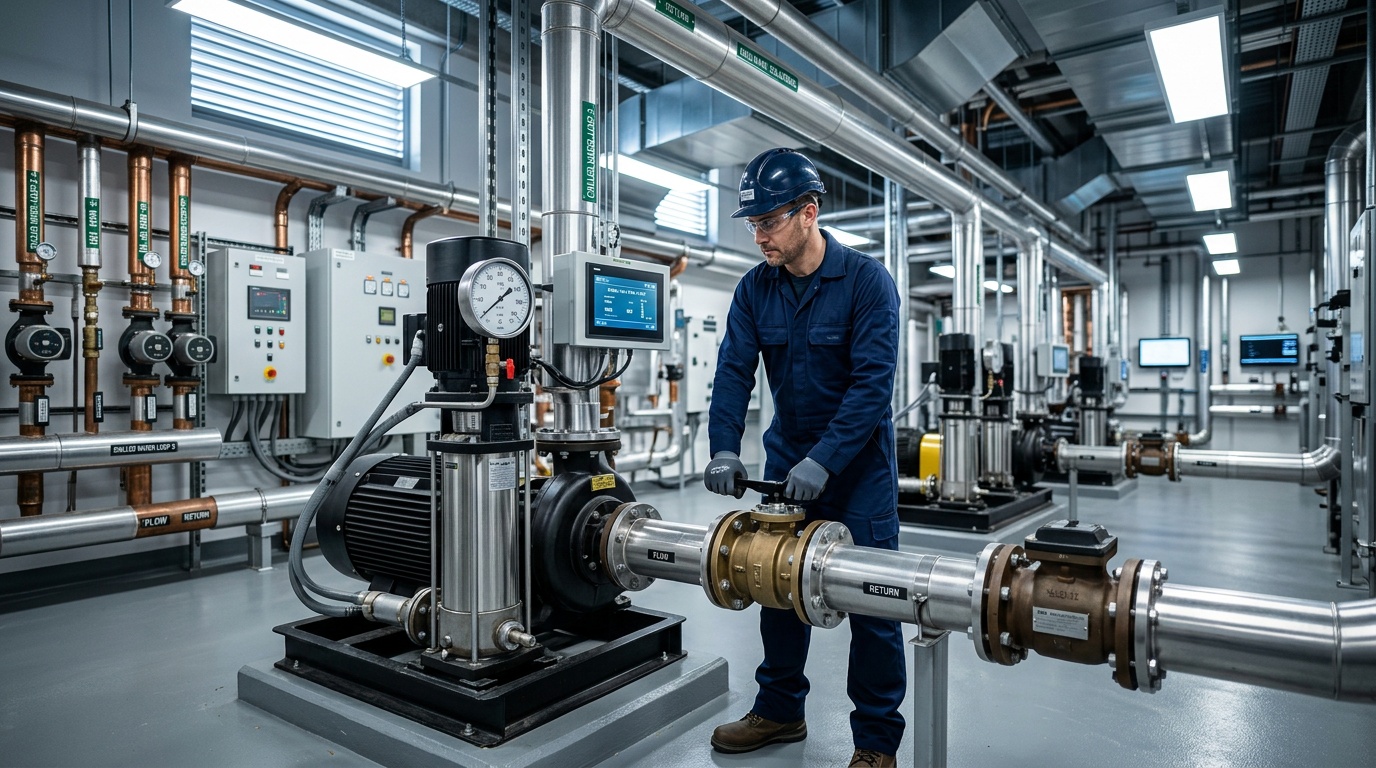
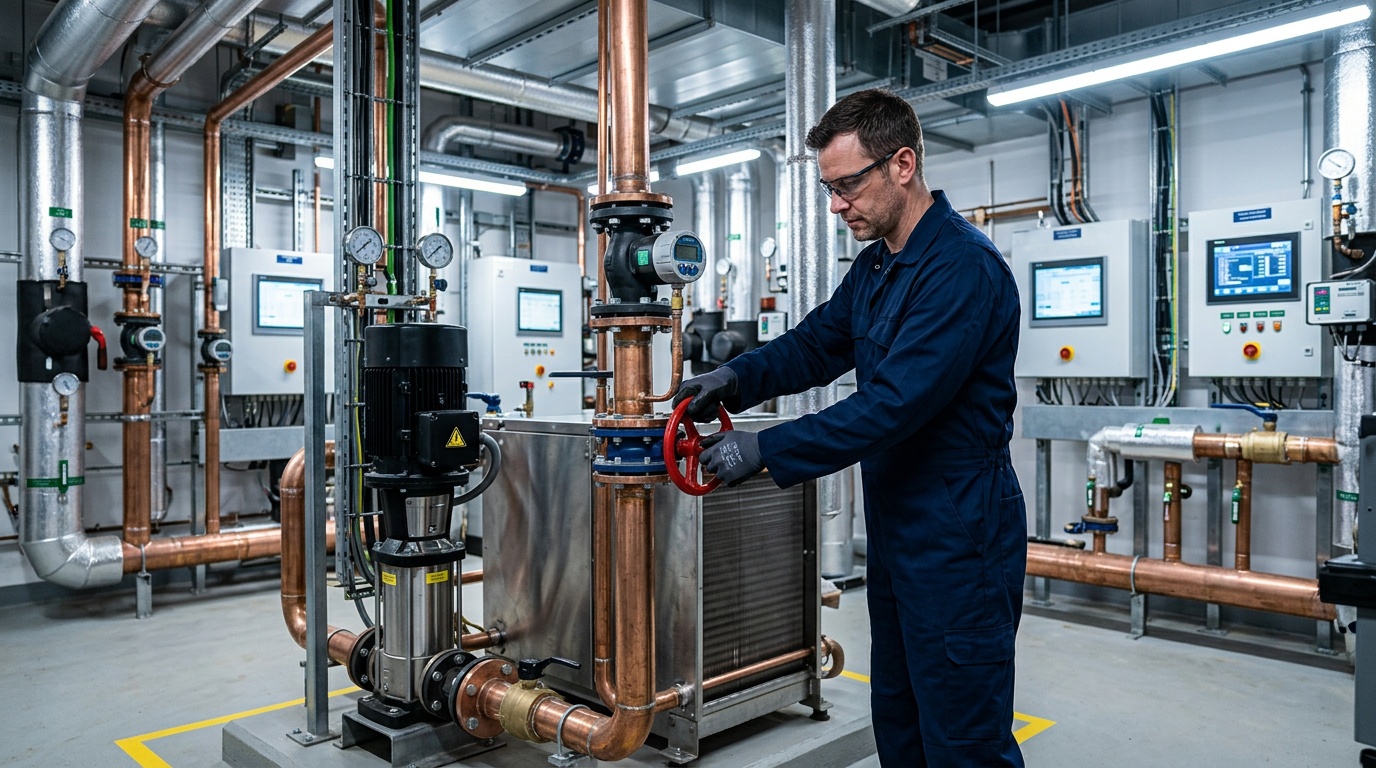

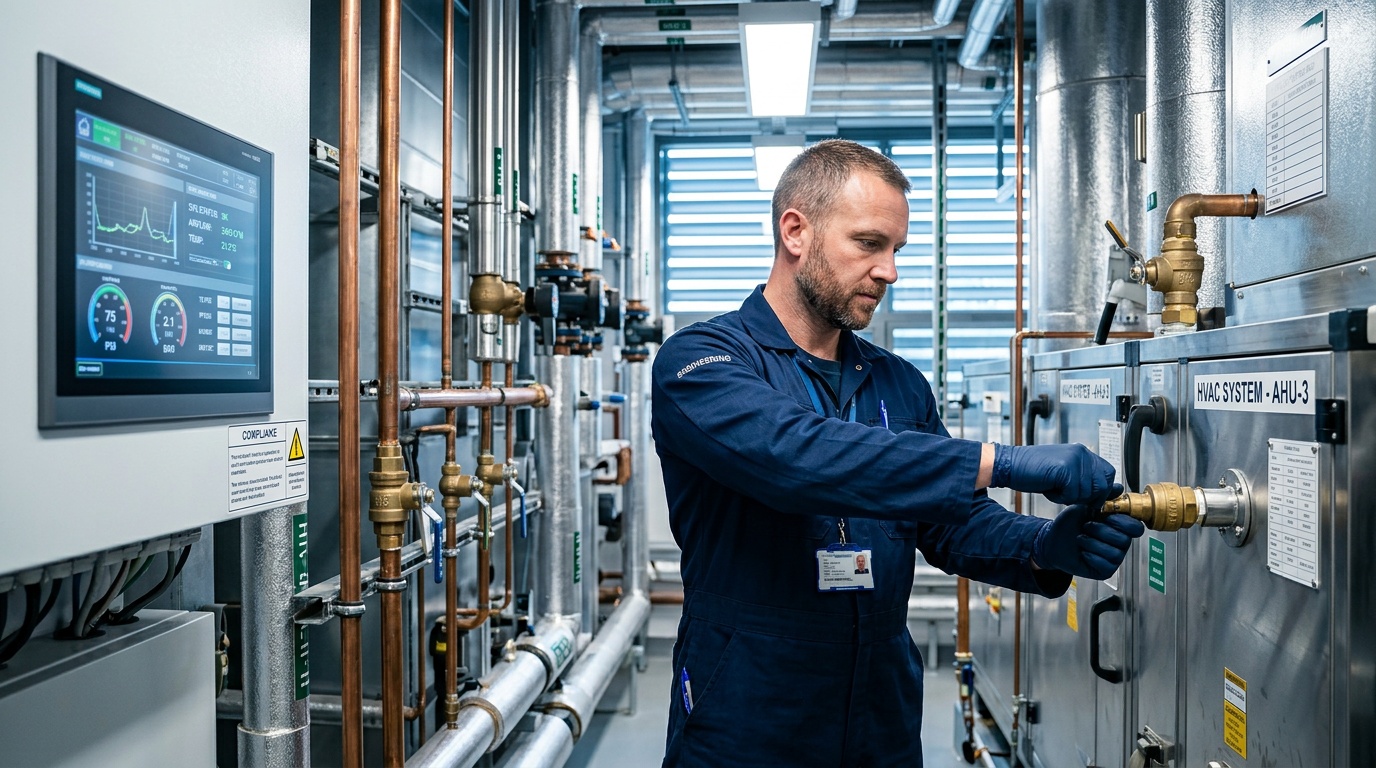
Commercial HVAC compliance services should produce decisions you can act on. A certificate on its own does not tell you whether an ageing pump, blocked filter or failing control is likely to affect the building next month. The useful question is: what does the evidence mean for safety, uptime and cost?
A competent engineer should be able to explain the condition of commercial ventilation equipment and its maintenance requirements. Findings should be grouped into four practical categories:
- Immediate safety concern: control the risk and arrange the right repair without delay.
- Reliability risk: plan corrective work before the asset causes a breakdown.
- Energy-performance issue: investigate inefficient operation, poor control or deteriorating components.
- Planned maintenance need: schedule the work within the building’s wider PPM programme.
This approach stops every defect being treated as an emergency while ensuring genuine hazards receive prompt attention. It also gives estate managers a sensible basis for budgeting.
How should you choose a commercial HVAC maintenance partner?
The right maintenance arrangement depends on asset criticality, building use and the consequences of failure. A suitable partner should understand the site, provide dependable communication and leave an accurate record after each visit. The plan should combine Planned Preventative Maintenance (PPM), HVAC maintenance, statutory checks and maintenance planning.
Before agreeing a programme, assess:
- The age and condition of the plant.
- Occupancy levels and critical rooms.
- Tenant obligations and insurance conditions.
- Refrigerant charge and the condition of cooling equipment.
- Gas appliances and combustion systems.
- Ventilation requirements and indoor comfort complaints.
- Breakdown history, response times and repeat faults.
This creates a maintenance plan based on engineering evidence rather than a generic package. M&E can provide a strategic maintenance partner programme for that review.
What questions should you ask a contractor?
Ask the contractor to show engineer competence, insurance, relevant registration, maintenance schedules and reporting arrangements. Find out what happens after a defect is found. You should receive a prioritised action plan, realistic budget information and a defined response for safety-critical failures.
- Are tasks aligned with the equipment manufacturer’s requirements and applicable SFG20 guidance?
- Can you provide service certificates and photographs promptly after each visit?
- Who owns each corrective action, and when will it be reviewed?
- What response is available outside normal working hours?
- Will the same team build knowledge of the site over time?
That last question matters. A contractor who knows the building can spot a change in noise, temperature, pressure or control response before it becomes a costly failure. The small detail is often the early warning.
How can you future-proof your building services strategy?
A compliance review should consider refrigerant phase-down requirements, ageing boilers, electricity costs, ventilation expectations and changes in occupancy. It should identify assets approaching the end of their useful life, while separating necessary maintenance from upgrades that lack a clear operational or financial case.
Do not replace equipment simply because a newer model exists. Compare the condition of the existing asset, expected repair costs, energy performance, availability of parts, compliance requirements and the effect of failure on the business. That comparison gives you a defensible investment decision rather than a sales-led recommendation.
What should facilities managers do next?
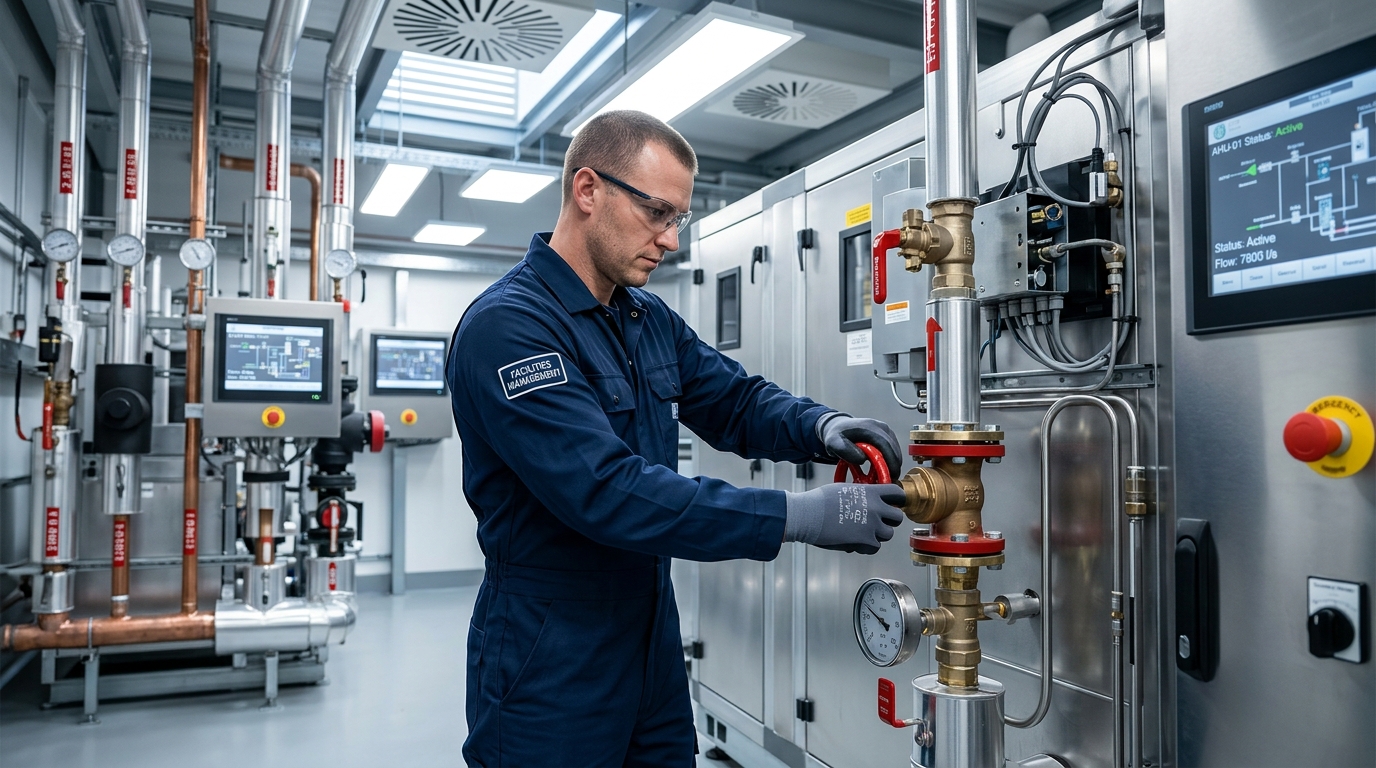
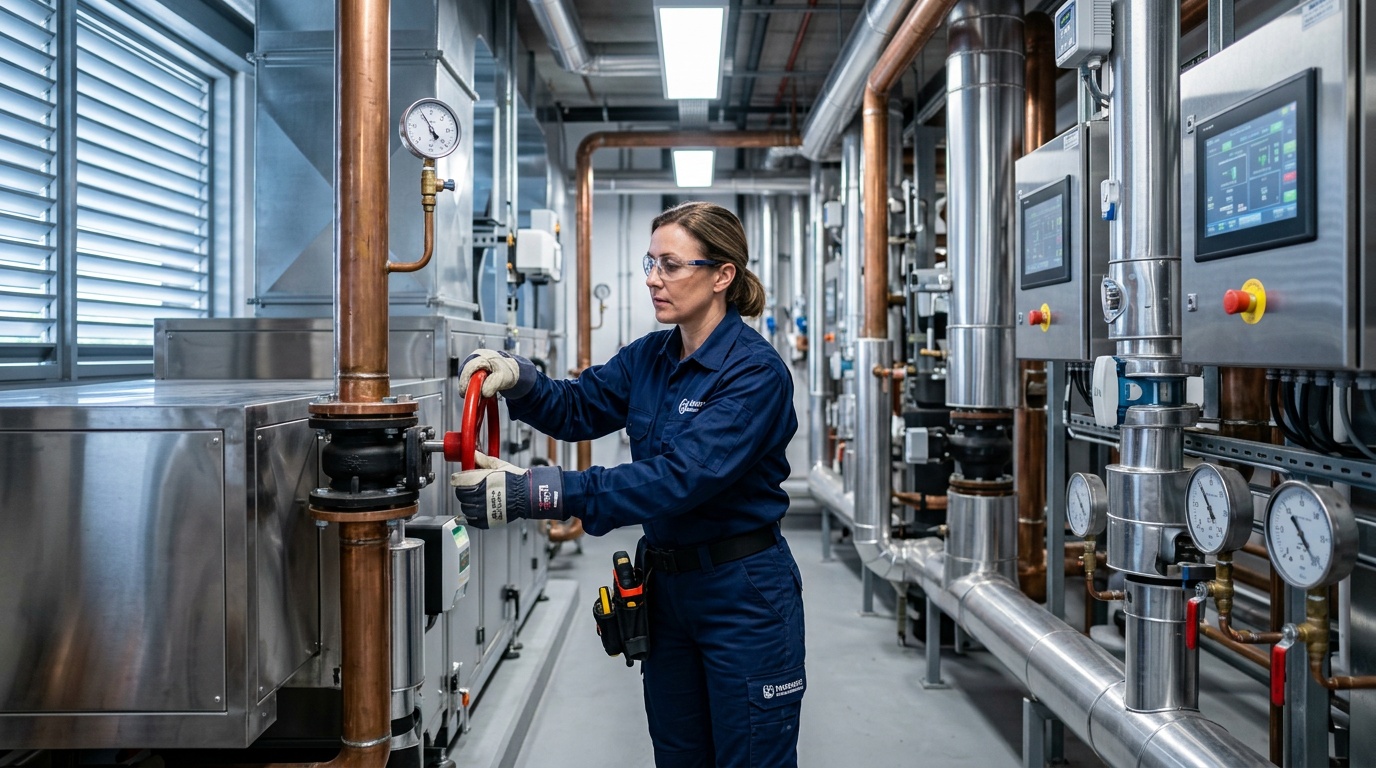

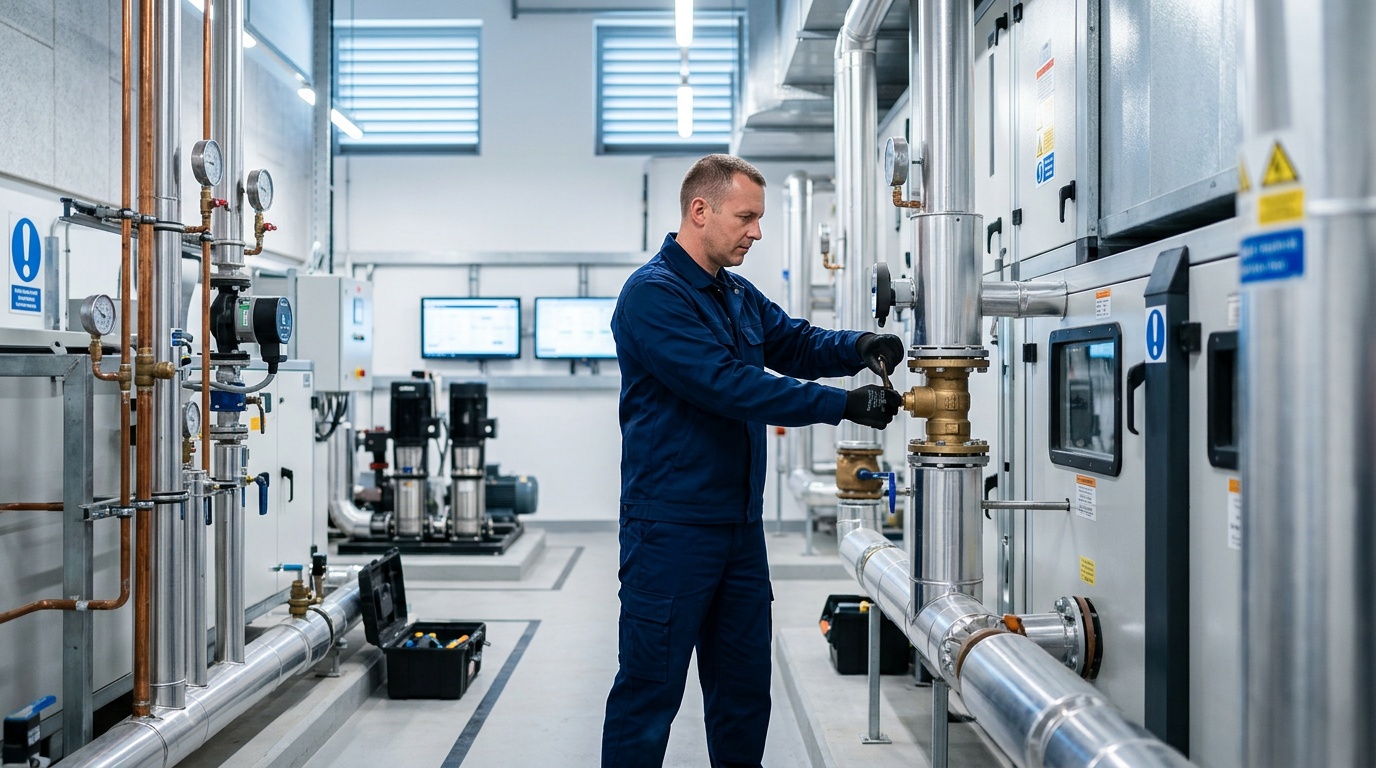
Request a documented review of your heating, air-conditioning and ventilation systems. Gather certificates, asset schedules, breakdown records, energy bills and tenant complaints before the visit. Then ask for immediate risk controls, prioritised actions and longer-term maintenance recommendations.
If your contractor cannot explain asset condition or produce reliable evidence of completed work, review the arrangement. Choose the M&E HVAC Compliance Health Check from a team that understands commercial HVAC maintenance, compliance and the cost of disruption. At M&E, the aim is straightforward: protect your assets and your people while preventing downtime before it happens.
References
"