In the world of commercial asset management, understanding the history and operational evolution of unique properties is more than just an academic exercise. For those overseeing substantial investments, whether as landlords or business owners, a building's past often dictates its future potential and its present risks. It’s about recognising how a structure's original purpose, its subsequent transformations, and even its moments of dormancy can impact everything from compliance and security to revenue generation. My 24 years in facilities maintenance, starting from the ground up as a combustion engineer, have taught me that the most valuable insights often come from looking at assets through a lens of both technical engineering and commercial continuity. This is particularly true when we consider structures as unique as the sea forts dotting the Solent, like the formidable No Man's Land Fort.
Key Takeaways
A property's original design and past uses directly shape its current compliance requirements and security vulnerabilities.
Understanding the operational history of a unique asset like No Man's Land Fort helps predict future maintenance challenges and revenue opportunities.
Facilities managers must look beyond surface conditions and consider how periods of dormancy or transformation affect a building's structural integrity.
The most effective asset management strategies blend technical engineering expertise with a clear view of commercial continuity over the long term.
These aren't just old buildings; they are complex, isolated environments that present extraordinary challenges for maintenance, operation, and any attempt at commercial use. My mission at MEMS Facilities Maintenance is to bridge the gap between the boiler room and the boardroom, ensuring that the engineering realities of keeping a facility running smoothly translate directly into business benefits. Cost savings, legal compliance, and uninterrupted operation. Let's delve into the story of No Man's Land Fort, exploring its past and the practical implications for its future, viewed through the eyes of a seasoned maintenance professional.
No Man's Land Fort: A Victorian Fortress in the Solent
Where is No Man's Land Fort and what is it?
No Man's Land Fort is a remarkable, man-made island situated in the Solent, the strait separating the Isle of Wight from mainland Great Britain. Specifically, it lies approximately 1.5 miles offshore from the southern coast of Hampshire, near Portsmouth, and about 2 miles from the Isle of Wight. This imposing structure is one of a trio of artificial sea forts. Along with Spitbank Fort and Horse Sand Fort. Built in the 19th century to defend the approaches to Portsmouth Harbour and the naval dockyards. It is a Grade II listed building, a testament to its historical and architectural significance. Its construction, from 1867 to 1880, was a monumental feat of engineering for its time, designed to withstand naval bombardment and serve as a vital part of Britain's coastal defence strategy.
The fort itself is a vast, multi-level structure, essentially a heavily fortified island. It comprises a central keep surrounded by a circular sea wall, with living quarters, gun emplacements, and storage areas built within its thick granite and brick walls. The design was intended to create an unsinkable, formidable deterrent. However, its strategic purpose was relatively short-lived, rendered largely obsolete by advancements in military technology shortly after its completion. Despite its military history, the fort's sheer scale and unique location have always hinted at potential beyond defence, presenting a complex puzzle for anyone considering its future use or maintenance.
The birth of the Palmerston Follies
The genesis of No Man's Land Fort, along with its sister forts, can be traced back to the recommendations of the Royal Commission on the Defence of the United Kingdom, which was established in 1859. Driven by anxieties about French naval power under Napoleon III and the perceived vulnerability of Britain's coastline, the commission proposed a series of powerful defensive fortifications. These structures, often referred to as Palmerston Follies after Prime Minister Lord Palmerston, were intended to form an impenetrable barrier against invasion. Construction began in the 1860s, using vast quantities of stone and brick, with each fort housing hundreds of men and powerful artillery.
No Man's Land Fort, being the largest and furthest offshore, was a key component of this ambitious defence scheme. It was designed with multiple tiers of gun decks, capable of mounting heavy cannons that could sweep the Solent. The surrounding sea wall provided protection against direct naval assault, while the fort's isolation made it difficult for enemy forces to approach or land. The build was a colossal undertaking, requiring precise engineering and a significant labour force. However, by the time construction was completed in the late 1870s and early 1880s, the advent of more powerful rifled artillery and improved naval designs had already begun to diminish the effectiveness of fixed, masonry fortifications. This historical context is essential for understanding the fort’s transition from a military asset to a property with a completely different commercial destiny.
From Royal Commission to Hotel. The Evolution of the Fort
Military service and decommissioning
The military career of No Man's Land Fort, like its sister structures, was surprisingly brief. Commissioned into service in the late 19th century, it formed part of a formidable sea defence network. The fort saw service during World War I, primarily as a base for anti-submarine defences and searchlights, and it was also armed with naval guns. However, its role diminished significantly as naval warfare evolved. By World War II, the advent of air power and long-range artillery meant that the fort's primary defensive capabilities were largely obsolete. It was still garrisoned, but its strategic importance waned further, and it was eventually decommissioned as a military installation.
Following its decommissioning, the fort stood largely redundant for many years. While it remained a significant landmark, its upkeep as a purely historical or static defence structure would have been a substantial undertaking. The Royal Commission's 'follies' were built for a specific era of warfare, and their post-military existence posed a challenge: what to do with these vast, isolated, and historically significant but functionally outdated structures? The military's withdrawal left a void, marking the end of one chapter and setting the stage for an entirely unexpected transformation that would require a different kind of expertise to manage and maintain.
The remarkable hotel transformation (2014-2018)
The most dramatic chapter in the fort's modern history began in the early 2000s when a private buyer acquired it with ambitious plans. After years of disuse, the fort underwent an extensive and costly renovation project, transforming it from a derelict military structure into a unique luxury hotel and exclusive events venue. This ambitious undertaking, which spanned several years and significant investment, aimed to capitalise on the fort's unique setting and historical character. The project involved installing modern amenities within the historic walls, creating en-suite bedrooms, restaurants, bars, and even spa facilities.
Between approximately 2014 and 2018, No Man's Land Fort operated as a high-end hotel, offering guests an unparalleled experience. Staying in a 19th-century sea fortress with panoramic views of the Solent. It featured 23 en-suite bedrooms, multiple function rooms, and amenities like a swimming pool and fire pits. Access was exclusively by boat or helicopter, adding to its exclusivity. This period represented a significant commercial success, demonstrating that with the right vision and substantial investment in infrastructure and refurbishment, such a challenging asset could indeed become a profitable enterprise, albeit one requiring constant, specialised operational oversight.
Closed doors: What happened to No Man's Land Fort hotel?
Despite its unique appeal and luxury offering, the hotel operation at No Man's Land Fort proved to be unsustainable in the long term. Following its transformation and operation as a hotel and event space, the fort eventually ceased its hospitality functions. Reports indicate that the business faced significant operational challenges, likely stemming from the sheer cost and complexity of maintaining an isolated sea fort, coupled with the specialised nature of running a hospitality venue in such a location. The isolation, while contributing to its allure, also meant higher logistical costs for supplies, staffing, and guest transport, particularly by helicopter or boat.
By the early 2020s, the fort was no longer operating as a hotel or event venue. It entered a period of closure for its hospitality functions, leading to confusion about its current status. This closure prompted further speculation and interest in its future, particularly regarding its potential sale. The transition from a functioning luxury hotel back to a closed, albeit still equipped, property highlighted the precarious nature of such ambitious ventures and the ongoing challenge of finding a commercially viable and operationally sound model for these unique historical assets. The dream of a thriving hotel was put on hold, leaving the fort once again at a crossroads.
The operational lifecycle of No Man's Land Fort, from its conception as a defensive bastion to its brief stint as a luxury hotel, underscores a fundamental principle in facilities management: the immense challenge of maintaining and operating assets in extreme or isolated environments. My experience with MEMS Facilities Maintenance, focusing on commercial buildings across the UK, has shown me that the engineering demands of such locations are exponentially higher. Whether it's a remote industrial site or a unique structure like this fort, the 'business as usual' approach simply doesn't apply.
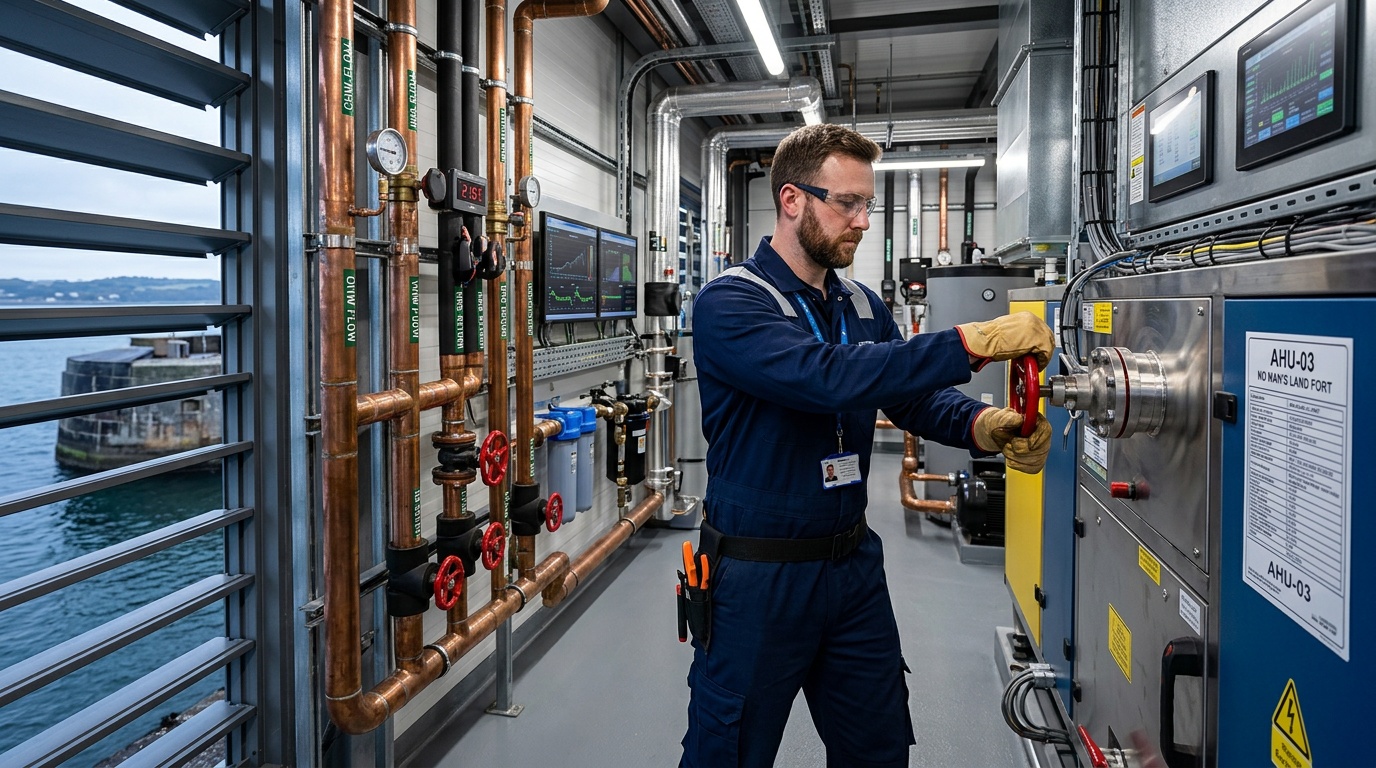
Consider the practicalities: a constant supply of power, clean water, waste management, and climate control are not optional extras; they are the bedrock of any operational facility. For a building perched in the Solent, these necessities require bespoke, resilient systems that can withstand marine conditions and operate with minimal external support. My team and I constantly work with clients to engineer solutions that ensure uptime and efficiency, often integrating advanced technologies like solar PV for energy independence or sophisticated water treatment systems to meet stringent Legionella prevention standards. The fort's journey from military to hospitality and back again is a powerful case study in how engineering infrastructure underpins commercial viability, especially when faced with unique environmental challenges.
No Man's Land Fort Sale Price: £1.25m, £4.25m and Everything Between
The fluctuating market value of a unique asset like No Man's Land Fort is a constant source of interest, and for good reason. For potential investors, developers, or even curious observers, understanding the price trajectory provides insight into the fort's perceived commercial viability and the challenges associated with its ownership. The journey from a military relic to a potential luxury destination has been marked by several significant sales, each reflecting different market conditions and investor appetites. Tracking these figures helps paint a clearer picture of the fort's financial history and its current standing as a property opportunity, moving beyond mere speculation to concrete data.
Navigating the sale history of such an unusual property can be confusing, with figures varying significantly over time. This isn't a typical residential or commercial property; its value is tied to its heritage, its unique location, and the substantial investment required for its operation and maintenance. My own experience in facilities management has taught me that the cost of ownership for unique or isolated assets is far greater than initially apparent. It’s not just the purchase price; it’s the ongoing operational expenditure, the capital required for upgrades, and the ability to generate revenue that truly define an asset’s worth. Understanding the past sale prices of No Man's Land Fort is a critical step in evaluating its future potential and the realism of its market positioning.
The 2009 private sale: £910,000
The first significant indicator of the fort's post-military commercial potential emerged in 2009. At this point, No Man's Land Fort was acquired by a private buyer for approximately £910,000. This marked the beginning of its transition from a disused historical site to a property with development aspirations. The price reflected a period when the fort was still largely derelict, requiring extensive refurbishment and a visionary approach to unlock its value. This acquisition set the stage for the ambitious hotel transformation that would follow, demonstrating that even in its raw state, the fort held substantial appeal for those willing to undertake a major project.
The 2015 market listing: £4.25 million
Following the extensive renovation and its operation as a luxury hotel and events venue, the perceived value of No Man's Land Fort saw a dramatic increase. By 2015, the property was listed on the market with an asking price of £4.25 million. This figure represented not just the physical structure but also the considerable investment in its transformation, the established brand as a unique destination, and the infrastructure put in place to support its hospitality operations. The substantial jump in valuation from its 2009 purchase price underscored the success of the development but also perhaps indicated an optimistic outlook on its future revenue-generating capabilities as a high-end venue.
The 2024 Savills auction result: £1.25 million
More recently, in June 2024, No Man's Land Fort was put up for auction by Savills, achieving a sale price of £1.25 million. This result is notably lower than the £4.25 million listing price from 2015, reflecting a shift in the market or perhaps the challenges of maintaining such a unique property. The auction process often attracts buyers looking for specific opportunities, and the final price can be influenced by bidding dynamics and the current economic climate. This sale indicates a significant change in valuation, suggesting that the fort is now being positioned at a price point that acknowledges the considerable ongoing operational and maintenance commitments required for any future commercial use.
Current freehold and leasehold availability (2025/2026)
Following the June 2024 auction, the status of No Man's Land Fort continues to be a topic of interest for potential custodians. While the £1.25 million figure represents a recent sale, the terms of such disposals can include freehold or leasehold arrangements, each carrying different implications for ownership and usage rights. The future availability will depend on the new owner's plans; they might seek to re-open it as a hotel or event space, repurpose it entirely, or hold it as an investment. For any prospective party considering this unique property, a thorough due diligence process is paramount. This includes understanding the full extent of the lease terms if applicable, the condition of the infrastructure, and the realistic operational costs involved in managing a structure in such an exposed marine environment. The fort remains a property of significant historical and potential commercial value, but its future will undoubtedly be shaped by practical, ongoing management and engineering considerations.
No Man's Land Fort: Sale Price History
Year
Sale Type
Price
Notes
2009
Private Sale
£910,000
Acquisition for refurbishment
2015
Market Listing
£4.25 million
Post-renovation hotel operation
2024
Auction (Savills)
£1.25 million
Current sale result
2025/2026 (Projected)
Freehold/Leasehold Availability
Varies
Subject to new owner's plans and market
Getting to No Man's Land Fort and What You Would Find Inside
The very nature of No Man's Land Fort dictates that accessing it is an experience in itself, far removed from simply driving up to a property. Its location, 1.5 miles offshore in the Solent, means that conventional transport methods are impossible. This isolation, while a key part of its historical defence strategy and its modern appeal as a unique venue, presents significant logistical considerations. For anyone considering visiting, investing, or managing such a site, understanding these access requirements is fundamental. It shapes operational planning, guest experience, and the overall cost of maintaining connectivity and supply chains to the fort.
The primary means of reaching No Man's Land Fort are by helicopter or by sea. The fort is equipped with multiple helipads, designed to accommodate regular flights that can transport guests and supplies directly to the site. For those arriving by water, there are dedicated sea landing stages that allow boats and larger vessels to dock safely. These transport methods, while offering spectacular views and a sense of adventure, come with their own set of operational complexities. Weather conditions in the Solent can change rapidly, impacting flight schedules and sea access, which means contingency planning is always essential. This logistical challenge is a constant factor for any operation based at the fort, directly influencing its reliability as a venue or a business location.
Amenities and infrastructure: pool, spa, restaurants, bedrooms
Stepping inside No Man's Land Fort, one finds a surprisingly extensive array of amenities and infrastructure, testament to its transformation into a luxury hotel and event space. The fort boasts 23 en-suite bedrooms, offering comfortable and well-appointed accommodation within its historic, thick-walled structure. These rooms are designed to provide a unique guest experience, blending historical character with modern comforts. Beyond accommodation, the fort houses several dining areas, including restaurants and bars, designed to cater to guests and event attendees, offering panoramic views of the Solent as a backdrop to their meals.
Further enhancing its appeal as a destination, the fort includes leisure facilities that contribute to its exclusive offering. Guests can make use of an indoor swimming pool, providing a place for relaxation and recreation. Additionally, spa facilities are available, allowing visitors to indulge in treatments and wellness experiences. For events, the fort offers a range of function rooms and spaces, adaptable for conferences, weddings, and private parties. The infrastructure extends to essential services required for isolated operation, such as power generation, water supply, and waste management systems, all of which are critical for sustaining any commercial activity within this unique, sea-bound environment. These facilities, while impressive, require continuous, specialised maintenance to operate effectively, a challenge that lies at the heart of managing such an asset.
Engineering the Solent Fortress: Operational Realities
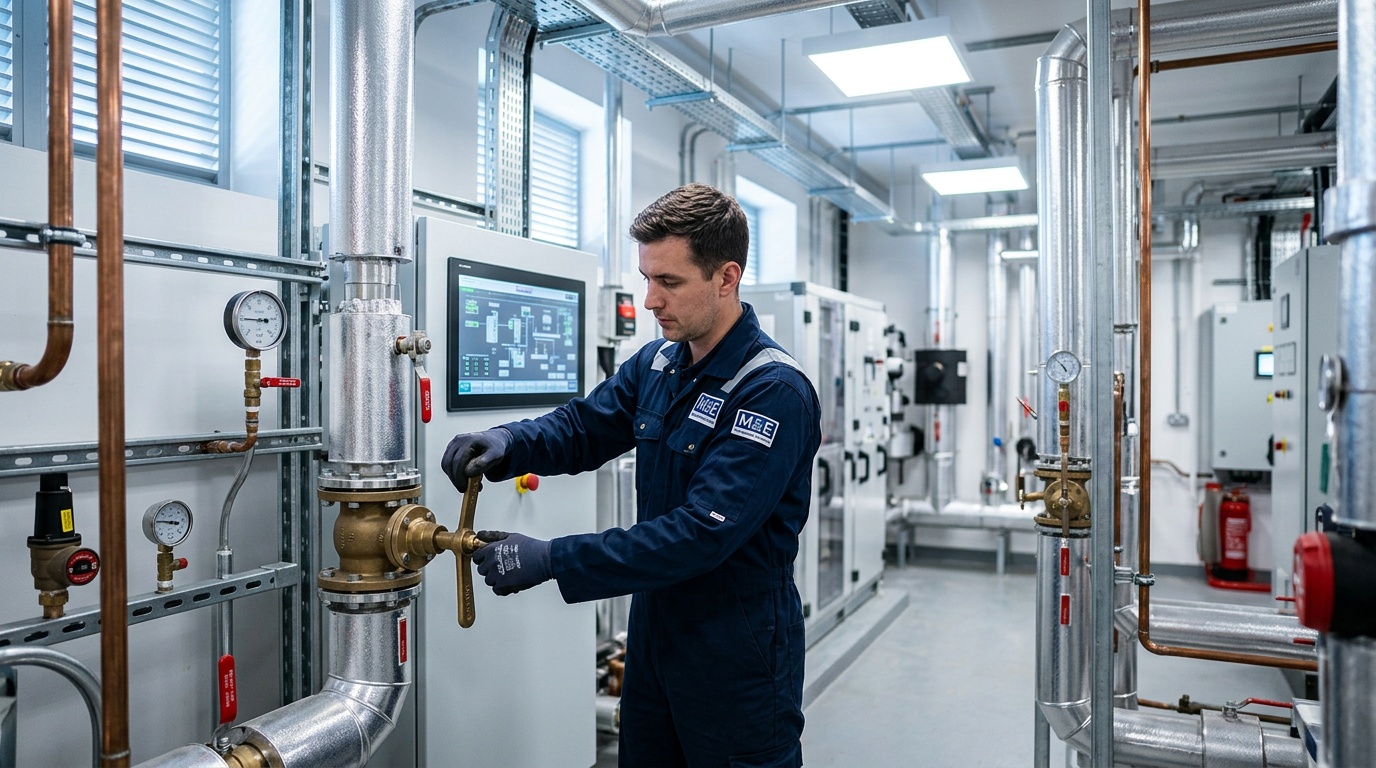
The journey of No Man's Land Fort from a 19th-century military structure to a modern hospitality venue highlights a critical, often overlooked, aspect of asset management: the engineering required to sustain operations in challenging environments. My 24-plus years in facilities maintenance have shown me that the most impressive structures, whether historic or contemporary, rely on unseen, complex systems to function. For an isolated sea fort like No Man's Land, these systems are not just important; they are the absolute lifeline, dictating the feasibility and cost-effectiveness of any commercial endeavour. The engineering challenges presented by its marine location are exponential compared to a standard mainland building, demanding constant vigilance and specialised expertise.
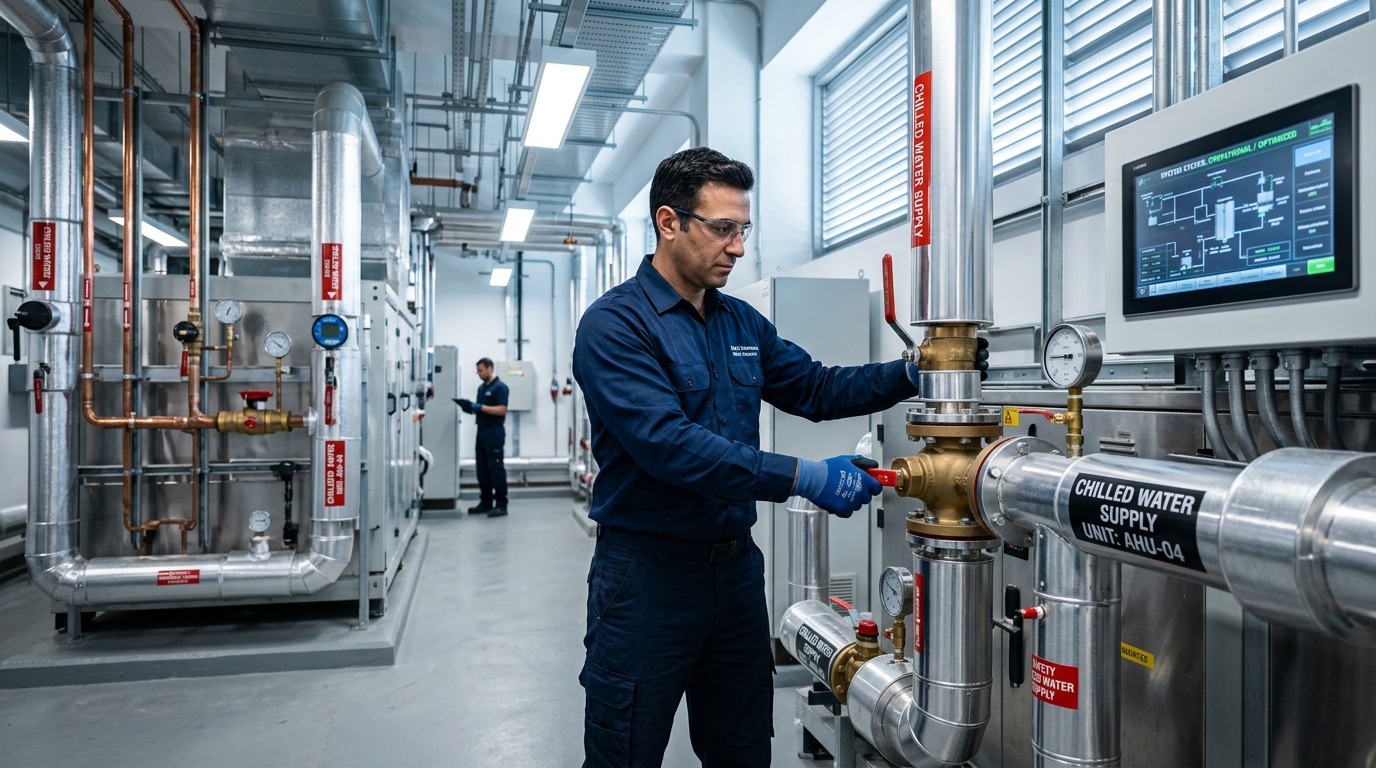
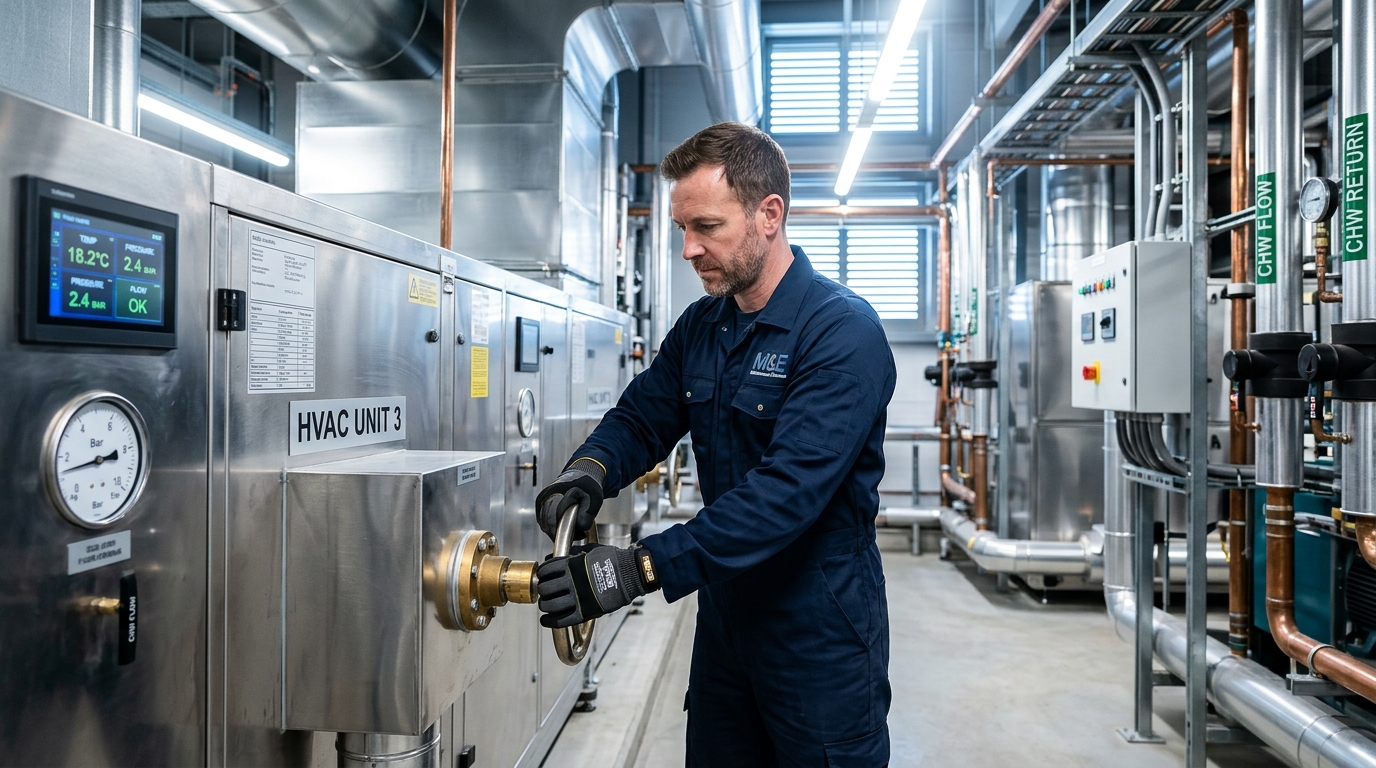
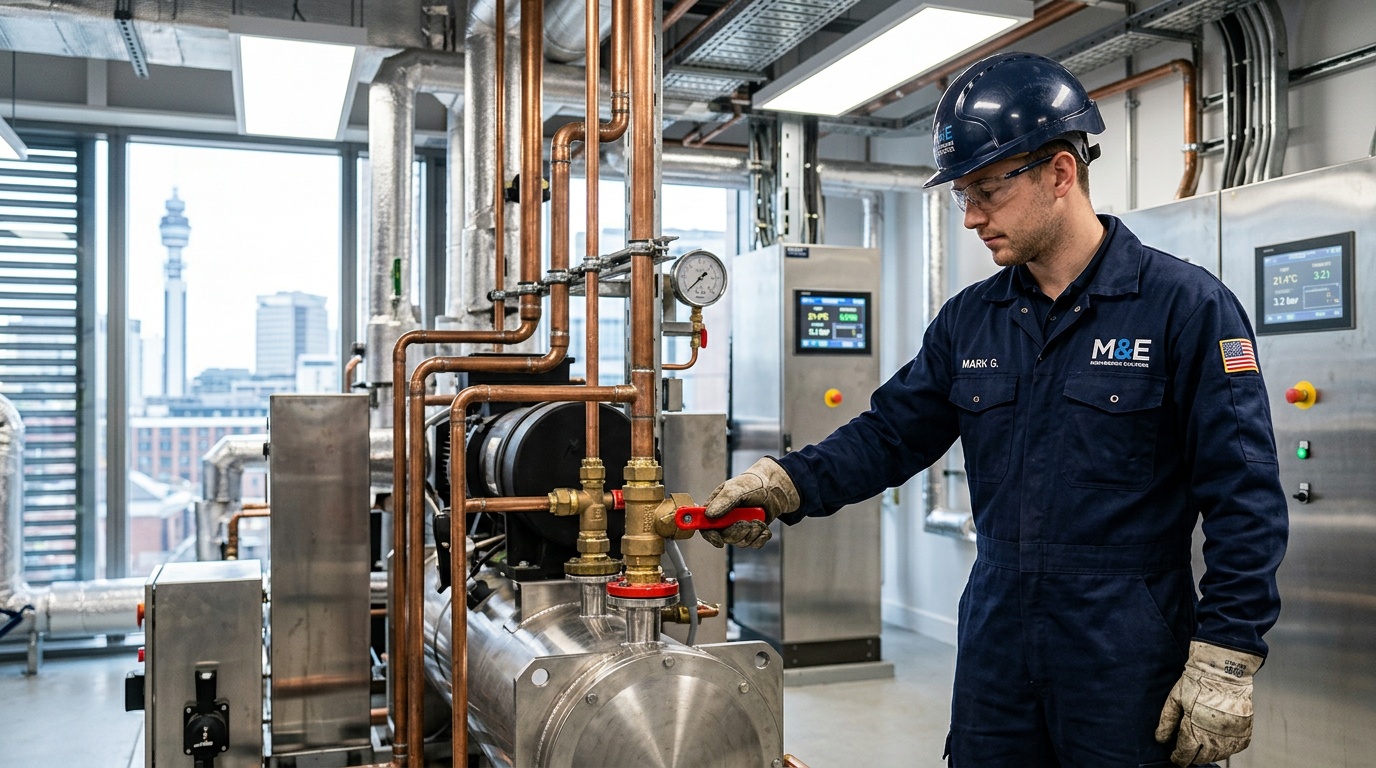
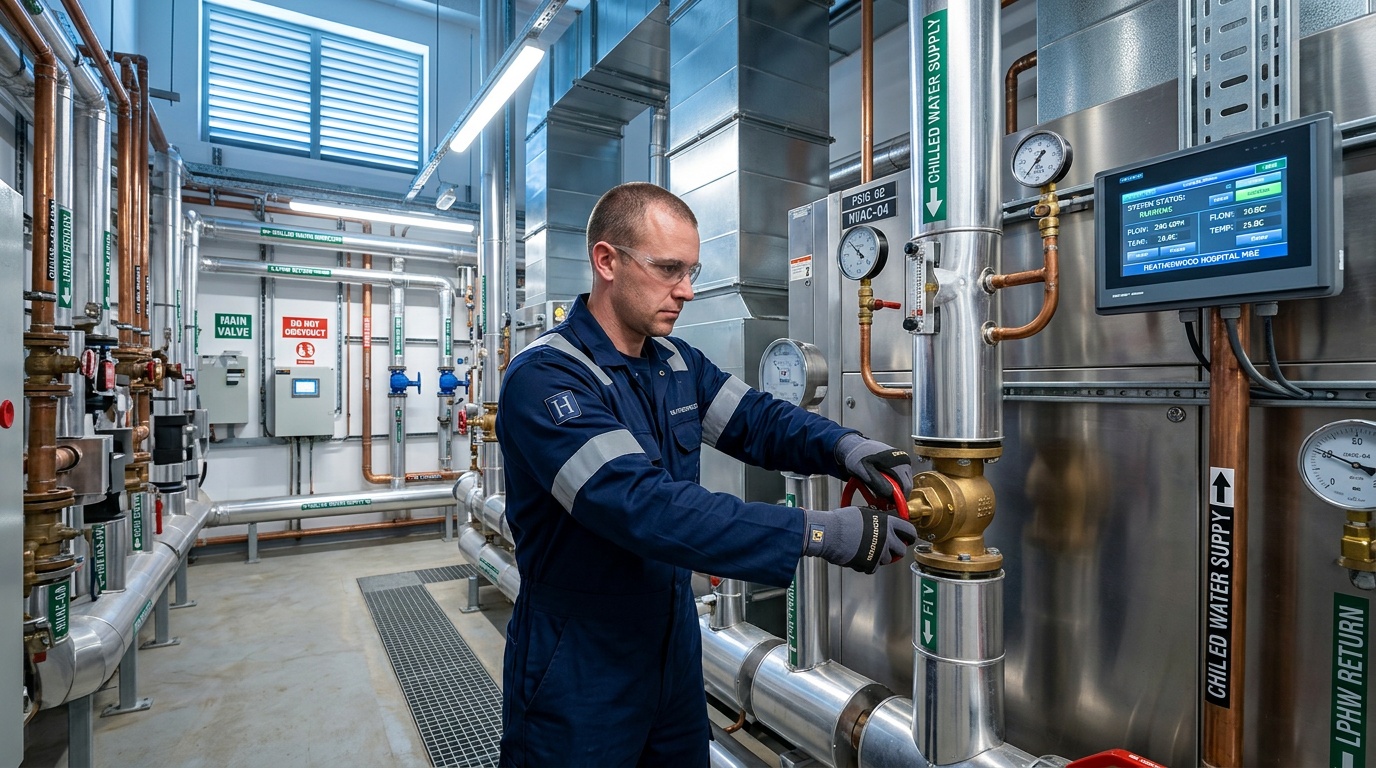
The infrastructure required to support a hotel and event venue in the Solent is far more than just plumbing and wiring; it’s a self-contained ecosystem. Reliable power generation, often requiring backup systems, is paramount. Water supply needs to be managed meticulously, involving intake, purification, storage, and distribution, all while adhering to strict health and safety regulations, particularly concerning Legionella prevention. Heating, ventilation, and air conditioning (HVAC) systems must be designed to cope with the corrosive marine atmosphere and maintain comfortable internal conditions. For a property like No Man's Land Fort, ensuring these systems are not only installed but also maintained to the highest standards through planned preventative maintenance is the only way to guarantee operational continuity and protect the significant investment made in the asset. This engineering backbone is what truly enables any commercial dream to survive and thrive in such an extraordinary setting.
The Engineering Challenge: Sustaining a Hotel in the Solent
The journey of No Man's Land Fort from a 19th-century military structure to a modern hospitality venue highlights a critical, often overlooked, aspect of asset management: the engineering required to sustain operations in challenging environments. My 24-plus years in facilities maintenance have shown me that the most impressive structures, whether historic or contemporary, rely on unseen, complex systems to function. For an isolated sea fort like No Man's Land, these systems are not just important; they are the absolute lifeline, dictating the feasibility and cost-effectiveness of any commercial endeavour. The engineering challenges presented by its marine location are exponential compared to a standard mainland building, demanding constant vigilance and specialised expertise.
The infrastructure required to support a hotel and event venue in the Solent is far more than just plumbing and wiring; it’s a self-contained ecosystem. Reliable power generation, often requiring backup systems, is paramount. Water supply needs to be managed meticulously, involving intake, purification, storage, and distribution, all while adhering to strict health and safety regulations, particularly concerning Legionella prevention. Heating, ventilation, and air conditioning (HVAC) systems must be designed to cope with the corrosive marine atmosphere and maintain comfortable internal conditions. For a property like No Man's Land Fort, ensuring these systems are not only installed but also maintained to the highest standards through planned preventative maintenance is the only way to guarantee operational continuity and protect the significant investment made in the asset. This engineering backbone is what truly enables any commercial dream to survive and thrive in such an extraordinary setting.
Power generation and solar PV integration
Operating a facility as isolated as No Man's Land Fort requires a robust and self-sufficient power strategy. Relying solely on external grid connections is impossible, making the fort's own power generation capabilities paramount. Historically, this would have involved diesel generators, which are noisy, produce emissions, and require a constant fuel supply. A significant logistical challenge for a sea fort. Modern approaches, however, look towards more sustainable and resilient solutions. My team at MEMS Facilities Maintenance often advises clients on integrating renewable energy sources, such as solar photovoltaic (PV) systems. While a full solar array might be constrained by the fort's architecture, even supplementary solar PV panels, coupled with efficient battery storage, can significantly reduce reliance on fossil fuels. This not only cuts operational costs but also enhances the fort's environmental credentials, a key consideration for any modern commercial venture.
The engineering behind such a system involves careful planning of panel placement to maximise sunlight exposure, even in a marine environment, and ensuring the electrical infrastructure can safely and efficiently integrate these new power sources. Backup generators remain essential for redundancy, especially for critical systems like water pumps and life safety equipment. The goal is to create a layered power system that is reliable, cost-effective, and as environmentally sound as possible, ensuring that the lights, heating, and all essential services for the no man's land fort the solent can remain operational regardless of external conditions.
Water supply, treatment and Legionella prevention
Securing a constant supply of potable water for a sea fort presents a unique engineering puzzle. The fort likely draws water from the sea, requiring sophisticated desalination or purification systems to make it safe for consumption and use. This process is energy-intensive and demands regular maintenance of membranes, filters, and pumps. Beyond initial purification, maintaining water quality within the building's distribution network is equally critical. Stagnant water in extensive pipework, especially in a building with varying occupancy, creates ideal conditions for bacterial growth.
This is where Legionella prevention becomes a non-negotiable aspect of facilities management. Strict protocols, including regular water temperature monitoring, flushing regimes, and chemical treatments where appropriate, are essential to mitigate the risk of Legionella pneumophila. My experience in managing commercial buildings, including those with complex water systems, means we always prioritise compliance with ACoP L8 guidelines. For a venue like No Man's Land Fort, where guest safety is paramount and the consequences of a Legionella outbreak would be catastrophic for its reputation, a proactive, rigorous water management plan, supported by detailed record-keeping, is fundamental to its operational integrity.
HVAC and climate control in a 19th-century sea fort
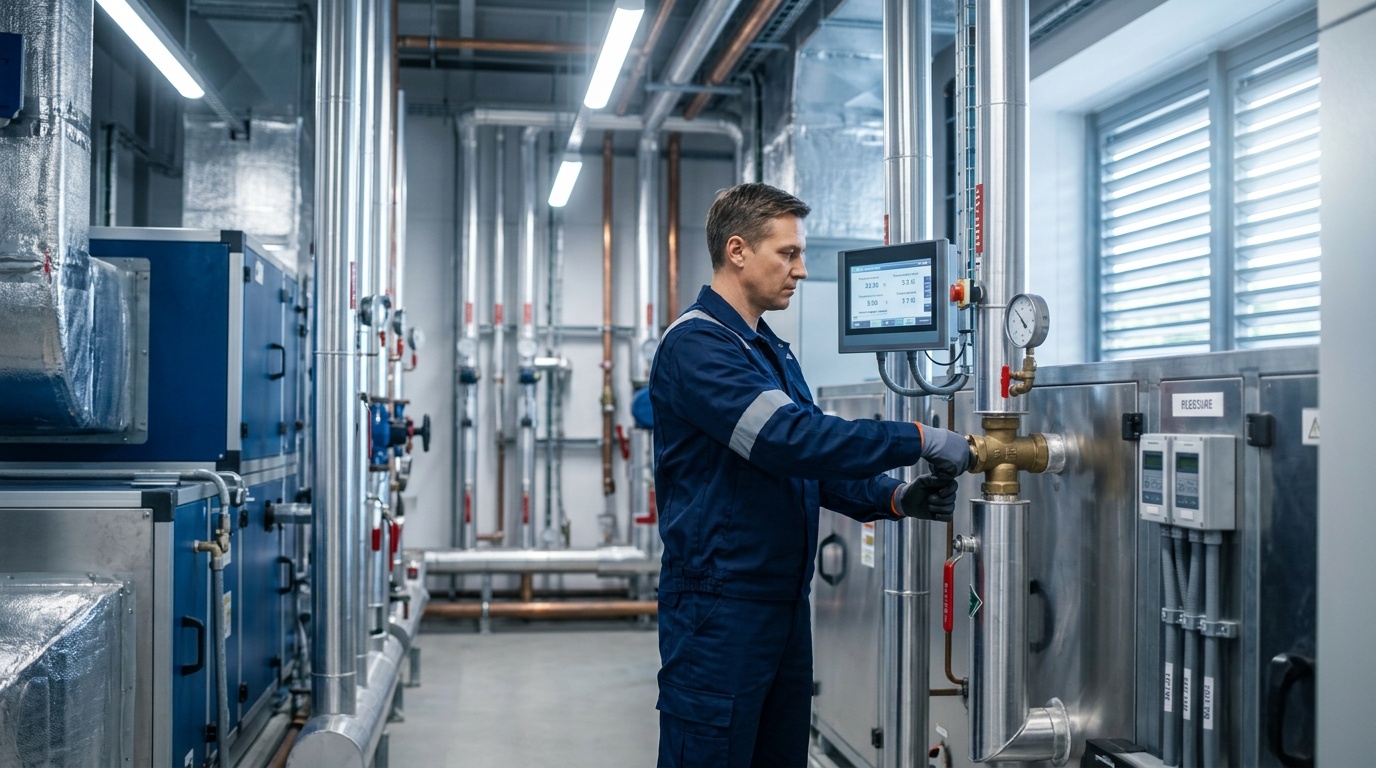
Maintaining a comfortable internal climate within a 19th-century sea fort like No Man's Land Fort is a significant engineering feat, compounded by the harsh marine environment. The thick granite and brick walls offer some natural insulation, but they also trap moisture, leading to potential issues with dampness and condensation, particularly during colder months. The salty sea air is also highly corrosive, meaning HVAC systems, pipework, and electrical components must be specified and maintained with materials resistant to this aggressive atmosphere. Standard HVAC units would have a drastically reduced lifespan if not protected or specifically designed for such conditions.
The design of an effective HVAC system must balance heating, cooling, and ventilation needs while managing humidity. This often involves a combination of systems: perhaps central heating powered by efficient boilers or heat pumps, supplemented by localised air conditioning units and controlled ventilation to ensure fresh air circulation without excessive heat loss. For a property where guest comfort is key, such as the no mans land fort hotel, ensuring these systems are not only installed but also meticulously maintained through planned preventative maintenance (PPM) is vital. Regular servicing of filters, fans, coils, and controls prevents breakdowns and ensures optimal energy efficiency, which is crucial given the high operational costs inherent in such a location.
Planned Preventative Maintenance in an extreme marine environment
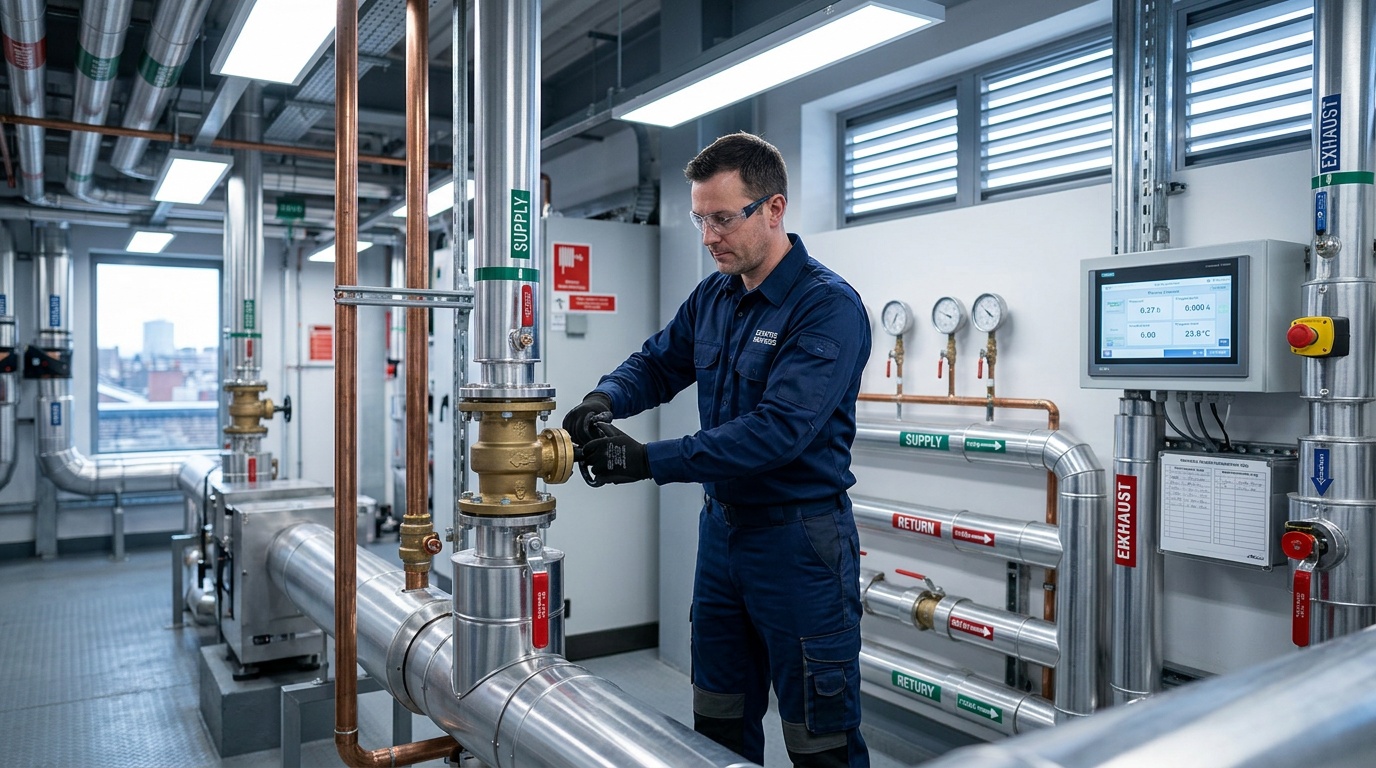
The principle of Planned Preventative Maintenance (PPM) is the cornerstone of reliable facilities management, but its importance is amplified exponentially in an extreme marine environment like that of No Man's Land Fort. Components are subjected to constant stress from salt, wind, and moisture, accelerating wear and tear. A reactive approach, where repairs are only undertaken when a system fails, is not just inconvenient; it's potentially disastrous and prohibitively expensive. Imagine a critical pump failing during a storm, or a heating system succumbing to corrosion in winter. The consequences could range from significant financial loss to safety hazards.
At MEMS Facilities Maintenance, we advocate for a PPM schedule that goes beyond the standard. For a property like this, it means more frequent inspections, using specialised corrosion-resistant materials, and employing diagnostic techniques to identify potential issues before they manifest. This includes everything from checking structural integrity against the elements to ensuring backup power systems are always ready, and water treatment protocols are rigorously followed. Investing in a comprehensive PPM strategy for No Man's Land Fort is not a cost; it is an essential safeguard for the asset’s longevity, operational continuity, and commercial viability. It’s about ensuring this unique piece of history can continue to function, whether as a hotel, a private residence, or another commercial venture, by proactively managing the engineering realities of its formidable location.
Key Insight: The Fort's Engineering Demands
Sustaining operations at No Man's Land Fort requires a sophisticated, integrated engineering approach far beyond typical building maintenance. From self-sufficient power generation and rigorous water treatment to corrosion-resistant HVAC and a hyper-vigilant PPM schedule, every system must be engineered for resilience against the extreme marine environment. The commercial success of any future endeavour hinges entirely on mastering these fundamental engineering challenges.
No Man's Land Fort: Frequently Asked Questions
For anyone intrigued by the history, potential, or sheer uniqueness of No Man's Land Fort, a host of practical questions naturally arise. The property's evolution from a military defence to a luxury hotel, and its subsequent periods of closure and sale, can lead to confusion. Below, we address the most common queries to provide clarity on its current status, accessibility, and potential as a commercial asset.
Is No Man's Land Fort currently open as a hotel?
As of recent information, No Man's Land Fort is not currently operating as a hotel or a public event venue. Following its extensive renovation and operation as a luxury destination, the hospitality functions ceased. While the fort remains a physical structure with its amenities largely intact, it is not open for public bookings or stays in a hotel capacity. Its operational status is subject to the plans of its current owners and any future sales or lease agreements.
Can I visit No Man's Land Fort?
Direct public visits to No Man's Land Fort are not possible when it is not operating as a hotel or event venue. Access is restricted and typically requires specific arrangements, such as being a guest during its operational periods or attending a private event. The only means of access are by helicopter or by sea, and these journeys require pre-arranged transport, often managed by the venue or a third-party operator. Currently, without an operational hospitality business, general visits are not facilitated.
How much would it cost to stay or hire the fort?
When No Man's Land Fort was operational as a hotel, individual room rates and venue hire costs were substantial, reflecting its exclusive nature and unique offering. Prices for overnight stays could range from several hundred pounds per room, and hiring the entire fort for private events or corporate functions would typically cost tens of thousands of pounds per day, depending on the services required. Since its closure as a hospitality venue, these specific rates are no longer applicable. Any future commercial use would determine new pricing structures.
Can I buy No Man's Land Fort?
Yes, No Man's Land Fort has been available for purchase. It was most recently sold at auction by Savills in June 2024 for £1.25 million. Prior to that, it was listed on the market at higher figures. Ownership opportunities, whether freehold or leasehold, arise periodically. Prospective buyers would need to engage with property agents specialising in unique or commercial assets and be prepared for the significant investment required not only for the purchase but also for ongoing operational and maintenance costs inherent in managing such an isolated property.
Who owns No Man's Land Fort now?
Following its sale at auction in June 2024 for £1.25 million, No Man's Land Fort is under new ownership. The specific identity of the private buyer has not been widely disclosed, which is common for such high-profile, unique property transactions. The new owners will determine the fort's future use, which could involve redeveloping it as a hospitality venue, a private residence, or another commercial enterprise. Information regarding ongoing plans or future availability would typically be managed through property consultants or direct owner channels.
No Man's Land Fort is an artificial island situated in the Solent, approximately 1.5 miles offshore from Hampshire near Portsmouth and 2 miles from the Isle of Wight. It is one of three Victorian sea forts built to protect the naval dockyards.
How was No Man's Land Fort built?
No Man's Land Fort was built between 1867 and 1880 using granite and brick to create a fortified island with multiple gun decks and living quarters. The construction was a major engineering challenge, requiring precise placement of heavy materials in a marine environment.
Who bought No Man's Land Fort?
No Man's Land Fort was purchased by private investors who transformed it into a luxury hotel and events venue. The conversion required careful planning to address the unique maintenance and operational needs of an isolated, historic structure.
What are the three forts in the Solent called?
The three sea forts in the Solent are called No Man's Land Fort, Spitbank Fort, and Horse Sand Fort. They were built as the Palmerston Follies to defend Portsmouth from naval attack.
Does No Man's Land Fort still exist?
Yes, No Man's Land Fort still exists as a Grade II listed building. After its military decommissioning, it was repurposed for commercial use such as a hotel, demonstrating the ongoing need for specialised maintenance and compliance.
How has No Man's Land Fort been used after decommissioning?
After decommissioning, No Man's Land Fort was converted into a luxury hotel, events venue, and museum. Its isolated location presents ongoing challenges for facilities maintenance, including power supply, water systems, and structural preservation.
"
About Stuart Butcher
Founder & Managing Director | M&E Maintenance Solutions
Stuart Butcher is the Founder and Managing Director of M&E Maintenance Solutions. A ""boots-on-the-ground"" leader, Stuart began his career as an apprentice combustion engineer, spending over 24 years mastering the trade before building a premier maintenance firm. He operates at the intersection of technical engineering precision and commercial asset management.
Driven by the philosophy that maintenance is cheaper than repair, Stuart works with Facility Managers and Building Owners across Birmingham, the Midlands, and the UK to ensure 24/7/365 compliance and uptime. He established M&E Maintenance Solutions to provide the technical capability of a large corporate provider while maintaining the personal accountability of a family-run business.
Last reviewed: June 17, 2026 by the M&E Maintenance Solutions Limited Team
golden hill northampton menu
Golden Hill Northampton Menu: Full Dish List with Prices
Finding a complete, up-to-date golden hill northampton menu with prices can be a challenge. Many online listings are incomplete or outdated, leaving you guessing what to order and how much it will cost. Below, we break down every category from starters to set meals, based on the latest menu information available. Prices are indicative and may vary; always confirm when ordering.
Key Takeaways
The golden hill northampton menu covers a wide range of categories from starters to set meals, so you have plenty of choices for your order.
Prices listed online are only rough estimates, so always check with the restaurant directly before you place an order.
Many online sources show outdated or incomplete menus, making it hard to know what is actually available right now.
To avoid surprises, use the latest menu data as a guide but confirm each item and its price when ordering.
Golden Hill offers a classic selection of starters to begin your meal. Popular choices include spring rolls, prawn crackers, and sesame prawn toast. Most starters fall in the £3.50-£6.00 range. For a lighter option, the mixed vegetable spring rolls are a favourite. The full starter list is available on their online menu via Zmenu.
Example Starter Prices
Dish
Price (approx.)
Spring Rolls (4 pieces)
£4.00
Prawn Crackers (large)
£3.50
Sesame Prawn Toast (6 pieces)
£5.50
Mixed Vegetable Spring Rolls (4 pieces)
£4.50
Main Courses (Chicken, Beef, Pork, Duck, King Prawn)
The main course selection is extensive, covering all the classic proteins. Chicken dishes such as sweet and sour chicken or chicken chow mein are priced around £7.00-£9.00. Beef options like beef in black bean sauce or crispy chilli beef sit in a similar bracket. Pork dishes, including char siu and sweet and sour pork, are typically £7.50-£8.50. Duck dishes, such as crispy duck with pancakes, are a premium option at £12.00-£15.00. King prawn dishes, like prawn with garlic sauce, range from £9.00 to £11.00. For the most accurate pricing, refer to the golden hill northampton menu on delivery platforms.
Side Dishes and Rice
No Chinese meal is complete without sides. Golden Hill offers boiled rice, egg fried rice, special fried rice, chips, and noodles. Side dishes are generally £3.00-£5.00. The special fried rice is a customer favourite, packed with meat and vegetables. You can also order extra portions of curry sauce or sweet and sour sauce for a small additional charge.
Set Meals and Special Offers
For the best value, consider one of the set meals. These combine a starter, main course, and side at a discounted price. Set meals for one person start around £12.00, while family set meals for two to four people range from £25.00 to £40.00. Golden Hill also runs occasional special offers, such as free delivery on orders over a certain amount. Check their Facebook page for the latest deals.
How to Order from Golden Hill: Phone, Online, or Delivery Apps
Once you have decided what to eat from the golden hill northampton menu, the next step is placing your order. Golden Hill offers several convenient methods, whether you prefer a quick phone call, online ordering, or collecting in person.
Ordering by Phone: Direct Contact Number
The most direct way to order is by calling 01604 842362. This is the restaurant’s dedicated phone line, and staff are available during opening hours to take your order. Phone orders are ideal if you have specific requests or want to confirm prices and availability. Payment is usually taken over the phone by card or cash on collection.
Ordering Online via Website or Apps (Uber Eats, Just Eat)
For a contactless experience, Golden Hill is available on several delivery platforms. You can order through EatEasy and Supermeal (check local availability). Simply search for “Golden Hill Northampton” on the app, browse the full menu with prices, and place your order for delivery or collection. Online ordering allows you to pay securely and track your order in real time. Note that delivery fees and minimum order amounts may apply depending on the platform.
Takeaway Collection: Address and Directions
If you prefer to collect your order, Golden Hill is located at 13 Whitehills Crescent, Northampton NN2 8EP. The restaurant is situated in a residential area with on-street parking available nearby. When ordering by phone or online, specify that you will collect, and the staff will have your food ready at the agreed time. The postcode NN2 8EP is easily navigable via sat nav or Google Maps.
Step-by-Step Ordering Guide
Decide your dishes from the golden hill northampton menu above.
Choose your ordering method: phone (01604 842362), online via EatEasy/Supermeal, or in-person collection.
If ordering online, create an account or proceed as a guest, add items to your basket, and select delivery or collection.
Confirm your order and make payment.
Wait for delivery or head to 13 Whitehills Crescent to collect.
Golden Hill Northampton: Customer Reviews and Hygiene Rating
When you are building a relationship with any supplier, whether it is an HVAC contractor or a catering outlet, due diligence is paramount. You cannot simply rely on a golden hill northampton menu listing; you need to validate the operational standards. Trust is earned through consistent compliance and customer validation. Here is the evidence regarding Golden Hill's performance.
What Customers Say: Positive Highlights and Common Complaints
Evaluating customer feedback requires a structured approach. You must look beyond star ratings to assess consistency and operational reliability. The available data indicates a positive sentiment, though the sample size warrants careful interpretation. An 82% recommendation rate on Facebook, based on six reviews, signals strong approval within that cohort. This metric suggests that customers who engage with the service are generally satisfied with the outcome. Cross-referencing these findings with Restaurant Guru and Yell provides a broader view of the market presence.
Key positive themes in the feedback include value for money and accommodation for dietary requirements. Customers have noted that portion sizes align well with pricing, which is a critical factor for budget-conscious consumers. A significant highlight is the availability of gluten-free options. Reports from Find Me Gluten Free confirm that the kitchen staff are responsive to allergen requests and can provide a dedicated gluten-free menu upon inquiry, which complements the standard offerings found on the golden hill northampton menu. This level of dietary management demonstrates attention to detail and reduces the risk of cross-contamination, which is essential for anyone with specific health needs.
Review Sentiment Analysis
Recommendation Rate: 82% of Facebook reviewers recommend the establishment based on 6 reviews.
Dietary Accommodation: Customers report positive experiences with gluten-free options, noting the staff are accommodating upon request.
Value Perception: Feedback indicates satisfaction with portion sizes relative to pricing.
While the positive signals are clear, a comprehensive audit should also consider the absence of negative feedback in the reviewed sources. The lack of prominent complaints regarding food safety or service delays is a favourable indicator. It implies that the business maintains a stable operational rhythm. However, small sample sizes can sometimes mask intermittent issues. Prospective customers should remain vigilant and consider contacting the establishment directly to discuss their specific needs. The phone number 01604 842362 is available for direct communication.
Food Hygiene Rating: Latest Inspection Results
Hygiene compliance is the baseline for any food service operation. In my experience, a low hygiene rating is a stop-work order. For a takeaway, it is the fundamental proof of a safe environment. The current rating for Golden Hill is published on the Food Standards Agency register. Verification of the latest score is recommended prior to ordering, as ratings can change following management adjustments or staffing updates. The official government portal provides the definitive data, ensuring you are basing your decision on verified inspection outcomes rather than anecdotal evidence.
Official Hygiene Status
Inspection results are maintained by the Food Standards Agency. Verification of the current score is recommended prior to ordering.
Behind the numerical score lies a complex system of protocols. A high rating implies the implementation of effective hazard analysis and critical control points. It indicates that the kitchen manages temperature controls, pest prevention, and waste disposal to rigorous standards. This infrastructure reduces the risk of foodborne illness and ensures business continuity. When you review a golden hill northampton menu, the hygiene rating acts as the governing factor on quality assurance. It assures you that the ingredients listed are handled with the necessary care to preserve freshness and safety.
Digital transparency further supports the trust profile. The presence of the golden hill northampton menu on platforms such as Zmenu, EatEasy, and Supermeal demonstrates operational maturity. This digital footprint allows customers to verify offerings and track orders, creating a low-risk purchasing environment. To maintain long-term confidence, stakeholders should periodically check the food.gov.uk updates. Continuous monitoring of compliance data ensures that the standards observed during an inspection are sustained daily. This proactive approach to verification aligns with best practices in risk mitigation, ensuring that every decision is backed by reliable evidence, much like the rigorous standards of an M&E HVAC compliance health check.
Dietary Options at Golden Hill: Gluten-Free, Vegetarian, and Allergen Info
When you manage a commercial property, you know that one-size-fits-all solutions rarely work. The same principle applies to food. A takeaway menu that accommodates dietary restrictions is not a luxury; it is a necessity for many customers. Golden Hill has taken steps to address this need, though the level of transparency varies. Below, I break down what is available for gluten-free, vegetarian, and allergen-conscious diners, based on verified customer reports and menu analysis.
Gluten-Free Chinese Takeaway: What to Look For
Chinese cuisine traditionally relies on soy sauce, which contains wheat. This makes gluten-free ordering a challenge. However, Golden Hill has been reported by customers on Find Me Gluten Free to offer a dedicated gluten-free menu upon request. This is a significant advantage over many local takeaways that offer no such accommodation. When ordering, you should explicitly ask for the gluten-free menu and confirm that the kitchen uses separate utensils and cooking surfaces to avoid cross-contamination. Dishes like steamed rice, plain meats without sauce, and certain vegetable stir-fries are often safe, but always verify with staff. The phone number 01604 842362 is the best way to discuss your needs directly.
Vegetarian and Vegan Choices
The standard golden hill northampton menu includes several vegetarian options, such as vegetable spring rolls, mixed vegetables in garlic sauce, and vegetable chow mein. However, vegan options are less clearly marked. Many dishes that appear plant-based may contain oyster sauce, egg, or dairy. For a reliable vegan meal, request that the kitchen use only vegetable-based sauces and omit egg from fried rice. The staff are reportedly accommodating, but it is wise to call ahead to confirm ingredient lists. A practical approach is to order a vegetable-based main course and specify "no egg, no oyster sauce" when placing your order.
How to Request Customisations for Allergies
Effective communication is the cornerstone of safe dining with allergies. Golden Hill’s staff have a reputation for being responsive to allergen requests, as noted in multiple customer reviews. When ordering by phone, state your allergy clearly and ask if the dish can be prepared without the offending ingredient. For online orders via EatEasy or Supermeal, use the special instructions box to detail your requirements. If you have a severe allergy, consider collecting the order in person so you can speak directly with the kitchen. The restaurant’s food hygiene rating, available on the Food Standards Agency website, provides additional assurance that proper allergen management protocols are in place.
Dietary Options at a Glance
Summary of Dietary Accommodations
Dietary Need
Availability
Recommendation
Gluten-Free
Dedicated menu available upon request
Call ahead to confirm and request separate preparation
Vegetarian
Several standard menu items
Check for hidden animal-based ingredients (e.g., oyster sauce)
Vegan
Limited; customisation required
Request vegetable-based sauces and no egg
Nut Allergies
Not explicitly listed; inquire directly
Speak to staff before ordering to confirm ingredient safety
Golden Hill vs Other Chinese Takeaways in Northampton: How Does It Compare?
Choosing a takeaway is a decision that balances cost, quality, and convenience. In Northampton, there are several Chinese takeaways, but Golden Hill distinguishes itself through a combination of dietary accommodation, consistent portion sizes, and reliable service. Below, I compare Golden Hill against the typical local takeaway across three key metrics that matter most to customers, similar to how we evaluate 24-hour air conditioning service providers for our clients.
Price Comparison with Similar Local Takeaways
Pricing at Golden Hill is competitive with other Chinese takeaways in the NN2 area. Main courses generally fall between £7.00 and £9.00, which is in line with the local average. Set meals offer better value, with family options starting around £25.00. Some takeaways may undercut on individual items, but Golden Hill’s portion sizes often compensate. When comparing, consider the total cost including delivery fees. Golden Hill’s presence on EatEasy and Supermeal means you can compare prices across platforms before ordering. The golden hill northampton menu provides clear pricing, reducing the risk of surprise charges.
Portion Sizes and Value for Money
Customer feedback consistently highlights generous portion sizes at Golden Hill. This is a critical factor for value perception. A typical main course serves one person generously, and the special fried rice is noted for its substantial meat and vegetable content. In contrast, some local takeaways have been criticised for skimping on ingredients. Golden Hill’s approach aligns with the principle of delivering what you pay for. For families or groups, the set meals provide the best cost-per-serving ratio. Always check the portion size when ordering; if you are unsure, ask the staff when calling.
Service and Delivery Speed
Delivery speed can make or break a takeaway experience. Golden Hill operates through multiple delivery platforms, which typically provide estimated delivery times. Customer reviews on Facebook and Restaurant Guru indicate that orders are generally delivered within the expected window. The restaurant’s location at 13 Whitehills Crescent allows for efficient coverage of the NN2 area. For collection, the staff are reported to be prompt and courteous. If you experience delays, the direct phone line (01604 842362) allows you to check on your order directly. Compared to other local takeaways, Golden Hill’s service consistency is a strong point.
What starters are available on the golden hill northampton menu and how much do they cost?
The golden hill northampton menu offers starters like spring rolls, prawn crackers, and sesame prawn toast, with prices ranging from £3.50 to £6.00. For example, spring rolls (4 pieces) cost £4.00, and prawn crackers (large) are £3.50. Always confirm prices when ordering as they may vary.
How can I order from Golden Hill in Northampton?
You can order from Golden Hill Northampton by phone on 01604 842362, online through delivery apps like EatEasy and Supermeal, or by visiting the takeaway at 13 Whitehills Crescent, Northampton NN2 8EP. Phone orders are best for specific requests, while online ordering offers contactless payment and tracking.
What are the main course options on the golden hill northampton menu?
The golden hill northampton menu includes chicken, beef, pork, duck, and king prawn dishes. Chicken options like sweet and sour chicken cost around £7.00 to £9.00, while duck dishes such as crispy duck with pancakes are premium at £12.00 to £15.00. King prawn dishes range from £9.00 to £11.00.
Does Golden Hill Northampton offer set meals or special offers?
Yes, Golden Hill Northampton offers set meals that combine a starter, main, and side at a discounted price, starting around £12.00 for one person. Family set meals for two to four people range from £25.00 to £40.00. Check their Facebook page for occasional special offers like free delivery on larger orders.
What side dishes are available on the golden hill northampton menu?
Side dishes on the golden hill northampton menu include boiled rice, egg fried rice, special fried rice, chips, and noodles, typically priced between £3.00 and £5.00. The special fried rice is a popular choice, packed with meat and vegetables. Extra portions of curry or sweet and sour sauce are available for a small charge.
What do customer reviews say about Golden Hill Northampton?
Customer reviews for Golden Hill Northampton indicate an 82% recommendation rate on Facebook based on six reviews, with positive feedback on value for money and dietary accommodations. The restaurant is noted for offering gluten-free options, and staff are responsive to allergen requests. Cross-reference reviews on Restaurant Guru and Yell for a broader view.
"
About Stuart Butcher
Founder & Managing Director | M&E Maintenance Solutions
Stuart Butcher is the Founder and Managing Director of M&E Maintenance Solutions. A ""boots-on-the-ground"" leader, Stuart began his career as an apprentice combustion engineer, spending over 24 years mastering the trade before building a premier maintenance firm. He operates at the intersection of technical engineering precision and commercial asset management.
Driven by the philosophy that maintenance is cheaper than repair, Stuart works with Facility Managers and Building Owners across Birmingham, the Midlands, and the UK to ensure 24/7/365 compliance and uptime. He established M&E Maintenance Solutions to provide the technical capability of a large corporate provider while maintaining the personal accountability of a family-run business.
Last reviewed: June 17, 2026 by the M&E Maintenance Solutions Limited Team
Compare ventilation maintenance services in estates.
There's a dangerous misconception in commercial property management: that "if it isn't broken, don't fix it." From my 24 years in this industry. From an apprentice on the tools to managing sites across the Midlands. I can tell you that silence in a plant room is often the loudest warning sign you’ll ignore. Asset depreciation is silent. Scale buildup in a boiler is silent. But the bill you get when the system fails in the middle of winter? That screams.
Key Takeaways
Plant room silence often indicates hidden problems that will eventually lead to expensive breakdowns, especially during peak demand seasons.
Scale buildup and other gradual damage accelerate asset depreciation long before any visible failure occurs.
Proper ventilation maintenance prevents the silent accumulation of contaminants that compromise system efficiency and longevity.
Comparing service providers should focus on their ability to detect early warning signs, not just their emergency response times.
Reactive maintenance costs far exceed the investment in routine inspections and scheduled servicing.
We see it constantly: a facility manager tries to save budget by skipping a quarterly PPM (Planned Preventative Maintenance) visit. It looks like a saving on the P&L sheet for about three months. Then, a compressor burns out because a £50 filter wasn't changed. Suddenly, you aren't paying for a service visit; you're paying for an emergency call-out, parts at a premium, and potential business closure. To help you properly compare ventilation maintenance services in estates, this article provides a framework beyond just ticking boxes and comparing basic quotes.
Why Comparing Ventilation Maintenance Services Is a Strategic Necessity for UK Estates
The Commercial Cost of Poor Ventilation: Energy Waste, Compliance Risk, and Tenant Churn
Neglecting your estate's ventilation system isn't just an oversight; it's an active drain on your commercial assets. Inefficient systems, clogged with dust and grime, can reduce airflow by up to 50%, as noted by Vent-Axia. This forces fans to work harder, driving up energy consumption significantly. For a UK estate, this translates directly into higher operational expenditure. Beyond the energy bills, poor ventilation maintenance creates a breeding ground for issues. Without regular cleaning and testing, systems can fail to remove pollutants, leading to health risks, including potential carbon monoxide poisoning, a serious concern highlighted by Aircon Group. This directly impacts tenant satisfaction and retention; nobody wants to work or live in an environment with poor air quality or frequent breakdowns. The associated legal ramifications and compliance with HSE mandates are equally severe, with the Health and Safety Executive (HSE) mandating regular checks under ACOP L24. For comprehensive guidance, consider our M&E HVAC Compliance Health Check.
Why a Direct ‘Price Comparison’ Alone Will Fail Your Estate
Many estate managers fall into the trap of comparing ventilation maintenance providers based solely on price. This is a flawed approach that often leads to greater expense down the line. A low quote might signify cutting corners, using less qualified technicians, or offering a superficial service that misses critical issues. For example, a provider offering a basic filter change might overlook the need for duct hygiene or fan coil cleaning, which are essential for maintaining efficiency and air quality. As M&E Maintenance Solutions Limited, we've seen firsthand how a cheap, reactive service contract costs far more in the long run through emergency call-outs, premature equipment failure, and escalating energy bills. A true comparison must delve deeper, examining the provider's commitment to Planned Preventative Maintenance (PPM), their technical expertise, and their understanding of UK-specific regulations like SFG20 and TM59. Such a comprehensive evaluation ensures you are investing in long-term building health, not just a short-term fix.
The Three-Pillar Scorecard: How to Compare Ventilation Maintenance Providers Objectively
To move beyond superficial quotes and truly discern the best partner for your estate's ventilation maintenance, I've developed a three-pillar scorecard. This framework helps you objectively assess providers, ensuring you invest in reliable, compliant, and cost-effective service. It forces a deeper dive than a simple price-per-visit comparison, focusing on the long-term value and operational integrity of your building's air systems. By scoring providers against these pillars, you can make an informed decision that safeguards your asset, your tenants, and your budget. This structured approach is what we use internally at M&E Maintenance Solutions to ensure our clients receive unparalleled service, and it's the standard by which any reputable provider should be judged.
Pillar 1. Cost Transparency: Fixed-Price PPM vs. Reactive Call-Out Models
The first pillar focuses on how costs are structured and presented. A provider offering a fixed-price Planned Preventative Maintenance (PPM) contract generally demonstrates a commitment to proactive care. This model allows you to budget accurately, knowing the cost of essential servicing throughout the year. It encourages regular inspections and minor adjustments before they escalate into major failures. Conversely, providers who primarily offer reactive call-out services often present a lower initial price but leave you vulnerable to unpredictable, high emergency repair costs. While reactive services are sometimes necessary, an over-reliance on them indicates a maintenance strategy that is fundamentally flawed and expensive long-term. We advocate for a robust PPM schedule, supplemented by transparent, fixed-rate emergency response options, ensuring predictability and control over your maintenance expenditure. Consider our M&E Strategic Partner Programme for long-term maintenance planning.
Pillar 2. Compliance Depth: SFG20, TM59 and Gas Safe Verification
Compliance is non-negotiable in UK commercial property management. A serious provider will not only be aware of but actively adhere to industry standards and regulations. SFG20 is the UK's national standard for the planned maintenance of building services, and adherence is a mark of professionalism. Furthermore, for residential estates, TM59 (part of the Building Regulations) addresses overheating risk, which is directly linked to ventilation performance. For any systems involving gas, Gas Safe Register accreditation is a legal requirement. When comparing providers, inquire about their specific accreditations and their documented processes for ensuring compliance. Do they provide clear, traceable certification post-service? At M&E Maintenance Solutions, we hold certifications including SafeContractor, Refcom F-Gas Certification, Gas Safe Register, BES, and ISO 9001, ensuring our work meets the highest standards of safety and regulatory adherence for commercial buildings. Our M&E HVAC Compliance Health Check can assess your current standing.
Pillar 3. Energy Performance: How Maintenance Choices Affect Operational Spend
Ventilation systems are significant energy consumers. The way they are maintained directly impacts your estate's overall energy efficiency and, consequently, operational costs. A system that is regularly serviced. With filters cleaned or replaced, heat exchangers descaled, and airflow balanced. Will operate at peak efficiency. This can lead to substantial savings; balanced systems with ERV technology, for instance, can cut energy bills by 20% compared to standard ventilation, according to M&E Solutions research. Conversely, neglected systems become energy hogs. Dust and grime buildup, as highlighted by organizations like Vent-Axia, not only reduce efficiency but can also lead to system overloads and failures. When comparing providers, ask how their maintenance plans contribute to energy savings and performance optimisation. Look for a partner who can quantify these benefits and demonstrate how their services translate into lower utility bills for your estate.
Ventilation System Types in UK Estates: Maintenance Needs at a Glance
Understanding the specific engineering demands of your estate's air handling equipment is the first step toward effective asset management. Different ventilation architectures require distinct servicing intervals and technical interventions. A blanket maintenance approach inevitably leaves gaps, leading to premature component failure and inflated energy consumption. When you compare ventilation maintenance services in estates, you must evaluate whether a provider understands these mechanical differences and adjusts their service schedules accordingly. For expert advice on Commercial Ventilation Repair Services, look no further.
MVHR Systems (Mechanical Ventilation with Heat Recovery)
Balanced systems featuring heat recovery cores demand rigorous biannual servicing to maintain thermal efficiency. The primary maintenance focus involves cleaning or replacing fine particulate filters and descaling the heat exchanger plates. Dust accumulation directly impairs heat transfer, forcing the unit to consume more electricity to maintain indoor temperatures. In UK commercial estates, neglecting these cores often results in a 15% to 20% spike in annual heating costs. Providers must demonstrate technical capability in handling delicate aluminium or polymer plates without causing damage during cleaning.
MEV Systems (Mechanical Extract Ventilation)
Mechanical extract ventilation relies on continuous low-speed fans to remove stale air from wet rooms and plant areas. These units require quarterly visual inspections and annual motor bearing lubrication. The main failure point is usually trapped moisture in the fan housing, which leads to corrosion and eventual motor burnout. Estate managers should verify that their chosen maintenance partner includes moisture barrier checks and impeller cleaning in their standard contract. Ignoring these simple tasks routinely results in unexpected system shutdowns during peak occupancy periods.
Exhaust-Only and Hybrid Systems
Traditional exhaust configurations operate with higher airflow volumes to compensate for negative pressure. Hybrid setups combine natural infiltration with mechanical boosting, creating complex airflow dynamics that require precise damper calibration. Maintenance for these systems centres on verifying airflow rates across all zones and ensuring anti-syphon devices function correctly. Servicing frequency typically aligns with quarterly inspections, but any modification to the building fabric requires immediate re-balancing. A competent engineer will document static pressure readings to prove the system maintains the required extraction rates.
ERV and HRV Commercial Units
Energy Recovery Ventilation and Heat Recovery Ventilation units for larger commercial footprints involve sophisticated control boards and variable frequency drives. These systems handle substantial air volumes and require annual comprehensive diagnostics, including motor amperage checks and sensor calibration. The control logic must be reviewed annually to ensure it adapts to changing occupancy patterns and seasonal temperature shifts. Maintenance contracts must explicitly cover software updates and calibration of carbon dioxide sensors to prevent overheating risks under TM59 guidelines.
VFD diagnostics, sensor calibration, control logic review
Annual comprehensive
Overheating risks, control board failure, compliance breaches
Step-by-Step Maintenance Checklist for Estate Managers
Managing a commercial estate requires a disciplined approach to mechanical upkeep. Relying on a provider's word without verifying their output is a common mistake I see costing clients dearly. You need a structured audit trail to confirm your maintenance partner is delivering genuine value. By tracking these specific operational milestones, you can objectively assess whether your current arrangements meet industry standards or merely satisfy a contractual minimum. At M&E Maintenance Solutions, we utilise this exact framework to guarantee every commercial site we manage operates within optimal engineering parameters.
Quarterly Tasks: Filter Inspection, Fan Alignment, Damper Checks
Quarterly inspections form the backbone of preventative care. Technicians must visually examine all intake and exhaust filters for particulate loading and replace them when differential pressure exceeds manufacturer limits. Fan belts and direct-drive motors require tension checks and alignment verification to prevent bearing wear. Damper actuators should be tested through their full travel range to confirm they open and close without binding. Any signs of vibration or unusual noise during these quarterly rounds must trigger an immediate deeper investigation rather than a simple reset.
Once a year, the maintenance scope expands to address systemic degradation. Ductwork inspection using remote cameras reveals hidden debris accumulation, mould growth, or structural damage inside the ventilation network. Heat exchanger surfaces require chemical descaling or mechanical brushing to restore thermal conductivity. Airflow measurement across every zone ensures the system delivers the designed volume of fresh air. These annual interventions prevent the slow efficiency decay that quietly inflates utility bills and compromises indoor air quality standards.
Compliance Documentation Trail: What You Must Keep on File for HSE and Building Control
Technical work means nothing without verifiable paperwork. Every service visit must generate a detailed report specifying which components were inspected, which parts were replaced, and what performance metrics were recorded. You must retain gas safety certificates, F-Gas leak test records, and ventilation commissioning data for the entire lifespan of the building. Building control authorities and health inspectors will request these documents during routine audits. A compliant estate maintains a digital archive where every certificate is timestamped, signed, and easily retrievable. For assistance with this, consider our M&E HVAC Compliance Health Check.
Essential Maintenance Audit Checklist
Quarterly: Verify filter differential pressure readings and replace if clogged.
Quarterly: Inspect fan motor bearings for wear and confirm belt tension.
Quarterly: Test damper actuators for smooth operation and secure wiring.
Annually: Conduct remote camera duct inspection for debris or contamination.
Annually: Descale heat exchanger plates and measure zone airflow volumes.
Annually: Calibrate CO2 and temperature sensors against reference equipment.
Ongoing: Store all service reports, gas safety certs, and F-Gas logs in a central digital repository.
The Financial Impact: Neglected vs. Professionally Maintained Ventilation Over Five Years
When managing commercial properties, the true cost of ventilation maintenance often extends far beyond the initial service invoice. Many estate managers are forced into a reactive cycle, responding to failures rather than preventing them. This approach might appear budget-friendly in the short term, but over a typical five-year asset lifecycle, it becomes a significant financial drain. The difference in total cost of ownership between a system that receives consistent, expert care and one that is neglected is stark. Understanding this disparity is key to making informed decisions and safeguarding your investment.
Scenario A. Reactive Approach: Emergency Repairs, Failed Compliance Audits, Higher Energy Bills
Consider an estate where ventilation maintenance is an afterthought, addressed only when a complaint arises or a system fails. This reactive strategy is characterised by frequent, costly emergency call-outs. A fan motor burning out due to a worn bearing, or a heat exchanger failing because it was never descaled, leads to immediate downtime and expensive rush repairs. Moreover, a lack of regular, documented servicing means compliance documentation is often incomplete. This puts the estate at risk of failing health and safety inspections, potentially incurring fines and mandatory, disruptive remedial works. As Vent-Axia notes, dust and grime buildup can reduce ventilation efficiency by up to 50%, forcing systems to consume more power. Consequently, energy bills climb steadily year after year, compounding the expense of unexpected repairs and compliance failures. This scenario is a direct path to escalating operational expenditure and reduced asset value. For insights into managing energy costs, explore our Renewable Energy Solutions.
Scenario B. Proactive PPM (Planned Preventative Maintenance): Lower Total Cost of Ownership, Extended Asset Life
In contrast, an estate managed with a robust Planned Preventative Maintenance (PPM) schedule, like that offered by M&E Maintenance Solutions, tells a different financial story. PPM focuses on routine inspections, cleaning, and minor adjustments that prevent major issues. For instance, regular filter changes, which cost a fraction of a new fan motor, prevent strain on the entire system. According to M&E Solutions' research, balanced systems with ERV technology can cut energy bills by 20% compared to standard ventilation; proactive maintenance ensures these efficiencies are maintained. By adhering to standards like SFG20 and ensuring systems comply with regulations such as TM59 for overheating risks, PPM minimises the likelihood of failed audits and associated penalties. The result is a system that operates reliably, efficiently, and at a significantly lower total cost of ownership over its lifespan. Assets are protected, energy spend is controlled, and the building environment remains compliant and comfortable for occupants.
How M&E's Internal Product-Testing Reduces Risk for Estate Managers
At M&E Maintenance Solutions, our commitment to providing the best HVAC services in the UK extends to rigorous internal testing of new technologies. Before we recommend any product or service to our clients, we assess its real-world performance, durability, and effectiveness. This proactive approach to vetting means that when you engage with us, you benefit from solutions that have already proven their worth. For estate managers, this translates to reduced risk. You avoid investing in unproven systems or methods that might fail prematurely or offer less than advertised efficiency gains. Our experience, honed over 24 years from apprentice to MD, informs our judgement, ensuring that the maintenance strategies and any recommended upgrades we implement are sound engineering practices designed for long-term commercial benefit and regulatory compliance. This diligence is part of what allows us to compare ventilation maintenance services in estates with confidence, knowing our methodology is built on proven results.
Estimated 5-Year Cost Comparison: Neglected vs. Proactive Ventilation Maintenance
Cost Factor
Scenario A: Reactive Approach
Scenario B: Proactive PPM
Planned Preventative Maintenance (PPM)
Minimal to none; sporadic, unplanned interventions.
Frequently Asked Questions When Comparing Ventilation Maintenance Services
Navigating the options for ventilation maintenance can feel complex. To help you make a clear decision, here are answers to some common questions estate managers have when they need to compare ventilation maintenance services in estates and ensure their building's air quality and compliance.
How often should estate ventilation systems be serviced?
The frequency depends on the system type and estate usage. As a general guideline, basic inspections and filter checks should occur quarterly. More in-depth servicing, including duct cleaning and heat exchanger maintenance, is typically recommended annually. For complex commercial units like ERV or HRV systems, manufacturers often specify biannual or annual comprehensive diagnostics. Adhering to SFG20 standards provides a clear framework for scheduled maintenance tasks.
What accreditations should a provider hold for UK estates?
Reputable providers will hold accreditations demonstrating their commitment to safety, quality, and regulatory compliance. Key certifications include Gas Safe Register for any gas-related work, Refcom F-Gas Certification for handling refrigerants, SafeContractor for health and safety, and ISO 9001 for quality management. Adherence to industry standards like SFG20 is also a strong indicator of professional practice. For a full list of our accreditations, visit our M&E HVAC Compliance Health Check page.
How do I know if my system is compliant with TM59 (overheating) regulations?
TM59 compliance requires an assessment of overheating risk, particularly in new-build residential properties, but its principles apply to maintaining comfortable environments in commercial and mixed-use estates. A competent ventilation maintenance provider will assess your system's ability to manage heat loads, ensure adequate airflow for cooling, and integrate controls that prevent excessive temperature build-up. They should be able to provide documentation or reports confirming that your ventilation strategy actively mitigates overheating risks. Our M&E HVAC Compliance Health Check can help verify this.
Can one provider handle mixed system types across a multi-building estate?
Yes, a comprehensive facilities maintenance firm can and should manage mixed system types across a multi-building estate. Expertise in MVHR, MEV, exhaust-only, hybrid, ERV, and HRV systems is essential. Look for a provider with a broad technical skill set and a structured approach to managing diverse assets. This ensures consistent service quality and simplifies your contracting, allowing you to benefit from a single point of contact for all your ventilation maintenance needs, thereby streamlining operations and ensuring uniform standards across your entire portfolio. Our M&E Maintenance Solutions HVAC Services cover a wide range of systems.
How do I choose a ventilation maintenance service for my commercial estate?
To choose a ventilation maintenance service for your commercial estate, use a three-pillar scorecard that assesses cost transparency, compliance depth, and technical expertise. Avoid comparing only on price, as a cheap quote often hides a reactive model that leads to expensive emergency call-outs. Look for a provider offering fixed-price planned preventative maintenance (PPM) and clear adherence to UK standards like SFG20 and TM59.
How often should a commercial ventilation system be cleaned?
A commercial ventilation system should be cleaned at least quarterly as part of a planned preventative maintenance (PPM) schedule. Skipping these visits can allow dust and grime to reduce airflow by up to 50%, forcing fans to work harder and driving up energy bills. Regular cleaning also prevents health risks and ensures compliance with HSE mandates under ACOP L24.
How much does a whole house ventilation system cost for a commercial estate?
The cost of a whole house ventilation system for a commercial estate varies widely based on building size, system type, and installation complexity. However, comparing maintenance services based solely on upfront price is a mistake, as a low quote often signals a reactive model that leads to higher long-term costs from emergency repairs and energy waste. Focus on the total cost of ownership, including fixed-price PPM contracts that offer budget predictability.
What is the 80/20 rule for cleaning ventilation systems in estates?
The 80/20 rule for cleaning ventilation systems in estates means that 80% of system failures stem from 20% of neglected components, such as filters and coils. By prioritising regular planned preventative maintenance (PPM) on these critical parts, you prevent the majority of breakdowns and emergency call-outs. This proactive approach saves thousands in repairs and energy costs compared to a reactive strategy.
Why is comparing ventilation maintenance services by price alone a bad idea?
Comparing ventilation maintenance services by price alone is a bad idea because a low quote often indicates a superficial service that misses critical issues like duct hygiene or fan coil cleaning. This reactive approach leads to higher costs later through emergency call-outs, premature equipment failure, and rising energy bills. A proper comparison should evaluate the provider's commitment to PPM, compliance with SFG20, and technical expertise.
What compliance standards should a ventilation maintenance provider meet in the UK?
A ventilation maintenance provider in the UK should meet standards such as SFG20 for building services maintenance, TM59 for overheating assessments, and hold Gas Safe Register certification. They must also comply with HSE mandates under ACOP L24 for regular checks. Verifying these credentials ensures your estate avoids legal risks and maintains tenant safety.
How can I tell if my estate's ventilation system needs urgent maintenance?
You can tell if your estate's ventilation system needs urgent maintenance by listening for unusual noises, noticing increased energy bills, or detecting poor air quality complaints from tenants. Silence in a plant room is often a warning sign of scale buildup or failing components. Regular planned preventative maintenance (PPM) catches these issues early, preventing costly emergency breakdowns during peak seasons.
"
About Stuart Butcher
Founder & Managing Director | M&E Maintenance Solutions
Stuart Butcher is the Founder and Managing Director of M&E Maintenance Solutions. A ""boots-on-the-ground"" leader, Stuart began his career as an apprentice combustion engineer, spending over 24 years mastering the trade before building a premier maintenance firm. He operates at the intersection of technical engineering precision and commercial asset management.
Driven by the philosophy that maintenance is cheaper than repair, Stuart works with Facility Managers and Building Owners across Birmingham, the Midlands, and the UK to ensure 24/7/365 compliance and uptime. He established M&E Maintenance Solutions to provide the technical capability of a large corporate provider while maintaining the personal accountability of a family-run business.
Last reviewed: June 16, 2026 by the M&E Maintenance Solutions Limited Team
Best compliance check providers for commercial electrics Birmingham.
In Birmingham's bustling commercial heart, keeping your building safe and operational isn't just good practice; it's a legal necessity. As a business owner or facility manager, you're juggling a thousand priorities, but the safety and integrity of your electrical systems shouldn't be one you delegate to chance. I've spent over two decades on the tools and now leading MEMS Facilities Maintenance, and I can tell you firsthand: ignoring electrical compliance is a gamble no commercial enterprise can afford to take. It’s about more than just avoiding a fine; it’s about protecting your people, your assets, and your business continuity. This is where understanding the requirements and partnering with the right specialists becomes paramount.
Key Takeaways
Electrical compliance checks are a legal requirement for Birmingham commercial buildings, not just a good practice.
Ignoring electrical safety puts your people, property, and business continuity at serious risk, not just your bank balance.
You need a specialist partner who understands both the regulations and the real-world demands of a working commercial site.
Don't leave the integrity of your electrical systems to chance or treat it as a low priority task on your to-do list.
The challenge often lies in navigating the complex web of regulations and understanding exactly what a comprehensive electrical compliance check entails. Many providers offer a service, but few explain the 'why' behind it or how it directly impacts your bottom line. We aim to bridge that gap, ensuring you have the clarity and confidence to make informed decisions about your building's electrical health. Let's look at why this is so important for your Birmingham-based commercial property.
Why Your Commercial Building in Birmingham Needs a Proper Electrical Compliance Check
The Legal Framework: What the Electricity at Work Regulations 1989 and BS 7671 Actually Mean for You
Under UK law, specifically the Electricity at Work Regulations 1989, employers and duty holders have a clear obligation to ensure that all electrical systems within their premises are maintained in a safe condition, preventing danger to any person. This isn't a suggestion; it's a statutory requirement. Furthermore, the technical standards for electrical installations are detailed in BS 7671 (IET Wiring Regulations). These regulations provide the benchmark for electrical safety. For commercial properties, this translates directly into a need for regular, documented inspections, commonly known as an Electrical Installation Condition Report (EICR). Failing to adhere to these standards can expose your organisation to significant legal repercussions, making compliance a fundamental aspect of responsible commercial property management.
The practical implication for your Birmingham business is clear: you must be able to demonstrate that your electrical installations are safe and have been regularly inspected by competent persons. This involves more than just a quick glance; it requires thorough testing of fixed wiring, distribution boards, earthing systems, and other critical components. The goal is to identify potential hazards before they manifest, ensuring that your operations can continue without interruption and that you meet all legal obligations. This proactive approach is not just about ticking a box; it's about safeguarding your workforce and visitors.
The True Cost of Non-Compliance: Fines, Voided Insurance, and Safety Risks
The financial and reputational damage stemming from non-compliance with electrical safety regulations can be devastating. On a legal front, breaches of the Electricity at Work Regulations or BS 7671 can lead to substantial fines from the Health and Safety Executive (HSE). These penalties are not capped and can cripple a business. Beyond direct fines, there's the significant risk of your insurance policy being invalidated if an incident, such as an electrical fire, occurs and it's found that your systems were not properly maintained or inspected. This can leave you personally liable for enormous costs associated with damages, injuries, and business interruption. The NICEIC reports that electrical faults contribute to a significant number of commercial fires annually, underscoring the tangible danger.
On a more immediate level, unsafe electrical systems pose a direct threat to life and limb. Faulty wiring, overloaded circuits, or inadequate earthing can lead to electric shocks, burns, and fires, putting your employees, customers, and any visitors to your premises at severe risk. The emotional and human cost of such an incident is immeasurable. Furthermore, unaddressed electrical issues can lead to frequent power outages and equipment damage, resulting in lost productivity, missed deadlines, and a damaged reputation. For businesses in Birmingham, where competition is fierce, any disruption can be particularly damaging. A proactive approach to electrical compliance, including regular checks, is the only way to mitigate these severe risks and ensure business continuity.
What a Compliance Check Actually Covers: From Fixed Wire Testing to Emergency Lighting
A comprehensive electrical compliance check, often referred to as an Electrical Installation Condition Report (EICR), is a detailed examination designed to assess the safety and condition of your building's electrical installations. It goes far beyond a visual inspection. The process typically includes testing the fixed wiring systems, which are the permanent electrical circuits running throughout your property, from the main power intake to the sockets and light fittings. This involves checking for signs of overheating, damage, or incorrect installation. For a commercial property in Birmingham, this testing is essential, as fixed wiring systems are often subjected to heavy use and can degrade over time.
The EICR also covers crucial safety features such as the earthing and bonding arrangements to prevent electric shock, the condition of distribution boards (consumer units) and protective devices like circuit breakers and RCDs (Residual Current Devices), and the functionality of emergency lighting systems. Inadequate or non-functional emergency lighting can be a serious hazard during a power failure, impacting safe evacuation. Typically, an EICR is recommended every five years for standard commercial offices, but frequency can increase for high-risk environments as per BS 7671 guidelines. Nearly 30% of commercial EICRs uncover dangerous issues, highlighting the importance of these thorough examinations.
The 7 Best Compliance Check Providers for Commercial Electrics in Birmingham. A Side-by-Side Comparison
Selecting the right provider for your commercial electrical compliance checks is as critical as the check itself. In Birmingham, you have several options, each with its own strengths. It's not just about getting a certificate; it's about ensuring the inspection is thorough, the advice is sound, and any necessary remedial work is handled efficiently and expertly. As Stuart Butcher, I know that the true value lies in a partner who understands the engineering reality and the commercial implications. When choosing a provider, consider their accreditations, their responsiveness, and their ability to offer a complete solution, not just a report. We’ve compiled a brief overview to help you navigate these choices, keeping in mind that M&E Maintenance Solutions offers a comprehensive approach to building services, including our Commercial HVAC Installation and Maintenance, which often intersects with electrical safety.
RB Testing. Specialist Compliance with Fast Turnaround
RB Testing positions itself as a specialist provider focused on delivering comprehensive electrical safety testing and compliance services. They emphasize a fast turnaround, which is invaluable for businesses needing to meet deadlines or resolve issues promptly. Their expertise is geared towards ensuring clients meet regulatory requirements efficiently. They are a good option if your primary need is speed and a focused service on testing and certification, particularly for businesses that operate on tight schedules and require quick validation of their electrical safety status.
Best for: Businesses requiring rapid certification and specialist electrical testing without extensive additional services.
Pros
Specialised focus on electrical compliance.
Emphasis on fast turnaround times.
Aims to simplify the compliance process for clients.
Cons
May not offer integrated repair services on-site.
Less emphasis on broader facilities management solutions.
Cheshire West Electrical. Full-Service Cover with In-House Repairs
Cheshire West Electrical offers a broad spectrum of electrical services for commercial clients, including EICRs and electrical testing. A key differentiator is their capability for in-house repairs. This means that if an inspection identifies issues, their team can often address them directly, providing a more seamless experience and reducing the need to coordinate with separate contractors. For facility managers in Birmingham, this integrated approach can save significant time and administrative effort, ensuring that compliance is achieved without prolonged delays.
Best for: Businesses seeking a provider that can conduct testing and immediately perform any necessary repair work.
Pros
Offers both testing and electrical repair services.
In-house capabilities streamline the process.
Provides a comprehensive electrical solution.
Cons
Geographic focus may be more regional than national.
May not be the first choice for pure compliance audits without repair needs.
Calbarrie. Total Compliance Model (Test + Fix on Site)
Calbarrie champions a "Total Compliance Model," which is built around conducting inspections and performing any required remedial work on the same visit. This model is designed to provide maximum efficiency and minimise disruption. By having engineers qualified to test and fix, they aim to resolve compliance issues immediately, ensuring your property remains safe and operational without the lag often associated with separate testing and repair phases. This is particularly beneficial for busy commercial environments where downtime is costly.
Best for: Organisations prioritising a swift, end-to-end solution for electrical compliance that includes immediate on-site repairs.
Pros
Integrated testing and repair service.
Minimises downtime and project duration.
Streamlined process for clients.
Cons
Might be less flexible if specialist third-party expertise is needed for complex repairs.
Focus is heavily on the "test and fix" model.
ECS Electrical Compliance Services. NICEIC Approved with 24/7 Call-Out
ECS Electrical Compliance Services highlights its status as NICEIC Approved, a mark of quality and competence in the electrical industry. Their offering includes a 24/7 call-out service, which is a significant advantage for commercial properties that cannot afford to be without power or safety assurances, even outside standard working hours. This availability, combined with their accreditation, suggests a reliable and responsive service capable of handling urgent compliance needs and ensuring ongoing safety for businesses operating around the clock.
Best for: Businesses needing assurance of quality from an NICEIC-approved provider and requiring emergency support availability.
Pros
NICEIC Approved Contractor status.
24/7 emergency call-out availability.
Reassuring for safety-critical environments.
Cons
May not explicitly detail a full-service repair offering beyond emergency call-outs.
The primary focus appears to be compliance checks and urgent fixes.
Agile Electrics. Responsive and Transparent Pricing
Agile Electrics aims to provide a responsive service with a commitment to transparent pricing. In the commercial sector, understanding costs upfront is essential for budgeting and avoiding unexpected expenses. Their approach suggests a client-focused model where clear communication about services and costs is prioritised. For facility managers in Birmingham, a provider that is both agile in its response and upfront about pricing offers a degree of certainty and trust, making it easier to plan and manage compliance budgets effectively.
Best for: Clients who value clear, upfront pricing and a responsive service tailored to commercial needs.
Pros
Emphasis on transparent and competitive pricing.
Responsive service delivery.
Aims to build trust through clear communication.
Cons
Details on integrated repair capabilities might be less prominent.
May be perceived as a smaller, more localised provider.
The Compliance Group. Accredited Audits for Multi-Site Estates
The Compliance Group specialises in providing accredited audits and compliance management, particularly suited for businesses with multiple sites or complex estates. Their focus on audits suggests a thorough, methodical approach to assessing compliance across various locations. For organisations managing a portfolio of commercial properties, their expertise in handling multi-site requirements can offer consistency and centralised management of electrical safety standards, ensuring that all locations meet the necessary legal and safety benchmarks.
Best for: Larger organisations or those managing multiple commercial properties requiring standardised compliance audits.
Pros
Expertise in managing compliance for multi-site organisations.
Accredited auditing processes.
Provides a structured approach to oversight.
Cons
May be less focused on individual, smaller site needs or rapid repairs.
Might offer a more administrative than hands-on technical service for basic checks.
Bureau Veritas. Nationally Recognised Third-Party Verification
Bureau Veritas is a globally recognised leader in testing, inspection, and certification services. Their presence in the commercial electrical compliance space provides a high level of authority and independence. As a third-party verifier, they offer unbiased assessments that can be crucial for high-stakes environments or where independent validation is paramount. Their extensive experience and national recognition mean they bring a wealth of knowledge and rigorous standards to their inspections, making them a trusted name for ensuring compliance across various industries.
Best for: Businesses seeking independent, globally recognised third-party verification and audit services.
Pros
Internationally recognised and trusted brand.
Offers independent third-party verification.
High standards of inspection and certification.
Cons
May be more expensive than smaller, local providers.
Less likely to offer integrated repair services; focus is on assessment.
How to Assess Your Current Provider (And What to Ask Before You Sign a Contract)
In my 24-plus years navigating the complexities of building maintenance, from hands-on engineering to strategic management, I've seen countless businesses make critical decisions based on incomplete information. When it comes to electrical compliance, simply picking the cheapest quote or the provider with the flashiest brochure is a false economy. The real value lies in partnership. Finding a firm that understands your business continuity needs, not just their own service delivery. Many providers list their services, but few equip you with the framework to truly evaluate them. This section is about empowering you, the facility manager or business owner in Birmingham, with the knowledge to ask the right questions and identify a genuine partner who prioritises your long-term safety and operational efficiency, rather than just ticking a box.
The Electrical Installation Condition Report (EICR) is a vital document, but it’s only as good as the expertise and integrity of the provider carrying out the inspection. A superficial check can lead to dangerous oversights, leaving your business exposed to risks that could have been easily mitigated. It’s not uncommon for facility managers to feel overwhelmed by technical jargon or pressured by sales tactics. My aim here is to cut through that, offering practical advice on how to scrutinise potential partners and avoid common pitfalls. We need to ensure that your chosen provider isn't just a vendor, but an extension of your own commitment to safety and operational excellence.
The Five Questions Every Facility Manager Must Ask Their Electrical Compliance Partner
When engaging with a potential electrical compliance provider, especially for commercial premises in Birmingham, asking the right questions upfront is non-negotiable. Firstly, you must ascertain their accreditations and qualifications. Are they NICEIC Approved Contractors? Do their engineers hold relevant certifications like ECS cards? This verifies their technical competence and adherence to industry standards. Secondly, inquire about their experience with commercial properties similar to yours. Compliance needs can vary significantly between an office block, a retail unit, or an industrial facility. Understanding their track record provides confidence in their ability to identify specific risks relevant to your operation.
Thirdly, delve into their reporting process. How quickly will you receive your EICR certificate after the inspection? What format will it be in? Digital certification is essential for traceable records, and a prompt turnaround is often necessary for legal or contractual reasons. Fourthly, ask about their approach to remedial work. If they identify issues, do they offer immediate on-site repairs, or will they simply hand you a report and leave you to find another contractor? A provider that can offer a 'test and fix' solution streamlines the process immensely. Finally, understand their availability. For commercial operations, unexpected electrical faults don't adhere to business hours. Do they offer 24/7 emergency call-out services? This is a critical factor for ensuring business continuity and safety, especially if your business operates around the clock. My experience tells me that firms hesitant to answer these questions often have something to hide or lack the comprehensive service you require.
Red Flags to Watch For: No Digital Certification, Hard-To-Reach Engineers, and the 'Different Face' Syndrome
As I’ve built MEMS Facilities Maintenance, I've learned to recognise the signs of a provider that isn't truly invested in your building's welfare. One major red flag is the absence of digital certification. If a provider insists on paper-only reports or delays providing digital copies, it suggests a lack of modern operational standards and can make tracking and auditing your compliance history difficult. This can be problematic if you need to present evidence to regulatory bodies or insurers. Another warning sign is the 'different face syndrome'. This occurs when you deal with one person during the sales process, but a completely different, often less experienced, engineer turns up on site. This can lead to miscommunication, unmet expectations, and a lack of accountability. You need consistency and a direct line to knowledgeable personnel.
Furthermore, consider the accessibility of their engineers. If you can't easily get hold of qualified personnel when you have questions or a problem arises outside of the scheduled visit, it indicates a lack of customer focus and responsiveness. This is particularly concerning for urgent matters. A provider that prioritises building a relationship, where you know who you're dealing with and can reach them directly, offers far greater peace of mind. For businesses in Birmingham, where prompt action can prevent costly downtime, this level of service is invaluable. We pride ourselves on being accessible and transparent, ensuring you always know who is working on your systems and why. Choosing a partner who exhibits these red flags is akin to gambling with your business's safety and reputation.
Why a 'Test-Only' Provider Can Leave You Exposed (And How the Total Compliance Model Protects You)
A provider that solely offers 'test-only' services can leave your commercial property in a precarious position. Their job ends once they hand over the EICR certificate, regardless of the findings. If the report details C1 (Danger Present. Immediate Action Required) or C2 (Potentially Dangerous. Urgent Remedial Action Required) faults, you are then left to navigate the complex and often time-consuming process of finding a separate, competent contractor to carry out the necessary repairs. This delay can be significant, leaving your business exposed to the very risks that the EICR was intended to identify and rectify. During this period, you may still be non-compliant and facing potential legal or safety consequences. The interruption to your operations and the added administrative burden can be substantial.
This is precisely where the 'Total Compliance Model' excels, a philosophy we champion at MEMS Facilities Maintenance. This model integrates testing with immediate, on-site remedial action. When our qualified engineers conduct an EICR and identify faults, they are equipped and authorised to begin repairs straight away, provided it falls within their scope and your agreed service level. This approach ensures that issues are addressed promptly and effectively, minimising downtime and reducing your exposure to electrical hazards. It provides a seamless, end-to-end solution that guarantees compliance and operational continuity. It’s about providing a complete service that protects your assets and your people, rather than just delivering a report. This comprehensive approach is also fundamental to our Commercial HVAC Installation and Maintenance services, ensuring an entire building's systems are managed holistically.
A Practical Guide to Preparing for Your Commercial EICR Inspection
Securing an appointment with a qualified electrician is only half the battle. The real efficiency comes from how well your Birmingham commercial property is prepared for the inspection. A disorganised site leads to longer access times, higher labour costs, and incomplete testing. I have walked through countless plant rooms and office blocks where poor preparation delayed certification by days. Preparing your building ensures that the inspection is thorough, your business suffers minimal disruption, and your engineering team can focus on what matters: identifying genuine hazards and delivering a compliant result.
Step 1. Gather Your Existing Documentation and Certificates
Before the testing team arrives, collate all historical electrical records. This includes previous Electrical Installation Condition Reports (EICRs), Electrical Minor Amendment Certificate (EMAC) records for recent circuit modifications, and any existing test results for emergency lighting or fire alarm systems. Providing this documentation to your compliance partner allows them to understand the evolution of your electrical infrastructure. It prevents duplicate testing and gives engineers immediate context regarding previous defects or noted limitations. A well-organised paperwork trail demonstrates a proactive approach to asset management and significantly speeds up the initial site induction.
Step 2. Walk the Building and Identify High-Risk Areas
Conduct a pre-inspection walkthrough to flag zones that require specific attention or access permissions. High-risk areas often include busy server rooms, production lines with heavy machinery, and areas with strict health and safety protocols. Ensure that access to distribution boards, consumer units, and external meter cupboards is completely clear of stock, equipment, or debris. If your building has complex HVAC systems, remember that Commercial HVAC Installation and Maintenance often relies on dedicated circuits that must remain powered during testing. Inform your engineers of any sensitive equipment that cannot be temporarily isolated, so they can plan their testing sequence accordingly.
Step 3. Schedule Wisely: Minimising Disruption to Your Tenants or Operations
Electrical testing often requires temporary power isolation on individual circuits. The most successful inspections are those planned during low-traffic periods, such as weekends, evenings, or scheduled business closures. Coordinate with your building management to ensure that tenants or staff are aware of the testing schedule in advance. Providing clear communication about which areas will be affected and when power will be restored prevents unnecessary panic and operational friction. A well-timed appointment ensures that your compliance check is completed efficiently without impacting your revenue-generating activities or tenant satisfaction.
What Happens If Your Inspection Reveals a 'C2' or 'FI' Code?
If the inspection uncovers a C2 (Potentially Dangerous) or FI (Immediate Improvement Recommended) observation, do not panic, but act swiftly. A C2 code indicates a condition that could lead to injury or fire, requiring urgent remedial action to achieve full compliance. An FI observation suggests that the installation does not meet the current BS 7671 standards, even if it is safe at the moment. Your compliance provider should supply a clear schedule of works outlining the exact repairs needed. We strongly recommend engaging a qualified engineering team to carry out these remedial tasks immediately. Delaying these fixes leaves your building legally exposed and operationally vulnerable. A competent partner will offer on-site repairs to resolve these codes before leaving the premises.
Pre-Inspection Readiness Checklist
Document Collation: Gather all previous EICRs, EMACs, and test certificates.
Access Clearance: Ensure all distribution boards, cupboards, and plant rooms are fully accessible.
Sensitive Equipment: Identify circuits powering critical IT or medical equipment that cannot be isolated.
HVAC Coordination: Confirm that heating, ventilation, and air conditioning circuits are accounted for in the testing plan.
Tenant Notification: Inform all occupants of the inspection date, expected power off periods, and recovery times.
Key Holding: Prepare keys or access codes for all locked electrical rooms and concealed cupboards.
Completing these steps ensures your Birmingham commercial property is fully prepared for a seamless and compliant electrical inspection.
Frequently Asked Questions About Commercial Electrical Compliance in Birmingham
Facility managers in the West Midlands frequently contact us with specific queries regarding the regulatory landscape and practical execution of electrical safety checks. Navigating the requirements can feel complex when balancing operational uptime with statutory duties. To provide clarity and support your decision-making process, we have addressed the most common questions we receive from business owners and property managers across Birmingham.
How Often Must Commercial Electrical Systems Be Tested in the UK?
The recommended frequency for periodic inspection and testing is outlined in BS 7671 (IET Wiring Regulations) and Industry Guidance Notes. For standard commercial office environments, a full Electrical Installation Condition Report is typically required every five years. However, the interval can vary based on the nature of the premises. Industrial sites with heavy machinery or manufacturing processes may require annual testing, while public buildings or leisure centres might need checks every three years. The Electricity at Work Regulations 1989 place a duty on employers to maintain systems in a safe condition, meaning you must assess your specific risk profile to determine the most appropriate inspection schedule.
How Much Does a Commercial EICR Cost in Birmingham?
The cost of a commercial EICR in Birmingham varies significantly depending on the size of the property, the complexity of the electrical installation, and the number of circuits to be tested. For a small retail unit, costs might start around £150. Larger office blocks, warehouses, or multi-tenant buildings with extensive distribution networks can see costs rise to £500 or more per floor or zone. When requesting quotes, ensure the provider details exactly what is included, such as the depth of testing, the format of the final report, and whether any temporary isolation of power is required. Transparent pricing helps you budget accurately for this essential compliance activity.
Is an EICR a Legal Requirement, or Just Recommended?
An EICR is not explicitly named in primary legislation, but it is the industry-recognised method for demonstrating compliance with the Electricity at Work Regulations 1989. The law states that electrical systems must be maintained to prevent danger. If you cannot produce a valid EICR or equivalent maintenance records following an incident or an inspection by the Health and Safety Executive, you will be in breach of the law. Therefore, while the regulation mandates safety, the EICR is the practical legal requirement for proving that safety has been maintained. Insurers also frequently mandate a valid EICR to uphold commercial property coverage.
What's the Difference Between Fixed Wire Testing and PAT Testing?
Fixed wire testing, or EICR, focuses on the permanent electrical infrastructure of a building, including cables, conduits, distribution boards, and permanent sockets. It ensures the underlying wiring is safe and correctly installed. Portable Appliance Testing (PAT) examines removable electrical devices that plug into those fixed circuits, such as kettles, office computers, and portable heaters. While EICR checks the building's skeleton, PAT checks the equipment you plug into it. Both are essential components of a comprehensive electrical safety strategy for any commercial premises. Neglecting either leaves significant gaps in your overall compliance framework.
Can a Single Provider Handle Both Testing and Repairs?
Yes, many leading providers offer an integrated 'test and fix' service. Engaging a single provider for both inspection and remedial work streamlines the entire process. When an engineer identifies a C1 or C2 fault during the EICR, they can often carry out the necessary repairs on the same visit, provided they have the correct parts and authorisation. This approach eliminates the administrative burden of coordinating with a separate contractor and ensures that compliance issues are resolved immediately. It also guarantees that the repair work meets the same high standards as the initial inspection, maintaining consistency and accountability throughout the process.
Frequently Asked Questions
How much does a commercial EICR test cost in Birmingham?
The cost of a commercial EICR test in Birmingham varies based on the size and complexity of your property, but expect pricing from a few hundred to over a thousand pounds. For a small office, you might pay around £300 to £500, while larger premises with multiple distribution boards cost more. Always get a detailed quote from a reputable provider like MEMS to ensure no hidden fees.
What do C1, C2, and C3 codes mean on an electrical inspection?
C1, C2, and C3 are observation codes used in an Electrical Installation Condition Report to indicate the severity of issues found. C1 means immediate danger is present and requires urgent remedial action. C2 indicates a potential danger that could become serious, while C3 is a recommendation for improvement but not yet hazardous. Understanding these codes helps you prioritise safety fixes.
Which organisation is recognised for providing safety standards for electrical installations?
The organisation widely recognised for providing safety standards for electrical installations in the UK is the Institution of Engineering and Technology (IET), which publishes BS 7671, the IET Wiring Regulations. Compliance with BS 7671 is the benchmark for electrical safety in commercial properties. Your compliance check provider should follow these standards.
What are the seven electrical tests carried out during a commercial compliance check?
The seven electrical tests typically performed during a commercial EICR include continuity of protective conductors, earth electrode resistance, insulation resistance, polarity, earth loop impedance, RCD testing, and prospective fault current measurement. These tests ensure your fixed wiring and safety devices are working correctly. A qualified engineer will conduct them methodically.
How often does a commercial EICR need to be done?
For a standard commercial office in Birmingham, an Electrical Installation Condition Report is recommended every five years as per BS 7671 guidelines. However, high-risk environments like industrial sites or public buildings may require more frequent inspections, sometimes every three years. Your compliance provider should advise on the correct interval based on your specific use.
What does a compliance check actually cover for my commercial building?
A full compliance check covers a thorough inspection and testing of your building's fixed wiring, distribution boards, earthing and bonding, emergency lighting, and protective devices like RCDs. It goes far beyond a visual check, identifying hidden faults that could cause shocks or fires. For Birmingham businesses, this documented report is essential to meet legal obligations and keep insurance valid.
"
About Stuart Butcher
Founder & Managing Director | M&E Maintenance Solutions
Stuart Butcher is the Founder and Managing Director of M&E Maintenance Solutions. A ""boots-on-the-ground"" leader, Stuart began his career as an apprentice combustion engineer, spending over 24 years mastering the trade before building a premier maintenance firm. He operates at the intersection of technical engineering precision and commercial asset management.
Driven by the philosophy that maintenance is cheaper than repair, Stuart works with Facility Managers and Building Owners across Birmingham, the Midlands, and the UK to ensure 24/7/365 compliance and uptime. He established M&E Maintenance Solutions to provide the technical capability of a large corporate provider while maintaining the personal accountability of a family-run business.
Last reviewed: June 15, 2026 by the M&E Maintenance Solutions Limited Team
ascot heatherwood hospital
When planning a visit to a hospital, whether for yourself or a loved one, the practicalities of getting there and understanding the services available are paramount. Navigating a new facility can add unnecessary stress to an already challenging situation. Heatherwood Hospital, a modern healthcare facility serving the Berkshire area, aims to provide a streamlined experience for patients. Understanding the best routes, parking options, and the breadth of medical expertise on offer can make all the difference in ensuring a smooth and comfortable visit.
Key Takeaways
Check the hospital's official website for current travel updates and parking availability before setting out.
Heatherwood Hospital provides a variety of medical specialties under one roof, which helps simplify appointments and reduce the need for multiple trips.
Planning your route in advance and knowing which car park to use saves time and cuts down on anxiety on the day of your visit.
The modern facility is designed to make navigation straightforward, so look for clear signage and ask staff for directions if needed.
This guide focuses on providing you with essential information to prepare for your appointment at Heatherwood Hospital. From pinpointing the exact location and detailing transport links to outlining the diverse range of clinical services and diagnostic capabilities, we aim to equip you with the knowledge you need. Our goal is to demystify the process, allowing you to focus on what truly matters: your health and well-being.
Getting to Heatherwood Hospital: Directions, Parking and Transport Options
Finding your way to the hospital and understanding the logistics of arrival are often the first hurdles patients face. Heatherwood Hospital, located at Brook Avenue, Ascot, Berkshire, SL5 7GB, has been designed with accessibility in mind. The previous Heatherwood Hospital on London Road closed, and the new facility on Brook Avenue represents a significant upgrade in patient care and facility design. Knowing the precise address and how to reach the ascot heatherwood hospital via various transport methods will ease your journey considerably.
For those travelling by car, precise directions are key to avoiding delays. The hospital is situated close to the A329 and is easily accessible from the M3 and M4 motorways. Sat-nav systems should be directed to SL5 7GB. Upon arrival, you will find designated parking areas. It is important to be aware of the parking facilities and any associated charges, as these can vary. Information on disabled parking bays and drop-off points is also available to ensure all patients can access the hospital comfortably.
Address and Contact Details
The official address for the modern Heatherwood Hospital is Brook Avenue, Ascot, Berkshire, SL5 7GB. This is the primary point of reference for all visitors and for use in navigation systems. For direct inquiries or to confirm appointment details, the hospital can be contacted via telephone. While specific direct line numbers can change, general hospital switchboard services are available through the main NHS Trust contact points. It is always advisable to check the official Frimley Health NHS Foundation Trust website for the most current contact information before your visit. The hospital opened its doors in March 2022, marking a new chapter in healthcare provision for the region.
Driving Directions
Travelling to Heatherwood Hospital by car is straightforward. If approaching from the M3 motorway, take Junction 3 and follow signs for the A322 towards Bracknell. Continue on the A322 until you reach the large roundabout for the A332. Take the A332 towards Windsor and then follow signs for Ascot. The hospital is well-signposted from the main routes into Ascot. If arriving via the M4 motorway, exit at Junction 6 and follow signs for Windsor and then Ascot. The proximity to Ascot Racecourse can also serve as a useful landmark. Please note that road traffic can be heavy, particularly during peak hours or on race days, so allowing extra travel time is recommended.
Car Parking and Charges
Heatherwood Hospital provides dedicated car parking facilities for patients and visitors. Parking is managed on-site, and charges apply. Patients requiring parking should familiarise themselves with the current tariff structure, which is typically displayed in the car park and available on the hospital's official website. The hospital offers a number of disabled parking bays, conveniently located close to the main entrance. These are available on a first-come, first-served basis for Blue Badge holders. For those dropping off or picking up patients, short-stay bays are also available near the entrance. It is advisable to check the Frimley Health NHS Foundation Trust website for the most up-to-date information on parking costs and any concessions that may be available.
Bus and Train Routes
For those preferring public transport, both bus and train services offer viable routes to the vicinity of Heatherwood Hospital. The nearest train station is Ascot Station, which is served by regular services from London Waterloo, Reading, and Guildford. From Ascot Station, the hospital is a short taxi ride away or a walk of approximately 20-30 minutes. Several bus routes also serve the Ascot area. Local services connect Ascot to surrounding towns such as Bracknell, Windsor, and Camberley. Passengers should consult current bus timetables for routes and times that stop closest to Brook Avenue, SL5 7GB. The hospital is a modern facility, and while public transport links are good for the general area, direct routes to the hospital entrance may require a short onward journey from the main transport hubs.
Services and Specialties at Heatherwood Hospital
Heatherwood Hospital is a state-of-the-art facility, recognised as a GIRFT (Getting It Right First Time) accredited 'surgical elective hub'. This designation signifies a focus on providing high-quality, efficient care for planned surgical procedures. The hospital offers a comprehensive range of clinical specialties, supported by advanced diagnostic services and a variety of outpatient clinics. Patients referred to Heatherwood can expect care delivered by experienced professionals within a modern, purpose-built environment. The hospital's commitment to patient well-being is evident in its design and the specialised services it provides.
The range of medical expertise available at Heatherwood Hospital ensures that many common surgical and diagnostic needs can be met effectively. From orthopaedic procedures to ophthalmology and general surgery, the hospital is equipped to handle a significant caseload. Diagnostic imaging plays a key role, with advanced equipment on-site to support accurate diagnosis and treatment planning. This integrated approach, combining specialist clinics with comprehensive diagnostic capabilities, allows for a seamless patient pathway, from initial consultation through to recovery. The hospital's status as a GIRFT hub underscores its dedication to optimising patient outcomes and reducing waiting times for elective procedures.
Clinical Specialties (Orthopaedics, Ophthalmology, General Surgery, Urology, etc.)
Heatherwood Hospital hosts a number of key clinical specialties, making it a centre of excellence for elective care. Orthopaedics is a primary focus, with services covering a wide array of bone and joint conditions, including hip and knee replacements, shoulder surgery, and hand surgery. Ophthalmology services are also prominent, offering treatments for cataracts, glaucoma, and other eye conditions. General Surgery, Gynaecology, and Urology are also significant specialties, addressing a broad spectrum of patient needs. These departments are staffed by consultant surgeons and specialist nurses, ensuring that patients receive expert care tailored to their specific condition. The hospital's design facilitates efficient patient flow through these specialist areas.
Diagnostic Services (CT, MRI, Ultrasound, X-ray)
Accurate and timely diagnosis is fundamental to effective treatment, and Heatherwood Hospital is equipped with a comprehensive suite of diagnostic imaging services. These include Computed Tomography (CT) scans, Magnetic Resonance Imaging (MRI) scans, ultrasound examinations, and standard X-ray facilities. The Radiology department operates seven days a week, from 8am to 8pm, providing extended access for patients. Endoscopy services are also available during these hours. This readily accessible diagnostic capability ensures that specialists have the information they need to make informed decisions about patient care, facilitating quicker treatment pathways and improving the overall patient experience. Mammography services are also available, contributing to women's health screening programmes.
Beyond surgical procedures, Heatherwood Hospital provides a range of outpatient clinics catering to various medical disciplines. Patients can access specialist consultations in areas such as Cardiology, Dermatology, and Ear, Nose, and Throat (ENT) services. These clinics are important for diagnosis, ongoing management of chronic conditions, and pre-operative assessments. The hospital aims to consolidate many outpatient services, offering convenience and a single point of access for patients requiring multiple consultations. The modern clinic rooms and waiting areas are designed to provide a comfortable and calming environment for patients attending appointments.
Surgical Hub and GIRFT Accreditation
A defining feature of Heatherwood Hospital is its role as a GIRFT-accredited surgical elective hub. The 'Getting It Right First Time' programme aims to improve the quality of care for patients by reducing unwarranted variations in practice and ensuring that procedures are carried out in centres with the right expertise and facilities. As a hub for elective surgery, Heatherwood specialises in high-volume, low-complexity procedures, which allows surgical teams to hone their skills and operate with maximum efficiency. This accreditation, along with the hospital's modern infrastructure and dedicated teams, contributes to faster waiting times and improved patient outcomes for planned surgical interventions across specialties like orthopaedics and general surgery.
Plan Your Visit to Heatherwood Hospital
To ensure a smooth and stress-free experience when visiting Heatherwood Hospital, it's recommended to book your appointment well in advance and familiarise yourself with the travel and parking information provided. Checking the latest service updates and contact details on the Frimley Health NHS Foundation Trust website before your visit is always a wise step.
Why Heatherwood Hospital Stands Out: Surgical Hub, Sustainability and Design
Heatherwood Hospital represents a new standard in elective care delivery. Since opening its doors in March 2022, the facility has distinguished itself through a combination of clinical excellence, thoughtful architecture, and environmental responsibility. For patients considering where to receive treatment, understanding what sets this hospital apart can inform their decision and build confidence in the care they will receive. The hospital's design and operational philosophy reflect a commitment to patient outcomes that extends beyond the operating theatre into every aspect of the building and its services.
The hospital's unique position as a GIRFT-accredited surgical hub means it is purpose-built for planned procedures, allowing clinical teams to focus entirely on elective care without the interruptions of emergency admissions. This focused approach, combined with a building designed to promote healing and minimise environmental impact, creates an environment where patients can recover effectively. The following sections explore the three pillars that make Heatherwood Hospital a standout facility in the region.
GIRFT Accreditation and Faster Wait Times
The Getting It Right First Time programme, known as GIRFT, is a national initiative designed to improve the quality of care within the NHS by reducing unwarranted variations in clinical practice. Heatherwood Hospital's accreditation as a GIRFT surgical elective hub is a mark of quality that signals adherence to best practices and a commitment to optimal patient outcomes. For patients, this means their procedure is performed in a centre that follows nationally recognised standards of care, overseen by clinical teams dedicated to continuous improvement. The Frimley Health NHS Foundation Trust, which runs the hospital, has invested in this model to ensure that every patient receives consistent, high-quality treatment.
As a dedicated elective hub, the hospital focuses on high-volume, low-complexity surgeries across specialties such as orthopaedics, ophthalmology, and general surgery. This specialisation allows surgical teams to refine their techniques and operate with greater efficiency. The practical benefit for patients is tangible: shorter waiting times for planned procedures and a reduced likelihood of cancellations. The hospital's modern infrastructure, including advanced operating theatres and dedicated recovery facilities, supports this streamlined approach. By separating elective surgery from emergency care, Heatherwood Hospital can maintain consistent schedules and deliver care when it is planned, not when capacity allows. This reliability is a significant advantage for patients who have been waiting for surgery and need certainty about their treatment date.
Woodland Design and Patient Wellbeing
The architecture of Heatherwood Hospital is deliberately unlike that of a traditional hospital. Designed by BDP, a leading architectural practice, the building draws inspiration from its woodland setting in Ascot. The design philosophy centres on the connection between environment and patient wellbeing. Large windows flood waiting areas and patient rooms with natural light, while internal spaces are arranged to provide views of the surrounding trees and greenery. The layout encourages a sense of calm from the moment a patient steps through the entrance.
This biophilic approach to healthcare design is not merely aesthetic. Studies indicate that access to natural light and views of nature can reduce patient stress, lower blood pressure, and speed up recovery times. The hospital's layout prioritises wayfinding simplicity, reducing anxiety for patients navigating to appointments. Quiet zones and carefully considered acoustic design further contribute to a calm atmosphere. For someone facing a surgical procedure, the environment in which they wait and recover plays a meaningful role in their overall experience. Heatherwood Hospital's woodland-inspired design transforms what could be a clinical, intimidating space into one that feels more like a retreat dedicated to healing. The use of natural materials and earthy tones throughout the interior reinforces this connection to the outdoors.
Sustainability Features and Energy Efficiency
Heatherwood Hospital was built with sustainability at its core, reflecting a commitment to reducing the environmental impact of healthcare delivery. The building incorporates energy-efficient systems designed to minimise carbon emissions and operational costs. High-performance insulation, efficient heating and cooling systems, and LED lighting throughout the facility contribute to a reduced energy footprint. These features are not add-ons but integral to the building's design, ensuring that the hospital operates efficiently from day one.
The hospital's design also includes sustainable drainage systems and careful selection of materials to minimise environmental impact during construction and operation. These features align with broader NHS goals to achieve net-zero carbon emissions by 2040. For patients and the community, a sustainable hospital represents responsible stewardship of public resources. The building's energy efficiency also translates to operational savings, allowing more resources to be directed toward patient care. BDP's design for the hospital has been recognised for its environmental credentials, demonstrating that modern healthcare facilities can be both clinically excellent and environmentally responsible. The integration of green technologies ensures that the hospital remains cost-effective to run while meeting the highest standards of patient care. The hospital has achieved a CQC rating of Good, and its first full year of operations saw thousands of elective procedures delivered.
A Patient’s Guide: FAQs About Visiting Heatherwood Hospital
Preparing for a hospital visit naturally raises questions about what to expect. The team at Heatherwood Hospital has designed the facility to make each patient journey as straightforward as possible, but certain common queries consistently arise. Below we address the most frequent concerns, from emergency care availability to booking procedures and private care options, so you can arrive with confidence.
Does Heatherwood Hospital Have an A&E?
No. Heatherwood Hospital does not operate an Accident and Emergency department. It is a dedicated surgical elective hub, meaning it focuses exclusively on planned (elective) procedures such as hip replacements, cataract surgery, and hernia repairs. Patients requiring emergency care should attend the nearest A&E, which is located at Wexham Park Hospital in Slough or the Royal Berkshire Hospital in Reading. If you are unsure whether your condition is an emergency, call NHS 111 for advice. The absence of an A&E is deliberate: it allows surgical teams to concentrate on reducing waiting lists without disruption from emergency admissions.
How Do I Book an Appointment?
Appointments at Heatherwood Hospital are arranged through the referring clinician. If your GP or specialist determines that you require a procedure or consultation that falls within the hospital’s specialties, they will refer you to the Frimley Health NHS Foundation Trust. The trust’s booking team will then contact you directly to schedule your visit. For outpatient appointments, you may also receive a letter with a confirmed date and time. Private patients using the Parkside Suite should contact the private patient team directly via the trust website. Always check your appointment letter for specific instructions about preparation, such as fasting requirements for surgery or contrast scans.
Private vs NHS Care at Parkside Suite
The Parkside Suite at Heatherwood Hospital offers private patient accommodation and services alongside the main NHS care. Patients who choose private care benefit from faster access to treatment, a choice of consultant, private en-suite rooms, and enhanced catering. All clinical staff are the same experienced consultants and nurses who deliver NHS care, ensuring consistent quality. Private patients can be referred by their GP or insurance company. The cost of private treatment covers the surgical procedure, hospital stay, and follow-up care. NHS patients continue to receive excellent care in the main hospital, which is designed to the same high standards. The choice between NHS and private care depends on personal preference and eligibility for insurance coverage. Both pathways access the same modern operating theatres and diagnostic equipment.
Are There Any Restrictions on Visiting?
Visiting arrangements at Heatherwood Hospital follow the trust’s current policy, which can change in response to infection control measures such as outbreaks of respiratory viruses. Generally, adult inpatients can receive visitors during specified hours, usually in the afternoon and early evening. Children’s visiting policies may differ. To protect patient safety, all visitors should not attend if they have symptoms of illness. The hospital encourages visitors to check the Frimley Health NHS Foundation Trust website or call the ward directly before travelling. The modern hospital design includes spacious waiting areas and private rooms, which help accommodate visitors while maintaining a restful environment for recovery.
From Old to New: The History and Future of Heatherwood Hospital
Heatherwood Hospital has served the Ascot community for generations, but its story took a dramatic turn in March 2022 when the doors closed on the original Victorian-era site on London Road and a brand new, purpose-built facility opened on Brook Avenue. This transformation represents one of the most significant healthcare investments in Berkshire in recent decades. Understanding the journey from old to new provides context about the quality of care patients receive today and the vision for future services.
The Original Heatherwood Hospital on London Road
The original Heatherwood Hospital, located on London Road in Ascot, was a much-loved but aging facility. Built in the early 20th century, it had undergone numerous extensions and adaptations to meet changing healthcare needs. By the 2010s, the building no longer met modern standards for patient privacy, infection control, or energy efficiency. The layout, with its long corridors and shared wards, made it difficult to deliver the kind of streamlined elective care that the NHS now requires. After extensive consultation, the decision was made to build a new hospital rather than refurbish the old one. The London Road site was subsequently sold for redevelopment, marking the end of an era but paving the way for a fresh start.
The Move to Brook Avenue: A New Chapter
The new Heatherwood Hospital on Brook Avenue, SL5 7GB, opened to patients in March 2022. Designed by BDP and built by Kier, the facility represents a complete departure from its predecessor. The hospital was conceived as a surgical elective hub, focusing on high-volume planned procedures to tackle the backlog of operations that built up during the pandemic. From the outset, the design prioritised patient wellbeing, with woodland views, natural light, and sustainable construction. The move from the cramped London Road site to the spacious Brook Avenue location allowed for larger operating theatres, more private rooms, and state-of-the-art diagnostic equipment. The hospital quickly achieved GIRFT accreditation, confirming its role as a centre of excellence for elective care.
Timeline of Key Milestones
2010s. NHS identifies the need to replace the aging London Road hospital. Public consultation begins.
2018. Planning permission granted for a new hospital on Brook Avenue. Construction contract awarded.
2020. Building work commences. The COVID-19 pandemic adds urgency to providing modern elective facilities.
March 2022. Heatherwood Hospital opens on Brook Avenue. Services transfer from the old London Road site.
2022-2023. Hospital achieves GIRFT accreditation and CQC rating of Good. First full year of operations sees thousands of elective procedures delivered.
Ongoing. Plans for further expansion of outpatient services and diagnostic capacity to meet growing demand.
The journey from old Heatherwood to new mirrors the broader transformation of NHS elective care. The original hospital served its community faithfully for decades, but today’s patients benefit from a facility designed around clinical evidence, sustainability, and comfort. The ascot heatherwood hospital now stands as a model for how modern healthcare facilities can improve outcomes while respecting the natural environment.
Frequently Asked Questions
Where is Heatherwood Hospital Ascot?
Heatherwood Hospital Ascot is located at Brook Avenue, Ascot, Berkshire, SL5 7GB. This modern facility opened in March 2022, replacing the old London Road site. The hospital sits near the A329 and is easily accessed from the M3 and M4 motorways, with Ascot Racecourse serving as a useful landmark for navigation.
What parking is available at Heatherwood Hospital?
Heatherwood Hospital provides dedicated car parking for patients and visitors, with charges that apply. Disabled parking bays are available near the main entrance for Blue Badge holders on a first-come, first-served basis, and short-stay bays are offered for drop-offs and pick-ups. Check the Frimley Health NHS Foundation Trust website for current tariffs and any concessions before your visit.
How do I reach Heatherwood Hospital by public transport?
The nearest train station to Heatherwood Hospital is Ascot Station, with regular services from London Waterloo, Reading, and Guildford. From the station, the hospital is a short taxi ride or a 20 to 30 minute walk away. Several bus routes also connect Ascot to Bracknell, Windsor, and Camberley, but you may need a short onward journey from the main transport hubs to the hospital entrance on Brook Avenue.
What medical services does Heatherwood Hospital offer?
Heatherwood Hospital is a GIRFT accredited surgical elective hub, focusing on high-quality planned surgical procedures. It provides a wide range of clinical specialties, advanced diagnostic services, and numerous outpatient clinics. Patients can expect care delivered by experienced professionals in a modern, purpose-built environment designed for efficient treatment.
When did the new Heatherwood Hospital open?
The new Heatherwood Hospital opened its doors in March 2022, marking a significant upgrade in patient care and facility design. It replaced the old Heatherwood Hospital on London Road. The modern site on Brook Avenue in Ascot was built to provide streamlined access and state-of-the-art facilities for the Berkshire area.
Is there disabled access at Heatherwood Hospital?
Heatherwood Hospital offers designated disabled parking bays located close to the main entrance, available for Blue Badge holders on a first-come, first-served basis. The facility is designed with accessibility in mind, including drop-off points near the entrance. For specific access requirements, check the official hospital website or contact the Frimley Health NHS Foundation Trust before your visit.
"
About Stuart Butcher
Founder & Managing Director | M&E Maintenance Solutions
Stuart Butcher is the Founder and Managing Director of M&E Maintenance Solutions. A ""boots-on-the-ground"" leader, Stuart began his career as an apprentice combustion engineer, spending over 24 years mastering the trade before building a premier maintenance firm. He operates at the intersection of technical engineering precision and commercial asset management.
Driven by the philosophy that maintenance is cheaper than repair, Stuart works with Facility Managers and Building Owners across Birmingham, the Midlands, and the UK to ensure 24/7/365 compliance and uptime. He established M&E Maintenance Solutions to provide the technical capability of a large corporate provider while maintaining the personal accountability of a family-run business.
Last reviewed: June 15, 2026 by the M&E Maintenance Solutions Limited Team
the madison amory tower
In commercial property, a building's reputation lives or dies by its management. You can have world-class architecture and premium finishes, but if the lifts break down and the cleaning slips, the valuation drops overnight. This review of the madison amory tower looks past the glossy marketing to examine the reality of living there, drawing on verified resident reviews, technical analysis, and decades of facilities management experience.
Key Takeaways
A building's true value depends on how well it is managed day to day, not just on its design or finishes.
This review cuts through the marketing to show what it is really like to live at the Madison Amory Tower, based on real resident feedback and technical analysis.
Decades of hands-on facilities management experience reveal that lift breakdowns and poor cleaning can destroy a property's reputation and valuation fast.
Verified resident reviews are the most reliable way to judge whether a building's management delivers on its promises.
On one side, we have an award-winning architectural landmark. On the other, we have a stream of resident complaints about broken lifts and poor management. This is the fundamental contradiction at the heart of this Canary Wharf development. From an engineering perspective, a 53-storey tower is a complex ecosystem of interdependent mechanical systems. When those systems are neglected, even the most beautiful building begins to fail its occupants.
Key Facts: Location, Height, and Design Awards
Feature
Detail
Height
181 metres (53 storeys)
Total Residential Units
319 apartments
Architect
Make Architects
Award
Best Residential Tall Building Project 2022 (Tall Buildings Awards)
Key Amenities
12-metre heated pool, steam room, sauna, gym, cinema room, residents' club
Location
Marsh Wall, Canary Wharf, London E14
Designed by Make Architects, the scheme won Best Residential Tall Building Project at the 2022 Tall Buildings Awards (source: Makearchitects.com). Standing 181 metres tall across 53 storeys, it contains 319 private apartments in total (source: CircaLondon.com). On paper, the specification is exceptional. The 12-metre heated pool, steam room, sauna, and cinema room offer a lifestyle befitting a premium London address. Yet a building is more than the sum of its amenities. It requires disciplined asset management to keep those systems operational.
From Meridian Gate to Amory Tower: A History of Names
One immediate point of confusion for prospective residents and investors is the building's identity. Originally known as Meridian Gate, it has been marketed under several names including The Madison and Amory Tower. This rebranding history can make it difficult to search for consistent amory tower reviews and often signals a disjointed approach to long-term asset management. For a facilities manager, multiple name changes suggest a building that has changed hands or management strategy, which often correlates with inconsistent maintenance standards. The madison amory tower needs a stable identity and a stable management team to deliver the service its price point demands.
What Residents Really Think: Analysing the Reviews
To get a true picture of life in the building, we must look past the developer floor plans and examine the data from those who live there. The review scores paint a clear picture of a building struggling with operational management.
The disparity between long-term residents and short-term guests is telling. Tourists on Booking.com rate the experience 8.1 out of 10, enjoying the clean suite and modern finishes. Verified residents on HomeViews, however, rate their ongoing living experience at just 3.00 out of 5.00. The gap highlights a consistent failure in ongoing building maintenance and management responsiveness. Persistent lift breakdowns are not simply bad luck. They are a textbook symptom of a reactive maintenance strategy where components are run to failure rather than replaced on a planned schedule.
Pros and Cons Based on Resident Feedback
Pros
High-quality amenities (heated pool, gym, cinema room)
Excellent location for Canary Wharf commuting
Modern apartment finishes and floor-to-ceiling windows
Impressive skyline views from upper floors
Cons
Persistent lift breakdowns and service disruptions
Poor building management and slow repairs
High service charges with questionable value
Cleanliness issues in communal areas
Confusion around property management contact points
The positive feedback consistently points to the physical asset: the architecture, the views, and the amenity spaces. The negative feedback, and there is a significant volume of it, focuses entirely on the operational management. One verified resident on HomeViews stated plainly that "building management is appalling," a sentiment echoed across multiple reviews (source: HomeViews.com). This disconnect between a beautiful building and poor management is exactly the kind of risk we at MEMS identify daily in our audits. The question is: why is a premium building like this failing its residents on the basics of maintenance and compliance? The answer lies in the facilities management strategy.
The Root Cause: Poor Facilities Management
As the founder of MEMS Facilities Maintenance, I’ve spent over two decades working from the boiler room to the boardroom. I’ve seen firsthand how neglecting the fundamental engineering and maintenance of a building can unravel even the most prestigious developments. The issues reported at the madison amory tower. Particularly the persistent lift breakdowns and lapses in communal area cleanliness. Are not random occurrences. They are direct symptoms of a facilities management strategy that is fundamentally flawed, leaning too heavily on reactive fixes rather than planned, preventative action. It’s a pattern I see too often, and it always leads to higher costs and lower satisfaction for residents and owners alike.
Why Lifts Break and Cleaning Slips: A Lack of Planned Preventative Maintenance
Lifts, like any complex electromechanical system, require regular, scheduled attention. This isn’t just about occasional checks; it involves detailed inspections, lubrication of moving parts, calibration of sensors, and testing of safety mechanisms, all according to manufacturer specifications and industry standards like SFG20. When these maintenance visits are skipped or reduced to save immediate costs, components wear out prematurely. A lift that’s constantly out of service isn't just an inconvenience; it reflects a management team that isn't investing in the building’s core infrastructure. Similarly, maintaining high standards of cleanliness in communal areas requires a consistent, scheduled cleaning rota, not just occasional deep cleans. Without a planned preventative maintenance (PPM) schedule for both mechanical systems and building upkeep, a property quickly descends from ‘premium’ to ‘problematic’. This directly impacts the amory tower reviews, as residents experience daily frustrations.
The consequence of neglecting PPM is a reactive maintenance cycle. Instead of scheduled, predictable service visits, the building management is forced into costly emergency call-outs. This reactive approach means that when a lift breaks down, a specialist engineer might not be available immediately, leading to extended downtime. Parts are often more expensive when ordered as an emergency supply. The constant state of disrepair creates a negative impression. Residents feel their service charge contributions aren't being used effectively, leading to dissatisfaction and a decline in the building's overall appeal. For a building aiming for a high standard, this operational failure is unacceptable and indicative of deeper management issues within the facilities team.
The Hidden Cost of Reactive Maintenance on Service Charges
Many residents are understandably concerned about the level of their service charges, especially when they perceive a lack of corresponding service. A building that operates on a reactive maintenance model will almost inevitably incur higher operational costs. Emergency call-outs, premium parts, and increased labour for urgent fixes all contribute to a ballooning budget. These costs are then passed directly onto residents through their service charges. What might have been a manageable annual cost for planned maintenance can quickly escalate into unpredictable, large sums due to repeated system failures.
At MEMS, we advocate for a transparent approach where PPM is clearly defined and budgeted. A regular boiler service might cost £300, but it prevents a £5,000 emergency repair and potential water damage. This proactive investment ensures systems run efficiently, reduces unexpected breakdowns, and ultimately provides better value for money. Buildings that ignore this principle, like many that receive poor amory tower reviews, end up in a perpetual cycle of costly repairs. This not only drains residents' finances but also negatively impacts the property's long-term value and desirability. A well-managed building, with a strong emphasis on compliance and preventative care, keeps the assets in good order, controls costs, and fosters resident confidence. Engaging with a strategic partner programme can provide the expertise needed to manage these complex maintenance challenges effectively.
How Does Amory Tower Compare to Other Canary Wharf Towers?
To put the performance of the madison amory tower into context, it helps to compare it with its immediate neighbours. Canary Wharf is home to several high‑rise residential blocks, each competing for the same discerning tenants and buyers. Two of the most prominent comparables are Pan Peninsula and Landmark Pinnacle. All three offer skyline views and premium amenities, but the operational quality varies markedly.
Side‑by‑Side Comparison: Amory Tower vs. Pan Peninsula and Landmark Pinnacle
Feature
Amory Tower
Pan Peninsula
Landmark Pinnacle
Height / Storeys
181 m / 53 storeys
146 m / 40 storeys
233 m / 75 storeys
Resident Rating (HomeViews)
3.00 / 5.00
4.00 / 5.00 (approx.)
3.50 / 5.00 (approx.)
Service Charges (indicative)
Medium‑High, frequent complaints about value
High, but residents report good value
High, with mixed feedback on responsiveness
Management Quality
Poor. Reactive maintenance, lift faults
Good. Proactive PPM, well‑run
Fair. Improving but inconsistent
Top Amenities
12m pool, sauna, gym, cinema, residents’ club
Pool, spa, gym, concierge, roof terrace
Pool, gym, sky garden, cinema room
The data from HomeViews for Amory Tower (3.00 out of 5.00 based on verified reviews) puts it behind its rivals. Pan Peninsula typically scores around 4.00, with residents praising the concierge service and well‑maintained common areas. Landmark Pinnacle, a newer build, sits between the two, but its management team has had time to address early‑stage teething issues. The lesson is clear: a building’s specification is only half the story. The quality of ongoing facilities management determines whether residents feel they are getting value for money.
Amenities, Service Charges, and Management Quality
All three towers boast impressive amenity suites. Pan Peninsula is known for its comprehensive spa and concierge; Landmark Pinnacle for its sky garden and uninterrupted views. The madison amory tower matches them with its heated pool, gym, and cinema. Where it falls short is in the delivery of basic services. Service charges at all three are substantial, but residents at Pan Peninsula generally accept the cost because they see the benefit in well‑kept lifts, prompt repairs, and a clean environment. At Amory Tower, repeated complaints about lift downtime and poor cleaning indicate that service charges are not translating into operational excellence. For a prospective resident or investor, the comparison should focus not just on what amenities are listed, but on how well the building’s management team actually runs them.
Your Action Plan: What to Look For Before Moving In
You can avoid the trap of a poorly managed building by doing a few simple checks before you sign. The evidence from the madison amory tower shows that glossy marketing materials can conceal systemic management failures. Here is a practical checklist to help you assess any high‑rise building’s operational health.
Questions to Ask the Managing Agent About Maintenance and Service Charges
What is the Planned Preventative Maintenance (PPM) schedule for lifts, HVAC, and fire systems? Ask to see the last 12 months of records.
What percentage of the service charge budget is allocated to planned maintenance vs. emergency repairs? A healthy ratio is at least 70% planned.
How many lift breakdowns occurred in the last year, and what was the average time to repair?
Are cleaning and janitorial services carried out to a written rota? Can you view inspection logs?
Does the building hold SFG20 compliance certification for mechanical services?
Walk the common areas at different times of day. Are lift lobbies clean and odour‑free? Do lifts arrive promptly and run smoothly? Speak to residents if you can; ask them how quickly management responds to maintenance requests. A building with a professional management team will have clear signage, a responsive concierge, and a visible culture of care. The contrast with a building like the madison amory tower, where amory tower reviews repeatedly mention neglect, should be obvious. Trust your eyes and your instincts. A premium address is only worth the premium if it is maintained to the same standard.
What is the significance of the Madison Amory Tower?
The Madison Amory Tower is a 53-storey residential skyscraper in Canary Wharf, London, designed by Make Architects and winner of the Best Residential Tall Building Project award in 2022. Its significance lies in the contrast between its award-winning architecture and the persistent resident complaints about poor facilities management, including lift breakdowns and cleanliness issues.
How tall is the Madison Amory Tower?
The Madison Amory Tower stands 181 metres tall across 53 storeys, making it one of the taller residential buildings in the Canary Wharf area. Despite its impressive height and skyline views, the building's operational management has failed to match its physical stature, with residents reporting ongoing maintenance problems.
Is the Madison Amory Tower a landmark?
The Madison Amory Tower is an architectural landmark in Canary Wharf, having won the Best Residential Tall Building Project award in 2022 from the Tall Buildings Awards. However, from a facilities management perspective, a building's true landmark status depends on reliable operations, and the tower's persistent lift failures and management issues undermine its reputation.
Why are residents unhappy with the Madison Amory Tower despite its modern design?
Residents are unhappy because the building's operational management fails to maintain basic services, with verified reviews on HomeViews rating it just 3.00 out of 5.00. Common complaints include persistent lift breakdowns, poor building management, high service charges, and cleanliness issues in communal areas, all symptoms of a reactive rather than planned maintenance strategy.
What causes the persistent lift breakdowns at the Madison Amory Tower?
The persistent lift breakdowns at the Madison Amory Tower are a textbook symptom of a reactive maintenance strategy where components are run to failure rather than replaced on a planned schedule. This neglect of fundamental engineering and maintenance is a direct result of a flawed facilities management approach that prioritises cost-cutting over preventative action.
How does the Madison Amory Tower compare to other tall residential buildings in London?
At 181 metres and 53 storeys, the Madison Amory Tower is among the taller residential blocks in London, though not the tallest. Its key differentiator is the stark gap between its premium amenities and poor management, with short-term guests rating it 8.1 out of 10 on Booking.com while long-term residents give it just 3.00 out of 5.00 on HomeViews.
Why has the Madison Amory Tower been known under different names like Meridian Gate and The Madison?
The Madison Amory Tower was originally called Meridian Gate and has been marketed as The Madison and Amory Tower, creating confusion for prospective residents searching for consistent reviews. From a facilities management standpoint, multiple name changes often signal a disjointed approach to long-term asset management and inconsistent maintenance standards.
"
About Stuart Butcher
Founder & Managing Director | M&E Maintenance Solutions
Stuart Butcher is the Founder and Managing Director of M&E Maintenance Solutions. A ""boots-on-the-ground"" leader, Stuart began his career as an apprentice combustion engineer, spending over 24 years mastering the trade before building a premier maintenance firm. He operates at the intersection of technical engineering precision and commercial asset management.
Driven by the philosophy that maintenance is cheaper than repair, Stuart works with Facility Managers and Building Owners across Birmingham, the Midlands, and the UK to ensure 24/7/365 compliance and uptime. He established M&E Maintenance Solutions to provide the technical capability of a large corporate provider while maintaining the personal accountability of a family-run business.
Last reviewed: June 14, 2026 by the M&E Maintenance Solutions Limited Team
ingate place
When you manage a mixed-use estate like Ingate Place, hidden costs can emerge. I've spent 24 years in this trade, from tightening bolts on combustion engines to auditing plant rooms. Understanding the asset before taking responsibility is key to a smooth operation. This guide provides practical insights into the estate's geography and property mix, enabling you to build a maintenance strategy that protects your bottom line.
Key Takeaways
Hidden costs in mixed-use estates like Ingate Place often go unnoticed until you understand the asset's full operational profile.
Hands-on experience from the trade gives you the practical knowledge to spot potential issues before they become expensive problems.
A thorough audit of the estate's geography and property mix is your first step toward a cost-effective maintenance plan.
Building a maintenance strategy that fits the specific needs of Ingate Place helps protect your bottom line over the long term.
Taking responsibility for an asset means knowing its operational details inside out, not just the paperwork.
Located in the SW8 postcode, Ingate Place is a commercial estate in Battersea, London, featuring warehouse, office, and studio units. The estate sits within a district undergoing rapid regeneration while retaining its industrial roots. It occupies a strategic position near the River Thames, offering direct access to major arterial routes that facilitate logistics and staff commuting. The area benefits from proximity to the Battersea Power Station development, which has elevated the commercial profile of the postcode. For facility managers, this location means balancing the demands of a high-visibility business park with the operational requirements of heavy goods vehicle access and loading bay management.
Rail, Tube, and Bus Connections for Ingate Place
Transport connectivity is a primary driver for workforce retention and tenant satisfaction at Ingate Place. The site is within a ten-minute walk of Battersea Power Station on the Northern Line, providing a rapid link to the City and West End. Staff and clients also benefit from Queenstown Road and Battersea Park stations, which offer direct services to Waterloo, Victoria, and Clapham Junction. This multi-modal access ensures that businesses operating here can attract talent from across London without relying solely on road networks. Bus routes servicing the SW8 area further support last-mile connectivity for delivery vehicles and employees.
Available Commercial Property Types and Floor Areas
The Ingate Place estate comprises a diverse portfolio of commercial units designed to accommodate various operational scales. Data from Lewis & Co indicates that 8-10 Ingate Place offers 11,647 sq ft of warehousing with ancillary office space split across two units. Meanwhile, 24-34 Ingate Place provides a larger footprint of 20,933 sq ft, combining warehouse capacity with two levels of office accommodation. This mix allows businesses to scale operations without relocating. The presence of studio and showroom units adds flexibility for creative industries and light assembly work. Understanding these floor area metrics is essential for calculating occupancy density and planning HVAC load requirements.
Property Specifications at the Estate
Property Reference
Unit Type
Total Floor Area
Key Features
8-10 Ingate Place
Warehouse
11,647 sq ft
Ancillary offices, two-unit configuration
24-34 Ingate Place
Warehouse & Office
20,933 sq ft
Warehouse, two-storey offices
Estate Mix
Flexible Workspace
Variable
Studio units, showroom space
Source: Lewis & Co property listings; Colliers commercial data.
Historical Context: From Milford Estate to Modern Commercial Hub
The Industrial Heritage of the Milford Estate
The ground beneath Ingate Place holds decades of manufacturing history. The area was originally developed as the Milford Estate from 1878 by builders J. M. Macey & Son, establishing a legacy of industrial activity that defines the local character. This Victorian-era planning laid the groundwork for a dense network of warehouses and workshops that supported Battersea's growth as a manufacturing centre. For modern facility managers, this heritage is not merely anecdotal; it dictates the structural limitations and material composition of the buildings. The original construction methods and brickwork patterns from the late nineteenth century remain visible throughout the estate, influencing current renovation strategies.
How Battersea's Past Shapes Today's Building Fabric
Battersea's industrial past directly impacts the maintenance requirements of today's Ingate Place properties. The aging commercial stock often features legacy systems that struggle to meet modern energy efficiency standards. Facility managers must navigate the complexities of upgrading HVAC and electrical infrastructure within buildings that have significant thermal mass and thick brickwork. Recent planning applications, such as GLA-2022-1581 for 6-10 Ingate Place, highlight the ongoing evolution of the estate. These changes underscore the need for proactive M&E interventions to ensure compliance with MEES regulations and fire safety codes. Recognizing how historical building fabric influences current performance allows managers to budget effectively for long-term asset preservation.
Essential M&E Systems for Battersea Warehouse and Office Units
When managing a commercial estate like Ingate Place, the mechanical and electrical (M&E) systems are the silent workhorses that keep operations running smoothly and legally compliant. For the varied units, from warehousing to ancillary offices, keeping these systems in peak condition isn't just about comfort; it's about business continuity and avoiding hefty fines. My 24-plus years on the tools and in management have taught me that a building's heart beats within its M&E infrastructure. Neglecting it is a direct route to operational failure and financial drain, especially in a dynamic London environment.
The core M&E requirements for these Battersea units focus on maintaining optimal temperature, ensuring good air quality, and providing reliable power. For warehouse spaces, this often means managing large volumes of air, which can be challenging with older building envelopes. Heating, ventilation, and air conditioning (HVAC) systems must be sized correctly to handle the specific load, considering factors like ceiling height, insulation levels, and the nature of stored goods or manufacturing processes. Electrical systems, too, need careful consideration. Older buildings might have outdated wiring that cannot support modern equipment or increased power demands, posing a significant fire risk and limiting operational capacity. Regular inspections, as outlined by standards like SFG20, are the first line of defense against these issues, ensuring that systems like boilers, chillers, and distribution boards function efficiently and safely.
Lighting upgrades offer a tangible opportunity for immediate cost savings and improved working conditions. Many older commercial units at Ingate Place may still rely on inefficient fluorescent or incandescent lighting. Switching to LED technology offers substantial energy reductions, often upwards of 50%, alongside improved light quality, which benefits staff productivity and safety. Beyond illumination, M&E considerations extend to plumbing and compliance. This includes ensuring adequate water supply and drainage for office facilities and any industrial processes, but more importantly, it involves adherence to stringent regulations. Energy Performance Certificates (EPCs) and the Minimum Energy Efficiency Standards (MEES) are not optional; they dictate the minimum energy efficiency rating a property must achieve to be legally let. Failure to comply can result in substantial penalties. Fire safety systems, including emergency lighting and fire detection, are paramount, demanding regular testing and certification to protect occupants and assets.
Compliance Checklist for Ingate Place M&E Systems
Facility managers should regularly audit the following to ensure compliance and operational efficiency:
HVAC: Regular servicing of boilers, air handling units, and ventilation systems; filter changes; thermostat calibration; refrigerant checks (F-Gas compliance).
Electrical: Periodic inspection and testing (EICR) of fixed wiring; PAT testing of portable appliances; ensuring sufficient power capacity for current operations.
Lighting: Assessment of current lighting efficiency; planned transition to LED where feasible; testing of emergency lighting systems.
Plumbing: Water quality testing (e.g., Legionella risk assessment); ensuring all sanitary facilities are functional and compliant.
Fire Safety: Regular testing and maintenance of fire alarms, smoke detectors, and sprinkler systems (if applicable); emergency exit lighting checks.
EPC/MEES: Understanding current rating and identifying necessary upgrades to meet minimum standards for lettability.
Sustainability Retrofits: Low-Carbon Technologies for Ingate Place Properties
Focusing solely on basic M&E functionality is no longer enough. Facility managers at Ingate Place face increasing pressure from both regulatory bodies and tenants to improve environmental performance. Rising energy costs also make efficiency a commercial imperative. My approach at MEMS is to bridge this gap, looking at how we can integrate proven, low-carbon technologies into buildings, even those with a historical industrial footprint. Retrofitting these properties is a strategic investment that boosts asset value, reduces operational expenditure, and improves tenant appeal. We need to move beyond simply maintaining systems; we must actively upgrade them for a sustainable future.
LED lighting retrofits are perhaps the most straightforward and immediately impactful sustainability measure for units at Ingate Place. As mentioned, the energy savings are significant, but the benefits extend further. LEDs have a much longer lifespan than traditional lighting, reducing maintenance call-outs and replacement costs. They also offer better light quality and controllability, allowing for dimming and zoning, further optimizing energy use. For warehouse spaces, high-bay LED fixtures can dramatically improve visibility and safety, while in office areas, they contribute to a more comfortable and productive working environment. Implementing a phased LED upgrade across the estate, starting with the highest-usage areas, provides a clear return on investment and a visible commitment to sustainability, aligning with the growing demand for green commercial spaces.
When considering larger-scale heating and cooling solutions, air-to-water heat pumps present a compelling alternative to traditional fossil-fuel-based systems. These units efficiently transfer heat from the outside air to water, which then circulates through radiators or underfloor heating systems. For commercial warehouses and office blocks in Battersea, they offer a substantial reduction in carbon emissions and operational costs compared to gas boilers or direct electric heating. While the initial investment can be higher, the long-term savings on energy bills and the alignment with net-zero targets make them an attractive proposition. Modern heat pumps are increasingly capable of performing in colder climates, and their integration can be planned alongside existing pipework, minimizing disruption. We’ve seen excellent results in similar commercial settings, proving their reliability and efficiency even in large-scale applications.
Beyond heating and lighting, exploring solar photovoltaic (PV) integration potential at Ingate Place offers another avenue for generating clean energy. While roof space availability and structural integrity are key considerations for any building, many commercial properties possess significant roof areas that could host solar panels. Installing solar PV can offset a portion of the estate's electricity consumption, reducing reliance on grid power and its associated carbon footprint. This not only contributes to sustainability goals but can also provide a predictable income stream through feed-in tariffs or power purchase agreements, depending on the regulatory framework. Even partial integration can make a measurable difference. For facility managers, understanding the feasibility and potential yield from solar PV is a critical step in developing a comprehensive, future-proof energy strategy for their properties.
Initial investment, system sizing, potential integration with existing pipework.
Solar PV Integration
On-site Renewable Energy Generation, Reduced Grid Reliance
Roof space for electricity generation
Roof structural capacity, shading, planning permissions, available space.
Proactive Maintenance and Compliance Checklist for Ingate Place Estate Managers
You now have a clearer picture of the Ingate Place estate, its necessary M&E systems, and potential sustainable retrofits. The final piece of the puzzle is tying all of this together with a practical maintenance strategy. In my experience, the difference between a smoothly operating estate and one plagued by emergency call-outs is the quality of its planned preventative maintenance (PPM). This section gives you a checklist to audit your current approach and ensure your Ingate Place properties remain compliant, efficient, and commercially sound.
Planned Preventative Maintenance (PPM) for Multi-Unit Estates
For a mixed-use estate like Ingate Place, a disjointed approach to maintenance is a recipe for hidden costs and compliance gaps. PPM is about scheduling regular inspections, servicing, and minor replacements before systems fail. It requires coordination across all units to harmonize access windows, manage tenant disruption, and achieve economies of scale. A well-structured PPM program for the warehouse and office units should cover all critical assets: HVAC systems, boilers, electrical distribution boards, fire alarms, emergency lighting, and plumbing networks. The goal is to shift spend from reactive repair costs, which carry inflated call-out rates and parts premiums, to predictable, lower-cost planned maintenance. This directly improves asset lifecycle management and protects the estate's capital value.
SFG20 Compliance and Certification Traceability
SFG20 is the industry standard for building maintenance specifications in the UK. Adhering to this standard is non-negotiable for protecting tenants and your legal standing. It defines the frequency and scope of maintenance tasks for every system type, ensuring nothing is overlooked. Beyond the work itself, certification traceability is critical. You must be able to produce digital, time-stamped compliance certificates within 24 hours of any inspection or repair. This covers Gas Safe records for gas appliances, F-Gas compliance for refrigeration and HVAC systems, and electrical installation condition reports (EICRs). A paper-based system or a provider who is slow to deliver documents leaves you legally exposed.
Essential Compliance Checklist for Ingate Place
PPM Schedule: Confirm your FM provider follows SFG20 guidelines for all HVAC, electrical, and plumbing assets.
Digital Certification: Require all certificates (Gas Safe, F-Gas, EICR, PAT testing, fire alarm log) within 24 hours via a digital portal.
EPC and MEES: Verify the current EPC rating for each unit. Identify any upgrades needed to meet the minimum E rating for lettability.
Fire Safety: Ensure a comprehensive fire risk assessment is in place and that all detection, alarm, and emergency lighting systems are tested monthly.
Water Hygiene: Conduct and record regular Legionella risk assessments and water temperature checks, particularly in office facilities and any unused areas.
Questions to Ask Your Current FM Provider
If you already have a facilities management partner for your Ingate Place units, the following questions will test whether they are serving your interests or simply collecting fees. You need a partner who treats your estate with the same due diligence they would their own, not a faceless corporation that sends a different engineer every visit.
"What is our split between reactive and planned maintenance spend?" If more than 30% is on reactive repairs, your PPM strategy is failing and costing you unnecessarily.
"Can you show me the digital audit trail for the last 12 months of compliance checks?" They should be able to call up a report in seconds.
"Do all your engineers hold current Gas Safe and F-Gas registrations, and can you provide proof?" A hesitation means you are taking an unacceptable risk.
"How do you coordinate maintenance access across multiple units on the estate?" The answer should detail a structured communication process with tenants, not a reactive schedule.
"What is your policy on recommending energy efficiency or sustainability upgrades?" The best partners proactively identify opportunities to save you money and improve compliance.
If the answers to these questions cause you concern, it may be time to seek a provider who values transparency and long-term asset health over short-term contracts. A properly managed proactive maintenance program is the ultimate investment in the longevity and profitability of your commercial estate. I have seen firsthand how the right approach transforms a reactive burden into a well-functioning asset, and that is the standard every Ingate Place estate manager deserves.
Ingate Place is a commercial estate in Battersea, London SW8, featuring warehouse, office, and studio units. The site sits near the River Thames within a rapidly regenerating area that retains its industrial roots, with direct access to major arterial routes for logistics.
What transport links are available at Ingate Place?
Ingate Place offers excellent transport links including a ten-minute walk to Battersea Power Station on the Northern Line for fast connections to the City and West End. Queenstown Road and Battersea Park stations provide direct services to Waterloo, Victoria, and Clapham Junction, while bus routes support last-mile connectivity.
What types of commercial property units are available at Ingate Place?
Ingate Place offers warehouse, office, and studio units designed for various operational scales. For example, 8-10 Ingate Place provides 11,647 sq ft of warehousing with ancillary offices, while 24-34 Ingate Place offers 20,933 sq ft combining warehouse and two-storey offices, plus flexible showroom space.
Why does the history of the Milford Estate matter to facility managers at Ingate Place?
The Victorian-era construction of the original Milford Estate dictates the structural limitations and material composition of today's buildings at Ingate Place. Facility managers must address legacy systems and thick brickwork when planning HVAC upgrades, ensuring compliance with modern energy efficiency and fire safety codes.
What are the key M&E considerations for Ingate Place properties?
The key M&E considerations for Ingate Place centre on maintaining optimal temperature, air quality, and reliable power across the warehouse and office units. Aging commercial stock often requires proactive upgrades to HVAC and electrical infrastructure to meet energy efficiency standards and legal compliance.
How has the Battersea Power Station development affected Ingate Place?
The Battersea Power Station development has elevated the commercial profile of the SW8 postcode and increased demand for modern facilities at Ingate Place. This regeneration places higher expectations on transport connectivity and building performance, requiring facility managers to balance operational needs with tenant satisfaction.
"
About Stuart Butcher
Founder & Managing Director | M&E Maintenance Solutions
Stuart Butcher is the Founder and Managing Director of M&E Maintenance Solutions. A ""boots-on-the-ground"" leader, Stuart began his career as an apprentice combustion engineer, spending over 24 years mastering the trade before building a premier maintenance firm. He operates at the intersection of technical engineering precision and commercial asset management.
Driven by the philosophy that maintenance is cheaper than repair, Stuart works with Facility Managers and Building Owners across Birmingham, the Midlands, and the UK to ensure 24/7/365 compliance and uptime. He established M&E Maintenance Solutions to provide the technical capability of a large corporate provider while maintaining the personal accountability of a family-run business.
Last reviewed: June 13, 2026 by the M&E Maintenance Solutions Limited Team
Alternatives to traditional heating systems for Birmingham homes.
Managing a commercial property or a large residential portfolio in Birmingham requires a pragmatic approach to building fabric and energy consumption. For years, the standard gas boiler has been the default choice, yet the commercial reality is shifting. Between the volatility of wholesale energy prices and the tightening of UK building regulations, the traditional approach to heating is becoming a liability for the bottom line. We are seeing a decisive move towards alternatives to traditional heating systems for Birmingham commercial properties, driven by the need for lower operational expenditure and long-term compliance.
Key Takeaways
Relying on standard gas boilers for commercial heating is becoming a financial risk as energy prices swing wildly and regulations tighten.
Property owners in Birmingham need to shift to alternative heating systems to cut long-term operating costs and stay ahead of compliance requirements.
The move away from traditional boilers is a practical response to market volatility, not just an environmental trend.
Investing in modern heating alternatives now protects your bottom line against future energy price shocks and regulatory penalties.
As someone who has spent over two decades in the mechanical and electrical sector, from the tools to the boardroom, I have seen how a reactive stance on heating fails. It is not merely about replacing a broken unit; it is about future-proofing your asset. Whether you are a facilities manager overseeing a portfolio in the West Midlands or a landlord maximising the EPC rating of a commercial unit, understanding the available technology is now a core part of the job.
The Case for Change: Why Birmingham Buildings Need to Look Beyond the Gas Boiler
The rising cost of gas and electricity
The most immediate pressure on Birmingham property owners is the escalating cost of energy. Traditional heating systems, particularly older non-condensing boilers, operate at efficiencies that are no longer acceptable in a high-cost environment. Every pound spent on inefficient heating is a direct drain on profitability. In a commercial setting, these costs are magnified across large floor plates. We are frequently called to sites where the heating strategy has remained unchanged for 20 years, resulting in utility bills that are significantly higher than they should be. Moving towards high-efficiency Commercial HVAC Installation and Heating Service solutions is not just an environmental choice; it is a financial necessity to mitigate the risk of rising tariffs.
The inefficiency of ageing boiler stock in Birmingham
Birmingham’s building stock is diverse, ranging from Victorian commercial premises to post-war offices. Many of these buildings still rely on ageing boiler stock that has long passed its optimal performance window. An old boiler does not just waste fuel; it becomes a point of failure that can disrupt business continuity. In my experience, components for these legacy systems are becoming more expensive and harder to source. The "fix and forget" mentality leads to a cycle of emergency call-outs that far exceed the cost of a planned upgrade. When we survey a property, we look at the total lifecycle cost, and invariably, an ageing boiler is a ticking time bomb for your maintenance budget.
The environmental and compliance pressures on UK businesses
The UK’s commitment to net-zero targets means that compliance is no longer optional. The Minimum Energy Efficiency Standards (MEES) are tightening, and the phasing out of fossil fuel-based heating is well underway. For property developers and commercial landlords, failing to consider alternatives to traditional heating systems for Birmingham commercial properties poses a significant risk of non-compliance. The government’s Boiler Upgrade Scheme (BUS) is a clear signal that the infrastructure of the future will be low-carbon. Ignoring these shifts now will only lead to costly retrofits under duress later. We advise our clients to get ahead of the legislation, ensuring their buildings remain lettable and valuable in an increasingly green-focused market.
Stuart’s Insight: If your boiler is more than 12 years old, you are likely spending more on repairs and fuel than a new system would cost in the long run. It is time to look at the numbers with a cold, hard engineering eye.
The Low-Carbon Heavyweights: Heat Pumps, Biomass and Solar Thermal
Air-source heat pumps: performance in Birmingham’s mild winters
Air-source heat pumps (ASHPs) are often misunderstood, but they are exceptionally well-suited to the Birmingham climate. With average winter lows of around 2°C, Birmingham provides an ideal environment for these systems to operate at high efficiency. Unlike areas with prolonged sub-zero temperatures, our region allows ASHPs to extract heat from the air without the drastic efficiency drops seen in more extreme climates. These systems use less electricity than conventional electric heaters, making them a powerhouse for reducing carbon footprints. For a commercial facility, this translates to a reduction in grid dependency and a more stable energy profile.
Ground-source heat pumps: the long-term investment
For larger commercial sites or new-build developments in Birmingham, ground-source heat pumps (GSHPs) offer the ultimate in stability. By using the constant temperature of the earth, these systems provide consistent heating and hot water with remarkable efficiency. While the upfront capital expenditure is higher due to the groundworks involved, the operational lifespan and low maintenance requirements make them a sound investment for the long term. We often recommend GSHPs for schools, large office blocks, or industrial units where land availability permits the necessary boreholes or ground loops.
Biomass boilers: fuel options, maintenance and space requirements
Biomass boilers are a viable alternative for properties with the space to store fuel. Using organic materials such as wood pellets or chips, these systems provide a carbon-neutral way to generate heat. However, they require a significant amount of physical space for the boiler itself and the fuel storage. From a maintenance perspective, biomass requires more hands-on management than a heat pump. At MEMS, we evaluate the logistics of fuel delivery and ash removal before recommending this route. It is a reliable solution for rural Birmingham properties or large estates that have the land to support the infrastructure.
Solar thermal panels: hot water generation and integration with existing systems
Solar thermal technology is often overlooked, yet it provides an excellent way to reduce the load on your primary heating and hot water system. By using the sun’s energy to pre-heat water, these panels can provide a significant portion of a property’s hot water needs during the summer months. In Birmingham, where daylight hours are sufficient for most of the year, this is a smart way to cut costs. We frequently integrate solar thermal with heat pumps or high-efficiency commercial boilers to create a hybrid system that maximises efficiency and minimises reliance on the grid.
System Type
Efficiency Rating
Upfront Cost
Ideal Application
Air-Source Heat Pump
High
Moderate
Retrofits, Small-Medium Commercial
Ground-Source Heat Pump
Very High
High
New Builds, Large Campuses
Biomass Boiler
Moderate
Moderate to High
Rural Properties, High Space Availability
Solar Thermal
Varies (Solar Dependent)
Low to Moderate
Hot Water Pre-heating, Commercial/Leisure
Grant Opportunity: Do not forget the Boiler Upgrade Scheme. You could be eligible for a grant towards the installation of an air-source or ground-source heat pump. This grant significantly alters the return on investment for many of our Birmingham-based clients.
Zoning, Comfort and Retrofit: Ductless Mini-Splits, Radiant Floor Heating and Infrared Panels
When we moved beyond the standard gas boiler and looked at the full spectrum of alternatives to traditional heating systems for Birmingham commercial properties, we found that the most practical solutions for existing buildings often do not require tearing up floors or installing extensive ductwork. For the diverse building stock across Birmingham, from Victorian commercial premises in Edgbaston to modern offices in the city centre, the retrofit challenge is real. Three technologies in particular offer distinct advantages for zoning, comfort and ease of installation.
Ductless mini-splits: zoning benefits and easy retrofit for individual rooms
A ductless mini-split is essentially an air-source heat pump reconfigured for single-zone or multi-zone use. The outdoor compressor unit connects to one or more indoor wall-mounted heads, each controlled independently. This zoning capability means you heat only the rooms you occupy, rather than wasting energy on unoccupied spaces. For a Victorian commercial building where running ductwork is structurally impractical, a ductless system provides individual room control without major building work. Each unit includes its own thermostat and fan, giving the occupant precise temperature management. The installation requires only a small conduit between the indoor and outdoor units, making it one of the least disruptive options available for Birmingham properties.
Radiant floor heating (hydronic and electric): comfort and compatibility with heat pumps
Radiant floor heating delivers warmth from the ground up, providing consistent temperatures without the drafts or noise associated with forced-air systems. In a hydronic system, warm water circulates through pipes embedded in the floor screed. Electric systems use heating cables or mats and are simpler to install in smaller rooms. The critical advantage for anyone considering switching to a low-carbon heat source is that radiant systems operate efficiently at lower water temperatures, making them an ideal partner for heat pumps. When retrofitting into a Birmingham commercial unit, the main consideration is the floor build-up height, typically 15 to 25 millimetres for electric mats or 50 to 70 millimetres for hydronic screed. This is manageable in most rooms, but it is worth checking door thresholds and stair transitions before committing.
Infrared heating panels: a modern, low-maintenance option for smaller spaces
Infrared panels heat objects and people directly rather than warming the air, which means the room feels comfortable more quickly and there is no heat stratification. For a small office or a single room in a larger building, infrared panels offer a low-maintenance, visually minimal alternative. They mount flush to the ceiling or wall, require no pipework, and have no moving parts to fail. Running costs compare favourably with electric radiators because the perceived temperature is higher for the same air temperature, so you can set the thermostat slightly lower. The panels are available in various finishes, including mirror surfaces, so they can blend into the room design. Their main limitation is that they are best suited to well-insulated spaces and individual rooms rather than whole-building heating.
Retrofit Heating Options at a Glance
Pros
Ductless mini-splits provide independent room control with minimal building disruption
Radiant floor heating delivers silent, draught-free warmth that works well with heat pumps
Infrared panels heat up quickly, require no maintenance and save wall space in smaller rooms
All three options can be retrofitted into existing Birmingham building stock without major structural change
Cons
Ductless mini-splits require outdoor compressor placement and visible wall units indoors
Radiant floor heating adds floor height and is easier to install during a full renovation
Infrared panels are most effective in well-insulated, smaller spaces rather than whole buildings
Electric-based options (infrared, electric radiant) may have higher running costs than heat pump systems
Image: Illustration of a ductless mini-split installation in a typical Birmingham commercial building, showing the outdoor compressor and indoor wall-mounted units.
The MEMS Approach: Real-World Performance from a Birmingham Office
At MEMS, we do not recommend a technology we have not tested ourselves. Our philosophy is simple: we prove it on our own buildings before we advise a client to commit capital. Last winter, we trialled an air-to-water heat pump system in a 1000 sq ft office in Moseley to gather real performance data under typical Birmingham conditions. The property, built in the 1930s with cavity wall insulation and loft insulation added, represents a common retrofit scenario across the city.
How we trialled an air-to-water heat pump in a 1000 sq ft office in Moseley
We installed a 7 kW air-to-water heat pump connected to the existing radiator circuit, replacing a 15-year-old gas boiler. The system was set to a flow temperature of 50°C, significantly lower than the 70°C flow the old boiler used. The property had standard panel radiators, which were retained. The installation took three days including commissioning, with the outdoor unit positioned discreetly to the side of the property. We monitored energy consumption, indoor temperatures and system performance throughout the coldest weeks of January and February, when outdoor temperatures in Birmingham dipped to around freezing.
Installation costs, running savings and the impact of the grant
The total installed cost for the system was £10,800. Through the Boiler Upgrade Scheme, the property received a £7,500 grant, reducing the outlay to £3,300. The annual running cost for heating and hot water came to approximately £890, compared with £1,240 for the old gas boiler, a saving of £350 per year at current energy prices. The system maintained a comfortable 21°C in the working areas and 18°C in storage rooms throughout the trial period, with no noticeable drop in performance on the coldest mornings.
Moseley Heat Pump Trial: Cost Breakdown
Item
Amount
Air-to-water heat pump and ancillary equipment
£6,400
Installation labour and commissioning
£2,800
System flush, inhibitor and electrical work
£1,600
Total installed cost
£10,800
Boiler Upgrade Scheme grant
-£7,500
Net cost to client
£3,300
Estimated annual gas saving vs. old boiler
£350
Simple payback period after grant
9.4 years
Lessons learned: what facility managers can apply to their own buildings
The trial confirmed that air-to-water heat pumps perform reliably in Birmingham’s winter climate. The key lesson for anyone managing a commercial building is that fabric efficiency matters more than the heat source. The Moseley office’s cavity wall and loft insulation were the foundation for the system’s good performance. Without a well-sealed building envelope, even the most efficient heat pump will struggle. We also learned that commissioning must be thorough: the system requires a correctly sized buffer vessel and a properly designed control strategy to avoid short cycling. For facility managers considering a building-wide upgrade, we recommend pairing heat pumps with a Commercial HVAC Installation and Heating Service that includes full system design, not just equipment replacement. This ensures the existing pipework and emitters are compatible with lower flow temperatures, maximising efficiency and occupant comfort.
Our team at MEMS has applied these findings directly to client projects across the West Midlands. Whether you are retrofitting a single property or rolling out upgrades across a portfolio, the same principles apply. A properly designed heat pump system, backed by a Commercial HVAC Installation and Heating Service that understands both the technology and the local building stock, delivers reliable, cost-effective heating that meets current compliance standards and reduces long-term operational expenditure.
Your Decision Framework: Matching the Right Alternative to Your Building
Choosing the correct technology from the list of alternatives to traditional heating systems for Birmingham commercial properties requires a methodical approach. At MEMS, we do not believe in a one-size-fits-all solution. Your property’s age, construction type, and your financial goals must align with the physical capabilities of the system. This framework is designed to help you navigate the decision-making process with the same rigour we apply during a professional site survey.
Step one: assess your building type (Victorian commercial, modern office, retail unit)
The architectural diversity of Birmingham demands a tailored strategy. A Victorian commercial building in the Jewellery Quarter presents different challenges compared to a modern office in Sutton Coldfield. For period properties with limited external space, ductless mini-splits or high-temperature heat pumps are often the most practical entry points. In contrast, a modern retail unit with a communal heating system might benefit more from individual infrared panels or a dedicated air-source unit if the roof layout permits. We always begin by evaluating the thermal envelope; without understanding how your building retains heat, selecting a system is mere guesswork.
Step two: evaluate your budget and grant eligibility
Financial planning for a heating upgrade must look beyond the initial purchase price. While the upfront cost of a heat pump or biomass system is higher than a standard combi boiler, the long-term operational savings and government incentives change the calculation. The Boiler Upgrade Scheme remains a significant factor, offering substantial grants for those who act quickly. We advise clients to calculate their "break-even" point, factoring in the reduced maintenance requirements of modern electric or hybrid systems compared to the recurring part-replacements needed for older gas infrastructure. For those looking to improve their overall sustainability, our Renewable Energy Solutions provide a clear path forward.
Step three: prioritise whole-building fabric first (insulation, draft proofing)
A new heating system cannot outperform a poorly insulated building. Before investing in hardware, you must address the "leaks" in your asset. Improving loft insulation, installing cavity wall insulation, and ensuring high-quality draft proofing around windows and doors will lower the heat load required for your property. This step often allows you to select a smaller, more efficient unit, which reduces both the installation cost and the ongoing electricity demand. In our experience, a fabric-first approach is the only way to guarantee that your investment in alternatives to traditional heating systems for Birmingham commercial properties delivers the promised return on investment. Regular Building Fabric Repairs & Maintenance are essential to maintaining this thermal integrity over time.
Decision Flowchart: Which System Suits Your Property?
Do you have a modern, well-insulated building?
Yes: Proceed to Air-Source Heat Pump or Solar Thermal integration.
No: Prioritise insulation upgrades before installing low-temperature systems.
Is external space limited?
Yes: Consider Ductless Mini-Splits or Infrared Panels.
No: Ground-Source Heat Pumps or larger Air-Source units are viable.
Is your goal maximum carbon reduction?
Yes: Focus on Heat Pumps or Biomass with certified sustainable fuel sources.
No: High-efficiency condensing units or Hybrid systems may be a better bridge.
Frequently asked questions about alternative heating in Birmingham
Do heat pumps work during a Birmingham winter?
Yes. Birmingham’s climate is temperate, with average winter lows of approximately 2°C. Heat pumps are engineered to operate efficiently in these conditions, providing consistent warmth without the performance drop-offs seen in more extreme polar climates.
How long does a typical retrofit take?
Depending on the complexity, a straight swap to a ductless system can be completed in two to three days. A full heat pump installation involving new emitters (radiators or underfloor loops) may take up to five days to ensure the system is balanced and commissioned to SFG20 standards.
Are these systems noisy?
Modern units are designed for low-decibel operation. The outdoor units of an air-source heat pump produce a sound similar to a modern refrigerator, and indoor units are virtually silent.
If you are ready to move from theory to action, our team at MEMS is prepared to provide the technical clarity you require. We provide a comprehensive Commercial HVAC Installation and Heating Service that covers the entire lifecycle of your project, from the initial heat-loss calculation to the final commissioning and compliance certification. Do not leave your property’s performance to chance; rely on the expertise of engineers who understand the intersection of mechanical precision and commercial reality.
What are the main alternatives to a traditional gas boiler for heating a Birmingham home?
The main alternatives to a traditional gas boiler for Birmingham homes are air source heat pumps, ground source heat pumps, and solar thermal systems. Air source heat pumps work well in Birmingham's mild climate. Ground source heat pumps offer high efficiency for larger properties. Solar thermal panels can reduce hot water costs.
Are air source heat pumps effective in Birmingham's climate?
Yes, air source heat pumps are highly effective in Birmingham's climate because average winter lows around 2°C allow the system to extract heat from the air efficiently. They use less electricity than conventional electric heaters and provide a stable energy profile. For most Birmingham homes, an air source heat pump is a reliable alternative to a gas boiler.
What is the cheapest way to heat a house without central heating in Birmingham?
The cheapest way to heat a house without central heating in Birmingham is to install an air source heat pump. While the upfront cost is higher than portable electric heaters, the running costs are significantly lower thanks to high efficiency. Government incentives like the Boiler Upgrade Scheme can also reduce the initial investment.
How does a ground source heat pump work for a Birmingham property?
A ground source heat pump uses the constant temperature of the earth to provide consistent heating and hot water. It requires boreholes or ground loops, so it suits larger Birmingham properties with available land. The operational lifespan is long and maintenance is low, making it a sound long-term investment.
Is biomass heating a realistic option for a typical Birmingham home?
Biomass heating is realistic for Birmingham homes with enough space for the boiler and fuel storage. It uses wood pellets or chips for carbon-neutral heat, but requires more hands-on management than a heat pump. Most standard suburban homes lack the space, so it is better suited to rural or large properties.
Can solar thermal panels replace a traditional boiler for hot water in Birmingham?
Solar thermal panels can significantly reduce the load on a traditional boiler for hot water generation in Birmingham, but they cannot fully replace it year-round. They work best integrated with a heat pump or boiler to cover summer demand. This combination lowers your energy bills and carbon footprint.
"
About Stuart Butcher
Founder & Managing Director | M&E Maintenance Solutions
Stuart Butcher is the Founder and Managing Director of M&E Maintenance Solutions. A ""boots-on-the-ground"" leader, Stuart began his career as an apprentice combustion engineer, spending over 24 years mastering the trade before building a premier maintenance firm. He operates at the intersection of technical engineering precision and commercial asset management.
Driven by the philosophy that maintenance is cheaper than repair, Stuart works with Facility Managers and Building Owners across Birmingham, the Midlands, and the UK to ensure 24/7/365 compliance and uptime. He established M&E Maintenance Solutions to provide the technical capability of a large corporate provider while maintaining the personal accountability of a family-run business.
Last reviewed: June 12, 2026 by the M&E Maintenance Solutions Limited Team
amey jobs sheffield
Searching for Amey jobs in Sheffield usually lands you on a generic careers portal that leaves you guessing what the actual role involves. I've spent over two decades managing mechanical and electrical systems across the Midlands, and I know how these massive infrastructure firms work. The presence they have in South Yorkshire is huge. Whether you're a qualified engineer or looking for a support role, understanding the local contract specifics makes all the difference between a wasted application and a genuine shot.
Key Takeaways
Generic online job portals for Amey in Sheffield rarely tell you what the day-to-day work actually involves.
Understanding the specific local contracts and their maintenance requirements can give your application a real advantage.
Amey's large presence in South Yorkshire means opportunities cover everything from engineering to support roles.
Tailoring your knowledge of the regional infrastructure is more likely to get you noticed than a standard submission.
Real insight into how a major facilities management firm runs locally will help you decide if the role fits before you apply.
Large contractors like Amey handle everything from street lighting to social housing and government building upkeep. The range of roles is broad, but the expectations for compliance and precision are high. Most openings focus on highways maintenance, rail infrastructure, and local authority facilities management. You'll need certifications like CSCS, Gas Safe, or 18th Edition depending on the trade. Applications go through their central portal, with automated screening and competency-based interviews.
What Amey Jobs Sheffield Actually Covers
The types of roles on offer
Amey's Sheffield vacancies are dictated by long-term contracts with local government and national bodies. Unlike a specialist firm focused solely on M&E maintenance systems, Amey is a multi-disciplinary operation. Here you'll find highways technicians, site supervisors, and project managers responsible for the city's roads and public assets. There's also a significant administrative layer: helpdesk coordinators, procurement specialists, and health and safety advisors. For those after industrial electrician jobs, the work often involves maintaining large-scale lighting systems or supporting public building electrical infrastructure.
The reality of working for a large infrastructure contractor
Working at this scale is nothing like a family-run engineering business. Processes are rigid, documentation extensive. Every job is tracked and measured against KPIs set by the contract. That suits professionals who value structure and clear career progression. Data from Glassdoor shows employees rate the stability of long-term contracts as a major plus.
Common roles in the Sheffield area:
Highways Maintenance Operatives: Road repairs, winter gritting, emergency response across South Yorkshire.
Mechanical and Electrical Engineers: Upkeep of public sector boilers, ventilation, and electrical distribution.
Quantity Surveyors: Managing commercial aspects of infrastructure projects.
Planning and Scheduling Coordinators: Logistics of reactive and planned preventative maintenance.
Customer Service Representatives: Handling enquiries and fault reports from the public and councils.
Inside the Application Process. What to Expect
How to apply and where Amey posts vacancies
To secure an Amey job in Sheffield, you'll go through a highly standardised recruitment funnel. Third-party sites like Indeed and LinkedIn are good for discovering openings, but the final destination is always the Amey Careers portal. Their Applicant Tracking Software (ATS) scans CVs for specific keywords from the job description. If your experience doesn't match perfectly, you could be filtered out before a human sees it.
I always advise candidates to list technical qualifications clearly at the top of their CV. For industrial electrician jobs, detail your experience with three-phase power or industrial control panels. The recruiter wants evidence you can hit the ground running. Once that's done, the timeline depends on contract urgency.
Typical assessment stages for different roles
The interview process tests both technical competence and alignment with "the Amey way." For entry-level or operative positions, expect a practical assessment or single interview. For management or specialised engineering roles, prepare for a multi-stage journey: telephone screening, then competency-based interview using the STAR method (Situation, Task, Action, Result). You'll need specific examples of handling safety incidents, managing stakeholders, or solving complex technical faults. For technical roles, be ready for questions on SFG20 maintenance standards and health and safety legislation.
Large Contractor Application Weigh‑up
Pros
Clear, structured progression routes.
Access to comprehensive internal training and certifications.
Job security from long-term government contracts.
Defined benefits packages including pension and discounts.
Cons
Recruitment process can be slow and bureaucratic.
Automated CV screening may overlook experienced candidates with non‑standard backgrounds.
Heavy emphasis on administrative reporting and digital logging.
If you're after a structured environment, follow these steps to improve your chances:
Identify the Contract: Research whether the role is for highways, rail, or facilities to tailor your CV.
Keyword Optimisation: Match your CV skills exactly to the job description to pass the ATS scan.
Document Preparation: Have your certificates (Gas Safe, CSCS, JIB) ready for immediate verification.
Competency Prep: Prepare at least five "success stories" using the STAR method.
Follow Up: If you haven't heard back within two weeks, contact the recruitment team via LinkedIn.
Why Amey Jobs in Sheffield Differ from Working for a Specialist Firm
Scale vs. specialism: what it means for your day-to-day
The fundamental difference between Amey Sheffield jobs and roles with a specialist contractor comes down to breadth of responsibility. At Amey, you're a cog in a vast, contract-driven machine. Your work is defined by the KPIs of a single government contract. A mechanical engineer on a highways project might spend weeks on pumping station maintenance or tunnel ventilation. You become deeply knowledgeable about that asset class but rarely cross over into other disciplines.
Working for a specialist provider like MEMS is a different rhythm. One day you service a commercial boiler in a city‑centre office block; the next you diagnose a complex electrical fault in a retail park. The variety keeps the work engaging, but you trade the structured career ladder of a national contractor for hands‑on experience across diverse sites.
Training, progression, and corporate structures
Amey's training budget is sizeable: accredited courses, mandatory safety certifications, clear pathways from technician to contract manager. That appeals to candidates wanting a predictable career trajectory. The downside? Promotion cycles are tied to contract renewals and budget approvals, so the pace can feel slow.
Specialist firms move faster because they have to. In a business of 30-40 engineers, your capability is noticed immediately. If you show aptitude, you get responsibility quickly. The table below captures the key differences.
Large Infrastructure Contractor vs. Specialist Provider: Key Differences
Factor
Amey (Large Contractor)
Specialist Provider (e.g. MEMS)
Role scope
Narrow, contract‑specific duties
Broad, multi‑trade variety
Training provision
Structured, accredited courses
Experiential, on‑the‑job learning
Progression speed
Tied to contract cycles, can be slow
Merit‑based, often faster
Daily decision‑making
Governed by strict procedures
Greater autonomy and trust
Job security
High (multi‑year contracts)
Moderate (client‑retention driven)
Administrative load
Heavy reporting and auditing
Focused on job completion and compliance
If you're exploring industrial electrician jobs, think about what environment suits you. A large contractor offers stability and a clear ladder. A specialist firm offers variety and faster recognition. Both paths are valid. They just demand different expectations.
What the Amey Careers Page Doesn't Tell You
Workload, shift patterns, and subcontractor relationships
Corporate job descriptions are written to attract talent, not explain the operational grind. Many Amey Sheffield roles involve shift work, weekends, bank holidays, and on‑call rotas. Especially highways and street lighting. If a road collapses on a Friday evening, you're the person the council calls. The glamour of national infrastructure quickly becomes reactive maintenance in all weather.
Another rarely discussed reality: heavy reliance on subcontractors. Large contractors use tier‑two suppliers for overflow work. You may find yourself managing external teams rather than doing hands‑on work yourself. That means checking RAMS (Risk Assessment and Method Statements), reconciling timesheets, and managing compliance. A significant chunk of your week.
What the job description says: "Working as part of a dedicated team to deliver high‑quality maintenance services across the Sheffield region."
What the real job involves: Coordinating subcontractor schedules, completing digital audit trails for every task, attending daily briefings, and managing client expectations when parts are delayed. Hands‑on engineering work often occupies less than half your day.
The difference between a job description and the real job
Every engineer I've placed over two decades tells me the same thing: the job description is sanitised. For industrial electrician jobs within large firms, the formal description highlights maintenance and fault‑finding. It doesn't mention the paperwork from safety compliance systems, time spent travelling between sites across South Yorkshire, or the pressure to hit productivity targets while maintaining zero safety incidents. These invisible demands determine whether you thrive or burn out.
Practical differences to anticipate:
Digital compliance logging: Every inspection and repair must be uploaded to a central system before you leave site. Adds 30-45 minutes per job.
Client‑facing communication: You'll directly manage expectations of council representatives. Soft skills matter as much as technical knowledge.
Travel time management: Sheffield contracts can span from Chapeltown to Mosborough. Unpaid travel between sites is a common frustration.
On‑call commitments: Emergency response rotas cover evenings, weekends, and public holidays. Rarely optional for infrastructure roles.
Tool and parts availability: You may need to source specialist tools yourself or wait for central procurement to authorise replacements.
Understanding these realities before you apply helps you enter the process with eyes open. The Amey careers page sells you the vision of contributing to Sheffield's infrastructure. It won't prepare you for the operational friction of working at scale. If you value autonomy and minimal bureaucracy, a specialist firm may offer a more satisfying day‑to‑day experience.
How to Make Your Application Stand Out
Key skills and experience Amey looks for
After reviewing hundreds of applications for major infrastructure roles, I can tell you Amey recruiters want a blend of technical competence and operational reliability. For technical positions like industrial electrician jobs, the non‑negotiables are a valid CSCS card, relevant electrical qualifications (18th Edition), and demonstrable experience on live industrial or commercial sites. Beyond certificates, they look for a clean safety record and experience with permit‑to‑work systems or isolation procedures. Make that visible immediately.
For administrative and management roles, the emphasis shifts to contract awareness and stakeholder management. Experience with SFG20 maintenance schedules or public sector procurement frameworks is a big advantage. Any evidence of hitting KPIs or managing budgets will catch their attention. If you've worked on highways or rail contracts, highlight that explicitly.
Tailoring your CV and interview answers for infrastructure roles
Your CV must be optimised for the Applicant Tracking System. Use the exact job title and keywords from the description. If the advert asks for "planned preventative maintenance experience," write that phrase verbatim. Don't rely on synonyms. For industrial electrician jobs, list your experience with three‑phase systems, distribution boards, and fault‑finding on industrial plant. Quantify achievements: "Reduced downtime on a 24/7 production line by 20% through proactive maintenance" carries more weight than "responsible for electrical maintenance."
During the interview, prepare three or four success stories using the STAR method. Focus on situations where you solved a complex technical fault, managed a safety incident, or improved a maintenance process. The panel wants to see you can think on your feet. Avoid generic answers. Be specific about the systems and outcomes. For a highways role, mention your experience with winter gritting operations or emergency response. The closer your examples match the contract's reality, the stronger your application.
Application checklist for Amey roles in Sheffield
✓ Update your CV with exact keywords from the job description to pass the ATS scan.
✓ List all relevant certifications at the top: CSCS, Gas Safe, 18th Edition, JIB, IPAF.
✓ Quantify your achievements with specific metrics or time savings.
✓ Prepare three STAR stories covering safety, technical problem‑solving, and teamwork.
✓ Research the specific Sheffield contract (highways, rail, facilities) before the interview.
✓ Confirm your availability for shift work and on‑call rotas if required.
Tailoring your approach to the specific demands of these roles gives you a distinct advantage over generic applications. The recruiters see hundreds of CVs for every vacancy. The ones that get shortlisted speak directly to the contract's requirements. Take the time to understand what Amey needs in Sheffield. And reflect that in every part of your application.
What types of roles are available for amey jobs sheffield?
Amey jobs Sheffield cover a broad range of roles including highways maintenance operatives, mechanical and electrical engineers, quantity surveyors, planning coordinators, and customer service representatives. These positions are driven by long-term contracts with local government and national infrastructure bodies.
How do I apply for amey jobs sheffield?
To apply for amey jobs Sheffield you must use the Amey Careers portal. Third-party sites like Indeed can help you find vacancies, but the final application goes through their central system which uses Applicant Tracking Software to scan CVs for specific keywords and certifications.
What qualifications are needed for amey jobs sheffield?
For amey jobs Sheffield you typically need specific certifications such as a CSCS card for site work, Gas Safe registration for gas roles, or 18th Edition qualifications for electrical trades. Technical roles require evidence of relevant experience to pass the initial screening.
What is the interview process like for amey jobs sheffield?
The interview process for amey jobs Sheffield varies by role. Operative positions may involve a practical assessment or single interview, while management and engineering roles often include a telephone screening followed by competency-based interviews focusing on safety incidents and technical problem-solving.
What is it like working for Amey in Sheffield?
Working for Amey in Sheffield means operating within a structured environment with rigid processes and extensive documentation. Every job is tracked against Key Performance Indicators (KPIs), but employees often value the stability and clear career progression that long-term contracts provide.
Are there administrative roles available at Amey in Sheffield?
Yes, there are administrative roles available for amey jobs Sheffield. The city acts as a regional coordination hub, so positions like helpdesk coordinators, procurement specialists, and health and safety advisors are regularly needed to support the frontline engineering teams.
"
About Stuart Butcher
Founder & Managing Director | M&E Maintenance Solutions
Stuart Butcher is the Founder and Managing Director of M&E Maintenance Solutions. A ""boots-on-the-ground"" leader, Stuart began his career as an apprentice combustion engineer, spending over 24 years mastering the trade before building a premier maintenance firm. He operates at the intersection of technical engineering precision and commercial asset management.
Driven by the philosophy that maintenance is cheaper than repair, Stuart works with Facility Managers and Building Owners across Birmingham, the Midlands, and the UK to ensure 24/7/365 compliance and uptime. He established M&E Maintenance Solutions to provide the technical capability of a large corporate provider while maintaining the personal accountability of a family-run business.
Last reviewed: June 12, 2026 by the M&E Maintenance Solutions Limited Team
Top electrical testing companies for residential UK properties.
What is Top electrical testing companies for residential UK properties.
If you are a landlord, letting agent, or homeowner in the West Midlands, you know the uneasy feeling when a tenant mentions a flickering light or a socket that runs warm. Electrical safety is not just about convenience; it is about preventing fires, protecting lives, and meeting strict legal duties. The core service these firms provide is the Electrical Installation Condition Report (EICR), a formal inspection that assesses whether your wiring meets the requirements of BS 7671 (the IET Wiring Regulations).
Key Takeaways
Landlords in the West Midlands have a legal duty to arrange periodic Electrical Installation Condition Reports for their rental properties.
An EICR checks your wiring against the current IET Wiring Regulations and identifies hidden faults before they cause a fire.
Flickering lights, warm sockets, or tripping breakers are warning signs that need an immediate electrical inspection.
Choosing a qualified company means you get an engineer who knows the legal standards and can spot dangerous wiring fast.
Regular electrical testing protects your property value and keeps your tenants safe from preventable hazards.
Under the Private Rented Sector (England) Regulations 2020, landlords must obtain an EICR every five years. A competent testing company will carry out a visual check of all accessible parts of the installation, then perform a series of live tests on circuits, looking for faults such as damaged insulation, overloaded circuits, or missing earthing. Each finding is coded: C1 means immediate danger, C2 indicates a potentially dangerous condition, C3 advises improvement, and FI requires further investigation. The inspection time depends on the number of circuits; a typical three-bedroom house may take several hours. Pricing for a domestic EICR varies depending on property size and region. A credible company will explain each code in plain English and provide a clear action plan for any remedial work.
Benefits of Top electrical testing companies for residential UK properties.
Partnering with a reputable testing firm brings far more than a certificate to satisfy your insurance broker. Here are the practical advantages I see every day in my work across Birmingham and the Midlands:
Legal compliance without the worry. Meeting the Private Rented Sector regulations protects you from significant fines and keeps your property legally lettable.
Prevention before the emergency. A small fault like a loose neutral can generate heat over months, eventually causing a fire. An EICR catches these issues when the repair is a ten‑minute job, not a lengthy emergency call‑out.
Protecting your asset value. When you sell a property, a recent EICR is a strong selling point. It shows buyers that the electrical installation has been professionally assessed and is safe.
Clear prioritisation with coded findings. The C1/C2/C3/FI system gives you a straightforward roadmap. You know exactly which items need immediate action and which can be scheduled into your next maintenance budget.
Peace of mind for you and your tenants. Knowing that your wiring has been tested by a qualified engineer reduces liability and builds trust.
In my 24 years of engineering, I have seen too many landlords skip testing and later face huge bills for rewiring after a fault went undetected. A proactive test costs a fraction of what you would pay for a reactive repair. At M&E, our Plumbing and Electrical Services include full EICR inspections carried out to SFG20 standards, with transparent pricing and a clear explanation of every code. We also provide the remedial fixes there and then, so you are not left chasing another contractor.
For landlords, the financial case is compelling. The cost of a domestic EICR is modest compared to the potential expense of a dangerous fault and the risk of void periods if you cannot issue a valid certificate.
If you are buying a house, instructing a top electrical testing company for your pre‑purchase survey can unearth expensive hidden problems. A pre-purchase EICR can uncover costly issues, potentially saving you thousands of pounds. The same logic applies to homeowners: testing every ten years (as recommended by the IET) ensures your installation keeps up with modern appliance demands. For those looking to improve their home's efficiency, you might also consider Renewable Energy Solutions to complement your electrical upgrades.
Finally, a reputable firm brings professionalism and accountability. You receive a digital report, the engineer signs off with their NICEIC or ECA registration number, and you have a clear audit trail for your solicitor or insurer. At MEMS, Plumbing and Electrical Services are delivered by engineers who treat every home as if it were their own. We do not cut corners, and we back our work with a guarantee.
How to Choose Top electrical testing companies for residential UK properties.
Selecting a firm to inspect your home wiring involves more than just picking the lowest quote from a search engine. In my experience managing complex building systems, the cheapest option often results in a "drive-by" inspection where the engineer spends barely an hour on site. A thorough domestic EICR requires a methodical approach, checking every circuit and testing the insulation resistance, earth continuity, and polarity. When you evaluate potential partners, your first requirement should be proof of accreditation. Look for companies registered with the NICEIC (National Inspection Council for Electrical Installation Contracting) or the ECA (Electrical Contractors' Association). These bodies ensure that the firm undergoes regular assessments and that their work meets the BS 7671 standards.
Transparency in reporting is another hallmark of a high-quality service provider. A professional company will not just hand over a document filled with technical jargon and codes like C2 or FI without explanation. They should provide a detailed breakdown of what those findings mean for your safety and your wallet. For instance, a C2 code signifies a potentially dangerous condition that requires urgent attention, while an FI code means the engineer observed something that needs further investigation to determine if it is safe. Top electrical testing companies for residential UK properties will take the time to walk you through these results, helping you prioritise repairs based on risk rather than just presenting a list of expensive faults.
I always advise clients to ask about the specific equipment and software the firm uses. Modern testing companies use digital logging tools that sync directly with certification software, ensuring that the data captured at your consumer unit is the exact data that appears on your final report. This reduces the risk of human error and provides a clear, tamper-proof audit trail for your insurance company. At MEMS, our Plumbing and Electrical Services team utilises the latest calibrated testing instruments to ensure every reading is pinpoint accurate. We believe that if you are paying for a safety check, you deserve a report that is technically bulletproof.
Capacity and responsiveness are equally important. If a company is a one-man band, they might struggle to return for remedial work if your property fails its inspection. Choosing a firm with a dedicated team means they can often bridge the gap between identifying a fault and fixing it. This is particularly vital for landlords who need to get a property back on the market quickly. You should seek a partner that offers a full suite of Plumbing and Electrical Services, as they will have the resources to handle everything from a simple fuse board upgrade to a full rewire if the EICR uncovers systemic failures. Always check their availability for emergency call-outs, as electrical issues do not respect standard office hours. For more industry updates and safety tips, you can visit our Blog.
Criteria for Evaluating Testing Partners
What to Look For
Full NICEIC or ECA enrolment with valid insurance certificates.
Fixed, upfront pricing based on the number of circuits rather than a flat house rate.
Ability to provide digital reports within 24 to 48 hours of the site visit.
Direct communication with a qualified supervisor to discuss technical findings.
Evidence of previous residential experience through verified client reviews.
Red Flags to Avoid
Quotes that seem too good to be true, often indicating a rushed visual-only check.
Lack of a physical office address or a reliance solely on a mobile phone number.
Refusal to provide a sample report or explain their coding methodology.
Firms that cannot offer remedial repairs following a "Unsatisfactory" result.
Engineers who arrive without the necessary calibrated testing kits.
Finally, consider the local expertise of the firm. Top electrical testing companies for residential UK properties in the Midlands will be familiar with the common housing stock in areas like Birmingham, from Victorian terraces with original lead-sheathed wiring to modern apartment blocks with complex communal distribution boards. This local knowledge allows them to anticipate common failure points and provide more accurate quotes for any necessary remedial work. At MEMS, we combine this local insight with a corporate-level commitment to compliance, ensuring that every residential job is handled with the same precision as a large-scale commercial contract. We focus on building long-term partnerships with our clients, providing a reliable point of contact for all maintenance needs, seven days a week.
Frequently Asked Questions
Over the years, I have sat across the table from countless homeowners, landlords, and conveyancing solicitors in Birmingham who all have the same pressing questions about their electrical safety obligations. The world of compliance and testing can feel like a maze of codes and regulations, but it does not have to be that way. Below, I have answered the most common queries we receive at MEMS to help you navigate your responsibilities with confidence.
What does an EICR inspection involve and how long does it take?
A proper Electrical Installation Condition Report is far more than a quick look at your fuse box. The engineer will begin with a rigorous visual assessment, checking for visible damage, burn marks, or amateur DIY work that could pose a risk. Following this, they will isolate the supply to perform a series of "dead" tests, such as checking the continuity of circuit protective conductors and the polarity of connections. Finally, they conduct "live" testing, including earth fault loop impedance and RCD operation tests, to ensure the system trips safely during a fault. As a general rule, you should allow up to 30 minutes per circuit. For a standard three-bedroom home with a typical number of circuits, this usually translates to a site visit lasting between two and four hours. Rushing this process is a false economy that compromises the safety of the entire property.
How much does an electrical safety check cost for a house in the UK?
The cost of an EICR varies depending on the size of your property, the number of circuits that require testing, and the specific region in which you live. Pricing for a domestic EICR varies accordingly. Be extremely wary of quotes that fall significantly below the typical range. In my experience, a price that looks too good to be true usually indicates a "visual-only" inspection where the engineer fails to carry out the necessary live testing. When you engage Plumbing and Electrical Services from MEMS, you receive a transparent, upfront quote that covers the full scope of work. We ensure that every pound spent provides you with a legally compliant and technically accurate assessment of your home's wiring.
What do C2 and FI codes mean on an EICR report?
Understanding your report is essential for prioritising your maintenance budget. A C1 code indicates an immediate danger that requires urgent remedial action before the engineer even leaves the site. A C2 code means there is a potentially dangerous condition present; while it may not require an immediate power shut-off, it must be repaired promptly to ensure the safety of the occupants. A C3 code is simply a recommendation for improvement and does not necessarily require immediate action. Finally, an FI code is one of the most misunderstood ratings. It stands for "Further Investigation" and means the engineer has detected an issue that they could not fully assess with standard testing equipment. You must instruct a qualified electrician to investigate an FI code further before the installation can be declared satisfactory.
Should I get an EICR when buying a house?
Absolutely. If you are in the process of purchasing a property, a residential survey by a general building surveyor will not cover the internal wiring in sufficient detail. An EICR acts as a comprehensive health check for the electrical installation before you commit to the purchase. It can uncover ageing wiring, outdated fuse boards, or a lack of modern safety features like RCD protection. Armed with this information, you can negotiate with the seller to reduce the asking price to cover the cost of necessary upgrades. Many of the top electrical testing companies for residential UK properties offer pre-purchase inspections that provide the peace of mind every new homeowner deserves.
How can I find a reputable electrical testing company for my home?
Finding a trustworthy engineer requires you to look beyond a flashy website. First, verify their professional memberships with bodies such as the NICEIC or the ECA. These organisations enforce strict standards and regular auditing of their members' work. Second, ask for a sample of a previous report to see if they provide clear, coded findings with photographic evidence. Finally, choose a local firm that offers a holistic approach to building maintenance. At MEMS, we provide Plumbing and Electrical Services, which means we can identify a fault during a test and provide the remedial repairs all under one roof. This integrated approach saves you time and ensures that the work is completed to the highest standard of compliance.