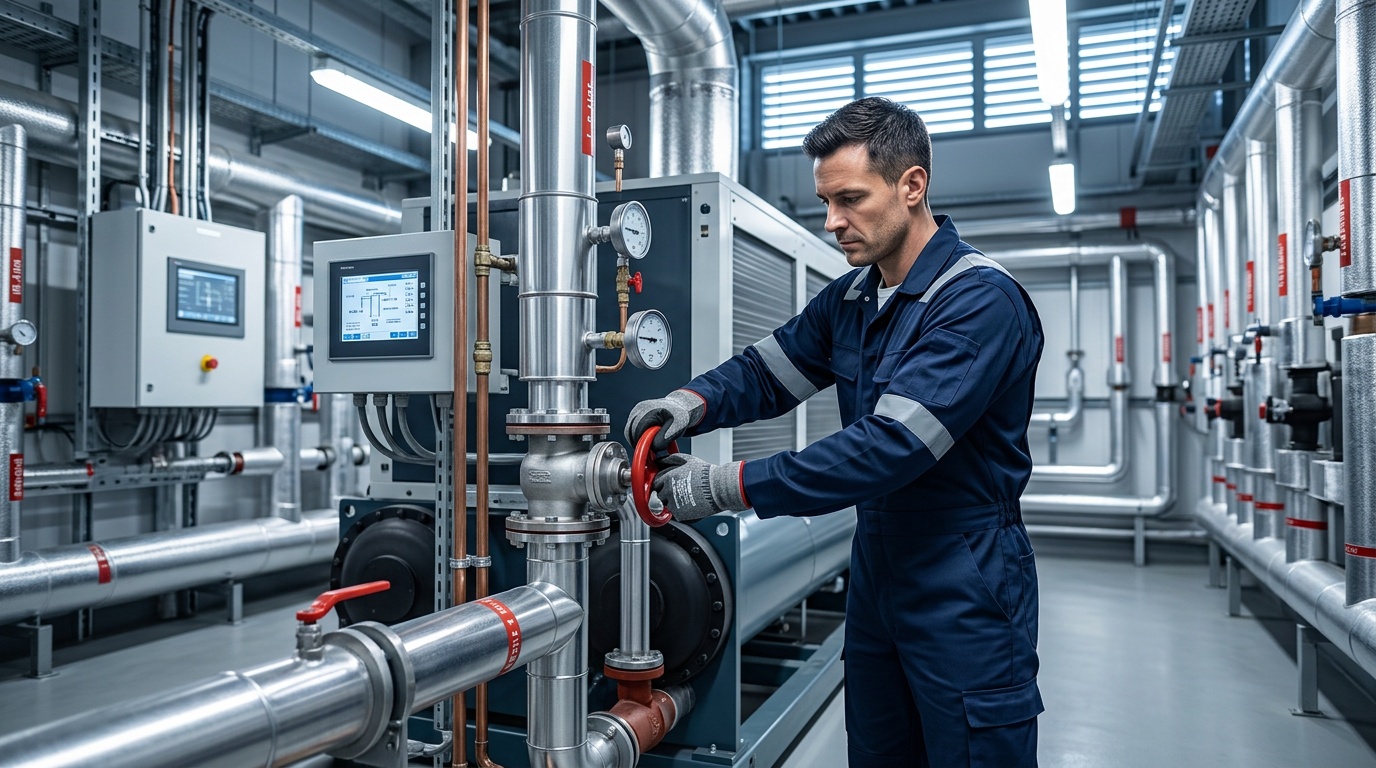
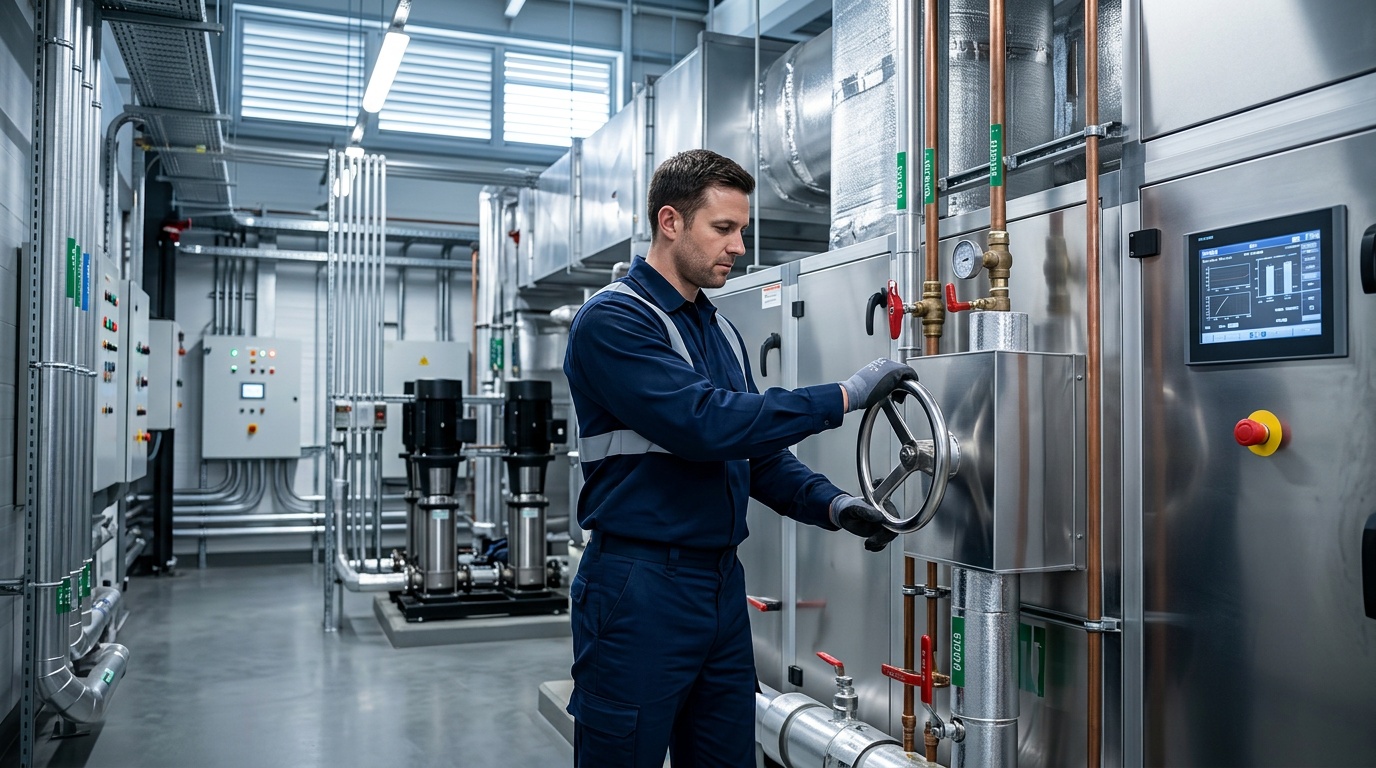
The Hidden Costs: Why Building Fabric Maintenance Protects More Than Just Walls
There's a dangerous assumption among facility managers that building fabric issues announce themselves loudly. In my 24 years moving from apprentice engineer to managing maintenance across the West Midlands, I've learned that the most expensive problems whisper before they scream. When you're evaluating recommended building fabric repair firms in UK markets, understanding what you're actually protecting becomes the foundation of smart commercial decision-making.
Building fabric includes every structural element that forms your property's envelope: walls, roofing, windows, doors, foundations, and external surfaces. It's your building's skin. The barrier between controlled internal conditions and unpredictable external forces. At MEMS, our Building Fabric Repairs & Maintenance service addresses everything from masonry and bricklaying to window glazing and concrete work, because fabric failure rarely happens in isolation.
Beyond the Bricks: The Real Impact of Neglected Fabric
A small crack in external pointing doesn't just look unsightly. It creates a pathway for water ingress that can trigger mould growth, structural movement, and energy inefficiency. We regularly see commercial properties where a £200 repointing job becomes a £20,000 remediation project because the initial warning signs were ignored. Your building fabric directly affects insurance premiums, tenant satisfaction, and operational costs.
The Hidden Multiplier Effect: Building fabric deterioration accelerates quickly. A minor roof leak can compromise insulation effectiveness by up to 40%, increase heating costs by around 15%, and create liability issues that affect your entire operation.
Your Building Fabric Health Check: Red Flags for Facility Managers
When searching for recommended building fabric repair firms in UK commercial markets, start by understanding what you're actually maintaining. Here's what we look for during our surveys:
Water staining on internal walls or ceilings
Cracking around window frames or door openings
Rising damp evidence at ground-floor level
Loose or damaged external pointing
Deteriorating sealant around glazing systems
These symptoms indicate your building's protective envelope is compromised. The question isn't whether to address them. It's finding specialists who understand that building fabric connects directly to your mechanical systems, energy performance, and regulatory compliance.
Building Fabric Failures: Common Problems and Their Commercial Impact
When searches for Recommended building fabric repair firms in UK? spike during winter months, it's usually too late. The damage is done. What started as minor maintenance has become major commercial disruption. Let me walk you through the most common fabric failures I've seen across the Midlands and why they matter to your bottom line.
Water Ingress: The Silent Saboteur of Your Assets
Water doesn't knock before it enters your building. Failed pointing or a compromised roof membrane allows moisture to penetrate the structure, often undetected for months. By the time you spot stains on internal walls, water may have already compromised insulation, corroded structural elements, and created perfect conditions for mould.
Insurance claims for water damage can reach £15,000 in commercial properties, but that's only the visible cost. Hidden expenses include temporary accommodation for displaced operations, lost productivity during repairs, and higher heating costs as compromised insulation forces your HVAC systems to work overtime.
Real example: Last winter, we were called to a Birmingham office where a minor roof penetration had gone unnoticed for six months. The repair cost £500. The damaged insulation, redecoration, and temporary heating bills? £8,000.
Damp and Mould: More Than an Aesthetic Problem
Damp isn't just unsightly. It's a legal liability. Under the Workplace (Health, Safety and Welfare) Regulations 1992, employers must maintain a healthy working environment. Persistent damp creates airborne spores that can trigger respiratory issues, potentially exposing you to health and safety action.
Operationally, damp accelerates the degradation of internal finishes, bringing forward redecoration cycles. More importantly, it signals underlying building fabric failures that will worsen without intervention.
Structural Movement and Cracks: Early Warning Signs
Small cracks in masonry aren't cosmetic issues. They're symptoms of structural movement. Thermal expansion, ground settlement, or inadequate foundations can cause the building envelope to shift, creating pathways for water ingress and undermining thermal performance.
Engineer's Reality Check: A 2mm crack in external brickwork can allow significant water penetration during a typical storm. That's not just dampness. It can become structural compromise if left unchecked.
Deteriorated Windows, Doors, and Roofing: The Energy Drain
Failed window seals and deteriorated door frames don't just let in draughts. They create thermal bridges that bypass your building's insulation. Roofing felt that's reached end of life allows heat to escape through the building envelope.
Buildings with compromised fabric commonly show 20 to 30% higher heating costs compared to well-maintained equivalents. When you're managing multiple commercial properties, that percentage translates to thousands in avoidable utility spend.
The difference between a reactive facility manager and a strategic one isn't budget size. It's approach. Reactive managers wait for problems to announce themselves through leaks, cracks, or energy spikes. Strategic managers understand that building fabric deterioration follows predictable patterns that can be intercepted before they impact operations.
Planned Preventative Maintenance (PPM) for Building Fabric
PPM for building fabric operates on the same engineering principles as mechanical plant maintenance. Regular inspection cycles identify early-stage deterioration when repairs are minor and costs are controlled. A quarterly external envelope survey costs £200 to £400 but can prevent emergency repairs that cost three to four times more.
Here's the math: planned fabric maintenance allows you to schedule repairs during low-occupancy periods, source materials at standard rates rather than emergency premiums, and protect operational continuity.
SFG20 Standards: The Benchmark for Building Fabric Care
SFG20 provides a technical framework for fabric maintenance frequencies and procedures. These are industry-recognized standards that help define reasonable maintenance practices for insurance and compliance purposes.
Following SFG20 protocols for external envelope inspections, pointing maintenance, and weatherproofing helps your building fabric maintenance meet professional expectations. It also provides documented evidence of due diligence should insurance claims arise from fabric-related failures.
Integrating Fabric Maintenance with M&E Services
Building fabric and mechanical services are interconnected systems. Poor fabric performance forces HVAC systems to compensate, increasing energy consumption and accelerating plant wear. Conversely, inadequate ventilation can worsen damp issues within the building envelope.
Our Building Fabric Repairs & Maintenance service operates alongside mechanical maintenance schedules, helping fabric and plant systems support rather than compromise each other's performance.
The Integration Advantage: When fabric and M&E maintenance align, buildings can achieve 15 to 20% better energy efficiency than fragmented maintenance approaches. One provider, one strategy, measurable results.
Choosing Your Building Fabric Repair Partner: The Critical Questions
The quality of your fabric maintenance provider directly impacts building performance, compliance status, and operational costs. The wrong choice doesn't just waste budget. It exposes your organization to legal and financial risks that compound over time.
Credentials and Experience: Do They Know the Trade?
Building fabric repair requires specific technical competencies. Your provider should hold relevant trade qualifications, demonstrate experience across commercial sectors, and understand the regulatory framework governing building maintenance.
Ask for evidence of SafeContractor certification, relevant trade qualifications, and case studies from similar commercial properties. Generic maintenance firms often lack the specialized knowledge required for complex fabric issues.
Scope of Services: Can They Handle More Than a Patch-Up?
Complete fabric maintenance covers masonry, carpentry, waterproofing, glazing, and decorative finishes. Providers offering only basic repair services force you to coordinate multiple contractors, which increases cost and complexity.
Building Fabric Repairs & Maintenance should include preventative treatments, emergency response capability, and the ability to integrate with broader building maintenance strategies. A coordinated approach reduces disputes and gaps when multiple trades interact.
Frequently Asked Questions
What does 'building fabric' actually mean for my commercial property?
For your commercial property, building fabric is essentially its skin. It includes all the structural elements that create your building's envelope: walls, roofing, windows, doors, foundations, and external surfaces. This barrier keeps your internal conditions stable and protects against external forces, directly impacting your operations.
Why should facility managers prioritize building fabric repairs?
Neglecting building fabric issues can lead to far greater costs down the line. What starts as a small crack can quickly escalate into significant water damage, mould, or structural problems. Maintaining your building's fabric protects your assets, controls operational costs, and ensures tenant satisfaction.
What are the common signs of building fabric problems I should look for?
Keep an eye out for red flags that indicate your building's protective envelope is compromised. These include water staining on internal walls or ceilings, cracks around window frames or door openings, or evidence of rising damp. Loose external pointing and deteriorating sealant around glazing are also clear indicators that action is needed.
How does neglected building fabric affect my operational costs and compliance?
Neglected building fabric directly impacts your bottom line and compliance. Issues like roof leaks can drastically reduce insulation effectiveness, leading to 15-30% higher heating costs. Persistent damp also creates legal liabilities under health and safety regulations, affecting your operational environment and potentially increasing insurance premiums.
When is the best time to address building fabric issues?
The best time to address building fabric issues is proactively, before they become major problems. Waiting until winter storms reveal a leak means the damage is likely already done, leading to costly emergency repairs and operational disruption. A planned preventative maintenance approach helps you intercept deterioration before it impacts your business.
What is the difference between reactive and proactive building fabric management?
Reactive management means waiting for a leak or crack to appear before taking action, often leading to emergency repairs and higher costs. Proactive management, through planned preventative maintenance, involves regularly inspecting and addressing minor issues before they escalate. This strategic approach saves money, maintains compliance, and ensures business continuity.
Why is water ingress such a significant problem for commercial buildings?
Water ingress is a silent saboteur for commercial properties because it often goes undetected until significant damage has occurred. A small leak can compromise insulation, corrode structural elements, and create mould, leading to severe commercial impacts. Beyond visible repair costs, you face hidden expenses like lost productivity and increased heating bills.
"
About Stuart Butcher
Founder & Managing Director | M&E Maintenance Solutions
Stuart Butcher is the Founder and Managing Director of M&E Maintenance Solutions. A ""boots-on-the-ground"" leader, Stuart began his career as an apprentice combustion engineer, spending over 24 years mastering the trade before building a premier maintenance firm. He operates at the intersection of technical engineering precision and commercial asset management.
Driven by the philosophy that maintenance is cheaper than repair, Stuart works with Facility Managers and Building Owners across Birmingham, the Midlands, and the UK to ensure 24/7/365 compliance and uptime. He established M&E Maintenance Solutions to provide the technical capability of a large corporate provider while maintaining the personal accountability of a family-run business.
Last reviewed: April 3, 2026 by the M&E Maintenance Solutions Limited Team
Commercial Maintenance Services UK Ltd vs M&E Maintenance Solutions Limited
The Facility Manager's Dilemma: Choosing the Right M&E Maintenance Partner
When your HVAC system fails at 2am on a Sunday, you discover the true cost of your maintenance provider choice. The difference between Commercial Maintenance Services UK Ltd vs M&E Maintenance Solutions Limited is not just about price per service call. It's about whether your building stays operational when it matters most.
I've seen facility managers lose thousands in lost trade because they chose the cheapest quote rather than the most reliable partner. Your maintenance provider isn't just fixing equipment. They're protecting your business continuity, legal compliance, and energy efficiency. Get this decision wrong, and you'll pay for it in emergency call-outs, regulatory failures, and tenant complaints.
Understanding Your Core Needs: Beyond a Simple Fix
Commercial building maintenance extends far beyond reactive repairs. You need a partner who understands SFG20 compliance schedules, F-Gas regulations, and energy efficiency optimisation. The right provider can turn your building from a cost centre into a competitive advantage through proactive asset management.
The Cost of Complacency: Why Your Choice Matters
A blocked HVAC filter isn't just dirty. It increases your energy spend by 15% and shortens equipment lifespan. The wrong provider costs you money every month through inefficiency, even when nothing appears broken.
Engineering Reality Check
In my 24 years from apprentice to managing director, I've learned that maintenance is either planned and affordable, or emergency and expensive. There's no middle ground in commercial M&E systems.
Introducing the Contenders: A First Glance
M&E Maintenance Solutions, founded in 2007, operates with over 20 core staff and strategic partners across the UK. We specialise in commercial HVAC systems and hold Gas Safe Register, Refcom F-Gas Certification, and ISO 9001 certifications. Our open door policy means we test new technologies before recommending them to clients.
Commercial Maintenance Services UK Ltd positions itself as a general facilities management provider. Their broader service portfolio covers multiple building systems beyond mechanical and electrical maintenance, targeting facility managers seeking single-source solutions.
Service Specialisations: What's Under the Bonnet?
Commercial Maintenance Services UK Ltd: A Broad Spectrum Approach
Commercial Maintenance Services UK Ltd operates as a general facilities management provider, covering everything from basic repairs to complex building systems. Their model appeals to facility managers seeking single-source accountability across multiple trades. One contact for plumbing, electrical, and general maintenance issues.
The trade-off with broad coverage? Depth of specialisation. When your chiller plant fails or your BMS needs recalibration, you need engineers who live and breathe HVAC technology daily, not generalists who handle it alongside other contracts.
M&E Maintenance Solutions: Mechanical and Electrical Expertise
We focus exclusively on commercial HVAC systems, bringing hands-on experience to mechanical and electrical maintenance. Our engineers hold Gas Safe Register and Refcom F-Gas Certification because heating, ventilation, and air conditioning systems demand dedicated expertise.
This specialisation translates into practical advantages: we carry HVAC-specific diagnostic equipment, stock critical components for common commercial systems, and understand the energy efficiency implications of every adjustment we make in your plant room.
HVAC: The Heartbeat of Your Building
Aspect
Commercial Maintenance Services UK Ltd
M&E Maintenance Solutions
HVAC Focus
Part of broader FM portfolio
Core specialisation since 2007
Certifications
General FM qualifications
Gas Safe Register, Refcom F-Gas Certification, BES certified
Technology Testing
Standard market offerings
Open door policy for new technology evaluation
Energy Solutions
Basic efficiency measures
Air-to-air heat pumps, air-to-water heat pumps, solar PV, LED lighting, solar thermal
Electrical Systems: Keeping the Lights On and the Business Running
Electrical maintenance in commercial buildings goes beyond changing bulbs and testing sockets. Modern buildings rely on complex BMS, variable frequency drives, and integrated lighting controls that require specialist knowledge.
Our electrical work focuses on energy efficiency and system integration. We install LED lighting systems that reduce consumption by 60% and integrate with building management systems for better control. This isn't general electrical work. It's focused energy management.
Beyond the Brochure: Differentiators That Drive Real Value
Innovation in Practice: M&E's Open Door Policy
Most maintenance providers offer what's already proven in the market. We operate differently: we test emerging HVAC technologies in real commercial environments before recommending them to clients.
Our open door policy has led us to early adoption of air-to-air heat pumps and integrated solar PV systems that deliver measurable energy savings. We focus on practical improvements that facility managers can implement and maintain long-term.
The Customer First Philosophy: Response When It Matters
Customer service in facilities management is about response when your system fails. Our reputation, built on customer referrals since 2007, means we prioritise emergency support and aim to attend promptly while limiting disturbance to site operations.
We issue compliance documentation within 24 hours of completing work, helping you stay prepared for audits and inspections. This attention to detail reduces regulatory risk and supports insurance requirements.
Geographic Reach: UK Coverage with Local Knowledge
M&E Maintenance Solutions serves facility managers throughout the UK while maintaining deep expertise in commercial buildings. Our strategic partner network helps us provide consistent service quality whether you manage a Birmingham office block or a Manchester retail space.
Building Long-Term Partnerships vs Transactional Repairs
Traditional maintenance operates on a break-fix model: equipment fails, you call for repair, pay premium rates, and repeat the cycle. Our approach focuses on asset lifecycle management, using planned preventative maintenance to extend equipment life and reduce total cost of ownership.
This partnership approach means we learn your building's characteristics, seasonal patterns, and operational requirements. Instead of treating each call-out as an isolated transaction, we tune your HVAC system for maximum efficiency and reliability.
The MEMS Advantage in Practice
We maintain digital records of every system we service, tracking performance trends and highlighting developing issues before they become failures. For long-term clients, this approach can reduce emergency call-outs by 40%.
The Unseen Pillars: Compliance, Sustainability, and Asset Protection
UK Compliance Requirements: Gas Safe, SFG20, and Beyond
Commercial building compliance isn't optional. Gas Safe registration, F-Gas certification, and SFG20-aligned maintenance schedules form the legal foundation of proper M&E maintenance. When evaluating Commercial Maintenance Services UK Ltd vs M&E Maintenance Solutions Limited, confirm that your provider holds current certifications and can supply the documentation you need.
Our ISO 9001 certification supports a systematic approach to quality management, while BES accreditation demonstrates competence in building energy systems. These aren't just badges. They evidence the controls that protect you when systems fail.
Sustainable Building Technologies: Future-Proofing Your Estate
Energy efficiency is cost management. Our sustainable options include air-to-water heat pumps, solar thermal systems, solar PV, and LED lighting installations, selected and designed to suit your building and its usage patterns.
These technologies require specialist installation and maintenance knowledge. A generic FM provider won't have the technical depth to commission heat pump systems properly or integrate solar PV with existing building management systems.
Frequently Asked Questions
Why is choosing the right M&E maintenance partner so important for my commercial building?
Getting your M&E maintenance partner choice wrong can shut down your operations, costing thousands in lost trade. It is not just about fixing equipment, it is about protecting your business continuity, ensuring legal compliance, and optimising energy efficiency. A poor choice leads to expensive emergency call-outs, regulatory failures, and tenant complaints.
What is the main difference between a broad facilities management provider and a specialist like M&E Maintenance Solutions?
A broad facilities management provider offers a single point of contact for many building systems, from plumbing to general maintenance. M&E Maintenance Solutions, on the other hand, specialises in commercial HVAC systems, offering deep, dedicated expertise in mechanical and electrical maintenance. This specialisation means our engineers live and breathe HVAC technology daily, bringing focused diagnostic equipment and knowledge.
What certifications does M&E Maintenance Solutions hold for commercial HVAC maintenance?
M&E Maintenance Solutions holds critical industry certifications including Gas Safe Register, Refcom F-Gas Certification, BES, and ISO 9001. These certifications demonstrate our commitment to safety, compliance, and quality in commercial HVAC maintenance. We ensure our operations meet the highest standards for your building's systems.
How does M&E Maintenance Solutions approach new technologies for commercial buildings?
We operate with an open door policy, actively testing emerging HVAC technologies in real commercial environments before recommending them to clients. This approach has led us to early adoption of solutions like air-to-air heat pumps and integrated solar PV systems. We focus on practical innovations that deliver measurable energy savings and operational improvements for facility managers.
How does M&E Maintenance Solutions help improve energy efficiency in commercial buildings?
Our specialisation in HVAC and electrical systems allows us to focus on energy efficiency optimisation. We install LED lighting systems that reduce consumption and integrate with building management systems for better control. We also offer innovative solutions like air-to-air heat pumps, air-to-water heat pumps, solar PV, and solar thermal to help turn your building into a competitive advantage.
What are the risks of choosing a maintenance provider based solely on the cheapest quote?
Choosing the cheapest quote often leads to higher costs down the line through inefficiency and emergency failures. Missed planned preventative maintenance visits can cause equipment breakdowns, leading to premium parts costs and significant business disruption. The wrong provider costs you money every month, even when nothing appears broken, through increased energy spend and shortened equipment lifespan.
Does M&E Maintenance Solutions offer services beyond just reactive repairs?
Yes, our services extend far beyond reactive repairs. We focus on proactive asset management, understanding SFG20 compliance schedules, F-Gas regulations, and energy efficiency optimisation. This approach helps prevent failures, ensures legal compliance, and turns your building from a cost centre into a competitive advantage.
"
About Stuart Butcher
Founder & Managing Director | M&E Maintenance Solutions
Stuart Butcher is the Founder and Managing Director of M&E Maintenance Solutions. A ""boots-on-the-ground"" leader, Stuart began his career as an apprentice combustion engineer, spending over 24 years mastering the trade before building a premier maintenance firm. He operates at the intersection of technical engineering precision and commercial asset management.
Driven by the philosophy that maintenance is cheaper than repair, Stuart works with Facility Managers and Building Owners across Birmingham, the Midlands, and the UK to ensure 24/7/365 compliance and uptime. He established M&E Maintenance Solutions to provide the technical capability of a large corporate provider while maintaining the personal accountability of a family-run business.
Last reviewed: April 3, 2026 by the M&E Maintenance Solutions Limited Team
Installation services: HVAC specialists vs general contractors?
Installation Services: HVAC Specialists vs General Contractors for Commercial Properties
The Commercial Reality: A Faulty Installation Can Cripple Your Operations
Last month, I walked into a Birmingham office building where the general contractor had "completed" an HVAC installation. The system ran for six weeks before failing spectacularly during a heatwave. The issue? Incorrect refrigerant charging and improper commissioning. The business lost three days of trading whilst we rectified work that should have been completed correctly the first time.
When choosing between HVAC specialists and general contractors for installation services, the stakes go far beyond getting warm air in winter. Your choice directly affects business continuity, energy efficiency, and legal compliance. A poorly installed system doesn't just break down. It bleeds money through inefficiency and exposes you to regulatory penalties.
My 24 Years in the Field: Why the 'Right' Professional Matters
Starting as an apprentice combustion engineer, I've witnessed the evolution of commercial HVAC from simple heating systems to complex, integrated building management solutions. The difference between a specialist installation and a general contractor's approach isn't just technical competence. It's understanding how HVAC systems interact with your business operations.
General contractors often view HVAC as another trade to coordinate. HVAC specialists understand it as the circulatory system of your building. This perspective shapes everything from equipment selection to commissioning procedures.
Understanding the Distinct Roles: Who Does What?
HVAC Specialists
Direct technical expertise in heating, ventilation, and air conditioning systems
Gas Safe, F-Gas, and REFCOM certifications
Specialised diagnostic equipment and commissioning tools
Understanding of SFG20 maintenance standards
General Contractors
Project management and coordination across multiple trades
Often subcontract HVAC work to third parties
May lack specific HVAC technical depth
Focus on project completion rather than long-term system performance
The choice between specialists and general contractors often comes down to accountability. When your system fails, do you want to call the person who installed it, or the person who managed the person who installed it? At M&E Maintenance Solutions Limited, our Commercial HVAC Installation and Maintenance service provides direct accountability from design through to 24-hour emergency support.
For commercial properties in Birmingham and the West Midlands, this distinction matters more than you might think. Your HVAC system isn't just about comfort. It's about maintaining productivity, protecting equipment, and ensuring compliance with increasingly stringent environmental regulations.
An HVAC specialist isn't simply someone who "does heating and cooling." They're engineers who understand psychrometrics, refrigeration cycles, and combustion science. True specialists diagnose problems at the component level. They understand why a heat exchanger fails, how improper airflow creates hot spots, and why your energy consumption spikes in shoulder seasons.
This depth translates directly into installations that perform as designed rather than merely function. They bring dedicated knowledge of load calculations, ductwork design, and system balancing that affects your energy bills for decades.
Qualifications and Certifications: Why They Matter
Gas Safe registration isn't optional. It's the law. F-Gas certification for refrigerant handling protects you from environmental penalties. REFCOM supports proper recovery and disposal of cooling gases. These aren't bureaucratic hurdles but legal safeguards that protect your business from prosecution and insurance voids.
When evaluating contractors, verify certifications directly. A general contractor might have "HVAC capability" through subcontractors, but you need transparency about who holds the actual qualifications and carries the liability insurance.
Where Specialists Excel: Scope of Work
HVAC specialists handle complete system integration: from initial load calculations through commissioning and handover documentation. They select equipment based on your specific operational patterns, not catalogue recommendations. They understand building fabric interaction, occupancy schedules, and how your HVAC system affects other building services.
Commissioning separates specialists from generalists. Proper commissioning involves testing every component, verifying control sequences, and documenting performance parameters. This process ensures your system operates efficiently from day one rather than requiring costly adjustments months later.
When to Prioritise an HVAC Specialist
Priority scenarios for HVAC specialists: server rooms requiring precise temperature control, food service facilities with specific ventilation requirements, medical facilities with air quality standards, or any building where HVAC failure means immediate business closure.
Complex commercial installations demand specialist expertise. Multi-zone systems, variable refrigerant flow, heat recovery ventilation, and building management system integration require engineers who understand these technologies intimately.
At M&E Maintenance Solutions Limited, our Commercial HVAC Installation and Maintenance approach combines technical precision with commercial understanding. We don't just install equipment. We engineer building performance that supports your business objectives whilst maintaining compliance with current regulations.
General Contractor Approach: Coordination vs. Technical Execution
The General Contractor's Role: Project Orchestrator
General contractors excel at project coordination, managing timelines, and ensuring different trades work together efficiently. They handle permits, coordinate deliveries, and maintain overall project schedules. For large commercial builds involving multiple systems, their orchestration skills prove valuable.
However, there's a key distinction. General contractors manage the process; they rarely execute the technical work themselves. This separation creates advantages in project management and potential gaps in technical accountability.
How They Handle HVAC Work
Most general contractors subcontract HVAC work to specialist firms. This arrangement can work well when the subcontractor maintains direct communication with the client and carries appropriate certifications. Problems arise when communication passes through multiple layers, diluting technical specifications and accountability.
The subcontractor model often prioritises speed over precision. Installation teams work to the general contractor's schedule, not necessarily to optimal commissioning timelines. This pressure can lead to shortcuts in testing and documentation that affect long-term system performance.
Limitations for Complex HVAC Systems
Critical gap: general contractors often lack the technical depth to specify HVAC systems properly for complex commercial applications. They rely on subcontractor recommendations without understanding the long-term operational implications of equipment choices.
Complex commercial HVAC systems require integrated design thinking. Variable refrigerant flow systems, heat recovery ventilation, and building management integration demand engineers who understand these technologies intimately. General contractors coordinate installation; they don't engineer performance.
When system issues arise post-installation, the finger-pointing begins. The general contractor blames the subcontractor; the subcontractor questions the specifications. Your business suffers downtime whilst responsibility is clarified.
When General Contractors Work (and the Caveats)
General contractors work well for straightforward commercial installations where HVAC represents a minor component of a larger build. Simple split systems, basic heating installations, or replacement of like-for-like equipment might suit this approach, provided the subcontractor maintains direct client communication.
Even in suitable scenarios, verify the subcontractor's credentials directly. Ensure Gas Safe and F-Gas certifications are current. Demand commissioning documentation and performance verification. Don't accept "it's working" as adequate handover. Insist on proper documentation for warranty and compliance purposes.
Making the Right Choice: Your Decision Framework
Key Questions to Ask Any Provider
Before committing to any provider, verify their Gas Safe registration number directly with the official register. Ask for F-Gas and REFCOM certificates. Request examples of similar commercial installations and contact details for recent clients. These checks separate genuine specialists from contractors claiming HVAC capability.
Demand detailed commissioning procedures and documentation standards. Ask who carries liability insurance for the installation work. If they hesitate or deflect these questions, consider alternative providers. Your building's performance depends on technical competence, not sales presentations.
Assessing Real Expertise
True expertise shows in the details. Can they explain psychrometric calculations? Do they understand building load variations throughout the year? Can they integrate your HVAC system with existing building management systems? These conversations reveal whether you're dealing with engineers or installers.
Focus on who designs the system, not just who installs it. Proper system design affects energy consumption, maintenance costs, and operational reliability for decades. Choose providers who engineer solutions, not just coordinate installations.
The M&E Maintenance Solutions Difference
Our Commercial HVAC Installation and Maintenance service combines technical precision with commercial understanding. We don't just install equipment. We engineer building performance that supports your business objectives whilst maintaining compliance with current regulations.
From initial design through 24-hour emergency support, we maintain direct accountability. We use our core team alongside closely aligned strategic partners and sister companies when complementary services are required. You call 0121 380 5630, and you speak to engineers who can guide you and coordinate the right support for your site.
Your Next Step
Don't wait for system failure to evaluate your options. Contact M&E Maintenance Solutions Limited at [email protected] to discuss your commercial HVAC requirements. We'll assess your needs, explain your options, and provide transparent recommendations based on engineering reality, not sales targets.
Your choice shapes your building's performance for years to come. Choose engineers who understand that your HVAC system isn't just about temperature control. It's about business continuity, energy efficiency, and regulatory compliance. Choose specialists who take responsibility for results.
Frequently Asked Questions
What is the "5000 rule" for HVAC decisions?
As an engineer with 24 years in the field, I can tell you there isn't a universally recognized "5000 rule" in commercial HVAC that dictates when to repair versus replace based solely on a cost threshold. For commercial properties, the decision should always consider long-term operational efficiency, business continuity, and compliance, not just an arbitrary repair cost. A specialist evaluates the entire system's health and its impact on your operations.
How can a business avoid issues with HVAC contractors?
To avoid problems, always verify a contractor's specific HVAC certifications, such as Gas Safe, F-Gas, and REFCOM. Look for direct accountability and a deep understanding of how HVAC systems affect your commercial operations, not just project coordination. A true specialist will provide transparent documentation and proper commissioning.
Can general contractors handle commercial HVAC installations?
While general contractors can coordinate various trades, they often subcontract HVAC work and may lack the specific technical depth required for complex commercial systems. HVAC specialists, on the other hand, engineer solutions, understanding psychrometrics, load calculations, and system integration. This specialist approach ensures long-term performance and efficiency.
What factors should I consider beyond a contractor's hourly rate for HVAC work?
Focusing solely on an hourly rate can be misleading. For commercial HVAC, consider the total cost of ownership, which includes energy efficiency, potential downtime from faulty installations, and regulatory compliance. A specialist's expertise, though potentially a higher initial investment, often prevents costly rectifications and ensures your system performs optimally for years, protecting your business continuity.
How much does a new commercial HVAC system typically cost for a 2000 square-foot building?
Providing a general cost for a new commercial HVAC system for a 2000 square-foot building is difficult without specific details, as costs vary widely. Factors like system type, complexity, load calculations, ductwork design, and specific operational requirements all influence the final price. A qualified HVAC specialist will conduct a thorough assessment to provide an accurate, tailored quotation.
"
About Stuart Butcher
Founder & Managing Director | M&E Maintenance Solutions
Stuart Butcher is the Founder and Managing Director of M&E Maintenance Solutions. A ""boots-on-the-ground"" leader, Stuart began his career as an apprentice combustion engineer, spending over 24 years mastering the trade before building a premier maintenance firm. He operates at the intersection of technical engineering precision and commercial asset management.
Driven by the philosophy that maintenance is cheaper than repair, Stuart works with Facility Managers and Building Owners across Birmingham, the Midlands, and the UK to ensure 24/7/365 compliance and uptime. He established M&E Maintenance Solutions to provide the technical capability of a large corporate provider while maintaining the personal accountability of a family-run business.
Last reviewed: April 2, 2026 by the M&E Maintenance Solutions Limited Team
what is Building Fabric Repairs & Maintenance
What Exactly is Building Fabric? The Foundation That Makes or Breaks Your Property
Building fabric is your property's protective shell. The walls, roofs, windows, doors, and floors that keep the weather out and your business running. After 24 years fixing what happens when this stuff fails, I can tell you that understanding what is Building Fabric Repairs & Maintenance isn't academic. It's the difference between £200 repairs and £20,000 emergencies.
The Physical Reality: What We're Actually Talking About
Your building fabric is everything that forms the physical shell: external walls, roofing systems, window frames, door assemblies, internal partitions, and flooring. I call it your building's skin and skeleton combined. Without it working properly, everything else falls apart.
What's In, What's Out: Drawing the Line
Fabric work covers structural masonry, roof membranes, guttering, external cladding, window seals, internal plastering, and flooring systems. It doesn't include your mechanical and electrical kit. Heating, ventilation, lighting. Though these systems depend on fabric performance to work efficiently.
Why This Matters More Than You Think
Your building fabric controls moisture, maintains heat, and keeps the structure sound. When it fails? Water gets in and damages everything. Energy costs shoot up. Staff comfort drops. The dominos fall fast.
Why I've Seen Too Many Facility Managers Learn This Lesson the Hard Way
The £15,000 Lesson: Why 'If It Ain't Broke' is Broken Thinking
Last month, I walked into a Birmingham office where a small roof leak. £200 to fix. Had been ignored for six weeks. The ceiling tiles were destroyed, electrical circuits were damaged, and they'd lost two days of trading while we made emergency repairs. Final bill? £15,000.
This happens more than you'd think. A blocked gutter costs £50 to clear. Leave it, and water backs up, penetrates the fabric, damages the structure underneath. Suddenly you're looking at thousands in structural repairs.
The 1:5:25 Rule I Live By
£1 spent on planned fabric maintenance saves £5 in major repairs and £25 in emergency replacement costs. I've tracked this across hundreds of sites.
Legal Reality Check: This Isn't Optional
The Health and Safety Executive requires safe working environments. Building regulations demand weather-tight structures. When fabric fails, you get slip hazards, structural risks, and potential liability. I've seen facility managers face legal action because they ignored obvious building defects.
The Productivity Hit You're Probably Missing
Draughty windows and damp walls don't just look bad. They kill productivity. Research shows building-related discomfort can drop workplace efficiency by 15%. Your staff notices when the building doesn't work properly, even if they don't complain directly.
The Problems I See Every Week (And How to Fix Them)
Where Buildings Actually Fail: A Reality Check
I can predict most fabric failures before they happen. Roof membranes deteriorate on schedule. Pointing fails in masonry walls after predictable timeframes. Window seals degrade based on age and exposure. The trick is catching these before they cascade into bigger problems.
Roofs and Gutters: Your First Line of Defence
Water damage starts at the top. I recommend quarterly roof inspections. Membrane checks, gutter clearance, drainage system verification. It's basic preventative work that stops minor issues becoming major water-ingress disasters. M&E Property Solutions coordinates this with mechanical system access to avoid duplicate site visits.
Walls: When Cracks Become Catastrophes
External wall maintenance means repointing, crack sealing, and weatherproofing renewal. Internal walls need plastering, decoration, and partition upkeep. Both require regular inspection cycles to maintain professional appearance and structural integrity.
Windows and Doors: The Weak Links
Failed window seals can increase heating costs by 20%. I've measured this. Door hardware failures create security vulnerabilities. Regular seal replacement, lock servicing, and frame inspections prevent draughts, water ingress, and break-in risks.
Internal Finishes: More Than Just Aesthetics
Floor coverings, wall finishes, ceiling tiles. These aren't just decoration. They protect underlying elements from wear while maintaining the professional image that keeps your business credible. Planned redecoration and surface repair programmes are investments in asset protection.
Why Fabric and M&E Can't Be Separated (Despite What Most Contractors Tell You)
The Connection Most People Miss
Building fabric and mechanical systems aren't separate entities. They're interdependent. Poor fabric forces HVAC systems to work harder, burning energy and wearing components faster. Water ingress from failed fabric destroys electrical installations. Inadequate insulation makes heating systems fight a losing battle.
The Numbers Don't Lie
Coordinated fabric and M&E maintenance cuts total building operating costs by up to 25% compared to separate contractor arrangements. I've proven this across our client base.
How Bad Fabric Kills M&E Performance
Draughty buildings force heating systems to run constantly. Poor roof insulation cranks cooling loads in summer. Failed window seals create moisture problems that damage electrical circuits. Understanding what is Building Fabric Repairs & Maintenance means recognizing these connections.
The MEMS Difference: Coordination That Actually Works
We coordinate fabric maintenance with mechanical system care. Roof access for plant maintenance doesn't compromise weatherproofing. Fabric repairs don't disrupt operational systems. No scheduling conflicts between different contractors who don't talk to each other.
Your Audit Checklist: Questions That Expose the Gaps
The Hard Questions About Your Current Setup
Look at your maintenance contracts honestly. Does fabric get the same attention as your boiler? Most facility managers discover significant gaps here. Buildings protected mechanically but exposed structurally. That's backwards thinking.
What to Ask Your Provider (And What the Answers Mean)
Ask directly: Do you inspect fabric quarterly? Can you show me fabric maintenance schedules? How do you coordinate fabric repairs with M&E work? What does building fabric coverage actually include in our SLA?
If they hesitate or refer you to someone else, you've found a problem.
Three-Tier Maintenance: How It Should Work
Effective fabric care combines planned annual programmes, quarterly preventative inspections, and rapid reactive responses. This approach maintains consistent upkeep while addressing urgent issues quickly. Protecting performance and safety simultaneously.
Taking Control: The MEMS Standard for Fabric Excellence
Start With a Proper Fabric Audit
Begin with comprehensive fabric assessment covering all external and internal elements. Prioritize safety items. Roof integrity, structural stability. Then weather-sealing components and internal finishes. This targets resources where they'll have maximum impact on risk and performance.
Building an Integrated Strategy That Actually Saves Money
Coordinate fabric work with M&E system care. Schedule roof maintenance when we need plant-room access anyway. Plan external wall work when scaffolding can serve multiple purposes. This integration cuts disruption while improving efficiency and value.
Single-Contractor Coordination
One team handling both fabric and M&E eliminates scheduling conflicts, reduces access costs, and ensures fabric repairs support mechanical performance instead of undermining it.
The Metrics That Matter
Track energy consumption patterns. They reveal thermal performance issues. Monitor internal humidity levels that suggest weatherproofing problems. Watch occupant comfort reports that highlight fabric failures. This data identifies deterioration before visible damage appears.
Upgrading While You Maintain
Modern fabric upgrades improve performance and sustainability simultaneously. Better insulation during roof renewals. High-performance glazing during window replacement. Advanced weatherproofing for exposed areas. These investments reduce operating costs while improving daily building performance.
The Bottom Line: Fabric Maintenance as Business Protection
Understanding what is Building Fabric Repairs & Maintenance isn't just property management. It's business protection. Your fabric determines whether you're running an efficient operation or hemorrhaging money through preventable failures.
I've seen the same pattern for two decades: buildings with planned fabric maintenance outperform reactive approaches on every metric. Lower energy costs. Fewer emergency repairs. Better asset condition. Happier occupants.
The difference is treating fabric as part of total building care, not an afterthought. When fabric work coordinates with M&E maintenance, buildings operate efficiently, last longer, and cost less to run.
Your next move is honest assessment. Most facility managers find gaps between their fabric coverage and actual needs. Those gaps create avoidable risk and unnecessary expense.
M&E Maintenance Solutions Limited delivers integrated building care for commercial properties across the UK. We coordinate fabric work with HVAC and electrical services through unified planning and execution. Your building fabric gets the same disciplined attention as your building services.
Don't wait for fabric failures to write your maintenance schedule. Contact our team to discuss how integrated planning can improve building performance while cutting total operating costs.
Frequently Asked Questions
What is included in building fabric?
Building fabric covers your commercial property's physical shell and internal structure, acting as its skin and skeleton. This includes external walls, roofing systems, windows, doors, internal partitions, and flooring. It also involves weatherproofing elements like guttering, external cladding, and window seals, all essential for protection.
What is the meaning of fabric maintenance?
Fabric maintenance means looking after the structural and weather-protective parts of your commercial building. It involves regular care for things like roofs, walls, windows, and internal finishes to keep them sound. This work ensures your building remains a strong barrier against the elements, maintains thermal performance, and protects its overall health.
How is the building fabric maintained?
Building fabric is maintained through regular, planned inspections and scheduled repairs across all components. This includes checking roof membranes and clearing gutters, repointing masonry, and sealing cracks in walls. We also focus on weatherproofing windows and doors, along with maintaining internal finishes like plasterwork and flooring to prevent bigger problems.
How long does a building's fabric last?
The lifespan of a commercial building's fabric depends heavily on consistent, preventative maintenance. Neglect can lead to rapid deterioration, causing costly damage and reducing the building's operational life. With proper care, including regular inspections and timely repairs, the building fabric can last for many decades, protecting your asset effectively.
Why is building fabric maintenance so important for commercial properties?
Building fabric maintenance is non-negotiable for commercial properties because it directly impacts safety, compliance, and operational costs. Neglecting small issues can lead to expensive major repairs, following the 1:5:25 rule. It also ensures a safe, comfortable environment for occupants, which affects productivity and meets legal obligations.
How does building fabric maintenance relate to mechanical and electrical (M&E) systems?
Building fabric and M&E systems are closely interdependent; one affects the other significantly. Poor fabric, like draughty windows or inadequate insulation, forces HVAC systems to work harder, wasting energy and causing wear. Water ingress from failed fabric can also damage electrical installations, making coordinated maintenance essential for overall building health and efficiency.
"
About Stuart Butcher
Founder & Managing Director | M&E Maintenance Solutions
Stuart Butcher is the Founder and Managing Director of M&E Maintenance Solutions. A ""boots-on-the-ground"" leader, Stuart began his career as an apprentice combustion engineer, spending over 24 years mastering the trade before building a premier maintenance firm. He operates at the intersection of technical engineering precision and commercial asset management.
Driven by the philosophy that maintenance is cheaper than repair, Stuart works with Facility Managers and Building Owners across Birmingham, the Midlands, and the UK to ensure 24/7/365 compliance and uptime. He established M&E Maintenance Solutions to provide the technical capability of a large corporate provider while maintaining the personal accountability of a family-run business.
Last reviewed: April 2, 2026 by the M&E Maintenance Solutions Limited Team
Top certified technicians for facility M&E services?
Beyond the Badge: What 'Certified' Really Means for Your Facility's M&E Services
As the Founder and Managing Director of M&E Maintenance Solutions Limited, I’ve spent over two decades on the front line of facilities maintenance. I started as an apprentice combustion engineer, and I know first-hand that a certificate on the wall does not automatically translate to reliable, cost-effective service. You may be asking, “Top certified technicians for facility M&E services?”, but the reality is more complex than a piece of paper. It is about understanding what those certifications signify and what they do not. This guide cuts through the jargon and sets out practical checks you can use.
The Commercial Reality: When 'Certified' Falls Short
Facility managers often assume that a recognised certification guarantees competence. Many certifications show a basic level of knowledge, not consistent practical application or up-to-date experience with modern systems. In commercial settings, that gap can lead to disruption and avoidable cost. What matters is continuity of service, not a badge alone.
Deconstructing 'M&E': Mechanical and Electrical Services Explained
M&E Services Defined
M&E, or Mechanical and Electrical, refers to the building services that keep a commercial property functional, comfortable, and safe. This includes systems such as heating, ventilation, and air conditioning (HVAC), plumbing, power distribution, lighting, and fire safety systems. It is the infrastructure that keeps a site operating as intended.
Why Basic Certification Is Not Enough: The Risk of the 'Paper-Thin' Technician
A technician may be Gas Safe registered or hold an F-Gas certificate. That does not automatically mean that the person understands the energy implications of a failing heat exchanger or the downstream impact of poorly installed ventilation. In commercial buildings, shallow experience leads to repeat faults, wasted energy, and asset damage. This is where experience matters when selecting “Top certified technicians for facility M&E services?”.
The MEMS Standard: Our Approach to Technician Excellence
At M&E Maintenance Solutions Limited, we treat certification as the starting point. We employ engineers who hold the required qualifications and can evidence hands-on competence. Our technicians look beyond the immediate fault and assess how each system affects efficiency, compliance, and operating cost. We invest in ongoing training and a culture of practical problem-solving with commercial awareness.
The UK's Essential M&E Certifications: Your Facility Manager's Compliance Checklist
Regulatory requirements for M&E services in the UK can be demanding. Safe, lawful operation means understanding the certifications your engineers must hold. These are not box-ticking exercises; they reflect duty of care, legal compliance, and safe systems of work.
Navigating the Regulatory Environment: Gas Safe, F-Gas, and Beyond
Gas Safe Register: The official list of engineers and businesses legally permitted to carry out gas work in the UK. If your site has gas appliances, engineers must be Gas Safe registered with the relevant categories. Using a non-registered engineer for gas work is illegal and dangerous.
Refcom F-Gas Certification: Required for engineers who handle refrigerants used in commercial air conditioning and refrigeration plant. It confirms competence in safe handling and helps reduce environmental harm through correct containment and record-keeping.
HVAC Expertise: Key Competency for Climate Control
Beyond F-Gas, HVAC competence should be proven through relevant training and experience across boilers, chillers, air handling units, ventilation, controls, and building management systems (BMS). Manufacturer training and industry-recognised courses can provide assurance, particularly where specialist equipment is installed. Up-to-date training supports system performance and compliance.
Electrical Safety: Essential Qualifications for Peace of Mind
Electrical work must be completed by competent persons. Qualifications aligned to BS 7671 (IET Wiring Regulations) are commonly expected. For inspection and testing, appropriate qualifications are required. Competent electrical maintenance reduces risk of fire, faults, and unsafe operation.
Plumbing and Water Systems: Ensuring Health and Functionality
Engineers working on water systems should understand the Water Supply (Water Fittings) Regulations and good practice in water hygiene, including Legionella control. In commercial environments, competence includes documentation, temperature control, inspection regimes, and safe remedial actions.
SFG20: The Benchmark for Planned Preventative Maintenance in the UK
SFG20 is not a technician certification, but it is a widely used maintenance standard for building services. A reputable provider should be able to align planned preventative maintenance (PPM) to SFG20 task schedules and frequencies, adjusted to site risk and asset criticality. Asking whether a contractor can evidence SFG20-aligned maintenance is a practical way to assess maturity and consistency.
The Unseen Costs: How Untested Technicians Undermine Your Building's Efficiency and Safety
When budgets tighten, it is tempting to focus on the day-rate or call-out fee. The bigger cost often sits in poor diagnosis, repeat attendance, energy waste, and preventable downtime. If you are weighing up “Top certified technicians for facility M&E services?”, consider the commercial impact of competence, not the price of a single visit.
The 'Cheap Fix' Fallacy: Short-Term Savings, Long-Term Nightmares
A quick, low-cost repair can mask an underlying fault. When the root cause remains, failures return and collateral damage builds. That means extra call-outs, unplanned replacement, and disruption that could have been avoided with correct diagnosis and competent repair.
Energy Inefficiency: The Silent Drain on Your Budget
Poorly maintained systems waste energy. Dirty filters, incorrect setpoints, drifting controls, leaking valves, and underperforming plant force equipment to work harder than necessary. Over time, that waste inflates operating expenditure and hides in plain sight on monthly utility bills.
Downtime Disasters: The True Cost of Unexpected Breakdowns
When critical building services fail, operations suffer. Heating loss in winter, cooling failure in summer, or electrical issues can halt production, reduce staff productivity, and affect customer experience. Emergency repairs can be expensive, and the hidden cost is often business interruption.
Legal Liabilities: The Perils of Non-Compliance
M&E services operate under strict safety and environmental obligations. Using unqualified staff, skipping required inspections, or maintaining poor records can lead to enforcement action, fines, and reputational damage. Compliance is a duty of care and a board-level risk.
Occupant Well-being: The Impact on Your Team and Visitors
Comfort and health are directly tied to building services. Poor temperature control, inadequate ventilation, and unreliable lighting create complaints and reduce productivity. Consistent maintenance supports a safer, more comfortable workplace and a better visitor experience.
Beyond the Certificate: M&E Maintenance Solutions Limited Commitment to Proven Expertise and Innovation
When clients ask, “Top certified technicians for facility M&E services?”, they are usually asking for lower risk: safer operation, fewer failures, and predictable performance. At M&E Maintenance Solutions Limited, we focus on evidence: competence, documentation, and accountable delivery. Certification matters, but it is the application of that knowledge on live commercial sites that protects assets and keeps buildings operational.
Our Open-Door Innovation Policy: Testing Before We Roll Out
Technology moves quickly in HVAC and energy systems. We keep an open-door approach to assessing new technologies and methods before they are offered to customers. That means controlled evaluation, clear acceptance criteria, and a focus on safety, compliance, and maintainability.
What to Ask Any Provider: A Practical Checklist
Which certifications and categories are held (Gas Safe, F-Gas), and can you provide evidence?
How is competence maintained (refresher training, supervision, manufacturer courses)?
How are PPM tasks specified and scheduled (including SFG20 alignment where appropriate)?
What reporting will be provided after each visit (findings, actions, parts, photographs where relevant)?
How are compliance records stored and made available for audits?
Certifications tell you whether a person is permitted to work on specific systems. Outcomes tell you whether the work protects performance and reduces risk. When you choose “Top certified technicians for facility M&E services?”, prioritise a partner that can evidence competence, communicate clearly, and support compliance across the life of your assets.
Frequently Asked Questions
What is a facility maintenance engineer?
A facility maintenance engineer, often called an M&E technician, manages the essential mechanical and electrical systems that keep commercial buildings running. This includes HVAC, plumbing, power, lighting, and fire safety. It's about ensuring continuity of service and operational efficiency, not just fixing immediate faults.
What is an M&E technician?
An M&E technician specializes in mechanical and electrical services, which are the core infrastructure of a commercial building. They work on systems like heating, ventilation, air conditioning, electrical distribution, and plumbing. For us, it means looking beyond a basic repair to understand the system's overall impact on efficiency and compliance.
What certification should I get as a maintenance technician?
For maintenance technicians in the UK, essential certifications include Gas Safe Register for gas work and Refcom F-Gas for handling refrigerants. Beyond these, qualifications aligned with BS 7671 for electrical work and proven HVAC competence are key. It's about demonstrating real-world ability, not just holding a piece of paper.
What jobs can I get with a level 3 engineering technician?
A Level 3 engineering technician can pursue roles within mechanical and electrical services, working on systems like HVAC, electrical, or plumbing in commercial settings. While a Level 3 provides a foundation, real value comes from hands-on experience and continuous training. We look for technicians who can apply their knowledge to complex commercial building systems.
Why isn't basic certification enough for commercial M&E services?
Basic certifications often show foundational knowledge, but they don't guarantee practical application or up-to-date experience with modern commercial systems. In our experience, a "paper-thin" technician can lead to repeat faults, wasted energy, and costly asset damage. True competence comes from experience and a deep understanding of system interactions.
How can facility managers choose top certified M&E technicians?
Beyond checking for essential certifications like Gas Safe and F-Gas, look for providers who emphasize hands-on competence, ongoing training, and commercial awareness. A reputable provider should also align their planned preventative maintenance with standards like SFG20, showing a commitment to consistent, high-quality service.
"
About Stuart Butcher
Founder & Managing Director | M&E Maintenance Solutions
Stuart Butcher is the Founder and Managing Director of M&E Maintenance Solutions. A ""boots-on-the-ground"" leader, Stuart began his career as an apprentice combustion engineer, spending over 24 years mastering the trade before building a premier maintenance firm. He operates at the intersection of technical engineering precision and commercial asset management.
Driven by the philosophy that maintenance is cheaper than repair, Stuart works with Facility Managers and Building Owners across Birmingham, the Midlands, and the UK to ensure 24/7/365 compliance and uptime. He established M&E Maintenance Solutions to provide the technical capability of a large corporate provider while maintaining the personal accountability of a family-run business.
Last reviewed: April 1, 2026 by the M&E Maintenance Solutions Limited Team
Atkins Facilities vs M&E Maintenance Solutions Limited
A Key Decision: Choosing Your Facilities Maintenance Partner
When it comes to keeping your commercial premises running smoothly here in the UK, the choice of facilities maintenance partner is far from a minor detail. It is a decision that directly impacts operational continuity, legal standing, and the bottom line. I have spent over two decades in this trade, starting with hands-on work and now leading a firm that understands the commercial reality behind every boiler and every pipe. The truth is, many facility managers are tired of feeling like just another account number for enormous corporations.
The market is flooded with providers, yet not all facilities maintenance solutions are created equal. For businesses in Birmingham, the West Midlands, and across the UK, a one-size-fits-all approach from a vast, impersonal entity often means the specific needs of a building and its operations are overlooked. This can lead to costly inefficiencies and unexpected downtime. Understanding the stakes involved in the Atkins Facilities vs M&E Maintenance Solutions Limited comparison matters for any discerning business owner or facility manager.
At M&E Maintenance Solutions, we built our reputation on a simple, honest principle: big enough to cope, small enough to care. We bridge the gap between the boiler room and the boardroom. Our mission is to provide corporate-level capability with the personal accountability of a family business. We focus on Planned Preventative Maintenance (PPM) as a strategic investment, not just an expense, ensuring your assets are protected and your operational costs are managed effectively. We treat compliance as the baseline for protecting people and property.
AtkinsRéalis Facilities vs. M&E Maintenance Solutions: A Direct Service Comparison
AtkinsRéalis: A Global Engineering Group’s Approach to FM
AtkinsRéalis, as a global engineering firm, brings scale and broad technical capability to facilities management. Their approach often reflects an integrated service offering designed to manage complex, large-scale projects and portfolios. This can suit multinational organisations or very large, diverse estates where many engineering disciplines must be coordinated.
AtkinsRéalis Facilities Management
Pros
Extensive global reach and resources.
Broad engineering capabilities across numerous sectors.
Capacity to manage very large and complex projects.
Cons
Potential for less personalised service due to scale.
May not offer the same level of dedicated focus on commercial HVAC maintenance.
Client experience can vary across divisions or regions.
M&E Maintenance Solutions: Specialised, UK-Focused Building Services
M&E Maintenance Solutions specialises in the maintenance of commercial buildings, with a clear focus on Heating, Ventilation, and Air Conditioning (HVAC) systems and complementary building services. Founded in 2007, we employ over 20 core staff and work with strategic partners to serve Facility Managers and Estate Managers throughout the UK. Our strength lies in focused expertise and direct accountability, helping clients prioritise reliability, compliance, and cost control.
Feature
AtkinsRéalis Facilities
M&E Maintenance Solutions
Core specialisation
Broad engineering & facilities management
Commercial HVAC maintenance & sustainable building services
Geographic focus
Global
UK nationwide
Planned Preventative Maintenance (PPM)
Offered as part of a wider FM suite
Core service, central to our approach
HVAC expertise
Part of wider engineering services
Primary focus, specialist capability
Client relationship
Typically corporate account structures
Direct, partner-led working relationship
Beyond Repairs: The Scope of Planned Preventative Maintenance (PPM)
While both organisations can address repair needs, the difference is often the emphasis placed on PPM. For M&E Maintenance Solutions, PPM is the foundation of the service. It involves scheduled inspections, servicing, and planned component replacement to reduce avoidable failures. This approach helps HVAC systems operate efficiently, limits unexpected downtime, and supports compliance with standards such as SFG20. This focus is a practical differentiator within the Atkins Facilities vs M&E Maintenance Solutions Limited comparison for proactive building management.
The Innovation Differentiator: How M&E Vets Technology Before You Do
Adopting new technology in commercial buildings can be a minefield. The promise of efficiency or cost savings can quickly turn into a headache if the technology is not proven or properly integrated. It is a risk that many facility managers cannot afford. With that in mind, M&E Maintenance Solutions takes a measured approach to innovation.
AtkinsRéalis Innovation at Scale: What It Can Mean for Your Building
As a global engineering group, AtkinsRéalis engages with a wide range of technological developments across industries. That breadth can be useful, yet the direct application to a specific commercial facility’s HVAC and core building systems may require additional integration and local delivery focus. In practice, the innovation pipeline can be broad rather than centred on the day-to-day realities of UK commercial maintenance.
M&E’s ‘Open Door’ Innovation: Internal Trialling Before Client Roll-Out
At M&E Maintenance Solutions, we operate an open door policy towards evaluating and testing new HVAC technologies. This is not about chasing trends. It is about internal trialling to check reliability and practical outcomes before recommending solutions to clients. We focus on technologies such as Air to Air heat pumps, Air to Water heat pumps, Solar PV, LED lighting, and Solar Thermal. This careful vetting process is one reason the Atkins Facilities vs M&E Maintenance Solutions Limited comparison often comes down to focus and accountability.
Case Study Snippet: A Sustainable Tech Outcome Driven by M&E Testing
A recent project involved retrofitting a commercial office space with an Air to Water heat pump system. Following internal evaluation of suitability and integration, we planned and delivered the installation to fit the building’s operational needs. The client reported a 22% reduction in heating energy costs within the first year, alongside improved comfort, while continuing to meet relevant environmental expectations. Savings vary by building and usage, yet the point remains: tested solutions reduce risk.
Beyond the Breakdown: Compliance, Sustainability, and Long-Term Asset Value
For any commercial building in the UK, maintaining compliance with regulations and taking sustainability seriously are part of responsible operation and long-term asset value. The approach taken by a facilities maintenance provider in these areas can materially affect cost, risk, and resilience.
Navigating UK Compliance: SFG20, Gas Safe, and Beyond
Compliance is not optional. M&E Maintenance Solutions holds certifications including SafeContractor, Refcom F-Gas Certification, Gas Safe Register, BES, and ISO 9001. We work to SFG20 standards, helping ensure maintenance activities align with recognised best practice. This supports compliance documentation, reduces risk exposure, and helps protect people, property, and operations.
M&E’s Integrated Sustainability: Practical Outcomes for Facilities
M&E Maintenance Solutions focuses on sustainable solutions that help clients save money, improve working environments, and maintain compliance with current legislation. We build sustainability into the plan, from considering efficient HVAC options such as Air to Air and Air to Water heat pumps to advising on Solar PV and LED lighting installations. The aim is improved efficiency and reduced operational expenditure, while keeping compliance in view. This is a meaningful point within the Atkins Facilities vs M&E Maintenance Solutions Limited comparison.
The True Cost of Reactive Maintenance vs. Proactive Asset Management
Reactive maintenance usually costs more. Waiting for a system to fail. Whether an HVAC unit in summer or a boiler in winter. Can bring emergency call-out costs, premium parts, lost productivity, and business interruption. Proactive asset management through Planned Preventative Maintenance (PPM) is an investment in reliability. It supports equipment performance, extends asset life, reduces energy consumption, and helps avoid the worst operational impacts of unexpected breakdowns.
If you are weighing up providers in 2026, start with three questions: who owns compliance end to end, who has deep commercial HVAC focus, and who will be accountable when problems occur at 02:00. Used properly, the Atkins Facilities vs M&E Maintenance Solutions Limited comparison is less about brand size and more about delivery: clear scope, consistent service, and evidence of planned maintenance that protects your operation.
Frequently Asked Questions
Has AtkinsRéalis changed its name?
Yes, the global engineering group previously known as Atkins is now operating as AtkinsRéalis. This reflects their broader scope and integrated service offerings across various engineering disciplines.
What is AtkinsRéalis known for in facilities management?
AtkinsRéalis is known for its extensive global reach and broad technical capabilities in facilities management. They often manage complex, large-scale projects and portfolios, particularly for multinational organizations or very large estates.
Is AtkinsRéalis suitable for all facilities maintenance needs?
While AtkinsRéalis offers vast resources and broad engineering capabilities, their scale can sometimes mean less personalized service. Their approach is often best suited for very large, complex projects requiring coordination across many engineering disciplines, rather than a dedicated focus on specific commercial HVAC maintenance.
What types of projects does AtkinsRéalis typically manage?
AtkinsRéalis typically manages very large and complex projects and portfolios. This includes work for multinational organizations or extensive, diverse estates where a wide range of engineering disciplines need to be coordinated.
What makes M&E Maintenance Solutions different from larger firms like AtkinsRéalis?
At M&E Maintenance Solutions, we pride ourselves on being big enough to cope, yet small enough to care, bridging the gap between corporate capability and personal accountability. Unlike larger, broader firms, we specialize in commercial HVAC maintenance and sustainable building services throughout the UK, offering focused expertise and direct client relationships.
How does M&E Maintenance Solutions approach new technology?
We operate an 'open door' policy for evaluating and testing new HVAC technologies, but we do not chase trends. Our team internally trials solutions like Air to Air heat pumps, Solar PV, and LED lighting to verify their reliability and practical outcomes before recommending them to our clients. This careful vetting ensures proven benefits for your commercial building.
"
About Stuart Butcher
Founder & Managing Director | M&E Maintenance Solutions
Stuart Butcher is the Founder and Managing Director of M&E Maintenance Solutions. A ""boots-on-the-ground"" leader, Stuart began his career as an apprentice combustion engineer, spending over 24 years mastering the trade before building a premier maintenance firm. He operates at the intersection of technical engineering precision and commercial asset management.
Driven by the philosophy that maintenance is cheaper than repair, Stuart works with Facility Managers and Building Owners across Birmingham, the Midlands, and the UK to ensure 24/7/365 compliance and uptime. He established M&E Maintenance Solutions to provide the technical capability of a large corporate provider while maintaining the personal accountability of a family-run business.
Last reviewed: April 1, 2026 by the M&E Maintenance Solutions Limited Team
Sustainable repairs vs quick fixes for commercial HVAC?
The True Cost of HVAC Downtime: Why a Quick Fix Is Not Always Cheaper
Last month, I watched a Birmingham office block lose £15,000 in productivity because its facility manager chose a £200 compressor patch over an £800 proper repair. The "fix" lasted three weeks before failing completely during a heatwave. This scenario illustrates the false economy behind Sustainable repairs vs quick fixes for commercial HVAC?
In my 24 years moving from apprentice combustion engineer to managing commercial sites across the Midlands, I've seen this pattern repeatedly. Quick fixes create what I call "maintenance debt". Each temporary solution compounds the eventual cost of failure.
Defining the 'Quick Fix' Mentality in Commercial HVAC
A quick fix addresses immediate symptoms without diagnosing root causes. It's the difference between taping a leaking pipe and replacing corroded sections. Quick fixes typically involve:
Temporary patches on failing components
Bypassing safety systems to maintain operation
Using non-standard parts to reduce immediate costs
Ignoring manufacturer specifications for speed
The Hidden Financial Drain: Beyond the Initial Repair Bill
The real cost of quick fixes extends far beyond the initial repair invoice. A patched heat exchanger forces the system to work harder, inflating utility bills for months.
Engineering Reality Check: A £300 quick fix that reduces system efficiency by 20% can add £2,000 per year in wasted energy for a typical 10,000 sq ft commercial space.
Emergency call-outs multiply when temporary solutions fail. You're not just paying for parts; you're paying premium rates for urgent labour, often outside normal working hours. Our Building Fabric Repairs & Maintenance service exists because we've seen too many businesses trapped in this expensive cycle.
Impact on Business Continuity and Operational Efficiency
Quick fixes create unpredictable failure patterns. Your HVAC system becomes unreliable, threatening business operations at the worst possible moments. Staff productivity drops when indoor temperatures exceed 24°C. That's backed by HSE guidance on thermal comfort.
Insurance implications often go unnoticed. Many commercial policies require SFG20-compliant maintenance records. Quick fixes rarely meet these standards, potentially voiding cover when you need it most.
Sustainable Repairs: Investing in Longevity and Efficiency
Sustainable repairs address root causes rather than symptoms. When we encounter a failing HVAC component, we analyse the system context. Why did this part fail? What stress factors contributed? How can we prevent it happening again?
This approach often means replacing worn components with upgraded alternatives that meet or exceed original specifications. We use manufacturer-approved parts to ensure compatibility whilst improving overall performance.
What Constitutes a 'Sustainable Repair' in HVAC?
A sustainable repair follows SFG20 guidance and manufacturer requirements. It involves full diagnostic assessment, correct component sizing, and functional testing after installation. We document each change so maintenance records support future service decisions.
The repair should improve system reliability whilst maintaining or improving energy efficiency. This might mean updating controls alongside mechanical repairs, or improving insulation when ductwork is opened.
The Engineering Behind Long-Term Solutions
Proper HVAC repairs require understanding system behaviour. A failing compressor might point to refrigerant issues, electrical problems, or inadequate airflow. Our approach? Check the wider system, not just the failed part.
We calibrate controls, verify refrigerant charge, and test electrical connections. This reduces the risk of cascade failures, where one repair shifts stress to the next weakest link.
The MEMS Standard: Every repair includes system optimisation. We don't just replace failed components. We remove the conditions that caused failure.
Energy Efficiency Gains: A Core Benefit of Sustainable Repairs
Modern parts often run more efficiently than those installed even five years ago. Variable speed drives, improved heat exchangers, and better controls can reduce operating costs significantly. In many sites, a properly executed sustainable repair pays for itself through reduced utility spend within 18-36 months.
Beyond the Breakdown: Proactive Maintenance vs Reactive Repair Cycles
Sustainable repairs vs quick fixes for commercial HVAC? The debate misses a fundamental point: the best repair is the one you never need. Planned Preventative Maintenance (PPM) identifies issues before they become failures.
Our 24/7 service model exists because breakdowns don't follow business hours. But our PPM schedules exist to reduce emergency call-outs. We've cut emergency repairs for some clients by up to 70% through consistent proactive maintenance.
The SFG20 Standard: A Blueprint for Proactive Care
SFG20 sets out maintenance tasks and frequencies for HVAC assets. These are evidence-based activities designed to reduce premature failure whilst supporting compliance and manufacturer expectations.
Following an SFG20-aligned schedule means changing filters monthly rather than quarterly, and completing heat exchanger inspections on schedule rather than waiting for comfort complaints. Simple.
Identifying the Warning Signs: When a System Needs More Than a Band-Aid
Rising energy bills indicate declining efficiency. Uneven temperatures suggest airflow problems. Unusual noises signal mechanical wear. These symptoms need investigation, not a quick patch.
When repair costs exceed 50% of replacement value, or when efficiency drops below acceptable standards, sustainable solutions may mean replacement rather than repeated repairs.
Making the Right Choice: Sustainable Repairs for a Compliant and Efficient Future
Sustainable repairs vs quick fixes for commercial HVAC? After two decades managing commercial HVAC systems across the West Midlands, the maths is clear: sustainable repairs deliver better long-term value.
Quick fixes create technical debt. Each temporary solution increases the likelihood of future failures whilst reducing system efficiency. The Birmingham office block that lost £15,000 in productivity could have avoided that disruption with an £800 sustainable repair three weeks earlier.
Recap: The Long-Term Value Proposition
Sustainable repairs cost more upfront but deliver stronger returns over the asset lifecycle. They restore equipment to manufacturer intent and can improve performance when modern components are correctly specified and commissioned.
The MEMS Calculation: Sustainable repairs can pay for themselves within 18-36 months through reduced energy costs, fewer breakdowns, and protected productivity.
When to Consider Replacement Over Repair
Sometimes the most sustainable option is planned replacement. When repair costs exceed 60% of replacement value, or when equipment is over 15 years old with declining efficiency, replacement becomes more economical.
Our assessments include lifecycle thinking. We estimate remaining useful life against repair costs, helping facility managers make informed decisions based on engineering realities rather than budget pressure alone.
Modern HVAC systems offer improved efficiency and controllability. A 10-year-old system operating poorly may consume more energy than a correctly designed replacement.
The MEMS Commitment: Reliability, Compliance, and Cost Savings
We built MEMS to bridge the gap between the boiler room and the boardroom. Every sustainable repair we complete follows SFG20-aligned tasks where applicable, with clear documentation. You receive compliance certificates promptly by email to support your audit trail.
Our 24/7 service model means support when you need it, and our PPM approach means you should need it less often.
Your Next Steps: Securing Your Building's HVAC Future
Audit your current maintenance approach. If most of your HVAC spend goes on emergency repairs, your strategy needs attention. Measure the split between reactive and proactive spend and track repeat faults.
Review your compliance records. Can you produce current Gas Safe and F-Gas documentation quickly when requested? If not, you may be exposed legally and operationally.
Contact M&E Maintenance Solutions Limited for a site assessment. We'll review your systems, identify likely failure points, and recommend options that protect business continuity whilst reducing long-term cost. When it comes to Sustainable repairs vs quick fixes for commercial HVAC? the right choice protects your assets and your people.
Frequently Asked Questions
What is the core difference between a quick fix and a sustainable repair for commercial HVAC?
A quick fix addresses immediate symptoms, like taping a leaking pipe, without diagnosing the underlying cause. A sustainable repair, on the other hand, involves a full diagnostic assessment to understand why a component failed and then replaces or repairs it to prevent recurrence, often improving overall system performance.
Why do quick fixes for commercial HVAC often end up costing more in the long run?
Quick fixes create what I call 'maintenance debt.' They lead to hidden costs like a 15-30% drop in energy efficiency, multiplying emergency call-outs at premium rates, and unpredictable system failures that disrupt business operations and productivity. The initial savings are quickly overshadowed by these accumulating expenses.
How do quick HVAC repairs impact a business's continuity and operational efficiency?
Temporary solutions create unreliable HVAC systems, leading to unpredictable failures that can halt business operations at the worst times. This can cause staff productivity to drop when thermal comfort standards are not met, and it can even put commercial insurance cover at risk if maintenance records do not meet SFG20 standards.
What does a 'sustainable repair' involve for a commercial HVAC system?
A sustainable repair follows SFG20 guidance and manufacturer requirements. It includes a thorough diagnostic assessment, correct component sizing, and functional testing after installation. We document each change to support future service decisions, aiming to improve system reliability and energy efficiency.
Can sustainable HVAC repairs genuinely lead to energy efficiency gains?
Absolutely. Sustainable repairs can improve energy performance by 10-25% compared with simply replacing older components. Modern parts, variable speed drives, and better controls reduce operating costs. In many commercial sites, a properly executed sustainable repair can pay for itself through reduced utility spend within 18-36 months.
How does planned preventative maintenance (PPM) fit into avoiding quick fixes and ensuring system longevity?
The best repair is the one you never need. Planned Preventative Maintenance identifies issues before they become failures, significantly reducing the need for reactive quick fixes or even sustainable repairs. Following an SFG20-aligned schedule protects equipment life, maintains legal compliance, and can reduce emergency call-outs by a substantial margin.
"
About Stuart Butcher
Founder & Managing Director | M&E Maintenance Solutions
Stuart Butcher is the Founder and Managing Director of M&E Maintenance Solutions. A ""boots-on-the-ground"" leader, Stuart began his career as an apprentice combustion engineer, spending over 24 years mastering the trade before building a premier maintenance firm. He operates at the intersection of technical engineering precision and commercial asset management.
Driven by the philosophy that maintenance is cheaper than repair, Stuart works with Facility Managers and Building Owners across Birmingham, the Midlands, and the UK to ensure 24/7/365 compliance and uptime. He established M&E Maintenance Solutions to provide the technical capability of a large corporate provider while maintaining the personal accountability of a family-run business.
Last reviewed: March 31, 2026 by the M&E Maintenance Solutions Limited Team
Carillion Services vs M&E Maintenance Solutions Limited
The Shadow of Carillion: What Facility Managers Need to Know About Large-Scale Service Providers
When Carillion collapsed in 2018, it left behind more than unpaid bills and half-finished projects. It showed exactly what happens when facility managers trust spreadsheet promises over operational reality. The construction and facilities giant handled everything from hospitals to office blocks across the UK, selling economies of scale that looked attractive to procurement teams.
The reality? When Carillion Services vs M&E Maintenance Solutions Limited becomes a discussion point today, you're really asking whether size matters more than accountability. Carillion's downfall wasn't just financial mismanagement. It was a business model that chased contracts instead of building customer relationships.
Carillion's Legacy: A Brief Look at its Operations
Carillion operated as a facilities management giant, juggling thousands of contracts simultaneously. Their approach? Win the tender, deploy resources, manage from head office. For facility managers, this meant dealing with call centres, cookie-cutter maintenance schedules, and engineers who treated your building like job number 47 on Tuesday's list.
The warning signs were always there. Reactive maintenance dominated their service model. Compliance became a tick-box exercise. When your boiler failed, you joined a queue alongside hundreds of other "priority" calls.
The Impact of Carillion's Collapse on the FM Sector
The collapse created instant chaos. Facility managers scrambled for alternative providers overnight. More importantly, it forced a complete rethink of procurement strategies. The cheapest bid suddenly looked like the most dangerous gamble.
Key Insight: Post-Carillion, facility managers learned that provider stability beats initial contract savings every time. A 10% cheaper quote means nothing if your provider vanishes mid-contract.
Lessons Learned: The Risks of Over-Reliance on Giant Corporations
The Carillion experience taught the FM sector three hard lessons. Financial transparency isn't optional. Local accountability beats distant management. Specialisation trumps generalisation when heating systems fail at 6am on a Monday.
Today's facility managers understand that Carillion Services vs M&E Maintenance Solutions Limited isn't about comparing past and present. It's about choosing between faceless corporate structures and accountable, specialist expertise.
M&E Maintenance Solutions: A Modern Approach to Building Services
Founded in 2007, M&E Maintenance Solutions took a different path. Where Carillion spread thin across multiple sectors, we focused on commercial HVAC systems and complementary building services. This specialisation means every engineer understands the mechanics of heating, ventilation, and air conditioning in commercial environments. Not just the theory.
We built our approach around relationships, not contracts. With over 20 core staff supported by strategic partners, we maintain the scale to handle complex commercial projects whilst keeping accountability close to our clients. Each client gets direct access to decision-makers, not call centre operators.
Core Competencies: HVAC, Electrical, and Plumbing Expertise
We hold certifications including SafeContractor, Refcom F-Gas Certification, Gas Safe Register, BES, and ISO 9001. These aren't just compliance badges. They reflect operational standards that deliver consistent maintenance aligned with SFG20 requirements.
Our service portfolio includes Air to Air heat pumps, Air to Water heat pumps, Solar PV, LED Lighting, and Solar Thermal systems. This focus on sustainable technologies positions our clients ahead of regulatory changes whilst cutting operational costs.
The 'Customer First' Philosophy in Practice
We built our reputation through customer referrals, not procurement tenders. This matters. When revenue depends on satisfied clients rather than won contracts, service quality becomes non-negotiable. Our 24/7/365 availability reflects our commitment to operational continuity.
Unlike Carillion's standardised service delivery, we adapt maintenance schedules to each building's specific requirements. A retail space in Birmingham receives different attention patterns than a West Midlands office complex, because operational demands differ.
Open Door Innovation: Vetting Technologies for Real-World Performance
We maintain an open door policy when evaluating new HVAC technologies. This means we test innovations internally before recommending them to clients. Where Carillion pushed equipment aligned with procurement priorities, we validate performance through practical application.
The M&E Maintenance Solutions Standard: Reliability Through Internal Trialling
Our internal testing approach protects clients from costly technology failures. New systems undergo evaluation before client deployment. When we recommend a solution, it performs as expected rather than creating future maintenance headaches.
The M&E Maintenance Solutions Difference: Big enough to cope with commercial complexity, small enough to care about individual client outcomes. This balance delivers corporate-level capability with family-business accountability.
Beyond the Breakdown: Comparing Service Philosophies and Long-Term Value
The difference between legacy providers like Carillion and modern specialists comes down to operating philosophy. Carillion's reactive approach waited for failures before acting. We work on an engineering principle: prevention costs less than repair, and planned maintenance reduces emergency frequency.
Reactive vs. Proactive: The Cost of 'If It Ain't Broke'
When facility managers skip quarterly PPM visits to save budget, they create false economies. A £50 filter replacement becomes a £5,000 compressor failure. We structure maintenance around asset lifecycle planning, supporting efficient operation, energy control, and compliance management.
In most estates, reactive maintenance pushes the majority of spend into emergency repairs. Proactive programmes shift budget into planned tasks that reduce breakdown frequency and disruption.
Compliance as a Cornerstone: Meeting SFG20 and Beyond
Compliance isn't optional. We treat SFG20 standards, Gas Safe requirements, and F-Gas regulations as operational baselines. Each visit generates digital, traceable documentation issued promptly after completion. This supports audit readiness whilst helping facility managers manage legal and operational risk.
Carillion's approach to compliance was often box-ticking, which left clients exposed when evidence was incomplete or delayed. We build compliance into day-to-day delivery so adherence is consistent, not a separate workstream.
Building Relationships, Not Just Fixing Leaks: The Partnership Model
Our engineers learn individual building characteristics over time. They understand which systems need attention, when seasonal demand peaks, and how occupancy patterns affect equipment performance. That knowledge builds service efficiency that generic providers can't match.
The partnership approach means facility managers receive practical guidance alongside maintenance delivery. When Carillion Services vs M&E Maintenance Solutions Limited becomes a live decision, that continuity and context can be the difference between steady performance and repeated disruption.
Agility vs. Bureaucracy: How Size Impacts Service Delivery
We respond quickly to urgent calls, with local decision-making rather than multi-layer approval chains. This agility matters when building systems fail and business continuity depends on prompt action.
Service Aspect
Large Corporate Model
M&E Maintenance Solutions Specialist Approach
Response Time
Often routed via call centre and scheduling queues
Direct contact and prioritised mobilisation
Maintenance Strategy
Standardised schedules
Building-specific PPM programmes
Compliance Approach
Checklist-led delivery
SFG20 aligned within routine tasks
Engineer Continuity
Engineer allocation can vary visit to visit
Consistent team familiarity with systems
Decision Authority
Remote approvals may be required
Faster on-site decisions within agreed scopes
Why M&E Maintenance Solutions is the Right Choice for Today's Facility Manager
Post-Carillion facility management demands providers who balance capability with accountability. We deliver this through focused expertise, transparent operations, and a partnership-led approach.
The 'Big Enough to Cope, Small Enough to Care' Advantage
We support complex commercial HVAC projects across the UK whilst keeping accountability close to the client. This balance gives facility managers technical capability without unnecessary bureaucracy. Emergency calls reach people who can make decisions immediately.
Our strategic partner network extends capability without diluting accountability. When projects need extra resource, we coordinate through established, closely aligned partners rather than handing work to unfamiliar providers.
Transparent Innovation: How Internal Testing Protects Your Investment
We test new technologies internally before client deployment. This approach reduces the risk of investing in unproven kit whilst keeping access to innovations that perform in live commercial environments.
When Carillion Services vs M&E Maintenance Solutions Limited comparisons look at technology adoption, internal evaluation provides a practical filter, separating marketing claims from real-world reliability.
Your Building's Health Check: A Proactive Compliance Framework
We structure maintenance around compliance requirements, treating SFG20 as a working standard. This supports regulatory adherence whilst keeping systems running efficiently. Facility managers receive documentation suitable for audits without extra administration.
The proactive framework identifies issues early, reducing disruption and helping to control operating costs.
The True Cost of Downtime: Quantifying the Impact of Reliability
Building failures cost more than repair bills. Lost productivity, interrupted operations, and urgent procurement escalate costs rapidly. We focus on continuity, because facility outcomes depend on buildings that keep working.
Our 24/7/365 availability reflects this reality. Breakdowns don't respect business hours, so support needs to be available when required.
Making the Informed Decision: Questions to Ask Your Next FM Provider
The Carillion collapse taught facility managers that procurement decisions need deeper checks than cost comparisons. When assessing Carillion Services vs M&E Maintenance Solutions Limited or any provider comparison, these questions reveal capability and service intent.
Assessing Stability and Financial Health
Ask for financial transparency and service history. Established providers should demonstrate stability through consistent delivery. We built our reputation through customer referrals, supporting sustainable growth rather than aggressive contract-chasing.
Evaluating Proactive Maintenance Strategies (PPM)
Ask about the balance between reactive and planned maintenance. Strong providers put most effort into planned work, reducing emergencies rather than living in them. We structure PPM programmes around each building, not a generic template.
Understanding Their Approach to Technology and Innovation
Ask how new technologies are evaluated before recommendation. We test innovations internally before they reach client sites, reducing the likelihood of expensive failures and disruption.
Ensuring Compliance and Safety Standards
Verify certification status and documentation processes. We provide digital certificates promptly after work completion, supporting compliance without unnecessary delays. SFG20 alignment should sit within routine delivery, not as an added extra.
The Value of a 24/7/365 Responsive Partnership
Emergency response capability distinguishes partnership providers from contract suppliers. We maintain continuous availability because building failures don't respect business hours. This support helps facility managers reduce downtime risk.
Final Consideration: Choose providers who focus on operational continuity and compliance evidence. We deliver both through specialist expertise and a partnership-led service model.
Frequently Asked Questions
What led to the collapse of Carillion Services?
Carillion collapsed in 2018 due to financial mismanagement and a business model that prioritized growth over operational excellence. This left many facility managers scrambling for new service providers. It highlighted the risks of relying on large, distant corporations for critical building services.
Is Carillion Services still in business today?
No, Carillion Services ceased operations after its collapse in 2018. Its downfall forced the facilities management sector to rethink how they evaluate service providers, moving away from just the cheapest bid. This shift emphasized provider stability and local accountability.
What was the immediate impact of Carillion's collapse on facility managers?
When Carillion went under, facility managers faced immediate chaos, needing to find new providers overnight. This experience taught the sector that provider stability and financial transparency are far more important than just initial contract savings. It underscored the value of specialized, accountable service over distant corporate structures.
How did the Carillion collapse change how facility managers choose service providers?
The Carillion experience taught facility managers to look beyond just the lowest price. They now prioritize financial transparency, local accountability, and specialized expertise, especially for critical systems like HVAC. This means choosing partners who understand specific building needs, not just generic contracts.
How does M&E Maintenance Solutions offer a different approach compared to large legacy providers?
M&E Maintenance Solutions focuses on specialized commercial HVAC systems and complementary building services, unlike Carillion's broad, transactional model. We build relationships with clients, providing direct access to decision-makers and adapting maintenance schedules to each building's specific requirements. Our approach prioritizes operational excellence and customer referrals.
What specific services and certifications does M&E Maintenance Solutions hold?
M&E Maintenance Solutions specializes in commercial HVAC systems, including Air to Air and Air to Water heat pumps, Solar PV, LED Lighting, and Solar Thermal systems. We hold important certifications like SafeContractor, Refcom F-Gas, Gas Safe Register, BES, and ISO 9001. These reflect our commitment to high operational standards and consistent service delivery.
How does M&E Maintenance Solutions ensure customer satisfaction and reliability?
Our reputation is built on customer referrals, not just winning tenders. We offer 24/7/365 availability and adapt maintenance schedules to each building's unique operational demands. We also internally test new HVAC technologies before recommending them, ensuring proven performance and reliability for our clients.
"
About Stuart Butcher
Founder & Managing Director | M&E Maintenance Solutions
Stuart Butcher is the Founder and Managing Director of M&E Maintenance Solutions. A ""boots-on-the-ground"" leader, Stuart began his career as an apprentice combustion engineer, spending over 24 years mastering the trade before building a premier maintenance firm. He operates at the intersection of technical engineering precision and commercial asset management.
Driven by the philosophy that maintenance is cheaper than repair, Stuart works with Facility Managers and Building Owners across Birmingham, the Midlands, and the UK to ensure 24/7/365 compliance and uptime. He established M&E Maintenance Solutions to provide the technical capability of a large corporate provider while maintaining the personal accountability of a family-run business.
Last reviewed: March 31, 2026 by the M&E Maintenance Solutions Limited Team
Best compliance check providers for building systems?
Why 'Compliance Checks' Aren't Just Paperwork: The Commercial Reality for UK Building Systems
The best compliance check providers for building systems combine technical expertise with commercial understanding, offering proactive maintenance strategies that prevent costly breakdowns whilst ensuring full regulatory adherence across Gas Safe, F-Gas, and SFG20 standards.
In my 24 years moving from apprentice combustion engineer to managing director, I've witnessed the same costly mistake repeatedly: facility managers treating compliance as a tick-box exercise rather than business protection. A missed Gas Safe certificate isn't just paperwork; it's potential prosecution, insurance voidance, and immediate business closure.
The numbers tell the story. Emergency call-outs cost three times more than planned maintenance visits. A failed boiler in January doesn't just mean cold offices; it means lost productivity, staff complaints, and potential health and safety breaches. When you're evaluating compliance providers, you're not buying certificates. You're purchasing business continuity.
The Silent Threat: What Happens When Compliance Slips?
Building systems fail silently until they fail catastrophically. A blocked filter reduces HVAC efficiency by 15% before you notice the temperature change. Scale build-up in heating systems increases energy consumption whilst decreasing output. Your quarterly utility bills creep upwards, but the real shock comes when the system finally stops.
UK regulations aren't suggestions. Gas Safe requirements, F-Gas certifications, and SFG20 maintenance standards exist because building systems can kill people when they fail. Top providers understand this gravity and build their services around prevention, not reaction.
Beyond the Boiler Room: Connecting Compliance to Your Bottom Line
Every compliance check should answer one question: "How does this protect my business?" Proper maintenance extends asset lifecycles, reduces energy consumption, and prevents emergency expenditure. When evaluating providers, ask them to explain the commercial impact of each service they recommend.
At MEMS, our Building Fabric Repairs & Maintenance service integrates compliance checking with asset management. We don't just verify that your systems meet regulations; we ensure they operate at peak efficiency to minimise operational costs whilst maximising reliability.
The UK's Regulatory Maze: A Quick Overview of Key Standards
Understanding which standards apply to your building systems determines which providers can deliver proper compliance. Gas Safe registration covers all gas appliances and installations. F-Gas certification handles refrigeration and air conditioning systems containing fluorinated gases. SFG20 provides the maintenance frequencies and procedures for mechanical and electrical building services.
Quality providers hold all relevant certifications and understand how these standards connect. A provider checking your HVAC system needs F-Gas certification for the refrigeration components and electrical qualifications for the control systems. Single-trade providers leave gaps in your compliance coverage.
The Cost of Ignoring: Fines, Downtime, and Reputational Damage
Non-compliance penalties extend far beyond immediate fines. Gas Safety Executive prosecutions result in unlimited fines and imprisonment for responsible persons. Insurance companies void policies when systems lack proper certification. Trading Standards issue prohibition notices that close your premises immediately.
The hidden costs multiply quickly. Emergency repairs during system failures cost three times standard rates. Staff productivity drops 20% in uncomfortable working conditions. Customer complaints damage reputation and reduce repeat business. Professional compliance checking prevents these cascading failures.
What to Look For: The Core Services Every Provider Should Offer
Comprehensive compliance checking requires more than certificate issuing. Providers should offer planned preventative maintenance schedules aligned with SFG20 frequencies, emergency response capabilities, and digital certification tracking. They must employ qualified engineers across all relevant trades rather than relying solely on subcontracted specialists.
Look for providers offering integrated services covering building fabric alongside mechanical systems. Our Building Fabric Repairs & Maintenance approach connects compliance checking with asset management. Isolated system checking misses connections between mechanical plant and building fabric.
Key Evaluation Criteria
Multi-trade capability: Can they handle electrical, plumbing, HVAC, and building fabric in one visit? Certification breadth: Do they hold Gas Safe, F-Gas, SafeContractor, and ISO 9001 standards? Response times: Can they provide 24/7 emergency support when systems fail outside business hours?
Service vs. Software: Why a Hands-On Approach Matters for Real-World Compliance
Digital compliance platforms promise efficiency but miss practical realities. Building systems require physical inspection, tactile assessment, and experienced judgement. Software can't detect unusual vibrations, identify developing leaks, or assess component wear patterns that predict future failures.
Top providers combine digital record-keeping with hands-on expertise. They use technology to track maintenance schedules and store certificates whilst relying on qualified technicians for actual system assessment. This hybrid approach delivers both regulatory compliance and practical asset protection for your commercial property investment.
The MEMS Standard: How Proactive Maintenance Builds Consistent Compliance
Planned Preventative Maintenance (PPM) transforms compliance from reactive firefighting into strategic asset management. When you establish regular maintenance cycles aligned with SFG20 frequencies, systems operate within design parameters, reducing failure rates by up to 70%. This isn't just about ticking regulatory boxes; it's about creating predictable operational costs and reducing emergency expenditure.
Our approach at MEMS centres on the "Right First Time" principle. When we service building systems, we don't just meet minimum compliance requirements. We optimise performance, identify developing issues, and address root causes rather than symptoms. This methodology ensures your Gas Safe certificates, F-Gas documentation, and mechanical system records reflect safe, efficient operations.
Integrating Sustainable Technologies: Compliance in a Greener Future
Modern compliance checking must account for evolving environmental regulations and energy efficiency requirements. Heat pumps, smart building controls, and renewable energy systems require specialised knowledge that traditional maintenance providers often lack. Forward-thinking providers invest in continuous training to handle these emerging technologies.
Energy efficiency compliance will only intensify as UK carbon reduction targets tighten. Providers who understand both current regulatory requirements and future sustainability mandates offer better long-term value. They help you prepare for regulatory changes rather than scrambling to catch up when new standards arrive.
Future-Proofing Your Compliance Strategy
Technology integration: Can your provider service smart building systems and renewable technologies? Regulatory awareness: Do they monitor upcoming changes to building regulations and energy standards? Sustainability focus: Can they help reduce your carbon footprint whilst maintaining full compliance?
Beyond the Standard Check: Future-Proofing Your Building Systems for Evolving UK Regulations
Building regulations evolve constantly, driven by safety incidents, technological advances, and environmental targets. Quality providers don't just react to regulatory changes; they anticipate them. They monitor industry consultations, track emerging standards, and prepare their clients for upcoming requirements before they become mandatory.
Smart building technologies create new compliance challenges. IoT sensors, predictive maintenance algorithms, and automated control systems require different inspection approaches than traditional mechanical plant. Providers must understand both the technology itself and how it fits within existing regulatory frameworks.
The Role of Technology in Predictive Compliance
Data analytics transform compliance checking from periodic inspections to continuous monitoring. Temperature sensors detect HVAC inefficiencies before they cause comfort complaints. Vibration monitoring identifies bearing wear before mechanical failures occur. Energy consumption tracking reveals system degradation patterns that predict maintenance needs.
The most effective providers combine technological monitoring with traditional engineering expertise. They use data to prioritise inspections and focus attention where problems are developing, but they rely on qualified technicians for diagnosis and remediation. This hybrid approach delivers both regulatory compliance and operational optimisation.
Your Action Plan: Questions to Ask Potential Compliance Check Providers
Start with certification verification. Ask to see current Gas Safe registration, F-Gas certification, and ISO 9001 quality management credentials. Check their SafeContractor status and professional insurance coverage. These aren't negotiable elements; they're the baseline for legitimate operation.
Dig deeper into their service delivery model. How do they handle emergency call-outs? What response times do they commit to in writing? Do they employ qualified engineers directly, or do they subcontract specialist trades? The best providers offer integrated services with consistent personnel who understand your specific building's characteristics.
Making the Call: Choosing a Partner, Not Just a Supplier
The right provider becomes an extension of your facilities management team. They understand your business operations, respect your budget constraints, and communicate in commercial terms rather than technical jargon. They explain why specific maintenance is necessary and how it protects your investment.
Look for providers who offer transparent pricing, clear service level agreements, and proactive communication about developing issues. They should provide detailed reports that help you plan capital expenditure and demonstrate regulatory compliance to insurers, auditors, and regulatory inspectors. This partnership approach turns compliance from a necessary cost into a strategic advantage that protects your business and optimises operational efficiency.
Frequently Asked Questions
What should I look for in compliance check providers for building systems?
When evaluating compliance check providers for building systems, look for multi-trade capability and comprehensive certifications like Gas Safe and F-Gas. They should offer planned preventative maintenance schedules and 24/7 emergency support. A provider that integrates compliance checking with asset management and building fabric repairs offers a more complete solution for your commercial property.
Is compliance software enough for managing building system regulations?
While digital compliance platforms help with record-keeping and scheduling, software alone isn't enough for real-world compliance. Building systems need physical inspection and experienced judgment from qualified technicians to detect issues like unusual vibrations or developing leaks. The best compliance check providers for building systems combine digital tools with hands-on expertise for true asset protection.
What are the main UK compliance standards for commercial building systems?
For commercial building systems in the UK, key compliance standards include Gas Safe registration for all gas appliances and installations. F-Gas certification covers refrigeration and air conditioning systems containing fluorinated gases. SFG20 provides the essential maintenance frequencies and procedures for mechanical and electrical building services.
Why are planned preventative maintenance schedules important for compliance?
Planned preventative maintenance (PPM) schedules are important because they transform compliance from a reactive tick-box exercise into proactive business protection. PPM prevents costly breakdowns, extends the life of your assets, and reduces energy consumption, saving you money compared to emergency repairs. It ensures continuous regulatory adherence, avoiding potential fines, insurance voidance, and business disruption.
What are the risks of ignoring compliance for commercial building systems?
Ignoring compliance for commercial building systems carries severe risks, including potential prosecution, unlimited fines, and even imprisonment for responsible persons. Your insurance policies could be voided, and premises might face immediate closure through prohibition notices. Beyond legal issues, you face costly emergency repairs, lost productivity, staff complaints, and significant damage to your business's reputation.
How do compliance checks impact my business's bottom line?
Compliance checks directly impact your business's bottom line by protecting your assets and operational continuity. Proper maintenance, driven by compliance, extends equipment lifecycles and significantly reduces energy consumption, lowering your utility bills. By preventing costly emergency breakdowns and ensuring systems operate at peak efficiency, you minimize operational costs and maximize reliability.
"
About Stuart Butcher
Founder & Managing Director | M&E Maintenance Solutions
Stuart Butcher is the Founder and Managing Director of M&E Maintenance Solutions. A ""boots-on-the-ground"" leader, Stuart began his career as an apprentice combustion engineer, spending over 24 years mastering the trade before building a premier maintenance firm. He operates at the intersection of technical engineering precision and commercial asset management.
Driven by the philosophy that maintenance is cheaper than repair, Stuart works with Facility Managers and Building Owners across Birmingham, the Midlands, and the UK to ensure 24/7/365 compliance and uptime. He established M&E Maintenance Solutions to provide the technical capability of a large corporate provider while maintaining the personal accountability of a family-run business.
Last reviewed: March 30, 2026 by the M&E Maintenance Solutions Limited Team
top Renewable Energy Solutions 2026
The Commercial Case for Future-Proofing: Top Renewable Energy Solutions for 2026
The top renewable energy solutions for 2026 include solar PV with smart storage, air-to-water heat pumps, and emerging technologies such as green hydrogen systems. These solutions deliver measurable cost savings, regulatory compliance, and operational resilience for commercial buildings.
Why 'Business As Usual' Is No Longer an Option
Your energy bills aren't just rising. They're becoming unpredictable. I've watched facility managers across the Midlands get blindsided by 300% price spikes while their buildings burn through electricity like it's still cheap.
The old model of relying solely on grid electricity exposes your business to volatile pricing and potential supply interruptions. By 2026, buildings without renewable integration will face higher operational costs and struggle to meet tightening environmental regulations.
Here's what I've seen: facility managers watch their energy costs double while their renewable-equipped competitors reduce theirs by 40%. Generate your own power, store what you don't use immediately, sell excess back to the grid.
The Facility Manager's Mandate: Compliance, Costs, and Carbon Footprints
The regulatory environment is shifting rapidly. Building Energy Performance Certificates now carry real financial consequences for poor ratings. Carbon reporting requirements are expanding beyond large corporations to medium-sized commercial properties.
Your role as a facility manager now includes energy strategy, not just maintenance scheduling. The solutions must deliver on three fronts: immediate cost reduction, regulatory compliance, and long-term asset value protection.
Engineering Reality Check
A 50 kW solar installation with battery storage typically pays for itself within 6-8 years through reduced grid dependency and peak shaving. The system then delivers 15+ years of essentially free electricity generation.
M&E's 'Open Door' Approach to Innovation: Vetted Solutions for Your Estate
M&E Maintenance Solutions maintains an open door policy towards evaluating new HVAC technologies before offering them to customers. We test equipment in real-world conditions, measure actual performance against manufacturer claims, and only recommend solutions that meet our reliability standards.
This approach means you get proven technology, not experimental systems that might fail during peak demand periods. Our 24/7 maintenance capability keeps your renewable installations performing year-round.
Solar PV and Smart Storage: Powering Your Premises with Proven Technology
Beyond the Rooftop: Getting Real Returns from Solar PV
The misconception that solar PV doesn't work in Britain's climate costs facility managers thousands in missed opportunities. I've installed systems that generate 20-30% of peak output even on overcast December days. Modern photovoltaic panels work from daylight, not direct sunshine.
Smart positioning beats weather conditions every time. South-facing installations deliver optimal returns, but east-west configurations spread generation across longer periods, reducing peak demand charges. For commercial properties with high daytime consumption, this extended generation window often delivers better financial returns than chasing maximum peak output.
Battery Storage: Your Backup Plan When the Grid Fails
Solar PV alone leaves you dependent on daylight hours and grid connectivity. Battery storage transforms your renewable installation into a dependable power source that can support essential loads during outages and expensive peak periods.
Modern lithium-ion systems charge during lower-cost periods and discharge when grid electricity prices spike. During grid failures, your building keeps lighting, security systems, and core HVAC functions running while competitors shut down. This operational continuity protects revenue streams and maintains tenant satisfaction.
Real Numbers
A typical 100 kW solar array with 200 kWh battery storage reduces grid dependency by 60-70% for standard office buildings. Peak shaving alone saves £15,000-£25,000 annually on demand charges, depending on tariffs and usage patterns.
The ROI Reality: What Solar Actually Costs vs. Saves
Solar PV generates electricity at approximately 4-6p per kWh after installation costs. Grid electricity sits at 25-35p per kWh during peak periods. Every kilowatt-hour your system produces saves 20-30p compared with grid purchases.
Battery storage adds another saving layer through time-shifting. Charge during off-peak at 10-15p per kWh, discharge during peak hours at 40-50p. For many commercial sites, this arbitrage justifies the storage investment within three years.
Installation Done Right: The M&E Standard
We approach renewable installations with the same standards we apply to commercial HVAC. Our certified engineers design systems based on actual energy consumption patterns, not theoretical calculations. We measure real-world performance against projections and adjust configurations to maximize returns.
Our planned preventative maintenance programmes keep solar installations operating efficiently. Regular cleaning, inverter servicing, and battery health monitoring prevent the gradual performance losses that plague poorly maintained systems.
Air-to-water heat pumps extract thermal energy from outside air and transfer it to your building's water-based heating and cooling systems. These units operate efficiently in low temperatures, making them suitable for year-round commercial applications across the UK.
The technology delivers heating, cooling, and hot water from a single system. During winter, the heat pump extracts warmth from outdoor air to heat your building. In summer, the process reverses to provide cooling. This dual capability reduces the need for separate heating and cooling plant, lowering both capital spend and maintenance demands.
How Heat Pumps Actually Work
Heat pumps don't generate heat. They move it. The refrigeration cycle uses a compressor, condenser, expansion valve, and evaporator to transfer thermal energy from one location to another. For every unit of electricity consumed, modern air-to-water heat pumps deliver 3-4 units of heating or cooling energy in suitable conditions.
This coefficient of performance (COP) makes heat pumps among the most efficient HVAC options available. A COP of 4.0 means heating costs drop by around 75% compared with direct electric heating. Against gas boilers operating at 90% efficiency, heat pumps reduce energy consumption significantly, with results varying by building conditions and design quality.
Performance Reality
Modern air-to-water heat pumps maintain strong efficiency in cold weather when correctly selected and installed. Actual performance depends on design temperatures, emitter sizing, insulation levels, and commissioning quality.
Meeting Regulations While Cutting Costs
Heat pumps support compliance with Part L of the Building Regulations, which sets requirements for improved energy efficiency and reduced carbon emissions. The technology contributes to stronger Energy Performance Certificate ratings and helps with Minimum Energy Efficiency Standards (MEES) targets.
Operationally, heat pumps provide steady temperature control without the wide swings from traditional systems. This gradual, continuous approach maintains occupant comfort while reducing energy waste from excessive on-off cycling.
Proven Performance: Our Testing Approach
Our open door policy means we test heat pump systems before recommending them to clients. We monitor real-world performance data, measure actual COPs against manufacturer specifications, and check reliability during peak demand periods.
M&E provides heat pump maintenance through planned preventative programmes. Regular refrigerant checks, filter cleaning, and performance monitoring maintain efficiency and reduce breakdown risk during extreme weather.
Your Implementation Roadmap: Deploying Renewable Solutions with Engineering Precision
Step One: Professional Site Assessment
Successful renewable deployment starts with understanding your building's actual energy consumption patterns, not theoretical calculations. Professional energy audits identify peak demand periods, seasonal variations, and load reduction opportunities before renewable systems are sized.
Our engineers analyze your existing HVAC infrastructure, electrical capacity, and structural suitability for solar installations. This assessment determines which combination of renewable technologies delivers the strongest returns for your building and operational needs.
Integration Strategy: Connecting New Technology to Existing Systems
The most cost-effective approach often integrates renewable solutions with existing HVAC and electrical systems rather than replacing everything at once. Smart controllers coordinate renewable generation, battery storage, and grid connection to optimize energy flows automatically.
This integration requires careful electrical design and control programming. Our certified engineers ensure dependable operation between traditional and renewable systems, maintaining building comfort while increasing energy savings.
Long-Term Success: Maintenance That Protects Your Investment
Renewable energy systems need ongoing maintenance to meet performance projections. Solar panels need cleaning, inverters need servicing, battery systems need health monitoring. Heat pumps need refrigerant checks and filter maintenance, just like other HVAC plant.
M&E provides 24/7 support for renewable installations, backed by planned preventative maintenance programmes. This approach protects your renewable energy investment throughout its operational lifespan.
We protect system performance through disciplined maintenance scheduling, continuous monitoring, and responsive support when performance deviates from expectations. Right first time, maintained properly, delivering returns over the long term.
Frequently Asked Questions
What are the main renewable energy solutions businesses should consider for 2026?
For 2026, commercial buildings should focus on proven solutions like solar PV with smart battery storage and air-to-water heat pumps. Emerging technologies, such as green hydrogen systems, are also gaining traction. These solutions offer measurable cost savings, compliance with regulations, and improved operational resilience.
How do renewable energy solutions help commercial buildings save money?
Renewable energy systems allow businesses to generate their own power, reducing reliance on expensive grid electricity. Solar PV, for example, can produce electricity at approximately 4-6p per kWh, significantly less than peak grid rates. Battery storage adds savings by enabling charging during off-peak periods and discharging when grid prices are high.
Can solar PV systems really work effectively in the UK's climate?
Absolutely. It's a common misconception that solar PV needs constant direct sunshine. Modern photovoltaic panels generate electricity from daylight, meaning they produce power even on overcast days. Smart positioning, like east-west configurations, can extend generation periods, often providing better financial returns for commercial properties with high daytime consumption.
What role does battery storage play with solar PV for commercial properties?
Battery storage transforms solar PV from a daylight-dependent system into a reliable, 24/7 power source. It allows you to store excess energy generated during the day and use it during peak tariff periods or power outages. This capability ensures operational continuity, protecting revenue streams and maintaining tenant satisfaction during grid failures.
Why is integrating renewable energy becoming a necessity for facility managers?
Facility managers face rising, unpredictable energy bills and tightening environmental regulations. Buildings without renewable energy integration will incur higher operational costs and struggle to meet compliance requirements, like those for Building Energy Performance Certificates. Integrating these solutions delivers immediate cost reduction, regulatory compliance, and long-term asset value protection.
How do air-to-water heat pumps contribute to efficient building climate control?
Air-to-water heat pumps extract thermal energy from the outside air, transferring it to your building's water-based heating and cooling systems. This method is highly efficient for both heating and cooling commercial properties. It reduces reliance on traditional fossil fuel systems, lowering carbon footprints and operational costs.
What makes M&E Maintenance Solutions' approach to renewable energy different?
At M&E, we have an "open door" policy for evaluating new HVAC technologies, testing equipment in real-world conditions before recommending it. Our certified engineers design systems based on actual consumption, not just theoretical numbers, and provide 24/7 maintenance to ensure strong performance. We focus on proven technology that meets our reliability standards, ensuring your investment delivers throughout its working life.
"
About Stuart Butcher
Founder & Managing Director | M&E Maintenance Solutions
Stuart Butcher is the Founder and Managing Director of M&E Maintenance Solutions. A ""boots-on-the-ground"" leader, Stuart began his career as an apprentice combustion engineer, spending over 24 years mastering the trade before building a premier maintenance firm. He operates at the intersection of technical engineering precision and commercial asset management.
Driven by the philosophy that maintenance is cheaper than repair, Stuart works with Facility Managers and Building Owners across Birmingham, the Midlands, and the UK to ensure 24/7/365 compliance and uptime. He established M&E Maintenance Solutions to provide the technical capability of a large corporate provider while maintaining the personal accountability of a family-run business.