The Commercial Reality: Why Consider Industrial Electrician Jobs in 2026?
Is Industrial Electrician Jobs worth it in 2026? For the right person, yes. Demand is high, salaries are competitive, and job security in commercial facilities maintenance is stronger than in most trades. But the entry cost and physical demands are real. Here's what you need to know before committing.
Key Takeaways
Industrial electrician jobs offer high demand and competitive salaries within commercial facilities maintenance.
This trade provides strong job security, making it a reliable career choice for the right individual.
Potential candidates must account for the real entry costs and physical demands of becoming an industrial electrician.
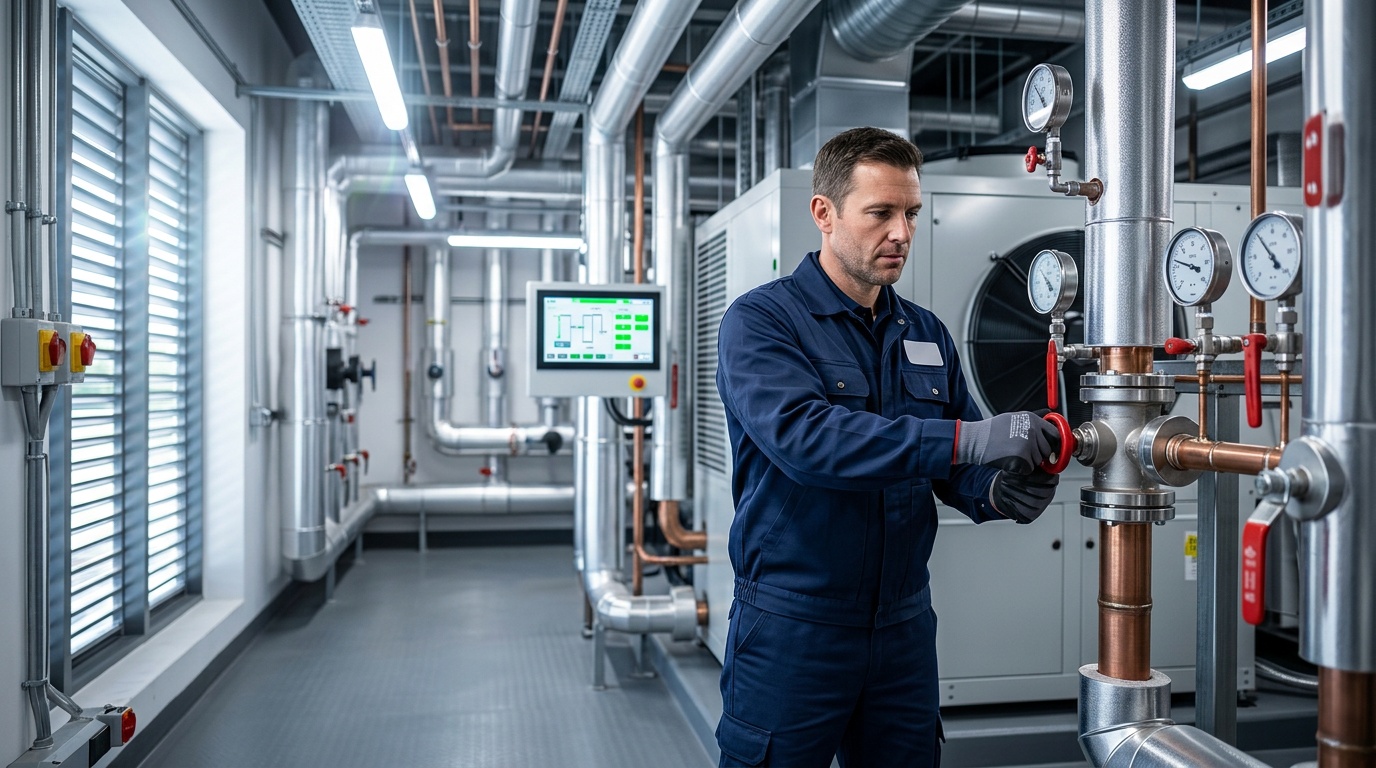
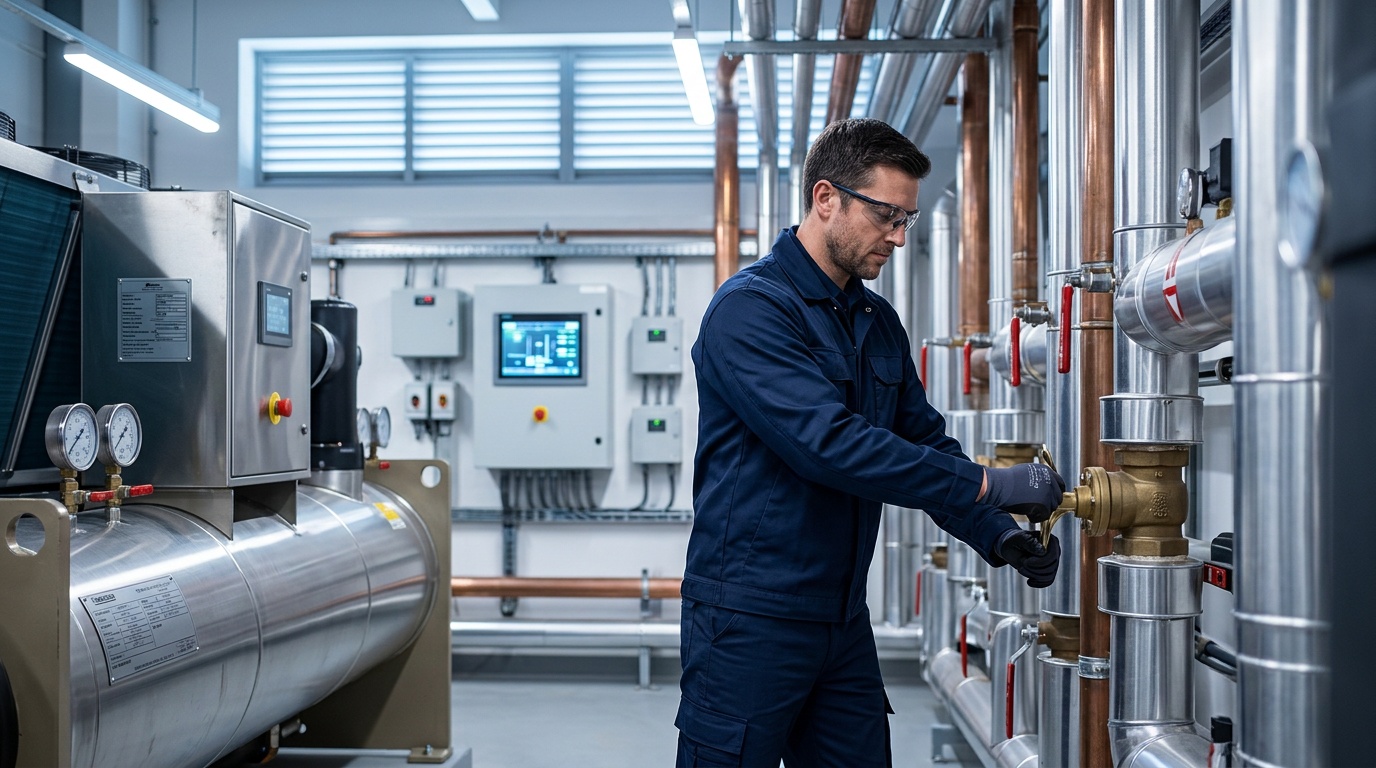
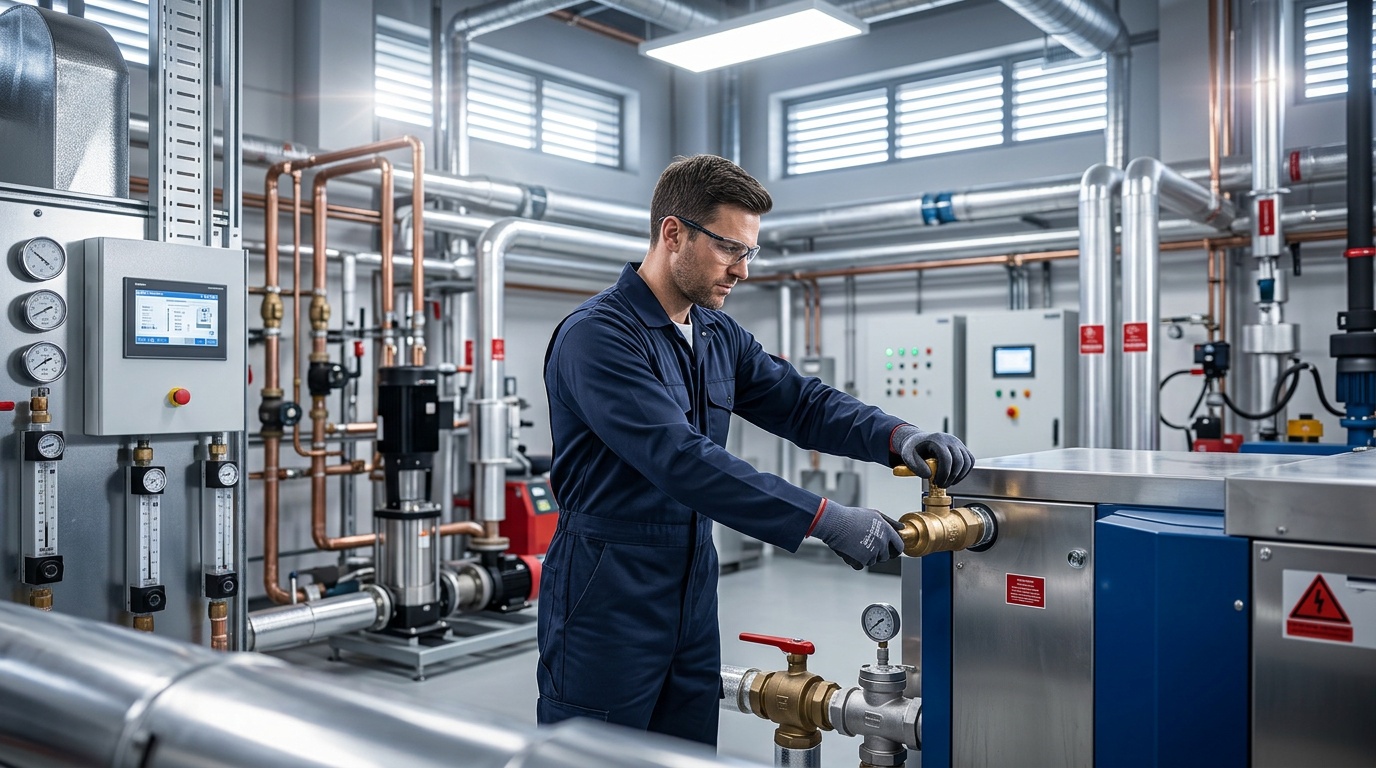
Picture this: a manufacturing plant in Birmingham loses power to a production line at 06:00 on a Monday. Every minute offline costs the client money. The industrial electrician on call isn't just fixing a fault--they're protecting revenue, compliance, and people. That's the weight of the role. And it's not for everyone.
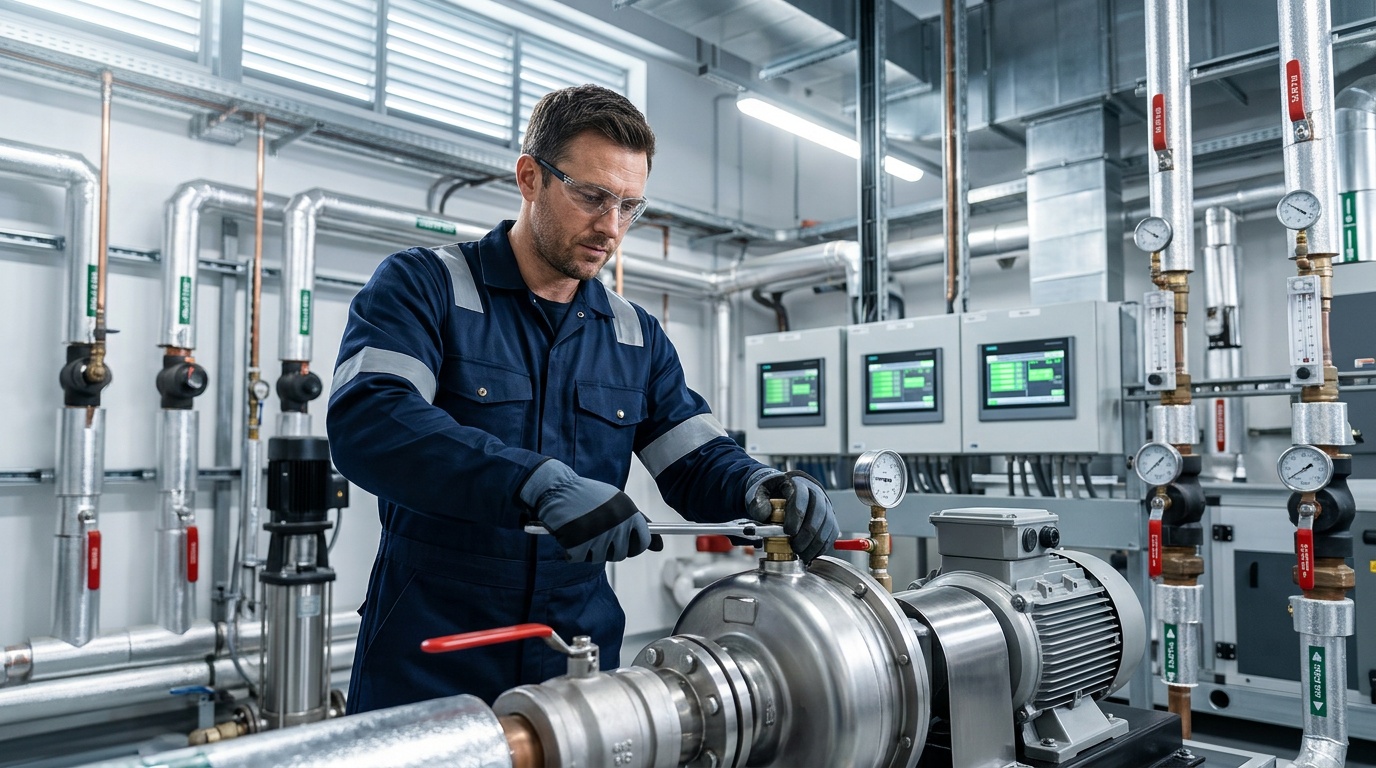
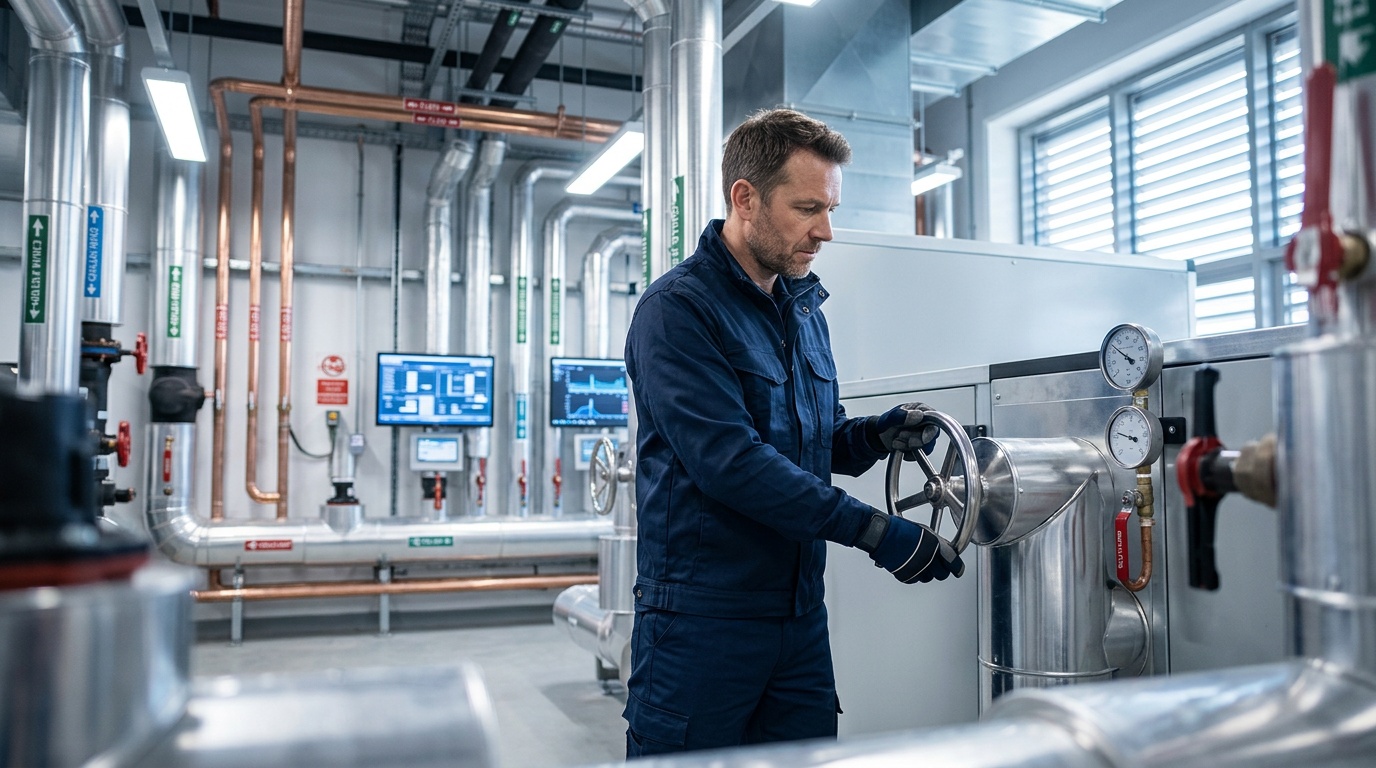
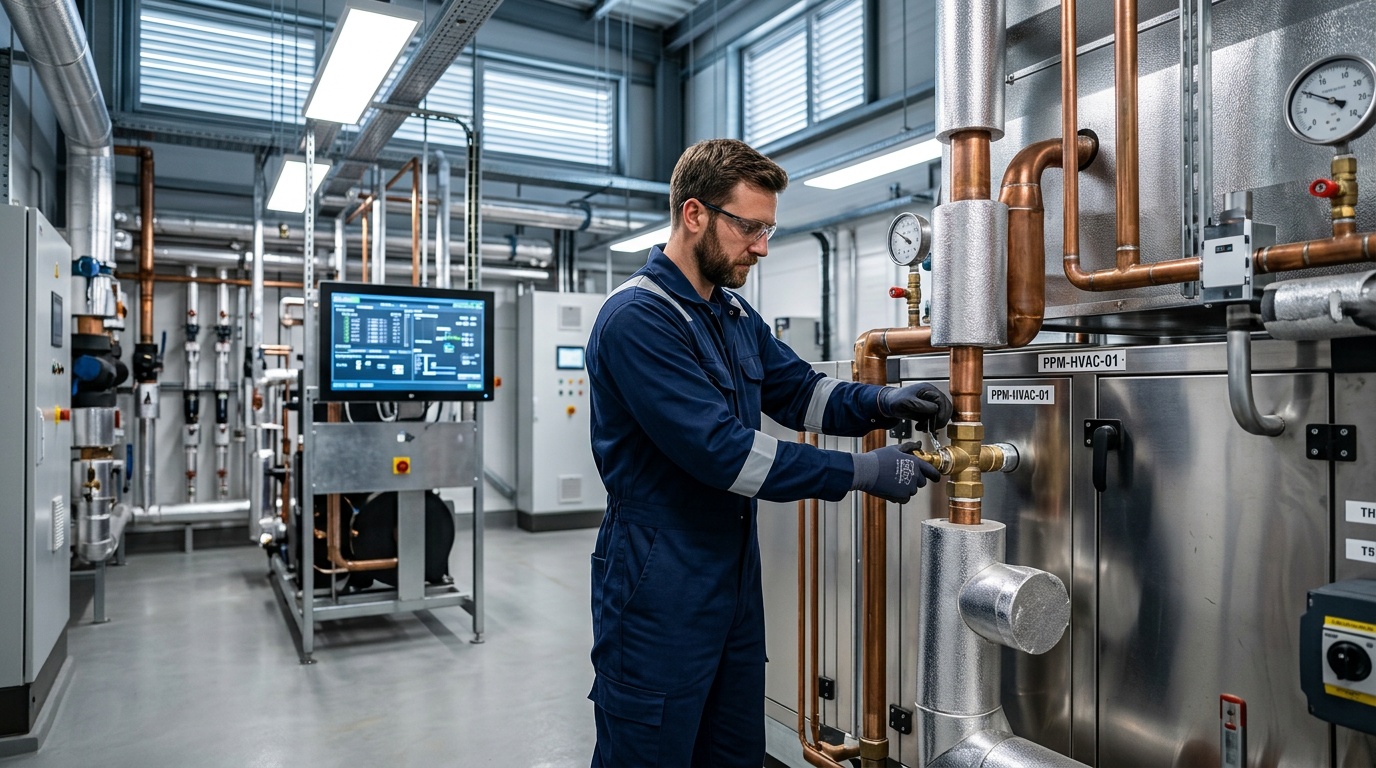
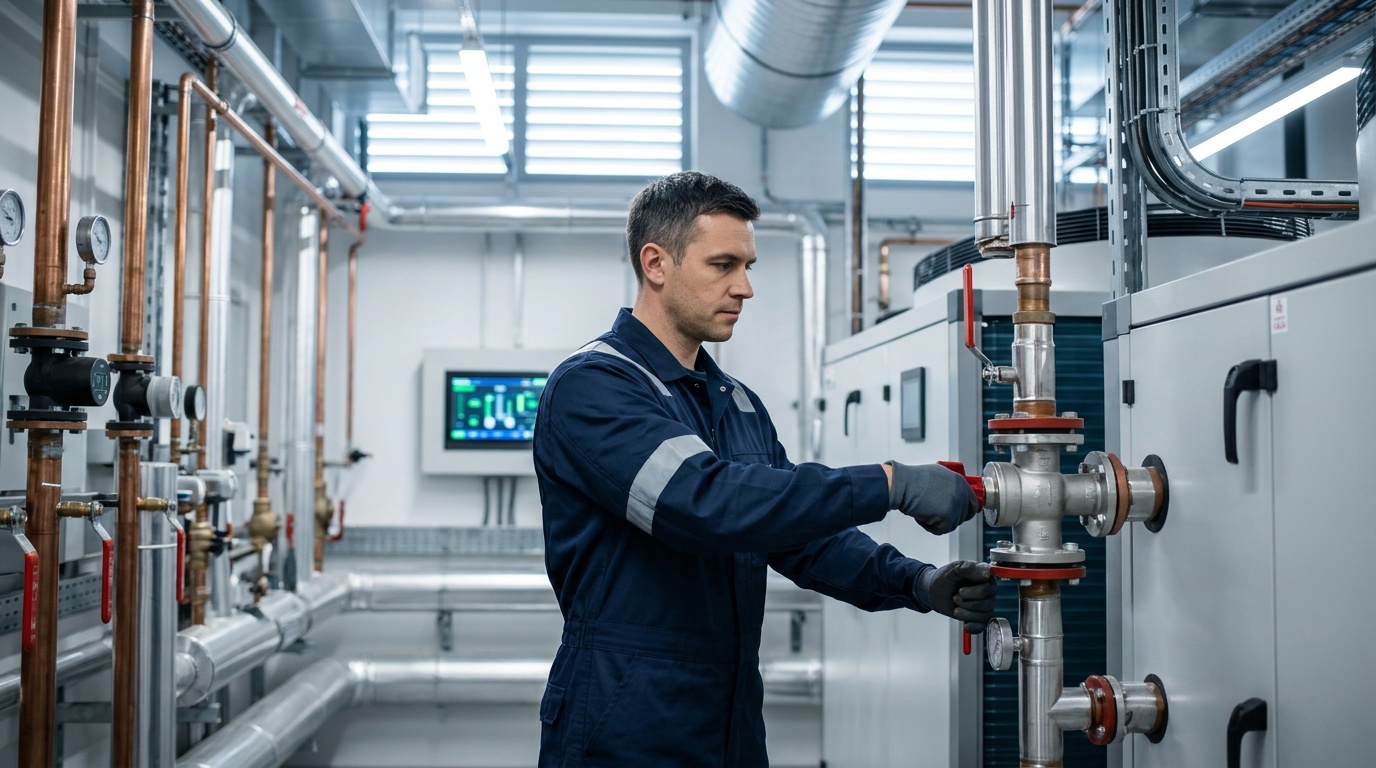
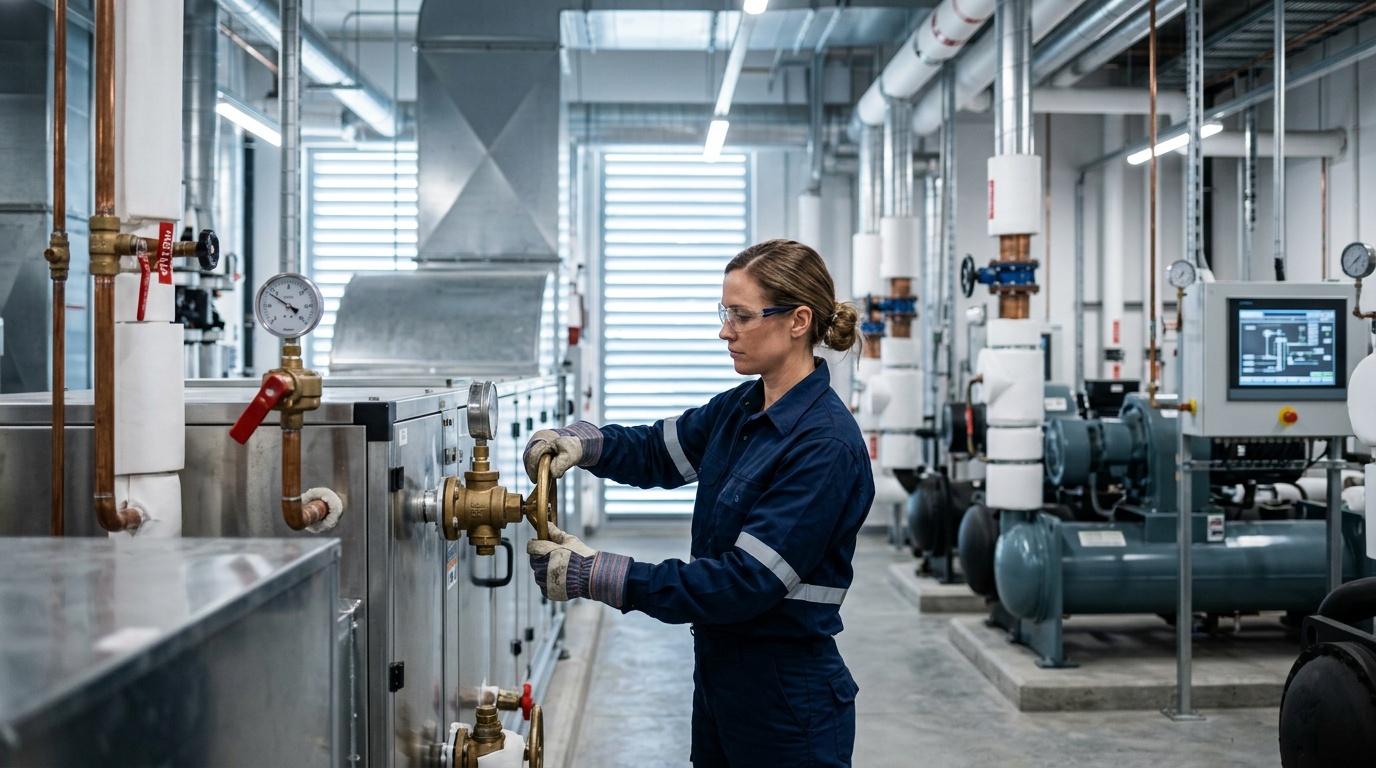
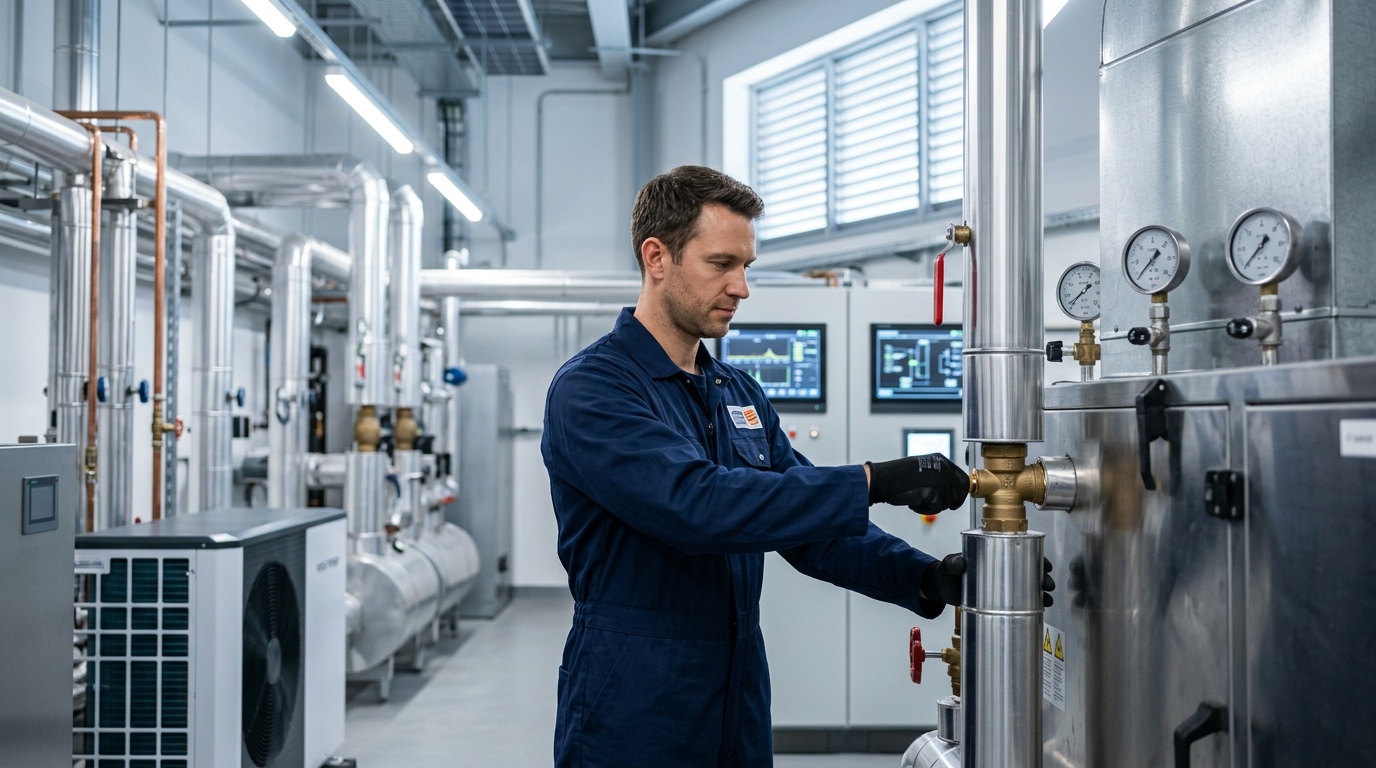
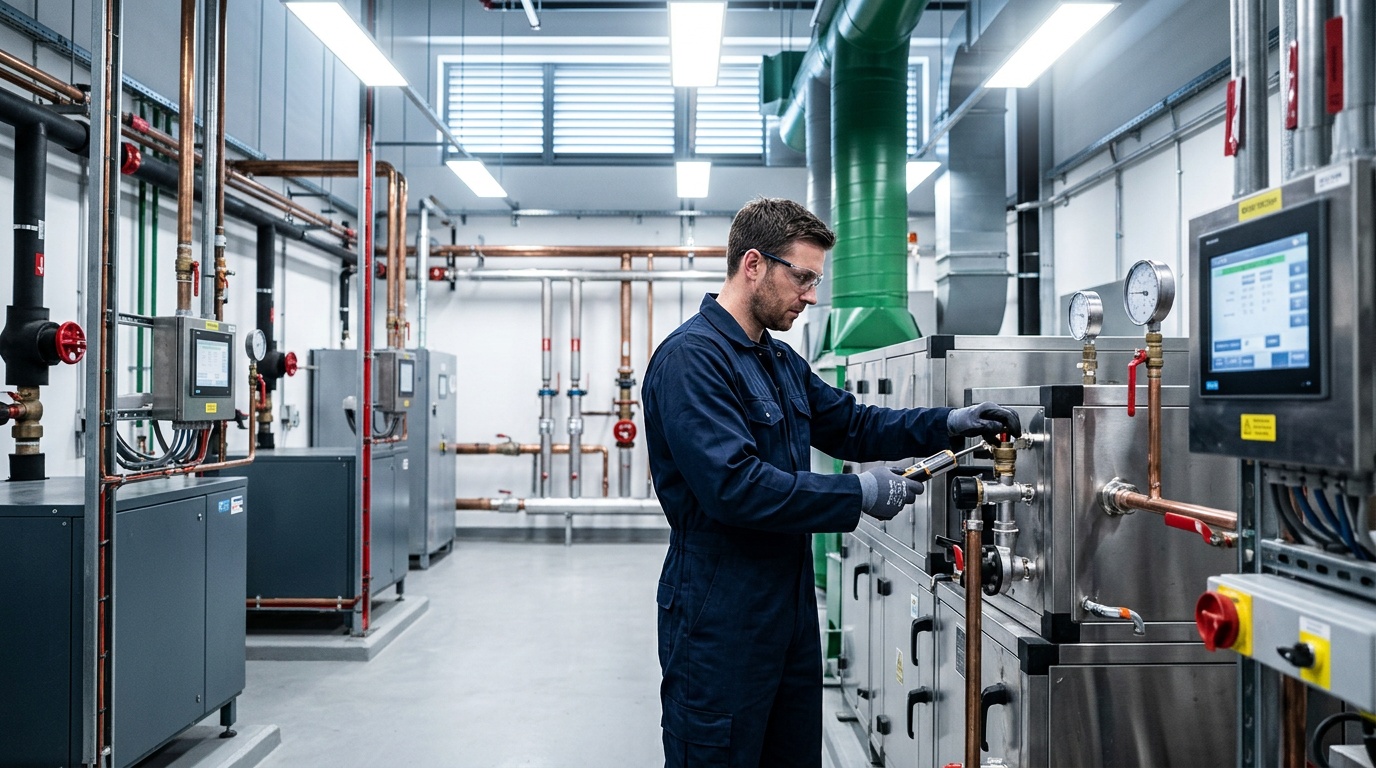
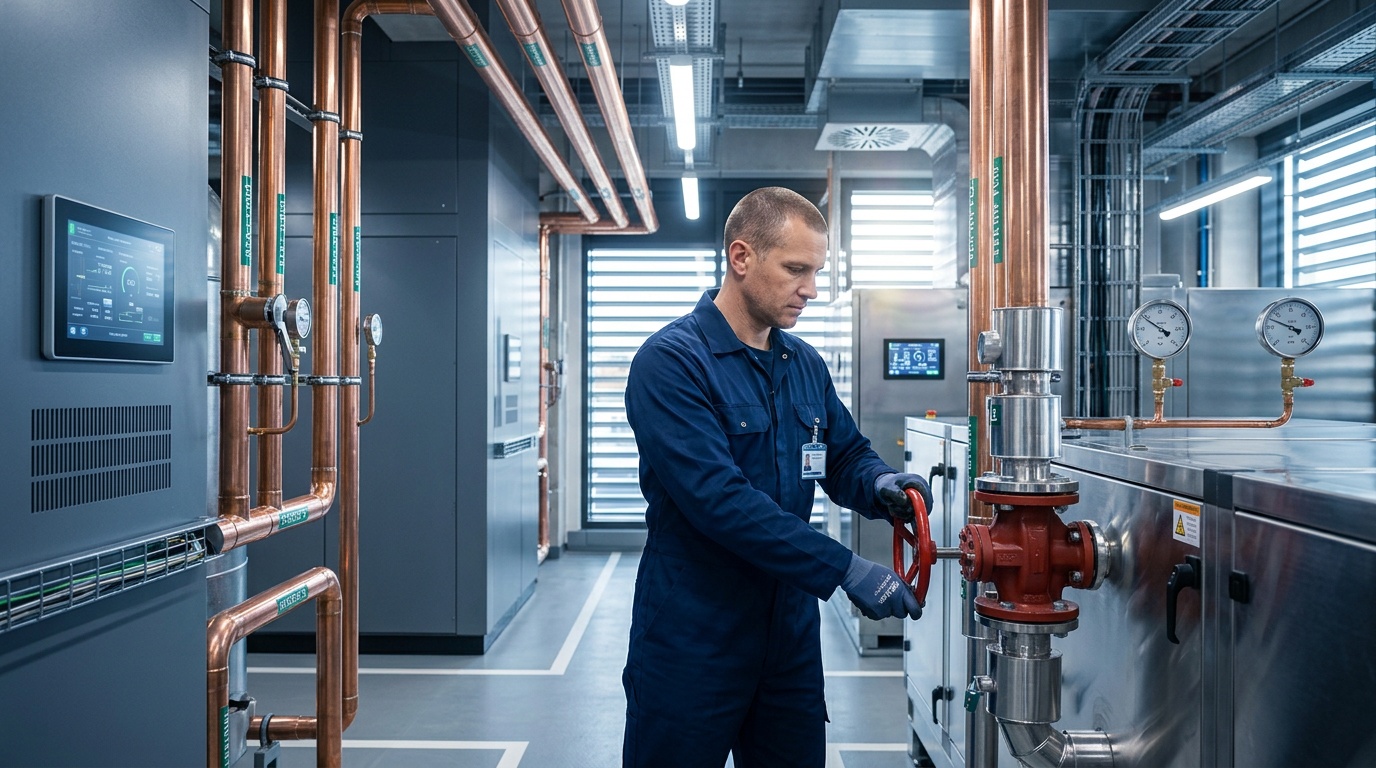
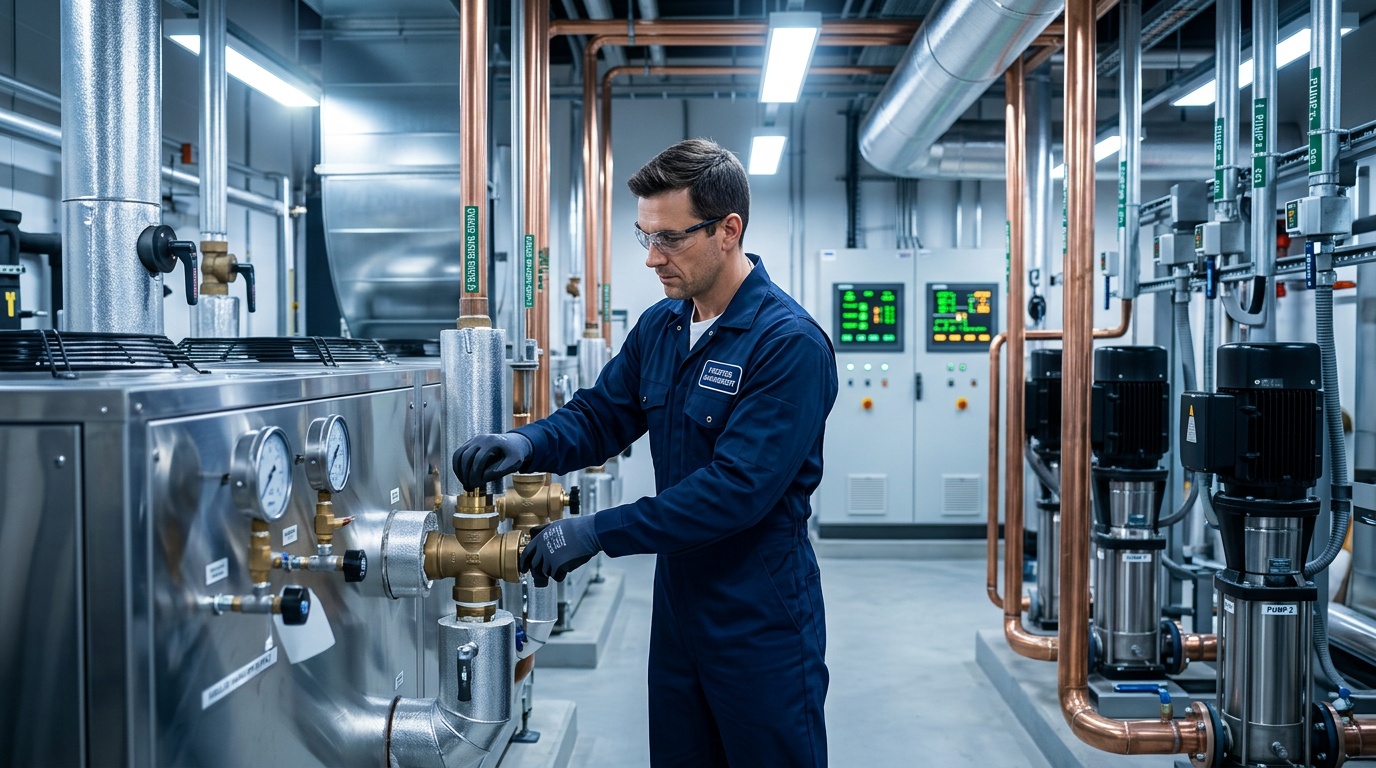
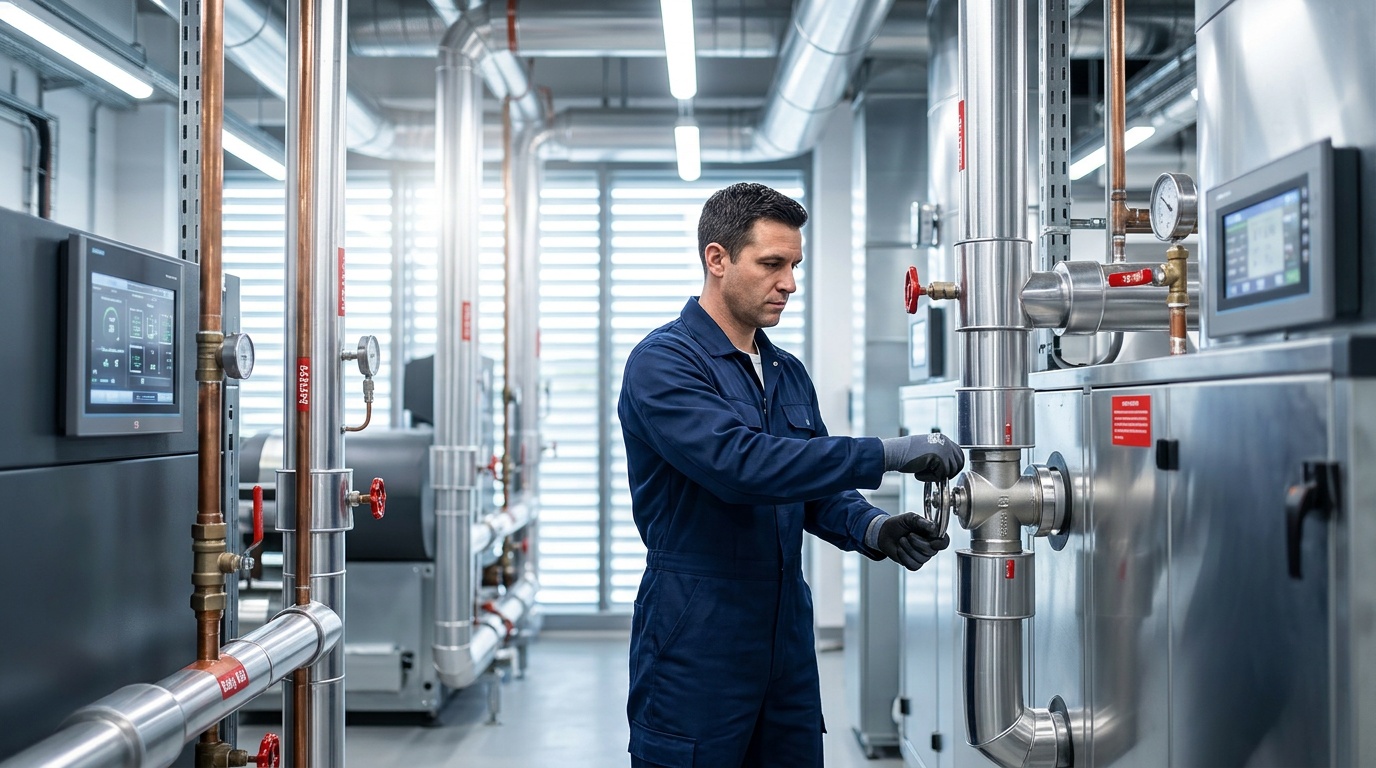
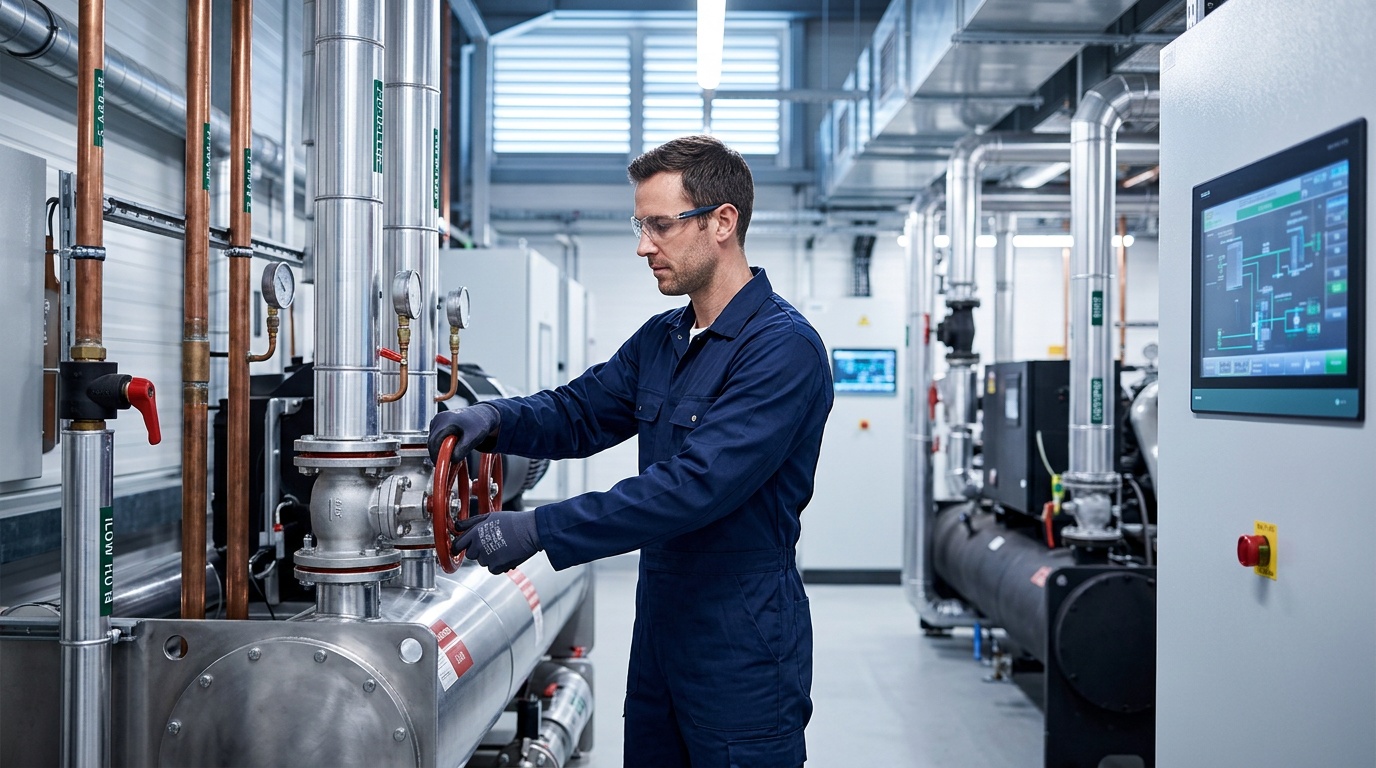
A typical day spans fault diagnosis, planned preventative maintenance (PPM) schedules, panel inspections, motor testing, and SFG20-compliant documentation. The work is technical, physical, and time-pressured. You'll work across factories, data centres, hospitals, and commercial estates--no two sites the same.
The Hidden Costs of Training and Entry
The upfront investment surprises most people. An apprenticeship takes three to four years. City & Guilds Level 3, 18th Edition wiring regulations, and inspection and testing qualifications all carry fees. Budget between £1,500 and £4,000 for qualifications outside an employer-sponsored route. Many assume trades are cheap to enter. They're not--but the return timeline is far shorter than a degree.
Stuart's Take: The engineers I rate most highly at MEMS Facilities Maintenance are the ones who invested in their qualifications early and treated every site as a classroom. The upfront cost is real. The long-term return is better.
My Journey from Apprentice to MD: What I Wish I Knew
I started as an apprentice combustion engineer. Twenty-four years later, I run a 24/7 commercial maintenance firm. What nobody told me at the start is that this trade rewards consistency over brilliance. Showing up, documenting properly, and understanding why compliance matters commercially--that's what separates the engineers who progress from those who plateau.
Industrial electrician roles sit at the intersection of technical precision and commercial consequence. Get that balance right, and the career trajectory is genuinely strong.
What Earnings Can You Expect as an Industrial Electrician?
Average Salaries and Hourly Rates Across the UK
In 2026, employed industrial electricians earn between £32,000 and £52,000 annually depending on experience and sector. JIB (Joint Industry Board) graded electricians at Approved Electrician level command £22 to £28 per hour on site. Specialist roles in high-voltage or hazardous area work can exceed £55,000.
Experience Level
Typical Annual Salary
Hourly Rate (Employed)
Apprentice / Trainee
£14,000 to £22,000
£8 to £12
Qualified (0 to 3 years)
£28,000 to £36,000
£16 to £20
Experienced (3 to 8 years)
£36,000 to £48,000
£20 to £28
Senior / Specialist
£48,000 to £60,000+
£28 to £40+
Pay by Experience, Location, and Specialisation
London commands a 15 to 25 per cent premium over Midlands rates, though the cost of living absorbs a good chunk of that gap. Birmingham and the West Midlands offer strong demand with lower living costs, making take-home pay genuinely competitive. Specialisations in data centre infrastructure, renewable energy systems, or ATEX-rated environments add meaningful pay uplifts--and that's only going to increase as decarbonisation deadlines bite harder.
Self-Employed vs Employed: Realistic Take-Home Figures
Self-employed industrial electricians billing £30 to £45 per hour look attractive on paper. Factor in public liability insurance, tool replacement, unpaid gaps between contracts, and pension contributions, and the net advantage over a well-structured employed role narrows considerably. For those starting out, an employed position with a reputable maintenance firm providing plumbing and electrical services builds the site knowledge and compliance experience that self-employment rewards later. Go self-employed too early and you're billing well but learning nothing new.
Qualifications, Training, and the Path to Getting Started
Essential Certifications and Apprenticeship Routes
Level 3 Electrotechnical Qualification (EAL or City & Guilds): The industry baseline
18th Edition Wiring Regulations (BS 7671): Non-negotiable for any UK site work
2391 Inspection and Testing: Required for signing off installations
CSCS Card: Mandatory for most commercial and industrial sites
JIB Registration: Grading that directly affects your pay scale
The Electrical Installation apprenticeship (Level 3) remains the most structured entry route, combining paid work with college attendance. Completion typically takes three to four years--and you're earning throughout.
Time and Cost Investment: Is It Worth the Upfront Effort?
Outside an employer-sponsored apprenticeship, expect to invest £1,500 to £4,000 in qualifications. That's not a small sum. But compare it to a university degree costing £27,000-plus with no guaranteed employment outcome, and the maths shifts sharply. A qualified industrial electrician is employable from day one of certification. The return on investment timeline is measurably shorter than most graduate routes--and you won't spend three years studying something that turns out to have no market.
Ongoing Training for Compliance and Green Tech Skills
SFG20 compliance standards evolve. So does the technology on commercial sites. Heat pump systems, solar PV installations, and EV charging infrastructure are now standard in commercial maintenance contracts. Engineers who add these competencies through short courses command higher day rates and greater job security. Treating training as a one-time event is the fastest route to being overtaken by someone who didn't.
Pros, Cons, and Work-Life Balance in Industrial Electrical Work
Job Security and Demand in Commercial Facilities
Commercial facilities can't function without qualified electricians. PPM contracts, compliance schedules, and 24/7/365 emergency response requirements mean demand is structural, not cyclical. Facilities management firms actively struggle to recruit experienced industrial electricians--which gives skilled engineers genuine negotiating power that most white-collar professionals don't enjoy at the same career stage.
Daily Demands, Shift Work, Overtime, and Physical Toll
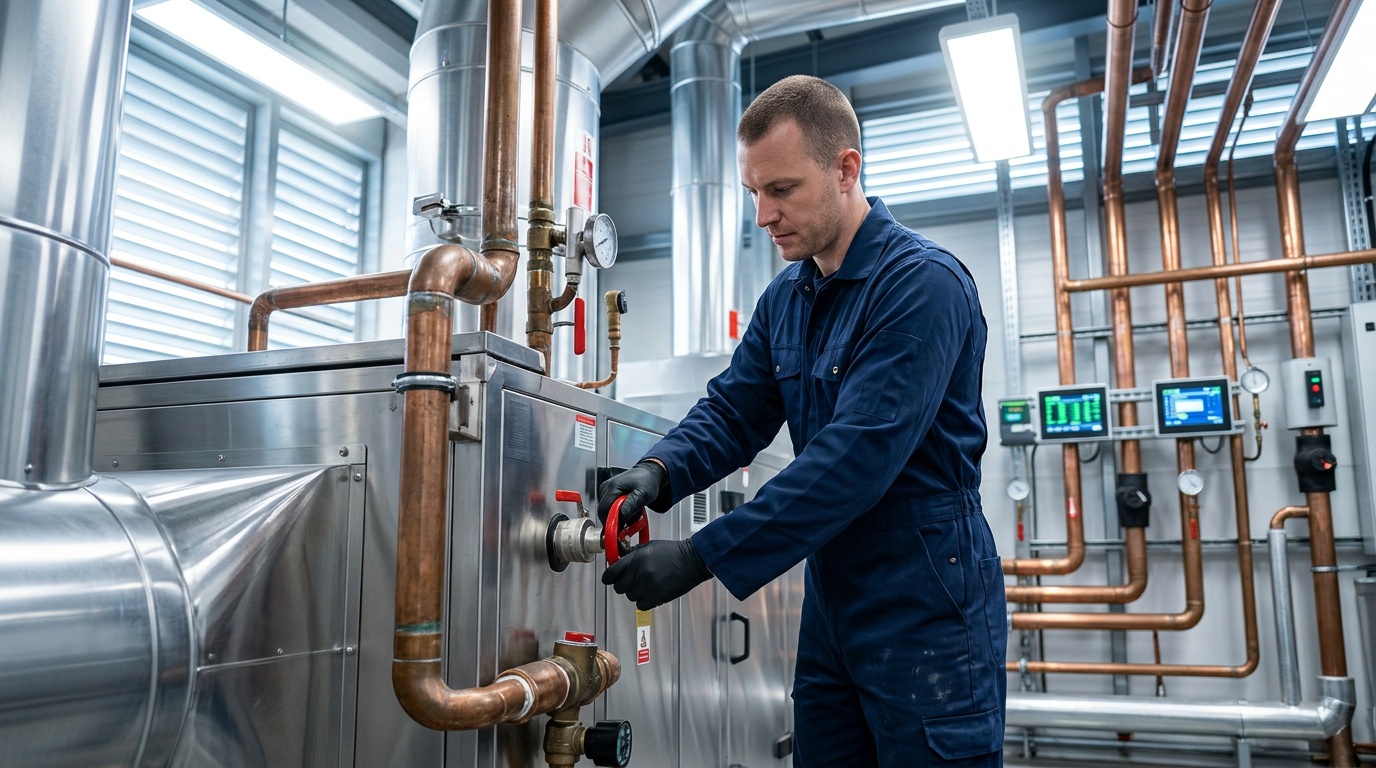
Expect early starts, occasional night work, and on-call rotas on many commercial contracts. When a site goes down, response times matter--and so does your ability to work methodically under pressure rather than panic through it. The job involves ladders, plant rooms, roof spaces, and long walks across large estates. Fitness and safe working habits aren't optional extras; they protect your longevity in the trade.
Is Industrial Electrician Work Right for You?
Pros
Strong and consistent UK demand across commercial sectors
Clear JIB pay progression tied to verifiable qualifications
Career advancement into supervisory and consultancy roles
Growing specialisation options in renewables and green tech
Shorter qualification timeline than many graduate routes
Cons
Shift work and on-call rotas regularly disrupt personal schedules
Physical demands accumulate over a long career
Upfront qualification costs without employer sponsorship are significant
High-risk environments require constant vigilance and discipline
Ongoing CPD is mandatory for many compliance-led roles
Long-Term Health and Satisfaction from an Insider View
The physical toll is real. Industrial electricians work in environments with electrical hazards, heavy machinery, confined spaces, and shift patterns that disrupt sleep cycles. Over a 30-year career, those pressures compound. Engineers who move into planned preventative maintenance roles within commercial facilities often report a meaningful step-change in conditions: regular hours, familiar sites, and the daily satisfaction of keeping complex systems running before problems develop rather than chasing breakdowns.
That satisfaction factor is underrated in most career guides. Diagnosing a fault that's baffled others, restoring power to a production facility, commissioning a new system correctly from day one--there's something deeply rewarding about work where the result is immediate and visible. Engineers who stay in the trade long-term consistently cite problem-solving and tangible outcomes as their primary motivators. If you need a quiet desk to feel fulfilled, this career will grind you down. If practical challenges with measurable outcomes are what drive you, it can sustain a career for decades.
Career Progression and the Future Worth of Industrial Electrician Roles
Advancement Paths: From Site Work to Supervisory Roles
The progression ladder for industrial electricians is well-defined. Apprentice to qualified electrician, then senior engineer, contracts supervisor, and ultimately into management or consultancy. At MEMS Facilities Maintenance, some of our most effective contracts managers started on the tools. That institutional knowledge--knowing exactly what a job entails before signing off a scope of works--is commercially invaluable. You can't replicate it with a management degree alone, and good clients can tell the difference.
Opportunities in Sustainable Tech and Commercial Maintenance
The green energy transition is creating real demand for electricians with specialist knowledge in solar PV, EV charging infrastructure, heat pump integration, and building energy management systems. These aren't niche skills any longer. UK commercial property owners face increasing pressure to decarbonise, and engineers who understand both traditional electrical systems and sustainable technology can command premium rates. At MEMS Facilities Maintenance, we vet these technologies thoroughly before recommending installation--and we need engineers who can do the same.
Is It Worth It Long-Term? My Advice for Aspiring Electricians
My honest assessment: Asking is Industrial Electrician Jobs worth it in 2026 is the right question, but the answer depends on what you value. Strong earnings, job security, a clear progression path, and work that matters to the businesses relying on your expertise--it's all there for those who commit. The skills shortage is real, the pay reflects it, and the shift towards planned preventative maintenance in commercial facilities means stable, long-term roles are multiplying. Ask yourself three things: Do you solve problems practically? Can you commit to continuous learning? Do you want work where results are visible? If yes to all three, this trade will reward you well.
Commercial facilities across Birmingham, the West Midlands, and the broader UK can't find enough qualified industrial electricians to fill PPM contracts, compliance roles, and emergency response rosters. That imbalance isn't closing any time soon--and it favours anyone entering the trade today with the right qualifications and the right attitude.
The trade rewards those who commit fully and punishes those who treat it as a fallback. The upfront investment in qualifications is real. The physical demands over a long career are real. But the earnings trajectory, job security, and progression opportunities are equally real--and measurably stronger than many graduate routes that cost three times as much to enter. No offshore equivalent is going to fix a fault on a Birmingham production line at 06:00.
Get qualified, stay current with green tech developments, and build your compliance knowledge from day one. Industrial electrician roles sit at the centre of every commercial building that needs to keep running. That's not a position that automation displaces. The trade will sustain you--if you're prepared to sustain it in return.
For the right person, absolutely. The demand for skilled industrial electricians in commercial facilities is consistently high, offering competitive salaries and strong job security. While the initial training investment and physical demands are real, the long-term career trajectory for those who commit is genuinely strong. It rewards consistency over brilliance, in my experience.
Is there a demand for industrial electricians?
Yes, there's a significant and structural demand for industrial electricians. Commercial facilities cannot operate without them, driving constant need for planned preventative maintenance, compliance checks, and 24/7 emergency response. Facilities management firms, like MEMS, actively seek experienced engineers, giving skilled professionals considerable negotiating power.
What earnings can industrial electricians expect in the UK?
In the UK, employed industrial electricians can expect to earn between £32,000 and £52,000 annually, depending on their experience and sector. Specialist roles, such as those in high-voltage or hazardous areas, can push earnings above £55,000. Consistent progression and specialisation lead to very competitive pay.
How can an industrial electrician earn a high salary in the UK?
To reach the higher end of the salary scale, focus on continuous training and specialisation. Adding competencies in areas like data centre infrastructure, renewable energy systems, or ATEX-rated environments significantly increases your value. Consistent performance, proper documentation, and understanding commercial compliance are also key differentiators for career progression and higher earnings.
What are the main challenges of becoming an industrial electrician?
The main challenges include a significant upfront investment in training, typically a three to four-year apprenticeship, and the associated qualification fees. The work itself is technically demanding, physically strenuous, and often time-pressured, requiring a strong commitment. It's a role that rewards consistency and a willingness to treat every site as a classroom.
"
About Stuart Butcher
Founder & Managing Director | M&E Maintenance Solutions
Stuart Butcher is the Founder and Managing Director of M&E Maintenance Solutions. A ""boots-on-the-ground"" leader, Stuart began his career as an apprentice combustion engineer, spending over 24 years mastering the trade before building a premier maintenance firm. He operates at the intersection of technical engineering precision and commercial asset management.
Driven by the philosophy that maintenance is cheaper than repair, Stuart works with Facility Managers and Building Owners across Birmingham, the Midlands, and the UK to ensure 24/7/365 compliance and uptime. He established M&E Maintenance Solutions to provide the technical capability of a large corporate provider while maintaining the personal accountability of a family-run business.
Last reviewed: March 6, 2026 by the M&E Maintenance Solutions Limited Team
Pricing for M&E preventive maintenance.
What Is Pricing for M&E Preventive Maintenance?
Pricing for M&E preventive maintenance covers the scheduled cost of keeping your commercial building's mechanical and electrical systems--primarily HVAC--operating safely and efficiently before failures occur. It's structured around planned visits, compliance checks, and asset servicing rather than emergency call-outs.
Most commercial FM contracts price PPM (Planned Preventive Maintenance) on three variables: asset count, visit frequency, and compliance scope. A single rooftop air handling unit serviced quarterly costs far less annually than an emergency compressor replacement. That's the financial reality every facilities manager needs to understand before signing a contract.
Engineering Reality: Pricing for M&E preventive maintenance is not an overhead; it's a risk-management instrument. The cost of a PPM contract is fixed and predictable. The cost of reactive failure is neither.
Committing to a fixed PPM schedule locks in your maintenance spend and eliminates the financial shock of unplanned breakdowns. Think of it like insuring a fleet of vehicles: you pay a known premium, or you absorb an unknown repair bill. Facilities running under structured M&E Maintenance Solutions contracts consistently see fewer emergency call-outs, reduced energy drift, and cleaner compliance records.
Pros and Cons of Preventive Maintenance Contracts
Pros
Predictable annual spend with no surprise invoices
SFG20-compliant servicing protects your legal position
Certified engineers familiar with your specific assets
Gas Safe, REFCOM, and F-Gas documentation issued promptly
Energy efficiency maintained, reducing utility costs
Cons
Upfront contract commitment required
Poor-quality providers may underdeliver on visit scope
How to Evaluate Pricing for M&E Preventive Maintenance
Not all PPM quotes are equal. Price varies significantly based on what's actually included--and the gaps in a cheap contract only become visible when something goes wrong. Before accepting any quote, ask these direct questions:
Asset register accuracy: Is every HVAC unit, heat pump, and ventilation asset listed? Vague contracts produce vague service.
Visit frequency vs SFG20 schedule: Does the proposed frequency meet the SFG20 standard for each asset type? If the provider can't confirm this, walk away.
Certification turnaround: Gas Safe and F-Gas certificates should reach you within 24 hours of each visit. Anything slower is a compliance liability.
Engineer continuity: Rotating engineers miss building-specific faults. Insist on consistent, named coverage.
Inclusions vs exclusions: Confirm whether parts, consumables, and minor repairs are included in the contract price or billed separately.
M&E Maintenance Solutions HVAC Services, certified to ISO 9001, Gas Safe, REFCOM, and SafeContractor standards, structures its pricing around full asset transparency. Every visit is logged, every certificate is issued promptly, and every engineer knows the building they serve.
Contract Length Considerations
Twelve-month rolling agreements give you flexibility, but multi-year contracts often carry discounted rates. Weigh the saving against the risk of being locked into a provider who underdelivers. Any reputable firm will be comfortable with performance review clauses written into the agreement. If they push back on that, it tells you something.
The Right Question to Ask: Don't ask "What is your cheapest PPM rate?" Ask "What does this price cover, and how do you evidence it?" The answer tells you everything about the provider's standards.
Frequently Asked Questions
What does a typical M&E preventive maintenance contract cost annually?
Pricing for M&E preventive maintenance varies by asset count, building size, and visit frequency. A small commercial unit with basic HVAC may start from a few hundred pounds per year; a multi-asset facility will require a bespoke quote. Always compare scope, not headline price.
Is PPM pricing fixed or variable?
Reputable contracts fix the core service price annually. Parts and consumables may be billed separately unless explicitly included. Confirm this before signing.
How does SFG20 affect my maintenance costs?
SFG20 sets the minimum service frequency and task scope for each asset type. Providers who adhere to it may quote slightly higher visit frequencies, but this reflects genuine compliance, not padding. Cutting below SFG20 thresholds creates legal exposure.
Why choose M&E Maintenance Solutions for commercial PPM?
Founded in 2007, M&E Maintenance Solutions holds ISO 9001, Gas Safe, REFCOM, and SafeContractor certifications. Every contract is built on a verified asset register, with prompt certification issuance and consistent engineer coverage across the UK. That is the standard against which all PPM pricing should be measured.
The Commercial Case: Making Your PPM Budget Work
Every facilities manager who's dealt with a mid-winter boiler failure or a failed compressor during peak trading already knows the answer to this question. Pay a controlled, known amount now--or absorb an uncontrolled, unknown cost later. There's no third option.
Two pressures will push M&E maintenance costs upward in 2026 for any facility without a structured contract in place. First, F-Gas refrigerant phase-downs continue to tighten supply, driving up parts costs on reactive repairs. Second, energy performance expectations--from both legislation and occupiers--are rising sharply. Facilities running poorly maintained HVAC will face higher utility bills and potential compliance scrutiny at the same time.
A well-structured PPM plan addresses both directly. Certified, scheduled servicing keeps refrigerant systems sealed and efficient, and keeps your asset register audit-ready before anyone asks to see it.
Final Verdict: The right PPM contract is not the cheapest one. It's the one that covers everything, evidences everything, and is delivered by engineers who treat your building as a priority rather than a postcode. That's the standard M&E Maintenance Solutions has built its reputation on since 2007.
For guidance on ensuring your maintenance complies with current standards, refer to the official Building Regulations Approved Documents, which outline essential legislative requirements for commercial premises.
Implementing a well-structured PPM plan is a cornerstone of effective preventive maintenance practice, reducing equipment downtime and extending asset life significantly.
The Health and Safety Executive also provides comprehensive resources on maintenance operations and safety protocols--worth a read for any facilities manager who wants to stay ahead of their obligations.
What determines the cost of M&E preventive maintenance for commercial buildings?
Pricing for M&E preventive maintenance is structured around three main variables: the number of assets, how often visits are needed, and the scope of compliance required. It's about planned visits and checks for your HVAC and electrical systems, not emergency call-outs. A bespoke quote ensures all your specific assets are covered properly and predictably.
How should I evaluate a quote for an M&E preventive maintenance contract?
When evaluating a quote, always ask about the accuracy of the asset register, if visit frequency meets SFG20 standards, and the turnaround time for certifications like Gas Safe. Also, confirm engineer continuity and what inclusions or exclusions, such as parts, are part of the contract price. This ensures you understand the full scope and avoid hidden costs.
Is pricing for M&E preventive maintenance an overhead or a risk management tool?
From my experience, M&E preventive maintenance pricing is not an overhead, it's a risk management instrument. The cost of a PPM contract is fixed and predictable, protecting your budget from the unknown and uncontrolled costs of reactive failures. It's about planning ahead to avoid costly surprises and maintain operational continuity.
What are the benefits of a structured M&E preventive maintenance contract?
A structured PPM contract offers predictable annual spend, eliminates financial shocks from unplanned breakdowns, and ensures SFG20-compliant servicing to protect your legal position. It also maintains energy efficiency, reducing utility costs, and provides prompt compliance documentation. This proactive approach saves money and headaches for facilities managers.
What is the most important question to ask a potential M&E maintenance provider?
Don't just ask for the cheapest rate. The right question is, "What does this price cover, and how do you evidence it?" This approach forces transparency and reveals the provider's standards, ensuring you get a comprehensive service rather than a deferred liability. It helps you understand the true value behind the quote.
How does SFG20 impact the cost of M&E preventive maintenance?
SFG20 sets the minimum service frequency and task scope for each asset type, ensuring genuine compliance and proper care. Providers adhering to SFG20 may quote slightly higher frequencies, but this reflects the necessary work, not padding. Cutting below these thresholds creates legal exposure and can lead to bigger problems down the line, costing more in the long run.
What should I consider regarding contract length for M&E preventive maintenance?
While 12-month rolling agreements offer flexibility, multi-year contracts often come with discounted rates. Weigh the potential savings against the risk of being tied to an underperforming provider. Any reputable firm will be comfortable with performance review clauses written into the agreement to protect your interests.
"
About Stuart Butcher
Founder & Managing Director | M&E Maintenance Solutions
Stuart Butcher is the Founder and Managing Director of M&E Maintenance Solutions. A ""boots-on-the-ground"" leader, Stuart began his career as an apprentice combustion engineer, spending over 24 years mastering the trade before building a premier maintenance firm. He operates at the intersection of technical engineering precision and commercial asset management.
Driven by the philosophy that maintenance is cheaper than repair, Stuart works with Facility Managers and Building Owners across Birmingham, the Midlands, and the UK to ensure 24/7/365 compliance and uptime. He established M&E Maintenance Solutions to provide the technical capability of a large corporate provider while maintaining the personal accountability of a family-run business.
Last reviewed: March 5, 2026 by the M&E Maintenance Solutions Limited Team
is Building Fabric Repairs & Maintenance worth it
Is building fabric repairs and maintenance worth it? Every pound withheld from planned fabric maintenance is borrowed against a far larger emergency bill. A single ignored roof leak can escalate from an £800 planned repair to £15,000 in water damage, structural remediation, and mould clearance within six months. The question is not whether you can afford proactive maintenance; it is whether you can afford to skip it.
The Silent Cost of Neglect: Why Building Fabric Fails Without Strategy
Fabric deterioration does not announce itself. A hairline crack in pointing, a degraded window seal, a slightly lifted roof membrane: each is easy to dismiss in isolation. Together, they form a cascade. Water ingress follows. Insulation saturates. Structural timbers rot. By the time the damage is visible from the inside, you are already managing a crisis rather than preventing one.
The Numbers Do Not Lie: Emergency reactive repairs consistently cost three to four times more than equivalent planned work. You pay premium call-out rates, expedited materials, and often bear the additional cost of business interruption while the building is made safe.
Compliance exposure compounds the financial risk. Neglected fabric can breach fire safety regulations, building insurance conditions, and landlord statutory obligations simultaneously. A single enforcement notice does not just cost money; it can halt operations entirely.
Planned Preventative Maintenance: The Numbers Behind the Investment
Facilities managed under structured Planned Preventative Maintenance (PPM) programmes typically see a 40 to 60 per cent reduction in total maintenance spend within two years. The mechanism is straightforward: small interventions at the right time prevent large failures at the worst time. Predictable quarterly or annual spend replaces unpredictable emergency spikes that destroy budget forecasts.
Lifecycle planning is the discipline that makes this possible. Roofs have a 15 to 25-year lifespan when maintained correctly. Masonry performs for 30 to 50 years with appropriate repointing and weatherproofing. Decorative finishes require attention every five to ten years. Knowing these windows lets you schedule expenditure strategically rather than react to failure. That shift alone--from reactive to planned--is where the real financial gains are made.
The Real ROI: Asset Value, Compliance, and Occupant Experience
Consider the numbers from a pure asset perspective. A commercial office block investing £40,000 in PPM over three years can realistically return £180,000 in energy savings through improved insulation and window performance, avoid £150,000 in emergency structural repair, and improve lease renewal rates through demonstrably better building condition. Well-maintained fabric directly justifies premium rents and reduces tenant churn. That is not a maintenance outcome--that is a commercial one.
Modern fabric upgrades--improved glazing, cavity insulation, green roof systems--cut utility costs materially. Beyond energy, occupant health and safety depend on fabric integrity. Mould from water ingress, structural movement, and compromised fire compartmentation are all fabric failures with serious human consequences. You cannot separate the building's physical condition from the people inside it.
Refurbishment vs. Replacement: The Carbon and Cost Case
Façade refurbishment typically costs around five per cent of full replacement. That differential alone makes the case. Add the embodied carbon argument: retaining and restoring existing fabric avoids the demolition waste and manufacturing emissions associated with a full strip-out. Choosing refurbishment over replacement can cut embodied carbon by up to 80 per cent. For ESG-conscious property owners, this is no longer a secondary consideration--it is appearing in investor and tenant due diligence.
Programme duration matters commercially too. A refurbishment causes significantly less business interruption than a structural replacement. The decision framework is simple enough: repair when integrity remains sound, upgrade when performance is the deficit, replace only when structural life is genuinely exhausted. Get that sequencing right and you avoid a great deal of unnecessary spend.
From Inspection to Action: Building a Maintenance Plan That Works
Inspection without action is theatre. A structured programme needs scheduled internal and external surveys, a condition register updated after every visit, and a rolling five-year budget allocation with contingency headroom of 15 to 20 per cent for unforeseen defects. Without that framework, you are just collecting observations and hoping nothing goes wrong between visits.
Ask your FM provider these questions directly: Do you provide a written condition report after every inspection? Can you show a lifecycle cost projection for my building fabric? Is your compliance documentation delivered digitally within 24 hours? If the answers are vague, your strategy is at risk--regardless of how competitive their day rate looks.
Founded in 2007, M&E Maintenance Solutions Limited operates on a single principle: the right fix, done properly, the first time. Our engineers maintain continuity across sites--the person who inspected your building last quarter knows its specific characteristics this quarter. You do not need to brief a stranger during a crisis. That continuity is not a small thing. It is the difference between a partner and a contractor.
MEMS Approach
Compliance certificates delivered within 24 hours
ISO 9001, Gas Safe, and REFCOM F-Gas certified
24/7/365 availability: breakdowns do not work 9 to 5
Consistent engineer assigned to your site
Typical Large FM Provider
Compliance paperwork delayed or fragmented
Rotating engineers with no site knowledge
Reactive-first culture with slow mobilisation
You are an account number, not a partner
The clients who have trusted us with their assets for over a decade already know where they stand. Building Fabric Repairs & Maintenance is a specialised discipline--and it rewards providers who treat it that way.
The Verdict: A Commercial Decision, Not a Maintenance Question
The answer sits not in your maintenance budget but in your asset strategy. Every commercial building depreciates. The only variable is whether that depreciation is managed or surrendered. Structured fabric maintenance converts an unavoidable cost into a controlled, predictable investment with measurable returns across energy performance, compliance standing, and asset value.
The numbers referenced throughout this article are not theoretical. A 40 to 60 per cent reduction in total maintenance spend under PPM is an industry-documented outcome. Façade refurbishment at five per cent of replacement cost is a real differential. Embodied carbon savings of up to 80 per cent from retention over demolition are quantified and increasingly relevant to ESG reporting obligations. These figures represent genuine financial decisions available to any facility manager willing to shift from reactive to planned. I've seen the difference that shift makes, site by site, across nearly two decades.
What Forward-Thinking Facility Managers Are Planning Now
Building regulations are tightening. Energy Performance Certificate requirements for commercial leases are moving upward, and fabric performance sits at the centre of compliance. Buildings with poor insulation, degraded glazing, or compromised air tightness will face increasing pressure from both regulators and occupiers. Addressing fabric performance now, before legislative deadlines create demand spikes and inflated contractor rates, is the commercially intelligent position.
Sustainability reporting is no longer optional for many commercial landlords. Embodied carbon, operational energy, and occupant wellbeing metrics are appearing in investor and tenant due diligence. A well-documented fabric maintenance programme--with condition registers and lifecycle projections--becomes a demonstrable asset rather than a back-office record. That documentation is the difference between a building that commands a premium and one that attracts scrutiny.
The Strategic Shift: Fabric maintenance is moving from a facilities function to a board-level asset management decision. The facility managers who recognise this now will be presenting strong asset valuations in three years, not emergency repair invoices.
Choosing the Right Partner Makes the Difference
A poorly executed PPM programme delivers the cost without the protection. Engineer continuity, documented compliance, and genuine accountability separate a strategic partner from a contractor who turns up when called. Get those fundamentals wrong and you will spend the money without capturing the return.
M&E Maintenance Solutions Limited, founded in 2007 and operating across the UK, was built on exactly this principle. ISO 9001 certified, Gas Safe registered, and REFCOM F-Gas accredited, M&E brings the compliance rigour and site continuity that large, faceless FM providers consistently fail to deliver. Big enough to cope with complex commercial demands; small enough to know your building by name.
Your next step is straightforward: arrange a building fabric survey, establish your condition baseline, and build a five-year plan with a partner who will still be accountable for the outcome. Contact the MEMS team today on 0121 380 5630 or email [email protected] to get that process started. A structured cost-benefit analysis of maintenance can help you quantify the investment and build the internal case for a planned approach.
The balance of building performance vs cost-benefit analysis is subtle but not complicated once you have the right data in front of you. Cost-effective repairs combined with long-term performance gains ensure your fabric investment translates into tangible value rather than short-term expenses.
Frequently Asked Questions
What is the expected lifespan of building fabric components?
From my experience, when properly maintained, a commercial building's fabric components have predictable lifespans. Roofs can last 15 to 25 years, and masonry, with appropriate repointing and weatherproofing, often performs for 30 to 50 years. Even decorative finishes need attention every five to ten years to keep things looking sharp and protected.
What are the disadvantages of neglecting building fabric maintenance?
Ignoring small issues with your building fabric is a false economy. A minor leak can quickly become extensive water damage, structural problems, and mould, costing many times more than a planned repair. Beyond the financial hit, you risk business interruption and serious compliance breaches, which can halt operations entirely.
Is building fabric repairs and maintenance a worthwhile investment for commercial properties?
Absolutely, it's a sound commercial decision. Proactive building fabric maintenance protects your asset value, ensures compliance, and improves the occupant experience. We've seen investments in planned preventative maintenance return significant savings in energy costs and avoid far larger emergency repair bills, directly justifying premium rents.
How do planned preventative maintenance and major refurbishment differ?
Planned preventative maintenance, or PPM, involves regular, smaller interventions to prevent major failures before they happen. Refurbishment, on the other hand, is a larger project focused on upgrading or restoring significant components, like a facade, to extend their life and improve performance. Refurbishment is often a cost-effective alternative to full replacement, saving both money and embodied carbon.
What happens if building fabric deterioration is ignored?
Ignoring even a hairline crack or a degraded window seal sets off a chain reaction. Water ingress follows, saturating insulation and rotting structural timbers. By the time you see visible damage inside, you're no longer preventing an issue, you're managing a full-blown crisis, which is always more expensive and disruptive.
How does planned preventative maintenance (PPM) save money for property owners?
PPM is about making small, timely interventions that stop large, expensive failures from occurring. This approach typically reduces total maintenance spend by 40 to 60 percent within two years. It replaces unpredictable emergency costs with predictable quarterly or annual spending, which is much better for budget forecasting and overall financial health.
"
About Stuart Butcher
Founder & Managing Director | M&E Maintenance Solutions
Stuart Butcher is the Founder and Managing Director of M&E Maintenance Solutions. A ""boots-on-the-ground"" leader, Stuart began his career as an apprentice combustion engineer, spending over 24 years mastering the trade before building a premier maintenance firm. He operates at the intersection of technical engineering precision and commercial asset management.
Driven by the philosophy that maintenance is cheaper than repair, Stuart works with Facility Managers and Building Owners across Birmingham, the Midlands, and the UK to ensure 24/7/365 compliance and uptime. He established M&E Maintenance Solutions to provide the technical capability of a large corporate provider while maintaining the personal accountability of a family-run business.
Last reviewed: March 5, 2026 by the M&E Maintenance Solutions Limited Team
Affordable 24/7 HVAC emergency services.
Affordable 24/7 HVAC emergency services are not about finding the cheapest call-out rate. They're about having a maintenance partner who prevents most emergencies from occurring in the first place--and who responds within agreed SLA windows when they do. This guide gives facility managers the tools to achieve both.
The Hidden Costs of HVAC Breakdowns in Commercial Buildings
Why Out-of-Hours Failures Hit Your Bottom Line Hardest
An HVAC failure at 11 pm on a Friday is not a maintenance problem. It's a business continuity crisis. Emergency call-out rates outside standard hours carry significant premiums, parts sourced overnight cost more, and your building may be unfit for occupation by Monday morning. I've seen this scenario play out dozens of times across the West Midlands--and every time, the cost was predictable and avoidable. Affordable 24/7 HVAC emergency services only deliver real value when the contract is structured correctly before the failure happens.
Real-World Example: A Midlands Retail Centre's Summer Meltdown
A retail centre in the West Midlands lost its primary air handling unit during a July heatwave. No PPM agreement was in place. The centre paid emergency call-out premiums, sourced a replacement fan motor at short notice, and lost two full trading days while the repair was completed. Total cost: over £14,000. A quarterly PPM visit--costing a fraction of that--would have flagged the failing motor bearing months earlier. That's not hindsight. That's what structured maintenance catches every time.
Engineering Reality: Reactive maintenance is never cheaper than planned maintenance. The emergency premium alone typically triples the cost of a scheduled repair.
The True Price Tag of Delaying Planned Preventative Maintenance
Skipping a PPM visit saves a line item on this quarter's budget. What it actually does is transfer a much larger cost into next quarter--with interest. Compressor burnout, refrigerant leaks triggering REFCOM obligations, heat exchanger fouling: all directly traceable to missed service intervals. Protecting your assets and your people starts with a maintenance schedule, not an emergency hotline.
Spotting HVAC Emergencies Before They Shut You Down
Top Signs of Imminent Commercial HVAC Failure
Your system communicates before it collapses. Unusual noise from fan coil units, inconsistent zone temperatures, rising energy consumption without increased occupancy, refrigerant odours--these are all pre-failure indicators. If your BMS is logging repeated fault codes that reset without investigation, treat that as a structural warning. Not a nuisance alarm. An experienced engineer reads those patterns the way a doctor reads an ECG: quietly, until they aren't.
Common Breakdowns in UK Office and Retail Systems
UK commercial buildings predominantly run VRF/VRV systems, chilled water plants, and split systems. The most common failure points are blocked condensate drains causing water ingress, failed capacitors on fan motors, refrigerant charge loss, and fouled evaporator coils--which alone can reduce system efficiency by up to 30%. Every one of these is detectable and preventable under a structured SFG20-compliant inspection regime. Ask your provider if they work to that standard. The answer will tell you everything.
Quick Self-Audit Checklist for Facility Managers
Signs Your HVAC Programme Is Working
Compliance certificates issued within 24 hours of every visit
Energy consumption stable or declining year on year
The same engineer attends, familiar with your specific plant
SFG20 task schedules documented and accessible
Emergency call-outs represent less than 20% of annual spend
Warning Signs Your Provider Is Failing You
No traceable paperwork after service visits
Repeated emergency call-outs for the same fault
Energy bills creeping upwards without explanation
Different engineers on every visit with no site knowledge
Provider cannot confirm SFG20 adherence when asked
What Makes 24/7 HVAC Emergency Services Affordable and Reliable
Breaking Down UK Pricing: Call-Out Fees, Parts, and Premiums
Affordable 24/7 HVAC emergency services are defined by contract transparency--not headline rates. A low call-out fee paired with inflated parts margins isn't affordable; it's a trap. Before signing any agreement, demand a fully inclusive schedule of rates covering labour, travel, and parts sourcing. Out-of-hours premiums of 1.5x to 2x standard labour rates are industry standard. Anything beyond that warrants a direct conversation.
SLA Response Times That Deliver Without the Mark-up
Service Level
Typical Response Window
Best Suited For
Priority Emergency
2 to 4 hours, 24/7/365
Total system failure, safety-critical plant
Urgent Reactive
Same day or next morning
Partial loss of cooling or heating
Planned PPM Visit
Scheduled in advance
Routine compliance and asset protection
How MEMS Delivers Value Through Vetted Partnerships
M&E Maintenance Solutions Limited (MEMS) holds Gas Safe, REFCOM F-Gas, and NQA ISO 9001 certifications. Every engineer attending your site carries the credentials your compliance records require--not as a selling point, but as a baseline standard. Our 24/7/365 staffed helpdesk means breakdowns don't wait for business hours. Our Building Fabric Repairs & Maintenance service extends that same standard across your entire building envelope, not just the plant room.
Shift from Reactive Fixes to Proactive PPM for Fewer Emergencies
SFG20 Compliance Checks That Prevent Costly Call-Outs
SFG20 is the industry baseline for building services maintenance. It specifies task frequencies, inspection criteria, and documentation standards. A provider working to SFG20 will catch a failing compressor contactor before it takes the whole unit down. One working without it is guessing--and you're carrying the risk. Ask your current provider to show you their SFG20 task matrix for your site. If they hesitate, your compliance position is weaker than you think. For sector-specific guidance, the HTM 05-02 document sets out how rigorous compliant maintenance should look in practice.
Building Your Custom PPM Plan: Step-by-Step
Start with a full asset register: every unit, its age, its service history, and its criticality to operations. Map SFG20 task frequencies against each asset. Assign priority tiers--a failed server room precision cooling unit demands a different response than a secondary corridor fan coil. Review the plan annually, adjusting for any equipment changes or updated compliance requirements. It's not glamorous work. It's exactly the work that keeps your building running.
Case Study: Cutting Emergency Calls by 70% in a Birmingham Estate
A Birmingham mixed-use estate moved from ad hoc reactive maintenance to a structured PPM programme with MEMS. Within 18 months, emergency call-outs fell by 70%. Annual maintenance spend dropped because parts were sourced at planned rates rather than emergency premiums. That's what affordable 24/7 HVAC emergency services actually looks like in practice: rarely needing them.
Sustainable HVAC Emergencies: Vetted Tech That Lasts
Integrating Heat Pumps and Solar PV During Repairs
An emergency repair is a decision point. You can replace like for like--or you can upgrade. Where system age and condition justify it, MEMS evaluates heat pump integration and solar PV compatibility during the repair process itself, avoiding a second mobilisation further down the line. A more reliable, energy-efficient asset means fewer emergencies. That's preventing downtime before it happens--built into the replacement, not bolted on afterwards.
Forward-Thinking Compliance: Green upgrades during planned repairs avoid double mobilisation costs and align with incoming UK building performance regulations.
Questions to Ask Your Provider About Green Compliance
Ask whether replacement units meet current F-Gas regulations and carry an A-rated energy efficiency classification. Confirm your provider holds REFCOM F-Gas certification--this is a legal requirement for anyone handling refrigerants, not an optional credential. Ask whether they can supply documentation proving refrigerant recovery and disposal compliance. If they hesitate on any of these, you're carrying legal exposure you may not realise. Our Building Fabric Repairs & Maintenance service integrates green-compliant material choices and certified disposal practices into every job, keeping your asset records clean and your obligations met.
Green Compliance Checklist:
REFCOM F-Gas certification confirmed in writing
Replacement units carry current energy efficiency ratings
Refrigerant recovery documented on every visit
Heat pump compatibility assessed during repair, not after
Protecting Your Building and Your People
Affordable 24/7 HVAC emergency services come down to one thing: partnership. Having someone who knows your building, maintains your compliance records, and is already working to prevent the next failure--before it lands on your desk at midnight. From a blocked filter accelerating compressor failure to a refrigerant leak triggering an F-Gas breach, every breakdown carries a cost well beyond the repair invoice.
The facility managers who sleep well at night aren't the ones who found the cheapest call-out rate. They're the ones who invested in planned preventative maintenance, built a relationship with a certified provider, and stopped treating compliance as a box-ticking exercise. Building Fabric Repairs & Maintenance sits at the centre of that strategy--addressing your building's physical envelope alongside its mechanical systems to deliver whole-building protection, not just plant room fixes.
MEMS operates 24/7/365 with a continuously staffed helpdesk, Gas Safe registration, REFCOM F-Gas certification, and SFG20-aligned PPM programmes. We work across government, healthcare, education, commercial, leisure, and warehouse distribution sectors. Whether you manage a single retail unit in Birmingham or a multi-site estate across the West Midlands, the standard we apply is the same: right first time, every time.
Don't wait for the breakdown that closes your doors. Contact the MEMS helpdesk today on 0121 380 5630 or email [email protected] to book a site survey and find out how a structured PPM plan can cut your reactive spend and protect your bottom line.
How much does an emergency HVAC call cost for a commercial building?
An emergency HVAC call for a commercial building typically involves out-of-hours premiums, often 1.5x to 2x standard labour rates, and higher costs for parts sourced at short notice. This can easily triple the cost of a repair compared to planned maintenance. True affordability comes from contract transparency, ensuring all labour, travel, and parts sourcing rates are agreed upon upfront.
What is the equivalent of the '$5000 rule' for commercial HVAC?
While there isn't a universal '$5000 rule' in commercial HVAC, the article highlights that reactive maintenance can lead to significant, unexpected costs, far exceeding that figure. For example, a retail centre faced over £14,000 in costs from a single emergency breakdown. Investing in planned preventative maintenance (PPM) is the best way to avoid these substantial, unbudgeted expenses and protect your assets.
What qualifies as an HVAC emergency for commercial properties?
An HVAC emergency in a commercial setting is typically a total system failure or an issue with safety-critical plant that threatens business continuity. This could render a building unfit for occupation or severely disrupt operations, requiring immediate attention. Our service level agreements define these as situations needing a 2 to 4-hour response, 24/7.
How much will emergency heating repairs cost for a business?
The cost of emergency heating repairs follows the same structure as other HVAC emergencies, incurring out-of-hours premiums, typically 1.5x to 2x standard labour rates. Sourcing specialized heating parts overnight or at short notice also adds to the expense. A structured planned preventative maintenance plan would identify potential heating system failures, preventing these costly emergency call-outs.
Will commercial insurance pay for a broken HVAC system?
This article focuses on commercial HVAC systems, where 'home insurance' policies do not apply. For commercial buildings, any coverage for HVAC breakdowns would fall under specific commercial property or business interruption insurance policies. However, relying on insurance after a failure is far more costly than proactive planned preventative maintenance, which aims to prevent emergencies.
What are the top signs of an imminent commercial HVAC failure?
Your commercial HVAC system often gives warnings before it fails completely. Look out for unusual noises from units, inconsistent temperatures across different zones, or unexplained increases in energy consumption. Repeated fault codes on your Building Management System (BMS) that reset without investigation are also a clear sign that professional attention is needed.
"
About Stuart Butcher
Founder & Managing Director | M&E Maintenance Solutions
Stuart Butcher is the Founder and Managing Director of M&E Maintenance Solutions. A ""boots-on-the-ground"" leader, Stuart began his career as an apprentice combustion engineer, spending over 24 years mastering the trade before building a premier maintenance firm. He operates at the intersection of technical engineering precision and commercial asset management.
Driven by the philosophy that maintenance is cheaper than repair, Stuart works with Facility Managers and Building Owners across Birmingham, the Midlands, and the UK to ensure 24/7/365 compliance and uptime. He established M&E Maintenance Solutions to provide the technical capability of a large corporate provider while maintaining the personal accountability of a family-run business.
Last reviewed: March 4, 2026 by the M&E Maintenance Solutions Limited Team
M&E Maintenance Solutions Limited vs Colliers
The Commercial Reality: Why Your Choice of M&E Provider Determines Downtime and Costs
The debate around M&E Maintenance Solutions Limited vs Colliers isn't about logos on a van. It's about which provider gets an engineer to your plant room at 6am on a January Monday when the heating fails before your staff arrive. I've been in that plant room. The contract decision you made months earlier determines everything that follows.
A Typical Breakdown Scenario in Peak Trading Hours
Picture this: a retail facility manager in Birmingham loses heating mid-January. Their FM provider is a global firm. The call centre logs the ticket. An engineer is dispatched from a regional hub four hours away. By the time the fault is diagnosed, half a trading day has gone. The repair requires a part not stocked locally--add another 24 hours. The outcome: two lost trading days, emergency call-out rates at a premium, and a compliance gap because the paperwork never came back inside the required window.
The Engineering Truth: Emergency call-out rates typically run two to three times the cost of a scheduled PPM visit. The saving from skipping preventive maintenance evaporates within one reactive call.
The Hidden Price of Choosing the Wrong Partner
Scale without specialism is a liability. Large FM corporations offer broad coverage, but the same gap appears repeatedly: generalist contracts rarely include the SFG20-aligned, HVAC-specific PPM schedules that commercial estates genuinely require. You pay for a service framework. You receive a response. Not a partnership.
Cost Factor
Reactive-Only Approach
PPM-Led Approach
Call-out rate
Premium emergency pricing
Scheduled rate, pre-agreed
Parts availability
Sourced urgently at market peak
Identified during scheduled visits
Compliance exposure
High: certificates delayed or missing
Low: certificates issued within 24 hours
Asset lifespan
Shortened by unmanaged wear
Extended through planned intervention
Business continuity
Disrupted during fault periods
Protected by early fault detection
Choosing between a specialist and a generalist isn't an administrative decision. It's a direct commercial risk call. Facility managers who treat it otherwise tend to learn the hard way--and the invoice that follows is rarely a small one.
M&E Maintenance Solutions: Specialist Focus on UK Commercial HVAC and Beyond
Best for: Facility managers and estate managers across the UK who require SFG20-aligned PPM, full F-Gas compliance, and direct engineer accountability on commercial HVAC assets.
Founded in 2007, M&E Maintenance Solutions has spent nearly two decades building one specialism: keeping commercial buildings operational through disciplined preventive maintenance. The service range covers air-to-air heat pumps, air-to-water heat pumps, solar PV, solar thermal, and LED lighting--all delivered against a compliance framework that includes Gas Safe Register, REFCOM F-Gas Certification, SafeContractor, BES, and ISO 9001 accreditation.
With over 20 core staff and a network of strategic partners, the business operates at the scale commercial estates require without a corporate call centre sitting between you and the engineer. When a fault occurs at 6am, the engineer who arrives knows your site. That's not a marketing claim. It's the operational model.
Proven Reliability Through Internal Technology Vetting
M&E Maintenance Solutions holds an open-door policy on evaluating new HVAC technologies before recommending them. No product reaches a client site without internal testing first. For facility managers, this matters commercially: you're not a test case for unproven kit. Sustainable solutions are offered because they've been validated--not because a manufacturer offered a margin incentive.
24/7/365 Response Without the Corporate Call Centre
Breakdowns don't work 9 to 5. Direct engineer access, pre-agreed scheduled rates, and compliance certificates returned within 24 hours are standard--not upsells. This is what SFG20 compliance looks like in practice, not just on paper.
Capability
M&E Maintenance Solutions
Colliers FM
HVAC specialism
Dedicated commercial HVAC focus
Broad FM generalist coverage
SFG20 PPM alignment
Core operational standard
Not confirmed as a primary standard
Certifications
Gas Safe, REFCOM, ISO 9001, SafeContractor
Corporate FM accreditations
Engineer continuity
Named engineers, site familiarity
Regional dispatch model
Technology vetting
Internal testing before client deployment
Not publicly documented
Compliance paperwork
Certificates within 24 hours
Variable by contract terms
Colliers in the Spotlight: Global Scale Meets UK Maintenance Challenges
Overview of Colliers' Facilities Management Approach
Colliers is a globally recognised property services firm operating across advisory, investment, and facilities management. Their UK FM offering sits within a broad commercial property remit. For estate managers seeking a single supplier across property, leasing, and maintenance, that breadth has surface appeal. Where the comparison sharpens is HVAC-specific compliance--because broad coverage and deep specialism are two different things.
US Legal Proceedings and Their Implications for UK Clients
Colliers has faced legal proceedings in the United States relating to property and management disputes. UK operations are governed separately, but compliance-focused facility managers conducting due diligence on M&E Maintenance Solutions Limited vs Colliers are right to ask how group-level matters affect local service accountability. Reputational and operational risk within a parent or associated organisation is a legitimate procurement question--not a hypothetical one.
Gaps in Specialist M&E Coverage for Commercial Estates
Colliers doesn't position itself as an HVAC specialist. Their FM model is broad by design. For a facility manager whose primary concern is SFG20-aligned PPM, F-Gas compliance, and direct engineer continuity, that breadth creates gaps that matter at 6am when something fails.
Pros
Single-supplier model across property services
Global reach for multi-national estate portfolios
Established brand recognition in commercial property
Cons
No dedicated HVAC specialism or SFG20-specific PPM framework
Generalist FM contracts rarely include F-Gas or Gas Safe accountability at engineer level
Large corporate structure increases the risk of the "different face every visit" problem
US legal proceedings raise due diligence questions for compliance-focused clients
Head-to-Head: M&E Maintenance Solutions vs Colliers for UK Estate Managers
Specialist Depth vs Broad FM Services
In any direct M&E Maintenance Solutions Limited vs Colliers comparison, the defining variable is specialism. M&E Maintenance Solutions was built exclusively around commercial HVAC maintenance and complementary sustainable technologies. Colliers was built around property services, with FM as one component among many. For a facility manager whose building's operational continuity depends on heating, ventilation, and air conditioning performance, that distinction isn't minor. It shows up on the invoice.
Proactive PPM and Compliance: SFG20 Standards Compared
Capability
M&E Maintenance Solutions
Colliers
SFG20-aligned PPM
Core operational standard
Not a stated specialism
F-Gas / REFCOM certification
Held and maintained
Not confirmed at engineer level
Gas Safe Register
Certified
Subcontracted in many cases
24/7/365 direct response
Standard model
Call-centre routed
Engineer continuity
Site-familiar engineers
Variable by region and contract
Compliance certificates
Returned within 24 hours
Timescales not standardised
Client Outcomes and Long-Term Partnership Value
M&E Maintenance Solutions has built its client base through referrals, not marketing spend. That tells you something. A referral-led business only survives when outcomes are consistent--there's no advertising budget to paper over poor service. Colliers operates at a scale where individual client outcomes are harder to attribute and accountability is distributed across layers of management.
The question for the facility manager in Birmingham managing a commercial estate is direct: do you want a named engineer who knows your plant room, or a ticket number in a regional queue?
Accountability is the deciding factor in the M&E Maintenance Solutions Limited vs Colliers comparison. One model is built on it. The other accommodates it where scale allows. To ensure your HVAC systems are managed with specialist care, take a look at our Commercial HVAC Installation and Maintenance services tailored for commercial estates.
Your Action Plan: Audit Your Current Provider and Switch to Proven M&E Excellence
Checklist: Spotting Red Flags in Your FM Contract
No SFG20 reference in your contract: Your PPM schedule isn't compliant by default.
Compliance certificates take more than 24 hours: You're carrying legal exposure.
Emergency call-outs represent more than 30% of annual spend: Your provider is reactive, not preventive.
Different engineer every visit: No site knowledge means slower diagnosis and higher risk.
No F-Gas or Gas Safe certification confirmed in writing: Walk away.
Next Steps for Birmingham and UK Facility Managers
If two or more of those flags apply to your current arrangement, the cost of inaction compounds every month you leave it. M&E Maintenance Solutions offers site surveys for commercial estates across Birmingham, the West Midlands, and the wider UK. The survey identifies compliance gaps, PPM deficiencies, and energy inefficiencies before they become emergency invoices.
The MEMS Standard: Right first time, every time. Protecting your assets and your people is not a promise on a brochure. It is the operational model we have delivered since 2007.
For any UK facility manager prioritising compliance, continuity, and commercial certainty, the M&E Maintenance Solutions Limited vs Colliers decision points clearly in one direction. Book a site survey with M&E Maintenance Solutions and replace reactive risk with planned, accountable maintenance.
You should also explore our Building Fabric Repairs & Maintenance services to complement your M&E maintenance strategy and protect the integrity of your commercial estate.
What exactly are M&E solutions, especially for commercial buildings?
From my experience, M&E solutions for commercial buildings are about keeping your critical systems, like heating, ventilation, and air conditioning, running smoothly and compliantly. It is about more than just fixing things when they break; it is about planned maintenance to prevent those costly breakdowns in the first place. We focus on ensuring your commercial estate operates efficiently and reliably.
What does an M&E specialist, like M&E Maintenance Solutions, actually do for a business?
An M&E specialist, particularly one focused on HVAC, ensures your commercial building's systems are compliant, efficient, and operational around the clock. We provide SFG20-aligned planned preventive maintenance, F-Gas compliance, and direct engineer accountability. This approach extends asset lifespan and protects your business continuity, avoiding the high costs of reactive emergencies.
How does choosing a specialist like M&E Maintenance Solutions compare to a generalist FM provider such as Colliers?
The article highlights that a specialist, like us, offers dedicated commercial HVAC focus with SFG20 PPM as a core standard. Generalist firms, while broad, often lack this specific HVAC expertise and detailed compliance. Our model provides direct engineer access and 24-hour certificate returns, which is a different operational reality than a corporate call centre and regional dispatch.
Why is a specialist focus on HVAC compliance important for commercial estates?
A specialist focus means we understand the specific needs of commercial HVAC systems, ensuring SFG20-aligned PPM and full F-Gas compliance. This prevents downtime, reduces emergency call-out costs, and keeps your business compliant with regulations. It is about protecting your assets and your bottom line, not just reacting to problems.
What kind of response can facility managers expect from M&E Maintenance Solutions during a breakdown?
Breakdowns do not wait for business hours, and neither do we. Our operational model provides 24/7/365 response with direct engineer access, not a corporate call centre. The engineer who arrives often knows your site, ensuring faster diagnosis and resolution, with compliance certificates returned within 24 hours.
"
About Stuart Butcher
Founder & Managing Director | M&E Maintenance Solutions
Stuart Butcher is the Founder and Managing Director of M&E Maintenance Solutions. A ""boots-on-the-ground"" leader, Stuart began his career as an apprentice combustion engineer, spending over 24 years mastering the trade before building a premier maintenance firm. He operates at the intersection of technical engineering precision and commercial asset management.
Driven by the philosophy that maintenance is cheaper than repair, Stuart works with Facility Managers and Building Owners across Birmingham, the Midlands, and the UK to ensure 24/7/365 compliance and uptime. He established M&E Maintenance Solutions to provide the technical capability of a large corporate provider while maintaining the personal accountability of a family-run business.
Last reviewed: March 4, 2026 by the M&E Maintenance Solutions Limited Team
Cost of building fabric repairs UK wide.
The Hidden Costs of Building Fabric Repairs: A Commercial Wake-Up Call
Commercial building fabric repairs across the UK in 2026 range from £150 for minor patch fixes to £50,000+ for major structural remediation. Reactive repairs consistently cost two to four times more than planned preventative work. Understanding what drives these figures is the difference between a managed budget and a financial emergency.
I've walked into enough plant rooms and onto enough roof areas across the Midlands to know the pattern: a small crack in render gets ignored, water ingress follows, and six months later you're facing full masonry repairs, compromised insulation, and a mechanical system working twice as hard to compensate. What starts as a £300 repointing job becomes a £12,000 remediation programme. The fabric of your building isn't decorative. It's the envelope that protects every mechanical, electrical, and human asset inside it.
Our Building Fabric Repairs & Maintenance teams see this daily across government, healthcare, commercial, and warehouse sectors. The common thread is always the same: reactive spend dwarfs what proactive maintenance would have cost.
Real-World Scenario: A Midlands Retail Park Breakdown
A retail park facility manager in the West Midlands deferred a flat roof inspection for two seasons. When water finally penetrated the ceiling void, it shorted a distribution board, closed two units for four days, and triggered an insurance investigation. The repair bill exceeded £28,000. The inspection that would have caught the original membrane failure cost £450. That's not a cautionary tale--it's a repeating pattern across commercial estates throughout the UK.
Engineering Reality: Water ingress is the single most common accelerant of building fabric deterioration. A 2 mm crack in external render can admit enough moisture to compromise structural masonry within 18 months in the UK climate.
2026 Cost Surge: Inflation Hits Repairs Hard
Lime mortar, facing brick, specialist glazing compounds, and drainage materials all carry 2024-2026 inflationary premiums of between 12% and 22% compared with pre-2022 benchmarks, according to industry procurement data. Labour shortages in skilled trades--particularly bricklaying, plastering, and carpentry--have pushed day rates upward across every UK region. If your maintenance reserve was built on 2022 or 2023 estimates, it's already underfunded. Recalculate it now.
Average Costs of Common Building Fabric Repairs UK-Wide in 2026
Roof, Wall, and Window Repair Breakdowns
Repair costs vary considerably by trade and severity. Below are realistic 2026 benchmarks for commercial properties, based on current contractor rates and materials pricing.
Repair Type
Minor (Patch)
Moderate (Section)
Major (Full Remediation)
Flat Roof Membrane
£450-£900
£3,500-£8,000
£15,000-£40,000
Masonry & Brickwork
£300-£700
£2,500-£6,000
£10,000-£30,000
Render & Plasterwork
£200-£500
£1,800-£4,500
£8,000-£22,000
Window Glazing & Frames
£150-£400
£1,200-£3,500
£6,000-£18,000
Drainage & Excavation
£400-£900
£3,000-£7,500
£12,000-£50,000+
Concrete Repair
£250-£600
£2,000-£5,500
£9,000-£25,000
Regional Variations: London vs West Midlands vs Scotland
Geography moves the dial significantly. London and the South East carry a 25-40% labour premium over Midlands rates, driven by higher contractor overheads and site access complexity in dense urban areas. The West Midlands sits at a mid-market position--competitive skilled trade rates, quality contractors, no London surcharge. Scotland introduces additional logistics costs, particularly for specialist materials and scaffold builds on exposed or listed structures. Northern England broadly tracks 10-15% below London pricing, though rural remoteness erodes that saving quickly once travel and accommodation enter the calculation.
Commercial vs Residential: Why Businesses Pay More
Commercial repairs carry cost premiums that residential benchmarks simply don't reflect. Out-of-hours working to minimise disruption, statutory compliance requirements, scaffold licences on public highways, and the need for clearly uniformed, ID-badged technicians all add to the project cost. A hospital corridor repair carries infection-control requirements that a warehouse repair does not. Our Building Fabric Repairs & Maintenance teams work across government, healthcare, education, leisure, and warehouse distribution--and the compliance burden differs meaningfully between each. Pricing that ignores sector context will surprise you mid-project.
Commercial Reality: Emergency call-out rates for fabric repairs run 60-120% above scheduled rates. Every hour of deferred planned maintenance shifts cost from the predictable column to the emergency column.
What Drives Up Fabric Repair Expenses - And How to Spot Hidden Defects Early
Labour Shortages, Materials, and Site Access Factors
The bill isn't simply a materials equation. Three compounding pressures are pushing commercial repair budgets beyond forecast in 2026. First, skilled trade shortages in bricklaying, plastering, and carpentry mean contractors carry premium day rates and longer lead times. Second, scaffold builds on occupied commercial sites--particularly those requiring highway licences or out-of-hours erection--add cost that most initial quotes exclude. Third, specialist materials for heritage, healthcare, or listed structures carry procurement premiums that standard residential pricing doesn't anticipate. For a detailed analysis of current trends, see the UK government's building materials and components data.
Compliance Mandates and Insurance Impacts
SFG20 compliance doesn't stop at mechanical systems. Building fabric condition directly affects insurance validity--particularly where water ingress, structural movement, or fire-compartment integrity is compromised. Insurers are increasingly requesting condition surveys before renewing commercial property policies, and defects identified after a claim can void coverage entirely. Our technicians hold SafeContractor accreditation and operate to NQA ISO 9001 standards precisely because compliance documentation isn't optional paperwork--it's your legal and financial protection. Many property managers find the ABI's guidance on insurance and rebuild costs a useful starting point for understanding their exposure.
The Role of Weather and Building Age in Escalations
Proactive Inspection: What You Gain
Defects caught at patch-repair cost, not full-remediation cost
Documented condition records that support insurance claims
Planned spend that fits your maintenance reserve
Minimal disruption, with our building services technicians working to keep your operation running
Reactive Response: What You Risk
Emergency call-out premiums on top of already-inflated 2026 material costs
Secondary damage to mechanical systems from uncontrolled water ingress
Unplanned closure costs and lost trading revenue
Insurance disputes where maintenance records are absent
Buildings constructed before 1990 carry particular vulnerability. Original masonry pointing, single-skin roof constructions, and early uPVC window installations are now reaching end-of-life simultaneously across the UK commercial stock. A wet UK winter accelerates every latent defect. Costs rise sharply when weather events expose multiple failure points at once--reactive budgets can't absorb concurrent remediation across a portfolio. The Sedgwick building repair cost review for Q3 2025 sets out the market picture in detail.
The answer is systematic inspection on a planned cycle. Our Building Fabric Repairs & Maintenance service integrates fabric condition assessments into PPM schedules, so defects are identified and costed before they become emergencies. That's not a sales position--that's 24 years of watching the alternative play out on commercial estates across the Midlands and beyond.
What are the typical costs for commercial building fabric repairs in the UK?
From my experience, commercial building fabric repairs across the UK in 2026 can range from around £150 for minor patch fixes to over £50,000 for significant structural remediation. It is important to remember that these costs have seen a notable increase due to inflation on materials and skilled labour shortages. Budgets built on older estimates will likely be underfunded.
What factors affect the durability and lifespan of commercial building fabric?
The durability of commercial building fabric is significantly impacted by environmental factors, particularly water ingress, which I have seen accelerate deterioration across many sites. Even a small crack can allow moisture to compromise structural elements over time. Regular inspections and timely repairs are key to extending its lifespan and protecting your assets.
Is investing in planned preventative maintenance for building fabric truly cost-effective?
Absolutely, planned preventative maintenance is a sound commercial decision. My experience shows reactive repairs consistently cost two to four times more than proactive work. Addressing a £300 repointing job now can prevent a £12,000 remediation program down the line, saving significant budget and preventing operational disruption.
How do regional differences in the UK impact the cost of building fabric repairs?
Regional variations certainly move the dial on repair costs. London and the South East typically see a 25-40% labour premium due to higher overheads and site access challenges. The West Midlands offers a more mid-market position, while Scotland can have additional logistics costs, particularly for specialist materials or complex scaffold builds.
Why do commercial building fabric repairs often cost more than residential ones?
Commercial repairs carry inherent cost premiums that residential benchmarks do not reflect. This is due to factors such as out-of-hours working to minimise business disruption, statutory compliance requirements, and the need for scaffold licences on public highways. Additionally, specific sector needs, like infection control in a hospital, add to the complexity and cost.
What factors are driving up building fabric repair expenses in 2026?
Several pressures are pushing commercial repair budgets beyond forecast in 2026. We are seeing significant inflation on material costs, with some items up 12-22% compared to pre-2022. Skilled trade shortages, particularly in bricklaying and carpentry, are also driving up day rates and extending lead times across all UK regions.
"
About Stuart Butcher
Founder & Managing Director | M&E Maintenance Solutions
Stuart Butcher is the Founder and Managing Director of M&E Maintenance Solutions. A ""boots-on-the-ground"" leader, Stuart began his career as an apprentice combustion engineer, spending over 24 years mastering the trade before building a premier maintenance firm. He operates at the intersection of technical engineering precision and commercial asset management.
Driven by the philosophy that maintenance is cheaper than repair, Stuart works with Facility Managers and Building Owners across Birmingham, the Midlands, and the UK to ensure 24/7/365 compliance and uptime. He established M&E Maintenance Solutions to provide the technical capability of a large corporate provider while maintaining the personal accountability of a family-run business.
Last reviewed: March 3, 2026 by the M&E Maintenance Solutions Limited Team
M&E Strategic Partner Programme alternatives
What Are M&E Strategic Partner Programme Alternatives?
If you're searching for M&E Strategic Partner Programme alternatives because your current provider doesn't pick up the phone, sends a different engineer every visit, or leaves you chasing compliance paperwork--you're asking the right question. An M&E strategic partnership is a structured, long-term arrangement between a commercial building operator and a specialist mechanical and electrical maintenance provider. Done properly, it covers planned preventative maintenance (PPM), compliance management, and reactive support under a single accountable contract.
Founded in 2007, M&E Maintenance Solutions was built for exactly the Facility Managers and Estate Managers who'd grown tired of corporate indifference. The focus is entirely on commercial buildings--HVAC, plumbing, and the certifications that keep those buildings legally compliant: Gas Safe, REFCOM F-Gas, SafeContractor, and ISO 9001.
Benefits of M&E Strategic Partner Programme Alternatives
What a Genuine Partnership Delivers
Pros
Single point of accountability across all HVAC assets
Proactive PPM schedules that reduce emergency call-out costs
Traceable compliance certificates issued within 24 hours
Access to sustainable technologies: air-to-air heat pumps, solar PV, LED lighting
SFG20-aligned maintenance standards that protect your legal position
Watch Out For
Providers with high engineer turnover who never learn your building
Contracts that bundle services outside HVAC expertise
Slow compliance documentation with no digital audit trail
How to Choose M&E Strategic Partner Programme Alternatives
In 24 years of working in and around commercial plant rooms, I've seen what separates a genuine partner from a contract filler. It comes down to three non-negotiables: compliance credentials, technical depth, and the continuity of the people on your site.
The MEMS Standard: Ask every prospective partner these questions before signing anything.
Certifications: Do they hold Gas Safe, REFCOM F-Gas, and ISO 9001? Without those certificates, there should be no contract.
PPM ratio: What percentage of their work is planned versus reactive? Anything below 60% planned is a warning sign--you're funding someone else's fire-fighting.
Engineer continuity: Will the same engineer visit your site consistently? Building knowledge isn't something you can hand over on a job sheet.
Sustainable capability: Can they advise on air-to-water heat pumps or solar thermal? Future-proofing your assets is part of the job now, not an optional extra.
24/7 availability: Breakdowns don't follow office hours. Confirm genuine out-of-hours cover before you commit--not a voicemail box with a 4-hour callback promise.
M&E Maintenance Solutions operates with over 20 core staff and a network of strategic partners, giving clients specialist depth without the overhead of a bloated FM corporation. That balance is what "big enough to cope, small enough to care" means in practice.
Technology Policy and Proof on Site
Here's a question most Facility Managers never think to ask a prospective M&E partner: have you actually used that system before recommending it?
There are providers out there who'll spec an air-to-water heat pump because the manufacturer's rep bought them lunch. That's not advice--that's a sales pitch in a hi-vis jacket. M&E Maintenance Solutions evaluates and internally trials new HVAC technologies before a single client site sees them. The result is that when we recommend something, it's because we've run it, stress-tested it, and seen how it performs when the weather turns. For ongoing system care, our HVAC services cover both legacy plant and modern sustainable installations.
This matters commercially. A system installed on a manufacturer's spec sheet alone can underperform, fail early, or void warranties the moment something goes wrong. A system installed by a team that already knows its failure points? That's a different conversation entirely.
Frequently Asked Questions
What certifications should an M&E strategic partner hold?
At minimum: Gas Safe Register, REFCOM F-Gas, SafeContractor, and ISO 9001. These are the baseline for legal compliance in commercial HVAC maintenance across the UK.
Is a strategic partner arrangement suitable for smaller commercial buildings?
Yes. A structured PPM contract protects assets regardless of building size. Smaller sites often benefit most, because a single unplanned failure represents a disproportionate cost relative to annual maintenance spend.
How quickly should compliance documentation be issued after a visit?
Within 24 hours. If your current provider cannot supply a digital, traceable certificate on the same day, your audit trail has a gap and your legal position is exposed.
Can an M&E strategic partner advise on sustainable upgrades?
A qualified partner should cover air-to-air heat pumps, air-to-water heat pumps, solar PV, solar thermal, and LED lighting. These are part of responsible asset lifecycle management that reduces operating costs over time.
What separates M&E Maintenance Solutions from large FM corporations?
Founded in 2007 and built entirely on client referrals, M&E Maintenance Solutions operates with over 20 core staff and a network of strategic partners. Clients receive consistent engineer contact, direct accountability, and compliance documentation without the bureaucracy of a corporate FM structure.
Practical Verdict
I'll be blunt: the M&E strategic partnership market has too many providers who are big on promises and short on delivery. The ones worth working with aren't hard to identify--their reputation arrives before the sales call does. Referral-driven growth is the clearest signal an FM partner delivers consistently, not only at the point of contract signature.
Practical Verdict: When reviewing M&E Strategic Partner Programme alternatives, prioritise providers whose reputation is built on client referrals rather than marketing spend. Referral-driven growth is the clearest signal that an FM partner delivers consistently, not only at the point of sale.
Compliance first: Gas Safe, REFCOM F-Gas, SafeContractor, and ISO 9001 are baseline requirements, not differentiators.
Technology readiness: A partner who cannot advise on air-to-air heat pumps, solar PV, or LED lighting is already behind current legislation and energy targets.
Accountability structure: Confirm who owns your account. A named contact who knows your site is worth more than a helpdesk ticket number.
The commercial property sector is moving towards sustainable compliance at pace--and the cost of being caught behind the curve isn't just financial, it's operational. Choosing an M&E strategic partner who already operates across HVAC, solar thermal, and energy-efficient lighting means one contract covers your current obligations and the ones coming down the line. M&E Maintenance Solutions has operated on exactly that model since 2007, protecting assets and people across the UK through planned preventative maintenance and qualified engineering.
Don't wait for a compliance failure or a midwinter breakdown to reassess your current arrangement. The cost of switching to a better M&E strategic partner is always lower than the cost of staying with the wrong one.
An M&E strategic plan, or partnership, is a structured, long-term agreement for commercial building maintenance. It combines planned preventative maintenance, compliance management, and reactive support under one accountable contract. This approach ensures your HVAC assets are maintained efficiently and legally, protecting your business from unexpected breakdowns and compliance gaps.
What is the difference between M&E framework and M&E plan?
An M&E framework typically refers to the overarching structure or agreement that defines how mechanical and electrical services will be delivered. An M&E plan, on the other hand, is the detailed, actionable strategy for specific maintenance tasks, compliance schedules, and reactive support within that framework. For us, a strategic partnership is the framework, and the PPM schedules and compliance management are the plans within it.
What are the different types of M&E systems?
In commercial buildings, M&E systems primarily include Heating, Ventilation, and Air Conditioning, or HVAC. This covers everything from boilers and chillers to air handling units, ductwork, and control systems. We also work with sustainable technologies like air-to-air heat pumps, solar PV, and LED lighting, which are becoming essential M&E components.
In what ways can a well implemented M&E strategy help project teams to adapt to challenges and improve overall project outcomes?
A well-implemented M&E strategy provides a single point of accountability and proactive planned maintenance, which significantly reduces unexpected challenges. Consistent engineer visits build deep site knowledge, allowing for quicker problem-solving and adaptation. This approach ensures compliance, reduces emergency costs, and supports long-term asset performance, directly improving project outcomes by minimizing disruption and optimizing operational efficiency.
Why should a facility manager consider M&E Strategic Partner Programme alternatives?
Facility managers often seek M&E Strategic Partner Programme alternatives due to issues like slow response times, impersonal account management, or compliance gaps with their current providers. A genuine alternative offers a single point of accountability, proactive maintenance, and transparent compliance documentation. This ensures your commercial building's HVAC systems are reliably maintained and legally compliant, avoiding costly disruptions.
"
About Stuart Butcher
Founder & Managing Director | M&E Maintenance Solutions
Stuart Butcher is the Founder and Managing Director of M&E Maintenance Solutions. A ""boots-on-the-ground"" leader, Stuart began his career as an apprentice combustion engineer, spending over 24 years mastering the trade before building a premier maintenance firm. He operates at the intersection of technical engineering precision and commercial asset management.
Driven by the philosophy that maintenance is cheaper than repair, Stuart works with Facility Managers and Building Owners across Birmingham, the Midlands, and the UK to ensure 24/7/365 compliance and uptime. He established M&E Maintenance Solutions to provide the technical capability of a large corporate provider while maintaining the personal accountability of a family-run business.
Last reviewed: March 3, 2026 by the M&E Maintenance Solutions Limited Team
How much for plumbing maintenance in offices?
For most UK commercial offices, expect to pay £60-£120 per hour for reactive call-outs, or £800-£5,000+ annually for a Planned Preventative Maintenance (PPM) contract, depending on building size and service scope. A PPM contract consistently costs 40-60% less than equivalent reactive spend over a 12-month period.
Key Takeaways
Reactive plumbing call-outs for UK commercial offices typically cost £60 to £120 per hour.
Planned Preventative Maintenance (PPM) contracts range from £800 to over £5,000 annually, depending on office size and service scope.
A PPM contract consistently costs 40-60% less than equivalent reactive spending over a 12-month period.
The Hidden Cost of Plumbing Breakdowns in Your Office
A Real-World Scenario: When a Simple Leak Shuts Down Operations
A burst pipe beneath a ground-floor WC block sounds minor until water reaches your server room floor. I've attended exactly that scenario in a Birmingham office building: two floors evacuated, IT infrastructure at risk, and an emergency call-out billed at weekend rates. The total cost exceeded £8,000. The original fault? A corroded flexi-hose that a quarterly PPM inspection would have flagged for roughly £40 in parts.
Engineering Reality: Reactive plumbing repairs in commercial offices cost, on average, three to four times more than the equivalent planned maintenance task, once you factor in emergency labour rates, business disruption, and secondary damage.
The Engineer's Take: PPM vs Emergency Call-Outs
The "if it isn't broken" mindset is the most expensive policy a Facility Manager can adopt. Scale builds silently in pipework. Isolation valves seize without warning. When failure arrives, it rarely arrives at 10am on a Tuesday. At M&E Maintenance Solutions, we operate on one principle: maintenance is cheaper than repair. A structured PPM programme keeps your plumbing compliant, traceable, and predictable on the balance sheet.
Commercial Plumbing Maintenance Rates for UK Offices in 2026
Hourly and Day Rates for Office Plumbing Tasks
Service Type
Typical Rate (UK, 2026)
Notes
Standard hourly rate (daytime)
£60-£90/hr
Mon-Fri, 08:00-17:00
Emergency/out-of-hours rate
£95-£150/hr
Evenings, weekends, bank holidays
Day rate (planned works)
£380-£600/day
Larger PPM or remedial tasks
Call-out charge (reactive)
£80-£150 fixed
Applied before labour hours
Legionella risk assessment
£200-£600
Dependent on site complexity
On a reactive basis, budget a minimum of £250-£400 per visit once call-out charges and the first hour of labour are combined. That figure rises sharply outside standard hours.
Planned vs Reactive Service Costs: A Side-by-Side Comparison
Offices spending reactively typically exhaust their maintenance budget by Q3. A PPM contract fixes your cost exposure, prioritises compliance, and means M&E Maintenance Solutions engineers know your building before a fault develops--not after.
What Your Office Plumbing Maintenance Contract Should Cover and Typical Annual Costs
Core Services in a Commercial PPM Plan: From Drain Checks to Legionella Compliance
Annual PPM contracts for UK commercial offices typically range from £800 for a small single-floor site to £5,000 or more for multi-tenant buildings with complex water systems. That figure buys scheduled visits, documented compliance, and a known cost line on your budget--no guesswork, no surprise invoices at the end of a bad month.
Bespoke Pricing: Small Sites vs Multi-Tenant Buildings
PPM Contract: What You Gain
Fixed annual cost, no surprise call-out charges
Legionella risk assessments and L8 compliance documentation
Scheduled drain, trap, and isolation valve inspections
Priority response during faults, at contracted rates
Traceable service records for insurance and audit purposes
Reactive-Only Approach: What You Risk
Emergency rates of £95-£150 per hour with no cost ceiling
Compliance gaps that expose you to regulatory liability
Unplanned downtime affecting staff and operations
No continuity of engineer knowledge across your site
Why Commercial Plumbing Costs More Than Residential and How to Reduce Yours
Commercial plumbing operates under a different compliance framework than domestic work. Offices must satisfy L8 Legionella regulations, Water Regulations 1999 requirements, and insurer obligations. Engineers working on commercial sites carry additional certification, liability cover, and documentation responsibilities. That expertise commands a premium--and rightly so. You're not paying for a tap washer; you're paying for the engineer who spots the isolation valve that's three turns from failure.
Practical Steps for Facility Managers to Reduce Long-Term Expenses
Cost Reduction Checklist:
Consolidate your contracts: Bundling plumbing PPM with HVAC maintenance under one provider cuts mobilisation costs and eliminates site familiarisation duplication. Our commercial HVAC installation and maintenance services are built for exactly this kind of integrated approach.
Ask for SFG20-aligned schedules: A provider working to SFG20 standards delivers the right tasks at the right intervals, eliminating unnecessary visits and the compliance gaps that come with guesswork.
Request digital compliance records: Paper trails slow everything down. Traceable digital certificates protect you legally and reduce admin time.
Audit your reactive-to-planned ratio: If more than 40% of your annual plumbing spend is reactive, your current strategy is costing you money. Full stop.
Future-Proof Your Office Plumbing: Sustainable Upgrades and Compliance Health Checks
Integrating Water-Efficient Systems for Cost Savings
Modern commercial offices have a genuine opportunity to cut water and energy costs at the same time. Air-to-water heat pumps, integrated with existing plumbing infrastructure, can reduce hot water generation costs while lowering carbon output. Sensor-controlled fixtures and greywater recovery across high-footfall WC blocks add further savings. These aren't aspirational upgrades. They're commercially sound investments with measurable payback periods--and I've seen them deliver exactly that on sites across the Midlands.
The M&E Maintenance Solutions Difference: Vetted Innovation and Long-Term Partnership
M&E Maintenance Solutions holds an open-door policy on evaluating new building technologies before recommending them to clients. No speculative installs. Every product--from air-to-water heat pumps to solar thermal systems--is assessed against real-world commercial performance before it reaches your site. Founded in 2007 and ISO 9001 certified, we bring the compliance rigour of a large FM provider with the accountability of a firm that still answers the phone directly.
Partner with the right provider and your plumbing maintenance costs less than you're currently spending reactively--with better outcomes, documented compliance, and 24/7/365 availability when it matters most.
Choosing the Right Provider: Getting Value, Not Just a Low Quote
What Separates Genuine PPM from Tick-Box Contracts
The answer to "how much for plumbing maintenance in offices?" depends less on the hourly rate and more on what the contract actually delivers. A £900 annual contract that misses Legionella documentation or skips isolation valve checks isn't a saving. It's a liability waiting to surface during an insurance claim or HSE inspection. The right question isn't "what is the cheapest quote?"--it's "what does this contract protect me against?"
Scrutinise every proposal against these non-negotiables:
SFG20-aligned task schedules: If your provider can't reference SFG20, their visit intervals are guesswork.
L8 Legionella compliance documentation: Legally required, not optional. Certificates must be traceable and issued promptly after each visit.
Named engineer continuity: An engineer who knows your building's quirks catches faults that a rotating stranger misses entirely.
24/7/365 availability: Plumbing failures don't observe office hours. Confirm that out-of-hours response is included at contracted rates, not emergency premiums.
Digital compliance records: Paper-based systems create audit gaps. Demand cloud-accessible certificates and job reports.
The Long-Term Cost Verdict: PPM Consistently Wins
Across 24 years on commercial sites, the pattern doesn't change. Offices that invest in structured Planned Preventative Maintenance spend less annually, experience fewer operational disruptions, and carry far lower compliance risk than those managing plumbing reactively. The numbers make the case within a single incident: a £1,500 annual PPM contract against one reactive weekend call-out at £95 per hour, a £120 call-out charge, and secondary water damage remediation. The maths isn't close.
Done properly, office plumbing maintenance stops being an unpredictable emergency fund and becomes a predictable, budgeted line item. That shift alone changes how a Facility Manager operates--and how well they sleep.
M&E Maintenance Solutions has built its reputation since 2007 on exactly this model: ISO 9001 certified, Gas Safe registered, and grown through client referrals rather than cold acquisition. SFG20-compliant schedules, full digital compliance trails, and 24/7/365 availability--giving Facility Managers across the UK the certainty their buildings require.
Stop funding emergency call-outs. Contact the team today on 0121 380 5630 or email [email protected] to book a site survey and receive a bespoke PPM proposal for your office.
How much does commercial plumbing maintenance cost for offices?
For commercial offices in the UK, plumbing maintenance costs vary significantly. Reactive call-outs typically range from £60 to £120 per hour. A Planned Preventative Maintenance (PPM) contract, which is a more strategic approach, usually costs between £800 and £5,000+ annually, depending on your building's size and the scope of services. Over a year, a PPM contract consistently proves to be 40-60% more cost-effective than relying solely on reactive repairs.
What are the typical rates for reactive plumbing call-outs in UK offices?
When you're facing a reactive plumbing emergency in a UK office, expect standard daytime hourly rates to be £60-£90, rising to £95-£150 for out-of-hours or weekend work. There's also a fixed call-out charge, typically £80-£150, applied before labour hours begin. This means a single reactive visit can easily start at £250-£400, and that figure climbs quickly outside of standard business hours.
How does a Planned Preventative Maintenance (PPM) contract compare in cost to reactive plumbing for offices?
A Planned Preventative Maintenance (PPM) contract for your office plumbing consistently costs 40-60% less than an equivalent reactive spend over a 12-month period. Reactive repairs, once you factor in emergency labour rates, business disruption, and secondary damage, can cost three to four times more than the same task completed under a planned schedule. It's a clear case where maintenance is cheaper than repair, protecting your balance sheet from unexpected hits.
What's typically included in an annual plumbing PPM contract for an office building?
An annual plumbing PPM contract for an office building typically includes scheduled visits for inspections and maintenance tasks, ensuring documented compliance with regulations like Legionella L8. You'll gain a fixed annual cost, eliminating surprise call-out charges, and benefit from priority response during faults at contracted rates. This structured approach covers everything from drain and trap inspections to isolation valve checks, providing traceable service records for audits and insurance.
Why does commercial plumbing maintenance cost more than residential services?
Commercial plumbing operates under a different framework than domestic work, which drives up costs. Offices must meet strict compliance standards, including L8 Legionella regulations and Water Regulations 1999, alongside insurer obligations. Engineers working on commercial sites require additional certification, carry higher liability cover, and manage extensive documentation, all of which commands a premium for their specialized expertise.
How can facility managers reduce long-term plumbing maintenance expenses for their offices?
Facility managers can reduce long-term plumbing expenses by consolidating contracts, bundling services like plumbing PPM with HVAC maintenance under one provider. Requesting SFG20-aligned schedules ensures the right tasks are done at the correct intervals, and opting for digital compliance records streamlines administration. Auditing your reactive-to-planned ratio is key; if over 40% of your spend is reactive, your strategy is costing you money. Implementing water-efficient systems also offers measurable payback periods.
"
About Stuart Butcher
Founder & Managing Director | M&E Maintenance Solutions
Stuart Butcher is the Founder and Managing Director of M&E Maintenance Solutions. A ""boots-on-the-ground"" leader, Stuart began his career as an apprentice combustion engineer, spending over 24 years mastering the trade before building a premier maintenance firm. He operates at the intersection of technical engineering precision and commercial asset management.
Driven by the philosophy that maintenance is cheaper than repair, Stuart works with Facility Managers and Building Owners across Birmingham, the Midlands, and the UK to ensure 24/7/365 compliance and uptime. He established M&E Maintenance Solutions to provide the technical capability of a large corporate provider while maintaining the personal accountability of a family-run business.
Last reviewed: March 2, 2026 by the M&E Maintenance Solutions Limited Team
M&E Solutions review
The Commercial Reality of HVAC Breakdowns and Why M&E Maintenance Solutions Delivers Uptime
This M&E Solutions review covers the Birmingham-based commercial HVAC specialist that has served facility managers across the UK since 2007. When your building's heating or cooling fails mid-season, you're not just uncomfortable -- you're losing revenue, breaching compliance, and burning through emergency call-out budgets. M&E Maintenance Solutions was built specifically to prevent that scenario.
A chiller failure in July doesn't just make your office unbearable. It triggers staff productivity loss, potential data centre overheating, and reputational damage with tenants who expect a functioning building. The commercial cost of a single peak-season breakdown routinely exceeds twelve months of Planned Preventative Maintenance (PPM) spend. That's the arithmetic your FM provider should be putting in front of you -- and if they're not, that's a problem worth examining.
The Hidden Costs of Reactive Maintenance
Emergency call-out rates run at a steep premium over scheduled visits. Parts sourced urgently carry inflated margins. Worse, unplanned downtime can trigger lease disputes or Health and Safety investigations when temperature compliance records are absent. Skipping quarterly PPM to trim the budget is a false economy. Facility managers across the West Midlands learn that lesson once, usually at significant cost.
The MEMS Standard: Reactive maintenance is a symptom of a broken strategy. Every emergency call-out represents a PPM visit that was skipped, a filter that wasn't changed, or a compliance check that was deferred.
M&E's Proven Track Record Since 2007
M&E Maintenance Solutions has built its reputation almost entirely on client referrals rather than advertising spend. That matters more than any marketing claim. A business that grows through word of mouth is one whose existing clients are satisfied enough to stake their own professional credibility on a recommendation. With over 20 core staff, Gas Safe registration, REFCOM F-Gas certification, SafeContractor accreditation, and ISO 9001 quality management, the compliance foundations are auditable and current.
What Real Customers Say: Honest Insights into M&E Maintenance Solutions
Customer Scenarios from Birmingham and Beyond
A retail estate manager in Birmingham inherited a portfolio where the previous FM provider had left zero PPM records, compliance certificates, or service history. When M&E stepped in, the first site survey uncovered three air handling units running with blocked filters and one gas appliance with an expired Gas Safe certificate. The legal exposure alone justified the contract switch within the first conversation. That scenario isn't unusual -- it's the most common reason facility managers across the West Midlands make contact.
A second pattern emerges with office block managers who've outgrown their current provider. As portfolios grow, the "different face every visit" problem compounds. Engineers unfamiliar with a building's quirks miss early warning signs that a familiar operative would catch immediately. M&E's model of engineer continuity keeps the same trained person returning to your site, building institutional knowledge of your specific plant room over time.
Quantifiable Wins: Energy Savings Through PPM
Clients who move from reactive-only contracts to M&E's PPM programmes consistently report measurable energy savings. It's straightforward physics: a unit struggling with scale build-up or dirty coils draws more power to deliver the same output. Addressing those issues through scheduled visits aligned with SFG20 standards routinely delivers meaningful reductions in HVAC-related consumption. For a commercial building carrying significant air conditioning load, that translates directly to bottom-line savings -- not marginal ones.
Addressing Common Concerns Head-On
A fair M&E Solutions review acknowledges realistic limitations. M&E serves commercial buildings only; residential estate managers won't find a fit here. Geographic focus centres on the Midlands, though they do serve clients across the UK. And as an HVAC specialist rather than a full hard-services FM provider, non-HVAC trades are handled through strategic partners rather than directly employed staff. For some facility managers, a single-source FM contract is the preference. If you prioritise depth of expertise over breadth of trade coverage, that specialist focus is a strength. To see those partners in context, visit the M&E Strategic Partner Programme.
Balanced Assessment
Pros
Referral-driven reputation built since 2007
Full compliance stack: Gas Safe, REFCOM, SafeContractor, ISO 9001
Engineer continuity on repeat site visits
SFG20-aligned PPM with 24-hour certificate turnaround
Open-door policy on trialling new HVAC technology before client rollout
Sustainable options including air-to-water heat pumps, solar PV, and LED lighting
Cons
Commercial buildings only; no residential coverage
HVAC specialist scope; wider FM trades delivered via aligned strategic partners
Limited public-facing case studies and third-party reviews online
M&E vs Large FM Providers: A Side-by-Side Comparison for Facility Managers
Engineer Continuity and 24/7 Response
Large FM corporations rotate engineers across hundreds of sites. You get a different face every visit, institutional knowledge of your plant room disappears with each rotation, and nobody owns the problem. M&E operates differently: the same engineer returns to your site, learns its quirks, and catches early warning signs that a stranger would walk straight past. Add 24/7/365 availability -- because breakdowns don't work 9 to 5 -- and that continuity becomes a genuine operational advantage, not a talking point.
Compliance Speed and SFG20 Standards
Ask your current provider two questions. Do they maintain to SFG20 standards? Can they deliver compliance certificates within 24 hours of a completed job? If either answer is hesitant, your legal exposure is real. Certificates should be traceable and current -- not filed in a paperwork black hole that surfaces only when an auditor arrives.
Criteria
M&E Maintenance Solutions
Large FM Corporations
Engineer Continuity
Same engineer per site
Rotating pool
24/7 Availability
Yes, direct response
Often via call centre triage
SFG20 Compliance
Standard practice
Variable by contract tier
Certificate Turnaround
Within 24 hours
Days to weeks
HVAC Specialism
Core focus
One of many service lines
Referral-led reputation
Primary growth model
Marketing-led acquisition
Cost Efficiency Without Compromise
Specialist HVAC focus means M&E engineers diagnose faster and fix issues correctly the first time. That's not a marketing claim -- it's the arithmetic of expertise. A generalist engineer misdiagnosing an air handling unit fault costs you a return visit, additional parts, and extended downtime. Preventing downtime before it happens is always cheaper than recovering from it. The MEMS Standard of right-first-time work removes that waste entirely.
How M&E Ensures Reliable HVAC Maintenance and Compliance
What a PPM Visit Actually Covers
PPM visits aligned with SFG20 standards cover filter changes, coil cleaning, refrigerant checks, controls calibration, and full system performance logging. Each task has a defined frequency. Skip any one of them and you're not saving money -- you're creating compounding risk. If you want HVAC maintenance services built around these standards, see what M&E Maintenance Solutions delivers on HVAC.
SFG20 Adherence and 24-Hour Certificates
Every completed job generates a digital, traceable compliance record delivered within 24 hours. Gas Safe and F-Gas certificates are never deferred. For facility managers facing audits or lease renewals, that paper trail is protection. For further context on the legislative framework underpinning building safety compliance, the Building Safety Bill factsheet is worth a read.
Internal Tech Trialling: No Live Experiments on Your Building
M&E's open-door policy on new technology means air-to-water heat pumps, solar PV, solar thermal, and LED lighting solutions are tested internally before being offered to clients. You receive proven technology -- not a live trial at your building's expense. That's a meaningful distinction. For the full picture on sustainable solutions, see the Renewable Energy Solutions page.
Confirm your provider maintains SFG20 task frequencies
Request digital compliance certificates within 24 hours of each visit
Verify Gas Safe and REFCOM F-Gas certifications are current
Ask whether your assigned engineer provides continuity across visits
Check your energy bills for upward drift -- it's a reliable indicator of inefficient HVAC operation
M&E stands for Mechanical and Electrical. For us at M&E Maintenance Solutions, it specifically refers to our focus on commercial Heating, Ventilation, and Air Conditioning (HVAC) systems. We ensure these critical building services operate reliably and efficiently for facility managers across the UK.
What are M&E solutions?
M&E solutions, from our perspective, are specialized maintenance and compliance services for commercial HVAC systems. We aim to prevent costly breakdowns, ensure uptime, and maintain regulatory compliance for businesses. Our services include Planned Preventative Maintenance (PPM) and responsive support.
Why is M&E Maintenance Solutions important for commercial buildings?
For commercial buildings, HVAC breakdowns mean more than discomfort; they mean lost revenue, potential compliance breaches, and inflated emergency costs. M&E Maintenance Solutions prevents these scenarios by ensuring your heating and cooling systems run efficiently. We help facility managers avoid the hidden costs of reactive maintenance.
What makes M&E Maintenance Solutions different from larger FM providers?
We prioritize engineer continuity, meaning the same trained operative returns to your site, building specific knowledge of your plant room. This helps us catch early warning signs that a rotating engineer might miss. We combine this with 24/7/365 availability and a reputation built on client referrals since 2007.
What certifications does M&E Maintenance Solutions hold?
M&E Maintenance Solutions holds a comprehensive stack of industry certifications. These include Gas Safe registration, REFCOM F-Gas certification, SafeContractor accreditation, and ISO 9001 quality management. These ensure our compliance foundations are auditable and current, giving clients peace of mind.
How does Planned Preventative Maintenance (PPM) with M&E save money?
PPM with M&E Maintenance Solutions saves money by keeping your HVAC systems running at peak efficiency. Properly serviced units, aligned with SFG20 standards, draw less power to deliver the same output. This directly translates to meaningful energy reductions and bottom-line savings, far outweighing the cost of reactive repairs.
"
About Stuart Butcher
Founder & Managing Director | M&E Maintenance Solutions
Stuart Butcher is the Founder and Managing Director of M&E Maintenance Solutions. A ""boots-on-the-ground"" leader, Stuart began his career as an apprentice combustion engineer, spending over 24 years mastering the trade before building a premier maintenance firm. He operates at the intersection of technical engineering precision and commercial asset management.
Driven by the philosophy that maintenance is cheaper than repair, Stuart works with Facility Managers and Building Owners across Birmingham, the Midlands, and the UK to ensure 24/7/365 compliance and uptime. He established M&E Maintenance Solutions to provide the technical capability of a large corporate provider while maintaining the personal accountability of a family-run business.
Last reviewed: March 2, 2026 by the M&E Maintenance Solutions Limited Team
what is M&E Maintenance Solutions HVAC Services
The Commercial Reality of HVAC Failures in UK Buildings
What is M&E Maintenance Solutions HVAC Services? It is a fully managed, SFG20-compliant planned preventative maintenance programme for commercial buildings across the UK, covering boilers, air handling units, air conditioning systems, and integrated sustainable technologies. Founded in 2007, M&E Maintenance Solutions serves Facility Managers and Estate Managers who need 24/7 uptime without the bureaucracy of a faceless FM corporation.
When your HVAC system fails on a February morning, the cost is not just an engineer's call-out fee. It is staff productivity lost, tenants threatening lease breaks, and a compliance audit trail with gaps you cannot explain. I have seen a single boiler failure shut down a 40,000 sq ft office block for three days. The repair bill was £4,200. The business interruption cost was six times that amount.
A Real-World Example from My 24 Years on the Tools
A West Midlands estate manager called us after his previous provider missed two consecutive PPM visits. The air handling unit had not been cleaned in 14 months. Coil fouling had pushed energy consumption up measurably, and the unit failed completely during peak summer occupancy. We attended within four hours, but the damage was already done. A £180 scheduled service would have prevented a £3,800 emergency repair and a very uncomfortable conversation with his board.
The Hidden Risks of Skipping Planned Preventative Maintenance
Engineering Reality: Skipping a PPM visit does not save money. It defers a cost and multiplies it. Scale in a boiler heat exchanger, a clogged condenser coil, or a worn fan belt are silent faults. They do not announce themselves until the system stops. At that point, you are paying emergency labour rates, premium parts pricing, and may face an F-Gas or Gas Safe compliance breach.
What M&E Maintenance Solutions Delivers in HVAC Services
Core HVAC Maintenance: Boilers, AHUs, and AC Systems
M&E Maintenance Solutions maintains the full spectrum of commercial HVAC plant. Boiler servicing covers combustion analysis, heat exchanger inspection, flue integrity checks, and controls calibration. Air handling unit maintenance includes filter replacement, coil cleaning, belt and bearing inspection, and damper operation checks. Air conditioning maintenance covers refrigerant circuit integrity, condenser and evaporator cleaning, electrical connection checks, and REFCOM-compliant F-Gas records.
Every visit generates a traceable digital record. If your current provider cannot produce Gas Safe and F-Gas certificates within 24 hours of a job, your building is legally exposed. That is not an opinion; it is the compliance baseline for which every Facility Manager is accountable.
Why Proactive PPM Beats Emergency Repairs Every Time
Planned PPM
Predictable annual budget with no surprises
Full SFG20 and Gas Safe compliance at all times
Extended asset lifespan and lower energy consumption
Dedicated engineer who knows your site
Reactive-Only Approach
Emergency call-out rates at premium pricing
Compliance gaps creating legal liability
Accelerated asset depreciation from deferred faults
Unknown engineers unfamiliar with your building
Checklist: Audit Your Current Provider Today
Not sure whether your current FM provider is actually protecting your building? Ask these questions. The answers will tell you everything.
Compliance certificates: Are Gas Safe and F-Gas records delivered digitally within 24 hours of each job?
SFG20 adherence: Ask your provider directly. Hesitation is your answer.
Engineer continuity: Do you see the same face, or a different person at each visit?
Energy drift: Rising utility bills often signal HVAC plant running inefficiently due to unmaintained components.
Reactive spend ratio: If most of your maintenance budget covers emergency fixes, the strategy is broken.
M&E Maintenance Solutions fulfils every point on that list, consistently, backed by SafeContractor, REFCOM F-Gas, Gas Safe, BES, and ISO 9001 accreditations.
Our Open-Door Innovation: Vetted Technology for Reliable HVAC Upgrades
Internal Testing: Air-to-Water Heat Pumps and Solar PV
Most FM providers add new technology to their service list as soon as a manufacturer offers a margin. We do the opposite. Every new HVAC technology is evaluated and tested internally before we recommend it to a single client. Air-to-water heat pumps, solar PV, solar thermal, and LED lighting all went through this process. We will not put your building at risk with unproven kit.
Sustainable Solutions That Cut Costs and Carbon
Sustainability is not a marketing position for us; it is an engineering calculation. Air-to-water heat pumps, correctly specified and maintained, deliver measurable reductions in gas consumption for commercial buildings. Solar PV offsets daytime electrical load on HVAC compressors. Solar thermal cuts domestic hot water heating costs in larger premises. LED lighting reduces the heat load your air conditioning must offset -- meaning your cooling system runs less hard and lasts longer. Each technology connects directly to your energy budget and your obligations under current UK legislation.
Technology
Primary Benefit
Relevant Compliance
Air-to-water heat pump
Reduced gas dependency and lower running costs
MCS / SFG20
Solar PV
Offset HVAC electrical load
BES Standards
Solar thermal
Lower hot water heating costs
MCS / BES Standards
LED lighting
Reduced heat load on cooling systems
ISO 9001 Quality Framework
Proven Results from Midlands Commercial Sites
Our reputation across the West Midlands is built almost entirely on client referrals. That is the only metric that matters to us. When a Facility Manager recommends us to a peer, it is because the system we maintained or upgraded performed exactly as specified, the compliance paperwork arrived on time, and the engineer who attended understood their building. That continuity of relationship separates a genuine maintenance partner from a contractor filling a diary slot.
Partner with M&E: From Site Survey to 24/7 Uptime
Long-Term Relationships Over Transactional Fixes
Founded in 2007 and built on referrals, M&E Maintenance Solutions does not operate on a break-fix model. We assign engineers who learn the specific quirks of your plant room, your building's occupancy patterns, and your compliance calendar. With over 20 core staff and a network of strategic partners, we provide 24/7/365 availability -- because breakdowns do not work 9 to 5. When your boiler fails at 11pm on a Sunday, you need someone who already knows your site, not a stranger reading a job sheet for the first time.
Book Your Compliance Health Check
Your Next Move: If you cannot confirm that your current provider holds SafeContractor, REFCOM F-Gas certification, Gas Safe Register registration, BES, and ISO 9001 accreditations, your building's compliance position is weaker than it should be. A MEMS site survey identifies every gap, every ageing asset, and every missed PPM task. It costs nothing upfront and gives you a clear picture of your actual risk exposure. Contact the M&E Maintenance Solutions team today to book your compliance health check and take the first step towards genuine building uptime.
The MEMS Standard: Every engagement begins with honesty. If your existing kit is serviceable, we will maintain it. If it is approaching end of life, we will tell you plainly and present the numbers. No upselling. No unnecessary replacements. Right first time, every time.
A site survey costs nothing. A compliance failure costs considerably more. If you're weighing up your options, the answer starts with a conversation, not a contract. We assess your current plant condition, identify compliance gaps, and present a PPM schedule tailored to your occupancy, budget, and statutory obligations.
M&E Maintenance Solutions serves Facility Managers and Estate Managers across the UK from a foundation built on referrals, not advertising spend. Our certifications -- SafeContractor, REFCOM F-Gas, Gas Safe Register, BES, and ISO 9001 -- are not badges on a website. They are the daily operating standard to which every engineer on your site is held accountable.
Uptime is revenue. Compliance is non-negotiable. The right maintenance partner makes both achievable without the bureaucracy of a faceless FM corporation.
Contact the team today on 0121 380 5630 or email [email protected] to book your compliance health check and take the first step towards predictable costs, protected assets, and 24/7/365 availability -- because breakdowns do not work 9 to 5.
M&E stands for Mechanical and Electrical. In the context of HVAC, it refers to the mechanical systems like boilers, air handling units, and air conditioning, along with their electrical controls and power. M&E Maintenance Solutions focuses on the planned preventative maintenance of these critical systems for commercial buildings across the UK.
What does M&E maintenance mean?
M&E maintenance, specifically for HVAC, means a fully managed, SFG20-compliant planned preventative maintenance program. It covers essential commercial plant like boilers, air handling units, and air conditioning systems. This proactive approach prevents costly breakdowns, ensures 24/7 uptime, and maintains compliance for Facility and Estate Managers.
What are M&E solutions?
M&E solutions from M&E Maintenance Solutions are comprehensive HVAC services designed for commercial buildings. They include planned preventative maintenance for boilers, AHUs, and AC systems, as well as integrating sustainable technologies like air-to-water heat pumps and solar PV. Our goal is to protect your asset value, energy budget, and legal standing simultaneously.
What are the types of maintenance for commercial HVAC?
For commercial HVAC, you're primarily looking at two main approaches: planned preventative maintenance (PPM) and reactive maintenance. PPM involves scheduled servicing to prevent failures, while reactive is fixing things when they break. M&E Maintenance Solutions champions PPM to avoid the high costs and disruptions of emergency repairs.
What does M&E stand for?
M&E stands for Mechanical and Electrical. In our field, it refers to the critical mechanical systems like HVAC, boilers, and ventilation, along with the electrical components that power and control them. It's about maintaining the whole system that keeps a commercial building running efficiently and compliantly.
Why is planned preventative maintenance (PPM) important for commercial HVAC?
PPM is important because skipping it does not save money, it just defers and multiplies costs. Silent faults like scale in a boiler or a clogged coil lead to system failures, emergency repairs, and significant business interruption. Proactive PPM protects your asset value, energy budget, and legal compliance.
"
About Stuart Butcher
Founder & Managing Director | M&E Maintenance Solutions
Stuart Butcher is the Founder and Managing Director of M&E Maintenance Solutions. A ""boots-on-the-ground"" leader, Stuart began his career as an apprentice combustion engineer, spending over 24 years mastering the trade before building a premier maintenance firm. He operates at the intersection of technical engineering precision and commercial asset management.
Driven by the philosophy that maintenance is cheaper than repair, Stuart works with Facility Managers and Building Owners across Birmingham, the Midlands, and the UK to ensure 24/7/365 compliance and uptime. He established M&E Maintenance Solutions to provide the technical capability of a large corporate provider while maintaining the personal accountability of a family-run business.