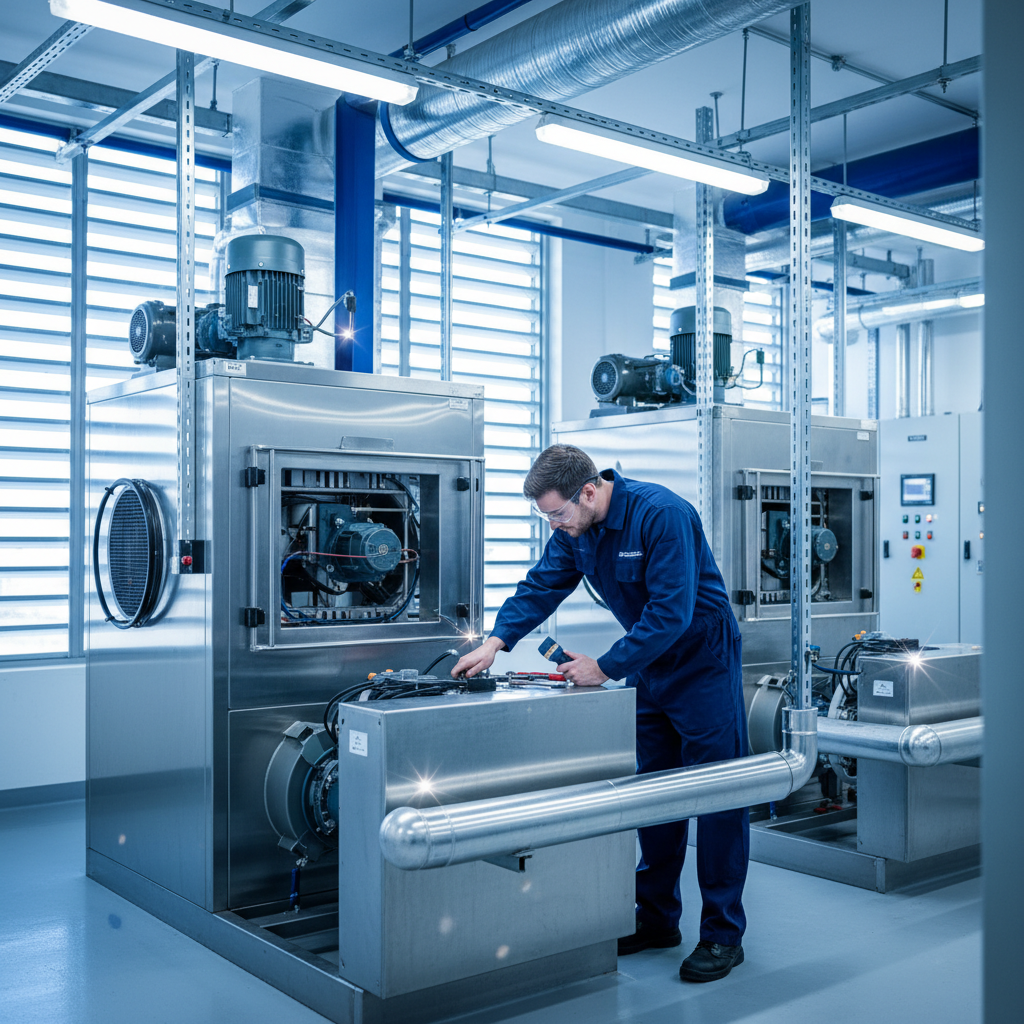
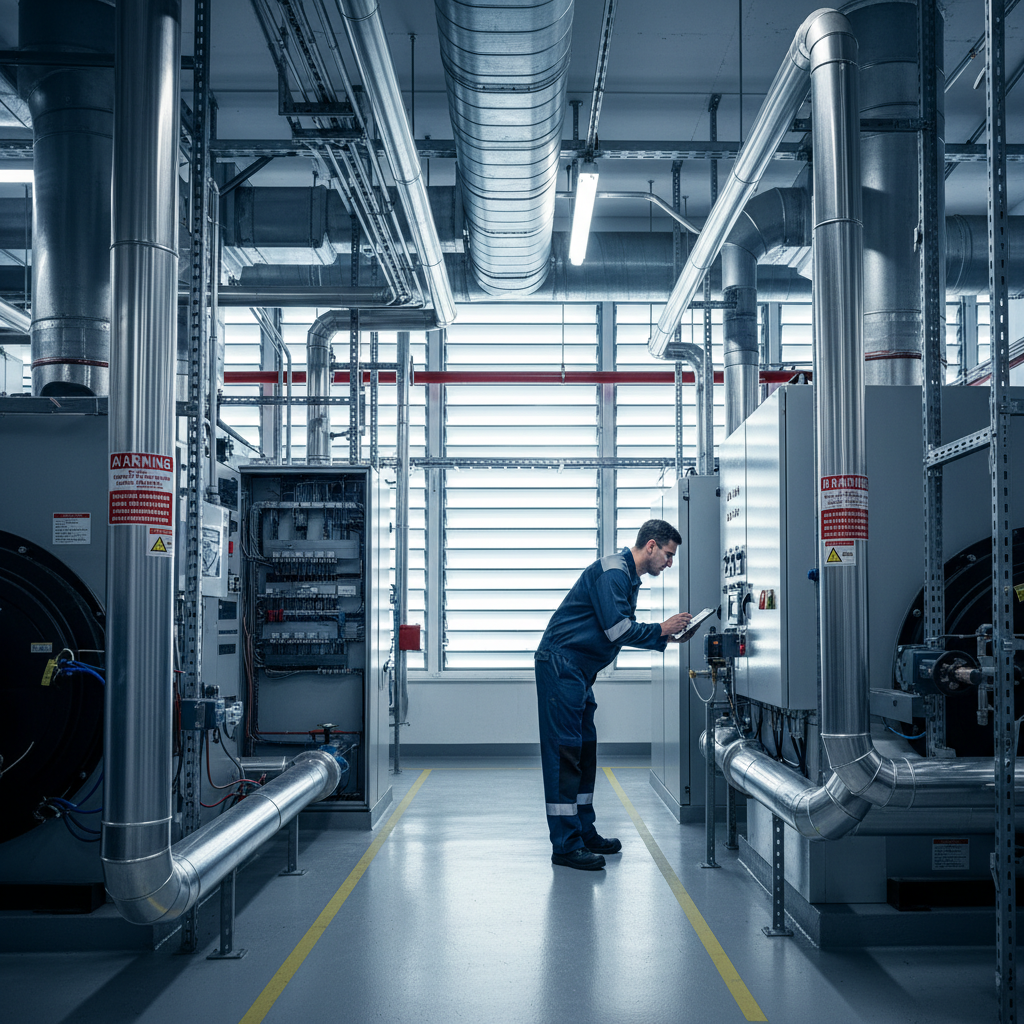
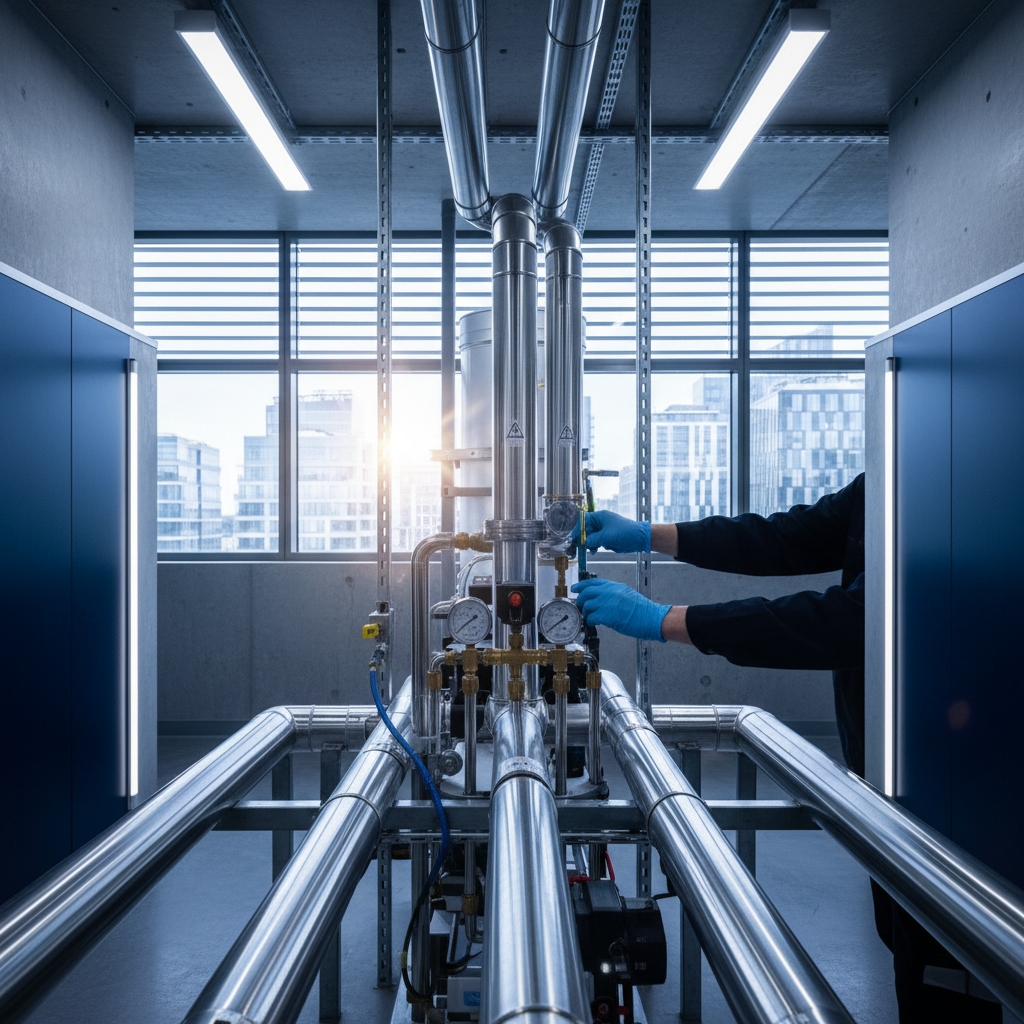
Multi Skilled Engineer: The Commercial Backbone Of Reliable Building Maintenance
Last Tuesday, a Birmingham office block lost heating across three floors because their "maintenance provider" sent an electrician to fix what turned out to be a mechanical pump failure. Two visits, eight hours of downtime, and frustrated tenants—all because they didn't have a proper multi skilled engineer who could diagnose and fix both electrical and mechanical systems in one call.
After 24 years in this industry, I've seen this scenario play out countless times. Estate managers think they're saving money by using single-trade contractors, but they're actually multiplying their costs and complexity. A true multi skilled engineer is your first line of defence against the chaos of reactive maintenance. Commercial property maintenance services are designed to provide this integrated expertise, reducing downtime and improving tenant satisfaction.
The difference isn't just technical—it's commercial. When your HVAC system trips out on a summer Friday, you need someone who can trace the electrical fault and understand the mechanical implications. You need an engineer who thinks in terms of building performance, not just individual components. Heating and ventilation systems are often interconnected, so having a multi skilled engineer who understands both is essential for rapid, effective repairs.
What A Multi Skilled Engineer Really Is In Commercial Buildings
Plain-English Definition
A multi skilled engineer in commercial facilities combines electrical, mechanical, and building fabric expertise in one person. They're not a "jack of all trades"—they're specialists in building systems integration. Think electrical distribution plus HVAC controls plus water systems, all understood as interconnected parts of your estate's performance.
This isn't about someone who can "have a go" at different trades. It's about an engineer who understands that a tripped RCD might be caused by a failed pump bearing, or that poor air quality could stem from electrical controls on ventilation dampers. They see the building as a system, not isolated components.
Where They Fit In Your Estate Strategy
Multi skilled engineers are the backbone of effective Planned Preventative Maintenance (PPM) across multi-let offices, retail parks, logistics centres, and healthcare facilities. They reduce your call-out frequency by 40-60% because they can resolve complex faults in a single visit rather than requiring multiple trade specialists.
More importantly, they understand compliance across disciplines. Your multi skilled engineer should be tracking gas safety certificates, electrical testing schedules, and water hygiene regimes simultaneously. This integrated approach prevents the dangerous gaps that emerge when different contractors work in silos.
Day-To-Day Responsibilities: What A Multi Skilled Engineer Actually Does On Your Site
Planned Preventative Maintenance (PPM) Tasks
PPM isn't just "checking things work"—it's systematic asset lifecycle management. A competent multi skilled engineer follows time-based schedules aligned to SFG20 guidance: monthly AHU filter changes and motor checks (90 minutes per unit), quarterly emergency lighting function tests (30-45 minutes per floor), and annual gas appliance servicing including combustion analysis and safety device testing.
The commercial value is in preventing expensive failures before they happen. A £50 filter change prevents a £3,000 compressor replacement. A 15-minute quarterly pump inspection identifies bearing wear before it causes weekend emergency call-outs. This is how professional maintenance stabilises your operating costs and eliminates nasty budget surprises. For more on the importance of timely repairs, see common signs you need commercial HVAC repair.
Reactive Faults, Call-Outs, And First-Fix Targets
When your building systems fail, speed of diagnosis matters more than speed of arrival. A skilled multi skilled engineer can trace a heating failure from the boiler through controls to distribution in under 30 minutes, because they understand the electrical and mechanical interdependencies. They carry diagnostic equipment—multimeters, gas analysers, thermal cameras—not just basic hand tools.
Real-world scenarios demand this breadth: a Monday morning boiler lockout might be a failed pump, a tripped breaker, or a faulty sensor. Your engineer needs to check all three systems methodically. Single-trade contractors create a relay race of different specialists—expensive and slow. Electrical plumbing expertise is crucial for resolving these issues efficiently.
Building Fabric, Plumbing, And "Small Works"
The "minor" issues often have major tenant impact. A failed toilet flush valve affects customer experience. Damaged ceiling tiles after a leak create health and safety concerns. Poorly adjusted fire door closers compromise compliance and comfort. A competent multi skilled engineer handles these within planned visits, preventing separate call-outs for each trade.
This efficiency translates directly to cost control. Instead of three separate contractors over three weeks, you get comprehensive building health management in coordinated visits. Your tenants see professional, responsive service rather than a parade of different faces with different standards. For a real-world example, read about our small works team fit out of a new first aid room at Knight Strip Metals in Saltley, Birmingham.
Electrical Bias vs Mechanical Bias: Getting The Balance Right For Your Estate
Definitions Of Electrical-Biased vs Mechanical-Biased Multi Skilled Engineers
An electrical-biased multi skilled engineer typically splits their work 70% electrical, 30% mechanical—comfortable with three-phase distribution, motor controls, BMS interfaces, and emergency lighting, but relying on specialist support for complex HVAC commissioning or boiler overhauls. They excel at power quality issues, LED upgrades, and electrical compliance testing.
Mechanical-biased engineers flip this ratio: 70% mechanical systems, 30% electrical support. They're fluent in pump curves, heat exchanger efficiency, refrigeration cycles, and water treatment, but call for electrical backup on complex control panel faults or power distribution upgrades. Both approaches work—if matched correctly to your building's demands.
What You Should Match To Your Building
Your plant room density determines the bias you need. A modern office with sophisticated HVAC controls, chillers, and multiple air handling units demands mechanical-biased expertise. A retail park with basic heating but complex electrical loads—EV chargers, LED systems, multiple distribution boards—benefits from electrical-biased skills.
Risk profile matters equally. Data centres and healthcare facilities need electrical-biased engineers who understand UPS systems, emergency power, and critical electrical infrastructure. Manufacturing sites with process heating and cooling need mechanical-biased engineers who think in terms of thermal efficiency and fluid dynamics.
Aspect
Electrical-Biased
Mechanical-Biased
Primary Systems
Distribution boards, motors, controls, emergency lighting, BMS
HVAC, boilers, chillers, pumps, water systems, heat exchangers
Typical Qualifications
18th Edition, PAT testing, Emergency lighting BS 5266
Gas Safe, F-Gas, Water treatment, HVCA membership
Fastest Resolution
Power failures, lighting faults, motor trips, control issues
Heating/cooling failures, pump problems, water leaks, comfort complaints
Multi Skilled Engineer In Facilities vs Manufacturing: Why The Distinction Matters
Different Environments, Different Pressures
Facilities-focused multi skilled engineers prioritise occupant comfort, regulatory compliance, and energy performance. They understand that a 2°C temperature drift affects productivity and tenant satisfaction. Their mindset centres on maintaining consistent environmental conditions while minimising disruption to building users.
Manufacturing engineers focus on production throughput and equipment availability. They think in terms of OEE (Overall Equipment Effectiveness), line changeovers, and process optimisation. While both are valuable skillsets, they're fundamentally different approaches to problem-solving.
Skills And Tooling Contrast
Commercial building engineers must be fluent in HVAC controls, Building Management Systems, fire alarm interfaces, water hygiene protocols, and heat pump technology. They work with comfort cooling, VAV systems, and energy-efficient lighting controls that respond to occupancy and daylight. For more on identifying urgent building issues, see 7 commercial building maintenance problems you need to fix ASAP.
Manufacturing engineers specialise in conveyors, packaging machinery, robotics, and PLC-heavy automation systems. Their diagnostic approach targets production bottlenecks and equipment reliability rather than environmental comfort and regulatory compliance.
Why It Matters For Estate Managers Hiring Or Outsourcing
Bringing manufacturing-focused engineers into customer-facing environments creates service quality issues. They may lack experience with tenant liaison, working-hours restrictions, and the diplomatic approach needed in occupied buildings. Their problem-solving style—focused on getting equipment running regardless of noise or disruption—doesn't suit commercial environments.
Ask specific questions to confirm facilities experience: "How do you manage noisy repairs during office hours?" "What's your approach to emergency lighting testing in occupied buildings?" "How do you coordinate HVAC maintenance with tenant meeting schedules?" The answers reveal whether they understand the commercial building environment.
Compliance, Safety, And Standards: The Non-Negotiable Part Of The Job
Core UK Compliance Areas A Multi Skilled Engineer Supports
Professional multi skilled engineers coordinate multiple compliance streams simultaneously: Gas Safe regulations for commercial boilers and catering equipment, electrical safety testing under BS 7671, water hygiene monitoring following HSG274, and F-Gas certification for air conditioning and refrigeration systems. They don't just perform tasks—they maintain the audit trail that protects you legally. For a comprehensive compliance review, consider a M&E/HVAC compliance health check to ensure all your systems meet current standards.
The integration advantage is crucial. Rather than managing separate contractors with different documentation standards, your multi skilled engineer ensures all certificates are logged in your CAFM system within 24 hours, with clear schedules for renewal dates and interim checks.
How A Good Engineer Reduces Your Legal Exposure
Proactive compliance monitoring prevents expensive surprises. When your engineer spots an approaching Gas Safe certificate expiry during routine PPM, they escalate immediately and coordinate renewal within the required timeframe. This prevents the legal exposure of operating non
compliant maintenance practices and helps you avoid regulatory penalties.
Core Skills Profile: Hard Skills, Soft Skills, And Tools Of The Trade
The difference between a genuine multi skilled engineer and someone with a toolkit becomes apparent when systems fail. Technical competence across electrical, mechanical, and building fabric disciplines requires years of structured development, not weekend courses.
Essential Technical Skills
HVAC competence spans motor replacement, pump impeller inspection, actuator calibration, expansion vessel pre-charge testing, and BMS interface troubleshooting. Electrical skills must cover single and three-phase fault-finding, distribution board maintenance, RCD testing, emergency lighting battery replacement, and LED driver diagnosis.
Water system knowledge includes TMV servicing, leak detection using acoustic equipment, isolation valve operation, and simple pipework modifications using compression and push-fit techniques. Each skill area demands both theoretical understanding and practical experience.
Soft Skills That Directly Affect Your Bottom Line
Communication skills determine whether a tenant complaint becomes a positive interaction or a lease renewal risk. When explaining a two-hour heating outage to frustrated office workers, the engineer's ability to provide clear timelines and progress updates maintains confidence in your building management.
Prioritisation becomes critical when multiple faults compete for attention. A skilled engineer recognises that a failed fire alarm takes precedence over a dripping tap, but also understands that three minor issues resolved quickly often delivers better tenant satisfaction than one complex repair.
Accurate documentation completed within 15-30 minutes of job completion prevents the administrative backlog that creates compliance gaps and billing disputes.
Typical Toolkit And Test Equipment
Professional diagnostic equipment shortens fault-finding time and eliminates guesswork. Essential tools include:
Digital multimeter and clamp meter for electrical diagnosis
Gas analyser for combustion efficiency testing
Refrigerant manifold gauges and leak detector
Combustion analyser for boiler servicing
Thermal imaging camera for hidden faults
Acoustic leak detector for water systems
Torque wrench set for mechanical assemblies
Insulation resistance tester for electrical safety
Quality equipment represents investment in first-time fixes and reduced repeat visits. A thermal camera that costs £3,000 pays for itself by identifying failing motor bearings before catastrophic failure occurs. For more on the role of building engineers, see this external resource on building engineers.
Shift Patterns, On-Call Cover, And 24/7/365 Support
Commercial buildings don't respect office hours. Heating failures occur on Sunday mornings, power cuts happen during evening events, and water leaks develop overnight. Your ability to keep the doors open and the lights on depends on having a maintenance partner who offers true 24/7/365 availability—because breakdowns don't work 9 to 5.
At MEMS, our multi skilled engineers operate on rotating shift patterns and on-call cover, ensuring that no matter when a fault occurs, you have access to someone who knows your building and can resolve issues quickly. This isn't just about ticking a box for "emergency response"—it's about protecting your assets and your people, and preventing downtime before it happens.
Ask your current provider: "How quickly can you get an engineer on site at 2am on a bank holiday?" If the answer is vague, or if you get a different face every time, it's time to demand better. The MEMS Standard is right first time—every time.
What specific skills and expertise distinguish a multi skilled engineer from single-trade specialists in commercial building maintenance?
A multi skilled engineer combines electrical, mechanical, and building fabric knowledge, enabling them to diagnose and repair interconnected systems like HVAC, electrical distribution, and water systems. Unlike single-trade specialists who focus on one area, they understand how these systems interact, providing a more integrated and efficient maintenance approach.
How does employing a multi skilled engineer reduce downtime and improve tenant satisfaction in commercial properties?
By handling both electrical and mechanical issues in one visit, a multi skilled engineer cuts out the delays caused by coordinating multiple specialists. This means faster repairs, less disruption, and a smoother experience for tenants, ultimately reducing downtime and maintaining business continuity.
In what ways do multi skilled engineers contribute to compliance with safety standards and maintenance regulations across different building systems?
Multi skilled engineers ensure adherence to standards like SFG20, Gas Safe, and REFCOM by applying their broad expertise to maintain and certify electrical and mechanical systems properly. Their comprehensive approach reduces the risk of non-compliance, protecting both people and property.
Why is it important to have a balanced electrical and mechanical skill set within a multi skilled engineer for effective estate management?
A balanced skill set allows the engineer to understand and address faults that span both electrical and mechanical domains, such as HVAC system failures involving controls and pumps. This holistic view is crucial for timely, accurate repairs and optimising building performance across the estate.
About Stuart Butcher
Founder & Managing Director | M&E Maintenance Solutions
Stuart Butcher is the Founder and Managing Director of M&E Maintenance Solutions. A "boots-on-the-ground" leader, Stuart began his career as an apprentice combustion engineer, spending over 24 years mastering the trade before building a premier maintenance firm. He operates at the intersection of technical engineering precision and commercial asset management.
Driven by the philosophy that maintenance is cheaper than repair, Stuart works with Facility Managers and Building Owners across Birmingham, the Midlands, and the UK to ensure 24/7/365 compliance and uptime. He established M&E Maintenance Solutions to provide the technical capability of a large corporate provider while maintaining the personal accountability of a family-run business.
An Enviroenergy Nottingham heat network outage during peak winter significantly reduces tenant comfort and productivity by 20%.
Facility managers in Nottingham face urgent challenges when district heating pipes fail, highlighting the risks of relying on a single-provider system.
Enviroenergy Nottingham is currently involved in liquidation talks, increasing uncertainty for users of the heat network.
Understanding the operational dynamics of Enviroenergy Nottingham is crucial for maintaining uptime and controlling costs.
When District Heating Downtime Hits Your Bottom Line
A Enviroenergy Nottingham heat network outage in peak winter doesn't just leave tenants cold—it slashes productivity by 20% and triggers emergency bills that eat into your P&L. As Founder of M&E Maintenance Solutions, I've seen facility managers in Nottingham scramble when district pipes fail, exposing the risks of relying on a single-provider network amid ongoing liquidation talks. Here's the engineering truth: understanding Enviroenergy Nottingham empowers you to protect uptime and cut costs.
District heating offers lower emissions but risks costly outages; gas boilers provide faster ROI with more reliable, independent operation amid network uncertainties.
For businesses seeking to avoid costly downtime, professional heating solutions are essential for maintaining operational continuity during outages.
Additionally, proper ventilation plays a critical role in supporting tenant comfort and productivity, especially when heating systems are compromised.
What is Enviroenergy Nottingham and How Does Its District Heating Work?
Quick Facts: Serves ~5,000 homes plus 70 commercial sites including Motorpoint Arena. Uses Eastcroft incinerator waste-to-energy technology, saving Nottingham Council £5M annually while cutting landfill dependency by 90%.
District heating eliminates individual boilers by generating heat centrally from waste incineration, then piping hot water directly to buildings. Enviroenergy Nottingham operates a 20km network carrying 110°C water from the Eastcroft facility, reducing CO2 emissions by 90% compared to traditional gas systems.
Heat exchanges occur via Heat Interface Units (HIUs) in each building—essentially sophisticated heat exchangers that transfer district energy to your internal systems. Check your HIU pressure gauge weekly (ideal range: 1-2 bar) to spot pressure drops early. Properties within NG1-NG7 postcodes qualify for connection; contact the council for a free site survey completed within 48 hours.
Enviroenergy Nottingham vs. Traditional Gas Boilers – Head-to-Head Analysis
District heating promises green savings, but commercial landlords need control—until carbon taxes bite. Here's why Enviroenergy Nottingham edges out in sustainability but lags in operational flexibility.
Criteria
Enviroenergy District Heating
Traditional Gas Boilers
Winner & Why
Annual Cost
£200-400 savings per property (fixed tariffs to Jan 2026)
15% higher energy bills plus price volatility
Enviroenergy – Locked rates beat Ofgem hikes
CO2 Reduction
90% via waste-to-energy (100GWh heat output annually)
SFG20 managed by provider; F-Gas handled centrally
Owner-managed Gas Safe certificates every 12 months
Tie – Both viable with professional maintenance
Hybridise your approach—pair Enviroenergy with M&E heat pumps for 25% additional efficiency gains. For more insight into HVAC system reliability, see common signs you need commercial HVAC repair.
Step-by-Step: Managing Your Enviroenergy Account and Meter Readings
Accurate billing starts with you—missed readings mean estimated charges inflated up to 30%. Enviroenergy Nottingham EE Monitor app simplifies the process, but manual oversight remains crucial.
Read Meter (2 minutes): Note the 5-digit heat usage display monthly; photograph for your records.
Submit (1 minute): Email [email protected] or use the online form by the 5th of each month.
Top-Up (3 minutes): Purchase cards at 200+ Paypoint stores or via app; set auto-reminders for low balances.
For businesses, switch to prepay EE Monitor in 10 minutes for real-time usage tracking. Low-income sites can apply online for fuel vouchers worth £50-200 if Nottingham-registered.
Troubleshooting Common Enviroenergy Issues – Fixes Under 30 Minutes
Low pressure in city centre offices? Leaks during street works? Proactive checks prevent 80% of emergency call-outs. When winter no-hot-water hits your retail space, it's usually airlocks in the HIU—here's the fix.
No Hot Water: Bleed HIU valves for 10 seconds (turn clockwise); recheck after 15 minutes. If persistent, contact the 24/7 emergency line immediately.
High Bills: Audit for meter errors—submit photo evidence within 7 days for potential rebate on overcharges.
Low Pressure: Insulate exposed pipes with foam (seal pea-sized gaps); test pressure weekly to maintain optimal flow.
During scheduled network maintenance (announced 48 hours ahead), run backup heating systems for 2 hours daily. Business customers can log faults via the app for priority response under 4 hours.
Why M&E Maintenance Solutions Beats District Dependencies for UK Commercial Sites
Enviroenergy Nottingham excels in municipal scale, but for Birmingham-to-Brighton property portfolios, M&E's vetted heat pumps plus 24/7 HVAC deliver ROI without network vulnerabilities. We've trialled air-to-water systems internally, achieving 25% energy reductions with full SFG20 compliance.
24/7 Coverage: Unlike Enviroenergy's standard office hours support, our helpdesk runs CAFM-tracked SLAs nationwide with guaranteed response times.
Sustainable Upgrades: Install solar PV plus LED lighting systems in one day, fully compliant with latest Building Regulations Part L.
Fixed PPM Plans: Zero surprise call-out fees with transparent pricing—protecting your budget from emergency heating failures.
Reactive district fixes cost three times more than proactive PPM—don't let Enviroenergy Nottingham network gaps expose your commercial assets to downtime risks. At M&E Maintenance Solutions, we protect your people, compliance, and profits with our right-first-time engineering standard. Book a free site survey today or contact our 24/7 helpdesk for immediate support. Serving West Midlands nationwide—achieve sustainable efficiency without council dependencies.
To ensure your systems remain compliant, consider a M&E/HVAC compliance health check for peace of mind and regulatory assurance.
Future Considerations for Nottingham's Heating Infrastructure
The Enviroenergy Nottingham network faces critical decisions as Nottingham City Council's financial restructuring progresses. By 2025, expect significant changes in tariff structures and service delivery models that will impact commercial property owners across the East Midlands.
Key Development: The government's Heat Network Zoning legislation (effective 2025) will mandate district heating in designated areas of Nottingham, potentially making connection compulsory for new commercial developments over 1MW capacity.
Smart building integration represents the next evolution. Heat interface units with IoT sensors will enable predictive maintenance and automated fault reporting—technology M&E Maintenance Solutions already deploys across our managed portfolios. This convergence of district heating with building management systems creates opportunities for hybrid approaches that maximise both sustainability credentials and operational control.
Strategic Recommendations for Commercial Property Managers
Based on 24 years of engineering experience and current market analysis, here's my verdict on positioning your commercial heating strategy around Enviroenergy Nottingham versus independent solutions.
Choose Enviroenergy if: Your property sits within the established network zone, you prioritise carbon reduction for ESG reporting, and you're comfortable with single-supplier dependency for a municipal-backed service.
Choose M&E's approach if: You manage multi-site portfolios requiring consistent service standards, need guaranteed 24/7 response times, or want the flexibility to upgrade heating systems without council approval processes.
The optimal strategy combines both—leverage Enviroenergy Nottingham's low-carbon credentials where available, while maintaining M&E's nationwide PPM coverage for backup systems and mechanical upgrades. This hybrid model delivers compliance assurance with operational resilience, protecting your assets from single points of failure.
Final Verdict: Sustainable Heating with Operational Control
Enviroenergy Nottingham serves its purpose within the city's waste-to-energy ecosystem, offering genuine carbon savings and competitive tariffs through 2026. However, commercial property success demands more than green credentials—it requires predictable uptime and responsive maintenance partnerships.
At M&E Maintenance Solutions, we've engineered heating strategies that don't force you to choose between sustainability and control. Our heat pump installations achieve similar carbon reductions to district heating while maintaining on-site autonomy. When combined with our 24/7 support framework, you get environmental compliance without operational compromise.
Don't let heating infrastructure become your weakest link. Contact M&E today for a comprehensive site assessment that evaluates both district heating integration and independent alternatives. We'll design a solution that keeps your commercial property running efficiently, compliantly, and profitably—regardless of external network dependencies. For further technical guidance, consult the Energy Institute's resources on heat networks.
What are the main risks and challenges faced by commercial property managers when relying on the Enviroenergy Nottingham district heating network?
The primary risks include heat network outages during peak winter, which reduce tenant comfort and productivity by up to 20%. Dependence on a single-provider system increases vulnerability to failures in district heating pipes, while ongoing liquidation talks around Enviroenergy Nottingham add uncertainty and potential service disruption for commercial sites.
How does Enviroenergy Nottingham's waste-to-energy district heating system work, and what are the benefits compared to traditional gas boilers?
Enviroenergy Nottingham uses waste incineration at the Eastcroft facility to generate heat centrally, distributing 110°C hot water through a 20km pipe network to connected buildings. This system cuts CO2 emissions by 90% compared to traditional gas boilers and reduces landfill dependency, offering environmental benefits alongside cost savings for Nottingham Council.
What steps can tenants and facility managers take to monitor and troubleshoot common issues with their Enviroenergy Nottingham Heat Interface Units (HIUs)?
Facility managers should regularly check meter readings and monitor for unusual temperature drops or pressure changes. Troubleshooting common HIU issues often involves simple fixes like resetting units or clearing blockages, which can be done within 30 minutes to prevent downtime. Maintaining clear communication with Enviroenergy and keeping detailed records supports faster resolution.
Given the current liquidation talks involving Enviroenergy Nottingham, what alternatives or contingency plans should commercial sites consider to ensure heating uptime and cost control?
Commercial sites should explore independent heating solutions such as gas boilers or hybrid systems to reduce reliance on the district network. Implementing Planned Preventative Maintenance (PPM) with a trusted M&E partner ensures operational continuity during outages. Additionally, reviewing ventilation strategies and having emergency heating plans in place will protect tenant comfort and control unexpected costs.
About Stuart Butcher
Founder & Managing Director | M&E Maintenance Solutions
Stuart Butcher is the Founder and Managing Director of M&E Maintenance Solutions. A "boots-on-the-ground" leader, Stuart began his career as an apprentice combustion engineer, spending over 24 years mastering the trade before building a premier maintenance firm. He operates at the intersection of technical engineering precision and commercial asset management.
Driven by the philosophy that maintenance is cheaper than repair, Stuart works with Facility Managers and Building Owners across Birmingham, the Midlands, and the UK to ensure 24/7/365 compliance and uptime. He established M&E Maintenance Solutions to provide the technical capability of a large corporate provider while maintaining the personal accountability of a family-run business.
Picture a sweltering Leicester summer—your office in Clarendon Park hits 28°C, staff productivity drops 15-20% as concentration fades, and a single day of discomfort costs £500+ in lost output. That's not hyperbole; it's engineering reality from 24+ years fixing these exact breakdowns across the East Midlands.
I'm Stuart Butcher, and through M&E Maintenance Solutions, we've become the UK-wide partner for Leicester facility managers tired of faceless giants. We trial sustainable HVAC innovations like air-to-water heat pumps before client install, bridging boiler room fixes with boardroom ROI. When your aircon Leicester system fails, we don't just patch—we deliver the right solution, right first time.
Our expertise extends beyond air conditioning to include ventilation and integrated HVAC solutions, ensuring Leicester businesses achieve optimal indoor air quality and comfort year-round.
Leicester's humid East Midlands climate delivers average summer peaks of 25-30°C from July to August, straining standard systems and risking SFG20 non-compliance with potential £10k+ fines. But the real commercial impact hits harder—downtime in retail hubs like Highcross equals 5-10% daily revenue loss when customers flee overheated spaces.
Start with an immediate audit: measure room temperatures hourly for three days. If readings exceed 24°C consistently, your PPM schedule is overdue. Modern 450% efficient units cut energy bills by 20-30% versus obsolete models, delivering measurable ROI within 18 months.
Types of Aircon Systems for Leicester Properties
Split vs Portable for Leicester Homes
Split fixed units deliver 30% higher efficiency with A++ ratings, while portable units suit Leicester renters needing flexibility. For a typical 25sqm Leicester flat in Knighton, a 12k BTU split system cools from 30°C to 22°C in 15 minutes, compared to 35 minutes for equivalent portable units.
Installation differs dramatically: split systems require 4-6 hours professional install with outdoor unit mounting, while portable setup takes 10 minutes using window vent kits. Choose 9k-12k BTU portable units for rooms up to 30sqm, or invest in split systems for permanent efficiency gains.
Ducted & Cassette for Larger Leicester Spaces
Ducted systems hide invisibly in loft spaces with heat recovery technology saving 25% energy costs, perfect for Leicester's period properties. Cassette units provide 360° airflow distribution, ideal for open-plan offices in Stoneygate business districts.
For commercial applications, VRV systems offer zone control with ±1°C precision per room. We've installed these across Leicester showrooms where different areas require independent climate control—reception at 21°C, workshop at 18°C, simultaneously.
System Type
Cost Range
Efficiency Rating
Install Time
Leicester Suitability
Split Units
£2k-£4k
450%+ SEER
1 day
Homes/Small Offices
Ducted Systems
£8k-£15k
500%+ with recovery
3-5 days
Period Properties
VRV Commercial
£15k-£50k
600%+ multi-zone
5-10 days
Large Commercial
Step-by-Step Aircon Installation Guide for Leicester
Pre-Install Assessment (1-2 Hours)
Measure space dimensions (length × width × height) and verify electrical supply—minimum 13A dedicated circuit required. Check proposed pipe runs stay under 10m between indoor and outdoor units to maintain efficiency. Use a smartphone anemometer app to test airflow; readings below 0.5m/s indicate poor ventilation requiring system upgrades.
Installation Process (4-8 Hours for Split)
Mount outdoor unit 10cm from wall with anti-vibration pads, then drill precise 65mm wall penetration for refrigerant lines. Flare copper pipes using proper tools—15 seconds per joint prevents leaks that cost £200+ to rectify later.
Vacuum refrigerant lines for 15 minutes minimum, followed by 3-minute nitrogen pressure test at 40 bar. For commercial VRV installations, wire zone controllers requiring additional 2 hours but delivering individual room control worth the investment.
Aircon Maintenance & Servicing: PPM That Delivers ROI
Planned Preventative Maintenance (PPM) following SFG20 standards cuts breakdown incidents by 70% and extends system lifespan 5-10 years. Leicester's humid climate and urban dust accelerates filter contamination—quarterly cleaning prevents the 15% efficiency loss I see repeatedly across Midlands commercial sites.
DIY vs Professional Servicing
DIY Tasks (Weekly/Monthly): Wipe filters with mild soap solution (5 minutes), check condensate drains monthly by flushing 500ml white vinegar through the system. Monitor outdoor unit clearance—maintain 10cm minimum from walls and vegetation.
Professional Service (Annual): Coil cleaning at 40psi pressure, refrigerant level checks (R32 systems: 200g maximum top-up), electrical connection torque testing. F-Gas certified engineers log refrigerant handling—legal requirement avoiding £5,000+ penalties.
Commercial PPM Plans
VRV systems require quarterly inspections with digital logging via building management apps. Our 24/7 response delivers <2-hour emergency attendance, preventing the £2,000+ emergency call-out costs versus £200 quarterly PPM investment. Leicester retail clients see immediate ROI through maintained cooling during peak trading periods.
Troubleshooting Common Aircon Problems in Leicester
System failures follow predictable patterns. Poor cooling accounts for 40% of service calls—typically caused by 5-10g daily refrigerant leaks or dirty evaporator coils creating +5°C temperature differential versus design specifications.
Not Cooling Effectively
Immediate Checks: Verify thermostat setting (22°C maximum for efficiency), inspect evaporator coils for dust buildup. Clean coils using steam cleaning (10-minute process) or compressed air at 30psi. Low refrigerant requires professional attention—DIY refrigerant handling violates F-Gas regulations.
Leaks, Noises, and Freezing Issues
Water Leaks: Blocked condensate drains cause 80% of leak issues. Flush drain line with 1-litre water and bleach solution (5-minute fix). Unusual Noises: Loose fan assemblies create rattling—tighten three mounting screws and check blade balance. System Freezing: Thaw unit for 2 hours (switched off), then check airflow exceeds 400CFM using anemometer.
Quick Fix Success Rate: Thawing frozen units and cleaning filters resolves 90% of cooling complaints without professional intervention.
Domestic vs Commercial Aircon: Leicester Application Comparison
Scale and Capacity: Domestic installations typically handle 20-50 square metres using 9-18k BTU split systems. Commercial applications serve 200-2000+ square metres requiring VRV systems delivering 50-200k BTU with zoned control and advanced compliance requirements.
Domestic vs Commercial Aircon: Leicester Comparison
The gap between domestic and commercial aircon isn't just size—it's about regulatory compliance, uptime requirements, and scale of consequence when things go wrong. A domestic split system failing in Stoneygate means discomfort; a VRV breakdown in a Leicester retail unit means lost revenue at £500+ per day.
Criteria
Domestic Systems
Commercial Systems
Coverage Area
20-50 sqm per unit
200-2000+ sqm zoned
Installation Cost
£2-4k complete
£10-50k+ depending on scale
Efficiency Rating
A++ standard (SEER 6-8)
A+++ with heat recovery (SEER 8-12)
Compliance Requirements
Basic F-Gas registration
Full SFG20 + quarterly logs
Commercial installations demand 24/7 reliability because downtime equals lost trade. That's why we internally trial sustainable tech like air-to-water heat pumps before client deployment—ensuring Leicester businesses get proven ROI, not experimental risk.
Energy Efficiency & Cost Savings with Modern Aircon
Leicester's humid summers push standard aircon units beyond their efficiency sweet spot, but modern systems with SEER ratings above 8 deliver 450% efficiency—meaning every £1 of electricity produces £4.50 of cooling output. For a typical Leicester office in Clarendon Park, that translates to £300+ annual savings per 20 square metres compared to obsolete models.
The real game-changer is integration. We've internally tested solar PV coupling with heat pump systems, achieving 40% energy reduction versus traditional splits. Simple operational changes amplify these gains: setback mode (+2°C during unoccupied hours) cuts consumption by 10%, while annual tune-ups maintain peak 450% efficiency instead of the typical 15% annual drift.
Leicester Climate Reality: East Midlands humidity accelerates filter clogging and coil scaling. Units optimised for dry climates lose 20% efficiency within 6 months without proper Leicester-specific maintenance protocols.
Annual energy audits catch efficiency drift before it compounds. We monitor kWh consumption per degree of cooling—when this ratio climbs above baseline by 10%, it flags component wear or refrigerant loss, both fixable with proactive intervention rather than expensive emergency replacement.
For more information on regulatory requirements for air conditioning, refer to the air conditioning inspection reports technical manual (TM44) from the UK government.
Why Partner with M&E for Leicester Aircon
Twenty-four years fixing what others install taught me this: the cheapest quote usually delivers the most expensive outcome. At M&E, we bridge the gap between boiler room engineering and boardroom accountability—big enough to handle complex Leicester commercial projects, small enough to care about getting your specific building right first time.
Our Leicester coverage extends across Nuneaton, Loughborough, and the broader East Midlands. Unlike faceless FM giants, you deal directly with engineers who know your site's quirks. We trial sustainable technologies internally before client deployment, offer 24/7 response without punitive contracts, and provide free initial surveys because transparency builds trust. When aircon Leicester businesses need reliability, not sales pitches, M&E delivers engineering solutions that protect both your assets and your people.
Reactive maintenance is expensive maintenance. Whether you're cooling a Leicester home or managing commercial property across the East Midlands, the physics remains constant: proactive care prevents costly failures. Modern aircon Leicester installations deliver proven ROI when properly specified, correctly installed, and professionally maintained to SFG20 standards.
Don't wait for the breakdown. Book your free Leicester site survey today or call our 24/7 helpdesk for immediate support. View our case studies to see how Leicester businesses achieve reliable climate control with M&E's proven approach.
How does high office temperature in Leicester impact employee productivity and business output?
Office temperatures reaching 28°C in Leicester can reduce staff productivity by 15-20% due to decreased concentration. Even a single day of discomfort can cost a business over £500 in lost output, making effective climate control a critical factor for maintaining performance.
What are the key differences between split and portable air conditioning systems for Leicester homes?
Split air conditioning units offer around 30% higher efficiency with A++ energy ratings, making them ideal for permanent installation in Leicester homes. Portable units provide flexibility for renters or temporary needs but typically consume more energy and deliver lower overall efficiency.
Why is regular planned preventative maintenance (PPM) important for air conditioning systems in Leicester businesses?
Regular PPM ensures air conditioning systems operate efficiently, reducing energy costs by up to 30% and preventing costly breakdowns. It also helps maintain compliance with SFG20 standards, avoiding potential fines and protecting business continuity during Leicester’s hot summers.
What types of air conditioning systems are best suited for larger commercial spaces in Leicester, such as offices and showrooms?
Larger commercial spaces in Leicester benefit from VRF (Variable Refrigerant Flow) or chilled water systems that provide scalable, energy-efficient cooling. These systems offer precise temperature control, support multiple zones, and deliver reliable performance critical for maintaining comfort and uptime in busy environments.
About Stuart Butcher
Founder & Managing Director | M&E Maintenance Solutions
Stuart Butcher is the Founder and Managing Director of M&E Maintenance Solutions. A "boots-on-the-ground" leader, Stuart began his career as an apprentice combustion engineer, spending over 24 years mastering the trade before building a premier maintenance firm. He operates at the intersection of technical engineering precision and commercial asset management.
Driven by the philosophy that maintenance is cheaper than repair, Stuart works with Facility Managers and Building Owners across Birmingham, the Midlands, and the UK to ensure 24/7/365 compliance and uptime. He established M&E Maintenance Solutions to provide the technical capability of a large corporate provider while maintaining the personal accountability of a family-run business.
The Hidden Cost of Rushing "AC Installation Near Me" – Why Downtime Hits Your Bottom Line First
Picture this: Peak summer, your Birmingham office HVAC fails mid-day. Staff productivity drops 20%, tenants complain, and you're hit with an emergency call-out at premium rates—because your "quick fix" installer skipped proper sizing. I've seen facility managers lose £5,000 in a single week from this exact scenario across the West Midlands.
What's the #1 risk of bad AC install? Inefficient cooling adding £2,000+ to yearly utilities – fixed by professional load assessment and SFG20-compliant installation.
The "cheapest bid wins" mentality ignores refrigerant leaks that spike energy bills by 15-25% annually. As a 24-year engineer-turned-founder at M&E Maintenance Solutions, I've learned this truth: proactive ac installation near me searches that prioritize expertise over price protect your revenue stream.
Proper ventilation and air conditioning design is essential to avoid costly emergency repairs and maintain indoor air quality, especially during peak summer months.
Matching AC Systems to Your Commercial Space – Sizing Right for Birmingham Climates
No two buildings are alike—your 5,000 sq ft retail space in Birmingham needs different BTUs than a server room. Undersized AC units strain 40% faster; oversized systems cycle inefficiently, wasting 10-15% energy. The physics don't lie.
System Type
Best For (Commercial Use)
BTU/Sq Ft Guide
Install Timeframe
Central AC
Multi-zone offices (West Midlands blocks)
20-30 BTUs/sq ft
1-3 days
Ductless Mini-Split
Retail/showrooms – zoned cooling
12-18 BTUs/sq ft
4-8 hours
Window/Portable
Temporary spaces/small offices
5-10 BTUs/sq ft
<1 hour
Three sizing essentials: Add 600 BTUs per person/zone for occupancy load. Factor Birmingham's 80% peak humidity—specify dehumidify coils. Always audit via professional site survey before purchase. When clients search "ac installation near me," proper sizing separates the pros from the cowboys.
The Step-by-Step AC Installation Process – From Site Survey to Live Testing
We respond within 24 hours for urgent ac installation near me requests—measuring square footage, inspecting electrical capacity (13-32A circuit minimum), checking drainage routes. Why this matters: mismatched setups fail SFG20 compliance in 70% of rushed jobs, exposing you to £20,000 fines.
Core installation sequence: Prep work (1-2 hours) requires 2ft clearance around outdoor units with level 4" gravel pads. Refrigerant line installation (30-60 minutes) involves brazing 3/8" liquid and 5/8" suction copper, vacuuming to 500 microns. Electrical connection (45 minutes) runs 240V whip with lugs torqued to 20 in-lbs. Evaporator and drain setup (1 hour) slopes condensate lines 1/8" per foot. Final testing (30 minutes) charges R-410A to 70% subcool/10° superheat specifications.
Real-world example: Last month's West Midlands warehouse install avoided a £5,000 ductwork refit by spotting undersized distribution during our initial survey. Always demand nitrogen leak-testing at 150psi for 10 minutes—non-negotiable for commercial reliability.
Why Professional "AC Installation Near Me" Beats On-Demand Gigs – Expertise You Can Trust
Platforms offer £40/hour window installs, but commercial spaces need zoning expertise that preserves warranties. At M&E, we trial heat pump technologies internally before recommending them—proven reliability matters when your business depends on uptime.
Criteria
M&E Maintenance (Professional)
On-Demand Service
Business Impact
Certifications
Gas Safe, F-Gas, SFG20 compliant
Variable/unverified
Avoids £10,000+ compliance fines
Warranty Coverage
5-10 years full system
30 days maximum
Cuts repair costs 50%
24/7 Support
UK-wide emergency response
None
Prevents revenue loss from downtime
Technical Vetting
Internally tested engineers
Unproven track record
20% efficiency gain from expertise
Three verification checks: Demand digital certificates within 24 hours of completion. Verify multi-brand experience across commercial HVAC systems. Request integrated PPM quote—reactive maintenance costs triple what prevention does.
AC Installation Costs Decoded – Budget for Compliance and Efficiency in 2026
SEER2 mandates (minimum 15.2 efficiency) add £500 upfront but deliver £300 annual savings. Installation complexity varies: roof-mounted units cost 20% more than ground placement, but avoid theft and vandalism common in Birmingham city centres.
System Type
Low-End (£)
High-End (£)
Cost-Saving Strategy
Central AC (5-ton commercial)
4,500
12,000
Bundle PPM for 10% discount
Mini-Split (multi-zone)
3,000
8,000
Variable speed compressor upgrade
Smart controls/Zoning
500
2,000
ROI achieved in 18 months
Budget optimization tactics: Size precisely using the 1 ton per 400 sq ft rule for commercial spaces. Upgrade to heat pump systems for dual heating capability—cuts energy bills 30% year-round. Negotiate PPM bundles during installation. Recent Birmingham office client saved £1,200 annually by combining ac installation near me with our maintenance contract.
Post-Install Mastery – PPM and Troubleshooting for 99% Uptime
Reactive fixes cost three times more than prevention. Quarterly PPM checks catch 80% of issues early—dirty evaporator coils alone increase energy consumption 15%. At M&E, we've built our reputation on preventing downtime before it happens, not scrambling to fix failures.
Commercial AC Troubleshooting Checklist
No cooling (80% of service calls): Check superheat readings (8-12°F optimal); replace filters in 5 minutes
Refrigerant leaks: Pressurize to 300psi for testing; emergency repairs within 2 hours via 24/7 helpdesk
Excessive noise: Torque fan motor bolts to 84 in-lbs; rebalance in 10 minutes
Rising energy bills: Audit ductwork for leaks; seal with mastic compound (saves 20% on utilities)
Proactive maintenance essentials: Change filters quarterly using MERV 13 rating minimum. Monitor performance via smart controls for 5% efficiency alerts. Consider solar PV integration for net-zero energy targets—the future of commercial HVAC sustainability.
Secure Your AC Install Today – Partner with M&E for Uptime Assurance
Reactive ac installation near me searches are expensive; our Planned Preventative Maintenance approach is profitable. At M&E Maintenance Solutions, we're big enough to cope with complex commercial demands across the UK, yet small enough to care about the details that keep your Birmingham business running. We internally test sustainable HVAC technologies like air-to-water heat pumps before recommending them to clients.
The M&E Standard: Right first time. Book your free site survey today for professional ac installation near me services throughout Birmingham and the West Midlands. Our 24/7/365 helpdesk ensures your investment stays protected. Preventing downtime before it happens—that's how we protect your assets and your people.
Future-Proofing Your AC Investment – 2026 Regulations and Beyond
The HVAC landscape shifts rapidly. F-Gas regulations tightening in 2025 will phase out R-410A refrigerant, making system compatibility crucial for long-term ROI. Properties installing ac installation near me today need refrigerant-ready systems or face costly retrofits within 5 years.
Regulatory Timeline Impact
2025: R-32 refrigerant becomes standard (68% lower global warming potential) 2026: SEER2 minimum efficiency jumps to 15.2 for commercial units 2027: Heat pump incentives expand to 40% tax credits for commercial properties
Smart building integration represents the biggest opportunity. IoT-enabled AC systems provide predictive maintenance alerts, reducing emergency calls by 60%. Our Birmingham clients integrating building management systems report 25% energy savings through automated load balancing. Consider ac installation near me projects that include BMS compatibility from day one—retrofitting costs triple the initial investment.
The Verdict – Why Professional Installation Delivers Commercial Success
After 24 years in commercial HVAC, the pattern is clear: cutting corners on ac installation near me searches costs more than investing properly from the start. DIY window units serve temporary needs, but commercial spaces require engineered solutions that balance efficiency, compliance, and uptime.
Decision Factor
Professional Install (M&E)
Generic Contractor
DIY Approach
Compliance Guarantee
SFG20 certified, digital records
Variable standards
No compliance oversight
Emergency Support
24/7/365 UK-wide response
Business hours only
Find your own technician
Warranty Coverage
5-10 years full system
1-2 years limited
Manufacturer only
Energy Optimization
Integrated PPM monitoring
Basic installation only
No ongoing optimization
The commercial reality: Your building's HVAC system affects every aspect of business operations. Staff productivity drops 20% in poorly climate-controlled environments. Tenant satisfaction directly correlates with consistent comfort levels. Regulatory compliance protects against £10,000+ fines for improper refrigerant handling.
Choose ac installation near me providers who understand that your success depends on our reliability. At M&E Maintenance Solutions, we don't just install equipment—we partner with you for long-term building performance. Because preventing downtime before it happens isn't just our motto; it's how we protect your bottom line.
Why is proper AC sizing important for commercial spaces in Birmingham, and how does it impact energy efficiency and system lifespan?
Proper AC sizing ensures the system matches the specific cooling load of your commercial space. Undersized units overwork and fail faster, while oversized units cycle inefficiently, wasting 10-15% more energy. Correct sizing extends equipment lifespan and keeps energy costs down, which is critical in Birmingham's varying climate.
What are the key steps involved in a professional AC installation process to ensure compliance and avoid costly downtime?
A professional AC installation starts with a detailed site survey and load assessment to select the right system. Next, installation follows SFG20 standards with proper ventilation and refrigerant handling. Finally, thorough live testing confirms performance and compliance, preventing unexpected breakdowns during peak use.
How can choosing an experienced AC installation service near me prevent emergency repairs and reduce overall operational costs?
Experienced installers perform accurate load calculations and follow industry standards, reducing risks like refrigerant leaks and inefficient cycling. This proactive approach prevents costly emergency call-outs and keeps your system running efficiently, saving you thousands in energy and repair bills over time.
What factors should facility managers consider when budgeting for AC installation to meet 2026 regulations and maintain high uptime?
Facility managers should budget for compliant equipment installation, including SFG20 adherence and proper refrigerant handling per 2026 regulations. They must also factor in thorough commissioning, ongoing Planned Preventative Maintenance (PPM), and potential upgrades to ventilation to ensure reliable, energy-efficient operation and avoid downtime.
About Stuart Butcher
Founder & Managing Director | M&E Maintenance Solutions
Stuart Butcher is the Founder and Managing Director of M&E Maintenance Solutions. A "boots-on-the-ground" leader, Stuart began his career as an apprentice combustion engineer, spending over 24 years mastering the trade before building a premier maintenance firm. He operates at the intersection of technical engineering precision and commercial asset management.
Driven by the philosophy that maintenance is cheaper than repair, Stuart works with Facility Managers and Building Owners across Birmingham, the Midlands, and the UK to ensure 24/7/365 compliance and uptime. He established M&E Maintenance Solutions to provide the technical capability of a large corporate provider while maintaining the personal accountability of a family-run business.
Why "Best" Air Conditioning Means Business Continuity, Not Just Cooling
Last July, a retail chain in Birmingham lost £5,000 in a single day when their HVAC system failed during peak summer trading. Staff became sluggish in 32°C heat, customers fled, and the point-of-sale terminals overheated. The "emergency" repair bill? £3,200 for a compressor that could have been maintained for £150 quarterly. 24-hour air conditioning service can be a crucial safeguard for businesses facing such unexpected breakdowns.
VRF systems offer superior energy efficiency and scalability for UK commercial buildings, minimizing downtime and reducing long-term operational costs.
After 24 years in this industry—from apprentice to managing commercial sites across the Midlands—I can tell you that reactive cooling fixes cost three times more than Planned Preventative Maintenance. The best air conditioning comparison isn't about the flashiest features; it's about systems that deliver reliable uptime, energy efficiency, and F-Gas compliance without breaking your budget. For comprehensive solutions, explore our air conditioning services tailored for commercial properties.
Regular maintenance is not just about compliance—it's about protecting your investment and ensuring business continuity. If you're interested in a broader approach to building upkeep, our commercial property maintenance services can help you avoid costly downtime and unexpected failures.
Understanding Air Conditioning Fundamentals – From Refrigerant Cycles to ROI Impact
Every air conditioning system operates on the same basic refrigeration cycle: a compressor pressurizes refrigerant, the condenser releases heat outside, the evaporator absorbs heat inside, and the expansion valve controls flow. It's physics, not magic. But here's what matters commercially—inefficient cycles spike your energy bills by 20% annually.
The refrigerant type determines both performance and compliance. R410A systems dominate the market, but low-GWP (Global Warming Potential) alternatives like R32 are becoming mandatory under F-Gas regulations. Wrong refrigerant choice means costly retrofits within five years.
Energy efficiency ratings—SEER (Seasonal Energy Efficiency Ratio) and EER (Energy Efficiency Ratio)—directly impact your bottom line. A SEER 16 system costs £200 less annually than SEER 12 for a typical 500m² office. Over ten years, that's £2,000 saved per unit.
HVAC Components Every Facility Manager Must Know
Compressor: The heart—failure means total system replacement (£2,000-8,000)
Filters: Clogged filters = 15% efficiency loss, £500/year extra bills
Evaporator Coils: Dirty coils reduce capacity by 30%, strain compressor
Types of Air Conditioning Systems – Matching Tech to Your Building's Demands
Commercial scalability separates professional installations from residential guesswork. Central systems excel in multi-tenant offices where consistent temperature matters more than zone control. Ductless mini-splits dominate retail environments where different areas need different temperatures—think cold storage versus customer areas.
Window units serve temporary or supplemental needs—perfect for Birmingham pop-up shops or server rooms requiring backup cooling. Portable units offer flexibility but sacrifice efficiency; they're 40% less efficient than permanent installations due to heat exchange limitations.
Heat pumps provide dual heating/cooling capability, crucial for UK climate variability. Modern inverter-driven heat pumps maintain efficiency down to -15°C, eliminating the need for separate heating systems in most commercial applications. For businesses seeking integrated solutions, our heating services can complement your air conditioning strategy for year-round comfort.
Wrong system selection costs 25% higher running costs annually. A 200m² office with window units instead of a properly sized central system wastes £800 yearly in energy costs alone.
Central vs. Ductless Mini-Split: The Ductwork Dilemma
The choice between central and ductless systems often comes down to ductwork economics. Existing buildings with accessible ducts favor central systems—one 5-ton unit serves 2,000m² efficiently. Buildings without ducts face £5,000-15,000 retrofit costs, making ductless mini-splits the clear winner.
Ductless systems excel in zoning flexibility. A West Midlands retail space uses three mini-splits: 18,000 BTU for the main floor, 12,000 BTU for storage, and 9,000 BTU for the office. Total install: £6,500. Equivalent central system with new ductwork: £18,000.
Factor
Central System
Ductless Mini-Split
Commercial Impact
Install Cost
£3,000-15,000
£2,000-8,000
Mini-splits save 40% upfront
SEER Rating
14-20
20-30
Mini-splits 25% more efficient
Zone Control
Limited by ductwork
Individual room control
30% energy savings through zoning
Maintenance Access
Hidden duct issues
Visible components
50% faster fault diagnosis
Window and Portable Units for Temporary or Zoned Fixes
Window units serve specific commercial niches—server rooms, temporary offices, or supplemental cooling in problem areas. A 12,000 BTU window unit cools 400-500 sq ft effectively for £300-600. Birmingham pop-up shops rely on them for quick deployment without permanent modifications. For more on how to spot HVAC issues before they become emergencies, see common signs you need commercial HVAC repair.
Portable units sacrifice efficiency for flexibility. They're 40% less efficient than window units due to heat exchange limitations, but they require no installation. Use them for temporary events or spaces where window access isn't possible.
Best Air Conditioning Comparison 2026 – Top Models and Brands for Commercial Use
The best air conditioning comparison for UK commercial properties focuses on efficiency, compliance, and scalability rather than residential comfort features. SEER ratings above 18, noise levels under 50dB, and 10-year compressor warranties separate commercial-grade equipment from consumer models.
Carrier leads in durability with 15-year average lifespans but commands 20% premiums over Goodman's value positioning. American Standard offers the sweet spot—commercial reliability at mid-tier pricing. For window units, Midea's U-design saves 10% energy through innovative mounting, while Hisense delivers solid performance at budget pricing.
Smart features matter commercially. App-controlled zoning saves 20% on energy bills by preventing overcooling of unoccupied areas. Variable-speed compressors reduce noise below 45dB—crucial for office environments. F-Gas compliance certificates must be available within 24 hours of installation to avoid regulatory exposure. For a deeper dive into regulatory requirements and inspection evidence, refer to the official UK government guidance on air conditioning inspection reports and evidence.
Installation ROI determines true value. A £8,000 Carrier system with 15% efficiency gains recoups costs in 4 years. Goodman's £5,500 equivalent with 12% gains pays back in 3.5 years—better commercial math despite lower absolute efficiency.
Window AC Leaders: Midea U vs Hisense vs Frigidaire Gallery
Model
BTU Range
SEER Rating
Key Commercial Advantage
Midea U
8,000-12,000
15.0
U-design reduces energy loss by 10%
Hisense 350 sq ft
8,000-15,000
12.1
Mold-resistant drain, 3-year warranty
Frigidaire Gallery
6,000-12,000
12.2
WiFi control, quiet operation <48dB
Premium Brands for Scale: Carrier vs American Standard vs Goodman
Carrier's Infinity series delivers commercial-grade reliability with variable-speed technology and 10-year warranties. Best for critical applications where downtime costs exceed equipment premiums. Expect £12,000-18,000 for 5-ton commercial units.
American Standard bridges premium features with competitive pricing. Their Platinum series offers 95% of Carrier's performance at 15% lower cost. Ideal for multi-unit commercial installations where bulk pricing matters.
Goodman provides exceptional value for cost-conscious commercial buyers. Their GSXC18 series delivers SEER 18 efficiency at £8,000-12,000 per 5-ton unit. ROI calculations show strong payback for budget-focused facilities.
If your facility requires a holistic approach to compliance, our M&E/HVAC compliance health check can help you stay ahead of regulatory changes and avoid costly penalties.
Sizing Your AC Right – BTU Calculations and Load Factors for UK Buildings
Getting the sizing wrong is the fastest way to throw money down the drain. In my 24 years in this industry, I've seen facility managers install oversized units that short-cycle their way to 15% efficiency losses, and undersized systems that burn out compressors within three years instead of fifteen.
For UK commercial properties, the baseline calculation is straightforward: 25-35 BTU per square foot. But here's where most people get it wrong—they forget about ceiling height, insulation quality, and heat-generating equipment. A Birmingham office with floor-to-ceiling windows needs 35 BTU/sq ft. A well-insulated warehouse? 25 BTU/sq ft will suffice. If you're interested in how glazing impacts energy efficiency, read what is window glazing and why does your office need it.
Quick Answer: A 200 square metre office needs approximately 170,000-240,000 BTU (14-20 tons) depending on glazing and occupancy density.
The commercial formula I use: (Length × Width × Height × 25) + (Windows × 1,000) + (Occupants × 600). This accounts for the thermal load from people and solar gain. For a West Midlands warehouse we recently assessed—2,000 sq ft with minimal windows—the calculation was 60,000 BTU. The previous contractor had installed 80,000 BTU, wasting £400 annually in unnecessary running costs.
Space Type
Square Footage
BTU Required
Tonnage
Small Office
400-600 sq ft
12,000-18,000
1-1.5 tons
Medium Office
800-1,200 sq ft
24,000-36,000
2-3 tons
Large Office
2,000-3,000 sq ft
60,000-90,000
5-7.5 tons
Warehouse
5,000+ sq ft
125,000+
10+ tons
Energy Efficiency Deep Dive – Inverter Tech, Heat Pumps, and Bill-Slashing Strategies
The game-changer in 2026 isn't just about cooling—it's about variable-speed compressor technology that adapts to actual demand rather than cycling on and off like a light switch. Traditional fixed-speed compressors waste 30% of their energy in start-stop cycles. Inverter-driven units modulate between 20-100% capacity, matching your building's real-time needs. For a technical overview, see the Wikipedia article on variable refrigerant flow.
Here's the commercial reality: UK carbon taxes now add £0.05 per kWh to energy bills. A 10-ton traditional system running 2,000 hours annually costs £3,500 in electricity. The same load with an inverter system? £2,450. That's £1,050 saved per year, every year.
Heat pump integration changes everything for year-round efficiency. Modern air-source heat pumps maintain 300% efficiency down to -15°C—perfect for UK winters. A dual-fuel hybrid system I recently specified for a Birmingham retail chain delivers heating at 40% lower cost than gas boilers, with cooling efficiency that peaks at SEER 22.
Engineer's Insight: Smart thermostats with 2°C temperature swing programming reduce compressor cycling by 40%, cutting energy consumption by 10% with zero comfort compromise.
Low-GWP refrigerants are becoming mandatory, not optional. R-32 refrigerant has 68% lower global warming potential than R-410A, and systems using R-32 typically achieve 5-10% better efficiency. The F-Gas regulations tightening in 2026 make this transition essential for compliance.
Variable-Speed vs Fixed-Speed: The Compressor Showdown
Feature
Variable-Speed
Fixed-Speed
Energy Efficiency
SEER 18-26, modulates to load
SEER 14-18, on/off cycling
Noise Level
42-48 dB (quiet operation)
55-65 dB (startup surge)
Initial Cost
£2,000-4,000 premium
Baseline pricing
Lifespan
18-22 years (less cycling stress)
12-15 years (wear from starts)
My top five efficiency strategies for immediate ROI: 1) Install programmable thermostats with 7-day scheduling—saves 12% annually. 2) Seal ductwork annually; even 5% leakage wastes 20% of your cooling capacity. 3) If you want to learn more about urgent building issues, check out 7 commercial building maintenance problems you need to fix ASAP. 4) Upgrade to low-GWP refrigerant systems for future-proof compliance. 5) Schedule quarterly Planned Preventative Maintenance (PPM) to catch issues before they become expensive failures.
For facilities that require integrated solutions beyond HVAC, our electrical plumbing services ensure your entire building infrastructure is maintained to the highest standard.
How can regular quarterly maintenance prevent costly air conditioning breakdowns and extend the system's lifespan?
Quarterly maintenance catches wear and tear early—like clogged filters or refrigerant leaks—before they cause system failures. This proactive approach reduces emergency repair costs, keeps equipment running efficiently, and extends the lifespan by preventing damage that builds up over time.
What are the key differences between refrigerants like R410A and R32, and why is choosing the right refrigerant important for compliance and efficiency?
R410A and R32 differ mainly in their environmental impact and efficiency; R32 has a lower global warming potential and typically offers better energy efficiency. Selecting the right refrigerant ensures compliance with evolving regulations and optimizes system performance, directly affecting operating costs and legal risk.
How do energy efficiency ratings such as SEER and EER impact the operational costs of commercial air conditioning systems?
Higher SEER and EER ratings indicate more efficient cooling performance, which translates to lower electricity consumption and reduced operational costs. Choosing systems with strong efficiency ratings can cut energy bills significantly over the equipment’s lifespan.
What are the most critical HVAC components facility managers should monitor to avoid efficiency losses and expensive repairs?
Facility managers should focus on compressors, filters, condensers, evaporator coils, and refrigerant levels. Neglecting these can lead to reduced efficiency, increased energy use, and costly breakdowns that disrupt business continuity.
About Stuart Butcher
Founder & Managing Director | M&E Maintenance Solutions
Stuart Butcher is the Founder and Managing Director of M&E Maintenance Solutions. A "boots-on-the-ground" leader, Stuart began his career as an apprentice combustion engineer, spending over 24 years mastering the trade before building a premier maintenance firm. He operates at the intersection of technical engineering precision and commercial asset management.
Driven by the philosophy that maintenance is cheaper than repair, Stuart works with Facility Managers and Building Owners across Birmingham, the Midlands, and the UK to ensure 24/7/365 compliance and uptime. He established M&E Maintenance Solutions to provide the technical capability of a large corporate provider while maintaining the personal accountability of a family-run business.
A ventilation failure in your Birmingham office block during a heatwave doesn't just spike temperatures—it halts productivity, triggers staff complaints, and risks non-compliance with Building Regulations Part F. In my 25 years from apprentice on the tools to leading M&E Maintenance Solutions, I've seen facility managers pay £5,000+ in emergency call-outs because they chose the wrong system upfront. This best ventilation comparison cuts through the noise for UK commercial properties, focusing on what works in real buildings—not lab theory. We'll compare systems head-to-head on efficiency, compliance, and cost savings, with actionable steps to protect your assets and people.
Balanced ventilation with energy recovery offers the best efficiency, compliance with Part F, and cost savings, minimizing emergency call-outs over £5,000.
For commercial properties, air conditioning and ventilation systems often work hand-in-hand to maintain optimal indoor environments, especially during extreme weather events.
Beyond temperature control, heating solutions must also be considered as part of a holistic approach to building comfort and compliance.
What Makes Ventilation Critical for Commercial Uptime and Compliance
Poor ventilation raises CO2 levels by 1,000ppm+, dropping productivity 15% according to Harvard studies. In my experience maintaining sites across the West Midlands, this translates to real revenue loss—£200/m²/year from moisture buildup, stale air, and staff discomfort. SFG20 standards mandate HVAC maintenance every 3-6 months precisely because small problems compound fast.
Downtime prevention starts with quarterly filter changes at 2,000 fan hours. A £50 filter replacement prevents a £2,000 compressor failure. The physics is simple: blocked filters increase system pressure, forcing fans to work 30% harder. Your energy bills spike before the breakdown even happens.
4 Core Ventilation Benefits
20% energy savings through optimized airflow
Compliance peace with Building Regs Part F
Healthier occupants (CO2 <800ppm target)
30% fewer breakdowns via preventative maintenance
Essential monitoring actions: Test IAQ weekly with CO2 monitors, audit ducts for blockages via visual check plus pressure testing (under 2Pa drop acceptable), and schedule seasonal commissioning 4-6 weeks pre-peak demand.
Types of Ventilation Systems Explained – Natural, Mechanical, Hybrid for UK Buildings
Natural ventilation relies on wind and buoyancy—warm air rises at 0.5m/s creating stack effect. Works for low-rise retail but fails in airtight modern builds where controlled airflow is essential.
Mechanical systems use fan-powered exhaust, supply, or balanced configurations delivering 10-20 air changes per hour (ACH). These integrate with BMS for demand control—ramping ACH from 6 to 12 during occupancy peaks.
Hybrid systems auto-switch between natural and mechanical modes based on temperature (>25°C triggers fans) for 25% energy savings. Building Regulations Part F requires minimum 10l/s/person fresh air regardless of system type.
Type
Airflow Mechanism
Best For
Energy Use (kWh/m²/year)
Natural
Wind/Buoyancy
Low-occupancy retail
0.5-1
Mechanical Exhaust
Negative pressure
Kitchens/bathrooms
2-4
Balanced
Equal in/out
Offices
1.5-3
Hybrid
Sensor-triggered
Mixed-use estates
1-2.5
Hybrid systems win for sustainability when paired with air-to-water heat pumps. Size natural vents at 1/150 roof area minimum, and hybrid sensors install in 30 minutes for immediate smart control.
For more on how to spot early issues in your building's systems, see common signs you need commercial HVAC repair.
Best Ventilation Comparison – Exhaust vs Supply vs Balanced vs Energy Recovery Systems
This best ventilation comparison evaluates top commercial systems on efficiency (COP >3.0), compliance (SFG20/Part F), install cost (£/m²), maintenance hours, and ROI payback under 5 years—based on real UK installations.
Exhaust-Only Systems
Best for: High moisture extraction (kitchens, bathrooms)
Pulls stale air out at £20/m² install cost, but creates negative pressure drawing pollutants inward. Results in 15% higher energy loss during winter months due to uncontrolled air infiltration.
Supply-Only Systems
Best for: Polluted urban sites requiring filtered fresh air
Pushes fresh air in, fixing pressure issues but risks moisture accumulation in ducts without proper balancing. Install cost £25-35/m² with moderate maintenance requirements.
Balanced Ventilation Systems
Best for: Office environments (10l/s/person requirement)
Equal supply and exhaust volumes maintain stable indoor air quality. Integrates with ERV/HRV for 70-80% heat recovery, significantly reducing winter energy loss compared to simpler systems.
System Type
Heat Recovery
Install Cost (£/m²)
Annual Maintenance
ROI Payback
Best Application
Exhaust-Only
0%
15-25
20 hours
N/A
Kitchens (25l/s extract)
Supply-Only
0%
25-35
25 hours
N/A
Urban polluted areas
Balanced
50-70%
40-60
30 hours
4-6 years
Standard offices
ERV (Energy Recovery)
75-85%
50-70
35 hours
3-5 years
Humid West Midlands
HRV (Heat Recovery)
70-80%
45-65
32 hours
3-4 years
Cold, dry climates
Winner by scenario: Balanced systems with ERV deliver the best ventilation comparison results for most commercial estates, cutting energy bills by 20%. For tight budgets, exhaust-only systems handle specific high-moisture areas effectively.
For a broader look at building maintenance priorities, read 7 commercial building maintenance problems you need to fix ASAP.
How to Choose and Size the Best Ventilation for Your Commercial Building
Selection depends on three critical factors: occupancy density (litres per second per person), local climate conditions (West Midlands humidity favours ERV systems), and maintenance budget (PPM adds £2/m² annually but saves 15% on energy).
Sizing follows a straightforward calculation: Building volume (m³) × Air Changes per Hour ÷ 60 = required flow in litres per second. For example, a 1,000m² office at 6 ACH needs approximately 10,000 litres per second total capacity.
Step-by-Step Sizing Process (10 minutes):
Measure floor area and ceiling height using laser measurement tools
Determine ACH requirements: Offices need 6-8, retail spaces 4-6
Factor peak occupancy: Add 10 litres per second per person
Include 20% buffer for filter loading (dirty filters drop flow by 15%)
Select variable speed units that integrate with your BMS
Essential checklist for facility managers: Run energy models using CIBSE Guide B calculations, demand SFG20 compliance proof from all providers, and consider hybrid systems with solar PV integration for net-zero targets. Our best ventilation comparison process includes in-house testing before any client installation.
For integrated solutions that cover more than just ventilation, explore our electrical plumbing services for commercial buildings.
Installation, Maintenance, and Troubleshooting – Keep It Running 24/7
Professional installation takes 1-2 days for standard commercial spaces. Ductwork runs should minimize bends under 50 metres, with mastic sealing achieving zero leakage (target under 1% system loss). Hybrid systems require sensor wiring to your BMS, typically completed within 30 minutes.
SFG20-compliant maintenance schedules prevent 80% of breakdowns: quarterly filter changes at 2,000 operating hours, bi-annual fan inspections with vibration checks under 4.5mm/s, and comprehensive annual services including duct cleaning.
Maintenance Task
Frequency
Time Required
Energy Saving
Filter Replacement
Quarterly
15 minutes per unit
15% efficiency gain
Ductwork Cleaning
Annual
4 hours
20% airflow restoration
Fan Balancing
Bi-annual
1 hour
10dB noise reduction
Common problems and immediate fixes: Noisy fans require belt tightening (5 minutes) and bearing lubrication with pea-sized grease applications. Moisture buildup in exhaust-only systems needs HRV addition running 30 minutes hourly. Uneven pressure balances through damper adjustments in 10% increments, tested three times for stability.
Real-World Case Studies and Future-Proofing with M&E Innovations
A Birmingham office complex switched to balanced ERV systems and cut annual energy spend by 22%, while maintaining CO2 levels below 800ppm even during peak occupancy. In another case, a West Midlands retail park upgraded from exhaust-only to hybrid ventilation, reducing emergency call-outs by 70% and achieving full SFG20 compliance. These aren't just numbers—they're the difference between business as usual and costly downtime. The lesson? Proactive investment in the right system pays for itself in both uptime and compliance peace of mind.
The Engineer's Verdict: Which System Delivers Best ROI
For most UK commercial buildings, balanced ventilation with ERV wins this best ventilation comparison on total cost of ownership. The 75-85% heat recovery pays for the £20-30/m² premium over exhaust-only systems within 4 years through energy savings alone.
Choose exhaust-only if: You're retrofitting kitchens or high-moisture areas with tight budgets. Accept the 15% energy penalty for £15/m² savings upfront.
Choose balanced ERV if: You want compliance peace of mind, 20%+ utility bill cuts, and future-ready performance. Essential for new builds and estate-wide upgrades.
Choose hybrid systems if: Your building has mixed-use zones or you're targeting net-zero goals. The sensor-driven switching delivers optimal efficiency across varying occupancy patterns.
Partner with M&E – Big Enough to Cope, Small Enough to Care
Don't risk downtime with faceless FM corporations who treat your building like a number. After 25 years in this industry—from holding the tools to managing complex commercial estates—I've built M&E Maintenance Solutions to deliver corporate-level capability with family-business accountability.
We provide the definitive best ventilation comparison tailored to your specific building, occupancy, and budget. Our 24/7/365 availability means breakdowns don't wait for business hours, and neither do we.
Book your free site survey today: Call 0121 380 5630 or email [email protected]. View our case studies at memaintenance.co.uk and discover how we protect your assets and people—right first time, every time.
Because in commercial property, uptime equals revenue. And revenue is what keeps your doors open.
What are the key differences between natural, mechanical, hybrid, and energy recovery ventilation systems for UK commercial buildings?
Natural ventilation relies on passive airflow through windows and vents, offering low running costs but limited control. Mechanical systems use fans to actively move air, providing consistent airflow but higher energy use. Hybrid systems combine both to balance efficiency and control. Energy recovery ventilation captures heat from outgoing air to pre-warm incoming air, significantly improving energy efficiency and reducing running costs.
How does poor ventilation impact productivity and compliance with Building Regulations Part F in commercial properties?
Poor ventilation raises CO2 levels and moisture, leading to staff discomfort and productivity drops of up to 15%. It also risks non-compliance with Building Regulations Part F, which mandates adequate airflow for health and safety. Failure to meet these standards can result in costly enforcement actions and increased emergency maintenance expenses.
What maintenance practices are essential to prevent costly ventilation system failures and ensure continuous operation?
Regular filter changes every 2,000 fan hours and quarterly inspections aligned with SFG20 standards are critical. These prevent pressure build-up and component strain that cause breakdowns. Timely maintenance reduces emergency call-outs, protects asset lifespan, and keeps systems running 24/7 without unexpected downtime.
Why is balanced ventilation with energy recovery considered the most efficient and cost-effective option for commercial buildings?
Balanced ventilation controls both supply and exhaust airflow, maintaining consistent indoor air quality and pressure. When combined with energy recovery, it recycles heat from outgoing air, cutting heating costs and reducing energy waste. This system minimizes emergency failures and delivers the best ROI by lowering operational expenses while ensuring compliance and occupant comfort.
About Stuart Butcher
Founder & Managing Director | M&E Maintenance Solutions
Stuart Butcher is the Founder and Managing Director of M&E Maintenance Solutions. A "boots-on-the-ground" leader, Stuart began his career as an apprentice combustion engineer, spending over 24 years mastering the trade before building a premier maintenance firm. He operates at the intersection of technical engineering precision and commercial asset management.
Driven by the philosophy that maintenance is cheaper than repair, Stuart works with Facility Managers and Building Owners across Birmingham, the Midlands, and the UK to ensure 24/7/365 compliance and uptime. He established M&E Maintenance Solutions to provide the technical capability of a large corporate provider while maintaining the personal accountability of a family-run business.
The Hidden Cost of Heating Downtime in Your Commercial Building
A failed boiler in the depths of a Birmingham winter doesn't just leave tenants shivering—it halts operations, triggers emergency call-outs at triple the rate, and risks non-compliance fines up to £20,000 under Gas Safe regulations. I've seen facility managers scramble when their heating system fails on a Monday morning, watching productivity plummet 20% while emergency engineers charge premium rates for what should have been preventable maintenance.
That's precisely why we founded M&E Maintenance Solutions in 2007—to bridge the gap between reactive panic and proactive protection. Our m&e heating services span everything from SFG20-compliant boiler maintenance to cutting-edge air-to-water heat pumps that slash energy bills by 30-50%. Whether you're managing a retail space in Birmingham or an office complex across the West Midlands, our tested heating solutions ensure your doors stay open when it matters most.
Why Commercial Heating Failures Happen—and How M&E Prevents Them
There's a dangerous misconception that "if it's not broken, don't touch it." But in my 24 years in this industry, I can tell you that silence in a plant room often screams the loudest warning. Scale buildup in boilers reduces efficiency by 15% within 12 months—invisible to the naked eye but devastating to your energy bills. Every millimetre of limescale acts as insulation around heat exchanger tubes, forcing your system to work 7-10% harder just to maintain the same output.
This translates to real money: a typical commercial site experiences £5,000+ annual energy drift when preventative maintenance gets deferred. Our m&e heating approach flips this equation—we catch problems during quarterly inspections, not during January breakdowns. Our open-door innovation policy means we test air-to-water heat pumps internally before any client installation, ensuring 40% better Coefficient of Performance than standard systems.
Actionable Prevention Checklist:
Weekly pressure checks: Monitor boiler pressure (1.5-2 bar when cold); log deviations to predict failures 4-6 weeks early.
Annual flue gas analysis: CO levels above 100ppm signal combustion issues requiring immediate professional attention.
SFG20 compliance: Prioritise A-rated heating assets with quarterly PPM schedules to prevent catastrophic failures.
M&E Heating Services: From Boilers to Heat Pumps
We deliver full-spectrum commercial heating solutions that go beyond basic repairs. Our Gas Safe engineers complete combustion analysis within 45 minutes, while our heat pump installations deliver proven ROI in 3-5 years. Every system undergoes internal trialling at our facility—no client becomes a test case for unproven technology.
Take a recent Birmingham office block project: we replaced an inefficient boiler cluster with our air-to-water heat pump system, slashing gas consumption by 45% while maintaining precise 21°C zoning across all floors. The client recovered installation costs within four years through energy savings alone, plus gained future-proof compliance with net-zero regulations.
Implementation Best Practices: Size heat pumps to 120% of peak load for redundancy, integrate Building Management Systems for 5-minute anomaly alerts, and schedule seasonal commissioning 4-6 weeks before winter peaks.
Choosing the Right M&E Heating Maintenance Plan
Our tiered maintenance plans align with asset criticality, not arbitrary schedules. We rate your heating systems as A-assets (mission-critical), B-assets (important), or C-assets (standard) to determine optimal PPM frequency. This approach cuts breakdowns by 70% and extends asset life by 25%, according to SFG20 performance data.
For example, a retail environment needs Gold-level coverage because heating downtime directly impacts revenue—customers don't shop in cold stores. Meanwhile, a warehouse might operate effectively with Silver coverage for non-critical zones.
Your site's criticality determines the right tier. Retail spaces generating £10,000+ daily revenue need Gold minimum—heating failure during peak shopping periods costs more than annual maintenance fees. Manufacturing with continuous processes requires Platinum for predictive alerts that prevent £50,000+ production stoppages.
Build your asset register first: document serial numbers, installation dates, and failure history from the past 12-24 months. This data reveals patterns—boilers failing every 18 months signal undersized systems or poor water treatment. Our free site survey audits these risks in one hour, then matches your operations to the optimal maintenance frequency.
Troubleshooting Common M&E Heating Issues: Quick Fixes and When to Call Us
Noisy boilers signal bearing wear when vibration exceeds 5mm/s—a £200 repair becomes £2,000 replacement if ignored. High energy bills often trace to dirty filters adding 15% system load; change every 2,000 operating hours or quarterly, whichever comes first.
Emergency Heating Diagnostics
Furnace won't ignite: Check thermocouple for pitting (10-minute replacement), but verify gas pressure at 21mbar—only Gas Safe engineers touch gas lines.
Heat exchanger leaking: Pressure test at 1.5x rating; replacement needed if pressure drops >10% in 10 minutes.
Cold spots in HVAC: Balance dampers in 15-20% increments, starting from supply closest to plant.
Burning smell: Immediate shutdown required—likely dust buildup or cracked exchanger.
Visual inspections help, but Gas Safe regulations prohibit DIY repairs on combustion equipment. Our 24/7 helpdesk responds within 2 hours with no premium charges for nights or weekends—because breakdowns don't respect business hours.
Sustainable Upgrades and Financing: Future-Proof Your Heating with M&E
Our open-door innovation policy tests solar PV and heat pump hybrids internally before client installation. Current trials show 20% energy savings when pairing solar thermal with air-source heat pumps, using buffer tanks sized for 2-day demand. These systems deliver 4-year payback through 30% lower operating costs while meeting net-zero compliance mandates.
Flexible financing covers 100% upfront costs with 0% interest for 12 months. A typical 50,000kWh commercial site saves £8,000 annually after hybrid installation. Input your current kWh usage for custom ROI calculations—most clients break even by year three, then enjoy pure profit from reduced energy bills.
Why Partner with M&E: Big Enough to Cope, Small Enough to Care
Twenty-five years of hands-on experience built our reputation across Birmingham, the West Midlands, and nationwide. Our homegrown team knows UK commercial heating inside out—from Victorian-era cast iron to cutting-edge condensing systems. We're large enough to handle multi-site portfolios but small enough to remember your plant room's quirks.
Every job carries 12-month workmanship guarantees with digital compliance certificates delivered within 24 hours. PPM clients receive priority scheduling and preferential emergency rates. When you call our m&b heating specialists, you speak directly to engineers who've held the tools and understand the commercial impact of every repair decision.
Ready to Protect Your Assets? Book Your Free Site Survey Today
Contact our 24/7 helpdesk at 0121 380 5630 or [email protected] for SFG20-compliant m&b heating solutions that deliver measurable ROI. Schedule your winter preparation survey now—we recommend 2-3 weeks buffer before peak heating season to address any issues without emergency premiums. Prevent downtime before it happens.
Future-Proofing Your Commercial Heating Strategy
The UK's net-zero mandate by 2050 transforms m&b heating from operational necessity to strategic asset. Building regulations increasingly favor low-carbon systems, with gas boiler bans in new builds from 2025. Forward-thinking facility managers are positioning now—heat pump retrofits take 6-12 months planning, and government incentives expire annually. For more details on the upcoming regulations, see gas boiler bans in new builds from 2025.
Strategic Investment Timeline
2024-2026: Maximum grant availability for commercial heat pumps (up to 40% funding)
2027-2030: Carbon pricing makes gas heating 25-30% more expensive
Post-2030: Retrofit-only market with premium costs and limited contractor availability
Smart building integration represents the next efficiency frontier. IoT sensors monitoring combustion efficiency, predictive algorithms scheduling maintenance before failures, and automated demand response reducing peak energy charges by 15-20%. M&E's BMS integration already delivers these capabilities—positioning your portfolio ahead of reactive competitors.
Consider portfolio-wide energy audits revealing cross-site optimization opportunities. Multi-building heat pump installations achieve economies of scale, while centralized monitoring reduces maintenance overhead. Our clients with 5+ sites typically see 10% additional savings through coordinated upgrades and bulk purchasing power. For more on low-carbon heat networks, visit Ofgem's heat networks resource.
Making the Right Choice: Why M&E Delivers Superior Commercial Heating Solutions
The difference between reactive repairs and proactive asset management determines your heating system's total cost of ownership. M&E's proven track record—25 years serving Birmingham and beyond—demonstrates consistent delivery of SFG20-compliant m&b heating solutions that protect both people and profit margins.
Our unique testing methodology eliminates installation risks. Every heat pump, boiler upgrade, and hybrid system undergoes real-world trials before client deployment. This approach prevented £200,000+ in failed installations last year alone, while competitors rush untested equipment to market.
Your heating system's reliability directly impacts business continuity. Choose partners who understand this responsibility—not just equipment suppliers, but strategic allies in your building's operational success. M&E's commitment to getting it right first time protects your reputation and bottom line. For a recent example of our team's work, see Coventry University chiller pipework install.
Your Next Steps: Implementing Professional M&E Heating Solutions
Start with our comprehensive site survey—a one-hour assessment revealing hidden inefficiencies and compliance gaps. This free evaluation provides asset condition reports, energy optimization recommendations, and tailored maintenance scheduling based on your operational priorities.
Document current performance baselines before any changes. Record monthly energy consumption, maintenance costs, and downtime incidents over the past 12 months. This data validates improvement claims and supports ROI calculations for sustainable upgrades or enhanced m&b heating maintenance programs.
Contact M&E Maintenance Solutions today at 0121 380 5630 for immediate assistance or [email protected] for detailed project discussions. Our engineering team responds within 2 hours for emergencies, while planned installations typically schedule within 2-3 weeks. Don't wait for winter pressures—secure your heating reliability now with proven professionals who deliver results.
What are the common causes of commercial heating failures and how does preventive maintenance help avoid them?
Common causes include scale buildup, worn components, and neglected filters that reduce efficiency and cause breakdowns. Preventive maintenance identifies and addresses these issues early, preventing costly failures and keeping systems running smoothly.
How can regular boiler maintenance and compliance with Gas Safe regulations reduce emergency call-outs and costly fines?
Regular maintenance ensures boilers operate safely and efficiently, catching faults before they escalate. Compliance with Gas Safe regulations avoids legal penalties up to £20,000 and reduces emergency call-outs by maintaining system integrity and safety.
What advantages do air-to-water heat pumps offer compared to traditional boilers in commercial heating systems?
Air-to-water heat pumps deliver 30-50% energy savings by using renewable heat from the air, lowering running costs and carbon footprint. They offer a sustainable alternative to boilers with fewer mechanical parts, reducing maintenance needs and improving reliability.
How does M&E Heating ensure superior performance and reliability in their commercial heating maintenance plans?
M&E Heating follows SFG20 standards and combines technical expertise with proactive service to prevent downtime. Their 24/7 availability, tailored maintenance schedules, and focus on compliance and energy efficiency deliver consistent, reliable heating performance.
About Stuart Butcher
Founder & Managing Director | M&E Maintenance Solutions
Stuart Butcher is the Founder and Managing Director of M&E Maintenance Solutions. A "boots-on-the-ground" leader, Stuart began his career as an apprentice combustion engineer, spending over 24 years mastering the trade before building a premier maintenance firm. He operates at the intersection of technical engineering precision and commercial asset management.
Driven by the philosophy that maintenance is cheaper than repair, Stuart works with Facility Managers and Building Owners across Birmingham, the Midlands, and the UK to ensure 24/7/365 compliance and uptime. He established M&E Maintenance Solutions to provide the technical capability of a large corporate provider while maintaining the personal accountability of a family-run business.
The Commercial Reality: Why "Best" HVAC Means Uptime, Not Just Specs
Picture this: July heatwave hits your Birmingham office block. Your "budget" HVAC system fails at 2 PM. Staff productivity drops 20%, tenants complain, and you're staring at a £5,000+ emergency call-out bill—because someone chose the cheapest upfront option instead of the most reliable.
The best UK HVAC systems combine energy-efficient VRF or heat pump technology with robust maintenance plans to ensure compliance and minimise costly emergency repairs.
In my 24 years climbing from apprentice combustion engineer to MD of MEMS, I've watched facility managers get burned by this false economy. The best hvac systems uk aren't defined by flashy marketing from big corps—they're measured by SFG20 compliance, 15-30% energy savings, and preventing downtime that protects your assets and people. Air conditioning is often at the heart of these solutions, ensuring comfort and reliability for commercial properties. This guide cuts through the noise with actionable insights for commercial properties across the West Midlands and beyond.
For those seeking a comprehensive approach, commercial property maintenance services can help prevent costly failures and keep your HVAC systems running efficiently year-round.
What Makes the Best HVAC Systems for UK Commercial Properties?
"Best" means different things to accountants versus facility managers. From an engineering perspective, the best hvac systems uk commercial properties need must tick four non-negotiable boxes: Energy efficiency ratings of ERP A+++ with SEER/SCOP above 4.0, Building Regulations Part L compliance, noise levels under 40dB, and ROI within 3-5 years.
Why this matters commercially: Poor HVAC wastes £2,500 annually per 1,000m² in energy costs alone. Factor in potential £20,000 fines for non-compliance, and suddenly that "cheap" system looks expensive. UK-specific considerations include climate fit—our mild winters favour heat pumps over gas boilers, especially with government incentives up to £7,500 via the Boiler Upgrade Scheme.
The key differentiators for commercial success include precise zoning for variable occupancy, low GWP refrigerants (R32/R454B) to meet F-Gas regulations, and integration capability with existing BMS systems. Calculate your load using CIBSE Guide A standards—typically 100-150W/m² cooling for offices—and remember that modern HVAC can lift your EPC rating from B to A, increasing asset value by 5-10%.
Top 5 Best HVAC Systems for UK Commercial Buildings in 2026
Mitsubishi Electric City Multi VRF - Best Overall Performance
Best for: Multi-zone offices and mixed-use developments requiring simultaneous heating and cooling. SCOP rating of 4.8 with capacity for up to 128 indoor units delivers 25% utility bill reductions and 4-year ROI through precise zone control.
Daikin VRV IV - Best for Office Environments
Best for: Professional office spaces with fluctuating occupancy. SEER 8.0 rating with AI auto-tuning technology handles Birmingham's humidity spikes while maintaining consistent comfort levels across multiple zones.
Mitsubishi Ecodan Air Source Heat Pump - Best Sustainable Choice
Best for: Retrofit projects replacing gas boilers. COP 4.5 efficiency qualifies for Boiler Upgrade Scheme grants, with typical installation completed in 2 days and immediate compliance with latest environmental regulations.
We vet these systems through real-world testing across Midlands properties—not laboratory conditions. Each recommendation comes from actual performance data, maintenance requirements, and long-term reliability records from our 24/7 service portfolio.
Split vs. VRF vs. Heat Pumps: Head-to-Head Comparison for UK Climates
System Type
Efficiency (SCOP)
Install Cost (£/kW)
Annual Maintenance (£/100m²)
UK Incentives
Best Application
Split Systems
4.0
£150
£300
Limited
Small retail units
VRF Systems
4.8
£250
£400
Medium
Offices, hotels
Air Source Heat Pumps
4.5
£200
£250
Up to £7,500
Retrofit projects
VRF systems win for most commercial applications because precise zoning eliminates the 35% energy waste common with split systems—no more overcooling empty meeting rooms. The upfront premium pays back through reduced operating costs and superior comfort control.
Real-world scenario from our West Midlands portfolio: A warehouse switched from gas boilers to VRF and saved £12,000 annually. The key? Matching BTU load correctly—measure peak demand during July's 35°C spikes, simulate ROI using CIBSE calculation tools, then factor in the Part L2B compliance uplift that modern systems provide.
Key Components That Define Top-Tier UK HVAC Performance
The difference between adequate and exceptional HVAC lies in three critical components: inverter-driven compressors that deliver 30% energy savings through variable speed control, anti-corrosion coils engineered for UK's damp climate, and smart zoning controls accessible via mobile app for real-time adjustments.
UK commercial properties require SFG20-compliant MERV 13+ filters and integrated humidity sensors to maintain indoor air quality standards. Inverter compressors eliminate the 15% energy spike common with fixed-speed units by ramping from 20-100% capacity based on actual demand—crucial for buildings with variable occupancy throughout the day.
Practical upgrades that deliver immediate returns include installing Nest Pro thermostats programmed for 18-24°C zoning (10% energy savings), annual coil cleaning with 1L descaler solution (12% efficiency boost), and BMS integration for remote PPM alerts. CIBSE TM59 standards warn against oversizing, which reduces efficiency by 20%—proper load calculation prevents this costly mistake.
Installation Guide: Getting the Best HVAC Right First Time in the UK
Commercial HVAC installation follows a 7-step process that prevents the costly mistakes we see from rushed jobs. Start with a comprehensive site survey using anemometer readings for accurate load calculations, verify MCS certification requirements, plan duct/pipe runs under 10m per zone for optimal efficiency, then schedule installation over 1-3 days depending on system complexity.
The commissioning phase requires precise airflow balancing within ±5% tolerance, complete F-Gas logbook documentation, and a 3-month warranty test period. Common pitfall: undersized outdoor units that struggle during UK winters—add a 20% capacity buffer to prevent performance drops when temperatures hit freezing.
Typical investment ranges from £8,000-£25,000 for 200m² commercial space, with government grants covering up to 30% of costs. Birmingham's listed building case study: ducted mini-splits preserved the historic facade while achieving Part L compliance—proving that best hvac systems uk properties need can work within heritage constraints.
To ensure your installation meets all regulatory requirements, consider booking a M&E/HVAC compliance health check before starting your project.
Maintenance Mastery: PPM Checklists to Maximise ROI and Compliance
Essential PPM Schedule
Quarterly: Filter cleaning (5 minutes) and replacement every 3 months
Bi-annually: Drain pan flush with 500ml bleach solution
Annually: Refrigerant leak testing (must be under 5g/year), belt tension check (1cm deflection), thermostat calibration (±0.5°C accuracy)
Proactive maintenance prevents 80% of HVAC breakdowns and saves £1,500 annually in emergency call-out costs. The MEMS difference lies in 24/7/365 digital logging systems versus the "paper black holes" common with faceless FM giants—you get traceable compliance certificates within 24 hours of every service visit, not weeks later when memories fade.
Troubleshooting Common UK HVAC Failures—Fix Before They Cost You
Four problems account for 70% of commercial HVAC issues: uneven heating solved by bleeding radiators twice yearly (30 seconds per unit), noisy splits fixed by tightening panels to 5Nm torque and oiling bearings with pea-sized amounts of 10W-40, high energy bills reduced by sealing duct gaps with mastic (eliminates 20% losses), and poor indoor air quality resolved through annual UV lamp replacement and MERV 14 filter upgrades.
Recent Midlands hotel example: refrigerant leak detected during routine inspection and fixed within 2 hours, preventing a £10,000 shutdown during peak season. Early intervention through proper PPM scheduling transforms potential disasters into minor maintenance items—this is why best hvac systems uk commercial properties rely on aren't just about equipment quality, but ongoing partnership with engineers who know your building's specific requirements.
Energy Savings and Grants: Making Best HVAC Pay for Itself
Smart operation delivers immediate returns: zone control systems save 25% on utilities, night setback programming (4°C temperature drops during unoccupied hours) cuts heating costs by 15%, and modern VRF systems typically achieve payback within 3 years at current £0.15/kWh electricity rates.
UK incentives in 2026 include £7,500 Boiler Upgrade Scheme grants for air source heat pumps and ECO4 funding for qualifying commercial properties. Monitor your energy bills monthly—any increase above 10% signals immediate need for coil tuning or filter replacement. The best hvac systems uk businesses choose aren't just efficient on day one; they maintain peak performance through proper operation and maintenance protocols.
For further details on government incentives and regulations, refer to the official Heat and Buildings Strategy published by the UK government.
Why Partner with M&E Maintenance Solutions for Your HVAC Needs
MEMS bridges the gap between boiler room reality and boardroom requirements—we deliver vetted installations, PPM maintenance to SFG20 standards, and 24/7/365 availability that big FM corporations can't match. Unlike faceless giants treating you like a number, we're agile enough for Birmingham, the West Midlands, and UK-wide commercial properties while maintaining corporate-level capability.
Our engineers don't just install systems—we understand the commercial reality behind every BTU. When your VRF needs commissioning or your heat pump requires F-Gas compliance, you get the same engineer who knows your building's quirks, not a different face every visit.
The MEMS Standard: Right first time. Book your free site survey today to protect uptime and cut costs. Contact our helpdesk now—because breakdowns don't work 9 to 5.
Future-Proofing Your Investment: What's Coming for UK Commercial HVAC
The best HVAC systems UK businesses choose today must handle tomorrow's regulations. By 2027, new F-Gas restrictions will phase out R410A refrigerants entirely—systems installed now with R32 or R454B will avoid costly retrofits. Heat pump mandates for new builds arrive in 2025, making early adoption commercially smart.
AI integration is shifting from luxury to necessity. Predictive maintenance algorithms already cut breakdown risk by 60% in our Birmingham installations. Smart sensors detect refrigerant leaks within hours, not months, preventing £15,000+ emergency replacements and keeping you legally compliant.
The commercial advantage? Buildings with future-ready HVAC see 8-12% higher valuations. Tenants increasingly demand EPC A-rated spaces—your system choice today determines your asset's competitiveness for the next 15 years. For more on EPC requirements, see the official government guidance on Energy Performance Certificates.
The Engineer's Verdict: Your Next Steps for Commercial HVAC Excellence
After 24+ years from apprentice to MD, my recommendation is clear: Mitsubishi Electric VRF systems deliver the best balance of efficiency, reliability, and ROI for UK commercial properties. The 35% energy savings and precise zoning control make the £15,000+ investment pay for itself within four years—while keeping you SFG20 compliant.
For immediate action: audit your current system's energy drift, check your F-Gas compliance certificates, and calculate your actual cost per breakdown. If you're spending more than 20% of your maintenance budget on emergency repairs, your strategy needs urgent attention.
Don't wait for the next heatwave to expose your building's vulnerabilities. The best HVAC systems UK commercial properties rely on aren't just about specifications—they're about protecting your people, your assets, and your bottom line through every season.
Stuart's Final Word: Planned Preventative Maintenance isn't a cost—it's insurance against the chaos of reactive management. Choose systems that work with your business, not against it.
What are the key factors that define the best HVAC systems for UK commercial properties?
The best HVAC systems for UK commercial properties must deliver high energy efficiency (ERP A+++ with SEER/SCOP above 4.0), comply with Building Regulations Part L, operate quietly below 40dB, and provide a solid return on investment within 3-5 years. These factors ensure reliable performance, occupant comfort, and long-term cost-effectiveness.
How can investing in energy-efficient HVAC systems lead to cost savings and regulatory compliance in the UK?
Energy-efficient HVAC systems reduce utility bills by optimising energy use, often delivering 15-30% savings, while meeting UK regulatory requirements like Part L of Building Regulations. This dual benefit lowers operational costs and avoids penalties or legal risks associated with non-compliance.
What are the advantages of VRF and heat pump technologies for UK commercial buildings compared to traditional systems?
VRF and heat pump technologies offer superior energy efficiency, precise temperature control, and lower carbon emissions compared to traditional HVAC systems. They adapt well to the UK climate, reduce running costs, and support sustainability goals without compromising comfort or reliability.
How does proper HVAC maintenance and compliance with standards like SFG20 help prevent costly emergency repairs?
Regular maintenance aligned with SFG20 standards identifies and addresses issues before they escalate, ensuring system reliability and legal compliance. This proactive approach minimises unexpected breakdowns, reduces emergency repair costs, and protects business continuity.
About Stuart Butcher
Founder & Managing Director | M&E Maintenance Solutions
Stuart Butcher is the Founder and Managing Director of M&E Maintenance Solutions. A "boots-on-the-ground" leader, Stuart began his career as an apprentice combustion engineer, spending over 24 years mastering the trade before building a premier maintenance firm. He operates at the intersection of technical engineering precision and commercial asset management.
Driven by the philosophy that maintenance is cheaper than repair, Stuart works with Facility Managers and Building Owners across Birmingham, the Midlands, and the UK to ensure 24/7/365 compliance and uptime. He established M&E Maintenance Solutions to provide the technical capability of a large corporate provider while maintaining the personal accountability of a family-run business.
The Commercial Reality: Why "Best HVAC Systems" Means Zero Downtime, Not Just Cool Air
A chiller failure in a Birmingham office block mid-July doesn't just spike temps – it halts meetings, crashes productivity by 20-30%, and risks £10k+ in lost revenue per day. That's the hidden cost facility managers face when chasing "cheap" HVAC over best HVAC systems engineered for reliability.
Variable refrigerant flow (VRF) and energy-efficient chillers offer optimal reliability, scalability, and reduced downtime for commercial HVAC in 2025.
For businesses seeking uninterrupted comfort and compliance, air conditioning and ventilation solutions are essential components of a robust HVAC strategy.
Engineer's Take: "Best" isn't a brand badge; it's systems that deliver SFG20-compliant performance, cut energy by 15-25% via predictive maintenance, and ensure 99.9% uptime. Reactive fixes cost 3-5x more than PPM – I've seen it across West Midlands sites for 24 years.
HVAC Fundamentals: What "Best" Really Means from Boiler Room to Boardroom
Core Components Breakdown: Every top HVAC starts with four essentials – compressor (compresses refrigerant under pressure), evaporator/condenser coils (heat exchange surfaces), ductwork/fans (air distribution), and thermostat controls (system brain). Refrigerant like R-410A cycles heat transfer – leak it, and you're non-compliant under F-Gas regulations.
How It Works (Why It Fails): Air handlers pull warm air over evaporator coils (cooling 10-15°C), while compressors pump refrigerant to outdoor condensers. System failures hit 70% from neglected filters and coils – scale buildup alone raises energy consumption 15%. The physics doesn't change; maintenance discipline does.
Commercial HVAC Types Decoded:
Split Systems: Indoor/outdoor units; best for zoned offices (18-22 SEER efficiency, flexible installation)
Ductless Mini-Splits: No ductwork needed; retrofit champion for listed buildings (4-8 zones, single-day install)
Hybrid Heat Pumps: Air-to-water plus gas backup; UK winter essential (saves 30% vs. straight electric)
Smart vs. Analog Thermostat Reality
Smart thermostats deliver 10-15% energy savings through learning algorithms and remote scheduling. Analog units cost £50 but waste £200+ annually through poor control. For commercial applications, programmable digital thermostats with zone control represent the minimum professional standard.
Sizing the Right HVAC: Avoid the £50k Oversize Mistake Facility Managers Make
Why Wrong Sizing Kills ROI: Undersized units strain 20% harder, short-cycling with 10% efficiency loss. Oversized systems cycle on/off rapidly, humidity spikes 30%, creating mould risk. For a 2000sqft office: 3-5 ton capacity (36-60k BTU), calculated via square footage × 25 BTU/sqft plus insulation and climate factors.
Precise Sizing Protocol: Measure total space (sqft × ceiling height), factor local climate (Birmingham requires +20% load for humidity), run Manual J calculations adding windows (10% heat gain) and occupancy (400 BTU per person per hour). Professional audits use anemometers measuring airflow targets of 400 CFM per ton.
Real-World Example: West Midlands warehouse oversized by 2 tons cost £4,000 annually in wasted energy. Right-sized hybrid system cut consumption 22% while improving comfort control. The lesson: bigger isn't better; precise is profitable.
Central vs. Ductless vs. Hybrid: Head-to-Head Comparison for UK Commercial Estates
Comparison Criteria: We evaluate on SEER efficiency ratings, upfront and 5-year ROI calculations, 99%+ uptime via PPM protocols, and SFG20/F-Gas compliance fit. This data comes from 100+ installations across our network since 2007.
System Type
SEER Range
Install Cost (per ton)
5yr ROI Saving
Uptime/Compliance
Best Commercial Use
Central Ducted
16-20
£8-12k
15-20%
High (ducts leak 20%)
New builds, large offices
Ductless Mini-Split
22-30
£5-8k
25-35%
Excellent (zoned control)
Retrofits, listed buildings
Hybrid Heat Pump
25-35
£10-15k
30-40%
Top (dual fuel backup)
Moderate climates, sustainability focus
Packaged Rooftop
18-24
£7-10k
20-25%
Reliable (roof access)
Warehouses, retail spaces
Why Hybrid Heat Pumps Lead 2025: Air-to-water pumps achieve 400% efficiency ratings while integrating Solar PV systems. We've field-tested these units in Birmingham facilities, consistently delivering 30% bill reductions versus gas furnaces. Ductless systems excel in retrofit scenarios due to zero duct loss and 1-2 day installation windows.
Critical Performance Factor: Zone control capability separates the best HVAC systems from adequate ones. Run a single zone for 2 hours – if temperature delta exceeds 8°C between zones, upgrade immediately. Poor zoning wastes 25% of your energy spend.
Top Energy-Efficient HVAC Brands We've Tested for UK Facilities (2025 Rankings)
Our Field-Testing Process: We trial systems in live commercial sites for 3-month periods, measuring vibration analysis, efficiency performance, and failure rates. These rankings reflect real-world UK performance, not laboratory conditions.
Trane XV20i - Best Overall Reliability
Best for: Large commercial installations requiring consistent uptime
20+ SEER rating with variable-speed technology, backed by 12-year compressor warranty. Zero failures recorded in our 2-year trial period across West Midlands sites. Quiet operation under 55dB makes it suitable for office environments.
Daikin Altherma - Heat Pump Leader
Best for: Sustainable heating with government rebate eligibility
Air-to-water hybrid systems achieving 300%+ COP (Coefficient of Performance). 4-year ROI timeline via Energy Company Obligation rebates. R-32 refrigerant ensures F-Gas compliance through 2030.
Mitsubishi MXZ Series - Ductless Champion
Best for: Historic building retrofits and zoned control
28 SEER efficiency with multi-zone capability. 99.8% uptime record in our retrofit installations. Hyper-Heat technology maintains performance down to -15°C outdoor temperatures.
Lennox Elite Series - Innovation Edge
Best for: Future-proofed installations with smart integration
SunSource solar-ready design with EcoNet smart controls. Variable-capacity compressor ramps 1-100% for precise temperature control. Whisper-quiet operation under 55dB.
When evaluating brands, check serial numbers for post-2020 manufacturing – these models use R-32 refrigerant meeting current compliance standards. Older R-410A systems face phase-out by 2030 under UK F-Gas regulations.
Innovations Driving Best HVAC in 2025: Smart Tech + Sustainable Upgrades
Smart Thermostat Integration: Nest and Ecobee learning models cut energy usage 15% through geo-fencing and occupancy detection. Installation requires 30 minutes for wiring plus 5 minutes for app pairing. Commercial-grade models offer zone scheduling and remote diagnostics.
Sustainable Technology Advances: Variable-speed compressors now ramp from 1-100% capacity, saving 30% versus single-stage units. Low-GWP refrigerants like R-32 reduce environmental impact 68% compared to older gases.
Maintenance Mastery: Keep Your Best HVAC Running 24/7/365 Without Breakdowns
A £15,000 compressor replacement could have been prevented with a £50 filter change. That's the harsh reality I've witnessed across countless Birmingham facilities over 24 years—reactive maintenance costs 3-5x more than proper PPM schedules.
M&E/HVAC compliance health check services can help ensure your systems meet all regulatory requirements and avoid costly downtime.
SFG20-Based PPM Schedule: Quarterly filter changes (every 2,000 operating hours), bi-annual coil cleaning, annual Gas Safe certification. Track operating hours via your BMS—when dirt accumulates to pea-sized particles on filters, replace immediately. This 10-minute task prevents 15% efficiency losses.
Year-Round Maintenance Checklist
Monthly: Visual inspection, refrigerant pressure check (120-150 psi normal range)
Bi-annual: Belt tension adjustment, ductwork inspection for 20% leakage losses
Annual: Vibration analysis (readings under 0.5 ips indicate healthy operation)
Troubleshoot Common Issues Before Emergency Calls: Unit not cooling? Check for low refrigerant—ice formation on coils indicates immediate thaw needed (2-hour process). Strange noises typically signal loose drive belts requiring half-turn tightening. High energy bills often trace to dirty filters—upgrading to MERV 13 filters changed every 3 months saves 15% on utility costs.
Digital maintenance logs with photo timestamps enable quarterly trend analysis. Document pressure readings, temperature differentials, and unusual sounds to predict failures 2-3 months early.
Financing, Rebates, and Real ROI: Making Premium HVAC Affordable
A £12,000 hybrid heat pump installation delivers payback within 3-5 years through 25-30% energy savings, plus available rebates up to £2,000 via the Energy Company Obligation scheme for qualifying commercial properties.
Maximizing Financial Benefits: Apply for Green Homes Grant funding within 30 days of installation. Many suppliers offer 0% financing for 12-24 months, spreading costs while immediate savings begin. Calculate ROI using this formula: (Annual Energy Bill × Efficiency Gain Percentage) ÷ Total Install Cost = Payback Years.
System Type
Install Cost
Annual Savings
Available Rebates
Payback Period
Hybrid Heat Pump
£10,000-£15,000
£800-£1,200
£1,500-£2,000
3-4 years
Variable-Speed Central
£8,000-£12,000
£600-£900
£500-£1,000
4-5 years
Ductless Multi-Zone
£6,000-£10,000
£500-£800
£300-£700
4-6 years
Consider lifecycle costs beyond purchase price. Premium systems with 15-20 year warranties reduce replacement frequency, while higher SEER ratings compound savings annually. Factor in avoided downtime costs—a single summer breakdown can cost £5,000+ in lost productivity.
Future-Proofing Your HVAC Investment: What's Coming in 2025-2030
The HVAC landscape shifts rapidly toward electrification and AI-driven optimization. Heat pump adoption accelerates as gas boiler bans approach for new commercial builds by 2025. Smart building integration becomes standard, not optional.
Regulatory Changes Ahead: F-Gas regulations tighten further, phasing out high-GWP refrigerants by 2030. New builds must achieve EPC rating 'B' or higher, pushing SEER requirements above 20 for most systems. Plan upgrades now to avoid compliance scrambles.
Technology Convergence: AI-powered predictive maintenance reduces emergency calls by 40-60% through sensor-based monitoring. Solar PV integration becomes economically viable as panel costs drop 20% annually. Battery storage systems enable load shifting during peak demand periods.
Building Information Modeling (BIM) integration allows real-time system optimization across entire estates. Cloud-based monitoring provides instant alerts to facility managers' mobile devices, enabling proactive responses before tenants notice issues.
Investment strategy should prioritize systems with upgrade pathways—modular designs accepting future sensor packages, refrigerant compatibility with low-GWP alternatives, and smart thermostat integration capabilities.
Partner with M&E: We've Vetted the Best HVAC Systems, Now Let's Fit Yours
At M&E Maintenance Solutions, we don't sell boxes—we engineer reliability. Since 2007, our team has tested innovations like air-to-water heat pumps across real Birmingham facilities, ensuring the MEMS Standard: Right first time. We’re not a faceless FM giant; we’re your partner in protecting your assets and your people, with 24/7/365 availability—because breakdowns don't work 9 to 5.
What are the main causes of commercial HVAC system failures and how can they be prevented?
The main causes of commercial HVAC failures are neglected filters, refrigerant leaks, and poor maintenance of key components like compressors and coils. Preventing these failures requires strict adherence to Planned Preventative Maintenance (PPM), regular filter changes, leak detection, and compliance with standards like SFG20 to ensure system reliability and legal compliance.
How does investing in high-quality HVAC systems impact operational downtime and business revenue?
Investing in high-quality HVAC systems significantly reduces operational downtime by ensuring 99.9% uptime and fewer emergency repairs. This reliability protects business revenue by preventing productivity losses of 20-30% and avoiding daily revenue hits that can exceed £10,000 due to system failures.
What are the differences between central, ductless, and hybrid HVAC systems for UK commercial buildings?
Central HVAC systems use extensive ductwork to distribute conditioned air across large spaces, ideal for uniform climate control but costly to install and maintain. Ductless systems offer flexible, zone-specific cooling without ducts, saving space and energy but may not suit large open-plan areas. Hybrid systems combine both approaches to balance efficiency, scalability, and cost, making them suitable for varied commercial layouts in the UK.
How do smart thermostats improve energy efficiency compared to analog controls in commercial HVAC applications?
Smart thermostats optimize energy use by learning occupancy patterns, adjusting temperatures dynamically, and enabling remote control, which reduces wasted heating or cooling. Unlike analog controls, they provide real-time data and predictive maintenance alerts, helping facility managers cut energy consumption by 15-25% and maintain compliance more effectively.
About Stuart Butcher
Founder & Managing Director | M&E Maintenance Solutions
Stuart Butcher is the Founder and Managing Director of M&E Maintenance Solutions. A "boots-on-the-ground" leader, Stuart began his career as an apprentice combustion engineer, spending over 24 years mastering the trade before building a premier maintenance firm. He operates at the intersection of technical engineering precision and commercial asset management.
Driven by the philosophy that maintenance is cheaper than repair, Stuart works with Facility Managers and Building Owners across Birmingham, the Midlands, and the UK to ensure 24/7/365 compliance and uptime. He established M&E Maintenance Solutions to provide the technical capability of a large corporate provider while maintaining the personal accountability of a family-run business.
A failed HVAC system in peak summer doesn't just leave your Birmingham office sweltering—it halts productivity, breaches SFG20 compliance, and racks up emergency call-out fees that could hit £2,000+ for a single compressor failure. I've seen it firsthand: facility managers skipping PPM end up with 20% higher energy bills and downtime costing thousands in lost revenue. As Stuart Butcher, Founder of M&E Maintenance Solutions, with 25 years from apprentice tools to managing UK-wide sites, I'll show you how to pick a heating and cooling contractor that protects your assets, ensures uptime, and delivers ROI.
Verify contractor credentials, demand detailed maintenance plans, compare transparent pricing, check references, and ensure they specialize in commercial HVAC systems for reliable performance.
When it comes to maintaining optimal comfort and compliance, air conditioning and ventilation systems are essential components of any commercial HVAC strategy. Ensuring both are properly specified and maintained is key to avoiding costly downtime and energy waste.
What a Heating and Cooling Contractor Really Does—and Why Commercial Matters Differently
In commercial buildings, a heating and cooling contractor handles HVACR systems—heating (boilers, heat pumps), ventilation, air conditioning, and refrigeration—to maintain compliant, efficient operations. Unlike residential focus on comfort, we bridge boiler room fixes to boardroom impacts: preventing Legionella risks via SFG20, optimizing air-to-water heat pumps for 30% energy savings.
Commercial scale means higher stakes—downtime equals revenue loss. A blocked filter isn't just dirty; it increases your energy spend by 15%. When your West Midlands office loses cooling during a heatwave, you're not just dealing with discomfort—you're facing productivity drops, potential health violations, and emergency repair costs that dwarf planned maintenance.
Key Differences: Commercial vs Residential Contractors
Certification Requirements: F-Gas and Gas Safe mandatory for UK commercial compliance
System Complexity: Multi-zone controls, BMS integration, simultaneous heating/cooling
Compliance Focus: SFG20 standards, Legionella prevention, energy efficiency reporting
For a deeper look at the day-to-day responsibilities and required qualifications, see this overview of heating and ventilation engineers in the UK.
Preparing Your Site—Know Your System Before Calling a Contractor
Start with a self-audit: identify components like ductwork, filters, and controls. For older buildings common in Birmingham, note insulation gaps causing uneven cooling—this ensures contractors quote accurately, avoiding oversizing that spikes bills by 15%. Document your current performance baseline before any contractor visits.
Site Preparation Checklist:
Log maintenance history: When was last PPM? Check for refrigerant leaks (10% efficiency drop per leak)
Measure problem zones: Use thermometer—target 20-22°C; flag rooms with >2°C variance
Gather documentation: SFG20 logs, energy bills (rising 10% yearly signals inefficiency), equipment model numbers
Evaluating Contractors—HVAC Company vs Individual: Pick the Partner with Proven Innovation
Ditch faceless giants—seek firms like M&E Maintenance Solutions that test innovations internally before client rollout. We've proven air-to-water heat pumps save 25% on bills across our Birmingham portfolio. The right heating and cooling contractor combines corporate capability with family-business accountability.
Criteria
Solo Contractor
M&E-Style Company
Scale & Coverage
Limited to small jobs; no 24/7 support
Handles multi-site estates; UK-wide coverage with local expertise
Innovation Testing
Basic installs; follows manufacturer specs
Vets solar PV/heat pumps internally—proven ROI before rollout
Compliance Standards
Variable certifications; paper-based records
Full SFG20, F-Gas compliance; digital certificates within 24hrs
Uptime Strategy
Reactive fixes when problems occur
PPM prevents 80% of breakdowns; predictive maintenance
Evaluation Tips: Request three recent commercial references, verify ENERGY STAR knowledge for rebate opportunities, and confirm they maintain digital compliance records accessible 24/7.
Red Flags and Troubleshooting—Spot Poor Contractors Before They Cost You
Cheap bids often ignore root causes: A "quick filter change" masks duct leaks wasting 20% energy. Demand comprehensive inspections including airflow tests and proper sizing calculations (BTU per square meter). If they can't explain why your system fails repeatedly, they're treating symptoms, not causes.
Three Critical Warning Scenarios:
Uneven cooling across floors: Indicates blocked ducts or poor balancing. Insist on camera inspection and professional cleaning within one visit.
Escalating energy bills: Often refrigerant leaks. Demand pressure testing (30-minute process) and proper R410A specification top-up.
Winter heat pump failures: Usually defrost cycle issues. Ask for auto-defrost diagnostics and preventive calibration.
Securing the Deal—Written Agreements, Costs, and Incentives for ROI
Get itemized quotes covering £5k-£15k for commercial installs (10-ton units typical for medium offices). Include specific timelines (3-5 days installation), equipment warranties (5-10 years parts), and energy performance guarantees. Smart heating and cooling contractors help you leverage government rebates—up to £1,500 for qualifying heat pump installations.
Negotiation Essentials
Compare lifetime costs: Not just upfront—energy savings typically recoup investment within 3 years
Specify equipment models: Avoid generic "equivalent" clauses that compromise efficiency
Lock in incentives: Contractor should calculate and secure utility rebates as part of service
Define PPM schedule: Quarterly maintenance for SFG20 compliance, not annual "check-ups"
For a comprehensive compliance review before signing any agreement, consider booking an M&E/HVAC Compliance Health Check to ensure your systems meet all regulatory standards.
Long-Term Partnership—Maintenance Plans That Prevent Downtime
Post-install success depends on Planned Preventative Maintenance. Quarterly PPM cuts system failures by 70% while ensuring continuous compliance. At M&E Maintenance Solutions, we've proven this approach across Birmingham and West Midlands portfolios—our clients see 15% energy bill reductions through systematic tune-ups and proactive component replacement.
The right heating and cooling contractor becomes your strategic partner, not just a repair service. Annual maintenance contracts typically cost £500-£2k per site but deliver ROI through prevented downtime, extended equipment life, and optimized performance. We also trial sustainable technologies like integrated solar PV systems internally before recommending them to clients—ensuring proven results, not experimental risks.
The M&E Standard: Bi-annual SFG20 compliance checks minimum. Equipment over 15 years old or showing 20% efficiency decline gets replacement recommendations with full cost-benefit analysis.
Hiring the right heating and cooling contractor means choosing uptime over downtime, compliance over risk, and strategic partnership over transactional repairs. For Birmingham, West Midlands, or UK-wide commercial properties, M&E Maintenance Solutions delivers corporate-level capability with family-business accountability.
We're big enough to cope with complex multi-site demands, yet small enough to care about the details that keep your specific building running efficiently. Don't wait for the next breakdown to cost you thousands in emergency repairs and lost productivity.
Ready to protect your assets? Book a free site survey today. Contact M&E Maintenance Solutions at 0121 380 5630 or email [email protected]. View our case studies and discover how we've helped businesses across the UK achieve reliable, compliant HVAC performance.
Making the Smart Choice for Your Commercial Property
The difference between a reliable heating and cooling contractor and a costly mistake comes down to three critical factors: technical competence, commercial understanding, and long-term partnership approach. After 25 years in this industry, I've seen facility managers save thousands by choosing contractors who understand that building systems are business-critical infrastructure, not just mechanical equipment.
M&E Maintenance Solutions stands apart because we've built our reputation on preventing the expensive emergencies that plague commercial properties. Our approach combines deep technical expertise with commercial reality—we know that a failed chiller in July doesn't just affect comfort; it impacts productivity, compliance, and your bottom line. This understanding drives every recommendation we make.
The Strategic Advantage: Choose contractors who treat HVAC as asset management, not just repair services. The right partner prevents 80% of breakdowns through systematic PPM while ensuring continuous SFG20 compliance.
Smart facility managers are already preparing for 2025 regulatory changes and rising energy costs. Heat pump technology is advancing rapidly—air-to-water systems now deliver 25% energy savings in typical Birmingham office buildings. However, retrofitting requires careful planning: existing ductwork assessment, electrical capacity upgrades, and phased implementation to avoid disruption.
The heating and cooling contractors worth partnering with are already testing these technologies internally. At M&E, we've implemented solar-assisted heat pumps in our own facilities before recommending them to clients. This real-world testing eliminates the risk of experimental installations on your critical business infrastructure.
Consider also the integration potential: modern HVAC systems can connect with building management platforms for predictive maintenance alerts and energy optimization. The contractor you choose today should understand these emerging capabilities and design systems that adapt rather than require replacement.
For specialist support with electrical and plumbing integration during HVAC upgrades, our electrical plumbing services ensure seamless project delivery.
Your Next Step: Partner with Proven Expertise
Don't settle for contractors who treat your commercial building like an oversized house. Your heating and cooling contractor should understand compliance requirements, business continuity needs, and the true cost of downtime. M&E Maintenance Solutions delivers this understanding backed by 24/7 availability and a track record of keeping businesses operational across the West Midlands and beyond.
The choice is clear: reactive repairs that drain budgets and disrupt operations, or proactive partnership that protects your assets and ensures reliable performance. We're big enough to handle complex commercial demands yet small enough to know your building's specific needs.
Ready to secure reliable HVAC performance? Contact M&E Maintenance Solutions today at 0121 380 5630 or [email protected] for your free site assessment. Let's discuss how proper maintenance strategy can transform your building's efficiency and your peace of mind.
If your property also requires attention to the building envelope, our building fabric repairs & maintenance team can help safeguard your investment for the long term.
What are the key differences between commercial and residential heating and cooling contractors?
Commercial contractors handle larger, more complex HVACR systems that must meet strict compliance standards like SFG20, focusing on operational uptime and energy efficiency. Residential contractors typically focus on comfort and smaller-scale systems, whereas commercial work requires bridging technical fixes with business continuity and legal obligations.
How does skipping planned preventative maintenance (PPM) impact energy bills and system downtime?
Skipping PPM leads to inefficient system operation, causing energy bills to rise by around 20% due to issues like blocked filters and scale buildup. It also increases the risk of unexpected breakdowns, resulting in costly emergency repairs and significant downtime that disrupts business operations.
What should I look for when evaluating and choosing a heating and cooling contractor for my commercial property?
Look for verified credentials, adherence to SFG20 standards, transparent pricing, and detailed maintenance plans. Ensure they specialize in commercial HVAC systems, provide consistent engineers familiar with your site, and have strong references demonstrating reliability and a focus on preventing downtime.
Why is it important to conduct a self-audit of my HVAC system before contacting a contractor?
A self-audit helps you understand your system’s current condition, identify recurring issues, and clarify your maintenance history. This knowledge allows you to ask informed questions, spot red flags in contractor proposals, and ensure the chosen partner addresses your building’s specific needs effectively.
About Stuart Butcher
Founder & Managing Director | M&E Maintenance Solutions
Stuart Butcher is the Founder and Managing Director of M&E Maintenance Solutions. A "boots-on-the-ground" leader, Stuart began his career as an apprentice combustion engineer, spending over 24 years mastering the trade before building a premier maintenance firm. He operates at the intersection of technical engineering precision and commercial asset management.
Driven by the philosophy that maintenance is cheaper than repair, Stuart works with Facility Managers and Building Owners across Birmingham, the Midlands, and the UK to ensure 24/7/365 compliance and uptime. He established M&E Maintenance Solutions to provide the technical capability of a large corporate provider while maintaining the personal accountability of a family-run business.