Picture this: it's 11 AM on a busy Saturday in Birmingham. Your retail unit's distribution board trips, taking down half the lighting and the electric booster pump that feeds the customer toilets. You're not just dealing with two separate failures—you're watching £200-300 per hour walk out the door while your maintenance team scrambles to find an electrician and a plumber who actually understand how these systems interact.
I've seen this exact scenario cost operators £2,000-4,000 in lost weekend trading, plus the reputational damage of customers leaving for competitors with working facilities. The real kicker? Both failures stemmed from a single design flaw: an undersized circuit feeding an oversized pump that should never have been specified for that electrical supply. If you want to avoid these costly mistakes, it's essential to invest in commercial property maintenance services that understand the integration of electrical and plumbing systems.
When facility managers search for the best electrical plumbing comparison, they're not choosing between pipes or wires. They're evaluating integrated building services where electrical systems power and control mechanical assets: circulation pumps, pressurisation units, heat pumps, electric water heaters, BMS panels, and safety devices.
Think of it as "wet side" versus "wired side"—but in modern commercial buildings, you can't optimise one without understanding the other. A high-efficiency heat pump is worthless if it's connected to corroded pipework. Premium copper risers won't deliver consistent hot water if the electric controls are failing every six months.
A cheap single-phase pump installed on an undersized circuit becomes a £150 call-out every fortnight when it trips the breaker. Standard plumbing PVC used where electrical conduit should be creates fire compliance exposure and potential insurance voids. An efficient electric cylinder connected to uninsulated, oversized pipework wastes 15-20% of its rated energy performance in distribution losses.
These aren't theoretical problems—they're the daily reality of commercial property management where trades work in isolation:
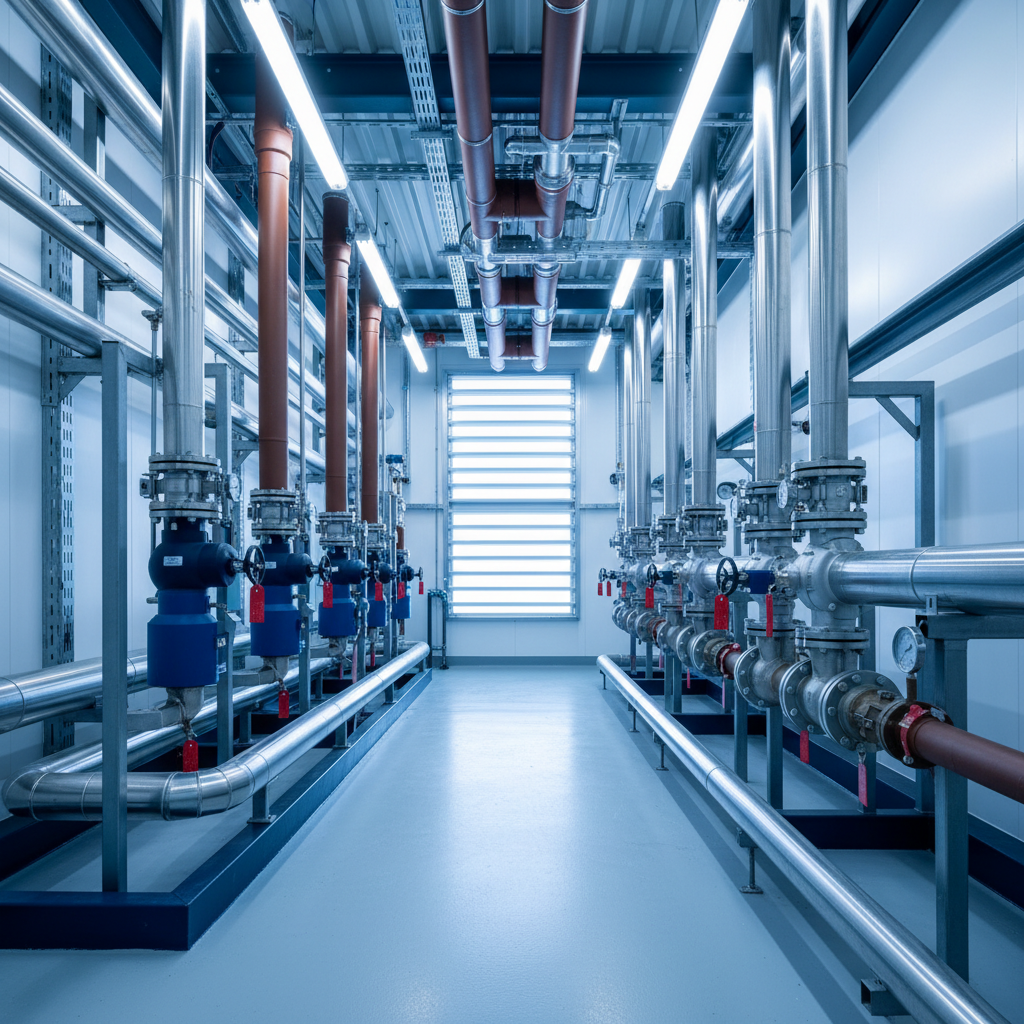
Commercial plumbing encompasses potable water supply, boosted cold water systems, hot water generation and distribution, heating circuits, drainage, waste and vent systems. Unlike domestic installations, commercial systems operate at higher pressures—typically 2-6 bar for standard applications, rising to 8-12 bar for tall buildings with multiple booster sets.
Temperature control becomes critical for both performance and compliance. Stored hot water must maintain 60-65°C for legionella control, while heating circuits vary from 70-80°C in older systems to 40-55°C in modern low-temperature installations designed for heat pump compatibility.
Building services electrical covers LV distribution (230-400V), final circuits feeding HVAC and plumbing equipment, control wiring, fire alarm interfaces, safety isolators, and BMS panels. This isn't just about power—it's about intelligent control systems that manage water temperature, pump staging, and safety interlocks.
UK installations must comply with BS 7671 wiring regulations, with particular attention to Part P requirements for safety in areas where electrical and water systems intersect. Circuit segregation, RCD protection, and proper earthing become essential where pumps, heaters, and control systems operate in potentially wet environments.
The critical interfaces occur at electric water heaters, immersion elements in cylinders, pressurisation units, circulation pumps, and heat pump installations with integrated flow/return pipework. These connection points determine system reliability more than any individual component specification.
Inrush current from pump starts can trip undersized breakers. Water quality affects element life in electric heaters. Thermal expansion in pipework creates stress on electrical connections. Leak risk around electrical enclosures demands careful IP rating selection and drain management.
Copper remains the benchmark for commercial hot water systems, available in 15-108mm sizes with proven high temperature and pressure tolerance. Typical working pressures reach 16 bar at 65°C, with bacteriostatic properties that inhibit bacterial growth. For more on how proper pipework installation impacts system performance, see this case study on chiller pipework installation at Coventry University.
Selecting optimal piping requires evaluating water quality, operating temperature ranges, building height pressures, and anticipated service life. A 20-year design horizon suits cost-conscious retrofits, while 50-year specifications match new construction investment strategies. Building access for future replacement weighs heavily—ceiling void runs allow easier material choices than embedded wall installations.
UK office environments typically prioritise consistent hot water delivery and minimal noise transmission. Retail spaces demand rapid temperature recovery during peak periods. Light industrial applications focus on freeze protection and impact resistance where exposed pipework faces operational hazards.
Maximum continuous temperatures separate these materials: PEX operates reliably at 82-95°C ratings while copper handles 110°C+ without degradation. Expansion behaviour requires different fixing strategies—copper needs supports every 300-400mm spacing, PEX extends to 500-600mm intervals due to flexibility.
Water hammer performance favours PEX through inherent damping characteristics, reducing noise complaints in multi-tenant buildings. Ring main configurations in small offices benefit from PEX's reduced joint count, while copper risers in high-rise applications provide superior pressure handling and theft resistance.
Plant room applications demand copper for exposed runs where mechanical damage risk exists. PEX excels in ceiling void distributions where access permits future modifications without extensive building work.
PVC drainage systems handle gravity flows effectively in condensate management, rainwater collection, and low-temperature waste applications. Chemical resistance suits certain laboratory and catering waste streams, subject to specific compatibility verification.
High-temperature hot water systems create immediate liability with PVC—material failure occurs rapidly above 40°C continuous operation. Pressurised systems exceed PVC's 1-bar limitations, causing catastrophic joint failures. Fire risk areas prohibit PVC where flame spread could compromise escape routes or electrical equipment.
Boiler condensate lines represent ideal PVC application—21.5mm uPVC handles acidic condensate effectively while primary heating circuits require steel or copper construction for temperature and pressure demands.
Internal corrosion symptoms include brown water discolouration, progressively reduced flow rates, and pinhole leaks at threaded connections. Design life typically spans 30-50 years, frequently exceeded in 1960-80s commercial stock still operating with original installations.
Mapping legacy galvanised sections requires systematic tracing from incoming mains through distribution points. Prioritise replacement starting with potable water supplies serving critical tenant areas, followed by heating circuits showing visible corrosion evidence.
Replacement strategies benefit from phased approaches—targeting worst-performing sections first while maintaining system operation. Temporary bypass provisions allow weekend or night-time cutover periods, minimising tenant disruption.
Systematic material selection follows defined logic: identify water quality parameters and operating temperature ranges, assess local fire strategy requirements and exposure risks, determine expected asset life matching investment horizons, then specify materials by building zone—plant rooms, vertical risers, tenant areas, and external sections each demand different approaches.
Hybrid solutions often provide optimal results—copper risers feeding PEX distribution networks combine pressure capability with installation efficiency. Professional M&E specialists guide these decisions through experience with similar building types and operational requirements. For more insights on urgent building issues, see 7 commercial building maintenance problems you need to fix ASAP.
| Material | Lifespan | Capex Impact | Opex Impact | Best Commercial Use |
|---|---|---|---|---|
| Copper | 50+ years | High | Low | Risers, plant rooms, exposed areas |
| PEX | 25-30 years | Medium | Low | Distribution, ceiling voids, retrofits |
| PVC | 20-25 years | Low | Medium | Drainage, condensate, cold water only |
| Galvanised | 30-50 years | N/A | High | Legacy replacement priority |
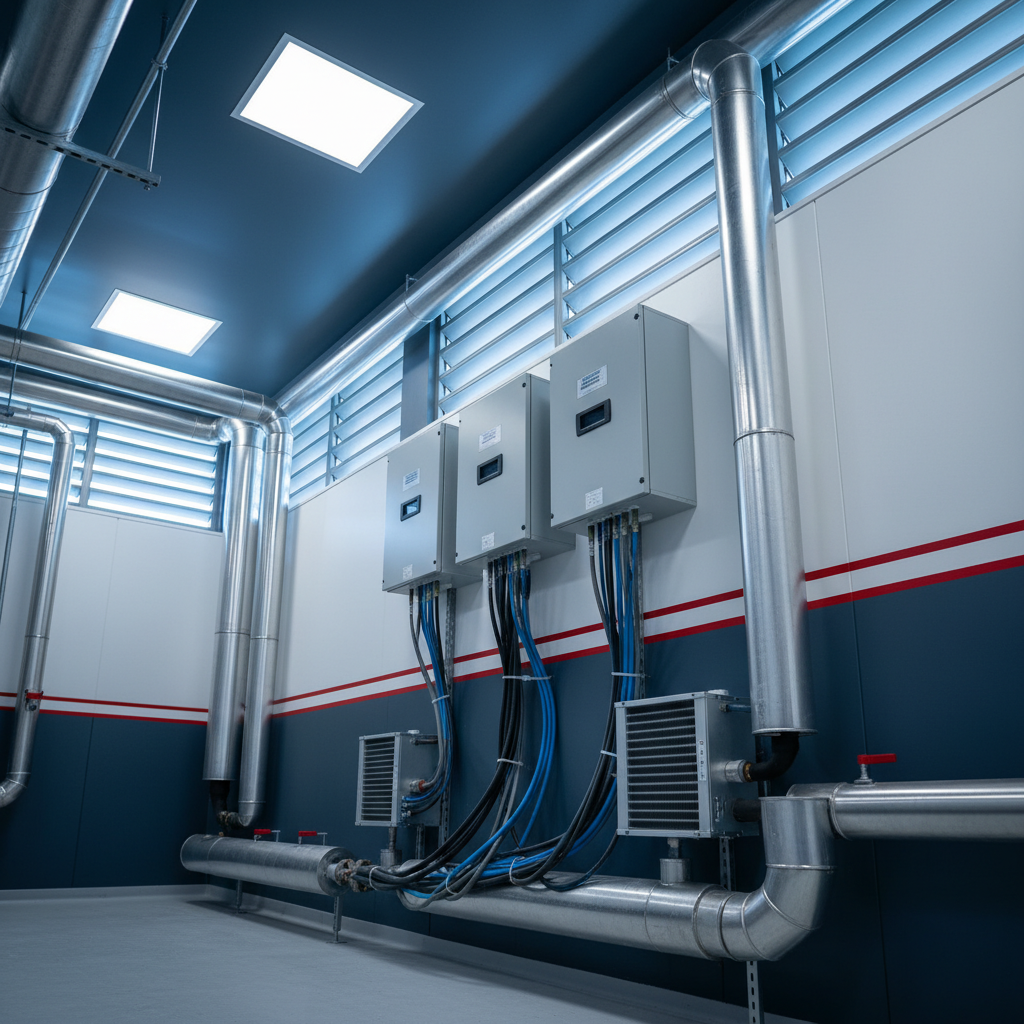
Electric tankless (on-demand) systems operate at 9-27kW single unit ratings, delivering 4-5 litres per minute at 35°C temperature rise from 12kW units. Three-phase electrical supply requirements suit commercial installations with adequate electrical infrastructure capacity. For reliable heating solutions, consider commercial heating systems designed for modern estates.
Electric conventional cylinder systems provide 120-300L capacities for standard office applications, scaling to 1000L+ for high-demand washroom blocks. Reheat performance varies by manufacturer and element rating, but typical commercial cylinders can recover full capacity in 30-60 minutes with 6-12kW immersion elements. These are ideal for sites with predictable peak demand and overnight reheat cycles.
Heat pump water heaters extract ambient heat from air or water sources, delivering 2.5-4.0 COP (Coefficient of Performance) for significant energy savings over direct electric. They require careful siting for airflow and condensate management, and are best suited to new builds or major refurbishments where plant room space and infrastructure can be optimised.
For facilities with critical cooling needs, air conditioning is equally vital for occupant comfort and equipment protection.
To ensure your systems remain compliant and efficient, schedule a M&E/HVAC compliance health check with experienced professionals.
For more information on workplace safety and regulatory requirements, refer to the Housing Health and Safety Rating System operating guidance.
Wondering if your plumbing system is due for attention? Check out 10 signs you need to call a professional plumber for practical tips.
Electrical and plumbing systems in commercial buildings are interdependent—electrical components power plumbing equipment like pumps and heaters. Treating them separately overlooks how failures in one can cascade into the other, increasing downtime and repair costs. Integrated management ensures system reliability, compliance, and smoother maintenance.
Copper pipes offer superior durability, lasting over 50 years under UK water conditions, and can handle pressures up to 16 bar at 65°C. They have natural bacteriostatic properties that inhibit bacterial growth, enhancing water quality. Although copper costs 40-60% more upfront, its longevity and reliability deliver better long-term value compared to PEX, PVC, or galvanised alternatives.
If electrical circuits are undersized for plumbing equipment like pumps, it causes frequent trips, equipment stress, and premature failures. This mismatch triggers emergency repairs, costly call-outs, and extended downtime, which directly impact business continuity and revenue. Proper integration prevents these avoidable breakdowns by aligning electrical capacity with plumbing demands.
Ignoring the interplay between electrical and plumbing systems can lead to non-compliance with standards like SFG20 and Gas Safe regulations, risking safety and legal penalties. It also increases the chance of system failures, inefficient energy use, and unplanned downtime. Compliance requires a holistic approach to maintain asset integrity and protect people and property.
A failed boiler in January doesn't just make staff uncomfortable—it can shut down a 200-person office for three days, costing £15,000 in lost productivity before the first engineer arrives. After 24 years managing everything from single boilers to multi-site portfolios across the West Midlands, I've seen how the wrong maintenance approach turns minor issues into business-critical failures.
The best building maintenance services aren't just about fixing what's broken—they're about preventing failures that cost you trade. This guide cuts through the industry noise to show you exactly what separates professional maintenance from expensive fire-fighting. Commercial property maintenance services are essential for minimising downtime and protecting your assets.
Most facility managers think "best" means cheapest day rate. That's backwards thinking. Best means predictable costs, minimal downtime, and compliance that protects your business. When your HVAC fails during peak summer trading, you're not paying for maintenance—you're paying for lost revenue. Heating and ventilation systems are two of the most critical areas where proactive maintenance can prevent costly failures.
Consider a typical Birmingham office block: a single AHU failure during July doesn't just affect comfort. Staff productivity drops 20%, meeting rooms become unusable, and if you're in retail, customers leave. A four-hour repair becomes a full trading day loss worth thousands.
Poor maintenance creates hidden costs before anything actually breaks. A blocked HVAC filter increases energy consumption by 15%. Scale buildup in a boiler reduces efficiency by 10% before you notice performance issues. These silent drains on your bottom line compound monthly.
Building maintenance services are the planned and reactive works that keep commercial properties operational, compliant, and energy-efficient.
Technical depth means engineers who understand the difference between a faulty actuator and a controls programming issue. You need competency across mechanical, electrical, and building management systems—not just someone who can change filters.
Commercial clarity eliminates surprise bills. Fixed-rate PPM schedules, transparent reporting, and energy insights that actually reduce your operational costs. No hidden extras for "specialist" work that should be standard.
Compliance-first approach protects your business legally. SFG20-based maintenance schedules, Gas Safe certification, F-Gas record keeping, and electrical testing that stands up to HSE scrutiny.
Non-negotiable traits of best-in-class providers:
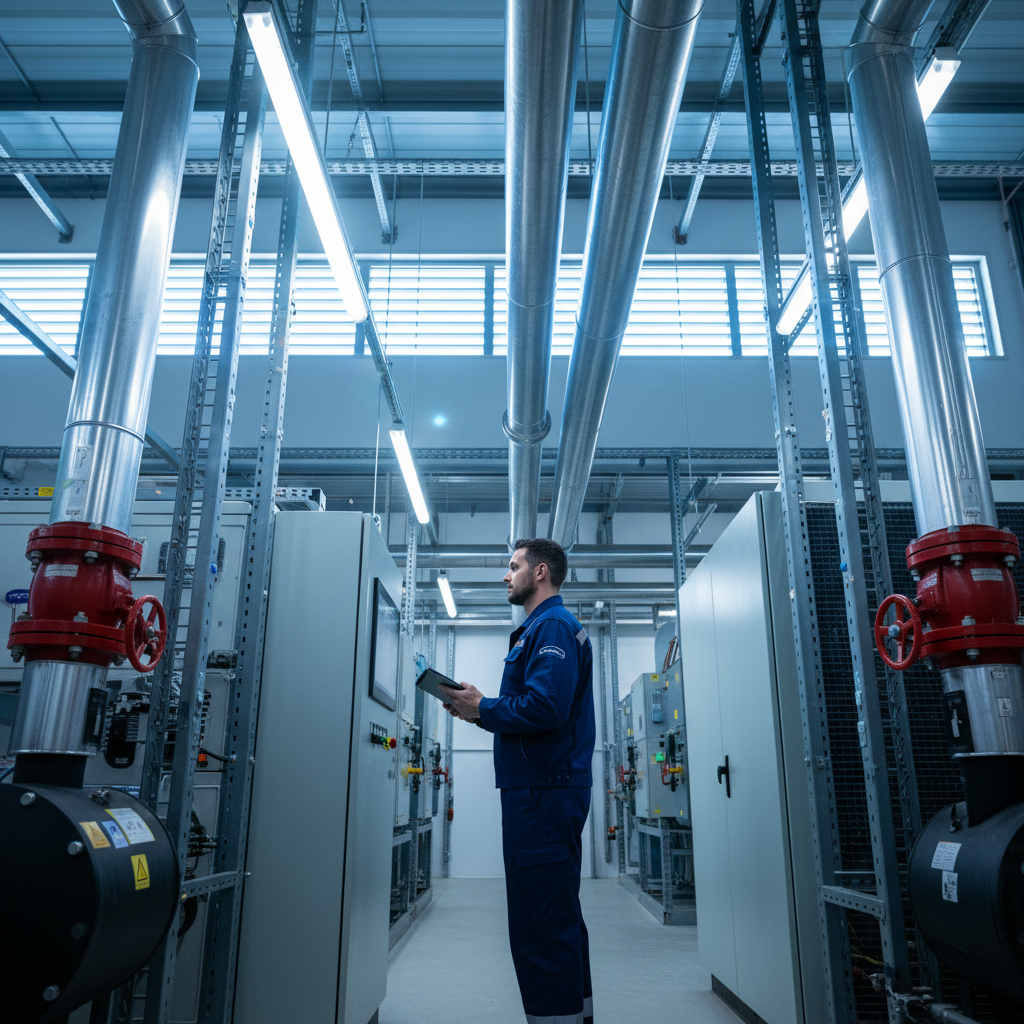
Understanding when to use preventive, corrective, and predictive maintenance isn't academic—it's the difference between controlled costs and crisis management. Each approach serves specific commercial purposes, and the best building maintenance services optimize the mix based on your asset criticality and risk tolerance.
Preventive maintenance follows structured schedules based on SFG20 task frequencies and manufacturer guidance. This isn't guesswork—it's engineering discipline applied to protect asset life and maintain efficiency.
Typical intervals include HVAC plant servicing every 3-6 months depending on load, annual Gas Safe inspections for all commercial gas appliances, and electrical testing (EICR) every 3-5 years for most commercial premises. Filter changes happen every 2,000 fan operating hours or quarterly, whichever comes first.
Real examples: replacing pump seals during scheduled maintenance costs £200. Waiting for catastrophic failure means emergency call-out, water damage, and £2,000+ in consequential costs. Quarterly boiler maintenance catches scaling before efficiency drops 15% and gas bills spike. For more on urgent issues, see 7 commercial building maintenance problems you need to fix ASAP.
Reactive maintenance handles genuine emergencies: total heating loss, electrical distribution faults, or major leaks. Critical failures demand 2-4 hour response times, while non-critical issues can wait 24-48 hours without business impact.
Professional providers use reactive failure data to refine your PPM schedule. If the same pump fails twice in 18 months, the maintenance frequency or methodology needs adjustment. Reactive work should inform preventive strategy, not replace it entirely.
Predictive maintenance uses real-time data—temperature readings, vibration analysis, running hours, and BMS trend logs—to predict failures before they happen. Instead of changing a bearing every 12 months regardless of condition, you monitor vibration patterns and replace it when data indicates wear is accelerating.
A practical example: monitoring boiler return temperatures and flue gas readings catches scaling or combustion issues 2-3 months before complete failure. Running-hours based maintenance (replacing fan motors after 3,000 operational hours rather than annually) prevents unexpected breakdowns during peak summer cooling.
Predictive maintenance makes commercial sense for multi-site portfolios, high-load plant, and critical environments like data centres. The technology investment pays back through reduced emergency call-outs and extended equipment life—typically showing ROI within 18-24 months for complex mechanical systems.
Roof inspections, gutter clearance, drainage checks, fire door maintenance, and external lighting often get overlooked until they cause expensive secondary damage. A blocked roof outlet can lead to water ingress costing £15,000-£30,000 in internal fit-out repairs—far exceeding the £200 annual inspection cost.
Key annual checks that protect asset value include: roof membrane and flashing inspections, gutter and downpipe clearance, external door seals and weatherstripping, and car park lighting functionality. These seemingly minor tasks prevent major capital expenditure and maintain insurance coverage validity. If you're concerned about leaks, here are some potential causes of commercial flat roof leaks.
The best building maintenance services distinguish themselves through technical depth across core disciplines, not just basic repair capabilities. Each service area directly impacts operational costs, regulatory compliance, and business continuity.
HVAC systems—boilers, chillers, air handling units, VRF systems, heat pumps, and circulation pumps—consume 40-60% of a commercial building's energy. Poor maintenance creates immediate financial impact: dirty filters increase fan energy consumption by 10-15%, while poor combustion tuning raises gas consumption by 5-10%. Air conditioning is a key area where regular servicing can prevent these issues.
Leading providers deliver seasonal commissioning within 4-6 weeks of peak demand periods, detailed service documentation with flue gas analysis and pressure readings, and upgrade recommendations with realistic payback calculations. They don't just maintain equipment—they optimise performance and identify efficiency opportunities.
Electrical maintenance covers distribution boards, emergency lighting, small power circuits, and coordination with fire alarm specialists. Legal compliance requires EICR testing every 3-5 years, monthly emergency lighting checks, and annual duration testing—all properly documented with date-stamped certificates. Electrical & plumbing services are essential for maintaining compliance and safety.
Professional electrical maintenance includes clear circuit labelling, digital access to test certificates within 5 working days, and immediate remedial quotes for any defects found. Poor electrical maintenance doesn't just risk downtime—it creates legal liability and insurance complications.
The best building maintenance services integrate sustainable technology support with traditional M&E maintenance. This includes heat pump servicing, solar PV system monitoring, and LED lighting upgrades with typical ROI periods of 18-36 months.
Replacing a 20-year-old gas boiler with an optimised air-to-water heat pump system typically reduces heating energy consumption by 30-50%, while proper system integration ensures reliability matches or exceeds the original installation. Internal product testing on live buildings proves performance claims before full portfolio rollout. For a real-world example, read about our Coventry University chiller pipework install.
| Service Area | M&E Maintenance Solutions | Large FM Corporations | Local Contractors |
|---|---|---|---|
| HVAC Expertise | Senior engineers with 15+ years experience, in-house heat pump specialists | Subcontracted technicians, variable skill levels | Limited to basic systems, no heat pump capability |
| Response Time | 2-4 hours critical, direct engineer contact | 4-8 hours, call centre filtering | Same day, limited out-of-hours coverage |
| Compliance Documentation | Digital certificates within 24 hours, SFG20 aligned | 3-5 days, standardised templates | Paper certificates, basic compliance |
| Energy Optimisation | Quarterly efficiency reviews, upgrade ROI analysis | Annual reports, limited optimisation focus | Maintenance only, no efficiency advice |
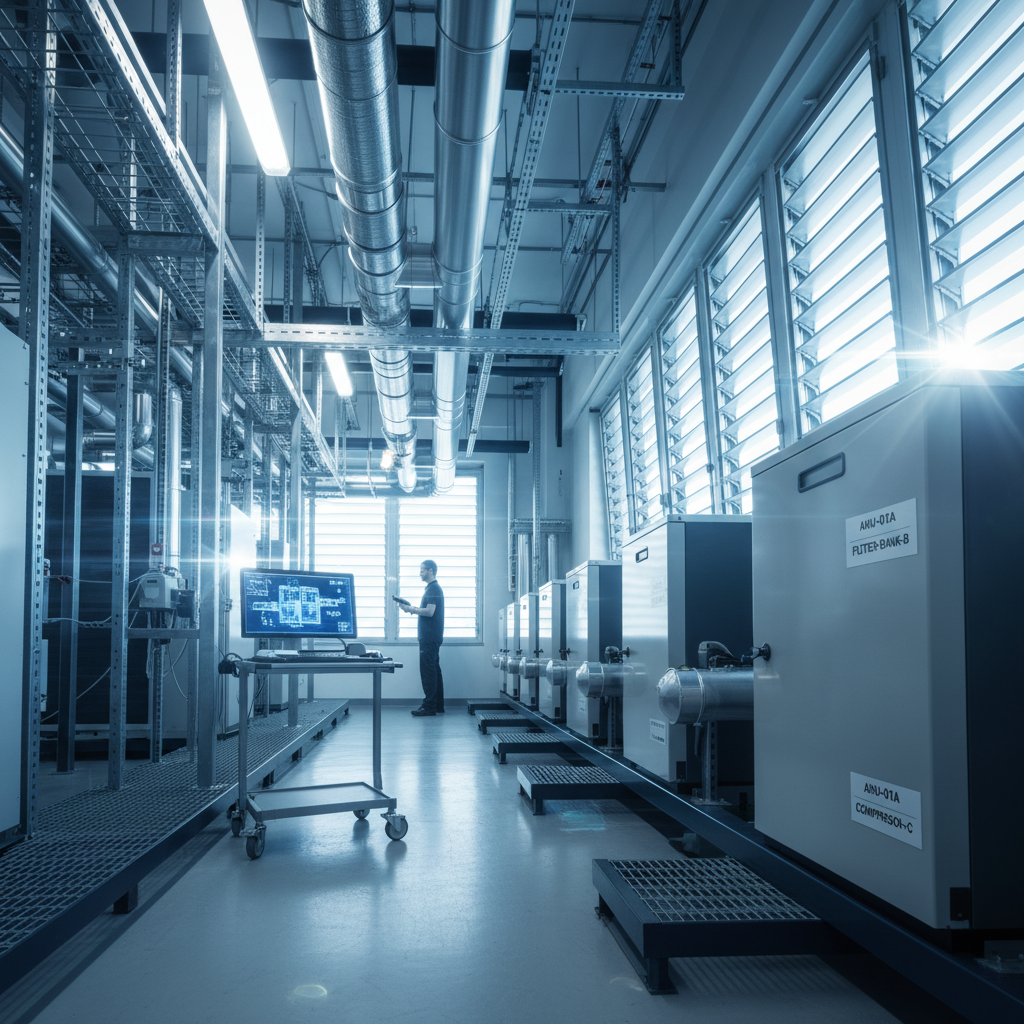
A robust PPM schedule transforms reactive fire-fighting into predictable, budgetable maintenance costs. The process requires systematic asset auditing, task mapping to industry standards, and performance monitoring—typically showing cost benefits within 6-12 months. For a comprehensive review of your systems, consider an M&E/HVAC compliance health check.
Create a comprehensive asset register covering all mechanical and electrical equipment: boilers, chillers, distribution panels, pumps, fans, lifts, and emergency systems. Document make, model, serial numbers, installation dates, and failure history for the previous 12-24 months.
Rate each asset using a simple A/B/C system: A-rated equipment is critical to trade (heating in winter, cooling in server rooms), B-rated affects comfort but not operations, and C-rated is non-essential. This prioritisation determines maintenance frequency and emergency response requirements.
Use SFG20 as your baseline task schedule, adjusting frequencies for actual operating conditions. Gas boilers require annual services with full strip-downs every 3-5 years depending on usage. VRF systems need quarterly filter cleaning, annual refrigerant leak checks, and F-Gas record updates.
High-usage or critical environments justify exceeding SFG20 minimums. A boiler serving a 24/7 facility needs more frequent combustion analysis than one heating a standard office. Document these decisions with clear technical reasoning for compliance audits.
Schedule major maintenance during planned downtime—weekends, seasonal shutdowns, or overnight hours. Always build 2-3 week buffers before peak demand periods: complete heating system maintenance by early October, cooling system checks by mid-May.
Structure visits efficiently: quarterly filter changes and safety checks, bi-annual deep cleans and calibrations, annual statutory inspections and overhauls. Coordinate multiple trades during single visits to minimise disruption and reduce call-out costs. For more on when to call a professional, see 10 signs you need to call a professional plumber.
Track reactive versus planned maintenance ratios—aim for 70% planned within 12-18 months. Monitor first-time fix rates (target 80%+) and energy consumption trends that indicate declining equipment efficiency.
Schedule quarterly reviews with your maintenance provider using actual performance data, not just completion certificates. Identify recurring failures, energy drift patterns, and opportunities to extend intervals on reliable equipment while increasing attention on problem assets.
| Asset Type | Monthly Tasks | Quarterly Tasks | Annual Tasks |
|---|---|---|---|
| Gas Boilers | Visual inspection, pressure check | Combustion analysis, safety device test | Full service, flue inspection, Gas Safe certificate |
| Air Handling Units | Filter condition check | Filter replacement, belt inspection | Motor service, damper calibration, duct inspection |
| Electrical Panels | Temperature check, visual inspection | Connection tightness, RCD testing | Thermal imaging, insulation resistance testing |
Centralise all compliance documentation digitally: Gas Safe certificates, F-Gas records, EICR reports, emergency lighting logs, and risk assessments. This supports insurance claims, HSE audits, and due diligence processes during property transactions. For official guidance, see the HSE's building maintenance requirements.
Implement a simple folder structure accessible to facility managers, insurance brokers, and senior management. Monthly dashboards showing completion rates, energy trends, and upcoming statutory requirements provide board-level visibility without overwhelming detail.
Selecting the right maintenance partner determines whether you achieve predictable costs and reliable performance or continue expensive reactive cycles. The decision framework should evaluate technical capability, commercial transparency, and cultural fit with your organisation's operational requirements.
In-house teams provide maximum control and building familiarity but require significant recruitment, training, and equipment investment. Fully outsourced models offer expertise breadth and 24/7 coverage but may lack site-specific knowledge. Hybrid approaches combine internal oversight with specialist contractor support.
Choose based on portfolio size, technical complexity, and internal capabilities. Single sites under 50,000 sq ft often benefit from local contractors with direct relationships. Multi-site portfolios requiring consistent standards and reporting need regional providers with proven systems and processes. For further reading, the UK Government Facilities Management Strategy outlines best practices for public estates.
| Model | Best For | Cost Predictability | Technical Depth | 24/7 Coverage |
|---|---|---|---|---|
| In-House | Large single sites, specialist facilities | High (fixed salaries) | Limited to recruited skills | Requires shift patterns |
| Outsourced | Multi-site portfolios, standard buildings | Medium (contracted rates) | Broad, multi-discipline teams | 24/7/365 availability |
| Hybrid | Complex estates, critical environments | Balanced (mix of fixed and variable) | Internal oversight plus specialist support | Customised to site needs |
Red Flags:
At MEMS Facilities Maintenance, we operate on the principle of "big enough to cope, small enough to care." Our team delivers the technical depth, commercial transparency, and personal accountability that the big FM corporations can't match. We protect your assets and your people—right first time, every time.
Predictive maintenance uses data and condition monitoring to address issues before they cause failure, preventing downtime with precision. Preventive maintenance follows scheduled inspections and servicing to reduce the risk of breakdowns, based on time or usage intervals. Reactive maintenance waits for equipment to fail before fixing it, which often leads to costly emergency repairs and unplanned downtime.
Proper maintenance identifies and resolves minor faults before they escalate into major failures, ensuring systems run efficiently and reliably. This proactive approach reduces emergency repairs, keeps compliance on track, and maintains business continuity by avoiding unexpected shutdowns that disrupt operations and revenue.
Facility managers should look for providers with proven SFG20 compliance, transparent and traceable certification processes, and a strong track record of timely, consistent engineer response. Technical expertise across systems, a proactive maintenance philosophy, and a partner approach that values building-specific knowledge over one-size-fits-all solutions are essential.
Buildings are complex ecosystems where mechanical, electrical, and control systems interact closely; expertise across all these areas ensures issues are diagnosed accurately and fixed right first time. This holistic understanding prevents recurring faults, optimizes energy use, and safeguards compliance, ultimately protecting uptime and reducing total cost of ownership.
Owning a commercial property is a hands-on job. One of your top priorities should be its maintenance in order to preserve the building’s value.
The wear and tear of your commercial property is only natural.
But in order to generate some form of profit, there are routine maintenance steps which should be carried out year-after-year.
Commercial building maintenance is generally quite routine. This way, you can also avoid costly renovations which could only hurt your profits down the line.
Here are some of the top 10 commercial building maintenance steps to take in order to keep your property in tip-top shape.
Commercial Building Maintenance Tips To Keep in Mind
When it comes to owning commercial property, there are two primary objectives:
1. To maintain its value
2. To generate revenue in order to earn a profit on your investment
Maintaining its value goes hand-in-hand with the condition of the building. The more maintenance is neglected, the greater decrease in value.
Generating revenue is related to the tenants who may use your building as a business premises. The better the state of your building, the higher the caliber of tenants and rent they are likely to pay.
To add to this, regular commercial building maintenance is a great way to prevent huge, unforeseen costs.
A collapsed roof, fire damage, pest infestation or flooding could spell disaster for your profits.
Here are 10 steps to take each year for your commercial building maintenance:
1. Audit Your Energy Consumption
An energy audit of your commercial building is important in establishing where you can lower your overall costs, year-to-year.
As a commercial building owner, you may find that energy costs are one of your biggest overheads. Doing an energy audit is a great way to determine what is chewing into your budget.
An energy professional will conduct an overview of your building and will determine how you can lower your costs, such as:
• Swapping out old light-bulbs for energy-saving alternatives
• Repairing insulation around doors and windows
• Replacing window glass
• Replacing roof insulation and more
An energy audit also allows you to determine whether your tenants are happy with and comfortable within your building.
2. Fix Your Fixtures
Another important aspect of commercial building maintenance is the upkeep of simple things, such as fixtures.
Leaving these damaged fixtures to sit for prolonged periods of time can only lead to further accidents or damage to your building.
Damaged fixtures such as broken lights, door handles, small windows or damaged doors can also leave your building looking shabby.
Make sure to replace damaged fixtures as and when they happen to avoid a backlog of maintenance work and unhappy tenants!
3. Conduct a Monthly Safety Audit
The safety mechanisms and fixtures throughout your commercial property should also be one of your top maintenance priorities.
When it comes to an emergency, these safety fixtures must be in full working order to avoid accidents and any potential lawsuits.
Emergency lighting systems, emergency exit signs, emergency doors and fire detector systems are just some of these safety fixtures.
Make sure to do a monthly audit of these safety mechanisms to ensure they are all operating as they should.
4. Prioritize Remodelling Projects
The remodeling of your commercial property goes a long way in keeping it looking modern and well-kept. After all, this is what your tenants pay for.
The general rule-of-thumb is to keep your commercial property in the same state as you would your own home. If you notice remodeling work is needed, don’t neglect it.
Replace ripped carpets, repaint chipped and peeling walls or ceilings, and refresh the building’s exterior with fresh paint at least once a year.
These are just some of the basic maintenance and remodeling requirements for any commercial building.
5. Stay-On-Top of Pest Control
Undoubtedly, one of the worst issues to deal with when it comes to any commercial property is a rampant pest infestation.
This can end up costing you thousands of Dollars in building extermination, as well as the temporary removal of your tenants.
Keep in mind that even if your tenants haven’t complained about pests, doesn’t mean there isn’t an issue.
Stay-on-top of pest control by conducting a pest audit with a professional at least once a year. Maintenance is the key to keeping pests at bay!
6. Eliminate All Fire Hazards
One of the most devastating hazards which faces any property owner is the potential for a fire to break out.
The only way to avoid a fire breaking out is to identify and eliminate all fire hazards throughout your property.
You will also need to do routine checks on smoke detectors throughout your building at least once a month. Batteries will need to be replaced once a year as well.
Make sure all fire exit doors are fully operational and passageways are kept clear. Ensure each floor of your building is equipped with fire extinguishers.
7. Keep Your Backup Generator Firing
Stagnant parts in a backup generator can spell disaster. As these parts remain motionless, air can creep into the unit injector solenoid and render your generator useless.
All emergency generators need to be started up for at least 5 minutes, once a week to rev up the moving parts and keep things alive.
Transfer load testing should generally be done once a month, while a scheduled full load test should be carried out annually.
8. Prioritize Maintenance of Facilities and Utilities
Staying on track with the full function of your building’s facilities is paramount to keeping tenants happy.
These facilities include the likes of elevators, escalators, public bathrooms, staff rooms and HVAC units.
It’s vital that you conduct a monthly inspection of the operation of these facilities to prevent accidents and maintain the quality of your building.
9. Inspect HVAC Systems Annually
In the summer and winter months, air-conditioning and heating systems are paramount to the comfort of your building’s tenants.
As a result, the HVAC system of your building could be working overtime and close to burn out. This is where monthly inspection is so important.
Filter inspection and replacement will ensure your HVAC system works at its optimum.
If the system seems to be taking strain, call in a technician who can assess where to take some pressure off with re-balancing.
Don’t forget to check the function of HVAC thermostats too!
10. Inspect Electrical and Alarm Systems
Electrical faults play a huge role in the cause of fires breaking out in many commercial buildings – 24.5% of all fires to be precise.
Professional inspection of your wiring, breakers, and appliances throughout your building must be made a priority at least once a year.
While these systems are being inspected, it’s also a good time to double check smoke alarms and fire retardant systems.
Keep Your HVAC Systems In Top Condition With M&E Management
At M&E, our specialty lies in the expert maintenance of commercial property HVAC systems.
Established in 2007, our years of experience put us a cut above the rest, delivering an unrivalled maintenance and repair service.
If your commercial building is in need of HVAC maintenance, don’t hesitate to contact us for all your needs!
Sick Building Syndrome.
It’s one of the biggest problems that commercial building owners and managers face. Yet, it’s one of the most commonly overlooked.
How so?
Simply because an SBS’s occupants experience health issues and discomfort without apparent reason or identified illness or cause. Because the sickness spreads mostly through the air, and air is something we can’t really see. Hence, it can go unnoticed until people start coughing, sneezing, and having dry, itchy eyes among many other symptoms.
And in many cases, it’s a ventilation problem that causes SBS.
SBS is a huge concern. It’s one that you can’t afford delaying the solutions to. Just to let you know, this widespread ‘disease’ in buildings results in over a yearly loss of over 24 million working days.
So, to help you prevent such disasters, we’ve come up with this list of seven signs pointing out to ventilation issues.
1. Rising Number of Fatigue Complaints
Have you heard more than just a few of your building’s tenants saying how it seems like they can’t wake up? Even after they just had a long sleep and a refreshing jolt of caffeine? Perhaps many of them even feel more than just the usual sleepiness – they feel tired to the bone.
Well, in this case, that wall of fatigue they constantly hit may already point to a growing ventilation problem.
Poor ventilation almost always means poor indoor air quality (IAQ). It’s much like how IAQ affects homes throughout the United Kingdom.
A building that has poor IAQ exposes its occupants to pollutants and contaminants. When inhaled, especially in large doses, these unhealthy air particles can limit the function of the lungs. This then makes oxygen circulation more difficult, leading to symptoms of fatigue.
Those who experience this sign of ventilation issues usually find themselves feeling better once they get out of the building.
2. Headaches that Develop Only Inside the Building
Employees who work in sick buildings also often complain about massive headaches. And like with the symptoms of fatigue, the pain subsides once they leave the work premises. In any case, take this as a sign of ventilation problem in your building.
Sometimes, the culprits are Volatile Organic Compounds (VOCs). Paint, paint thinners, cleaning solutions, and even some types of carpeting are sources of these hazardous compounds.
Without proper ventilation, VOCs can float around and circulate through the air indoors. Anyone who steps into the building can then inhale them, leading to painful symptoms such as headaches.
3. Runny Nose Even When It’s Not Flu Season
Does it seem that the flu is going around? Do you hear people in the building sniffling non-stop? If so, then that’s another sign you have a ventilation problem.
This is especially true when these people only develop the flu-like symptoms when inside the building.
They’re not allergic to their jobs, but there’s definitely something in the air that makes them appear so.
Poor indoor air quality can trigger allergies and asthma in people who have them. But it can also make people who don’t have these conditions suffer from similar symptoms.
In this case, don’t let your tenants or employees suffer longer. In fact, don’t wait until they serve you with a complaint or even a lawsuit! The sooner you have the ventilation system checked, the sooner everyone gets better again.
4. Dizzy Spells and Nausea Going Around?
Feeling green around the gills whenever in the office? That’s another common sign of a ventilation problem, and one that you should stop ignoring.
Indeed, there are plenty other causes of dizziness and nausea. But if they’ve become more common amongst a building’s tenants, then it’s most likely the indoor air quality to blame.
Poor ventilation, combined with all other pollutants and contaminants that get into the building can make anyone go crazy dizzy.
Remember, fulfilling your property management responsibilities is part of your legal agreement with your tenants. Don’t let get sick or you can face serious penalties from the Government.
5. It Stinks Inside the Building
Horrible smells. Like a cloth that’s been damp for ages. Similar to what smelly socks usually smell like.
Again, these all point to a possible ventilation problem. Musty odors and the feeling of dampness surrounding you are signs you should check the building’s ventilation system.
6. The Dreaded, Disgusting Moulds
Proper ventilation allows fresh air to enter and circulate throughout a building. Without this, condensation rises and mold problems soon follow.
The scary thing about molds is that it takes as little as one to two days for them to start spreading. That’s right. All it takes is a weekend for them to take over many areas of your workplace or commercial building. And the longer you allow them to live, the more difficult it is to get rid of them. Also, don’t think that these microorganisms only thrive in bathrooms and other damp and dark areas. They can survive almost anywhere, eating away at anything organic.
From wood to paper to fabric to cotton, molds can cover them all. And don’t forget about the potential toxic effects of black mold, the most dreaded of its kind.
7. Stuffy, Chest-Tightening Kind of Indoor Environment
People complaining about how “stuffy” the air is or how it seems like they can’t breathe properly indoors? That’s another sign of a ventilation problem.
A malfunctioning ventilation system doesn’t allow adequate amounts of fresh air to enter, so there’s lack of fresh air circulating in the building too. Or, maybe it does let fresh air in but the indoor air quality has gone so bad that it no longer helps.
Whichever the case is for your building, it’s time you have professionals check the ventilation for any problems.
Get That Ventilation Problem Resolved ASAP
As a building owner or manager, you can’t let your property harm its occupants. Not only is it your legal responsibility. It’s the ethical thing to do.
The last thing you want is for people who stay for long hours inside your property get sick. So, before any of these happens, give us a call. We’ll set your ventilation issues straight and make sure everyone breathes in fresh air again.
Running a commercial building is no easy task. Whether you have the whole place to yourself or you lease the space for other businesses, there are many details to take care of. From the security performance to the electrical bill and routine maintenance checks, you’ve got your hands full.
Thankfully, there are all kinds of services available to help you manage everything – like surveillance cameras and HVAC contractors.
A commercial HVAC contractor is someone who knows how large buildings work and the kind of care their air conditioning needs. This person can help you catch issues before they become big problems, and may even know how to save you a bit of money on that big electric bill. But, you need to find the right contractor, or team of contractors, for the job. Here are all the steps to take to make sure you choose the right HVAC company.
Get HVAC Contractor Recommendations
Don’t let your search for an HVAC contractor become a wild goose hunt. Start by asking other people in your professional network if they’ve recently had an AC work done on their building.
Chances are, they have and they know just the AC contractor you need. While this is a great sign, you shouldn’t stop there. Every person you ask is probably going to come up with a different recommendation, so you have to find a way to start narrowing down your options.
Do Your Own Research
Once you have a few recommendations from people you know well and trust, start to do a bit of your own research. Visit each contractor’s website and find out more about them.
Visit Their Websites
When you go to a contractor’s website, look into the services they offer and read a little bit about their company history. How long have they been in business? Do they work exclusively with commercial buildings or do they specialize in residential services, too? Such details will help you get a feel for their HVAC knowledge and experience. You don’t want to end up working with a team of contractors that just got into the business. It’s always better to find a company that has been doing this for years.
Check Customer Testimonials
Customer testimonials are another important detail to keep in mind. No matter how long a company has been in business if they don’t have a good amount of testimonials to show for their work, somethings up.
The most reputable AC repair contractors will have detailed customer testimonials on display. You’re likely to find these on their “About Us” page, their “Contact” page, or sprinkled all over the website.
Read Off-Site Reviews
In addition to testimonials, you should read a few reviews. What’s the difference? A testimonial is a customer review that has been hand-selected by a company for them to display. They may have even asked for a special quote from a close friend or a business they’ve been working with for years. These offer great information, but they don’t always tell the whole story.
Reviews, though, will display the good and the bad. These can easily be found on a company’s Facebook page or their Google My Business profile. You can glance at the reviews to see what kind of star rating an HVAC contractor company has or dig a little deeper and find out why people gave one star or four stars. The more information you have, the better. You can’t get carried away by the “great prices” or “speedy service” a contractor promises if their reviews reveal they’re not as great as the sales pitch wants you to believe.
Contact Your Top Choices
After reading testimonials and reviews, you should have your list of possible AC repair contractors down to two or three. Now it’s time to reach out to your top choices directly.
You can call them or send them an email. Either way, be sure to ask for a quote and set up a time to meet in person.
Get a Quote
A quote is an estimate of how much your HVAC contract will cost. Sure, you can look at the prices listed on a contractor’s website, but in reality, every service they do is a little bit different.
The final price will depend on how big of a commercial building you have and all the work that needs to be done. If you need a major repair versus a minor maintenance check, you can expect the price to go up.
This is why meeting in person is crucial before you make your final choice. It allows the contractor to get a good idea of the kind of rate to offer, which works for the benefit of you and them.
Meet in Person
There are more benefits to meeting in person than just to get an accurate quote (although this is extremely important). This also allows you to see how well you connect with your contractor and to gauge how much HVAC knowledge they really have.
It’s your time to ask questions about everything from what you can expect during the time of service to the intricacies of your HVAC. Use this as a chance to bring up how to lower your electric costs or to ask about what you can do to better heat or cool the building without putting so much stress on the HVAC unit.
Schedule a Service with Your New HVAC Contractors
Last but not least, make your final choice. The right HVAC contractors should be obvious after you meet with a few options. Now, all you have to do is schedule a service and let them get to work!
Don’t forget to keep us in mind as you choose your contractors. M&E Maintenance Solutions has been serving commercial and residential buildings all over the UK for over ten years. Contact us today to see how we can help you.
Proper cooling capacity and regular commercial HVAC maintenance are important for keeping costs low. Preventative maintenance needs to be budgeted if you want to get the most out of your HVAC system.
Of course, not everyone has the same cooling needs; it varies by climate and office environment.
Other factors determining maintenance needs include: the age of the system, type, condition, physical location, and stress on the system. Certain components need more upkeep than others, so you’ll need to adjust your maintenance schedule accordingly.
For more information on HVAC preventative maintenance, refer to this line of questioning and inspection.
Have Things Gotten Bad?
Are you seeking out commercial HVAC maintenance because your cooling has dropped off significantly? Is your electric bill spiking from a decreased performance? These problems must be fixed before you start planning out preventative maintenance contracts.
How Long Before Visits?
How many hours per day is your HVAC system running? The longer the system runs continuously, the more preventative maintenance you will need.
Don’t rely just on the manufacturer’s recommendation. Having 24-hour maintenance service for your system will prevent any surprising during quarterly visits, for example.
The amount of stress put on a system also depends on how many people are occupying the building on average. Constant foot traffic will greatly reduce the efficiency to keep the building cool. The temperature outside influences the energy consumption of the HVAC system, inside and out.
Your electric bill rises in the summer, but the surges that happen in between then could be attributed to a struggling HVAC system.
What Commercial HVAC Maintenance Entails
Basic maintenance should be done by an HVAC specialist when it comes to large commercial systems. This is not because it is too complicated for you to understand, but because it requires many tasks that need to be done regularly.
During the Spring and Summer, filters must be replaced, belts need to be replaced, all surfaces on the condenser and evaporator coils need to be cleaned, and that can all take some time.
On top of surface cleaning, lines need to be checked for leaks, loosened connections, and lubrication of all moving parts. The fans have to be tested for proper speed and balance for adequate air flow. The thermostat must also be tested to make sure the correct temperature is being displayed.
Additional Fall and Winter Maintenance
All of the above inspections and replacements must be made, plus heating elements as temperatures fall. Heaters must be tested and maintained to prevent a worse case scenario of improper ignition and heating element malfunction.
Starters and solenoids often go out when temperatures drop below freezing.
The heat exchanger must also be well-maintained or it will take much more power to reach the correct temperature. This is a source of many over-priced electric bills during the winter months.
Property Owners Must Be Proactive
Businesses ought to have their HVAC system checked and completely investigated a few times each year. This is to ensure the occupants are keeping up the property, and to see that there are no significant issues inside the complex. Property owners ought to incorporate the testing and repairs of their HVAC frameworks into their overhead costs.
Property administrations should be aware of their occupants’ requests with regards to warming and cooling needs. Grievances about noise, smell, and the time it takes to change the temperature of the space should be noted.
It is important to work with a specialist in HVAC maintenance. You need someone who has multifaceted experience of preventative and emergency repairs. They ought to be familiar with all variations and models of HVAC units, for example, heaters, warm pumps, and hybrid cooling systems.
Preventative maintenance is still superior to repairing as needed. A yearly upkeep calendar ought to be followed up to review, clean, and repair the HVAC unit’s most vulnerable parts.
Questions to Ask an HVAC Contractor
Ask their opinion on how large your HVAC system should be. What is the true capacity of your current system? How are they coming up with their figures for your HVAC needs?
The industry standard calculation is called the Manual J Load Calculation, so look for an experienced contractor to mention it.
What do they think about the condition of your ductwork? Find out if they charge more for the cleaning of ductwork or if they can install new ducts. The condition of your ducts has a direct impact on the efficiency of your HVAC system.
Are they bonded and insured? Don’t do work with any contractors who can’t show you they are legal to do work for you.
Contracts, Fees, and Other Services
Does your HVAC contractor offer upgrades to newer systems? What about a ductless solution–can they offer the equipment and cost to convert it? What is the SEER rating (Seasonal Energy Efficiency Rating) on their HVAC systems?
Ask if they research available rebates or tax credits for businesses looking to upgrade to a more energy efficient system. Do they also handle the processing of paperwork needed to receive the permits and local code approval?
Finally, don’t be afraid to inquire about specific payment terms. Know how much you’ll be paying upfront, how long it will take to complete the job, and any fees associated with it. Ask about extended warranties offered, as it is recommended to get everything in one contract.
Finding an HVAC Provider in Your Area
The first step towards saving more on your operating costs is getting an inspection. Calling up and scheduling a system inspection is how you can weed out the pros from the posers. Remember to call them with the intention of having a long-term relationship for preventative commercial HVAC maintenance.
This inspection should include a lot of exploratory questions from both you and the HVAC tech. If they don’t ask a lot from you, take note of this. No matter how experienced they are, the more information a tech has, the better they will be able to estimate the job and costs associated with it.
If you’re ready to speak to a professional about repairing, improving, and maintaining your system, contact us today.
Windows have several functions but do yours have the capability to accomplish these all at once?
Not all windows are equal and some may be better than the other on a certain function.
What makes them different, though? The answer to that is the technology used, one of which is the glazing. It allows windows to do more than allowing you to see through it.
It's present in every window, but not all people may know about it. What is window glazing and is it important to buildings? Read more to learn everything about it.
Window glazing is the sealing of the glass panes and the window frame to make it weathertight. Some windows use putty to create a seal. Some may use gas trapped between the panes to boost their efficiency.
In the past, windows have a simple purpose: to let the light flow in. Although that's still one of its purposes now, windows have come a long way since then.
With the use of glass, windows can then protect people against the outside elements while allowing the sunlight to enter. However, they still came with some problems, such as heat loss.
Today, they come with a system that allows for better efficiency and functionality. They now minimise heat loss, condensation, and air leakage.
Because of these features, windows can do more than protect us from the outside elements. They now help us keep the inside comfortable and keep the bills low through glazing.
Every home and building needs window glazing, but if you need the exact reasons why, here are some:
Windows and doors are some of the biggest culprits of heat loss or heat gain. This can cause the bills to skyrocket, whether you're trying to stay warm or cool. It helps trap in most of the heat coming from the winter sun or block the heat from the summer sun from coming in.
With engineered and glazed glass windows, you minimise these processes. You can continue to enjoy the sunlight without having to worry about the temperature.
As a consequence of the benefit above, you also get to enjoy reduced energy bills! The thermostat won't have to work as much to maintain a comfortable temperature for the employees in an office.
Ultraviolet light can be beneficial; after all, it's a key component in our bodies' production of Vitamin D. That's why getting exposure to the sun is advisable to some extent.
However, too much of UV light can turn to be quite dangerous. Even when we're inside the building, we're still vulnerable to prolonged exposure to UV light if we don't get protection, such as a sunscreen lotion.
That's why glazing window panes is important - it provides protection from the harmful rays. At the same time, we get to enjoy the benefits of sunlight and its warmth.
Another benefit is that it protects our furniture pieces, too. Exposure to UV light also causes fading in your carpets, chairs, drapes, and other items.
Thanks to glazing technology, glass panes can also now provide protection against other elements, such as strong winds and people. Some types of windows are resistant to force with a bulletproof glass as the best example.
This is why high-end stores can have peace of mind with having glass panes instead of concrete walls. Humans with ill-intent will have a hard time breaking them, if they can at all.
Some technologies nowadays also minimise the risk to humans should the glass break. Modern glass breaks into sand-like particles, which are less harmful than shards that can pierce and cut the skin.
Sound-proofing is also a huge benefit of glazing, especially for homes along a busy street. It's also ideal for buildings, wherein the sounds of the busy street need to stay out so employees can focus on their work.
A high-performance glazing can reduce the noise that's coming in by a huge amount. It will allow you to work in peace or to let your baby sleep through the night.
Condensation is bad for buildings. It provides a good environment for moulds to take over your home.
This isn't only bad for the structural integrity of your building, but it's also bad for your health. Window glazing prevents this by reducing the excess moisture on your windows.
Ever want to resell your home in the future? Window glazing is a good way to increase its value. This is especially helpful for older homes without this technology.
It can make them more appealing to home buyers, knowing that they can enjoy the benefits above.
The next question is: what features of window glazing does your office need? There are a lot of issues you might need to address with your office windows, such as heat gains and losses, shading, thermal comfort, and energy requirements among others. You'd need to discuss these with a professional who will then provide the best solution for you.
An example of a great window glazing is a double-pane or triple-pane windows. These refer to windows with 2 or 3 glass panes, which traps a layer of gas in-between the panes. Depending on your heat control and soundproofing needs, you might use one or the other.
One way to add features and alter the properties of windows is to add coatings or tints. An example is the low-emissivity (low-e) coating. It's a layer of metallic oxide reducing the amount of heat passing through the glass.
Tints are great for changing the colour of the glass for aesthetic purposes. However, it can also be in use for reducing solar gains.
You now know what is window glazing and why it is important. The next step is then to talk to a professional who can provide the best solutions for your office windows.
Don't hesitate to talk to the professionals. Contact us now for inquiries and get window glazing down for your own business.
Carpets are pretty essential when it comes to having a warm, safe and comfy office. With the British weather acting like a toddler throwing a tantrum in a supermarket, it's best to make sure you've covered all bases with both AC for the summer and carpet for the rest of the year.
Are you thinking it may be time to replace your commercial carpet, but aren't really sure? Are you wondering whether you can get a little more use out of it before the death knell tolls? Read on to learn the top 7 signs that time's up for your workplace carpet.
It can be difficult to spot the faults in your office carpet, especially when it's been around longer than you have. When you're seeing it day in, day out, it becomes a well-worn, familiar friend.
Still, however attached you might have grown to that carpet tile floor, it may be giving visitors the wrong impression, and affecting your business' reputation.
Signs of wear and tear include:
If your commercial carpet is showing one or more of these signs, it's likely you'll need a new one, pronto.
Carpet stains can be a major eyesore and reflect pretty badly on your business. Whether it's oil traipsed in from the mechanics' garage outside, bleach spilled by the office cleaner or a stray glass of wine from an office party, stains are part of working life.
But they can also be really difficult to get out, and multiple stains will look pretty awful. Oh, and be wary of do-it-yourself "hacks," like pouring white wine over red, or using red onions to scrub out the grease.
Most of the time, these home remedies make stains worse and cause other problems - like unwanted smells - in the meantime. No, when your carpet's stained, you're better off getting a new one and starting afresh.
Here in the UK we take health and safety pretty seriously, right? And with good reason. No business wants their employees or customers to be hurt at work, or be sued as a result.
Check your carpet over for rips, tears and slippery edges. Is your carpet loose underfoot? Are any of the tiles sliding, or curling at the corners? If you have any of these problems, call in the professionals and they may be able to repair some of the damage to your carpet.
Of course, if the damage has gone too far then yes, your carpet will need to be replaced, but it's a small price to pay versus an injury lawsuit.
Let's face it - after a few years, carpets can start to smell bad. Think wet dogs in an old pub with the sticky tables, bad. Okay, so we may be exaggerating a little, but if your office has started to smell funny or malodorous, it's time for a change.
There are a plethora of reasons why your carpet comes into contact with these smells, but the fabric absorbs them, and the odors stay. It could be anything from spilled milk, to cooking smells or damp, but if you've had your carpets cleaned and they still whiff, then it's high time you got a new one.
Okay, we've got nothing against your grandma, but you know those old photos from when your mum and dad were kids, with the sheepskin rugs and the orange wallpaper? If your carpet looks like it'd fit right in, then you need to put it out of its misery.
A good quality carpet is built to last, but sometimes it can outlive its beauty. If you want your business to look professional, modern and inviting, then a new carpet that reflects your ethos is what you want.
Cheap carpet is easy on the wallet at first, but that's about it. In fact, cheap carpets are a false economy as they wear out more quickly, often don't look too attractive, and the lack of underlay can give you foot fatigue.
A lack of padding basically leaves your floor feeling like hard tiles, and this can lead to problems like cramping, joint pain and backaches. To counter this, you should get a new office carpet, and make sure there's appropriate padding beneath it, so you and your colleagues can have happy feet through the working day.
Have you noticed you're sneezing more at work, or peoples' allergies seem to have gone into overdrive? If you have an air conditioning unit, make sure you get it cleaned and serviced regularly, as contaminated air will make people sick.
If you've checked out your AC and that's not the problem though, you may need to have a closer look at the carpet. Have you had leaks in the past, any flooding or damp? Even if these issues have been resolved, it could be you still have mold in your carpet or underlay.
Mold can adversely affect your health. Infants and the elderly are particularly at risk, so if your business is a doctor's office or care home, for example, mold could pose a serious problem.
Others who are affected are:
If you have mold growing in or under your carpet, then it's vital you get it changed right away.
A commercial carpet can make work-life better for so many reasons. Not only does it make your office or workplace look good, but it gives the room an extra layer of warmth, comfort and safety that hard floors don't.
If you've noticed your carpet has worn over time, acquired stains or smells like an unwashed armpit, you'll want to get it changed as soon as possible.
If your carpet's torn, curling or moldy though, it's a danger to others and needs to be repaired or replaced immediately. If you need to fix or replace your commercial carpet, contact us and see how we can help.
Is your flat roof leaking? Trying to figure out what the cause might be?
Maintaining a commercial property is essential if you’re running a business or if you’re striving to be a great commercial property manager. A damaged or leaking flat roof can cause a lot of potential problems.
If you’re experiencing flat roof leaking it can be difficult to pinpoint what the issue is. However, by knowing a few of the most common causes you can get a good idea of what the problem might be and how to proceed.
Below we’ll take a look at some of the potential causes of a leaking roof...
1. Perimeter Flashing Damage
Damage to a roof’s perimeter flashing can lead to big problems in a commercial flat roof. This type of damage is one of the most common reasons you may be experiencing a leak. If your flat roof perimeter flashing has taken any damage in the form of holes, tears, or breakages then water will probably be able to work its way into your building.
The cause of this perimeter flashing damage can vary from roof to roof. Most often, this type of damage is due to extreme weather and temperatures or they may be due to poor installation and maintenance.
2. Weather Damage
Adverse weather conditions can be a big problem and can lead to many types of costly property damage. Leaks are one of the most common issues you may face with a commercial building as a result of poor weather.
Strong storms, rain, snow, or high winds can potentially cause a lot of damage to your roof and your perimeter flashing. Perimeter flashing damage may be the result of different temperature conditions in which there are fluctuating highs and lows.
When you have a flat roof leak due to weather damage, it is essential that you get it repaired as soon as possible and prevent any further leakage from occurring.
3. Poor Workmanship
Another possible reason that your flat roof may be suffering from a leak is that you simply received poor craftsmanship when the roofing system was initially installed.
A poorly designed roof can lead to flatwater problems, meaning that your roof is filled with water for an extended amount of time and fails to drain itself within 48 hours after rainfall.
Flatwater problems can occur when there aren’t enough ways for the water to drain or if the building gutters and water outlets are blocked by debris. Flat water can cause there to be too much weight on top of your roof, and can also lead to leaks.
4. The Builder Used the Wrong Materials
While the actual design or craftsmanship of the property may have led to the leak, sometimes the builder simply used the wrong materials for the job. Certain roofs work better with different building materials. The wrong materials may not be able to properly handle the rain as it should.
Some builders are just careless and didn’t consider the materials carefully enough. A builder may also have been inexperienced and didn’t know any better.
Whatever the reason, the wrong materials used on a flat roof can cause leaking and a lot of frustration.
5. Excessive Foot Traffic
Your roof may also have problems because there has been too much foot traffic on your roof. Too much foot traffic on a flat roof can lead to punctures and breaks. Breaks, breaches, and penetrations can all lead to a leaking roof and cause a lot of damage.
If you suspect excessive foot traffic has led to these breaks, it’s important to limit how many people can access your roof throughout the day or week.
6. Lack of Maintenance
A lack of property maintenance is also a common cause of problems with a flat roof. Poor maintenance may lead to your roof having leaks and experiencing damage.
If you have had a lot of other business matters to attend to, you may have postponed building and roof maintenance time and time again. However, this can be a big mistake.
There may be moss buildup, plants on your roof or in pipes, and other forms of deterioration as well. If your roof hasn’t been maintained as it should have it can lead to buildup and deterioration that make your roof start leaking.
7. Old Age
A commercial flat roof, its equipment, and other components will always deteriorate over time.
If you let your roof go for too long without adequate upkeep, it can be a real problem and you may find that leaks are beginning to occur. Holes and punctures may occur in worn-out components and equipment such as HVAC units, vents, gas lines, or pipes and drains.
Whatever the reason, some degradation should be expected with the old age of a roof. It’s important to get your leak repaired as soon as possible and to remember to stay on top of maintenance going forward.
Ready to Fix a Flat Roof Leaking Problem?
While it can be difficult to pinpoint the exact cause of a roof leak these are a few of the potential causes that you can start looking at to get to the bottom of the problem.
With a little bit of effort, however, it is possible to get your roof repaired and back to normal once again.
If you’re experiencing flat roof leaking or another roof problem in your place you’ll want to hire quality building repair specialists We can help. Contact us today to learn more about what we can do for you.
Becoming a DIY maintenance director of your building or office isn't going to help you out in the long run. Instead, you will spend more money because of the lack of expertise you have.
In this article, we will go over some of the signs to watch out for in your building or office space.
Keep reading to learn about ten things to watch out for when deciding if you need to call a plumber!
Do you want to make certain you are prepared for the next plumbing situation? It is important to take preventative measures as well as be informed about potential problems that could occur.
When a pipe breaks or backflow happens, make sure you call an expert. Keep a list of contractors you've heard through word of mouth that are excellent and skillful workers.
Here, we are going to go over ten things to look for in your office or home. This will help you decide when to call a plumber.
If there is delayed draining of water in your sink, then you know something is wrong. This is a sign that something is clogged up and the usual flow of water is unable to move.
With kitchen sinks, sometimes it's because of grease or insoluble from leftover food that's hardened in the pipe.
In bathrooms, typically its gel and hair that cling together, forming a ball. Buildup begins around the walls of the draining pipe.
If you notice that water is taking longer than usual to drain, you may need to call a plumber.
Backflow is a terrible thing that happens to homeowners or business owners.
Smelly and bad water can ruin rugs, carpet upholstery, and flooring forever.
Frequently, the return of smelly water or the overflow of the sink is called back-flowing. This happens if there is a sudden change in the water flow. A reversal of water up the drain occurs.
The worst version of this is having a sewer backflow.
Typically, the main valve must be shut down. Backflow occurs because a valve can't close the water that's been drained.
Despite turning the faucet handle many times, if the water pressure is still weak, this is often a sign that something is inside the facet and holding back the amount of water that can be released.
It may seem like a simple process, you could damage the inside of the faucet pipe if you try and poke holes in it. This could lead to a leak.
Instead, call a plumber and have them take a look at it.
Bad smells in a house or office are an indication that the valve isn't performing well and must be replaced or repaired. This isn't an easy fix, so you should call a plumber.
They will be able to ensure your house doesn't smell like sewage water or rotten eggs.
Gurgling water occurs when water is trapped in the faucet of a toilet, laundry machine, or dishwasher. The drain may be clogged by something. If the draining system is trying to get air, gurgling can occur as well.
If you don't turn off the water, it could back up the entire house.
If you hear water running behind the walls even when the kitchen or bathroom isn't in use, this means there is a leak someplace.
You shouldn't be able to hear it run. Call a plumber and have them come to take a look.
If you don't, the leak could grow into a bigger problem.
Have you run out of water before? There may be an active leak that you don't know about. Most pipes are either behind walls or underground, so this can be a severe problem to inspect.
Call a plumber and have them discern what's going on.
If an appliance has broken in your office or one of your apartments, there may be a problem. Water heaters, washing machines, dishwashers, and any other appliances that are connected to water may cause an issue when broken.
Call in a professional to examine your appliance and fix this plumbing problem.
This will keep your space protected from water damage as well as preserve your device.
If you do not have a main shutoff valve, make this is a priority to be installed and learn how it works.
If there is an emergency at your office or in one of your buildings, you are going to want to shut off the water as quickly as possible to prevent any more damage to your property.
If an appliance breaks in the future, you will be able to easily shut the water off and make sure your kitchen floor doesn't get ruined from a leaking dishwasher.
Water quality varies significantly all over the place and depending on where you live, you might have water that has trace minerals and various additives.
High concentrations can cause green, brown, and white buildup. They can also stain fixtures and faucets.
The pipes can be affected, and this will change the water flow.
If you know that the water quality isn't the greatest where you live, it might be a good idea to install some purification systems or filters.
In this article, we examined ten different signs of when you should call a plumber. Don't try and fix it yourself. You will save yourself money and worry, in the long run. By hiring a professional, you will be in good hands.
Properties and offices must be maintained. Things will break down. You just need to make sure you know what to look out for and also when to call a plumber.
Do you want to learn how to maintain your commercial property? Read this article we wrote about ten tips for building maintenance.