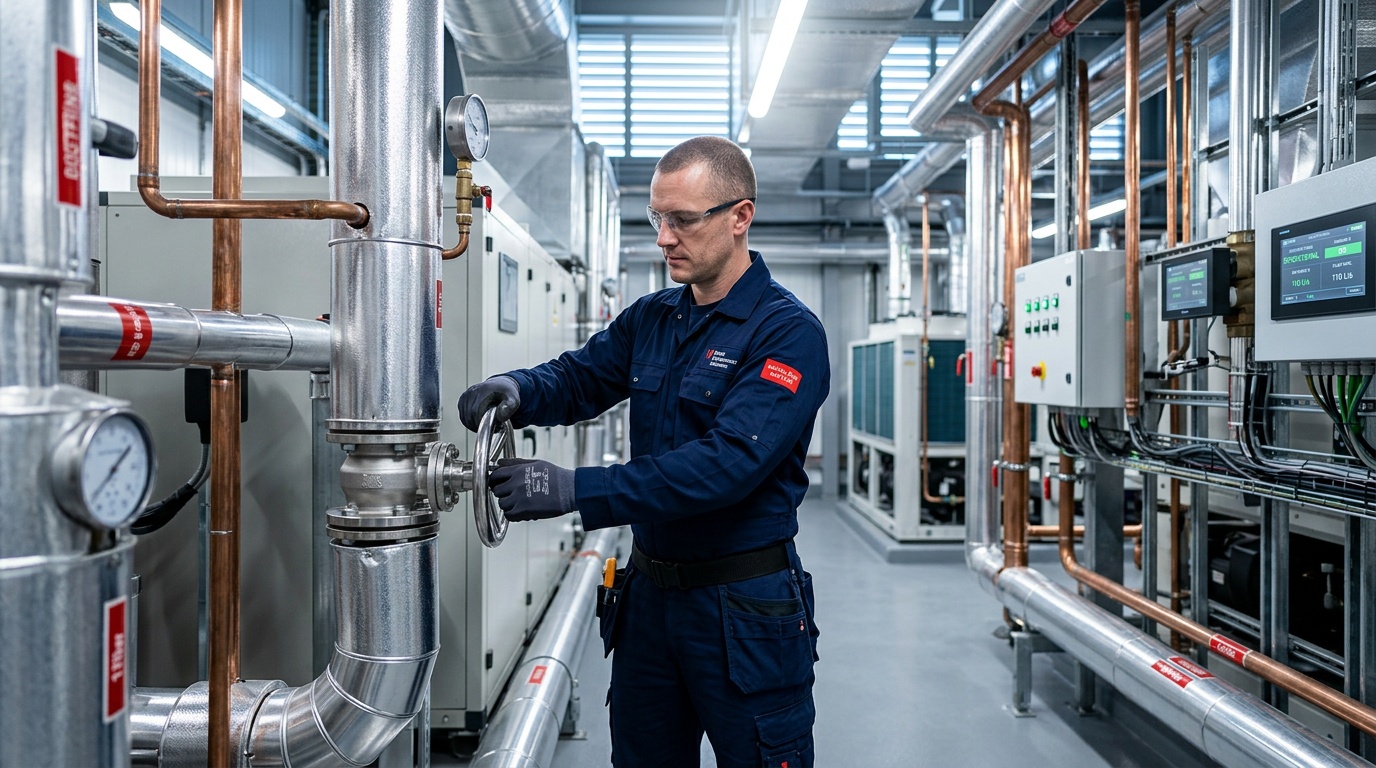
top Plumbing and Electrical Services 2026
The Commercial Reality of Modern Building Services: What Facility Managers Need to Know for 2026
Last week, I watched a facility manager in Solihull face a £15,000 emergency electrical bill because their previous contractor missed a simple thermal imaging check. The building lost power during peak trading hours, costing far more than the repair itself. This scenario repeats across the West Midlands daily. And it's entirely preventable.
The top Plumbing and Electrical Services 2026 environment demands a fundamental shift from reactive fixes to intelligent asset management. Gone are the days when you could rely on basic call-out services and hope for the best.
Why 'Business as Usual' No Longer Works
Building regulations have tightened significantly. Energy costs keep climbing. Occupant expectations for comfort and reliability have never been higher. Your mechanical and electrical systems must now deliver on multiple fronts: compliance, efficiency, sustainability, and uptime.
Smart building technology integration isn't optional anymore for competitive commercial properties. Tenants expect responsive environments, predictive maintenance schedules, and transparent energy usage reporting.
Beyond Repairs: The Rise of Proactive Building Management
The most successful facility managers I work with have abandoned the "fix when broken" mentality. They've adopted condition-based monitoring, predictive analytics, and integrated service partnerships.
Key Insight: Buildings that operate on proactive maintenance schedules report 40% fewer emergency call-outs and 25% lower annual utility costs compared with reactive-only approaches.
This includes regular thermal imaging surveys, water quality testing, electrical safety inspections, and. Importantly. Commercial Ventilation Repair Services that maintain indoor air quality year-round.
The Hidden Cost of Outdated Systems
Outdated electrical panels increase fire risk and insurance premiums. Inefficient boilers waste thousands in energy costs annually. Poor ventilation systems create liability issues and tenant complaints.
But here's what really hurts: it's not the equipment failure itself. It's the cascade effect. Lost productivity, emergency contractor premiums, potential regulatory fines, and reputational damage with tenants.
Your Building's Health Check: A Facility Manager's First Step
Start with a building services audit. Document current system ages, maintenance histories, and compliance certificates. Identify which systems operate beyond their optimal lifespan.
Priority areas include electrical distribution boards, water systems, heating plant, and ventilation networks. Each requires specialist assessment to determine replacement timing and interim maintenance requirements.
Top Plumbing Innovations for Compliant and Efficient Facilities in 2026
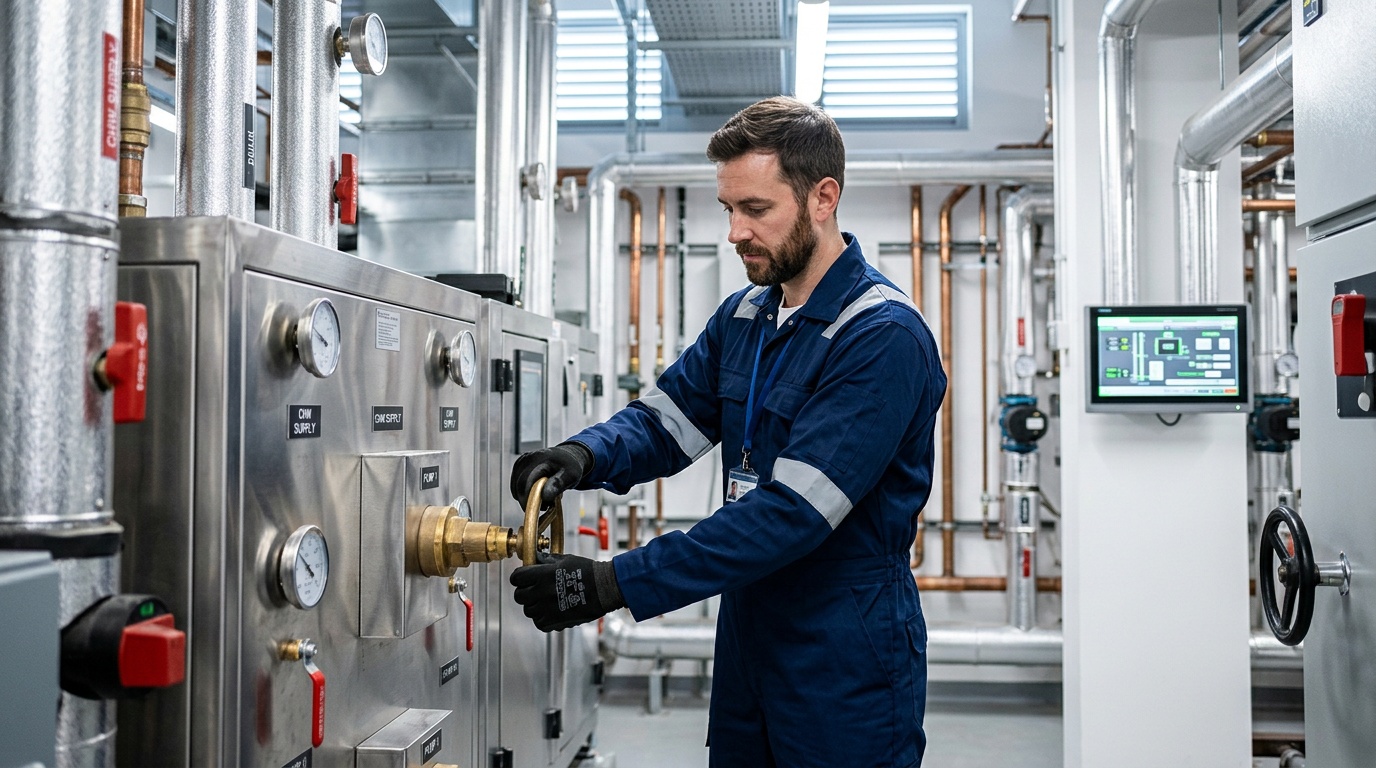
Commercial plumbing systems face unprecedented pressure to deliver efficiency, sustainability, and compliance simultaneously. The top Plumbing and Electrical Services 2026 must address water conservation mandates, digital monitoring capabilities, and evolving health regulations that govern modern commercial buildings.
Water Efficiency: The Smart Approach to Consumption and Cost
Water-efficient fixtures and systems now deliver measurable operational savings whilst meeting stringent environmental standards. Low-flow taps, dual-flush systems, and greywater recycling installations reduce consumption by 30-50% in typical office environments.
Advanced pressure management systems prevent waste through precise flow control, cutting the hidden costs of over-pressurised networks. These technologies integrate with existing infrastructure, providing returns through reduced utility bills and improved tenant satisfaction.
Smart Water Technology: IoT Integration for Leak Detection
Internet-connected sensors now provide real-time monitoring of water pressure, flow rates, and potential leak detection across entire building networks. These systems alert facility managers instantly to anomalies, preventing catastrophic failures and water damage claims.
Predictive analytics identify patterns that indicate impending component failures, allowing scheduled replacements during planned maintenance windows rather than emergency situations. This technology moves plumbing management from reactive response to proactive asset protection.
Advanced Drainage Solutions: Preventing Blockages and Odours
Modern drainage systems incorporate anti-bacterial coatings, improved trap designs, and automated cleaning cycles that maintain proper flow without manual intervention. These innovations reduce maintenance call-outs and occupant complaints.
Commercial Reality: Buildings with proactive drainage management report 70% fewer emergency plumbing calls and virtually eliminate odour-related tenant issues.
The Importance of Current Gas Safe Compliance for Commercial Premises
Gas safety regulations keep evolving, with improved documentation requirements and stricter inspection schedules. Commercial properties must maintain current Gas Safe certificates for all appliances, with digital tracking systems ensuring compliance visibility.
Annual safety inspections now include thermal imaging assessments and detailed combustion analysis, providing safety assurance whilst optimising appliance efficiency. Non-compliance carries severe legal and financial penalties that far exceed preventive maintenance costs.
Future-Proofing Your Estate: Essential Electrical Services for 2026 and Beyond
Electrical infrastructure demands in commercial buildings continue expanding rapidly. Smart building integration, electric vehicle charging, renewable energy systems, and improved safety protocols define the essential electrical services environment for forward-thinking facility managers.
Smart Building Integration: The Power of Connected Electrical Systems
Intelligent electrical networks enable automated load balancing, energy usage optimisation, and predictive maintenance scheduling. These systems integrate lighting, HVAC, security, and Commercial Ventilation Repair Services into unified control platforms that respond dynamically to occupancy and environmental conditions.
Advanced building management systems provide granular energy consumption data, enabling precise cost allocation and identifying efficiency opportunities that traditional electrical installations can't deliver.
EV Charging Infrastructure: Meeting Electric Vehicle Demand
Commercial properties must accommodate increasing electric vehicle adoption through properly specified charging infrastructure. This requires careful electrical load calculations, distribution upgrades, and future-capacity planning to avoid costly retrofits.
Smart charging systems manage power distribution intelligently, preventing grid overload whilst providing convenient charging access for tenants and visitors. Properties without EV charging capabilities face competitive disadvantages in attracting quality tenants.
LED Lighting: Maximum Energy Savings and Occupant Comfort
Modern LED systems deliver exceptional energy efficiency alongside improved light quality and controllability. Smart lighting networks adjust automatically based on natural light levels, occupancy patterns, and time schedules, reducing energy consumption by 60-80% compared with traditional fluorescent installations.
The M&E Advantage: Integrating Plumbing, Electrical, and HVAC for Better Building Performance
Mechanical and electrical systems don't operate in isolation, yet many facility managers still manage them through separate contractors. This fragmented approach creates inefficiencies, communication gaps, and missed opportunities for optimisation that integrated service delivery removes.
Why Siloed Services Are a Thing of the Past
When your electrical contractor installs new distribution boards without considering HVAC load requirements, or plumbing modifications affect ventilation performance, you end up paying twice for suboptimal results. Integrated M&E services coordinate building systems from design through maintenance.
Modern commercial buildings require coordination between power distribution, water systems, heating networks, and ventilation controls. Separate contractors rarely deliver this level of coordination consistently.
Integrated Maintenance: Real Cost Savings and Better Uptime
Single-visit maintenance schedules reduce disruption whilst ensuring all systems receive coordinated attention. When our engineers service electrical panels, they also inspect associated HVAC controls and nearby plumbing connections, identifying potential issues before they escalate.
Real-World Result: Integrated maintenance programmes typically reduce total service costs by 25% whilst improving system reliability through coordinated care.
This approach includes Commercial Ventilation Repair Services that align with electrical and plumbing maintenance, supporting excellent indoor air quality without conflicting system demands.
M&E's 'Open Door' Innovation: Vetted Technologies for Real-World Benefits
We test new technologies internally before recommending them to clients. Smart sensors, predictive analytics tools, and efficiency upgrades undergo rigorous evaluation in our own facilities first, ensuring proven performance rather than experimental installations.
This internal validation process protects your investment whilst providing access to cutting-edge solutions that deliver measurable improvements in energy efficiency, maintenance costs, and system reliability.
Your Action Plan: Securing Compliant, Efficient, and Reliable Building Services for 2026
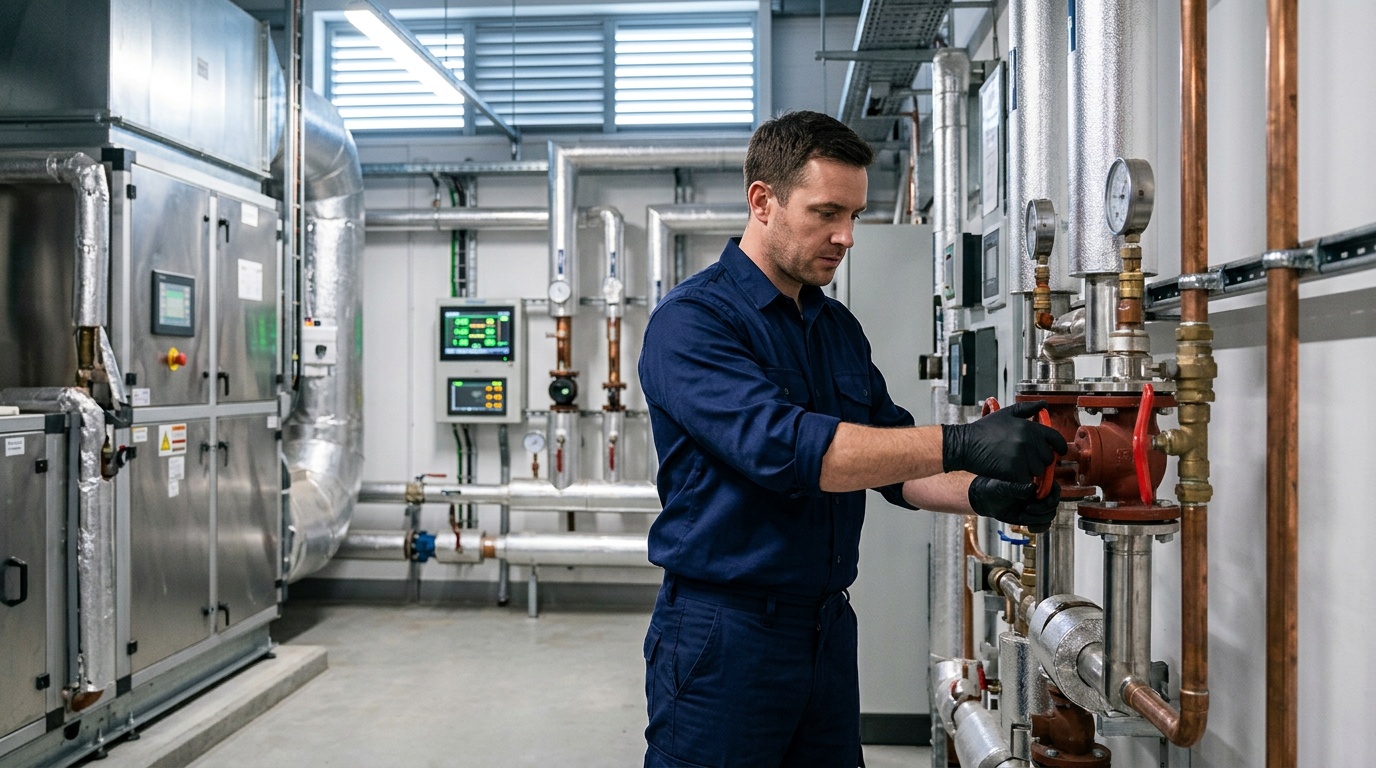
Implementing the top Plumbing and Electrical Services 2026 requires strategic planning, proper partner selection, and clear performance metrics. This systematic approach ensures your building systems deliver strong performance whilst maintaining regulatory compliance.
The Facility Manager's Checklist: Questions to Ask Your Current Provider
Evaluate your current service arrangements against these requirements:
- Do they provide digital compliance certificates within 24 hours of completion?
- Can they demonstrate SFG20 adherence with documented procedures?
- Do they offer integrated M&E services, or coordinate with other trades?
- Which predictive maintenance technologies do they use?
- How do they handle emergency response outside normal hours?
Understanding SFG20 and Other Compliance Standards
SFG20 provides the benchmark for planned preventative maintenance across building services. Compliance requires documented maintenance schedules, qualified technician certifications, and traceable service records that demonstrate regulatory adherence.
Gas Safe, REFCOM, and electrical safety regulations form the legal framework governing commercial building operations. Non-compliance carries severe penalties and insurance implications that far exceed proper maintenance investment.
The MEMS Standard: Proactive Maintenance as an Investment, Not a Cost
Planned preventative maintenance delivers measurable returns through fewer emergency call-outs, extended equipment lifespan, and optimised energy performance. Our clients typically see a 40% reduction in unexpected failures within the first year of dedicated maintenance programmes.
This investment approach protects your assets whilst supporting consistent building performance that maintains tenant satisfaction and property value retention.
Partnership Approach: We don't just maintain your building systems; we protect your business continuity through proactive asset management that prevents costly disruptions.
Ready to secure reliable, compliant building services for 2026? Contact MEMS today on 0121 380 5630 or email [email protected] to discuss how our integrated M&E approach can transform your facility management strategy and deliver measurable operational improvements.
Frequently Asked Questions
Why is relying on basic call-out services no longer sufficient for commercial plumbing and electrical needs in 2026?
The commercial reality has changed significantly. Basic call-out services are reactive, often leading to expensive emergencies, lost productivity, and compliance issues. Modern building services demand a proactive approach to meet stricter regulations, rising energy costs, and higher occupant expectations for reliability and efficiency.
What role does smart building technology play in managing plumbing and electrical systems effectively?
Smart building technology, through IoT sensors and predictive analytics, provides real-time monitoring of systems like water pressure and electrical loads. This allows facility managers to identify anomalies, prevent failures, and schedule maintenance proactively. It's about intelligent asset management, moving beyond simply fixing things when they break.
How does a proactive maintenance schedule specifically reduce emergency call-outs and utility costs for commercial properties?
Proactive maintenance, including regular thermal imaging and electrical safety inspections, identifies potential issues before they escalate into costly emergencies. This approach significantly reduces emergency call-outs by up to 40% and lowers annual utility costs by around 25% compared to reactive strategies. It keeps your building running efficiently and predictably.
What are the primary risks and hidden expenses associated with outdated electrical and plumbing systems?
Outdated systems carry significant risks, from increased fire hazards and higher insurance premiums due to old electrical panels, to thousands wasted annually on inefficient boilers. The true cost isn't just the repair, but the cascade effect: lost productivity, emergency contractor premiums, potential fines, and damage to tenant relationships. It's a commercial reality you can't ignore.
What are some key plumbing innovations that help commercial facilities meet water conservation and health regulations?
Modern plumbing innovations focus on efficiency and compliance. This includes water-efficient fixtures like low-flow taps and dual-flush systems, as well as greywater recycling, which can reduce consumption by 30-50%. Advanced drainage solutions with anti-bacterial coatings also prevent blockages and odours, maintaining hygiene and reducing maintenance calls.
Why is consistent Gas Safe compliance so critical for commercial premises in 2026?
Gas Safe compliance is non-negotiable for commercial premises due to evolving regulations and stricter inspection schedules. Maintaining current Gas Safe certificates and undergoing annual inspections, including thermal imaging, ensures safety and appliance efficiency. Non-compliance can lead to severe legal and financial penalties, far outweighing the cost of preventive maintenance.
How can facility managers begin to assess their current building services to prepare for 2026 standards?
The first step is a comprehensive building services audit. You need to document the age of your current systems, their maintenance histories, and all compliance certificates. Prioritize assessing electrical distribution boards, water systems, heating plants, and ventilation networks to identify systems operating beyond their optimal lifespan and determine future needs.