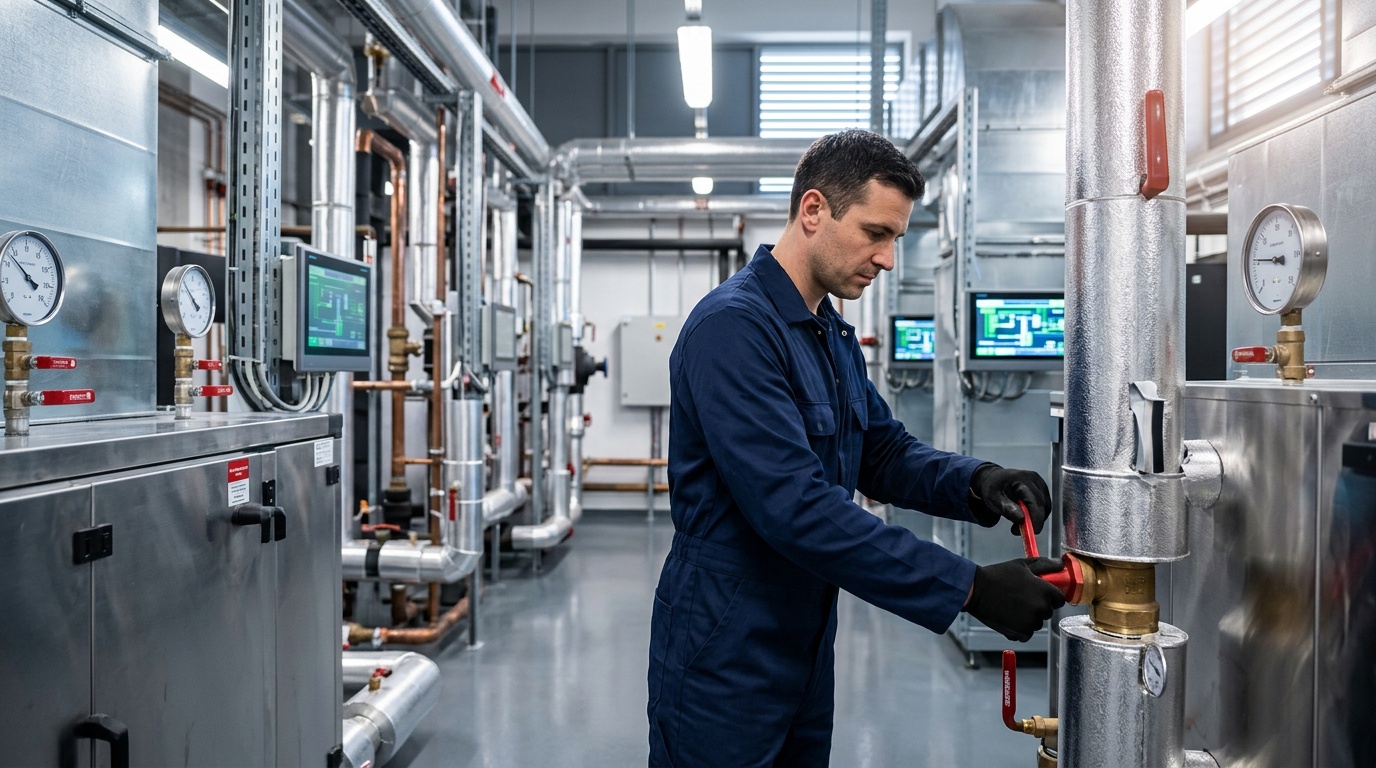
Plumbing and Electrical Services reviews
Plumbing and Electrical Services Reviews: A Facility Manager's Guide to Choosing Commercial Contractors
Beyond the Stars: What Reviews Really Tell You About Commercial Contractors
The Cost of Getting It Wrong
Last month, a Birmingham retail centre lost £15,000 in trade because its electrical contractor couldn't isolate a fault properly. The "emergency" repair took three days instead of three hours. This wasn't complex engineering. It was poor workmanship disguised as expertise.
Here's what most facility managers miss: you're not just paying for repairs when systems fail. You're covering lost revenue, compliance breaches, and potential insurance claims. Yet too many still select contractors based on star ratings designed for domestic plumbers fixing kitchen taps.
After 24 years in this industry, I can tell you that Plumbing and Electrical Services reviews for commercial facilities reveal patterns that generic testimonials completely miss. A contractor might excel at residential work but lack the certifications required for your refrigeration systems. They might respond quickly to call-outs but fail SFG20 compliance audits.
What Commercial Reviews Should Reveal
Effective Plumbing and Electrical Services reviews for commercial clients mention specific certifications (Gas Safe, REFCOM, NICEIC), compliance standards (SFG20, HTM), and outcomes such as reduced call-out frequency.
What You Actually Need to See in Reviews
Generic praise like "friendly service" tells you nothing about technical competence. Instead, look for reviews that mention planned maintenance programmes, emergency response times with clear metrics, and quality of post-completion documentation. These factors directly affect your building's operational efficiency and legal compliance.
The best reviews focus on uptime protection, not just problem resolution. Our Commercial Ventilation Repair Services reflect this standard. We provide detailed compliance certificates within 24 hours and maintain comprehensive digital maintenance records for every client.
Why We Open Our Doors (And Others Don't)
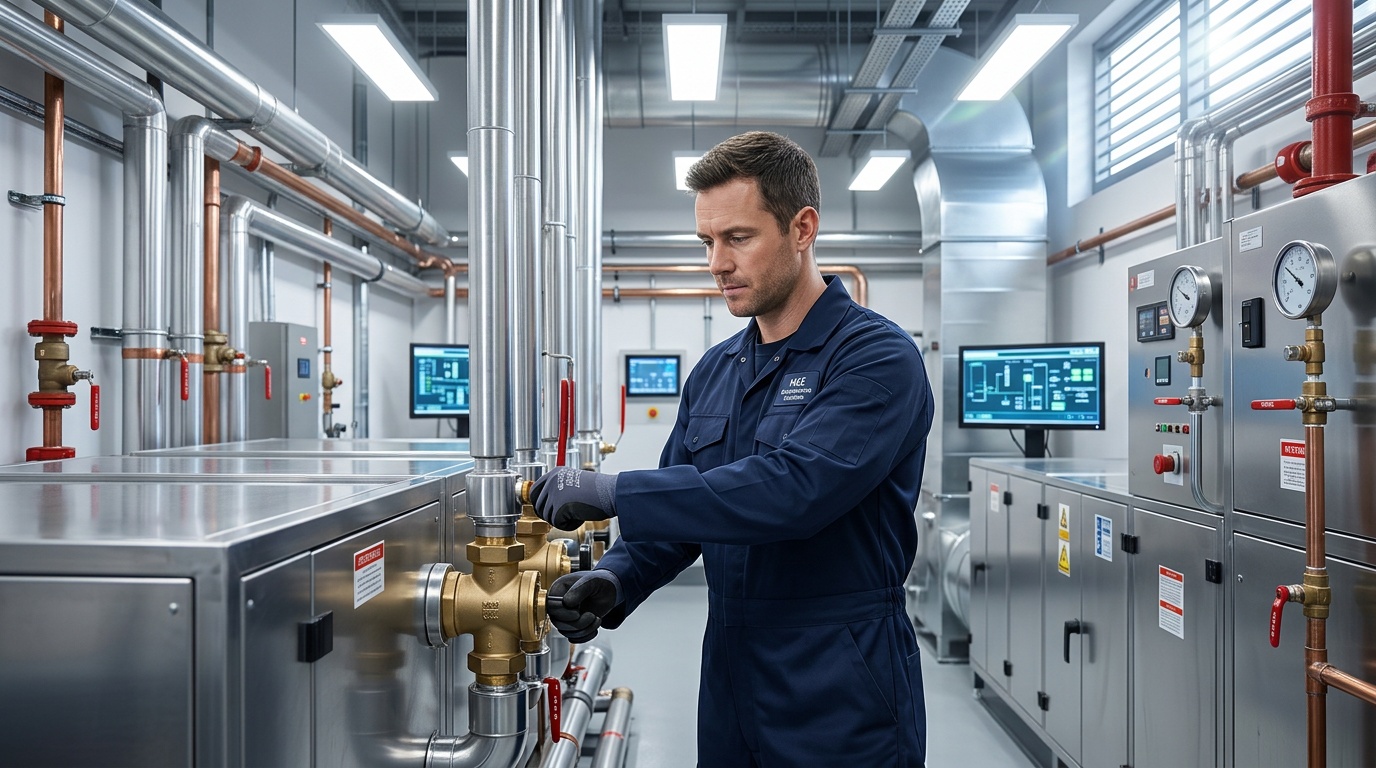
The best review comes from transparent operations. When facility managers visit our workshop, they see our engineers calibrating gas analysers and testing safety systems before each job. This isn't for show. It's our standard operating procedure.
Many contractors hide behind closed doors because their processes won't withstand scrutiny. We invite clients to see our preparation because quality control starts before we reach your site. Our Commercial Ventilation Repair Services include pre-job equipment checks and post-completion performance verification that you can observe first-hand.
The Reactive Maintenance Trap
Emergency repairs cost more than planned maintenance. Not just in labour rates, but in lost business revenue. When a ventilation system fails during peak trading hours, you're paying premium rates for parts, overtime labour, and lost trade simultaneously.
The True Cost of Reactive Maintenance
Emergency call-outs typically cost £300-£500 per hour versus £80-£120 for planned maintenance. When business disruption is included, reactive strategies can cost significantly more than proactive asset management programmes.
Smart facility managers know that planned preventative maintenance isn't an expense. It's protection against major system failures. Our clients reduce emergency call-outs by up to 85% through structured maintenance schedules that address issues before they become critical failures.
Red Flags & Green Lights: Decoding Reviews That Matter
Five-star ratings mean nothing if they're based on punctuality rather than technical competence. Commercial facility managers need to decode reviews differently from domestic customers. A glowing testimonial about "friendly service" won't help when your building fails a compliance inspection.
The most valuable Plumbing and Electrical Services reviews mention specific outcomes: energy consumption reductions, compliance certificate delivery times, and emergency response protocols. These indicators show whether a contractor understands commercial asset management or only basic repair work.
What to Look For (and What to Ignore)
Authentic commercial reviews discuss measurable improvements rather than subjective impressions. Look for mentions of reduced energy bills, faster emergency response times, or successful regulatory inspections. These outcomes matter more than personality assessments.
Commercial Review Quality Indicators
Genuine testimonials reference specific certifications (Gas Safe, NICEIC), mention compliance documentation delivery, and discuss planned preventative maintenance scheduling. Vague praise about "great work" indicates domestic-level service expectations.
Avoid reviews that focus only on pricing or personality. Commercial building systems require technical expertise and regulatory knowledge that extend far beyond basic repair skills.
Why Specialisation Matters
Residential contractors can excel at bathroom installations but may lack HVAC commissioning experience or refrigeration qualifications. Commercial systems operate under different regulations, safety standards, and performance requirements.
Look for reviews that mention specific building types, system capacities, and regulatory compliance achievements. These details indicate genuine commercial experience rather than domestic contractors attempting larger projects without proper qualifications.
SFG20 compliance, F-Gas certification, and REFCOM registration aren't optional extras. They're legal requirements for many categories of commercial work. Reviews that omit these points can indicate contractors operating outside expected regulatory frameworks, exposing your business to liability risks.
Building Partnerships That Protect Your Assets
Transactional relationships with contractors create operational vulnerabilities. When different technicians attend each call-out, they lack building knowledge, system history, and performance baselines. This leads to longer diagnosis times and repeated issues.
Partnership-focused Plumbing and Electrical Services reviews emphasise continuity, system knowledge, and proactive maintenance scheduling. These relationships protect uptime through predictive maintenance rather than reactive emergency responses.
Why One-Off Fixes Create Bigger Problems
Emergency contractors fix immediate symptoms without addressing underlying causes. A blocked drain gets cleared, but the root cause. Inadequate grease-trap maintenance. Remains unaddressed. This leads to repeat failures and escalating costs.
Strategic partnerships involve system audits, maintenance planning, and performance monitoring that reduce emergency likelihood. Our approach includes building assessments that identify potential issues before they disrupt operations.
Why the Best Maintenance Work Goes Unnoticed
The best maintenance work often goes unnoticed. Systems operate efficiently without interruption. Positive reviews for planned maintenance mention avoided emergencies, consistent performance, and predictable operating costs rather than dramatic rescue stories.
Proactive Maintenance Benefits
Planned maintenance can reduce emergency call-outs, extend equipment lifespan, and lower energy consumption. The scale of improvement varies by site condition, system age, and operating patterns.
Effective maintenance reviews discuss energy efficiency improvements, extended equipment life, and reduced breakdown frequency. These outcomes demonstrate genuine asset protection rather than basic repair competence.
Frequently Asked Questions
What specific indicators in plumbing reviews show a contractor understands commercial needs?
For commercial plumbing, look past generic praise. Reviews should mention specific certifications like Gas Safe, compliance with standards like SFG20, and outcomes such as reduced call-out frequency or successful regulatory inspections. These details show a contractor understands asset management, not just basic repairs.
How can facility managers identify a truly good commercial plumbing and electrical contractor from reviews?
A good commercial contractor's reviews will highlight measurable improvements, not just subjective impressions. Search for mentions of planned preventative maintenance, clear emergency response metrics, and the quality of post-completion compliance documentation. These factors directly impact your building's operational efficiency and legal compliance.
What qualifications should I look for in a contractor for commercial plumbing and electrical installations?
For commercial installations, you need contractors with specific certifications like Gas Safe, REFCOM, or NICEIC, depending on the system. They should demonstrate an understanding of compliance standards such as SFG20 and HTM, ensuring technical competence beyond basic residential work. This ensures your systems are installed correctly and legally.
For integrated commercial building systems, should I hire separate plumbers and electricians?
Commercial facilities often have complex systems that involve both plumbing and electrical components, like ventilation or HVAC. It is best to work with contractors who either possess expertise in both areas or have a proven track record of coordinating seamlessly between disciplines. This integrated approach minimizes downtime and ensures holistic system performance.
How do smart facility managers manage costs for commercial plumbing and electrical services?
Smart facility managers understand that planned preventative maintenance is protection, not an expense. While emergency call-outs are costly, proactive asset management programmes significantly reduce overall expenditure by addressing issues before they become critical failures. Look for contractors who offer structured maintenance schedules to reduce reactive costs.