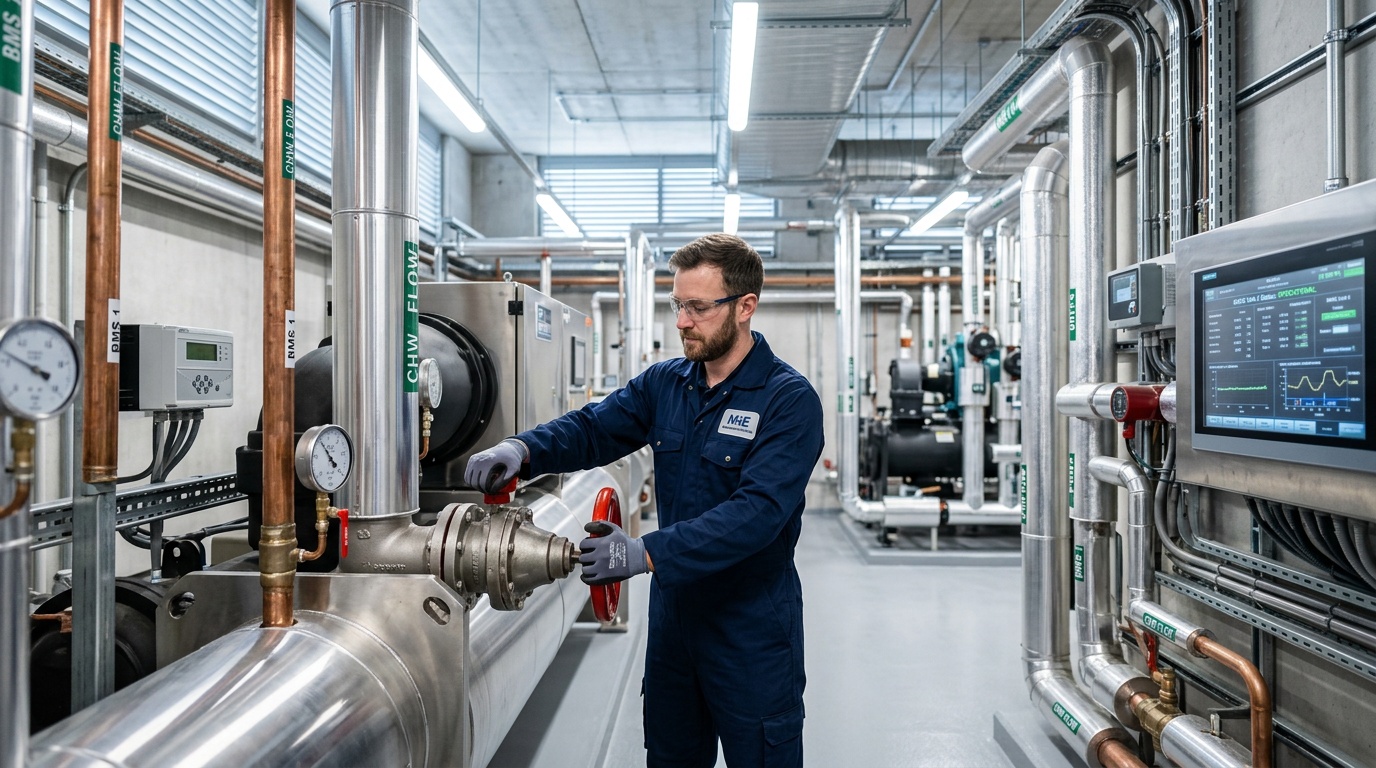
Plumbing and Electrical Services tutorial
The Facility Manager's Blueprint: Understanding Plumbing and Electrical Systems
This Plumbing and Electrical Services tutorial gives facility managers practical knowledge to spot issues early, maintain compliance, and make smart decisions about building services. Understanding these systems prevents costly emergencies and keeps your business running.
Why Facility Managers Need a 'Behind-the-Walls' Understanding
After 24 years in this industry, I can tell you that the most expensive mistakes happen when facility managers treat building services as a "black box". You don't need to become a qualified engineer, but understanding the fundamentals saves money and prevents disasters.
When tenants complain about inconsistent heating or flickering lights, you need to know whether you're facing a quick fix or system failure. That knowledge helps you determine if you're looking at a £200 service call or a £20,000 emergency replacement.
The Fundamental Differences: Water Flow vs Electron Flow
Water systems work under pressure and gravity. Blockages create back-ups. Leaks cause damage. Temperature changes affect expansion.
Electrical systems carry current through circuits. If a circuit breaks, everything downstream stops working. The key difference? Water problems are usually visible (leaks, flooding, pressure drops), while electrical issues hide until serious failure occurs.
Key Components: A Quick-Fire Glossary for Site Managers
Building Services Terminology That Matters
- Isolation valve: shuts off water to specific areas without affecting the entire building
- Consumer unit: main electrical distribution board containing circuit breakers
- Pressure relief valve: safety device that prevents dangerous pressure build-up in heating systems
- RCBO: Residual Current Breaker with Overcurrent protection; trips when electrical faults occur
- Thermostatic mixing valve: blends hot and cold water to reduce scalding risk
Safety First: Navigating the Minefield of Plumbing and Electrical Work
The 'Don't Touch' List: When DIY Becomes Expensive Disaster
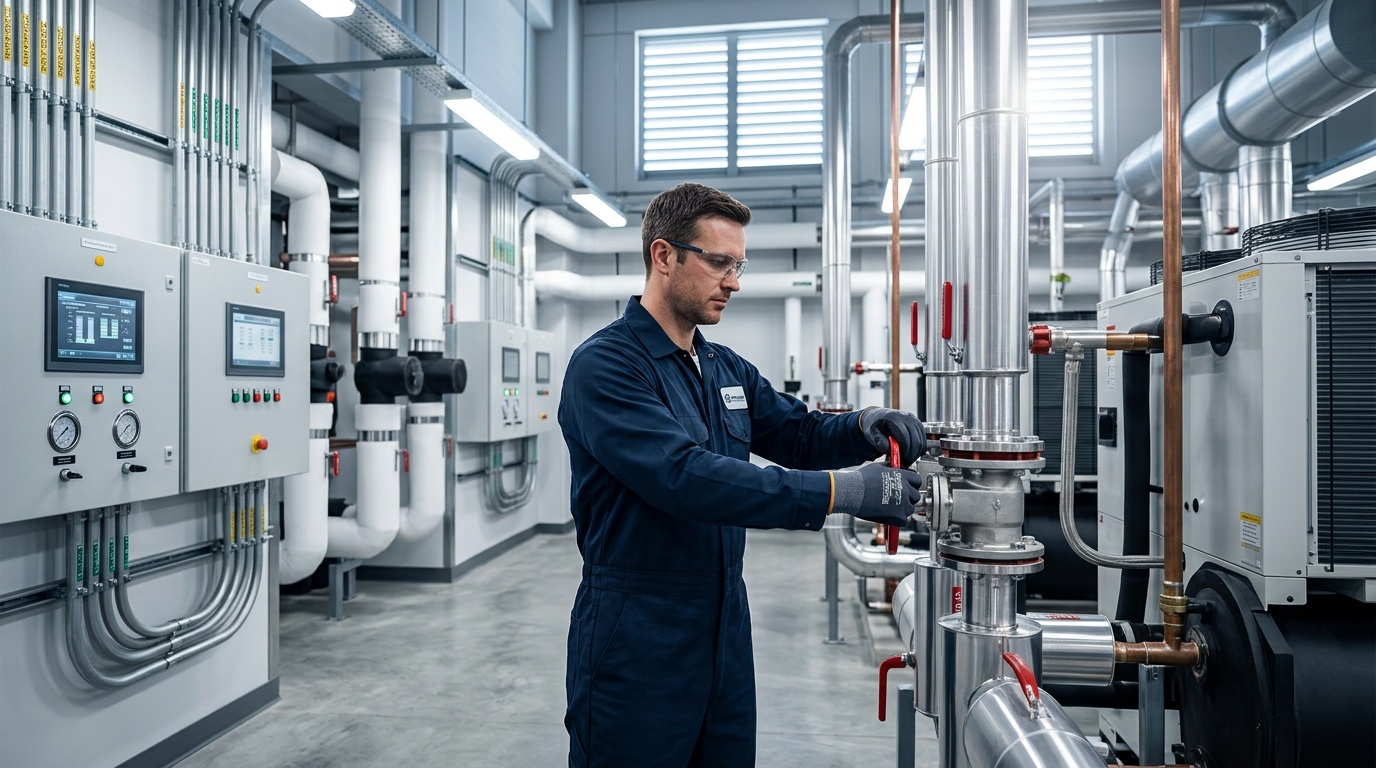
Gas appliances, electrical panels, and pressurised systems? Strictly no-go areas for untrained personnel. Any work involving mains electricity requires Part P compliance and qualified electricians. Gas work demands Gas Safe registration. No exceptions.
Our Commercial Ventilation Repair Services team regularly fixes damage from well-intentioned "quick fixes". Professional service costs less than putting unsafe work right.
Lockout/Tagout: Verifying Zero-Energy State for Electrical Systems
Before any maintenance work, electrical systems must reach verified zero-energy state. Switch off at the consumer unit, lock the switch, test with an approved proving unit. Never assume a circuit's dead because a light switch is off.
Water systems need similar isolation procedures. Know your stop-tap locations. Understand the zone valves. Drain systems before work begins. Proper isolation prevents both electrocution and flooding.
PPE and Site Safety Protocols (Beyond the Obvious)
Hard hats and high-vis are standard. But building services work demands specific protection:
- Insulated gloves rated for electrical work
- Safety glasses for pipe cutting
- Steel-toe boots with puncture-resistant soles
- Water-resistant clothing for steam and hot water protection
Site protocols matter too. Establish exclusion zones around electrical panels during maintenance. Post warning signs for wet floors. Ensure emergency shutdown procedures are documented and accessible.
Water Shut-Offs and Drainage: Preventing Catastrophes
Know your building's water infrastructure like your own address. Main stop taps, zone isolation valves, and drain-down points should be clearly marked and regularly tested. Frozen or seized valves during an emergency turn minor leaks into major flood damage.
Blocked waste pipes cause backflow. Inadequate drainage around plant equipment creates slip hazards and can damage building structure. Regular inspection prevents expensive remedial work.
Proactive Plumbing and Electrical Maintenance: The Secret to Uptime and Compliance
Planned Preventative Maintenance (PPM): Investment, Not Expense
Reactive maintenance costs significantly more than planned interventions. A quarterly boiler service prevents mid-winter breakdowns that shut down entire buildings. Regular electrical testing identifies loose connections before they cause fires or power outages.
PPM schedules should align with manufacturer recommendations and regulatory requirements. The systematic approach protects occupants and property value.
The SFG20 Standard: Your Benchmark for Building Services
SFG20 defines maintenance frequencies and procedures for building services equipment. Following these guidelines ensures legal compliance while optimising asset performance. Deviation from SFG20 recommendations may void insurance coverage and increase liability exposure.
SFG20 Key Maintenance Intervals
- Gas boilers: annual service with combustion analysis
- Electrical installations: five-year periodic inspection and testing
- Emergency lighting: monthly function tests, annual duration tests
- Water systems: monthly temperature monitoring, annual risk assessment
- Ventilation systems: quarterly filter changes, annual performance testing
Troubleshooting Common Issues: Early Warning Signs You Can Spot
Unusual noises from heating systems? Could indicate pump problems or air locks. Flickering lights suggest loose connections or overloaded circuits. Water pressure drops point to leaks or valve failures.
Document observations systematically. Patterns emerge that help engineers diagnose root causes rather than treating symptoms. The Commercial Ventilation Repair Services team benefits from detailed fault logs tracking performance trends.
Beyond the Basics: Understanding Your Building's MEP Systems for Modernisation
How Plumbing and Electrical Systems Work Together
Modern buildings integrate mechanical, electrical, and plumbing (MEP) systems for efficiency. Heat pumps combine electrical power with water distribution. Building management systems monitor temperatures while controlling ventilation rates.
System integration means coordinated maintenance scheduling. Electrical shutdowns affect heating controls. Water system maintenance affects cooling towers. This Plumbing and Electrical Services tutorial highlights the value of planning maintenance windows that minimise operational disruption.
Spotting Energy Efficiency Upgrade Opportunities
LED lighting retrofits reduce electrical loads while improving light quality. Heat pump installations replace ageing gas boilers with lower-carbon systems. Solar PV arrays offset electrical consumption, particularly for buildings with high daytime energy demand.
Smart controls and sensors optimise system performance automatically. Occupancy sensors reduce heating in empty spaces. Daylight harvesting reduces artificial lighting demand. These technologies require initial investment but deliver meaningful operational savings.
The 'Right First Time' Approach: Long-Term Reliability
Quality installations last decades. Rushed jobs fail early.
Correct cable sizing prevents voltage drop. Properly specified pumps operate more efficiently. Suitable pipe materials resist corrosion. Cutting installation costs often creates expensive maintenance burdens.
Professional workmanship includes commissioning, performance testing, and documentation. Systems should operate within design parameters from day one.
When to Call in the Experts: Assessing Complex Projects and Installations
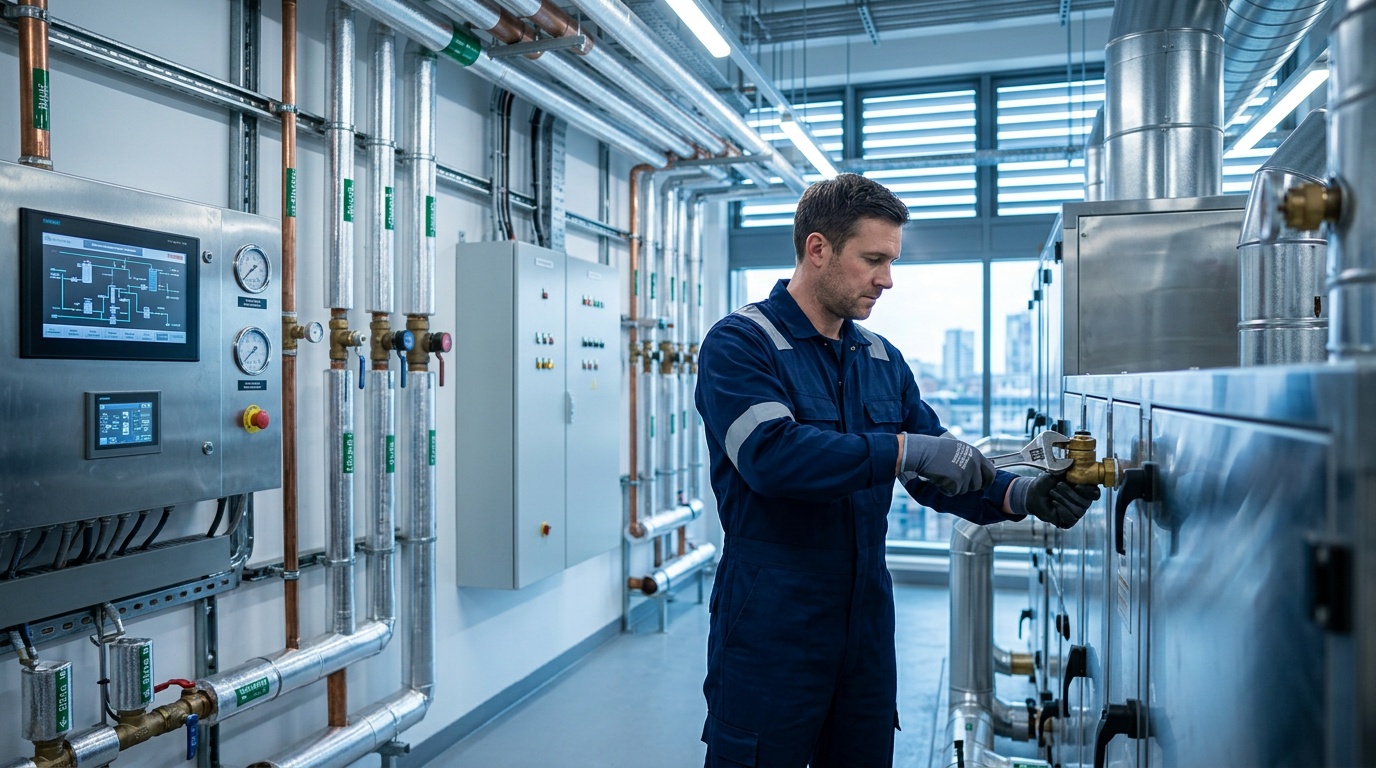
Multi-zone heating systems, three-phase electrical installations, and pressurised water networks require specialist knowledge and certification. Attempting complex work without correct qualifications creates safety hazards, can invalidate insurance, and triggers compliance failures that cost far more than professional fees.
Project complexity indicators include work requiring building control approval, modifications to gas supplies, electrical loads exceeding 100 amps, or integration with building management systems. These installations demand coordinated engineering design rather than piecemeal repairs.
Sustainable Technology Integration: Planning for Future Needs
Heat pump retrofits require electrical upgrade assessments and water system modifications. Solar installations need structural surveys and electrical capacity evaluations. Battery storage systems demand dedicated circuits and safety disconnects.
Sustainable Upgrade Considerations
- Electrical capacity: heat pumps typically require dedicated circuits; final sizing depends on equipment specification and site conditions
- Water flow rates: existing radiator systems may need upgrading for lower-temperature operation
- Roof loading: solar panels add load; engineering assessment may be required
- Grid connection: export limitations may restrict solar system sizing
Professional assessment prevents costly mistakes. Undersized electrical supplies cause equipment faults. Inadequate water flow creates comfort issues. Structural overloading threatens building integrity. This Plumbing and Electrical Services tutorial stresses that sustainable upgrades require structured engineering approach.
Your Next Steps: Partnering for Building Performance and Peace of Mind
Auditing Your Current Maintenance Strategy: Key Questions to Ask
Review your maintenance records for the past 12 months. Calculate the ratio between planned and reactive work. If emergency repairs exceed 30% of total spend, your strategy needs restructuring.
Examine compliance documentation. Gas safety certificates, electrical test reports, and water hygiene assessments should be current and complete. Missing or expired certificates create legal exposure and complicate insurance claims.
The MEMS Partnership: 24/7/365 Support and Expert Care
MEMS provides the expertise described in this Plumbing and Electrical Services tutorial, combining technical competence with commercial understanding. Our engineers hold current certifications and understand business continuity requirements.
We deliver SFG20-compliant maintenance programmes tailored to your building's needs. Our emergency response capability supports rapid fault resolution, aiming to minimise downtime and protect revenue. Big enough to cope, small enough to care.
Requesting a Site Survey: Proactive Compliance and Efficiency Assessment
Professional site surveys identify improvement opportunities before problems develop. Energy efficiency assessments highlight upgrade potential, while compliance audits identify regulatory gaps needing attention.
Contact MEMS for a building services evaluation. Our surveys provide actionable recommendations for maintenance optimisation, regulatory compliance, and performance improvement. Investment in professional assessment reduces operating costs and improves reliability over time.
Frequently Asked Questions
Can you learn plumbing and electrical at the same time?
While understanding the fundamentals of both plumbing and electrical systems is essential for facility managers, becoming a fully qualified professional in both trades simultaneously is complex. Each discipline requires distinct training, certifications, and safety protocols. My 24 years in this industry show that true mastery comes from focused dedication to one area before expanding.
Do plumbers make $100 an hour?
While specific hourly rates for plumbers can vary significantly based on location, experience, and the complexity of the job, the article highlights the real cost of not using qualified professionals. A £200 service call from a skilled plumber is far less expensive than a £20,000 emergency replacement caused by an unqualified 'quick fix.' Investing in proper professional service always pays off in the long run.
What is the number one killer of plumbers?
The plumbing trade, like electrical work, carries serious risks that can be fatal if safety protocols are ignored. The article stresses the importance of correct isolation procedures for water systems to prevent flooding and other hazards. Working with pressurised systems and in confined spaces also presents significant dangers, underscoring why proper training and adherence to safety are non-negotiable.
What is the hardest trade to learn?
Defining the 'hardest' trade is subjective, as both plumbing and electrical work demand distinct skill sets, rigorous training, and continuous learning. The article points out that while water problems are often visible, electrical issues can remain unseen until a serious failure, requiring different diagnostic approaches. What's clear is that understanding the fundamentals of both is essential for facility managers to avoid costly mistakes and maintain business continuity.