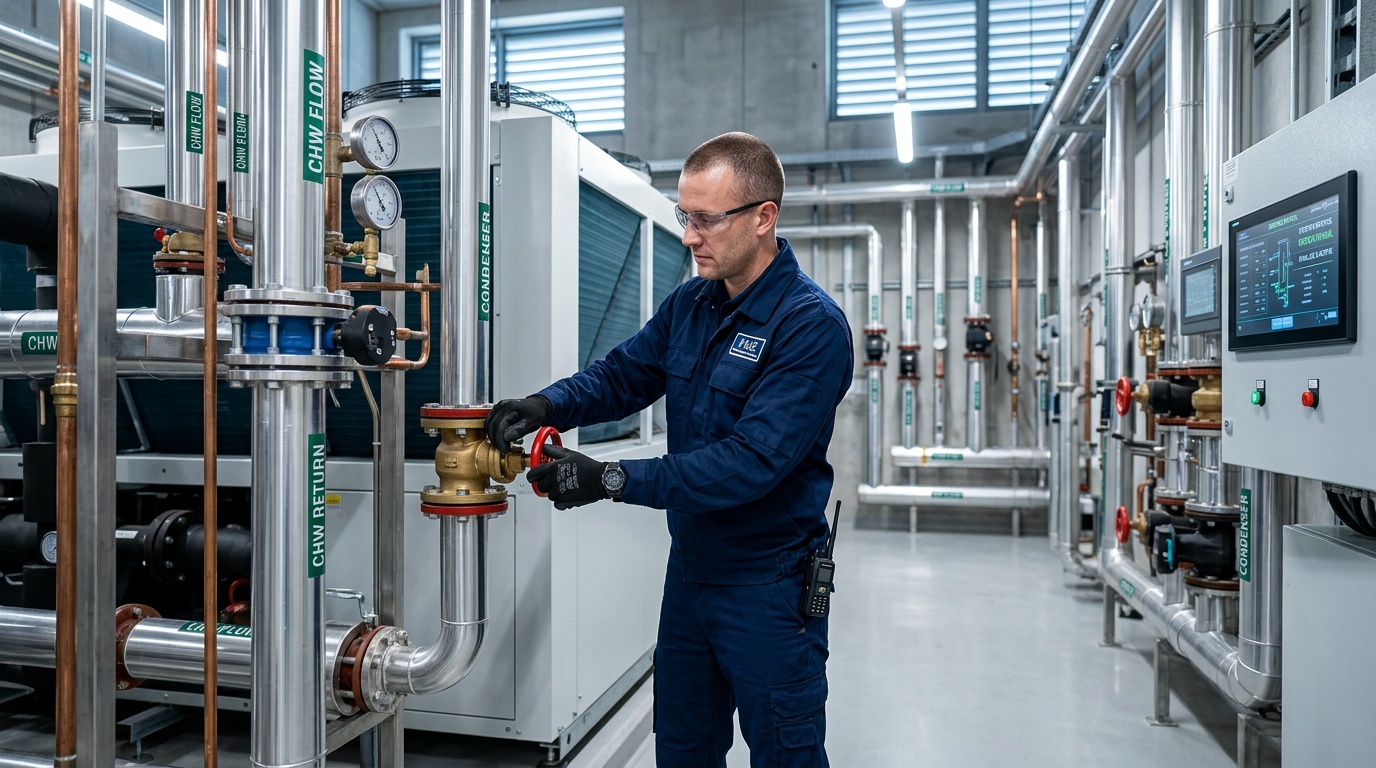
precision casting facility
As someone who has spent decades in plant rooms and boiler houses across the West Midlands, I've seen countless facilities compromised by components that weren't built to specification. Here's the reality: your building's reliability depends on the quality of its parts. When we talk about precision casting facility manufacturing, we're discussing the foundation that makes reliable HVAC, electrical, and plumbing systems possible. This isn't about manufacturing metal yourself. It's about understanding why the components we specify for your building systems matter so much.
What Precision Casting Means for Building Services
Precision casting creates metal components with tight tolerances and superior surface finishes. Unlike standard casting, this process delivers parts that match exact specifications. That means fewer leaks, better fits, and components that actually work as designed.
In my experience, the difference shows up immediately. A precisely cast pump housing won't develop hairline cracks after six months. A valve body manufactured to tight tolerances won't develop the slow drips that turn into major water damage claims.
Investment Casting (Lost Wax Process)
This method produces complex geometries with excellent dimensional accuracy. The wax pattern melts away, leaving a cavity that's filled with molten metal. Perfect for intricate heat exchanger components and valve internals where consistency prevents failures.
Permanent Mould & Die Casting
Permanent mould casting offers durability through reusable steel tools. Die casting supports high-volume production with strong repeatability. Both methods deliver components that require minimal finishing work. Which means they arrive on site ready to install properly.
Quick Answer: Precision casting provides tighter tolerances, superior surface quality, and design flexibility. For facility managers, this translates directly to longer maintenance intervals, fewer emergency call-outs, and improved system longevity.
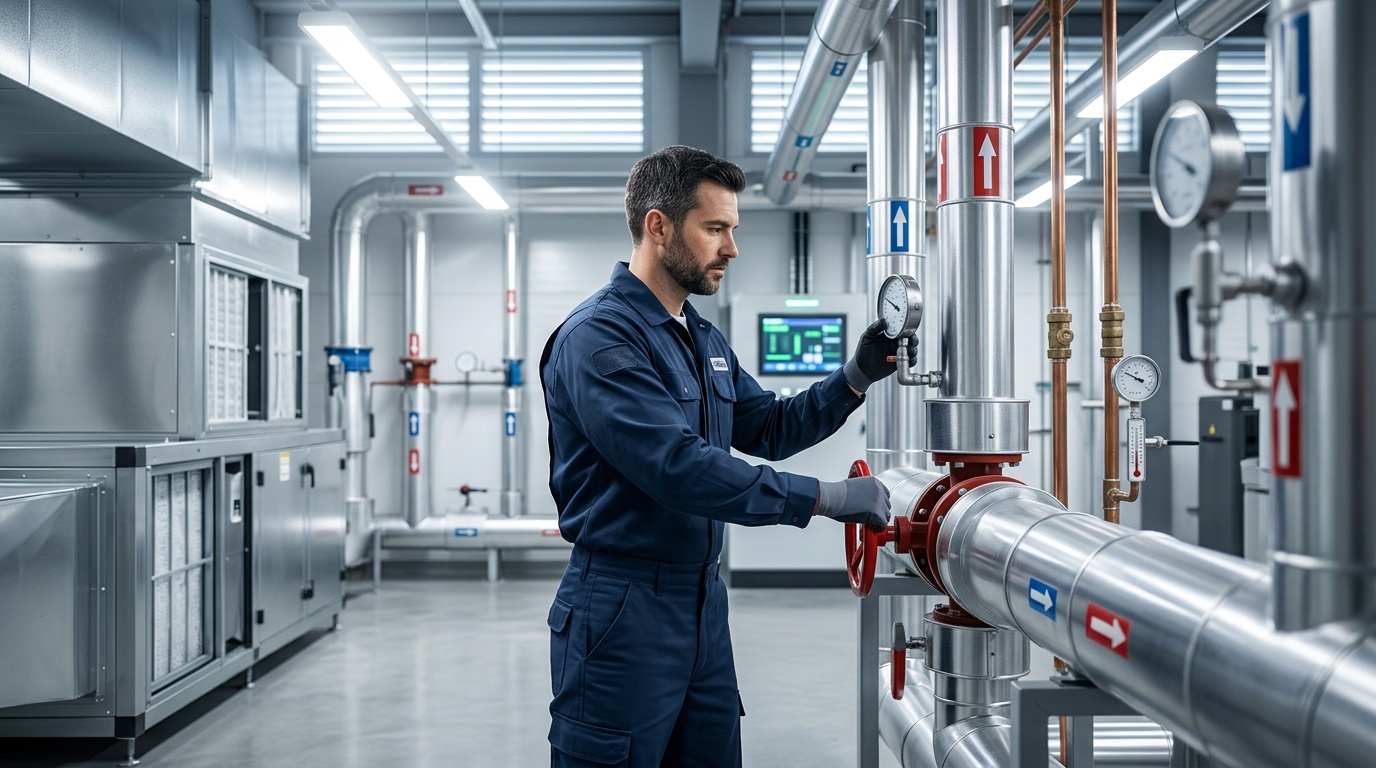
Comparing Manufacturing Methods for Building Components
| Method | Best For | Tolerance | Surface Finish |
|---|---|---|---|
| Investment | Complex geometries | ±0.1 mm | Excellent |
| Permanent Mould | Medium production runs | ±0.2 mm | Good |
| Die Casting | High volume, thin walls | ±0.1 mm | Very Good |
Each technique serves different purposes. The right choice depends on your component specification, production volume, and material requirements. When we specify parts for client installations, we demand these standards because sub-par components cost more in the long run.
Why Component Quality Matters for Your Building
Complex Designs That Actually Work
Precision-cast components allow complex internal passages and thin-walled structures. This means more compact heat exchangers, reliable valve assemblies, and pump housings that perform consistently in demanding commercial environments. I've seen too many failures from components with rough internal surfaces that create turbulence and wear points.
Material Selection That Lasts
Facilities can specify nickel alloys, stainless steel, or copper-based materials based on corrosion resistance needs. The right material choice stops premature failures before they start. Birmingham's hard water conditions demand components that won't pit or corrode after two years of service.
The Reality of Precision Components
Advantages
- Fewer maintenance call-outs due to component failures
- Superior dimensional consistency means proper system performance
- Design flexibility allows optimal solutions for complex installations
- Better material properties resist corrosion and wear
Considerations
- Higher initial component costs
- Lead times for specialized components
- May require minimum quantities for custom specifications
Vetting Component Suppliers
Not every supplier delivers the same quality. Before we approve any component manufacturer, I ask these questions:
- What certifications do they hold (ISO 9001, industry-specific standards)?
- Can they provide first-article inspection reports that prove quality?
- What material testing happens on site before shipping?
- How do they handle parts that don't meet specification?
- What are realistic lead times for the volumes we need?
A quality supplier explains their process openly. They welcome audits, share inspection data, and treat specifications as requirements rather than suggestions. If they can't answer these questions clearly, we look elsewhere.
Real-World Applications in Building Services
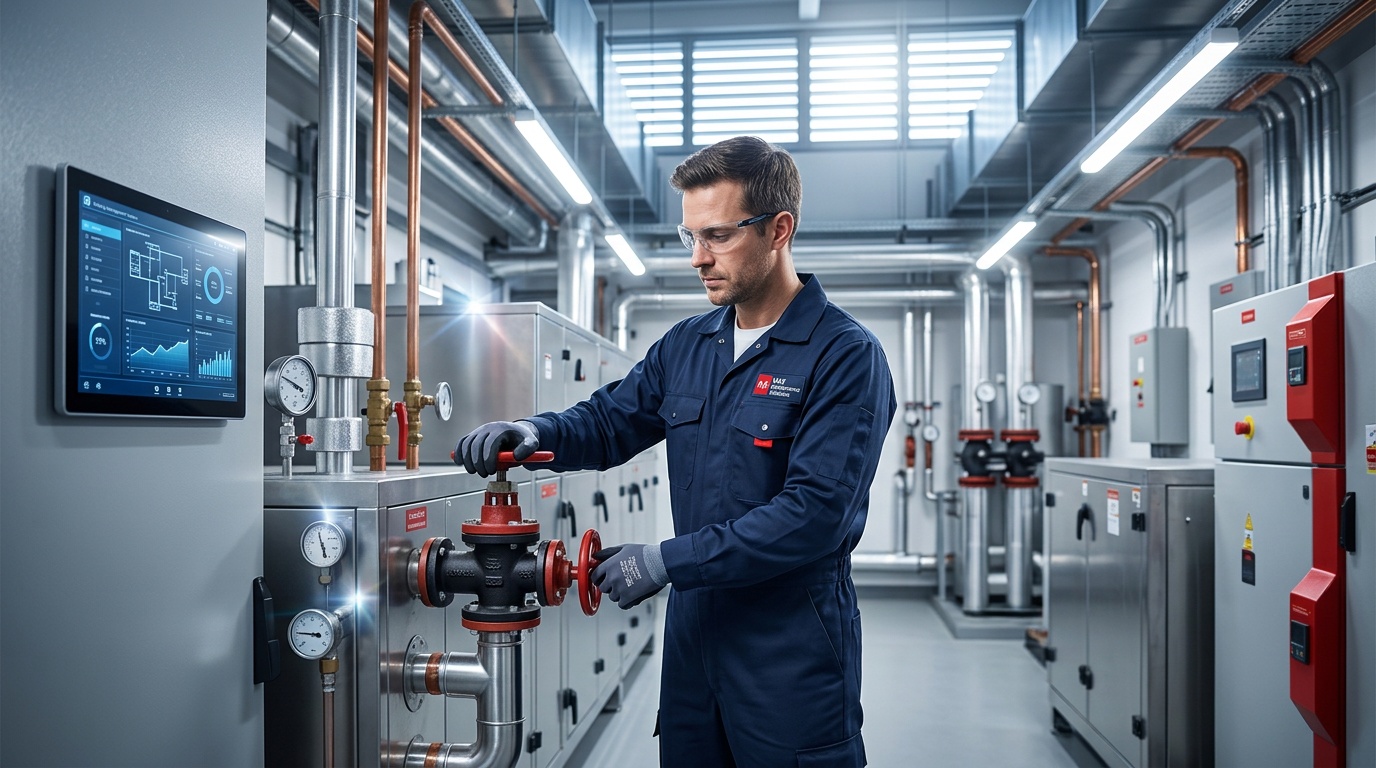
In commercial HVAC systems, precision-cast impellers and manifolds maintain efficient airflow distribution year after year. Electrical enclosures need tight tolerances to maintain safety ratings. No gaps that let moisture in. Plumbing systems require corrosion-resistant fittings that handle Birmingham's hard water conditions without developing leaks.
This philosophy drives our component selection at M&E Maintenance Solutions. We specify precision-cast parts because they align with our maintenance approach. Preventing problems before they start. Fewer failures mean fewer emergency call-outs, lower costs for you, and buildings that operate as designed. When we install systems for our clients, we apply the same standards we'd demand for our own facilities.
The facility managers we partner with understand this connection. They recognize that component quality drives maintenance predictability and protects operational budgets from the unexpected failures that shut down buildings when you can least afford it.
Frequently Asked Questions
What does precision casting mean for my facility?
Precision casting means engineering metal components with exact specifications, tight tolerances, and superior surface finishes. For your facility, this translates directly to parts that fit perfectly and perform reliably. It reduces the need for costly rework and keeps your operations running smoothly, compliant, and cost-effective.
What are the main methods used in precision casting?
The article highlights Investment Casting, also known as the lost wax method, which is ideal for complex geometries with excellent dimensional accuracy. Permanent Mould and Die Casting are also discussed, offering durability through reusable tools and supporting high-volume production with strong repeatability. Each method is chosen based on the component's design, production volume, and material needs.
How do precision-cast components benefit commercial building systems?
Precision-cast components bring tighter tolerances and superior surface quality, which means longer maintenance intervals and improved system longevity for commercial buildings. They allow for complex designs in HVAC systems, efficient valves, and corrosion-resistant fittings in plumbing. This quality helps protect your operational budgets from unexpected failures.
What should I consider when selecting a precision casting partner?
When choosing a partner, always ask about their certifications, like ISO 9001, and their material testing capabilities. A quality partner will openly share inspection data, welcome audits, and treat your specifications as binding requirements. This transparency ensures you get components that meet the high standards your facility demands.
Are there any disadvantages to using precision casting?
While precision casting offers many advantages, there can be a higher initial tooling investment and longer lead times for custom patterns. Also, minimum order quantities might apply depending on the method. However, these are often offset by the long-term reliability and reduced secondary machining costs, making it a worthwhile investment for system longevity.
How does precision casting impact maintenance for facility managers?
For facility managers, precision casting directly impacts maintenance predictability. Components built to exact specifications lead to fewer failures and longer intervals between maintenance. This ultimately means fewer call-outs, lower operational costs, and buildings that consistently perform as intended, aligning with a proactive maintenance philosophy.