Preventive maintenance providers vs emergency response teams?
What is Preventive Maintenance vs Emergency Response?
Preventive maintenance providers focus on scheduled servicing to prevent breakdowns, while emergency response teams handle urgent repairs after equipment fails. The difference determines whether you pay for planned upkeep or costly crisis interventions.
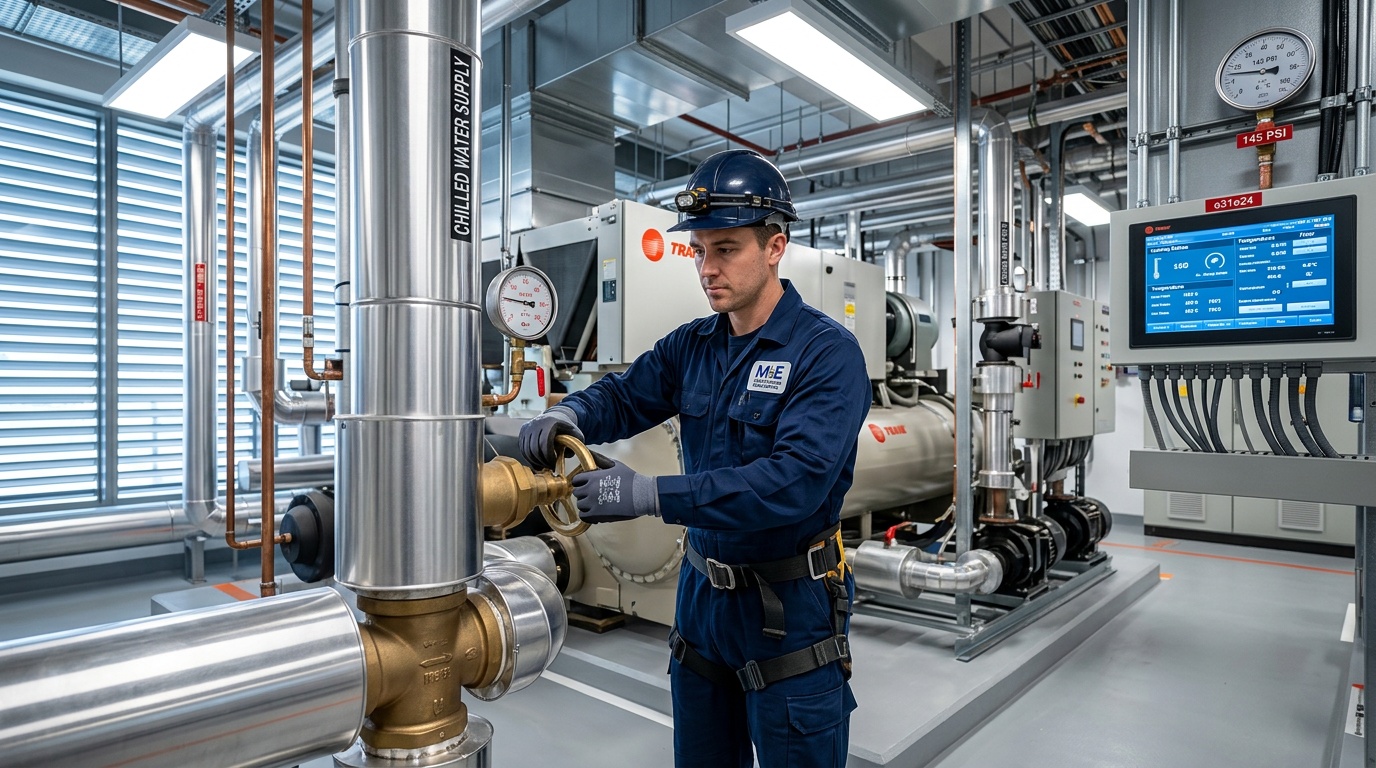
In my 24 years managing commercial HVAC systems, I've seen this reality play out repeatedly. Preventive maintenance means scheduled inspections, filter changes, and component servicing to keep your plant room running. Emergency response? That's when your boiler fails on the coldest day of winter, your air conditioning dies during a heatwave, or your ventilation system stops working entirely.
This isn't just operational. It's financial. M&E Maintenance Solutions operates on one principle: planned interventions cost substantially less than reactive repairs. A scheduled bearing replacement costs £200. Wait until that bearing seizes? You're looking at a destroyed £3,000 compressor.
Benefits of Preventive Maintenance Approach
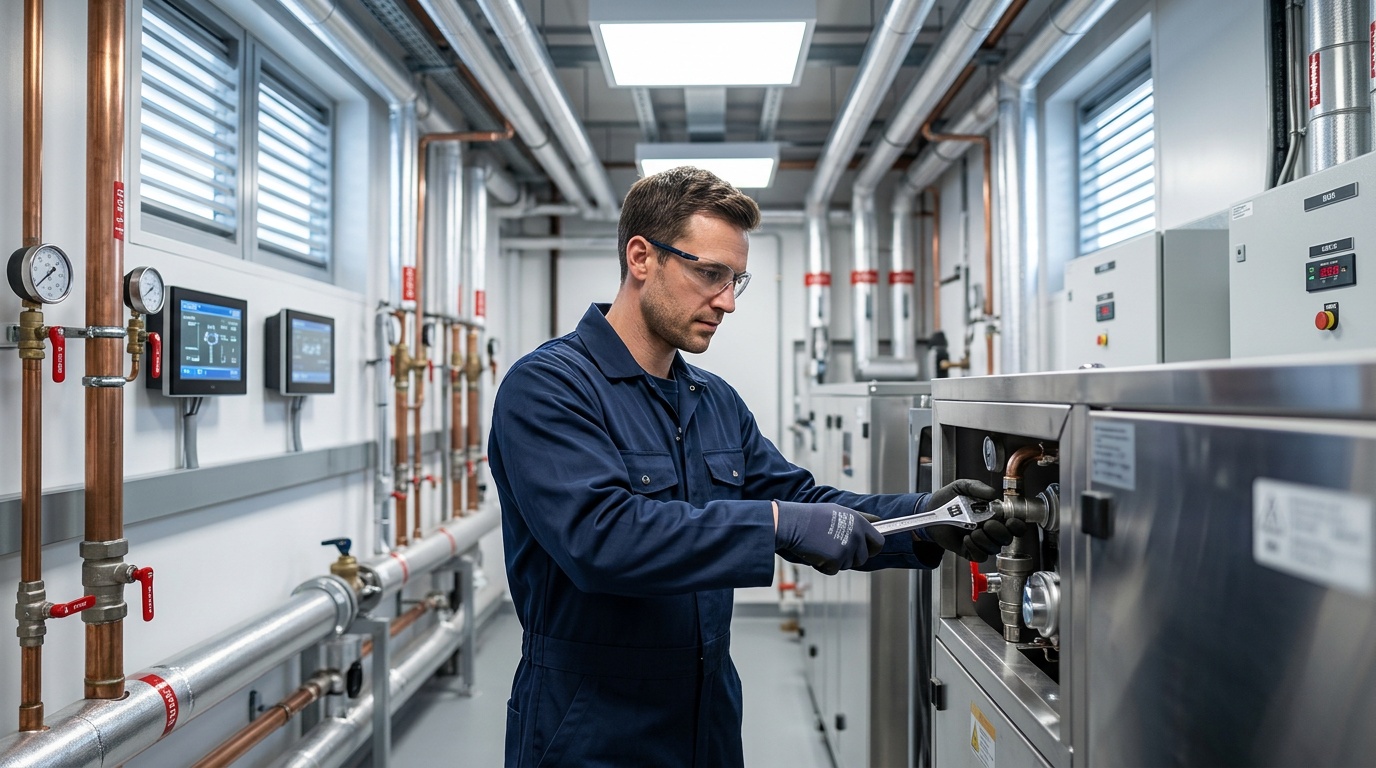
Preventive maintenance delivers predictable costs and reliable performance. Quarterly service visits catch worn components before they fail, maintaining energy efficiency and avoiding business disruption. Emergency response teams? They're essential for genuine crises, but they represent the expensive end of asset management.
Cost reality check: Emergency call-outs typically cost three to five times more than scheduled maintenance visits. Parts ordered urgently carry premium pricing, and system failures often damage multiple components simultaneously.
The compliance benefits matter just as much. Preventive maintenance keeps your Gas Safe certificates, F-Gas documentation, and SFG20 adherence current. Emergency repairs focus on restoring operation. Compliance paperwork can follow weeks later, leaving you legally exposed.
Well-maintained HVAC equipment consumes 15-20% less energy than neglected systems. That's real money saved every month on utility bills.
How to Choose Your Maintenance Strategy
Start by assessing your current reactive versus proactive spending ratio. If 80% of your maintenance budget goes on emergency fixes, your strategy needs rebuilding. M&E Maintenance Solutions recommends comprehensive system audits to identify immediate risks and establish proper planned preventative maintenance (PPM) schedules.
Look for providers offering digital compliance tracking, prompt certificate delivery, and transparent reporting. Your maintenance partner should explain what's being checked, why it matters commercially, and how it prevents future failures.
Emergency response capability remains important, but it should supplement. Not replace. Your preventive strategy.
Implementation Timeline and Transition Strategy
Switching from emergency response reliance to preventive maintenance requires structured planning. Begin with comprehensive system audits to identify immediate failure risks. These become your priority interventions. Most commercial buildings can transition over three to six months, starting with key systems like boilers and chillers before expanding to ventilation and secondary plant.
The initial investment appears higher because you're addressing deferred maintenance while establishing regular service schedules. Budget for catch-up repairs in months one to three, then expect costs to stabilise as preventive maintenance providers take control of asset condition.
Measuring Your Maintenance Programme Success
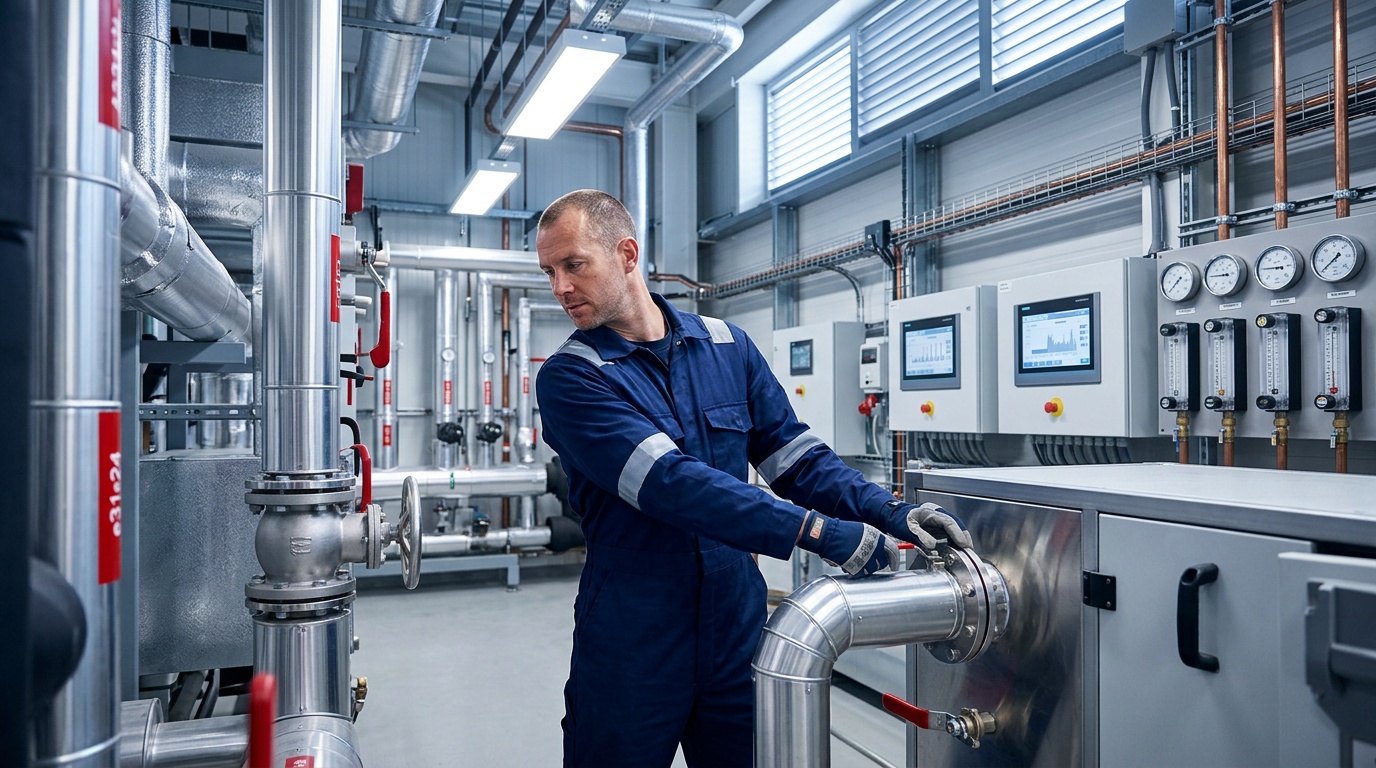
Performance indicators: Track your emergency call-out frequency, energy consumption trends, and compliance certificate currency. Successful preventive programmes show a 70-80% reduction in unplanned repairs within 12 months.
Monitor system efficiency through utility bills and document downtime incidents plus their commercial impact. A retail space losing heating for two days can cost more than five years of preventive maintenance visits.
Your maintenance provider should deliver monthly reports showing completed tasks, identified risks, and recommended actions. This transparency distinguishes professional preventive maintenance providers from basic service companies.
Future-Proofing Your Building Operations
Modern commercial buildings demand integrated maintenance strategies combining traditional PPM with smart monitoring technology. Preventive maintenance providers increasingly use remote diagnostics and predictive analytics to identify component wear before physical inspections.
Consider providers who understand emerging technologies like heat pumps, solar thermal systems, and advanced building management systems. M&E Maintenance Solutions specialises in sustainable HVAC solutions while maintaining traditional plant equipment. This dual expertise becomes essential as buildings modernise.
The regulatory environment continues evolving, with stricter energy efficiency requirements and improved safety standards. Choose maintenance partners who stay ahead of legislative changes, rather than scrambling to catch up after implementation deadlines.
Making the Commercial Decision
When weighing preventive maintenance providers vs emergency response teams, start with operational risk assessment. What fails first? What stops trading? What puts compliance at risk? For most sites, planned maintenance reduces breakdown frequency, and emergency support becomes the safety net.
Ask each potential provider how they balance preventive and emergency services in their contract. You need clear response times, escalation routes, parts strategy, and reporting standards. A good plan gives you fewer emergencies, not just faster reaction to them.
This shouldn't be an either-or choice. Select a partner that can deliver planned servicing and coordinate urgent repairs with the same standards, including clear documentation.
Frequently Asked Questions
What's the typical cost difference between preventive and emergency maintenance?
Emergency call-outs cost three to five times more than scheduled maintenance visits. A planned filter change costs £30; waiting until the system fails can result in £500+ emergency repairs plus business downtime.
How often should commercial HVAC systems receive preventive maintenance?
Most commercial systems require quarterly inspections in line with SFG20 guidelines. High-usage equipment may need monthly checks, simple systems can operate on biannual schedules. Your maintenance provider should assess your specific requirements based on system age, usage patterns, and environmental conditions.
Can I switch from reactive to preventive maintenance mid-contract?
Yes, though it requires initial system audits to establish current condition and identify immediate risks. We typically conduct comprehensive assessments before implementing PPM schedules, ensuring nothing important gets missed during transition.
What compliance certificates should my maintenance provider deliver?
Gas Safe certificates for gas appliances, F-Gas documentation for refrigeration systems, and detailed service reports meeting SFG20 standards. Digital certificates should arrive within 24 hours of completed work, not weeks later.
How do I measure success of my preventive maintenance programme?
Track emergency call-out frequency, energy consumption trends, and compliance certificate currency. Successful programmes show 70-80% reduction in unplanned repairs within 12 months. Monitor utility bills for efficiency improvements and document any downtime incidents.