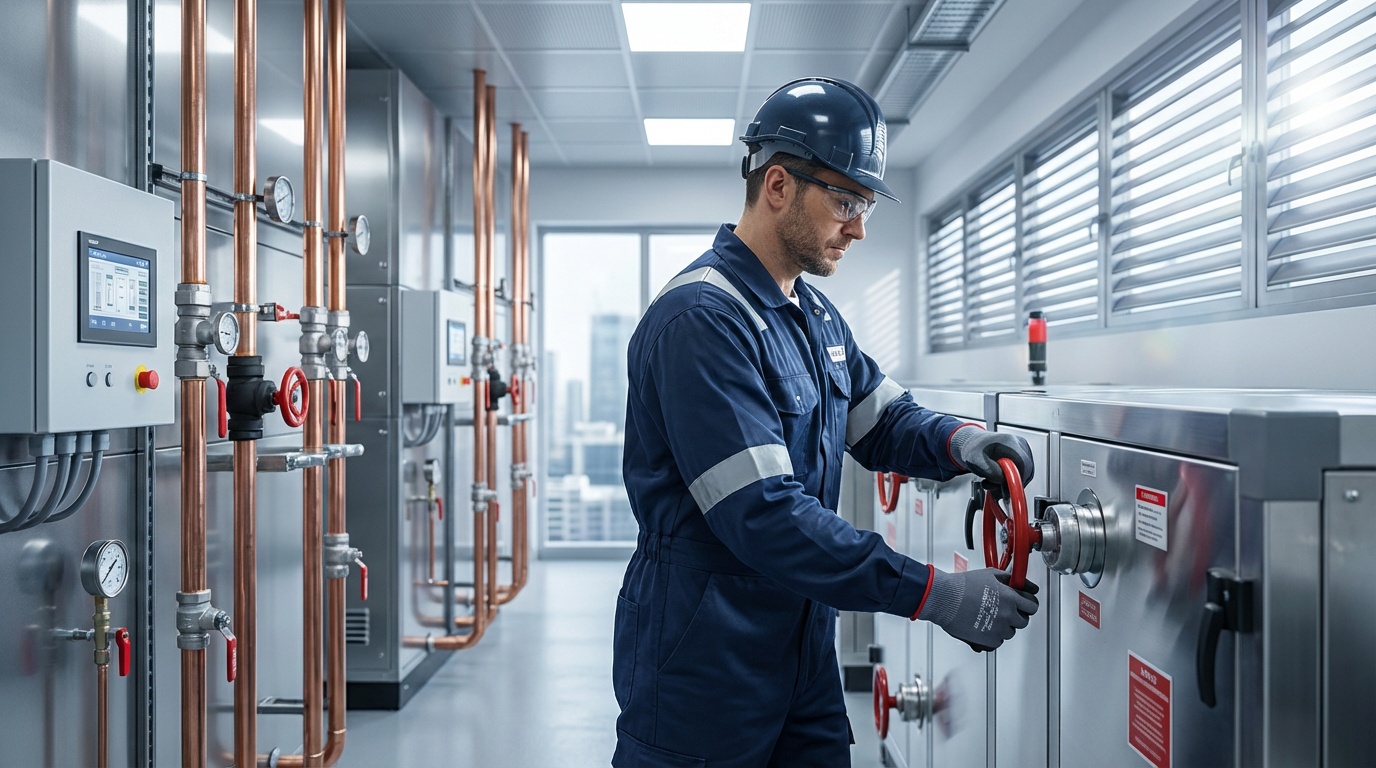
Recommended boiler maintenance providers.
What Commercial Boiler Maintenance Actually Involves (And Why It Matters)
There is a dangerous assumption in commercial property management: if the heating works, the boiler must be fine. In my 24 years working on commercial plant rooms across the West Midlands, I have learned that the boilers running quietly are often the ones closest to failure. A well-maintained system does not announce itself. Neither does scale build-up, corroded heat exchangers, or pressure drift--until they do, usually at the worst possible moment.
When you contract with professional boiler maintenance specialists, you are not paying for someone to glance at a pressure gauge once a year. You are investing in systematic asset protection that keeps your building operational and legally compliant.
Beyond the Annual Service: What Engineers Check
A proper commercial boiler service follows SFG20 standards and includes combustion analysis, flue gas testing, safety device verification, and heat exchanger inspection. Engineers check burner condition, clean components, test controls, and calibrate sensors. They measure efficiency drift, which directly impacts your energy spend.
A boiler running at 75% efficiency instead of 85% can add thousands to your annual gas bill without you noticing.
Gas Safety Compliance and Regulatory Requirements
Every engineer working on your commercial gas appliances must be Gas Safe registered. Non-negotiable. You need traceable compliance certificates within 24 hours of any work. For landlords managing multiple units, CP12 certificates are legally required annually for each property. Miss one, and you are exposed to prosecution and invalidated insurance.
Professional maintenance teams do not just turn up and tick boxes. They maintain digital audit trails that protect you during inspections.
Regulatory Reality
SFG20 compliance: The industry standard for maintenance frequencies and procedures. If your provider does not reference SFG20, question their professionalism.
Gas Safe registration: Verify every engineer's credentials. It is a criminal offence to operate without valid registration.
F-gas regulations: If your system includes refrigerants, you need REFCOM-certified engineers and leak-testing schedules.
Why Skipping Maintenance Costs Far More Than Prevention
A quarterly PPM visit costs a few hundred pounds. An emergency boiler replacement in January costs tens of thousands, plus business disruption. I have seen facility managers try to save budget by deferring services. Three months later, a blocked condensate pipe floods a plant room, or a failed pump shuts down an entire office block.
Suddenly, you are not paying for planned maintenance. You are paying emergency call-out rates, expedited parts, and potentially compensating tenants for lost heating.
Planned maintenance extends asset life by years and prevents the catastrophic failures that destroy budgets. Reactive spending looks cheaper on a spreadsheet until the system fails.
How to Evaluate Boiler Maintenance Providers: The Facility Manager's Checklist
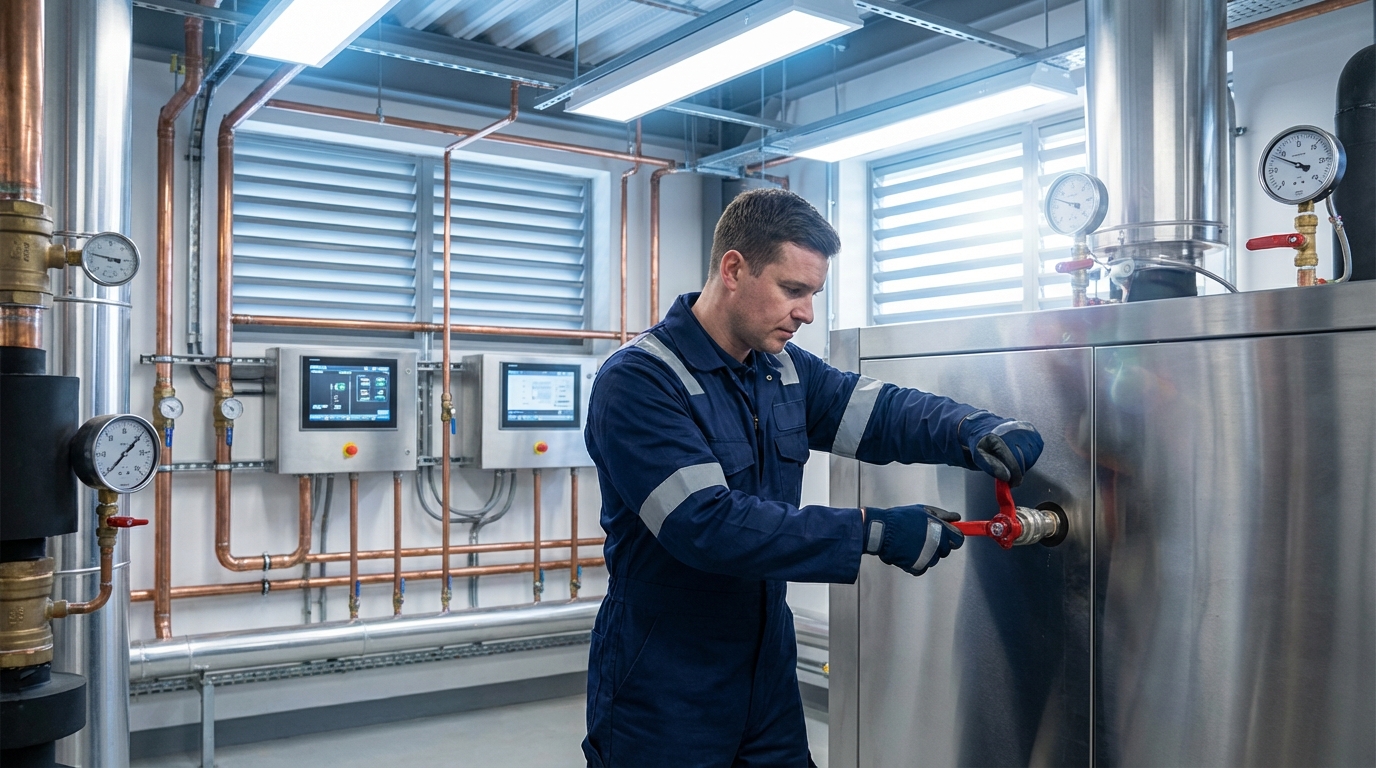
Not all maintenance contracts are equal. The cheapest quote often delivers the most expensive outcome. After two decades managing commercial sites, I can spot a failing provider within minutes of reviewing its paperwork. Here is what separates professional maintenance partners from the cowboys who leave you exposed.
Gas Safe Registration and Engineer Credentials: What to Verify
Ask for Gas Safe registration numbers and verify them directly on the Gas Safe Register website. Check the categories each engineer is qualified to work on. A domestic ticket does not cover commercial plant.
Request evidence of ongoing CPD (Continuing Professional Development). Regulations change. Engineers who do not update their knowledge put you at risk.
Service Contract Flexibility: Scheduled PPM vs Emergency Response
Your contract should separate planned visits from reactive call-outs. Understand response times: is 24/7/365 availability genuine, or does it mean "we will get there when we can"?
Do you get the same engineer who knows your building's quirks, or a different face every visit? Continuity matters. A stranger cannot spot the early warning signs that your regular engineer would catch immediately.
Red Flags That Signal a Provider Is Failing You
- The paperwork black hole: If compliance certificates arrive weeks late or not at all, you are legally exposed.
- Reactive spending dominance: If 80% of your maintenance budget goes on emergency fixes, your strategy is broken.
- Price opacity: Hidden call-out charges and vague "additional works" costs signal a provider who profits from your confusion.
- No SFG20 reference: If they cannot explain their maintenance frequencies against industry standards, walk away.
- Communication gaps: You should not have to chase updates or reports. Professional providers document everything digitally and proactively.
Transparency in Pricing and Compliance Reporting
Demand upfront pricing structures. What is included in your annual PPM? What triggers additional charges? You need fixed-price emergency response options, not open-ended hourly rates that escalate during crises.
Compliance reporting should be automatic: digital certificates, maintenance logs, and asset condition reports delivered without you asking. If your provider makes you work to get basic documentation, it is failing the fundamental test of accountability.
Commercial Boiler Servicing vs Residential: Why Your Estate Needs Specialist Care
Commercial boiler maintenance is not residential work scaled up. The systems are fundamentally different. A residential boiler serves one family's needs with predictable demand patterns. A commercial system in a Birmingham office block or retail park must deliver consistent heat and hot water to dozens or hundreds of occupants simultaneously, often across multiple zones with varying requirements.
The engineering complexity, regulatory burden, and operational risk sit in completely different categories.
When facility managers contract with specialist maintenance teams, they need engineers who understand that commercial downtime means lost revenue, tenant complaints, and potential legal exposure. A residential engineer might be perfectly competent for a home boiler, but commercial plant rooms require different qualifications, diagnostic equipment, and risk assessment protocols.
Scale, Complexity, and Uptime Demands in Commercial Settings
Commercial boilers typically range from 50 kW to several hundred kilowatts. They run longer hours under heavier loads. Many operate in cascade configurations where multiple boilers work together, requiring sophisticated controls and sequencing.
The plant room itself contains pumps, expansion vessels, pressurisation units, and control panels that residential engineers rarely encounter. A single miscalibration can cascade through the entire system, affecting building-wide comfort and efficiency.
Commercial sites cannot afford the luxury of waiting days for parts or next-week appointments. When heating fails in a commercial building, every hour costs money.
Multi-Unit and Landlord Compliance Obligations
Commercial landlords managing estates face multiplied compliance obligations. Each tenanted unit with gas appliances requires annual CP12 certification. Miss one property in your portfolio, and you are in breach.
Large estates need systematic tracking: which properties are due, which engineers hold the right certifications, and how quickly you can produce audit trails during inspections. Professional maintenance firms maintain digital compliance registers that flag upcoming renewals automatically. They do not rely on your memory or spreadsheets that become outdated as soon as they are saved.
Preventative Compliance Health Checks for Commercial Properties
Beyond statutory annual services, commercial properties benefit from quarterly health checks that catch problems before they become emergencies. These visits assess system performance trends, identify components approaching end of life, and verify that previous maintenance recommendations were actioned.
Facility managers who implement preventative schedules report significantly lower reactive spending and fewer tenant complaints. The investment in scheduled visits pays back through extended asset life and avoided crisis costs.
Commercial vs Residential: The Key Differences
| Aspect | Residential | Commercial |
|---|---|---|
| System capacity | 24-35 kW typical | 50 kW to 500 kW+ cascade systems |
| Downtime tolerance | Inconvenient | Business-critical, revenue-affecting |
| Compliance scope | Single CP12 annually | Multiple units, SFG20 adherence, audit trails |
| Engineer qualifications | Gas Safe domestic categories | Commercial categories, REFCOM if applicable |
| Service response | Next available appointment | 24/7/365 emergency availability required |
Integration with Modern Sustainable Technologies
Many commercial estates are exploring heat pumps, hybrid systems, and efficiency upgrades to reduce carbon footprints and energy costs. This is where specialist knowledge becomes essential. Not every sustainable technology suits every building.
I have seen facility managers sold heat pumps that could not meet a building's heat demand, or systems installed without proper integration with existing infrastructure. At MEMS, we vet innovations internally before recommending them. We prioritise proven reliability over fashionable trends.
If a technology cannot deliver consistent performance in real-world commercial conditions, we will not specify it. Your building is not a test bed for unproven equipment.
The MEMS Difference: Why Commercial Estate Managers Choose Long-Term Partnerships Over Transactional Repairs
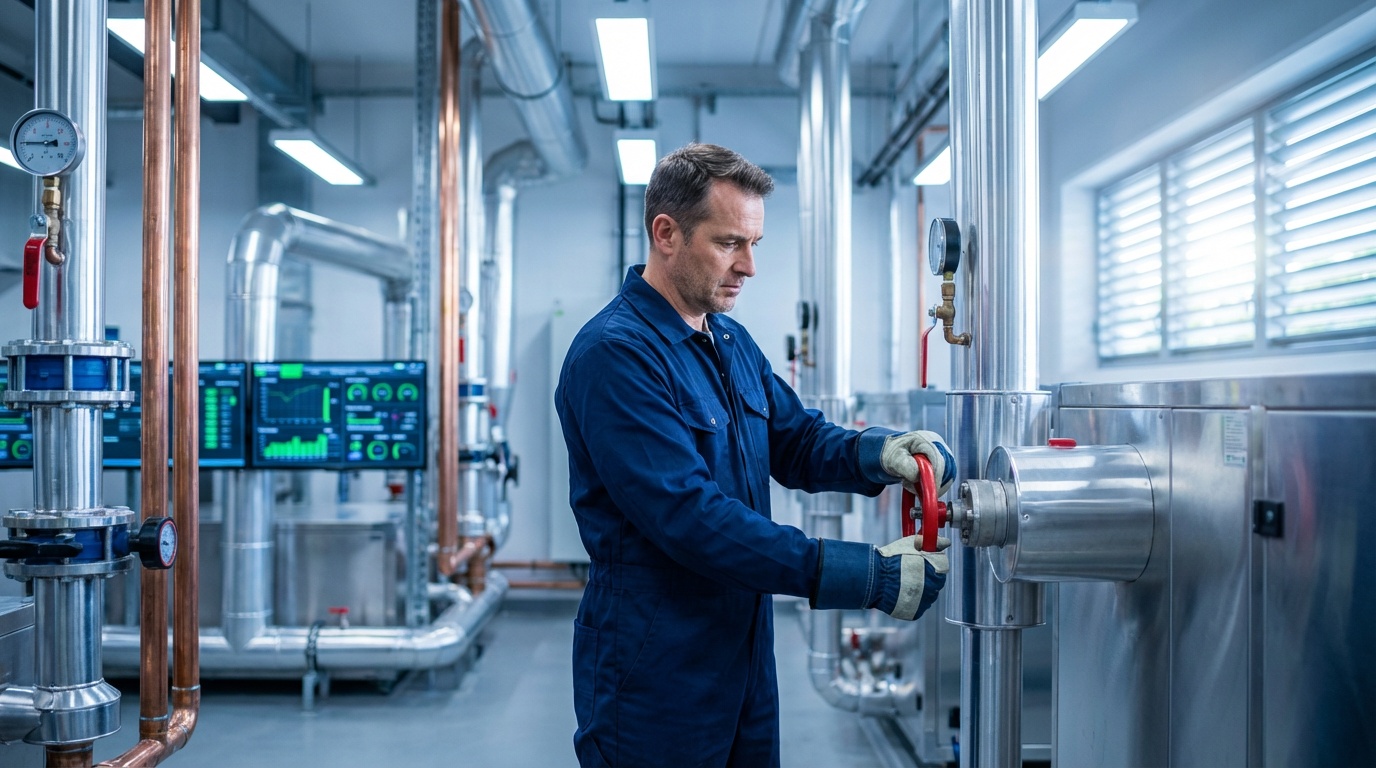
There is a reason facility managers across Birmingham and the West Midlands stay with MEMS year after year. We are not the cheapest option on a tender sheet. We are the provider who answers at 3 am when your boiler fails, who knows your building's quirks without checking notes, and who tells you when something does not need replacing yet.
That is the difference between a transactional vendor and a genuine maintenance partner.
From Apprentice to Facility Guardian: 24/7/365 Availability and Continuity
I started as an apprentice combustion engineer over two decades ago. I have held the tools, diagnosed the failures, and fixed the leaks that flood plant rooms at midnight. That hands-on foundation shapes how MEMS operates today.
We do not dispatch whoever is available. You get engineers who understand commercial plant, who have seen the failure patterns, and who take pride in getting it right first time. Our 24/7/365 availability is not a marketing claim. It is a genuine commitment backed by engineers on an on-call rotation who know your sites.
Planned Preventative Maintenance Tailored to Your Building's Quirks
Every building has peculiarities: a pressure sensor that reads slightly high, a pump that makes a specific noise when it needs bleeding, or a control sequence that tenants adjust despite instructions. When you work with firms that send different engineers every visit, that institutional knowledge disappears.
At MEMS, continuity matters. The engineer who services your boilers knows what is normal for your system. They spot the early warning signs that strangers miss. That familiarity prevents failures before they happen.
Internal Vetting of Innovations: Why Proven Reliability Matters More Than Trends
The facilities management industry chases fashionable technology. Heat pumps, smart controls, and efficiency upgrades get specified without proper consideration of whether they suit the building. We take a different approach.
At MEMS, we vet innovations internally before recommending them to clients. We prioritise proven reliability over marketing hype. If a technology cannot deliver consistent performance in real-world commercial conditions, we will not specify it. Your building is not a test bed. You need systems that work every day, not cutting-edge equipment that fails when you need it most.
We have modernised ageing estates across the Midlands by combining sustainable technology with engineering pragmatism. One Birmingham office block reduced gas consumption by 22% through systematic boiler optimisation and control upgrades, not wholesale replacement. Another retail park extended its boiler lifespan by five years through proactive component replacement identified during quarterly health checks.
These results come from understanding buildings as long-term assets, not short-term problems to fix.
If you are managing commercial property and questioning whether your current provider delivers genuine value or just ticks compliance boxes, the answer is probably in your maintenance records. Are you spending more on emergencies than prevention? Do you recognise the engineer who arrives? Can you access compliance certificates instantly?
Professional maintenance partnerships make these fundamentals effortless.
MEMS is big enough to cope with complex commercial demands, and small enough to care about the details that keep your building running. We are not a faceless FM corporation. We are a team of engineers who take personal responsibility for your building's reliability. Book a site survey and see what partnership-based maintenance looks like.
To deepen your knowledge about boilers and their standards, you can visit the boiler page, which provides comprehensive insights into boiler types and functions.
Understanding compliance for landlords is essential; detailed guidance on gas safety responsibilities is available at the Health and Safety Executive website addressing landlords guidance to ensure legal and safety obligations are met.
Recent updates to boiler standards aim at enhancing efficiency and safety. For the latest government consultations focused on improving boiler standards and efficiency, refer to the official resource on improving boiler standards and efficiency.
Frequently Asked Questions
How much should commercial boiler maintenance cost?
The cost for commercial boiler maintenance varies, but a planned preventative maintenance visit might be a few hundred pounds. What you are paying for is systematic asset protection, not just a quick check. The real cost comes from skipping maintenance, which can lead to tens of thousands in emergency repairs and business disruption for your business.
How frequently should a commercial boiler be serviced?
Commercial boilers should be serviced according to SFG20 standards, which often means more than just an annual glance. For many systems, I recommend planned preventative maintenance visits quarterly to catch issues early. This proactive approach extends asset life and ensures continuous compliance.
Who is responsible for paying for commercial boiler service?
For commercial properties, the responsibility for boiler service falls on the facility manager or property owner. This is an investment in keeping your building operational and legally compliant, not just a utility expense. Skipping this can expose you to prosecution and invalidated insurance, making it a non-negotiable part of property management.
Is it worth getting your commercial boiler serviced regularly?
Absolutely, it is always worth getting your commercial boiler serviced. Planned maintenance extends the life of your equipment by years and prevents catastrophic failures that destroy budgets. Beyond avoiding emergency costs, regular servicing ensures your boiler runs efficiently, saving you thousands on energy bills without you even noticing the drift.
What should I look for in recommended boiler maintenance providers?
When evaluating recommended boiler maintenance providers, always verify their Gas Safe registration and engineer credentials, ensuring they are qualified for commercial plant. Look for adherence to SFG20 standards and transparent pricing structures for both planned and emergency work. A professional provider offers clear compliance reporting and proactive communication, not just ticking boxes.
Why is Gas Safe registration important for commercial boiler engineers?
Gas Safe registration is non-negotiable for any engineer working on your commercial gas appliances. It is a legal requirement and a criminal offense to operate without valid registration. This ensures the engineer has the necessary qualifications and competence to work safely and compliantly, protecting your assets and occupants.