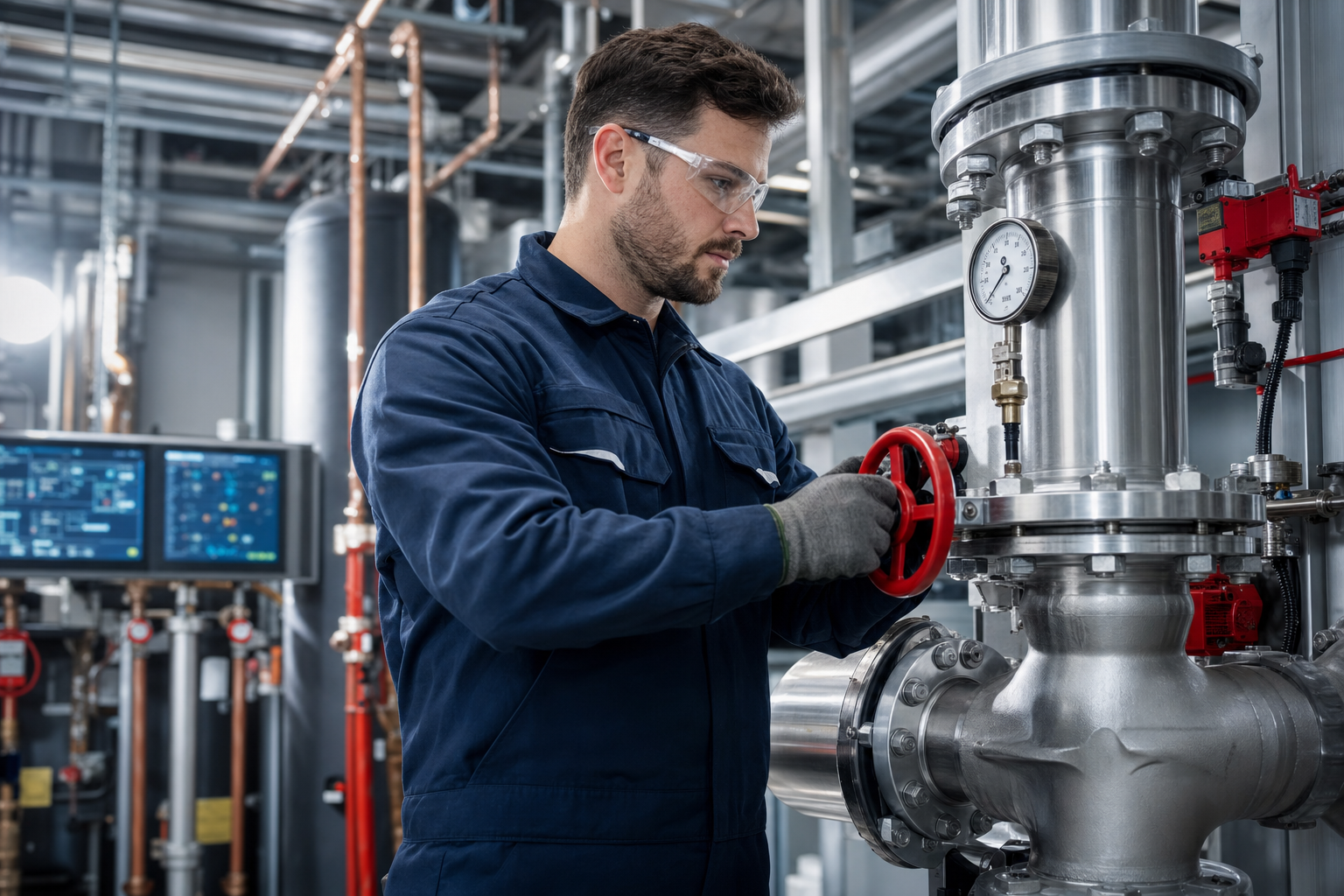
Renewable Energy Solutions alternatives
Energy costs can damage a commercial operation long before a boiler or air-conditioning unit finally fails. Volatile tariffs, ageing plant, poor controls and pressure to meet net-zero commitments all affect the monthly budget. For facility managers, the decision is not simply about installing solar panels or replacing a gas boiler. It is about selecting an energy system that supports uptime, compliance, asset value and predictable operating costs.
Key Takeaways
- Energy costs can damage a commercial operation long before a boiler or air-conditioning unit finally fails.
- Volatile tariffs, ageing plant, poor controls and pressure to meet net-zero commitments all affect the monthly budget.
- For facility managers, the decision is not simply about installing solar panels or replacing a gas boiler.
Renewable Energy Solutions alternatives cover technologies that reduce dependence on fossil fuels. The right choice depends on the building fabric and maintenance requirements, heat demand, available roof area, electrical capacity, occupancy pattern and future refurbishment plans.
What is Renewable Energy Solutions alternatives?
Renewable Energy Solutions alternatives are practical systems that generate cleaner power or reduce the amount of energy a commercial building needs from the grid and fossil-fuel equipment. These include Solar PV, Solar Thermal, Air to Air heat pumps, Air to Water heat pumps and LED Lighting.
Solar PV converts sunlight into electricity. Solar Thermal supports hot-water production. Heat pumps move heat rather than creating it through combustion. LED Lighting supports efficient building operation.
The engineering assessment matters more than the equipment brochure. A heat pump may suit a well-insulated office with suitable emitters, yet require upgrades in a poorly insulated warehouse. Solar PV needs a structurally suitable roof, appropriate orientation and enough electrical capacity for connection.
Engineering reality: renewable technology performs best as part of a planned building-services strategy. General project considerations can include fabric improvements, heat recovery, zoning, weather compensation and correct commissioning, which can matter as much as the generation equipment itself.
Benefits of Renewable Energy Solutions alternatives
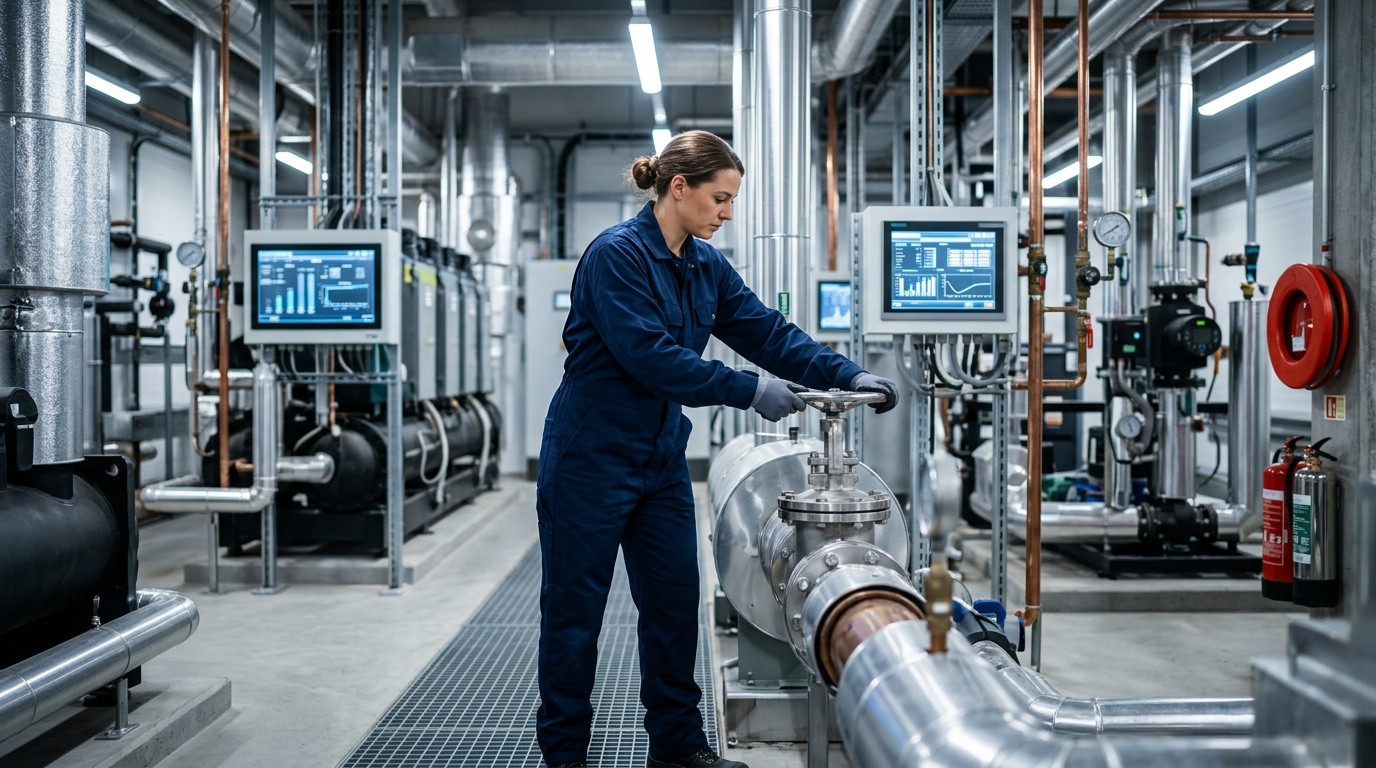
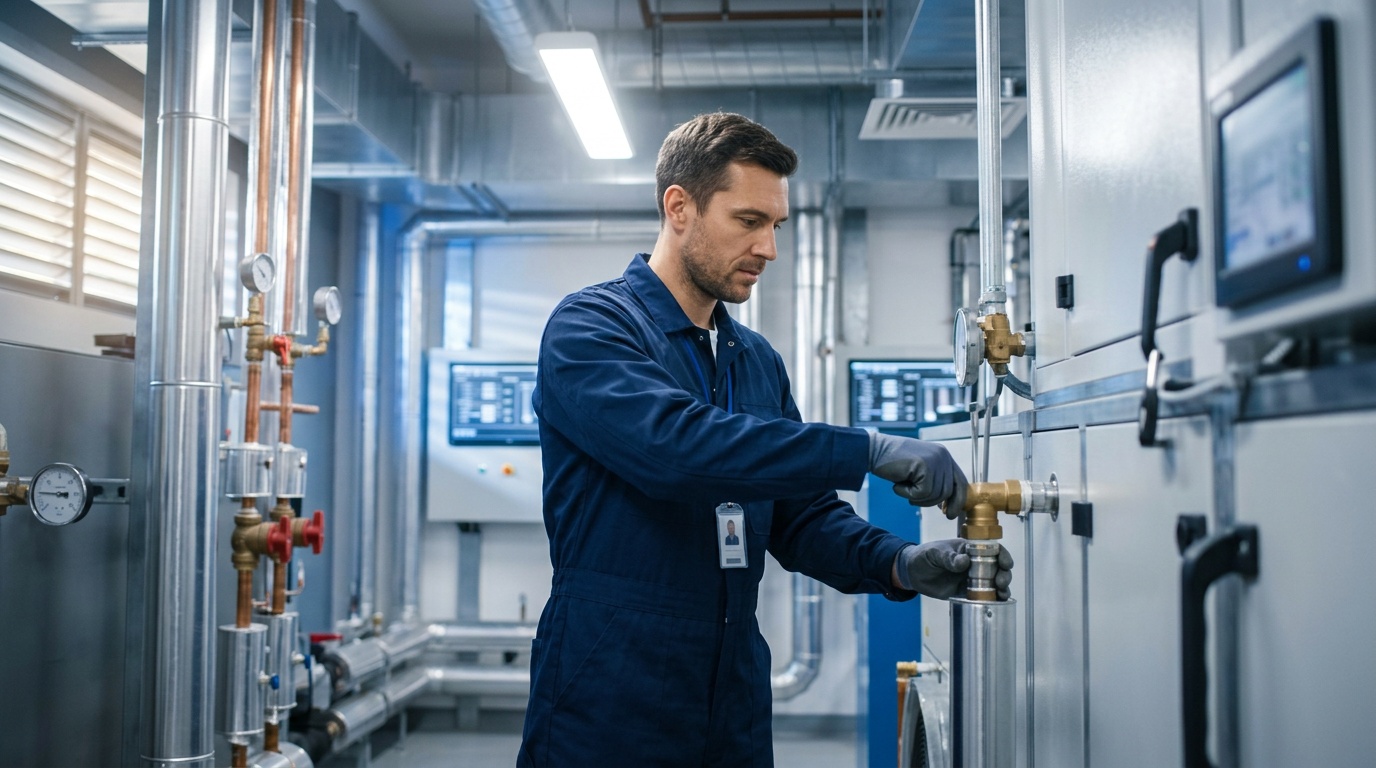


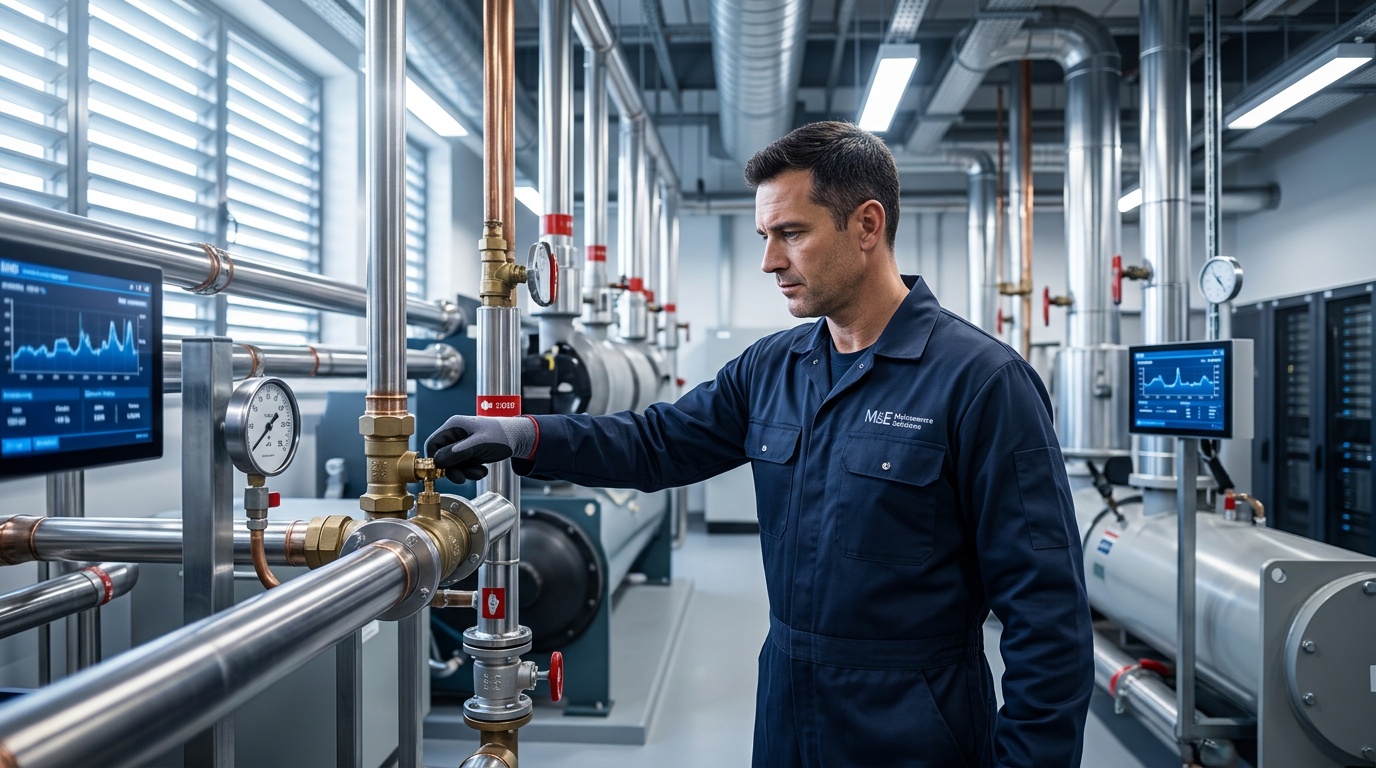

The first benefit is better control of operating expenditure. Solar generation can reduce electricity purchased during daylight hours, while heat pumps can reduce reliance on gas combustion. Actual savings depend on system design, occupancy, maintenance and controls.
There is also a compliance and asset-management benefit. Energy performance is closely tied to leasing, investment decisions and stakeholder reporting. A planned upgrade can support compliance while reducing the risk of rushed capital expenditure.
Technology costs and the financial case vary by project. Roof condition, access, inverter location, protection systems, maintenance access and export arrangements all affect payback.
Before selecting equipment, arrange an M&E HVAC compliance health check to identify controls, maintenance and compliance issues that may affect performance.
How to Choose Renewable Energy Solutions alternatives
Choosing Renewable Energy Solutions alternatives for a commercial building starts with a site assessment, not a sales brochure. Review heat demand, electricity consumption, occupancy hours, roof condition, insulation, plant-room space, existing distribution systems and available electrical capacity.
Gather electricity and gas bills, half-hourly meter data, EPC records, BMS trends, maintenance reports and details of existing boilers, air-conditioning equipment and ventilation systems. Check peak demand rather than annual consumption alone. This analysis can identify inefficient schedules, simultaneous heating and cooling, poor zoning and controls requiring attention.
Match the technology to the building’s demand
For on-site electricity generation, assess roof orientation, shading, structural loading, waterproofing, access routes, inverter location and the main intake. Solar PV can be valuable where the building consumes power during daylight hours. Storage and export arrangements should be based on actual load data and the local network requirements.
For heating, compare the required flow temperature with the capability of the proposed heat pump. Air to Air heat pumps can provide heating and cooling through indoor units. Air to Water heat pumps can feed radiators, underfloor circuits or other wet heating systems, though older emitters may need review.
Check installer competence and compliance
Ask contractors for evidence of relevant training, insurance, commissioning procedures and certification. Request method statements, risk assessments, design calculations, electrical test results, refrigerant records, warranty terms and handover documentation.
Planned maintenance should cover emergency response, spare-parts access, staff training and a clear route for resolving faults. Commercial HVAC maintenance services may also be needed where system performance affects energy use and indoor air quality.
Test the financial and operational case
Do not approve a project on payback alone. Review capital cost, design fees, structural works, electrical upgrades, access equipment, commissioning, planned servicing, replacement components, financing, energy-price assumptions and residual asset value. Model conservative, expected and adverse scenarios.
My buying test: assess a renewable project by considering how the system may operate on an ordinary weekday, during colder weather, during periods of low occupancy and during a grid interruption. Projects should have measurable performance targets, named responsibilities, documented compliance and a maintenance plan that supports uptime after handover.
References
- IPCC Sixth Assessment Report, Working Group III: https://www.ipcc.ch/report/ar6/wg3/
Frequently Asked Questions
What is the best alternative to a gas boiler for a UK commercial building?
There is no single answer for every commercial property. Air to Water heat pumps can be a strong option where the building has suitable insulation, adequate electrical capacity and a wet heating system that can operate at an appropriate flow temperature. Air to Air heat pumps may suit offices, retail units and other premises requiring heating and cooling.
How much does it cost to install solar panels on a commercial building in the UK?
Commercial solar PV costs vary according to system size, roof access, structural condition, cable routes, inverter selection, scaffolding, electrical upgrades and grid-connection requirements. Request a fully itemised proposal including capacity, warranties, testing, commissioning, monitoring and planned maintenance.
Are heat pumps viable for existing commercial buildings?
Yes, heat pumps can work in existing commercial buildings, but preparatory work may be required. Insulation defects, air leakage, undersized radiators, poor zoning and inaccurate controls can prevent expected performance.
How do I choose a reliable renewable energy installer?
Look for commercial experience, relevant certification, suitable insurance, clear design responsibility and a documented handover process. The installer should explain fault handling, monitoring, maintenance and support outside standard working hours.
For a dependable project, choose an installer willing to test assumptions, explain limitations and remain accountable after handover. That is the standard required for any Renewable Energy Solutions alternatives project intended to protect uptime, operating budgets and asset value.
"