Renewable Energy Solutions options
Renewable Energy Solutions for UK Commercial Buildings: A Facility Manager's Guide
The Commercial Reality of High Energy Costs in 2026
Why UK Facility Managers Face Rising Bills and Compliance Pressures
Energy bills across the UK have climbed relentlessly since 2021. Commercial landlords and facility managers in Birmingham and the West Midlands are caught between volatile wholesale prices and tightening regulations. The 2027 deadline for EPC Band B compliance looms large: properties failing to meet the standard face rental restrictions and devaluation. You aren't just managing a building anymore. You're managing legal exposure and operational risk.
At M&E Maintenance Solutions, we see the same pattern: facility managers trying to absorb cost increases without a clear strategy to reduce consumption. That approach has a shelf life measured in months, not years.
A Real-World Scenario: Downtime from Outdated Systems
Picture this: a retail park in the Midlands runs ageing gas boilers and inefficient lighting. A compressor failure in July shuts down HVAC for three days. Staff productivity drops, customers complain, and the emergency call-out costs triple the price of a planned replacement. The site manager scrambles to justify the expense to the board while the building bleeds revenue.
That scenario repeats weekly across commercial estates. The root cause isn't bad luck—it's reliance on fossil-fuel systems that are expensive to run, vulnerable to supply shocks, and increasingly non-compliant.
My Take as an Engineer: Why Reactive Maintenance Fails
After 24 years in this industry—from apprentice combustion engineer to managing M&E Maintenance Solutions—I've seen this pattern destroy budgets. Waiting for systems to fail is the most expensive decision you'll make. Renewable energy technologies aren't a "nice-to-have" anymore. They're a commercial necessity. Solar PV, heat pumps, and battery storage deliver predictable costs, reduce grid dependency, and future-proof your asset.
But here's the catch: not all renewable installations are equal. I've walked through commercial sites with poorly specified systems that underperform, create maintenance headaches, and fail to deliver promised savings. That's why we trial every technology internally before we install it on client sites. Our Aston showroom runs live solar, heat pumps, and battery storage. We only recommend what we've tested and would stake our reputation on.
- Energy costs consuming 20-30% of operational budgets
- EPC Band B compliance deadline in 2027
- Ageing HVAC and heating systems at end-of-life
- Unpredictable downtime from reactive maintenance
- Lack of clarity on renewable ROI and payback periods
Top Renewable Energy Technologies for UK Commercial Buildings
Solar PV Systems: Proven Rooftop Power for Daytime Demand
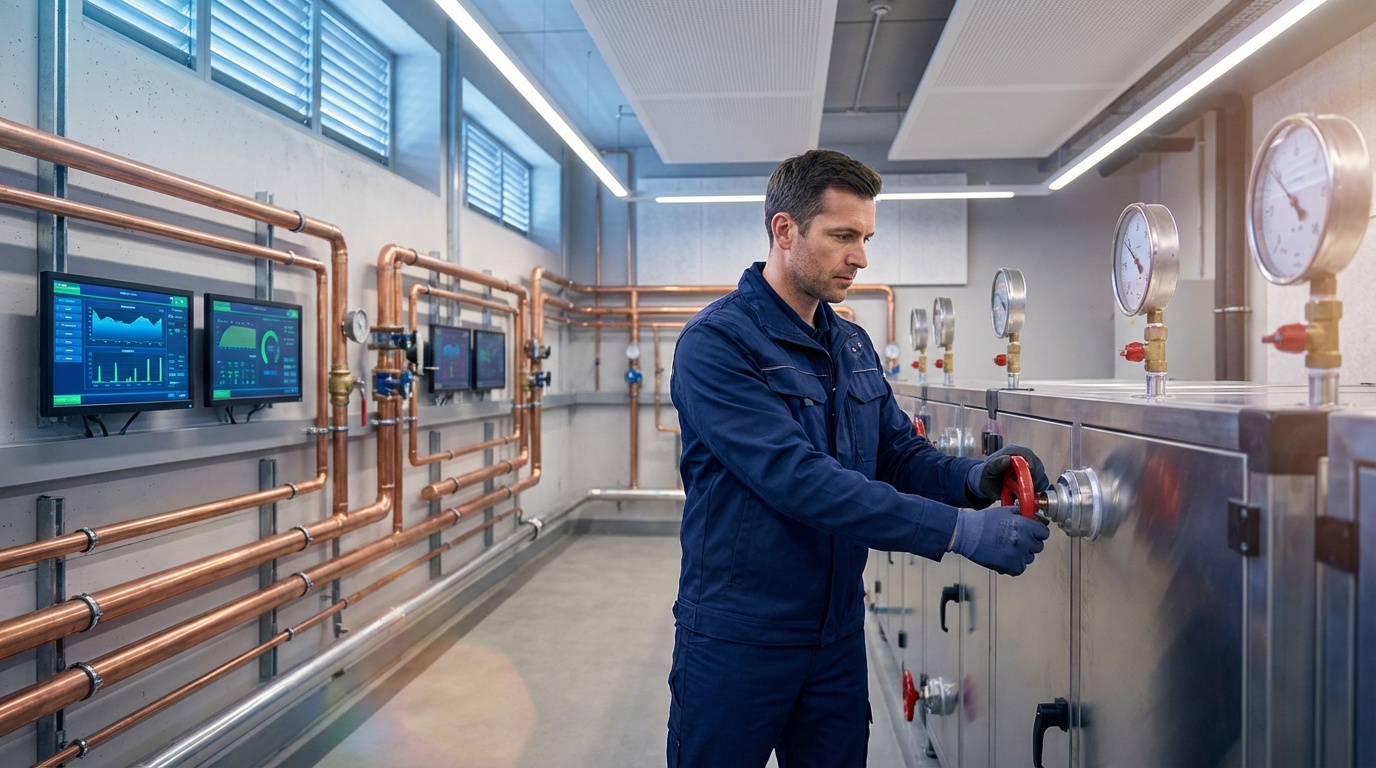
Solar photovoltaic panels are the workhorse of commercial renewable installations. They convert daylight into electricity, offsetting grid consumption during peak business hours when demand and tariffs are highest. For office blocks, retail parks, and warehouses across the Midlands, a well-sized rooftop array can cover 30-50% of daytime load.
The technology is mature. Warranties run 25 years. Maintenance is minimal: annual inspections and inverter checks. Pair solar with the Smart Export Guarantee (SEG), and you earn payments for surplus energy fed back to the grid—typically 4-6p per kWh.
We installed a 30kW array on our Aston showroom in 2023 to validate performance before recommending it to clients. The data doesn't lie: predictable generation, measurable savings, and compliance support for EPC ratings.
Air-to-Water Heat Pumps: Efficient Low-Carbon Heating
Air-to-water heat pumps extract ambient heat from outside air and transfer it into your heating and hot-water systems. They replace gas boilers with a low-carbon alternative that's three to four times more efficient. For commercial buildings with underfloor heating or modern radiators, heat pumps integrate smoothly and cut heating costs by 40-50%.
The engineering reality? Heat pumps work best in well-insulated buildings with low-temperature distribution systems. If your property has ageing single-glazed windows and poor insulation, address those first. We size systems based on detailed heat-loss calculations, not guesswork. Undersized units run constantly and wear out faster. Oversized ones cycle inefficiently and waste capital.
Battery Storage, LED Upgrades, and EV Charging
Battery storage extends solar value by capturing daytime generation for evening use, smoothing demand peaks and reducing grid reliance. LED lighting retrofits cut consumption by 60-70% with payback in two to three years. EV charging infrastructure future-proofs your site for electric fleet vehicles and attracts tenants who prioritise sustainability.
These aren't standalone solutions. They're force multipliers when combined with solar and heat pumps. A commercial estate with solar, storage, LED, and EV charging operates as an integrated low-carbon system, not a patchwork of disconnected upgrades.
How Renewables Cut Costs and Meet 2027 EPC Band B
The Business Case: Lower Running Costs and Regulatory Compliance
The financial argument for renewable technologies rests on three pillars: lower running costs, regulatory compliance, and asset value protection. A 50kW solar array on a Birmingham office block can cut annual electricity spend by £8,000 to £12,000, depending on consumption patterns. An air-to-water heat pump replacing a 15-year-old gas boiler typically reduces heating costs by 40-50%.
EPC Band B compliance by 2027 isn't optional. Properties rated C or below face rental restrictions and tenant flight. Renewables deliver the performance uplift needed to cross that threshold. Solar PV, heat pumps, and LED retrofits combine to push ratings from D to B, protecting rental income and capital value.
I've guided multiple West Midlands landlords through this process. The pattern is clear: early adopters avoid the 2026-2027 rush when installers are oversubscribed and costs spike.
UK Grants, SEG, Tax Breaks, and PPAs for Businesses
Several support mechanisms improve the financial position for commercial renewables:
- Smart Export Guarantee (SEG): Pays businesses for surplus solar electricity exported to the grid, typically 4-6p per kWh
- Enhanced Capital Allowances (ECAs): Deduct the full cost of qualifying energy-saving equipment from taxable profits in the year of purchase
- Local authority grants: Some regional development funds offer grants for renewable installations, particularly for SMEs and community buildings
- Power Purchase Agreements (PPAs): Install solar with zero upfront capital. A third-party investor owns the system, you buy the electricity at a discounted rate, and they claim the SEG payments. After 10-15 years, ownership transfers to you.
We connect clients to vetted PPA providers as part of our end-to-end service, but I'm transparent about the trade-offs: you sacrifice long-term savings for immediate cash-flow relief.
Real ROI from Our Tested Installations
We installed a 30kW solar array and air-to-water heat pump at our Aston facility in 2023. Year-one electricity savings: £6,200. Heating cost reduction: 45%. Total capital outlay: £42,000. Projected payback: 6.2 years. After that, we're generating free electricity and low-cost heat for another 15-20 years.
Those aren't marketing claims. They're our actual operational data.
- Solar PV (50kW): £35,000-£45,000 installed, 5-7 year payback
- Air-to-water heat pump (commercial): £25,000-£40,000 installed, 6-8 year payback
- LED retrofit (full building): £8,000-£15,000 installed, 2-3 year payback
- Battery storage (50kWh): £30,000-£50,000 installed, 8-10 year payback
- Combined systems deliver faster payback through stacked performance and grant eligibility
Upfront capital is the barrier. But operational savings compound year after year. A facility manager who secures board approval for a £60,000 solar and heat-pump package in 2026 will save £10,000 annually by 2027, £70,000 by 2033, and £150,000 by 2040. That's not theoretical. It's physics and accounting working in your favour.
Integration Without Business Disruption
Planning Permissions, Surveys, and Minimal Downtime Installs
Most commercial solar installations are permitted development, requiring no planning application if the panels sit below roof ridge height and aren't in a conservation area. Heat pumps need building control notification, not full planning permission. We handle all paperwork—G99 grid connection applications and DNO approvals—as standard.
The survey phase takes two to three weeks: roof structural checks, electrical capacity assessment, and heat-loss calculations. Installation runs four to ten days depending on system size, with most work completed outside business hours to avoid disruption.
Why We Only Install Vetted Technology
We don't sell systems we haven't tested. Our Aston showroom runs live solar, heat pumps, and battery storage so we can measure real-world performance, identify maintenance quirks, and validate manufacturer claims. If a heat pump struggles in sub-zero temperatures or a battery management system throws faults, we know before it reaches your site.
This isn't marketing. It's risk mitigation. You're investing tens of thousands of pounds in equipment that must deliver for 15-25 years. We stake our reputation on every recommendation because we've lived with the technology ourselves.
Pairing Renewables with PPM for Ongoing Efficiency
Renewable systems aren't fit-and-forget. Solar inverters need annual inspections. Heat pumps require refrigerant checks and filter changes. Battery systems benefit from firmware updates. We integrate renewables into our SFG20-compliant Planned Preventative Maintenance schedules, so your systems stay optimised and warranties remain valid.
A solar array losing 10% efficiency due to dirty panels or a degraded connection costs you £1,000 annually in lost generation. Our PPM visits catch those issues before they compound.
Maintenance Requirements and Your Path to Uptime
SFG20-Compliant Servicing for Renewables
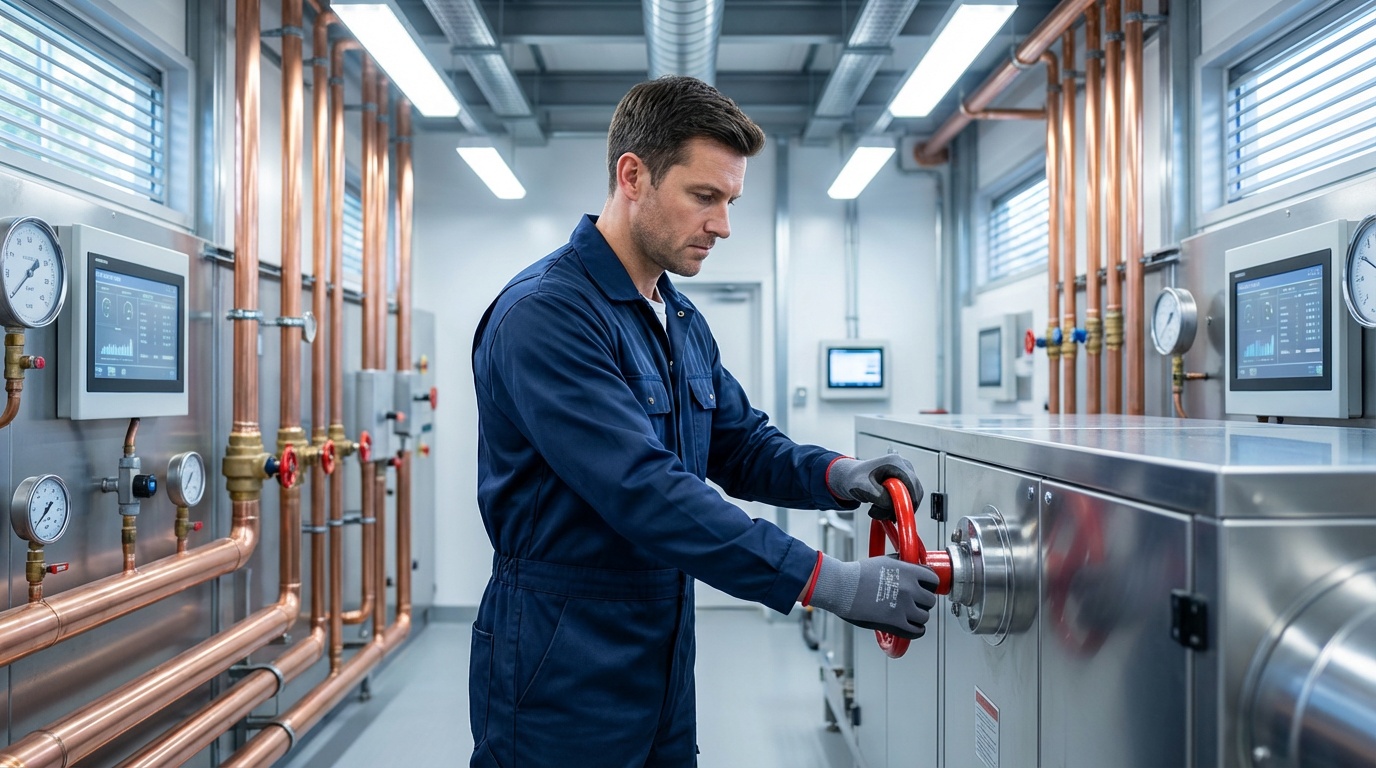
SFG20 standards define best-practice maintenance frequencies and tasks for building services, including renewable energy systems. Solar PV requires annual electrical testing and panel cleaning. Heat pumps need biannual refrigerant leak checks (F-Gas compliance), filter changes, and control calibration. Battery storage systems need quarterly state-of-health monitoring and firmware updates.
We document every visit digitally, providing traceable compliance records within 24 hours. If an insurer or auditor requests proof of maintenance, you have it instantly.
Preventative Checks to Maximise System Life
A well-maintained solar system delivers 85-90% of rated output after 25 years. A neglected system drops to 70% by year 15. The difference? Preventative servicing: tightening connections, replacing underperforming panels, and upgrading inverters as technology improves. Heat pumps last 15-20 years with proper care. Skip annual servicing and expect compressor failure by year 10.
We treat renewables like any other building asset. Proactive maintenance extends lifespan, protects ROI, and prevents expensive emergency replacements.
24/7 Reliability from a Team That Answers the Phone
Breakdowns don't respect office hours. Our 24/7/365 helpdesk means a heat-pump fault at 3am gets a response within the hour, not a voicemail. We're big enough to handle multi-site commercial portfolios across the UK, small enough to know your building's quirks and your facility manager by name.
Every engineer is Gas Safe, REFCOM F-Gas certified, and trained on the renewable systems we install. You aren't a ticket number. You're a partner whose uptime protects our reputation.
Ready to future-proof your commercial property? Book a no-obligation site survey with M&E Maintenance Solutions. We'll assess your building, model renewable options, and provide a transparent cost-benefit analysis. Call our 24/7 helpdesk or visit our Aston showroom to see live renewable systems in action.
Choosing the Right Renewable Pathway for Your Building
Matching Technology to Building Characteristics
Not every renewable technology suits every property. A flat-roofed warehouse with 2,000m² of unshaded surface? Perfect for solar PV. A listed Georgian office block with conservation restrictions? Not so much. Heat pumps work brilliantly in modern buildings with underfloor heating. They struggle in Victorian properties with oversized radiators and poor insulation.
Technology selection must follow a proper site survey, not a sales pitch.
We start every renewable project with three questions:
- What's your current energy profile?
- What's your building fabric?
- What's your budget and payback expectation?
A retail park with high daytime electricity use and a south-facing roof gets solar PV as the priority. An office block with ageing gas boilers and decent insulation gets an air-to-water heat pump. A distribution centre running 24/7 shifts benefits from battery storage to flatten demand peaks and avoid capacity charges.
The technology serves the building. Not the other way around.
Phased Implementation Versus Full Retrofit
Capital constraints are real. Not every facility manager can secure £80,000 for a complete renewable overhaul. That's why we design phased rollouts: solar PV in year one to cut electricity bills immediately, heat pump in year two when the gas boiler reaches end-of-life, battery storage in year three once solar generation patterns are proven.
Each phase delivers standalone savings while building towards a fully integrated low-carbon system.
The alternative? Waiting for a crisis. A boiler fails in January, you're forced into an emergency gas replacement at premium cost, and the opportunity to switch to renewables vanishes for another decade. Planned implementation beats reactive scrambling every time.
The Regulatory Direction Is Clear
Fossil fuel heating in new builds is banned from 2025. Gas boiler sales end by 2035. Carbon pricing will only increase. Installing renewables now positions your property ahead of compliance curves, not chasing them. When the next wave of EPC tightening arrives, you're already compliant. When gas prices spike again, your heat pump insulates you. When tenants demand net-zero buildings, you're ready.
I've seen too many facility managers defer renewable investment because "the technology will get cheaper." It will. But the savings you forfeit while waiting cost more than the price drop you're hoping for.
A solar array installed in 2026 generates free electricity for 25 years. Waiting until 2028 to save £3,000 on installation costs you £20,000 in lost generation.
The best time to install was five years ago. The second-best time is now.
- Conduct a professional energy audit to baseline consumption and identify waste
- Prioritise renewables that align with your peak demand profile
- Model ROI using conservative generation estimates, not best-case scenarios
- Integrate renewables into capital replacement cycles for ageing HVAC and heating systems
- Partner with an installer who trials technology before recommending it
- Ensure ongoing maintenance is SFG20-compliant and traceable
The M&E Maintenance Solutions Commitment to Proven Technologies
We built M&E Maintenance Solutions on a simple principle: don't sell what you wouldn't install in your own building. Our Aston showroom runs live solar PV, air-to-water heat pumps, and battery storage because we need to validate performance before we stake our reputation on a client site. When I tell you a heat pump will cut heating costs by 45%, that's not a manufacturer's brochure claim. It's our measured data from two Midlands winters.
Renewable technologies are no longer experimental. They're proven, cost-effective, and increasingly non-negotiable for commercial properties facing EPC compliance deadlines and rising energy costs. The question isn't whether to invest. It's whether to lead the transition or be dragged into it by regulation.
Book a site survey with M&E Maintenance Solutions. We'll assess your building, model renewable options with transparent costings, and integrate any installations into our 24/7 PPM service. You get corporate-level capability with the accountability of a business that answers its own phone.
Frequently Asked Questions
What renewable energy solutions are available for commercial buildings in the UK?
For commercial properties, Solar PV systems are a proven workhorse, converting daylight into electricity to offset peak demand. Air-to-water heat pumps efficiently replace gas boilers for heating and hot water, offering significant carbon reduction. Complementary options like battery storage, LED lighting retrofits, and EV charging infrastructure further boost efficiency and future-proof your site.
How do solar PV systems benefit commercial properties?
Solar PV panels provide predictable rooftop power, directly offsetting grid consumption during business hours when tariffs are highest. A well-sized array can cover 30-50% of daytime load, reducing operational costs and supporting EPC compliance. You can also earn payments for surplus energy fed back to the grid through the Smart Export Guarantee.
What role do heat pumps play in commercial renewable energy strategies?
Air-to-water heat pumps are a highly efficient, low-carbon alternative to traditional gas boilers for heating and hot water. They extract ambient heat from the outside air, making them three to four times more efficient than fossil fuel systems. We size these systems based on detailed heat-loss calculations to ensure optimal performance and cost savings.
Beyond solar and heat pumps, what other renewable energy solutions should commercial facility managers consider?
Battery storage extends the value of solar by capturing daytime generation for evening use, smoothing demand peaks. LED lighting retrofits offer fast payback by cutting consumption by 60-70%. EV charging infrastructure prepares your site for electric fleets and attracts sustainability-focused tenants, creating an integrated low-carbon system.
Why are renewable energy solutions becoming a necessity for UK commercial properties?
High energy costs and tightening regulations, like the 2027 EPC Band B compliance deadline, make renewables a commercial necessity. They deliver predictable costs, reduce grid dependency, and future-proof assets against regulatory changes and devaluation. Waiting for outdated systems to fail is simply the most expensive decision you'll make.
How do renewable energy solutions help commercial buildings achieve EPC compliance?
Renewable energy solutions like Solar PV, heat pumps, and LED retrofits significantly improve a property's Energy Performance Certificate rating. Pushing ratings from D to B protects rental income and capital value, avoiding rental restrictions and tenant flight. We've guided multiple West Midlands landlords through this process, and the pattern is clear: early adopters avoid the rush.