Renewable Energy Solutions tutorial
A renewable installation can look attractive on a brochure and still be the wrong decision for a commercial building. Before recommending panels or heat pumps, I assess the roof, electrical capacity, operating hours, heat distribution, plant-room space and maintenance access. The building comes first. The equipment follows.
Key Takeaways
- A renewable installation can look attractive on a brochure and still be the wrong decision for a commercial building .
- Before recommending panels or heat pumps, I assess the roof, electrical capacity, operating hours, heat distribution, plant-room space and maintenance access.
- Renewable energy solutions use naturally replenished sources to provide electricity, heating or hot water.
What are renewable energy solutions?
Renewable energy solutions use naturally replenished sources to provide electricity, heating or hot water. Commercial options include solar photovoltaic panels, air-to-air heat pumps, air-to-water heat pumps and solar thermal equipment. The right choice depends on the building’s demand, space, insulation, electrical infrastructure, heating emitters, budget and expected asset life.
In my experience, the site assessment matters more than the sales brochure. A roof survey may identify structural limits, shading, restricted access or a membrane nearing the end of its service life. Electrical testing can reveal limited spare capacity, outdated distribution boards or the need for export limitation.
M&E Maintenance Solutions provides commercial renewable energy solutions as part of a wider facilities strategy.
What are the benefits for a commercial building?

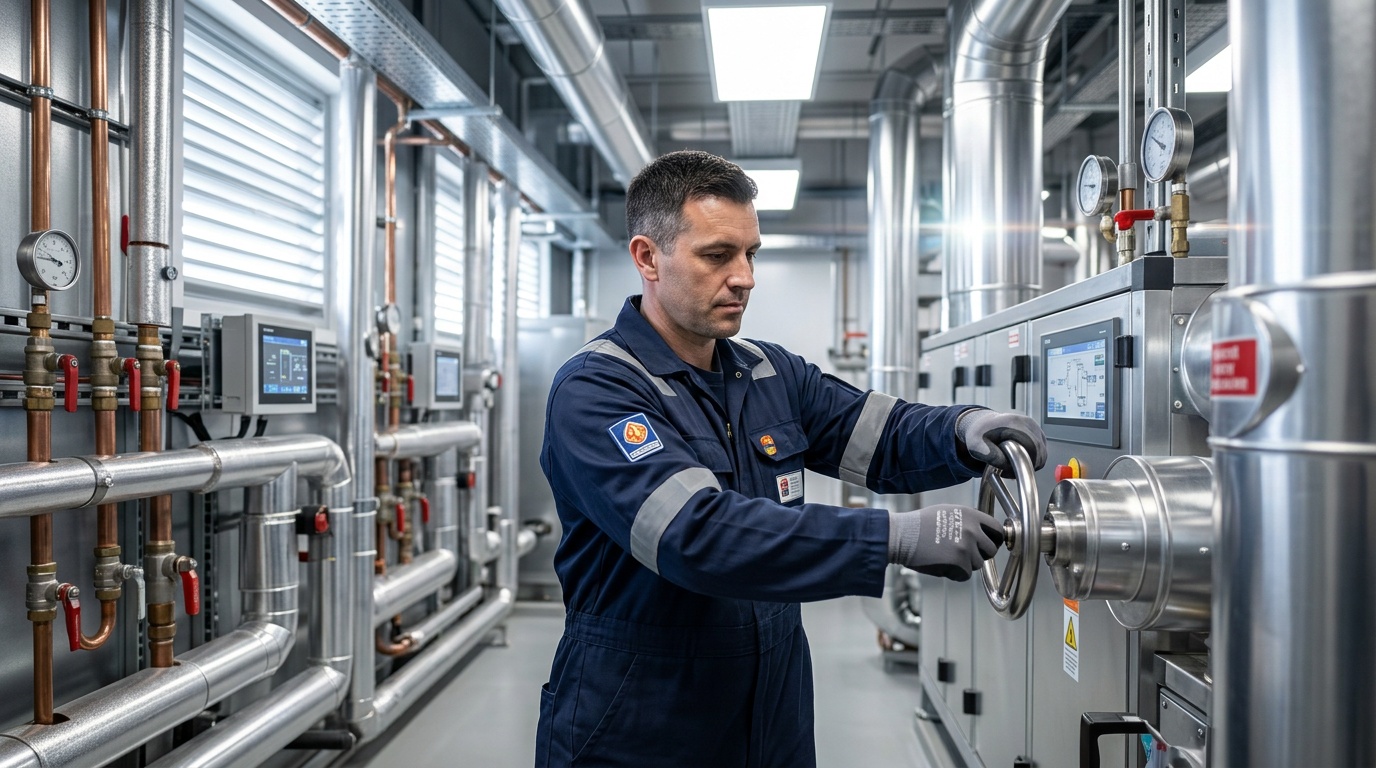
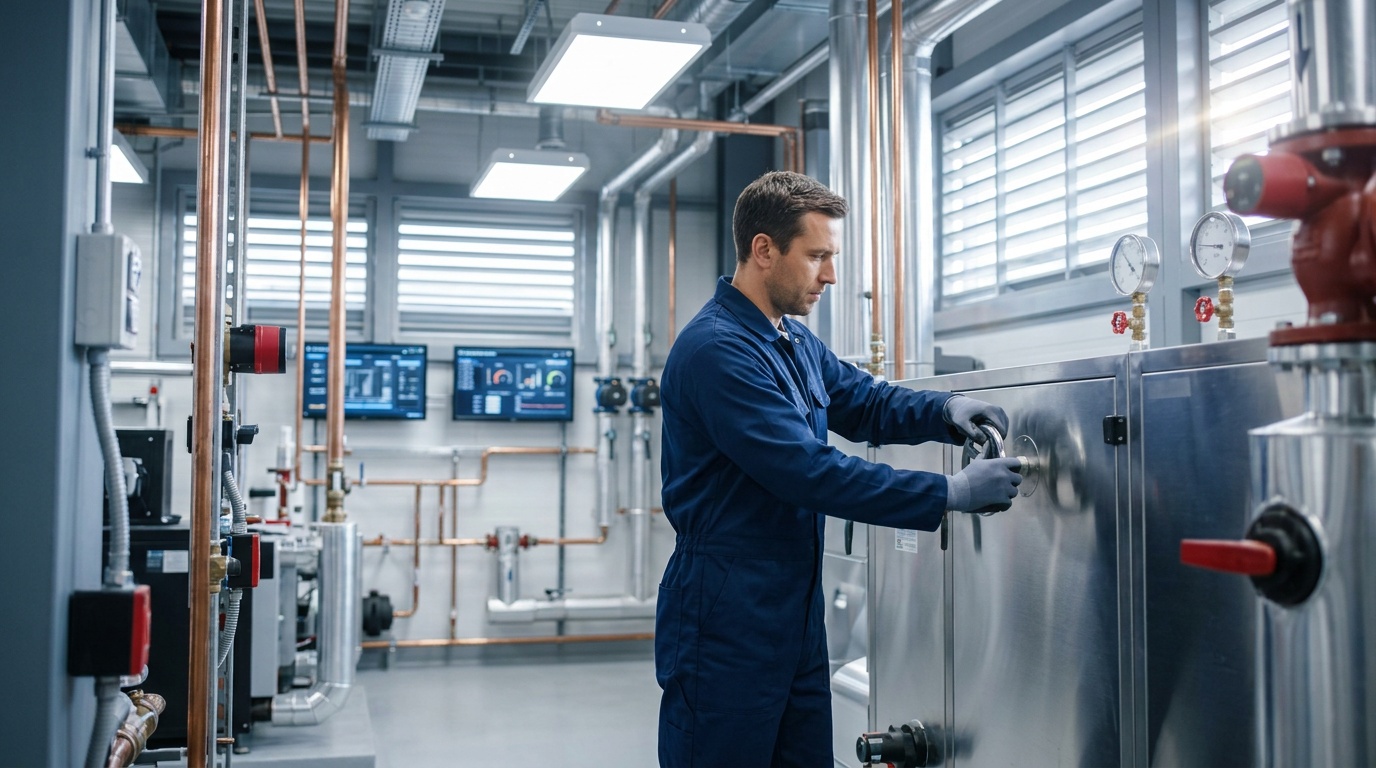


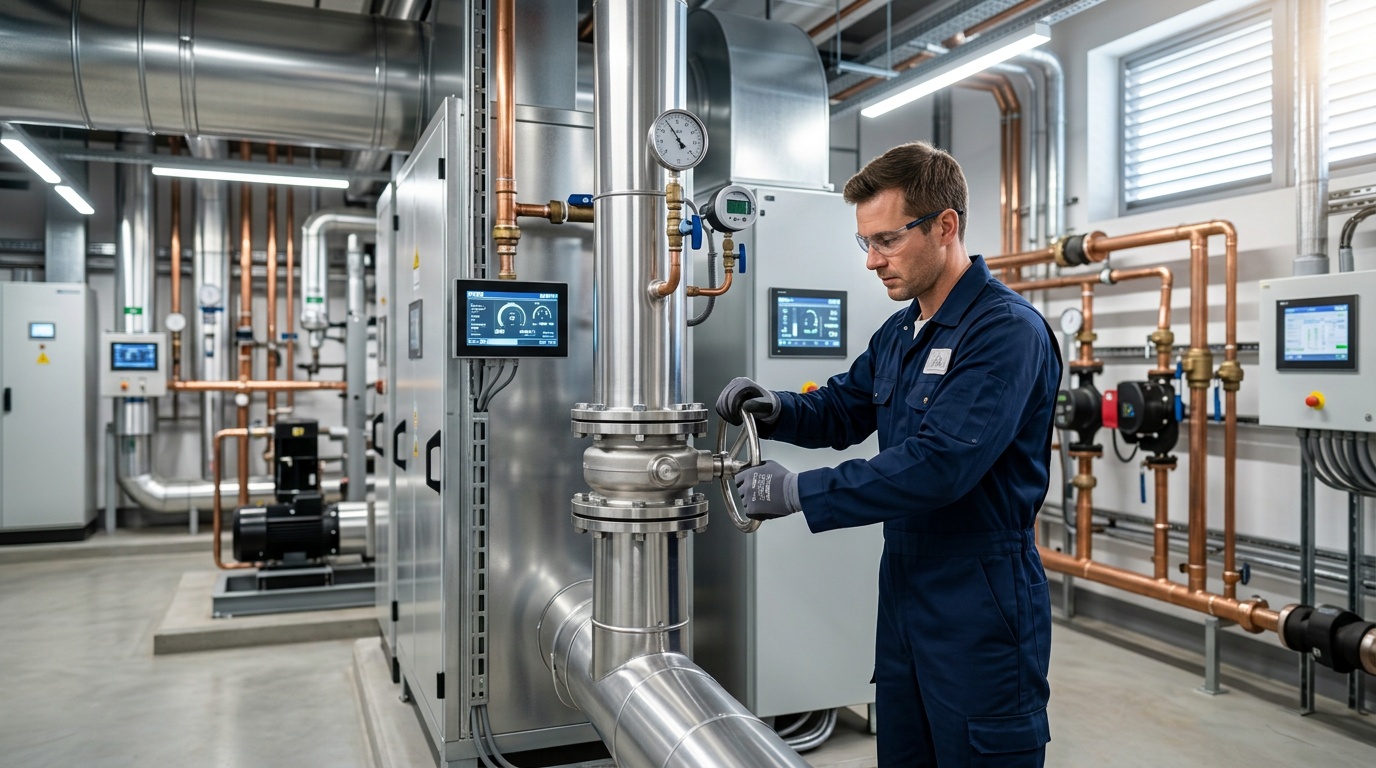

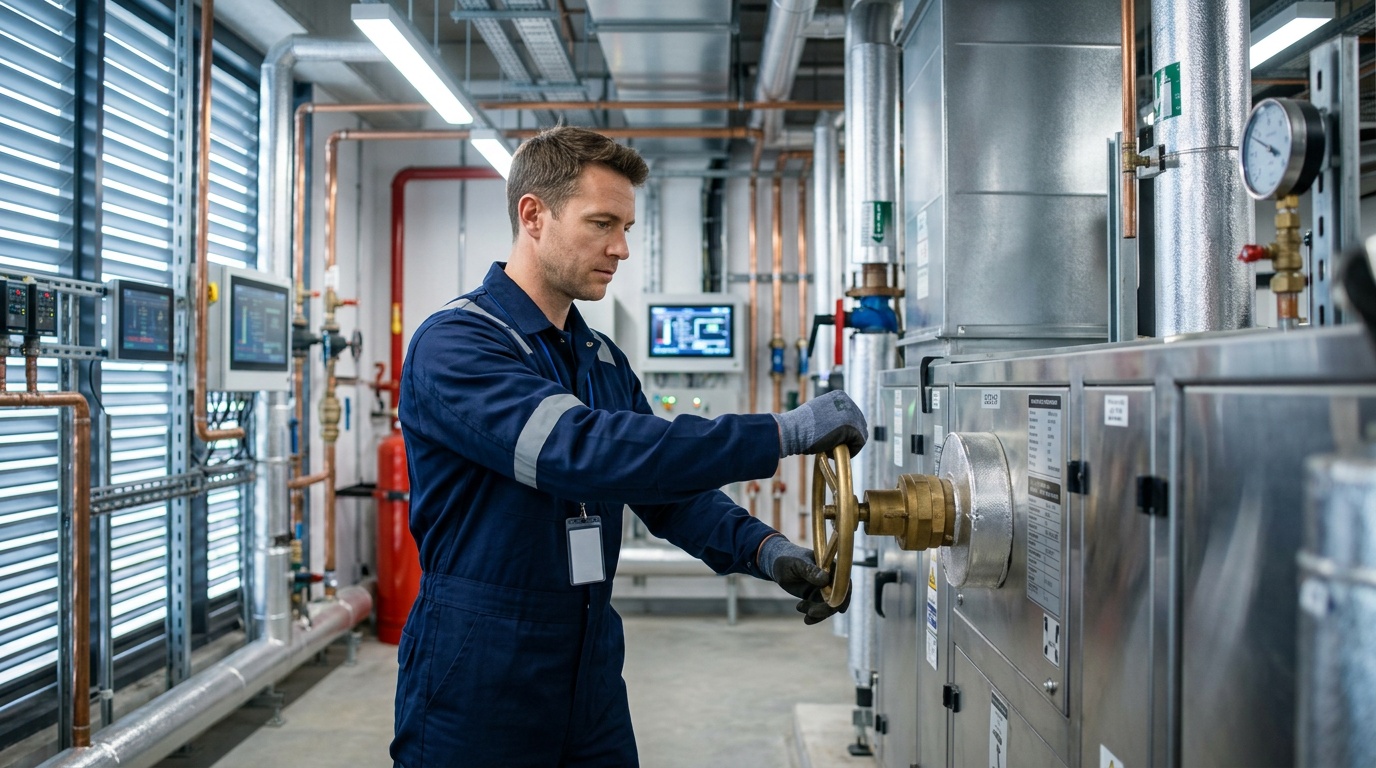

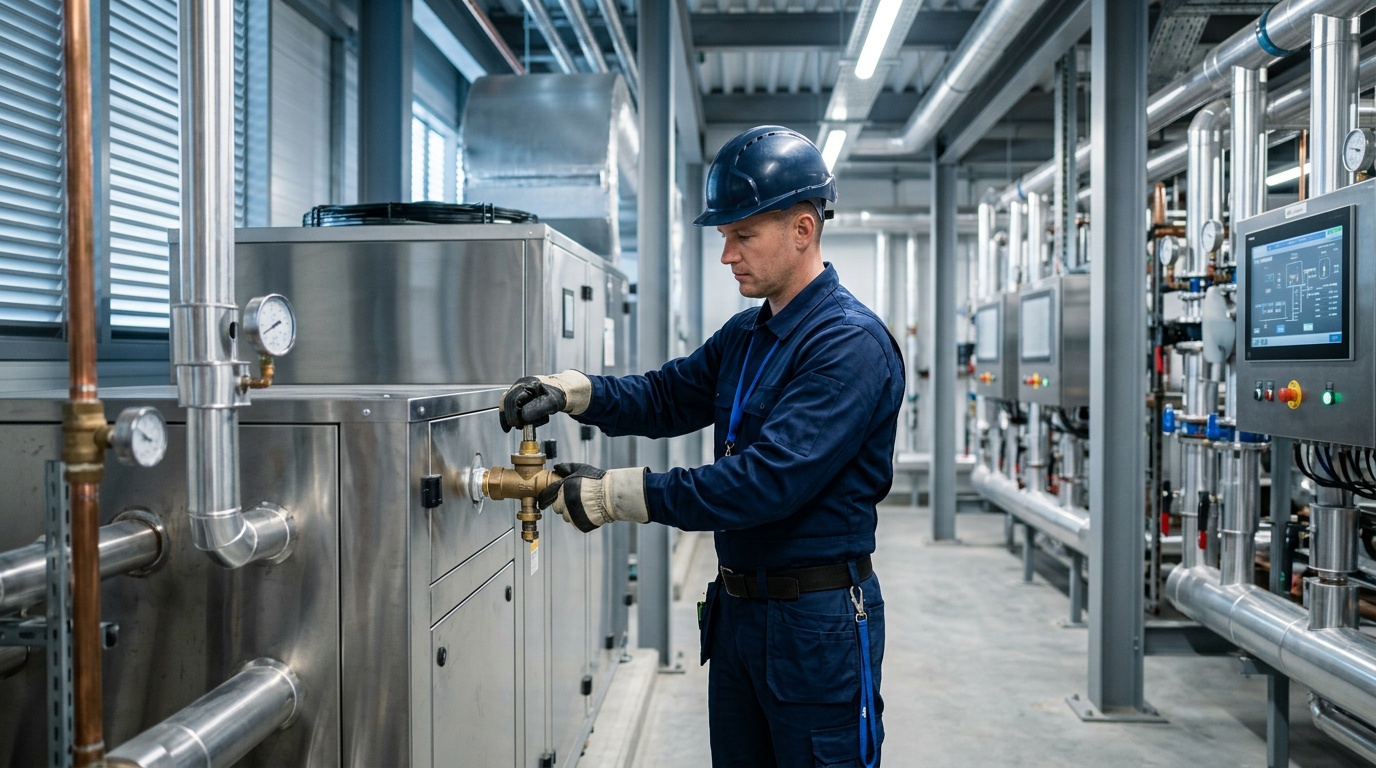
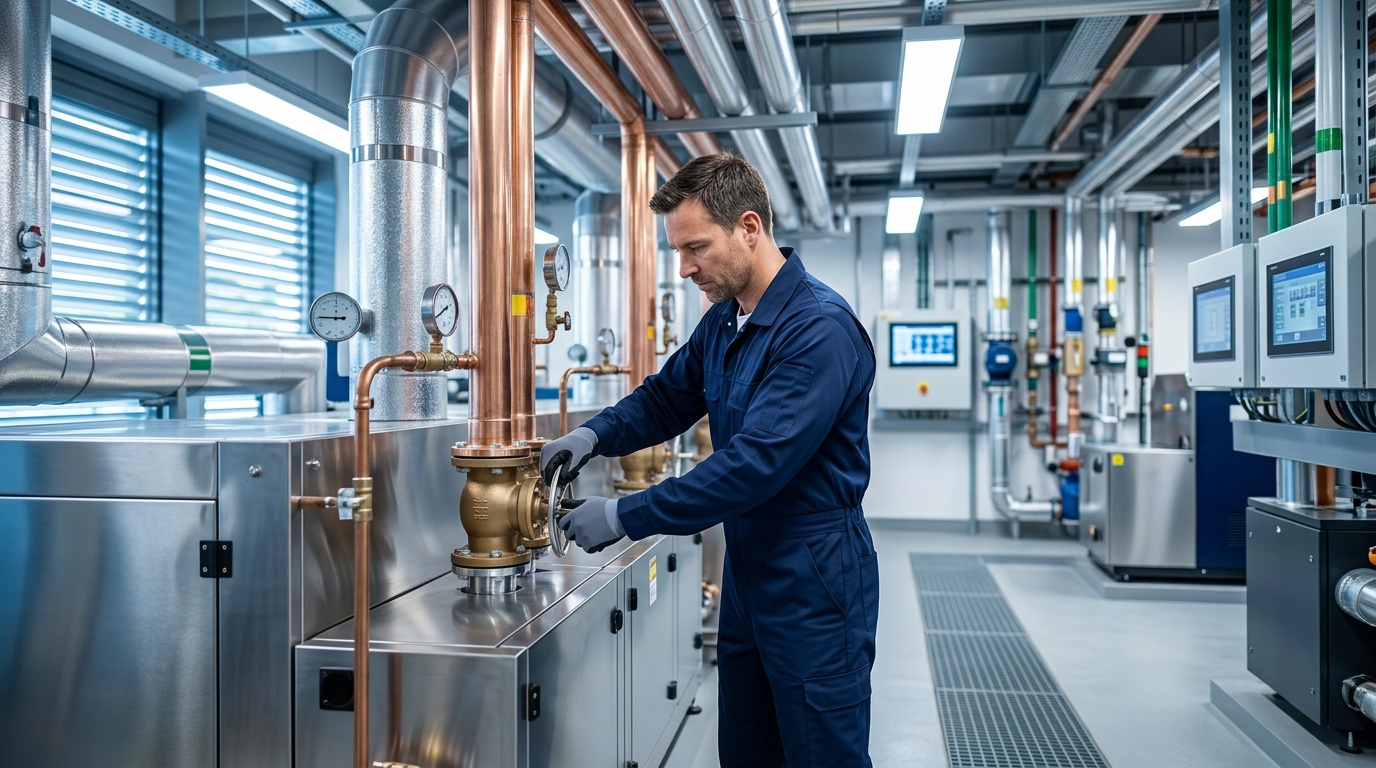

Renewable systems can reduce purchased energy and support lower-carbon operations. The financial outcome depends on measured demand, sound design and proper commissioning. An oversized system, poor controls or difficult service access can turn a promising project into an underperforming asset.
Solar PV often suits offices, warehouses, schools, retail premises and industrial units with usable roof space and steady daytime electricity demand. Heat pumps can reduce reliance on direct electric resistance heating where insulation, heat emitters and controls are suitable. A survey should confirm that before equipment is specified.
For businesses seeking a coordinated approach, the M&E Strategic Partner Programme can support wider maintenance and asset-management requirements.
Renewable equipment still needs Planned Preventative Maintenance (PPM). Solar arrays need inspection, inverter monitoring and electrical checks. Heat pumps need filter and coil cleaning, control checks, water-quality checks and appropriate refrigerant attention. These tasks belong in a documented PPM schedule alongside the site’s wider compliance plan.
How should you choose a renewable energy system?
Choose the system after measuring how the facility operates throughout the year. Review half-hourly electricity data, gas consumption, heating demand, occupancy, operating hours, seasonal peaks and existing plant performance before approving a design.
- Check the building fabric. Review insulation, glazing, roof condition, shading, safe access and remaining roof life.
- Assess the heating requirement. Inspect heat emitters, pipework, plant-room capacity and outdoor unit locations.
- Confirm electrical capacity. Check the distribution board, incoming supply, protection, cable routes and inverter position.
- Build a realistic budget. Include surveys, design, structural work, commissioning, metering, monitoring and staff training.
- Specify handover and maintenance. Require asset registers, operating instructions, control schematics, warranties and PPM tasks.
Ask your contractor who will maintain the system after installation, which records you will receive and how faults will be handled outside normal working hours. Renewable technology should support uptime, not create another operational gap.
For ongoing support, facilities teams can review the commercial HVAC services available to help keep renewable and conventional HVAC systems safe, efficient and serviceable.
Businesses can also read the latest facilities maintenance blog articles for practical guidance.
References
Frequently Asked Questions
What renewable energy solution is best for a UK commercial facility?
There is no single answer for every site. Solar PV and heat pumps should be selected after reviewing demand, building condition, infrastructure and operating patterns.
How should a renewable system be sized?
Sizing should be based on measured demand, available generation, peak loads, future occupancy and the building’s electrical or heating infrastructure.
Will renewable equipment remain reliable?
Reliability depends on correct design, competent installation, commissioning and planned maintenance.
"