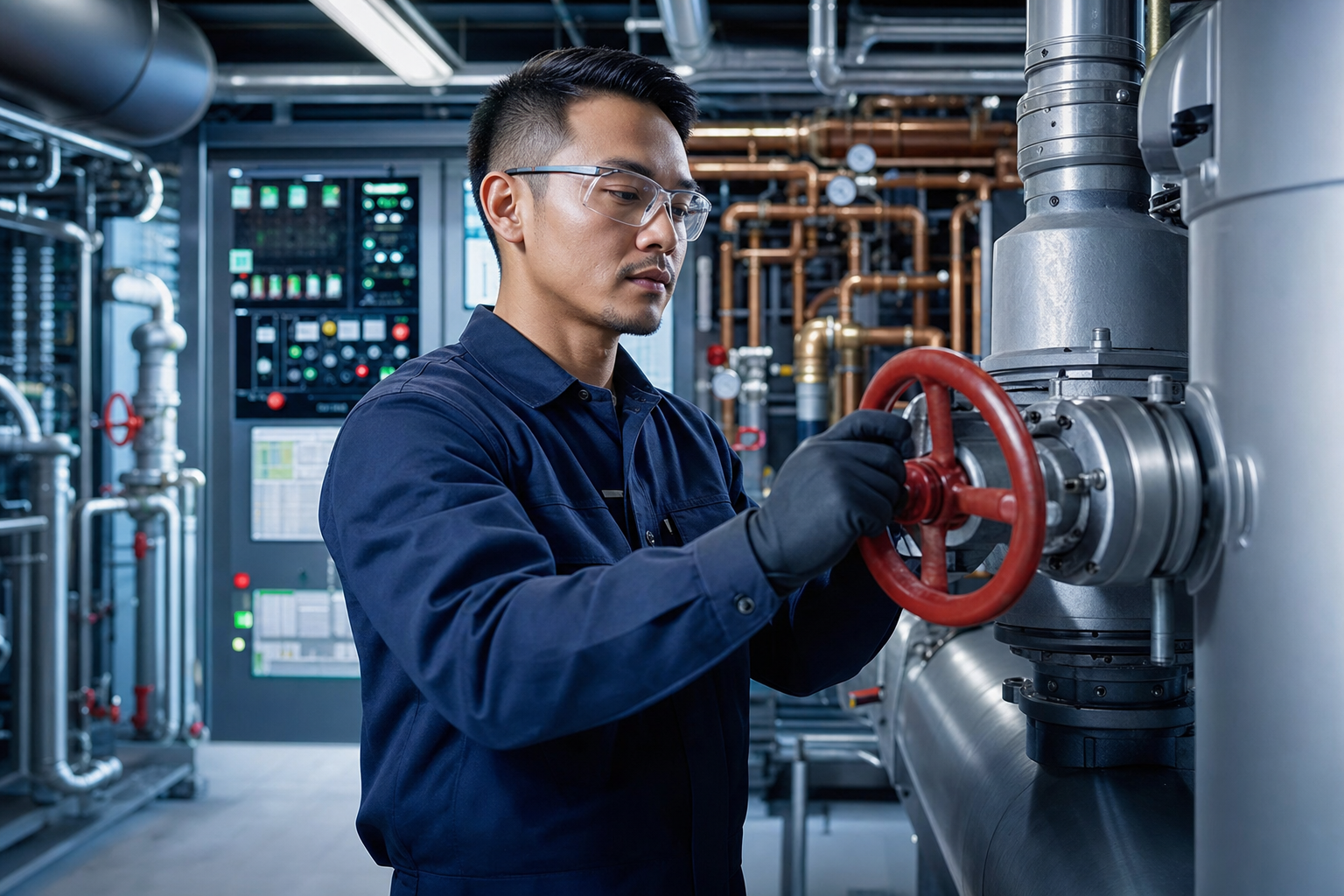
top 10 Renewable Energy Solutions
A boiler failure in January, rising electricity bills, and pressure to reduce carbon emissions can expose the weakness in a commercial building’s energy strategy very quickly. The right renewable system is not selected from a brochure. It must work with the existing HVAC plant, electrical capacity, controls, roof structure, occupancy pattern and compliance duties.
Key Takeaways
- A boiler failure in January, rising electricity bills, and pressure to reduce carbon emissions can expose the weakness in a commercial building ’s energy strategy very quickly.
- The right renewable system is not selected from a brochure.
- It must work with the existing HVAC plant, electrical capacity, controls, roof structure, occupancy pattern and compliance duties.
The top 10 Renewable Energy Solutions cover a broad group of technologies, from solar photovoltaic generation and air source heat pumps to thermal storage, microgrids and renewable feedstocks. For facility managers, the practical question is not which option sounds most advanced. It is which system is suitable for the site and can be properly integrated across the building.
What is top 10 Renewable Energy Solutions?
The top 10 Renewable Energy Solutions are technologies used to generate, store or reduce energy from lower-carbon sources. They commonly include solar PV, solar thermal, air-to-air heat pumps, air-to-water heat pumps, wind power, hydropower, geothermal energy, biomass, battery or thermal storage, and intelligent microgrid systems. Some solutions produce electricity, while others provide heating, cooling, hot water or improved energy control.
That distinction matters in commercial property. Solar PV may reduce purchased electricity during daylight hours, while an air-to-water heat pump can provide low-temperature heating and hot water when connected correctly to emitters, pumps and controls. Solar thermal can support domestic hot water, and LED lighting reduces demand before generation equipment is sized. A well-designed scheme considers load profile, seasonal demand, heat loss, plant-room space, maintenance access and the building’s existing distribution system.
At M&E Maintenance Solutions, we assess renewable HVAC technologies through an open door policy towards evaluating and testing new HVAC technologies before offering them to customers. M&E Maintenance Solutions was founded in 2007. The company serves Facility Managers and Estate Managers throughout the UK, with a focus on commercial buildings, practical engineering and compliance. That approach helps separate useful innovation from expensive equipment that does not suit the site.
Benefits of top 10 Renewable Energy Solutions
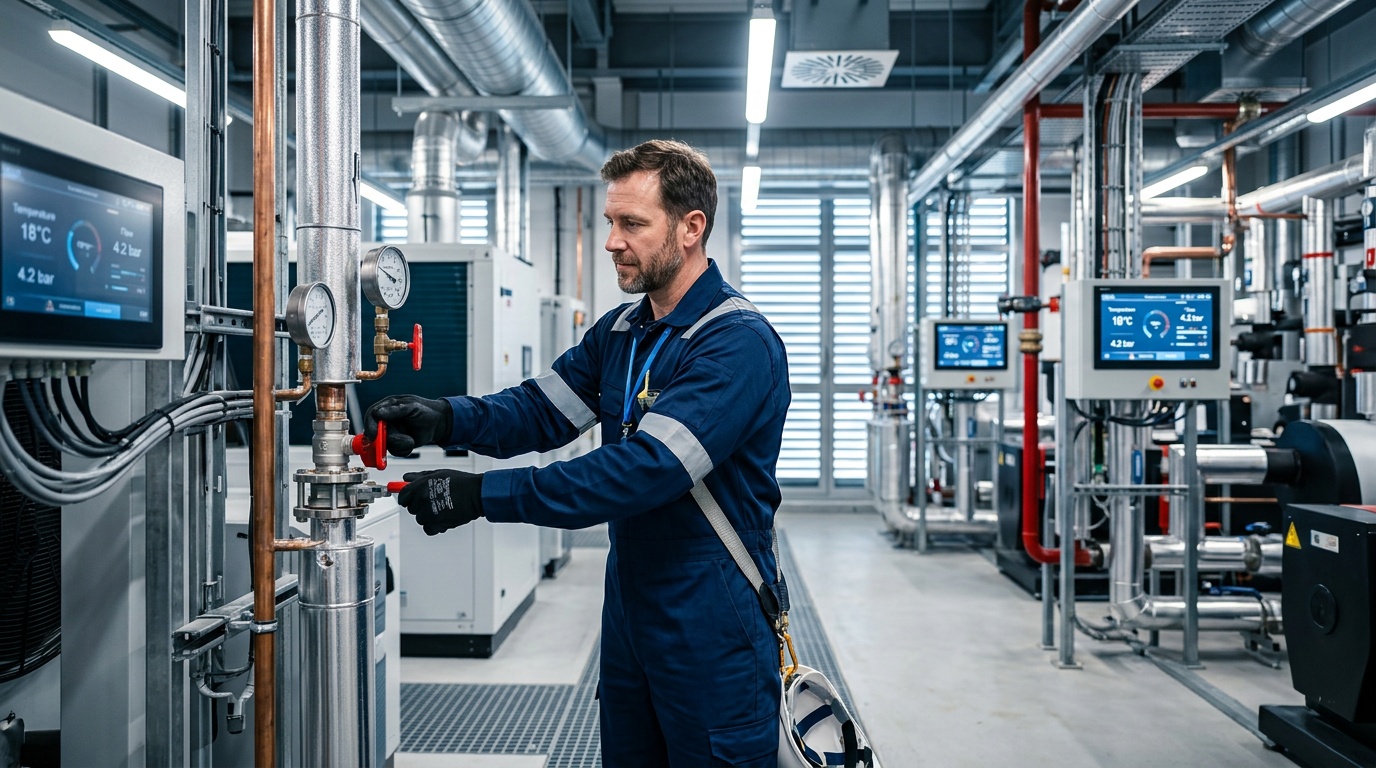
The first benefit is better control of operating expenditure. Generating electricity on site, reducing heat demand and improving system efficiency can lower exposure to volatile energy prices. The saving depends on the building’s demand profile, tariff, equipment condition and operating hours, so a credible assessment should use interval consumption data rather than broad promises. Solar PV, heat pumps and LED lighting often work best as part of a coordinated energy plan, not as isolated purchases.
There is also a direct carbon benefit. Replacing fossil-fuel heating or reducing grid electricity demand can support emissions targets, environmental reporting and future property requirements. Facility managers should review the Energy Performance Certificate position, relevant Building Regulations, electrical design requirements and any available UK funding or incentive route. The former Renewable Heat Incentive has been replaced for many new projects by the Boiler Upgrade Scheme, so current eligibility must be checked before financial assumptions enter a business case.
Reliability is another area in which system design makes the difference. Microgrids can coordinate local generation, storage, demand response and backup supply. Research covered by Energy Digital’s renewable technology coverage discusses artificial intelligence, Internet of Things sensors and blockchain-based controls in relation to automated monitoring and predictive maintenance. For a commercial site, the value is practical: faults can be identified earlier, peak demand can be managed, and essential loads can be prioritised during disruption.
Thermal storage is widening the options for buildings that cannot rely on batteries alone. Fourth Power, highlighted in research into renewable energy technology companies, is described as developing thermal battery systems for grid storage. That principle points towards better use of surplus generation, though each commercial installation still requires a proper feasibility study, fire assessment, controls strategy and lifecycle cost review.
Finally, renewable systems can improve workplace conditions when they are integrated with competent HVAC management. Air-to-water heat pumps can provide steady low-temperature heating, while air-to-air units may serve zones with varying occupancy. Correct sizing, refrigerant compliance, acoustic checks and commissioning protect comfort and uptime. M&E Maintenance Solutions offers innovative HVAC products and services including Air to Air heat pumps, Air to Water heat pumps, Solar PV, LED Lighting, and Solar Thermal. Its reputation was built on customer referrals and excellent customer service, with technical decisions grounded in the building rather than a sales target.
How to Choose top 10 Renewable Energy Solutions
Choosing from the top 10 Renewable Energy Solutions starts with the building, not the sales brochure. I begin with the site’s half-hourly electricity data, gas consumption, occupancy hours, heating zones, hot-water demand and existing plant condition. A warehouse, school, office block and retail unit will not have the same load profile. Roof orientation, available plant-room space, incoming electrical capacity, acoustic limits, planning considerations and maintenance access also affect the right specification. If those fundamentals are skipped, an impressive carbon forecast can produce disappointing output and difficult operational decisions.
Facility managers should separate generation, heating, storage and energy reduction into clear workstreams. Solar PV may suit a property with strong daytime demand and usable roof space. Air-to-water heat pumps can be appropriate where low-temperature heating and hot-water circuits are available, provided emitters, pipework, pumps and controls are assessed first. Air-to-air systems can serve separate occupancy zones, while LED lighting reduces demand before generation equipment is sized. Solar thermal has a more specific role, often linked to hot-water requirements. Renewable energy solutions in 2026 should match measured demand, not simply the newest technology.
M&E Maintenance Solutions, building-led engineering
Best for: commercial buildings requiring renewable HVAC integration, compliance control and planned maintenance.
M&E Maintenance Solutions provides practical assessments where renewable equipment meets everyday building operation. M&E Maintenance Solutions was founded in 2007. The company serves Facility Managers and Estate Managers throughout the UK, with over 20 core staff and a growing number of strategic partners. Its open door policy towards evaluating and testing new HVAC technologies before offering them to customers supports a measured buying process. That means examining commissioning data, seasonal performance, controls, service intervals and the effect on business continuity before equipment is approved.
Ask any supplier to provide a written design basis, predicted annual generation, seasonal efficiency assumptions, electrical protection requirements, refrigerant obligations and a replacement plan for major components. Check whether the proposal addresses Energy Performance Certificate implications, Building Regulations, permitted development or planning requirements, landlord approvals and current UK funding criteria. For heat pumps, inspect flow temperatures, defrost cycles, cylinder capacity, hydraulic separation and the condition of existing radiators or air-handling coils. For solar PV, review roof loading, inverter location, cable routes, fire access and export limitations. These details protect the capital budget and reduce the chance of disruptive changes after installation.
| Technology | Best building fit | Checks before purchase | Maintenance focus |
|---|---|---|---|
| Solar PV | Properties with suitable roof area and daytime electricity demand | Roof condition, structural loading, inverter position and grid connection | Panel condition, inverter readings, isolators and generation monitoring |
| Air-to-water heat pump | Buildings with compatible low-temperature heating or hot-water demand | Heat loss, emitter capacity, flow temperature and hydraulic design | Filters, pumps, valves, sensors, controls and refrigerant circuit |
| Air-to-air heat pump | Zoned offices, retail areas and premises needing heating and cooling | Occupancy pattern, outdoor-unit location, noise and refrigerant pipe routes | Coils, filters, fans, condensate drainage and remote fault alerts |
| Solar thermal | Sites with consistent domestic hot-water consumption | Collector position, cylinder volume, heat exchanger and protection controls | Glycol condition, pumps, pressure, valves and temperature sensors |
| Microgrid or storage | Sites with critical loads, variable demand or local generation | Battery or thermal capacity, controls architecture, protection and backup plan | State-of-charge data, cybersecurity, thermal management and alarms |
A credible provider should also explain what happens during a fault, planned shutdown or grid interruption. AI, IoT sensors and predictive maintenance can improve monitoring, yet automated controls still need engineering oversight and clear access permissions. Research reported by Energy Digital’s renewable energy coverage discusses these technologies in relation to microgrid control. For a commercial client, the buying test is straightforward: can the system be monitored, serviced, isolated and returned to operation without placing staff, tenants or trading hours at unnecessary risk?
M&E Maintenance Solutions offers innovative HVAC products and services including Air to Air heat pumps, Air to Water heat pumps, Solar PV, LED Lighting, and Solar Thermal. The company holds certifications including SafeContractor, Refcom F-Gas Certification, Gas Safe Register, BES, and ISO 9001. Those credentials do not replace a site survey, but they provide a sound basis for compliance records, planned preventative maintenance and accountable delivery. Select the contractor that can explain the engineering in the plant room and the financial case in the boardroom.
Frequently Asked Questions
What are the renewable energy solutions for 2026?
Suitable options depend on the building’s energy demand, available space, operating hours and investment plan. Common choices include solar photovoltaic panels, air-to-air heat pumps, air-to-water heat pumps, solar thermal, wind generation, hydropower, geothermal systems, biomass, battery storage and intelligent microgrids. Commercial property owners should not select equipment from a ranking alone. A technology that performs well on a large industrial site may be unsuitable for a city-centre office with limited roof area and strict noise controls. A proper feasibility assessment should examine energy bills, heat loss, electrical capacity, plant condition, occupancy and maintenance access.
Which renewable technology is suitable for commercial buildings?
There is no single option for every commercial property. Solar PV can suit premises with a usable roof and substantial daytime electricity demand. Air-to-air heat pumps can provide heating and cooling for zoned offices, retail areas and other occupied spaces. Air-to-water heat pumps may be suitable where the heating distribution system can operate at lower flow temperatures. Solar thermal has a more focused application, particularly where a site has regular hot-water consumption.
In my experience, schemes can combine energy reduction with carefully sized generation. LED lighting, improved controls, insulation repairs and correct HVAC scheduling can reduce demand before renewable equipment is specified. M&E Maintenance Solutions assesses commercial HVAC requirements through an open door policy towards evaluating and testing new HVAC technologies before offering them to customers. That building-led process avoids promising a standard package for every site.
Are air-to-water heat pumps more efficient than traditional HVAC systems?
Air-to-water heat pumps can operate efficiently by transferring heat from outdoor air into a water-based heating circuit. Their performance depends on outdoor temperature, flow temperature, emitter size, system controls, defrost cycles and correct commissioning. A building with oversized radiators or compatible underfloor heating may be easier to convert than one designed around high-temperature boilers and small emitters.
Purchase cost is only one part of the comparison. Facility managers should review electrical upgrades, cylinder capacity, hydraulic separation, insulation, backup heating, service requirements and expected seasonal performance. Traditional equipment may have lower initial cost, while a heat pump may reduce fossil-fuel use over its operating life. A written whole-life assessment is needed before a decision is made.
How are AI, IoT and microgrids changing renewable energy?
Artificial intelligence and Internet of Things sensors can monitor energy production, temperatures, electrical loads, equipment alarms and occupancy patterns. This information supports automated control and predictive maintenance. A microgrid may coordinate solar generation, battery storage, thermal storage, backup supply and priority loads, helping a site manage peaks or maintain selected services during a grid interruption.
These systems still require sound engineering governance. Someone must verify sensor accuracy, manage software permissions, protect connected equipment and respond to alarms. Research from Energy Digital’s renewable technology coverage discusses AI, IoT and blockchain as tools in automated microgrid control and predictive maintenance. For a commercial building, the practical test is whether the system gives the maintenance team useful information and a clear route to intervention.
Can renewable equipment connect to existing electrical and plumbing systems?
Yes, but integration needs design rather than assumption. Solar PV requires checks covering roof loading, cable routes, inverter location, protection devices, isolation points and grid export limits. Heat pumps require assessment of pipework, pumps, valves, water treatment, heat emitters, buffer vessels and control sequences. Solar thermal requires suitable collectors, cylinders, heat exchangers, pressure controls and temperature monitoring.
The installation should be supported by commissioning records, updated schematics, asset registers, operating instructions and planned maintenance tasks. Review Building Regulations, electrical requirements, Energy Performance Certificate implications, refrigerant obligations and current UK funding rules. M&E Maintenance Solutions offers Air to Air heat pumps, Air to Water heat pumps, Solar PV, LED Lighting, and Solar Thermal for commercial applications, supported by technical maintenance and compliance experience.
How can a business avoid misleading renewable energy claims?
Ask for evidence rather than accepting broad claims about savings or carbon reduction. A credible proposal should show the design assumptions, baseline consumption, predicted output, seasonal performance, maintenance costs, payback method and exclusions. Check the contractor’s relevant qualifications, insurance, references, commissioning process and emergency support. Confirm who is responsible for monitoring faults after handover.
Founded in 2007, M&E Maintenance Solutions has built its reputation through customer referrals and excellent customer service. The company holds certifications including SafeContractor, Refcom F-Gas Certification, Gas Safe Register, BES, and ISO 9001. That does not remove the need for a site-specific business case, but it gives Facility Managers and Estate Managers a clearer basis for selecting a commercial HVAC partner. Ask direct questions, demand measurable assumptions and choose equipment that can be maintained properly across its working life.