top Industrial Electrician Jobs 2026
A plant shuts down at 6.15am because a motor control circuit has failed. Production stops, engineers are called, and the business starts losing money before the first toolbox reaches site. That is the commercial reality behind the top Industrial Electrician Jobs 2026: these roles involve far more than cable installation. They protect uptime across manufacturing, process engineering, utilities, energy, and critical infrastructure.
Key Takeaways
- Industrial electrician roles in 2026 will demand a blend of hands-on technical skill and sharp commercial awareness to keep operations running without costly interruptions.
- When a motor control circuit fails at dawn, every minute of downtime translates directly to lost revenue, which places these engineers central to business continuity.
- Modern electrical maintenance work extends well beyond basic wiring into safeguarding production lines across manufacturing, utilities, and critical national infrastructure.
- Companies hiring industrial electricians next year will be looking for problem solvers who can respond under pressure and minimise financial exposure during unplanned outages.
- The value of a skilled electrical professional lies in their ability to prevent a single component failure from escalating into a full plant shutdown.
I started as an apprentice combustion engineer and have spent many years working around commercial plant, controls, machinery, and maintenance systems. From that position, I can tell you that the strongest electrical careers are built on more than a basic qualification. Employers want safe fault-finding, planned maintenance, motor control knowledge, electrical testing, clear documentation, and the judgement to act before a small defect becomes a production loss. The Industrial Electrician Jobs resource is a practical starting point for current industry information and career opportunities.
What are the top industrial electrician jobs in 2026?
Top Industrial Electrician Jobs 2026 include electrical maintenance and engineering positions with responsibility for machinery, controls, safe systems of work, and production continuity. Opportunities exist in food processing, automotive manufacturing, pharmaceutical production, utilities, power generation, logistics, refineries, and automated facilities. Typical duties include planned maintenance, shutdown work, electrical installation, control-panel work, PLC diagnosis, instrumentation, machine wiring, isolation procedures, testing, and emergency repairs.
The market is active, although entry-level applicants face firm competition. Pay depends on location, qualification and licence status, shift pattern, overtime, travel, and technical specialism. Candidates should check current vacancies and pay information directly with employers and established recruitment sources.
What are the benefits of top industrial electrician jobs in 2026?
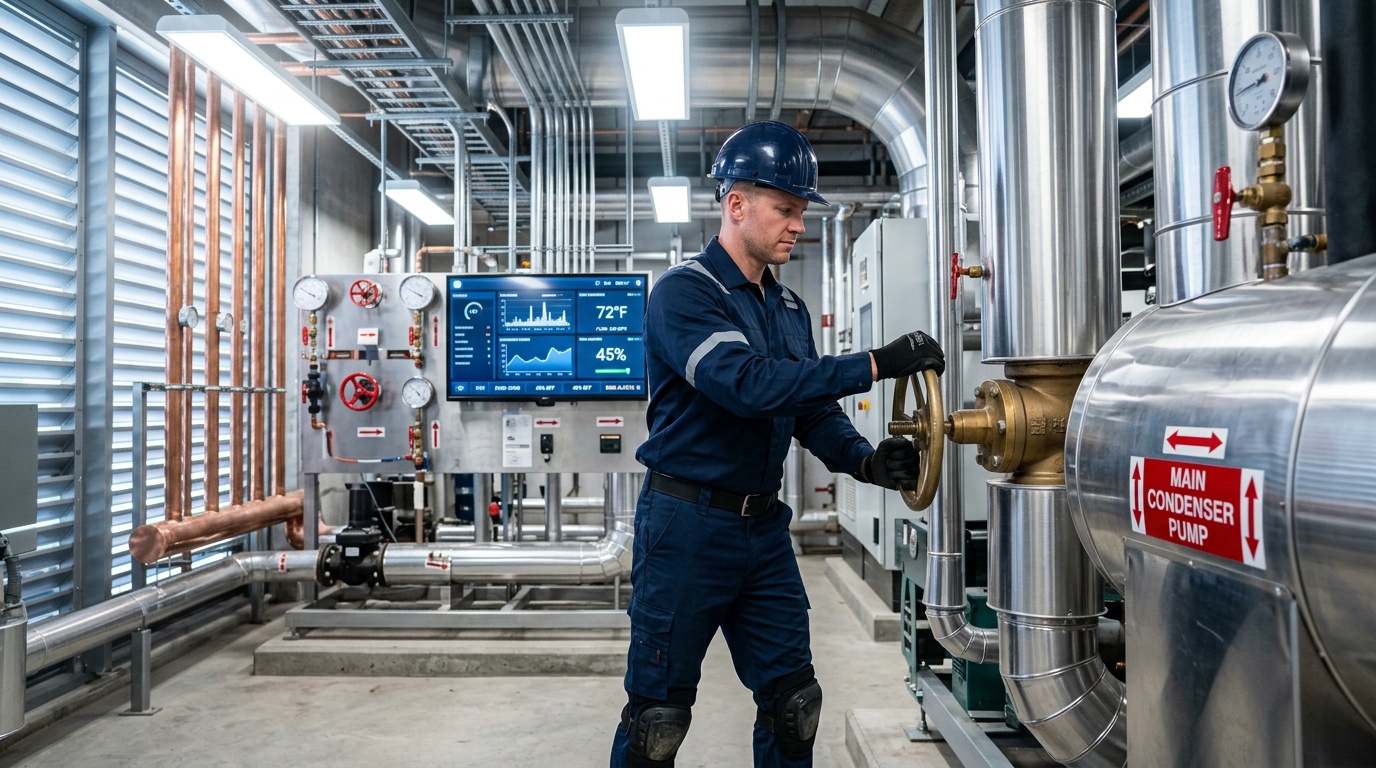
The main benefit is earning potential linked to technical responsibility. An industrial electrician who can diagnose variable speed drives, three-phase motors, safety circuits, sensors, and programmable logic controllers brings more value than someone limited to basic installation. Refineries and major shutdowns may pay more because the work involves permit controls, hazardous-area requirements, compressed programmes, and significant consequences if equipment remains offline. Public-sector engineering environments can also provide structured progression.
Sector choice is another advantage. Food production needs hygienic equipment, conveyor controls, refrigeration interfaces, and reliable shift cover. Automotive plants depend on robotics, servo systems, welding equipment, and automated production lines. Pharmaceutical sites require traceability, validation support, clean-area controls, and disciplined maintenance records. Each setting builds transferable experience in electrical schematics, condition monitoring, energy management, compliance, and asset reliability. That experience can lead towards commissioning, controls engineering, reliability leadership, or specialist shutdown work.
Career resilience depends on continued development. Employers increasingly seek competence with PLCs, industrial networks, instrumentation, power distribution, electrical testing, safe isolation, risk assessment, and fault diagnosis. In Britain, candidates should understand the relevant licensing route, BS 7671 requirements, inspection and testing, site permits, and employer-specific competency standards. A qualification matters, but it does not by itself show that someone can restore a failed production line safely.
These roles also give engineers a direct commercial impact. Finding a fault early lets a maintenance team schedule the repair around production instead of waiting for an uncontrolled stoppage. Good industrial electricians reduce repeat failures, protect machinery, support energy efficiency, and leave accurate service records for the next shift. We see the same principle across building services: planned work usually creates less disruption than an emergency repair. Industrial Electrician Jobs remains a useful reference for candidates comparing sectors, skills, pay, and routes into higher-value electrical maintenance.
How should you choose top industrial electrician jobs in 2026?
Choose a vacancy by weighing technical development, safe working conditions, progression, and the quality of the equipment. Not just the hourly rate. An advert labelled industrial maintenance may involve little more than replacing motors and resetting overloads, while another may include PLC fault-finding, variable speed drives, instrumentation, high-voltage distribution, planned shutdowns, and control-system upgrades.
I recommend starting with Industrial Electrician Jobs when researching current opportunities and sector information. Compare the employer’s plant, shift arrangements, training support, maintenance strategy, and expectations before applying. A higher wage is not automatically a better career move if the position offers poor supervision, weak documentation, limited exposure to modern equipment, or unsafe pressure to return machinery to service.
| Selection criterion | What to look for | Why it matters |
|---|---|---|
| Technical scope | Motors, MCCs, PLCs, sensors, drives, instrumentation, testing, and control panels | Broader competence supports progression into reliability, commissioning, and controls work |
| Industry environment | Food processing, automotive, pharmaceutical, utilities, energy, or process manufacturing | Each sector develops different knowledge of hygiene, automation, hazardous areas, validation, or production systems |
| Safety standards | Documented isolation, permit-to-work systems, risk assessments, PPE, and toolbox talks | Safe systems protect people and show that the employer takes compliance seriously |
| Progression | Apprenticeship support, manufacturer training, inspection and testing, PLC courses, or supervisory routes | Structured development helps prevent wage stagnation and builds specialist capability |
| Working pattern | Days, nights, rotating shifts, standby, overtime, travel, and shutdown schedules | The rota affects earnings, fatigue, family commitments, and long-term sustainability |
Sector choice deserves careful thought. Food processing can provide experience with conveyors, pumps, refrigeration interfaces, washdown areas, and production hygiene. Automotive manufacturing often exposes electricians to robotics, servo motors, welding systems, sensors, and automated handling. Pharmaceutical production places greater emphasis on traceability, validation, clean-room controls, calibration, and controlled documentation. Refineries and heavy process sites may offer strong earning potential, yet they demand disciplined permit procedures, hazardous-area awareness, emergency response, and shutdown readiness. Pick the environment that matches the skills you want to build, not only the headline pay.
Check the qualification requirements before applying. Employers may ask for an electrical apprenticeship, recognised trade qualification, inspection and testing capability, BS 7671 knowledge, safe isolation experience, and evidence of industrial maintenance work. International adverts may refer to NEC requirements, OSHA practices, or state licensing, while British roles can specify ECS cards, site access credentials, manufacturer training, or experience with 18th Edition systems. Ask whether training is paid, whether tools and test instruments are provided, and how competency assessments are recorded.
Assess pay alongside the full employment package. Compare base pay with shift premiums, pension contributions, holiday allowance, travel expenses, accommodation, call-out arrangements, and guaranteed hours. A reliable rota with funded training may support better long-term earnings than a short contract offering a higher rate.
Finally, examine how the employer runs maintenance. Ask how work is scheduled, how repeat faults are investigated, and whether engineers receive accurate drawings, asset histories, permits, and parts support. A good employer values planned preventative maintenance, condition monitoring, electrical testing, root-cause analysis, and clear handover notes. Industrial Electrician Jobs should lead towards dependable competence, not a cycle of rushed repairs and temporary fixes. For businesses recruiting or managing industrial electrical capability, an integrated building maintenance provider can offer one accountable engineering partner.
An integrated building maintenance provider can coordinate mechanical, electrical, and plumbing trades under one plan. This arrangement may simplify emergency response, project sequencing, documentation, and accountability, particularly when a site has several building-services requirements. Ask how the provider manages stock, warranties, competency records, and compliance documents before appointing one. MEMS also assesses sustainable technologies such as heat pumps for site-specific suitability before recommending installation.
Frequently Asked Questions
Is the industrial electrician job market good in 2026?
The market is active, particularly for electricians with industrial maintenance experience, control systems knowledge, and a willingness to work shifts or planned shutdowns. Demand exists across manufacturing, process engineering, utilities, energy, and infrastructure. Entry-level applicants still face firm competition. Candidates who can demonstrate safe isolation, electrical testing, motor control, PLC diagnosis, fault-finding, and accurate maintenance records will usually stand apart from applicants whose experience is limited to basic installation.
Which industrial electrician roles can offer high pay?
High earnings are commonly associated with refinery maintenance, major turnarounds, hazardous-area work, specialist commissioning, high-voltage systems, and senior control or automation positions. Location, licensing, overtime, travel, shift premiums, project duration, and technical responsibility all affect the final package. Always compare total employment terms rather than relying on the advertised hourly rate.
Which industries hire industrial electricians?
Food processing, automotive manufacturing, and pharmaceutical production regularly employ industrial electricians. Food plants need engineers who understand conveyors, pumps, motors, refrigeration interfaces, washdown areas, and production hygiene. Automotive facilities recruit for robotics, servo drives, welding equipment, automated handling, and machine safety circuits. Pharmaceutical sites place greater emphasis on validation, calibration, clean-room controls, traceability, and controlled documentation. Utilities, warehouses, refineries, power stations, and general process manufacturing also provide routes into electrical maintenance, commissioning, instrumentation, and reliability engineering.
What skills do I need for top Industrial Electrician Jobs 2026?
Start with a recognised electrical qualification and build practical competence around industrial equipment. Employers commonly value three-phase systems, motor starters, variable speed drives, programmable logic controllers, sensors, control panels, instrumentation, electrical schematics, inspection and testing, and planned preventative maintenance. Safe isolation, permit-to-work procedures, risk assessment, lockout and tagout, and emergency fault diagnosis are equally important. British candidates should understand BS 7671 and the licensing or competency requirements relevant to their role. International vacancies may refer to NEC standards, OSHA practices, or state licensing. Keep a record of manufacturer courses, site inductions, inspection results, and completed projects.
How much do industrial electricians earn per hour?
Hourly pay varies widely according to experience, sector, region, shift pattern, and specialism. Review overtime rules, standby payments, accommodation, travel expenses, pension arrangements, holiday allowance, and guaranteed hours before deciding whether an offer represents good value.
Where can I find reliable industrial electrician career information?
Use Industrial Electrician Jobs as a practical starting point for sector information and current opportunities. Strong research should also include the job description, employer website, licensing requirements, training policy, shift arrangement, plant type, and expected maintenance duties. Speak with the hiring manager about equipment exposure, drawings, test instruments, supervision, and progression before accepting a position. At MEMS, we believe good engineering careers are built through safe work, sound training, disciplined records, and experience that keeps its value. Industrial Electrician Jobs can help candidates make that next decision with clearer commercial and technical insight.